Author name: Anchal Negi

Rajasthan

Best Rehab Centre in Jaipur: Complete Guide

At Sanchit Rehab Centre in Jaipur, we provide professional addiction treatment, emotional support, and personalized recovery programs designed to help individuals heal safely and effectively. As a trusted Nasha Mukti Kendra in Jaipur, we focus on complete recovery through medical care, counselling, and a supportive environment where patients feel understood and motivated to change. We believe recovery goes beyond stopping substance use. At Sanchit Rehab Centre in Jaipur, we help individuals rebuild confidence, strengthen mental health, and develop a positive lifestyle. Our compassionate team offers continuous guidance, structured routines, and emotional care, helping patients regain control of their lives and achieve long-term sobriety and well-being. Best Rehab Centre in Jaipur Addiction is not just a personal struggle; it deeply affects families, relationships, and emotional well-being. We understand how confusing and painful this journey can feel. Many individuals want to quit substance use but do not know where to begin or whom to trust. At Sanchit Rehab Centre, Jaipur, we believe recovery starts with compassion, understanding, and professional care. We help individuals take their first safe step toward healing through structured programs, emotional support, and medically supervised treatment. Our goal is not only to help someone stop substance use but also to rebuild confidence, restore mental balance, and guide them toward a healthier future. Choosing the Best Rehab Centre in Jaipur means finding a place where patients feel respected, supported, and motivated to change. We work closely with every individual and their family to create a recovery journey that is safe, practical, and long-lasting. What Makes the Best Rehab Centre in Jaipur? When families search for addiction treatment, they often look for trust, safety, and professional expertise. We believe certain qualities define the Best Rehab Centre in Jaipur, and these principles guide everything we do. Professional Treatment Approach We follow structured medical and psychological treatment methods designed to address both physical dependence and emotional challenges. Safe Detoxification Process Detox is the first step of recovery. We ensure medically supervised detoxification so individuals can safely withdraw from substances without unnecessary risk or discomfort. Experienced Counselors Our trained counsellors understand addiction from both clinical and emotional perspectives. We listen without judgment and guide patients toward self-understanding and recovery. Personalised Treatment Plans Every addiction story is different. We design customised recovery programs based on medical history, mental health condition, and personal needs. Supportive Healing Environment A peaceful environment reduces stress and helps individuals focus completely on recovery. Emotional safety plays a major role in successful treatment. These elements together help define what truly makes the Best Rehab Centre in Jaipur effective and trustworthy. Why We Are Considered the Best Rehab Centre in Jaipur At Sanchit Rehab Centre in Jaipur, our work is built on care, responsibility, and genuine commitment to recovery. We strive every day to meet the standards expected from the Best Rehab Centre in Jaipur. Our Mission and Values: We aim to restore lives affected by addiction through ethical treatment, respect, and continuous support. Patient-Centred Care: We focus on individual needs rather than following a single treatment model for everyone.Confidential Treatment: Privacy and dignity are essential during recovery. We maintain strict confidentiality for every patient. Comfortable Facilities: A calm and comfortable setting helps individuals feel secure while undergoing treatment. Compassionate Support System: Recovery becomes easier when patients feel understood. Our team provides emotional encouragement throughout the healing journey. These values strengthen our reputation as a trusted Rehabilitation Centre in Jaipur dedicated to lasting recovery. Our Addiction Treatment Programs at Sanchit Rehab Centre in Jaipur We provide comprehensive treatment programs designed to address different forms of addiction. Our services reflect the standards expected from the Best Rehab Centre in Jaipur. Alcohol Addiction Treatment Alcohol dependence affects physical health, mental clarity, and family relationships. Our structured alcohol recovery program focuses on detoxification, counselling, and behavioural change. Drug Addiction Treatment Drug addiction requires specialised psychological and medical care. We help individuals regain control through therapy, routine development, and continuous supervision. Detoxification Program Detox removes harmful substances from the body under professional monitoring. We ensure patients remain stable and supported during this critical phase. Counselling & Therapy Therapy sessions help individuals understand triggers, emotions, and coping mechanisms. Group discussions also create a sense of shared healing. Mental Health Support Addiction often connects with anxiety, stress, or depression. Our mental health programs address these concerns alongside addiction recovery. Through these services, we continue working toward being recognised as the Best Rehab Centre in Jaipur for comprehensive care. How We Treat Addiction — Our Recovery Process Recovery is not an instant change; it is a gradual journey that requires patience, professional guidance, and emotional support. At our Nasha Mukti Kendra in Jaipur, we follow a well-planned and structured treatment process designed to heal both the body and the mind. As the Best Rehab Centre in Jaipur, we focus on helping individuals regain stability, confidence, and control over their lives through every stage of recovery. 1. Assessment & Admission The recovery journey begins with a detailed assessment. At the Best Rehab Centre in Jaipur, we carefully evaluate the patient’s physical health, addiction history, mental condition, and personal challenges. This allows us to understand the root causes of addiction and create a personalised treatment plan that ensures treatment begins safely and effectively. 2. Medical Detox Detoxification is the first stage of physical healing. At the Best Rehab Centre in Jaipur, harmful substances are gradually removed from the body under professional supervision. Withdrawal symptoms can be challenging, so we provide continuous monitoring, medical care, and emotional reassurance to make this phase safe, comfortable, and medically secure. 3. Therapy & Counselling After detox, emotional and psychological healing begin. At the Best Rehab Centre in Jaipur, individual counselling and group therapy help patients understand addiction triggers, emotional patterns, and unhealthy behaviours. Therapy encourages open communication, self-awareness, and healthier coping strategies for managing stress and life challenges. 4. Behavioural Improvement Addiction often disrupts routine and decision-making ability. At the Best Rehab Centre in Jaipur, we help individuals rebuild discipline through structured daily schedules,

6 Powerful Therapies Used in Gambling Addiction Recovery
Uttarpradesh

6 Powerful Therapies Used in Gambling Addiction Recovery

Addiction does not always come from substances. For many students and young adults, gambling can slowly turn into a serious habit that affects studies, relationships, and mental health. Online betting apps, gaming platforms, and social pressure have made gambling more accessible than ever. Gambling Addiction Recovery is a process that helps individuals regain control of their thoughts, behaviour, and financial decisions. Many school and college students begin gambling out of curiosity, but over time, it may become difficult to stop. The good news is that professional therapies and structured rehabilitation programs can help people overcome gambling addiction and rebuild a healthy life. In this article, we will explore effective therapies, treatment methods, and support systems that guide individuals toward lasting recovery. Understanding Gambling Addiction in Young People Gambling addiction, also called compulsive gambling, is a behavioural condition in which a person feels a strong urge to gamble despite negative consequences. Many students experience stress from academics, peer pressure, or emotional struggles. Gambling sometimes becomes an escape from these problems. However, it often leads to financial loss, guilt, anxiety, and declining academic performance. Recognising the problem early is a crucial step in Gambling Addiction Recovery, because timely treatment can prevent long-term emotional and financial damage. Seeking professional help from a trusted centre like Sanchit Rehab Centre in Lucknow can provide the right guidance and supportive environment for recovery Common Causes of Gambling Addiction Several factors can lead young people toward gambling habits. Understanding these causes helps in choosing the right treatment approach. Social Influence and Online Exposure Social media and online advertisements often promote betting platforms and games that look exciting and profitable. Stress and Emotional Pressure Academic stress, loneliness, or family issues sometimes push students toward risky habits like gambling. Easy Access to Online Betting With smartphones and internet access, gambling platforms are available 24/7. Curiosity and Peer Pressure Friends or online communities may encourage students to try gambling for fun. Recognising these causes helps individuals begin their journey toward Gambling Addiction Recovery and adopt healthier habits. Warning Signs of Gambling Addiction Identifying the symptoms early can make recovery easier. Some common warning signs include: Spending excessive time thinking about gambling Borrowing or stealing money to gamble Hiding gambling activities from family or friends Feeling anxious or depressed after losses Losing focus on studies or work If these signs appear frequently, seeking professional help for the treatment of compulsive gambling becomes essential. 6 Powerful Therapies Used in Gambling Addiction Recovery Professional rehabilitation programs use different therapy techniques to help individuals regain emotional balance and self-control. These therapies address both the psychological and behavioural aspects of addiction. 1. Cognitive Behavioural Therapy (CBT) Cognitive behavioural therapy for gambling addiction is one of the most effective treatment methods. It helps individuals identify harmful thoughts and behaviours related to gambling. Through CBT, people learn to: Recognize gambling triggers Replace negative thoughts with positive ones Develop healthier coping strategies This therapy plays a major role in Gambling Addiction Recovery by helping individuals change their mindset and decision-making patterns. 2. Individual Counselling Personal counselling sessions allow individuals to discuss their struggles openly with trained therapists. These sessions help people: Understand emotional triggers Manage stress and anxiety Build confidence and self-control Professional counselling is often an important part of Gambling Addiction Recovery, especially for students who may feel uncomfortable sharing their problems with others. 3. Group Therapy Group therapy creates a supportive environment where individuals share experiences with others facing similar challenges. Benefits of group therapy include: Emotional support from peers Learning from others’ recovery journeys Reducing feelings of isolation Hearing real recovery stories can motivate individuals to stay committed to their Gambling Addiction Recovery journey. 4. Family Therapy Addiction does not affect only the individual; it also impacts family relationships. Family therapy focuses on: Rebuilding trust Improving communication Educating family members about addiction recovery Support from loved ones plays a powerful role in helping individuals overcome gambling addiction. 5. Mindfulness and Stress Management Therapy Stress is one of the biggest triggers for gambling behaviour. Mindfulness techniques help individuals control impulses and improve emotional balance. Examples include: Meditation Breathing exercises Yoga and relaxation practices These techniques support Gambling Addiction Recovery by reducing anxiety and strengthening mental stability. 6. Behavioural Therapy and Habit Replacement Behavioural therapy focuses on replacing harmful habits with positive activities. Students and young adults are encouraged to develop healthier routines such as: Playing sports Learning creative skills Participating in social activities Practising fitness and wellness routines Replacing gambling with productive habits helps maintain long-term Gambling Addiction Recovery. Steps to Recover from Gambling Addiction Recovery is a gradual process that requires determination and professional guidance. The following Steps to Recover from Gambling Addiction can help individuals rebuild control over their lives. 1. Accept the Problem Acknowledging the addiction is the first step toward recovery. 2. Identify Triggers Understanding situations or emotions that lead to gambling can help prevent relapse. 3. Limit Access to Gambling Platforms Blocking betting apps and avoiding gambling environments can reduce temptation. 4. Seek Professional Support Therapy and counselling are essential parts of Steps to Recover from Gambling Addiction. 5. Build Healthy Habits Developing positive routines such as exercise, hobbies, or learning new skills supports recovery. 6. Strengthen Emotional Health Managing stress and improving self-confidence are key parts of the Steps to Recover from Gambling Addiction journey. Why You Choose Sanchit Rehab Centre Lucknow Choosing the right rehabilitation centre plays a major role in successful recovery. Sanchit Rehab Centre provides a supportive and professional environment where individuals can begin their healing journey. Reasons people trust this centre include: Experienced addiction specialists Personalised treatment plans Safe and confidential environment Student-friendly recovery programs Focus on mental and emotional healing The centre aims to guide individuals toward lasting Gambling Addiction Recovery with compassionate care and structured support. Services Offered at Our Rehab Centre In Lucknow Rehabilitation involves a combination of therapy, counselling, and lifestyle improvement programs. Services typically include: Psychological counselling Behavioural therapy programs Mental health support sessions Stress management training Group therapy and

Blog

Why Early Treatment Matters in Addiction Recovery

Addiction rarely begins overnight. It develops gradually, often starting as experimentation, curiosity, or stress relief—especially among school-going and college-going students. Understanding Why Early Treatment Matters in Addiction Recovery can make a life-changing difference. When addiction is identified and treated early, recovery becomes easier, faster, and more sustainable. Early intervention prevents substances from deeply affecting the brain and body. It also protects education, relationships, mental health, and future opportunities. This article explains how timely treatment works, why it is critical, and how it supports long-term recovery. Why Early Treatment Matters in Addiction Recovery Early treatment focuses on addressing addiction before it becomes severe. At this stage, physical dependence is lower, emotional damage is limited, and motivation to recover is often stronger. This makes the recovery process more effective and less complicated, which is why Sanchit Rehab Centre in Gwalior emphasises early intervention to support lasting recovery outcomes. Understanding Addiction in Its Early Stage How Addiction StartsAddiction often begins due to: Academic pressure and exam stress Peer pressure and social influence Anxiety, loneliness, or low self-esteem Easy access to alcohol or substances Lack of healthy coping mechanisms Addiction Recovery at the Early Stage Addiction recovery at early stage focuses on breaking habits before they turn into dependency. Early-stage recovery requires fewer medical interventions and has higher success rates compared to late-stage treatment. Early Addiction Treatment Benefits Seeking help early offers multiple advantages for students and young adults. Key Early Addiction Treatment Benefits Reduced withdrawal symptoms Faster physical and mental recovery Lower relapse risk Shorter treatment duration Better emotional control Improved academic performance Early treatment prevents addiction from becoming a lifelong struggle. Importance of Early Intervention in Addiction The importance of early intervention in addiction lies in protecting the brain. During teenage and young adult years, the brain is still developing. Substance use during this phase can cause long-term cognitive and emotional damage. How Early Intervention Helps Prevents changes in brain chemistry Stops emotional dependence from forming Reduces mental health complications Encourages healthier coping strategies Preserves confidence and decision-making ability Early support creates a strong foundation for recovery. Impact of Delayed Treatment Delaying treatment can lead to serious consequences. Risks of Late Treatment Stronger physical dependence Severe withdrawal symptoms Increased anxiety and depression Academic failure or dropout Damaged family relationships Higher relapse rates Early action avoids these risks and simplifies recovery. Role of Rehab Centres in Early Recovery Rehab centres play a crucial role in early-stage treatment by providing structured support and professional guidance, highlighting Why Early Treatment Matters in Addiction Recovery. Through timely intervention, they help prevent addiction from becoming severe, reinforce healthy coping skills, and show Why Early Treatment Matters in Addiction Recovery for protecting mental health, physical well-being, and future stability. Services Offered in Early Treatment Psychological assessment Early psychological evaluation helps identify underlying mental health issues, emotional triggers, and behavioural patterns linked to substance use. This step highlights Why Early Treatment Matters in Addiction Recovery, as a timely diagnosis allows professionals to create a personalized and effective recovery plan. Counselling and therapy Counselling and therapeutic support address emotional struggles, trauma, and thought patterns that contribute to addiction. Consistent therapy clearly shows Why Early Treatment Matters in Addiction Recovery, as early guidance helps individuals develop healthier coping mechanisms before dependency deepens. Stress and trigger management Learning how to manage stress and avoid triggers is essential for preventing relapse. Early intervention teaches practical skills to handle pressure, reinforcing Why Early Treatment Matters in Addiction Recovery by reducing the chances of returning to harmful behaviours. Lifestyle and routine correction Structured daily routines, healthy habits, and balanced lifestyles support long-term recovery. Making these changes early demonstrates Why Early Treatment Matters in Addiction Recovery, as positive routines are easier to build before addiction disrupts daily life completely. Education about addiction risks Educating individuals about the physical, mental, and social risks of addiction increases awareness and responsibility. This knowledge strengthens understanding of Why Early Treatment Matters in Addiction Recovery, empowering individuals to make informed decisions and commit to lasting change. Mental and Emotional Benefits of Early Treatment Early treatment helps individuals: Understand emotional triggers Manage stress without substances Build self-awareness Improve self-esteem Develop healthy decision-making skills Mental clarity gained early makes recovery sustainable. Physical Health Benefits of Early Recovery When treatment begins early: Body detox is smoother Organ damage is minimised Sleep patterns improve Energy levels increase Immunity remains stronger This supports long-term recovery through early treatment. Why Early Treatment Is Especially Important for Students Students face unique pressures that increase addiction risk. Common Student Challenges Exam stress Performance anxiety Social pressure Identity and confidence issues Early treatment helps students regain focus, protect their education, and plan a healthier future. Building Long-Term Recovery Through Early Treatment Long-term recovery through early treatment is more successful because habits are easier to change in the initial stages, clearly demonstrating Why Early Treatment Matters in Addiction Recovery. By acting at the right time, individuals can break harmful patterns before they become deeply rooted, reinforcing Why Early Treatment Matters in Addiction Recovery and reducing the risk of long-term dependence. This timely intervention helps prevent addiction from escalating and proves Why Early Treatment Matters in Addiction Recovery for achieving lasting health, stability, and overall well-being. What Early Treatment Builds Strong coping skills Emotional resilience Healthy routines Clear life goals Strong support systems These factors reduce relapse risk and support lifelong wellness. Signs That Early Treatment Is Needed Recognising warning signs can prevent addiction from worsening. Early Warning Signs Increased substance use Mood swings or irritability Decline in academic performance Social withdrawal Sleep disturbances Seeking help at this stage ensures addiction recovery at early stage is effective. Conclusion Addiction does not need to reach a crisis point before help is sought. Understanding Why Early Treatment Matters in Addiction Recovery empowers individuals to act before lasting damage occurs. Early treatment protects mental health, physical well-being, education, and future goals. If you or someone you care about is showing early signs of addiction, taking action now can change everything. Nasha Mukti Kendra in

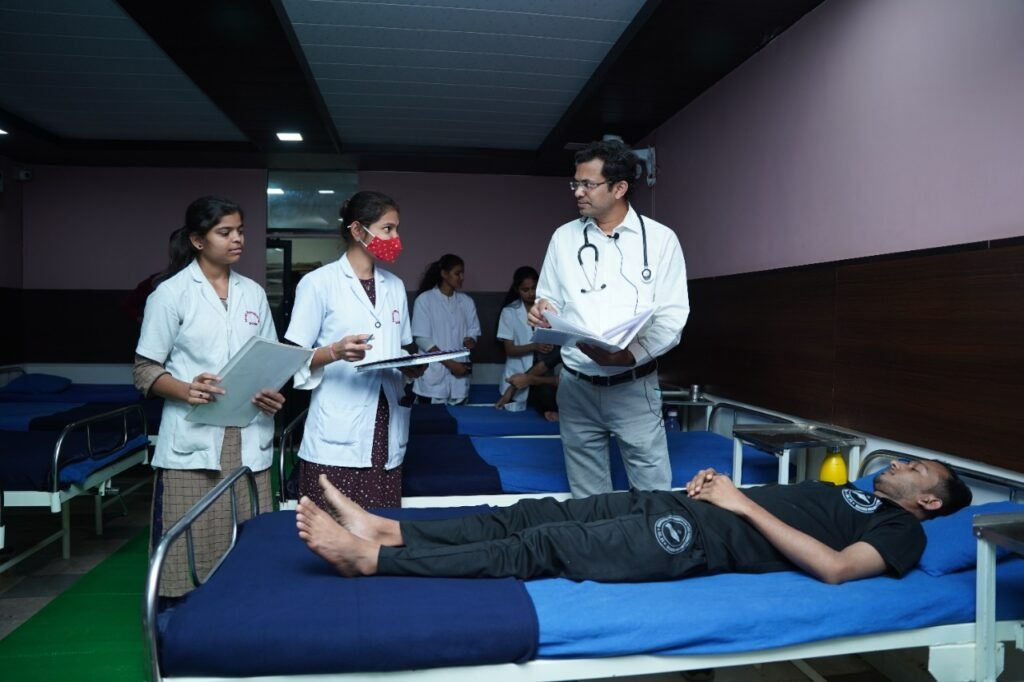
Structured physical wellness program conducted in a residential treatment centre to support long-term recovery.
Blog

How Rehab Centres Treat Both Mind and Body

Addiction does not affect just one part of a person—it impacts the mind, body, emotions, behavior, and future. That’s why modern rehabilitation focuses on complete healing, not just stopping substance use. Understanding How Rehab Centres Treat Both Mind and Body is especially important for school-going and college-going students, as early awareness can prevent long-term damage and guide timely help. Rehab centres today use a holistic, science-backed approach that combines physical detox, mental health care, counseling, and lifestyle changes. Instead of treating addiction as a bad habit, they address it as a medical and psychological condition. How Rehab Centres Treat Both Mind and Body Rehabilitation centres are designed to heal the root causes of addiction, not just the symptoms. They understand that substances change brain chemistry, weaken the body, and disrupt emotional balance. Therefore, effective treatment restores mental clarity, physical health, and emotional stability together at Sanchit Rehab Centre in Gwalior. Why Addiction Affects Both Mind and Body Addiction is a mind and body condition, not a lack of willpower. Impact on the Mind Alters dopamine and brain chemistry Increases anxiety, depression, and mood swings Weakens decision-making and impulse control Creates emotional dependence Impact on the Body Damages liver, heart, and nervous system Weakens immunity and energy Causes sleep and nutrition problems Leads to physical dependence This is why mind and body addiction treatment is essential. Physical Detox – The First Step to Healing the Body What Is Physical Detox? Physical detox and mental healing begin with medically supervised detoxification, which safely removes alcohol or drugs from the body. How Rehab Centres Manage Detox 24/7 medical monitoring Withdrawal symptom management Medication support when needed Hydration and nutrition care Detox stabilizes the body so the mind can heal effectively. Mental Healing Through Therapy and Counseling While detox heals the body, therapy heals the mind. Role of Therapy in Rehabilitation Individual counseling Cognitive Behavioral Therapy (CBT) Group therapy Family counseling Motivational therapy Therapy supports mental and physical addiction recovery by addressing emotional and psychological roots. Treating Emotional and Psychological Triggers Many students turn to substances due to: Academic pressure Peer influence Anxiety or low self-esteem Lonelines How Rehab Centre Address Triggers Stress management techniques Emotional regulation training Confidence building Mindfulness and meditation This makes rehab a true rehab centre for mental and physical health. Nutrition and Fitness for Physical Strength Addiction weakens the body, so rehab centre focus on rebuilding health. Nutritional Support Balanced meal planning Vitamin restoration Improved energy and digestion Physical Activity Yoga and stretching Light exercise Breathing practices Sleep routine correction Physical wellness supports mental clarity. Holistic Therapies That Connect Mind and Body Modern rehab centres include: Meditation and mindfulness Meditation calms the mind, reduces cravings, and improves self-awareness, showing clearly How Rehab Centres Treat Both Mind and Body by balancing emotions and brain responses. Yoga therapy Yoga improves physical strength, breathing, and mental focus, demonstrating How Rehab Centres Treat Both Mind and Body through movement and inner stability. Art and music therapy Creative therapies help express suppressed emotions and reduce stress, reflecting How Rehab Centres Treat Both Mind and Body by healing emotionally and mentally. Relaxation techniques Deep breathing and relaxation exercises lower anxiety and improve sleep, proving How Rehab Centres Treat Both Mind and Body by calming the nervous system. Nature-based healing Time in natural surroundings reduces stress and restores mental peace, supporting How Rehab Centres Treat Both Mind and Body through natural emotional balance and physical relaxation—one of the most effective ways How Rehab Centres Treat Both Mind and Body holistically. These therapies strengthen emotional balance and reduce stress. Building Healthy Habits for Long-Term Recovery Recovery continues beyond treatment. Life Skills Taught in Rehab Time management Stress control without substances Goal setting Healthy social behavior Academic and career guidance These habits reduce relapse risk. Why Treating Mind and Body Together Works Best Treating only one aspect leads to relapse. Benefits of Combined Treatment Lower relapse rates Emotional stability Improved confidence Better physical health Long-term sobriety This proves why learning How Rehab Centres Treat Both Mind and Body matters. Summary Rehab centres Gwalior focus on complete healing through detox, therapy, emotional support, and lifestyle change. Addressing mind and body addiction treatment together creates lasting recovery. If you or someone you care about is struggling, early support can change a life. Choosing the right rehab centre for mental and physical health is the first step toward a healthier future. FAQs Q1. Why do rehab centres treat both mind and body?Because addiction affects brain chemistry and physical health together, and treating both improves recovery success. Q2. Is detox alone enough for recovery?No. Detox treats physical dependence, but therapy is needed for mental healing. Q3. How does therapy help in addiction recovery?Therapy helps manage triggers, emotions, and stress without substances. Q4. Are rehab centres suitable for students?Yes. Early treatment protects education, health, and future goals. Q5. How long does rehabilitation take?It varies, but holistic recovery focuses on long-term improvement, not quick fixes.

Blog

Ways to Stop Drinking Urges – Healthy Alternatives That Work

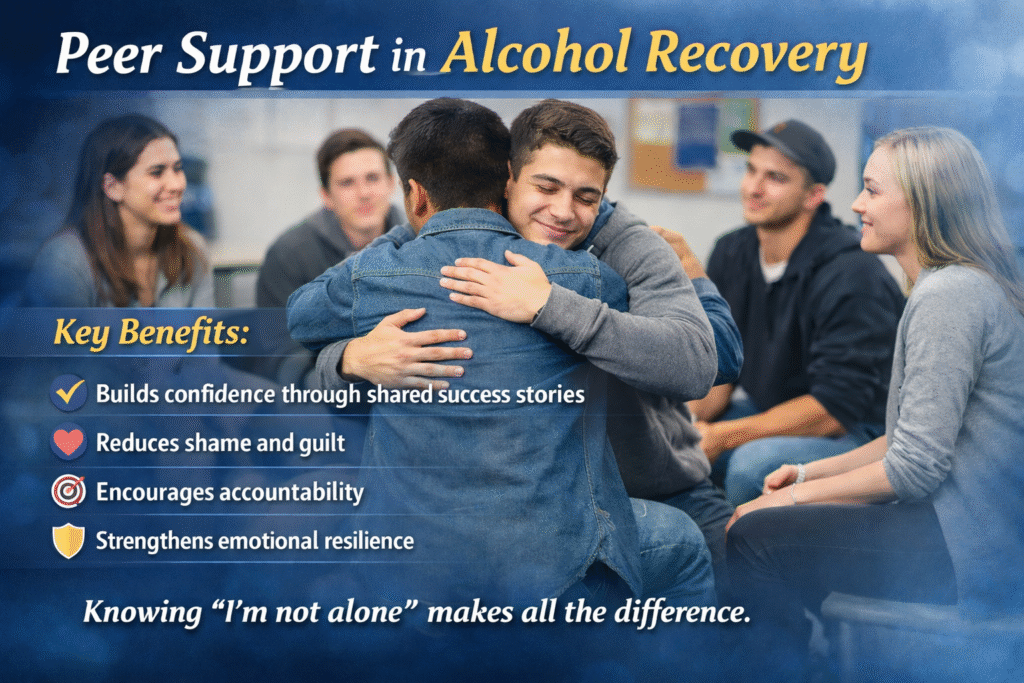
Alcohol urges don’t start as a problem for most people — especially students. It often begins with curiosity, peer pressure, stress, or the desire to “fit in.” Over time, those casual drinks can quietly turn into strong cravings that feel difficult to control. If you’re searching for ways to stop drinking urges, you’re already taking a powerful first step. The good news? You don’t need extreme measures to regain control. With the right mindset, healthy alternatives, and lifestyle changes, it is absolutely possible to reduce alcohol consumption naturally — and build a stronger, healthier future. Why Do Drinking Urges Feel So Strong? Before learning Ways to Stop Drinking Urges, it’s important to understand where they come from, because awareness is the foundation of effective Ways to Stop Drinking Urges. Common Triggers Among Students Academic pressure and exam stress Social influence and peer pressure Anxiety, loneliness, or low self-esteem Easy access to alcohol Lack of healthy coping mechanisms Alcohol temporarily boosts dopamine (the “feel-good” chemical), which trains the brain to crave it again. Understanding this cycle is one of the most important Ways to Stop Drinking Urges, because awareness helps break the habit loop. Over time, repeated dopamine spikes create urges—even when you don’t want to drink—making proven Ways to Stop Drinking Urges essential for long-term control. By retraining the brain with healthier rewards, these science-backed Ways to Stop Drinking Urges, supported at Sanchit Rehab Centre in Gwalior, help reduce cravings naturally. Natural Ways to Reduce Alcohol Cravings Stopping drinking urges doesn’t mean fighting your mind all day. It means retraining it with healthier habits, and learning proven Ways to Stop Drinking Urges that support long-term change. 1. Replace Alcohol With Healthy Drinks Your brain often craves the habit, not the alcohol itself. Healthy alternatives include: Lemon water or coconut water Herbal teas (ashwagandha, chamomile, tulsi) Fresh fruit juices (without added sugar) Sparkling water with mint or lime These give your body hydration and relaxation without harm. 2. Use Physical Activity to Kill Urges Exercise is one of the most effective natural ways to reduce alcohol cravings. Even 20–30 minutes of: Brisk walking Gym workouts Yoga or stretching Sports like football or badminton can reduce cravings by releasing endorphins and lowering stress. 3. Practice Delay, Not Denial When an urge hits, don’t panic. Tell yourself:   “I will wait 15 minutes.” During that time: Drink water Change your environment Take deep breaths Call or message a trusted friend Most urges pass if you don’t act immediately. Healthy Alternatives to Drinking Alcohol Replacing alcohol with meaningful activities is one of the smartest long-term strategies. 1. Build a Stress-Relief Routine Many students drink to escape stress. Instead, try: Meditation or guided breathing Listening to music Journaling thoughts Cold showers Short naps These methods calm the nervous system naturally. 2. Find a Purpose-Driven Distraction Idle time strengthens urges. Healthy replacements include: Learning a new skill Reading books or audiobooks Joining a club or student group Volunteering Working on fitness or appearance goals Productive distractions weaken alcohol’s hold over time. Tips to Avoid Drinking Alcohol in Social Situations Social pressure is one of the biggest challenges for students. 1. Prepare Your Response in Advance You don’t owe anyone an explanation. Simple replies work: “I’m focusing on my health.” “I don’t drink anymore.” “I’ve got early plans tomorrow.” Confidence ends most conversations instantly. 2. Choose Your Company Wisely Your environment shapes your habits. Spend time with people who respect your choices Avoid gatherings centered only around alcohol Suggest alcohol-free activities like movies, cafés, or sports This is a crucial step to reduce alcohol consumption naturally. Lifestyle Changes to Quit Drinking for Good Short-term control is helpful — but lasting change comes from lifestyle shifts. 1. Fix Sleep, Diet, and Daily Routine Poor sleep and junk food increase cravings. Focus on: 7–8 hours of sleep Balanced meals with protein and fruits Fixed daily schedules A healthy body makes a strong mind. 2. Identify Emotional Triggers Ask yourself: Do I drink when I feel lonely? Do I drink when I’m anxious or bored? Once you identify triggers, you can respond with healthier coping tools instead of alcohol. 3. Seek Professional Support Early You don’t need to “hit rock bottom” to ask for help. Nasha Mukti Kendra professionals offer: Confidential counselling Student-friendly recovery programs Psychological and emotional support Relapse-prevention techniques Early guidance prevents long-term addiction. When Drinking Urges Become Dangerous If urges feel uncontrollable, daily, or affect: Studies Alcohol urges directly affect concentration, memory, and motivation. Frequent drinking or constant cravings can lead to poor academic performance, missed classes, and declining grades. Learning effective Ways to Stop Drinking Urges helps students stay focused, improve learning ability, and perform better in exams and daily studies. Mental Health Uncontrolled alcohol urges increase anxiety, mood swings, stress, and even depression. Over time, alcohol weakens emotional control instead of strengthening it. Adopting healthy Ways to Stop Drinking Urges supports better emotional balance, mental clarity, and long-term psychological well-being. Relationships Alcohol cravings can damage relationships with family, friends, and peers due to irritability, broken trust, or irresponsible behavior. Practicing proven Ways to Stop Drinking Urges helps improve communication, rebuild trust, and maintain healthy personal and social relationships. Physical Health Regular alcohol use affects the liver, brain, sleep cycle, immunity, and overall energy levels. Persistent urges can silently harm the body, even at a young age. Following natural and practical Ways to Stop Drinking Urges protects physical health, boosts stamina, and supports long-term fitness. …it’s a sign to seek structured support immediately. Addiction is not a failure — it’s a medical and psychological condition that can be treated. Summary Learning ways to stop drinking urges is not about willpower alone. It’s about: Understanding triggers Choosing healthy alternatives Making smart lifestyle changes Asking for help when needed The earlier you act, the easier recovery becomes. Your education, health, and future are worth protecting. If you or someone you care about is struggling with alcohol urges, learning the right Ways to Stop Drinking Urges is the

De-addiction Centre
Blog

Sanchit Rehab – Reliable & Result-Oriented De-addiction Centre in Gwalior

A De-addiction Centre is a specialized healthcare facility that helps people safely stop using alcohol, drugs, or other addictive substances and return to a healthy, normal life. A De-addiction Centre treats addiction as a medical and psychological condition, not a personal weakness. It provides a structured environment with medical supervision, counselling, and behavioural therapies to support long-term recovery. These De-addiction Centre programs also focus on emotional healing, relapse prevention, and rebuilding family and social relationships. What is De-addiction Centre A De-addiction Centre is a specialized healthcare facility that helps people stop using alcohol, drugs, or other addictive substances in a safe and structured way. It treats addiction as a medical and psychological condition, not a personal weakness. These centres provide: Medical detox to manage withdrawal safely Counselling and behavioural therapies Mental health support Healthy routine and lifestyle guidance Relapse prevention and long-term recovery programs The main goal of a de-addiction centre is to help a person become physically, mentally, and emotionally stable and return to a healthy, addiction-free life. Why it is important A De-addiction Centre is important because it provides safe medical treatment, counselling, and a supportive environment to help people overcome addiction. It not only stops substance use but also improves mental health, rebuilds family relationships, and teaches relapse-prevention skills. Most importantly, it helps a person return to a healthy, confident, and addiction-free life. Where you can find the best De-addiction centre in India If you are searching for the best De-addiction Centre in India, Sanchit Rehab Centre in Gwalior offers trusted and effective recovery solutions. This De-addiction Centre provides safe medical detox, expert counselling, behavioural therapy, yoga, and meditation in a peaceful residential environment. With experienced staff and 24×7 care, this De-addiction Centre ensures every patient receives personal attention and a structured treatment plan. The focus of this De-addiction Centre is not only on quitting addiction but also on rebuilding confidence, mental strength, and a healthy lifestyle. A clean and disciplined routine in this De-addiction Centre helps individuals stay away from triggers and move towards long-term sobriety. Sanchit Rehab Centre in Gwalior as a leading De-addiction Centre is committed to guiding patients towards a positive, addiction-free, and successful future. Our Treatment Opioid addiction treatment Opioid Addiction Treatment is a structured process that helps individuals safely stop the use of substances like heroin, morphine, and prescription painkillers while restoring their physical and mental health, and at Sanchit Rehab Centre in Gwalior this treatment is provided with medical care, expert counselling, and a supportive environment for long-term recovery. read more.   Alcohol Addiction Treatment Alcohol addiction treatment is a structured medical and psychological program that helps a person stop drinking, manage withdrawal symptoms, and learn how to live a healthy, alcohol-free life, and at Sanchit Rehab Centre in Gwalior this process is carried out with expert care, personalised therapy, and a supportive recovery environment read more.   Drug Addiction Treatment Drug addiction treatment is a complete medical and psychological process that helps a person stop using harmful substances and return to a healthy, normal, and drug-free life, and at Sanchit Rehab Centre in Gwalior this recovery journey is supported with professional care, structured therapy, and a safe residential environment read more.   Cannabis Addiction Treatment Cannabis addiction is a condition in which a person becomes physically and psychologically dependent on cannabis (marijuana/weed) and finds it difficult to stop using it even when it starts affecting read more.   Nicotine Addiction Treatment Nicotine addiction treatment is a planned program that helps a person quit smoking or using tobacco products and overcome their dependence on nicotine in a safe and healthy way, and at Sanchit Rehab Centre in Gwalior this treatment is supported by expert counselling, craving management, and a positive, structured recovery environment read more.   Gambling Addiction Treatment Gambling addiction (also called compulsive gambling) is a condition in which a person cannot control the urge to gamble, even when it causes serious problems in their financial life, relationships, mental health, and daily responsibilities, and Sanchit Rehab Centre in Gwalior offers professional counselling, behavioural therapy, and a supportive environment to help individuals regain control and live a balanced, addiction-free life read more. Types of Therapy Programs in Sanchit Rehab Centre 1. Individual Therapy One-to-one counselling between the patient and therapist to understand the root cause of addiction, trauma, stress, or emotional issues and create a personalised recovery plan. 2. Group Therapy Patients share their experiences in a guided group session. It builds confidence, motivation, communication skills, and peer support. 3. Cognitive Behavioural Therapy (CBT) Helps patients change negative thinking patterns, control cravings, and develop healthy coping strategies. 4. Family Therapy Involves family members in the recovery process to rebuild trust, improve relationships, and create a strong support system. 5. Motivational Enhancement Therapy Encourages patients to develop the inner motivation needed to quit addiction and stay committed to recovery. 6. 12-Step Therapy Program A spiritual and practical approach that helps in acceptance, self-discipline, and long-term sobriety. 7. Behavioural Therapy Focuses on changing harmful habits and developing a positive daily routine. 8. Holistic Therapy Includes yoga, meditation, mindfulness, art therapy, and physical activities for mental and emotional balance Rehab Facilities and Benefits at Sanchit Rehab Centre Gwalior 50+ bed capacity for men and women in separate facilities General ward, Private air-cooled rooms, AC & Deluxe AC rooms Nutritious food & pure drinking water Regular doctor visits and medical check-ups Experienced and professional staff Yoga, meditation & workout sessions Activity hall for indoor games & recreation Group motivational therapy & counselling Reading, writing & life-skill sessions Prayer and spiritual programs Safe, structured and hygienic environment  All treatment facilities are available under one roof Benefits of Choosing Sanchit Rehab Centre 24/7 professional care and medical supervision Personalized treatment for every patient Holistic recovery – physical, mental & emotional healing Strong peer support through group therapy Discipline and routine for long-term sobriety Relapse prevention and aftercare support Family and social life rebuilding Healthy, addiction-free lifestyle development These facilities and benefits help patients recover safely and return to a normal, confident, and substance-free life. Why Choose Sanchit Rehab Centre? Experienced & Qualified Team – Skilled doctors, counsellors, and support staff for professional care Personalised Treatment Plans –

Alcohol Relapse Triggers
Blog

Alcohol Relapse Triggers – How to Recognise and Manage Them

Relapse is a common challenge in alcohol recovery, but it doesn’t mean failure. Understanding alcohol relapse triggers is the first step in staying sober and maintaining long-term recovery. These triggers can be emotional, social, or environmental — and knowing how to recognise them equips you with strategies to manage cravings and prevent relapse. Whether you’re a student, young professional, or someone rebuilding your life after alcohol addiction, recognising alcohol relapse triggers and managing them effectively is essential. This guide from Sanchit Rehab Center in Gwalior  explores common alcohol relapse triggers, strategies for alcohol craving management, and actionable tips to stay on track in recovery. Understanding alcohol relapse triggers with guidance from Sanchit Rehab Center empowers you to take control of your recovery journey and maintain long-term sobriety.  Understanding Alcohol Relapse Triggers Alcohol relapse triggers are cues, situations, or emotions that increase the likelihood of drinking after a period of sobriety. Recognising these triggers early is crucial for recovery success. Triggers can be classified into three main types: Emotional triggers: Stress, anxiety, depression, or loneliness Environmental triggers: Parties, social gatherings, or places associated with past drinking Social triggers: Peer pressure, conversations about alcohol, or friends who drink Awareness is the first defense against relapse.  How to Recognise Alcohol Triggers Recognising triggers before they cause relapse is key to maintaining sobriety. Here’s how you can identify them:  Emotional Triggers Feeling stressed, anxious, or depressed Experiencing boredom or loneliness Dealing with unresolved trauma or grief Environmental Triggers Passing by bars, pubs, or liquor stores Being in social situations where alcohol is present Exposure to advertisements or media promoting drinking Social Triggers Conversations with friends about drinking Peer pressure or social norms encouraging alcohol use Celebrations or events historically associated with drinking Tip: Keeping a journal of cravings can help identify patterns in triggers.  Alcohol Craving Management Techniques Managing alcohol cravings is essential to prevent relapse. These techniques empower individuals to regain control: Mindfulness and Meditation – Focus on the present moment to reduce impulsive cravings. Physical Activity – Exercise can distract the mind and reduce stress hormones. Deep Breathing Exercises – Helps calm the nervous system during craving episodes. Hydration and Nutrition – Proper diet reduces triggers related to physical discomfort. Support Systems – Reach out to mentors, counselors, or recovery groups when cravings strike.  Managing Alcohol Relapse Effectively  Immediate Steps During a Relapse Trigger Remove yourself from the triggering environment Call a trusted support person or counselor Practice grounding techniques like deep breathing or walking  Long-Term Strategies Develop a relapse prevention plan Engage in therapy or counseling regularly Build healthy routines and hobbies to replace drinking habits Attend support groups such as Alcoholics Anonymous  High-Risk Situations to Watch For Certain situations are more likely to provoke relapse. Being proactive is key: High-stress workdays or exam periods for students Social events with heavy drinking Emotional conflicts with family or friends Celebratory events tied to alcohol consumption The Role of a Nasha Mukti Kendra Professional support from a Nasha Mukti Kendra is invaluable. These centers provide: Structured relapse prevention programs Counseling and therapy Peer support groups Education on alcohol relapse triggers and management techniques Engaging with professionals ensures that triggers are addressed effectively and recovery is sustainable. Daily Habits to Reduce Relapse Risk Maintain a consistent sleep schedule – Going to bed and waking up at the same time daily helps regulate your body clock, improves focus, and reduces stress-related cravings. Exercise regularly to reduce stress – Physical activity releases endorphins, improves mood, and provides a healthy outlet to manage triggers and alcohol cravings. Practice mindfulness or meditation – Techniques like meditation, deep breathing, or yoga help you stay present, manage stress, and resist impulsive urges to drink. Avoid high-risk situations when possible – Stay away from places, events, or social circles where alcohol is easily accessible to lower the chances of relapse. Keep a journal of emotions, cravings, and triggers – Tracking your moods and triggers helps identify patterns, manage cravings proactively, and develop healthier coping strategies. Summary Understanding alcohol relapse triggers and how to recognise and manage them is crucial for anyone in recovery. Emotional, social, and environmental cues can provoke cravings, but with mindfulness, support systems, and professional guidance from a Nasha Mukti Kendra in Gwalior relapse can be prevented. Implement daily habits, stay aware of high-risk situations, and seek help whenever necessary. Recovery is a journey, and managing triggers effectively ensures lasting sobriety. Take Action Today: Identify your personal triggers, develop a plan, and seek professional guidance to strengthen your recovery. FAQ: Alcohol Relapse Triggers Q1: What are common alcohol relapse triggers?A: Emotional stress, social pressure, environmental cues, and boredom are common triggers. Q2: How can I recognise alcohol triggers early?A: Keep a journal of cravings, moods, and situations to identify patterns. Q3: What are effective strategies for alcohol craving management?A: Mindfulness, exercise, deep breathing, hydration, and support systems help manage cravings. Q4: How does a Nasha Mukti Kendra help with relapse prevention?A: They provide counseling, structured programs, peer support, and education on triggers. Q5: Can daily habits reduce the risk of relapse?A: Yes — sleep, exercise, mindfulness, journaling, and avoiding high-risk situations all help maintain sobriety.

Blog

Alcohol Effects on Work Life – How Excessive Drinking Affects Productivity

Alcohol use is often portrayed as a harmless social activity, especially among students and young professionals. However, the reality is very different. Alcohol effects on work life can be long‑lasting and deeply detrimental to productivity, focus, and professional growth. Excessive drinking isn’t just about immediate health risks — it can silently erode your ability to perform well at school, college, internships, or job roles. This comprehensive guide explains the alcohol effects on work life, including how it impacts productivity, job performance, and emotional well‑being. Understanding alcohol effects on work life is crucial whether you’re a student juggling academics or a professional aiming for career growth. Recognizing the alcohol effects on work life is the first step toward healthier habits and improved performance. What Are the Alcohol Effects on Work Life? Alcohol use influences nearly every aspect of human functioning — including how we think, feel, and perform tasks. When alcohol use becomes excessive, it interferes with cognitive skills, emotional balance, and physical coordination — all essential elements of a productive work life. Seeking guidance from Sanchit Rehab Center in Gwalior can help individuals manage these challenges and restore focus, health, and efficiency.  Cognitive Impairment and Reduced Focus The brain’s ability to process information, remember details, and stay focused decreases when affected by alcohol. Decreased concentration: Alcohol slows down neural communication. Poor decision‑making: Even minor tasks require more effort. Memory lapses: Key deadlines and instructions are forgotten. These effects are especially noticeable during exam preparation or tight deadlines at work. Impact of Alcohol on Productivity When alcohol affects productivity, the consequences extend from grades to job evaluations: Incomplete work or assignments Missed deadlines Lower quality outputs Reduced participation in group tasks Studies show that people who consume alcohol excessively perform less efficiently and are more prone to mistakes.  Emotional and Psychological Toll Excessive drinking doesn’t just affect the brain — it influences emotions: Increased irritability Heightened anxiety Frequent mood swings Social withdrawal These emotional changes can make collaboration at school, college, or workplaces difficult.  Excessive Drinking at Work and School Alcohol effects on work life aren’t limited to professional settings — alcohol misuse can spill into school events, internships, weekend jobs, and workplace gatherings. Signs may include: Showing up hungover Frequent absenteeism Loss of motivation Frequent excuses related to drinking Such behaviors are part of the broader alcohol effects on work life, quickly impacting reputation and performance evaluations, as teachers, mentors, or employers notice declines in participation and focus.  Alcohol and Job Performance Your performance at work or in academics hinges on consistency and reliability — two qualities that alcohol misuse directly undermines: Tardiness Missed tasks Lower engagement in discussions Errors in judgment and execution Even if you perform well occasionally, inconsistency due to alcohol can slow career advancements or academic success.  Physical Health Consequences Affecting Work Life Alcohol doesn’t stop at emotional effects — your physical health suffers too: Fatigue from poor sleep quality Weakened immune system Slower reaction times Increased risk of injuries Physical discomfort can lower enthusiasm for regular routines, including attending class or performing at work.  Social Impact — Relationships at School or Work Interacting effectively with peers is vital. Alcohol misuse often affects interpersonal relationships: Arguments with friends or coworkers Miscommunication Loss of trust This damage isn’t easily repaired and often takes time to rebuild — especially when deadlines and academic pressures keep piling.  Alcohol and Academic Performance For students, alcohol use isn’t just a social habit — it’s a risk factor for: Lower grades Difficulty retaining study material Missing lectures or study sessions Inability to concentrate during exams Poor academic performance can lead to stress, creating a harmful cycle where students drink more to cope — making matters worse.  Impact on Work‑Life Balance Even occasional binge drinking can disrupt schedules. A night out might seem harmless, but the next day… Sleep patterns are disrupted Energy levels drop Productivity plummets Motivation declines Eventually, it becomes harder to balance responsibilities effectively.  Long‑Term Consequences of Alcohol on Career Repeated alcohol misuse can create a pattern of professional setbacks: Promotion opportunities lost Lack of responsibility taken seriously Damaged reputation Poor performance reviews This deteriorating pattern can affect long‑term career growth — something many young adults don’t realize until it’s too late.  Strategies to Counter Alcohol’s Negative Impact  Build Awareness and Education Understanding the harmful effects is the first step: Attend workshops on alcohol education Read evidence‑based resources Talk to counselors about risks Awareness helps you make informed decisions. Adopt Healthy Daily Habits Simple daily routines set the foundation for productivity: Regular sleep schedule Balanced nutrition Hydration Exercise or yoga When your body is healthy, the urge to rely on alcohol for relief decreases.  Develop Stress‑Management Techniques Stress is one of the biggest triggers for drinking: Mindfulness meditation Breathing exercises Journaling Time management skills Replacing harmful coping mechanisms with healthy ones helps you stay productive. Seek Support at a Nasha Mukti Kendra Professional support significantly increases success: Structured programs Counseling Group therapy Relapse prevention strategies A Nasha Mukti Kendra can guide you toward recovery in a supportive environment. Build a Supportive Network Surround yourself with people who encourage healthy habits: Friends with similar goals Mentors and teachers Support groups Family members who care Together, you can create a positive environment for growth.  Practical Tips for Students and Young Professionals Set clear goals (academic and professional) Track your habits and how alcohol affects them Replace drinking with fulfilling activities Celebrate small wins Limit exposure to high‑risk situations Healthy routines lead to long‑term success. Summary Excessive alcohol use can significantly harm your career, education, productivity, and emotional well‑being. Understanding alcohol effects on work life — from reduced focus to interpersonal issues — empowers you to make better choices. Being aware of alcohol effects on work life helps you recognize early signs of decline in performance and relationships. Addressing alcohol effects on work life through positive habits, stress management, and professional support can restore balance. Consistently practicing strategies to counter alcohol effects on work life ensures long-term growth, while educating peers about

Blog

Family Counselling for Alcohol Issues–How Guidance Improves Understanding

Family Counselling for Alcohol Issues is a professional support process where family members participate in guided sessions to understand alcohol addiction, improve communication, and support recovery together. It helps families heal emotional damage caused by alcohol use and creates a supportive home environment. Family Counselling for Alcohol Issues Alcohol problems do not affect only the individual—they deeply impact the entire family. For school-going and college-going students, alcohol use can create tension, misunderstandings, emotional distance, and loss of trust within the family. Parents may feel helpless, siblings confused, and communication often breaks down, which is why Family Counselling for Alcohol Issues becomes essential for healing and understanding Family Counselling for Alcohol Issues plays a vital role in healing these relationships. It helps families understand addiction, communicate effectively, and work together toward recovery. This article explains how family counselling works, why it is important, and how professional guidance from Sanchit Rehab Centre in Gwalior  improves understanding and supports long-term recovery. Understanding the Impact of Alcohol Issues on Families How Alcohol Affects Family Relationships When a young individual struggles with alcohol, families may experience: Frequent conflicts and arguments Lack of trust and emotional distance Feelings of anger, guilt, or blame Poor communication Stress and mental health challenges Without proper support, these issues can worsen and affect everyone involved. Why Students Need Family Support Students dealing with alcohol issues often feel misunderstood or judged at home. Family counselling creates a safe space where both students and family members can express their feelings openly and work toward solutions together. What Is Family Counselling for Alcohol Issues? Family counselling for alcohol issues is a professional therapeutic process where family members participate in counselling sessions to support recovery. The focus is not on blaming anyone, but on understanding addiction and strengthening family bonds. Family counselling helps families: Understand alcohol addiction as a health issue Learn healthy communication skills Set boundaries and expectations Support recovery without enabling addiction Rebuild trust and emotional connection Role of Family Counselling in Alcohol Recovery The role of family counselling in alcohol recovery is especially important for young individuals. Key roles include: Education – Families learn about addiction, triggers, and recovery stages Emotional support – Students feel supported rather than judged Accountability – Families encourage healthy routines and choices Relapse prevention – Families learn to recognize warning signs early Recovery becomes stronger when the family is involved. How Family Counselling Helps Alcohol Addiction Improving Communication One of the most important ways family counselling helps alcohol addiction is by improving communication. Counsellors teach families how to: Listen without blaming or interrupting Express concerns calmly and respectfully Understand emotions behind behaviour Rebuilding Trust Alcohol issues often damage trust. Family counselling supports recovery by: Addressing past hurt and misunderstandings Encouraging honesty and accountability Helping families move forward together Benefits of Family Counselling for Addiction Family counselling offers long-term benefits for both the individual and the family: Stronger emotional bonds Better understanding of addiction Reduced family stress and conflict Improved mental health for all members Greater motivation for recovery Lower risk of relapse Types of Family Counselling Approaches Joint Family Sessions All family members attend sessions together to discuss concerns, emotions, and recovery goals in a guided environment. Parent and Guardian Counselling Parents learn how to support recovery, set healthy boundaries, and encourage responsibility. Student-Focused Family Support Sessions help students feel understood, supported, and motivated during recovery. Family Counselling vs Individual Counselling Individual counselling focuses on personal behaviour and emotions, while family counselling focuses on relationships, communication, and family involvement in recovery. Together, both approaches create a balanced and effective recovery plan. Role of Nasha Mukti Kendra in Family Counselling A certified Nasha Mukti Kendra provides structured Family Counselling for Alcohol Issues as an essential part of alcohol recovery programs. Through Family Counselling for Alcohol Issues, families receive guidance from trained counsellors in a safe and supportive environment. This professional Family Counselling for Alcohol Issues also includes family education and long-term recovery planning to strengthen understanding and prevent relapse. How Families Can Begin Counselling Families can start counselling by: Acknowledging the impact of alcohol Agreeing to participate without blame Consulting a professional counsellor or Nasha Mukti Kendra Attending regular sessions Practising healthy communication at home Summary – Healing Happens Together Family Counselling for Alcohol Issues helps families understand addiction, improve communication, and rebuild trust. When families work together, students feel supported, motivated, and emotionally stronger throughout recovery with guidance from a trusted Nasha Mukti Kendra in Gwalior. Frequently Asked Questions Q1. Is family counselling necessary for alcohol recovery?Yes. It improves understanding, communication, and emotional support, reducing relapse risk. Q2. Can students attend family counselling?Yes. Family counselling is especially helpful for school and college students. Q3. How family counselling helps alcohol addiction?It rebuilds trust, improves communication, and creates a supportive recovery environment. Q4. How long does family counselling take?The duration varies, but most families benefit from regular sessions over time. Q5. Is family counselling confidential?Yes. All professional counselling sessions are confidential and conducted safely.

Counselling for Alcohol Issues – How Professional Support Helps
Blog

Counselling for Alcohol Issues–How Professional Support Helps

Alcohol use among school-going and college-going students is increasing due to stress, peer pressure, curiosity, and emotional challenges. What often begins as casual or social drinking can slowly turn into a serious problem affecting studies, mental health, relationships, and future goals. Counselling for Alcohol Issues Counselling for Alcohol Issues provides structured, professional support that helps young individuals understand their behavior, manage cravings, and regain control of their lives. This article explains how Counselling for Alcohol Issues works, why it is effective, and how professional guidance from Sanchit Rehab Centre in Gwalior can support long-term recovery Understanding Alcohol Issues in Students Why Students Are Vulnerable to Alcohol Problems Young people face unique pressures that can push them toward alcohol misuse, such as: Academic stress and exam pressure Peer influence and social acceptance Emotional challenges like anxiety or loneliness Family or relationship problems Easy availability of alcohol Without proper guidance, these factors can lead to unhealthy coping habits. When Drinking Becomes a Serious Issue Alcohol becomes a problem when it starts to interfere with: Academic performance: Alcohol use reduces concentration, memory, and motivation, leading to poor grades, missed classes, and difficulty focusing on studies. Mental and emotional health: Alcohol can increase stress, anxiety, mood swings, and depression, making it harder to manage emotions and mental well-being. Relationships with family and friends: Drinking problems often cause misunderstandings, conflicts, and loss of trust with loved ones. Physical well-being: Regular alcohol use weakens the body, lowers energy levels, and increases the risk of health problems. Decision-making and behavior: Alcohol affects judgment and self-control, leading to risky decisions, impulsive behavior, and regret later. Early counselling can prevent long-term addiction. What Is Counselling for Alcohol Issues? Counselling for alcohol issues is a professional and confidential process where trained counselors help individuals understand the reasons behind their drinking and guide them toward healthier choices. Counselling focuses on: Emotional and psychological causes of drinking Behavioral patterns and triggers Stress management and coping skills Motivation for change Relapse prevention strategies It is not about punishment or judgment, but about care, guidance, and support. How Counselling Helps Alcohol Addiction Identifying Root Causes One of the most important ways counselling helps alcohol addiction is by identifying the root causes. Counselors help students explore: Emotional pain or unresolved trauma: Past experiences such as loss, conflict, or emotional hurt can lead individuals to use alcohol as a way to escape or numb pain. Academic or social pressure: Pressure to perform well in studies or fit in socially can cause stress, pushing students toward alcohol for temporary relief. Low self-esteem or confidence issues: Lack of self-confidence may lead individuals to rely on alcohol to feel accepted, relaxed, or more confident in social situations. Anxiety, depression, or stress: Ongoing mental health challenges can increase alcohol use as a coping mechanism, even though it worsens these conditions over time. Addressing these causes makes recovery more effective and long-lasting. Building Healthy Coping Skills Counselling teaches students how to: Manage stress without alcohol Handle peer pressure confidently Regulate emotions in healthy ways Make better decisions during difficult situations This clearly shows how counselling helps alcohol addiction at a deeper level. Benefits of Alcohol Counselling Professional counselling offers several long-term benefits, especially for young individuals: Improved focus and mental clarity Better academic performance Reduced alcohol cravings Stronger emotional control Increased self-confidence Healthier personal relationships Lower risk of relapse These benefits of alcohol counselling support both recovery and personal growth. Types of Counselling for Alcohol Issues Individual Counselling Individual counselling involves one-on-one sessions with a trained counselor. Counselling for Alcohol Issues allows students to speak openly, address personal challenges, and receive guidance in a private and supportive environment. Group Counselling for Alcohol Addiction Group counselling for alcohol addiction brings together individuals facing similar challenges. It helps by providing: Peer motivation and encouragement Shared experiences and learning Reduced feelings of isolation Better communication and social skills Group sessions remind students that they are not alone in recovery. Family Counselling Family counselling helps improve understanding and communication between the individual and their family. Counselling for Alcohol Issues supports recovery by rebuilding trust, addressing emotional challenges, and creating a supportive home environment. Counselling vs Self-Control – Why Professional Help Matters Many students believe they can stop drinking on their own, but alcohol issues often require professional support. Without counselling: Cravings may return during stress Emotional triggers remain unresolved Risk of relapse is higher With counselling: Recovery plans are structured Emotional health is addressed Ongoing guidance and accountability are provided This makes counselling more effective than willpower alone. Role of Nasha Mukti Kendra in Alcohol Counselling A certified Nasha Mukti Kendra offers a safe and structured recovery environment, including: Trained addiction counselors Individual and group counselling sessions Mental health support Relapse prevention programs Holistic therapies such as meditation and yoga Early intervention through a Nasha Mukti Kendra can protect a student’s future. How Students Can Start Alcohol Counselling Students can begin their recovery journey by following these steps: Accepting that help is needed Talking to a trusted teacher, parent, or counselor Visiting a certified counselling center Attending an initial assessment Committing to the recovery process Seeking help early makes recovery smoother and more successful. Summary – Professional Counselling Creates Lasting Change Counselling for alcohol issues helps students understand their behavior, manage cravings, and develop healthy coping skills. With professional guidance at a Nasha Mukti Kendra in Gwalior, young individuals gain emotional strength, clarity, and confidence to overcome alcohol-related problems Frequently Asked Questions Q1. Is counselling effective for alcohol problems?Yes. Counselling helps address emotional triggers, improves coping skills, and reduces the risk of relapse. Q2. How long does alcohol counselling take?The duration depends on the individual, but many people benefit from regular sessions over several weeks or months. Q3. Can students attend alcohol counselling?Yes. Counselling is highly beneficial for school and college students facing stress and peer pressure. Q4. Is group counselling better than individual counselling?Both are effective. Individual counselling offers privacy, while group counselling provides peer support. Q5. Do I need a Nasha Mukti

Scroll to Top