Author name: Anchal Negi

Blog

Alcohol Addiction Treatment: The Complete Path to Recovery

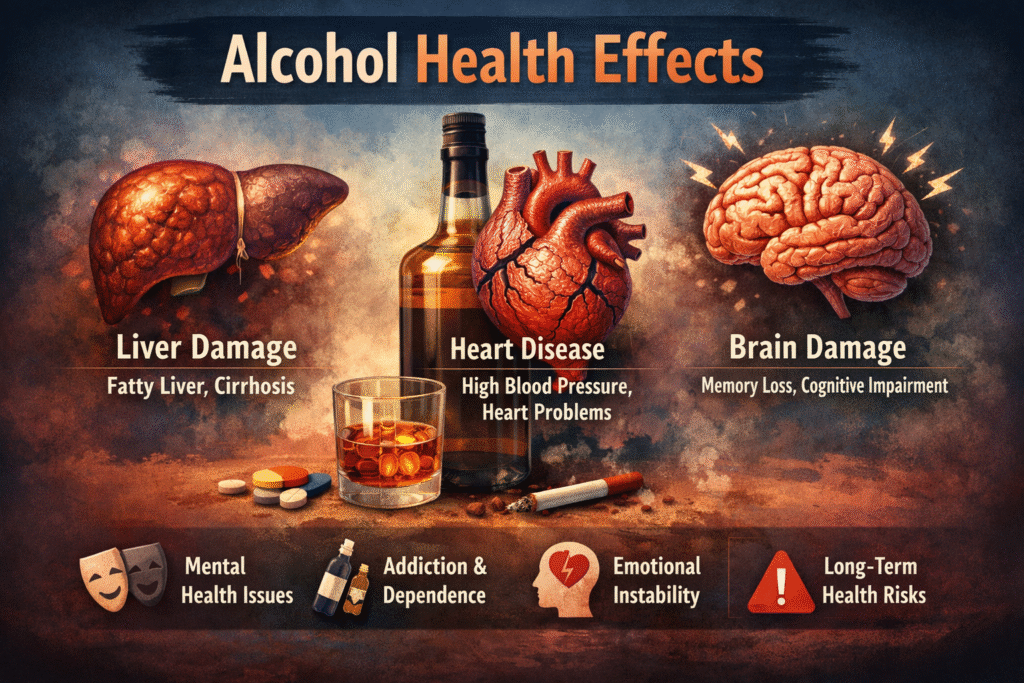
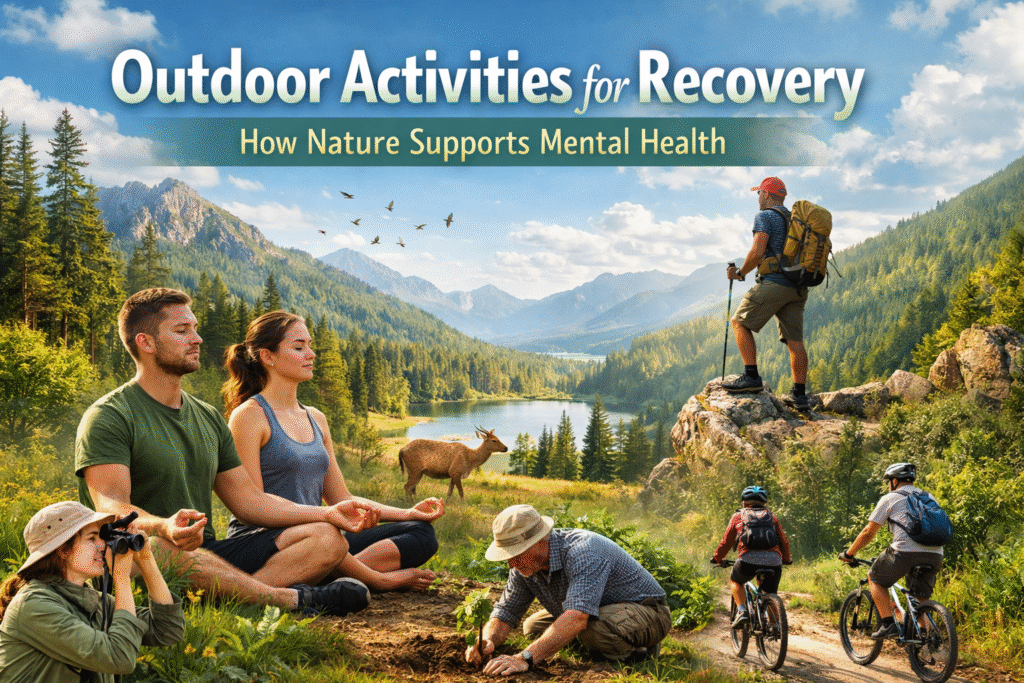
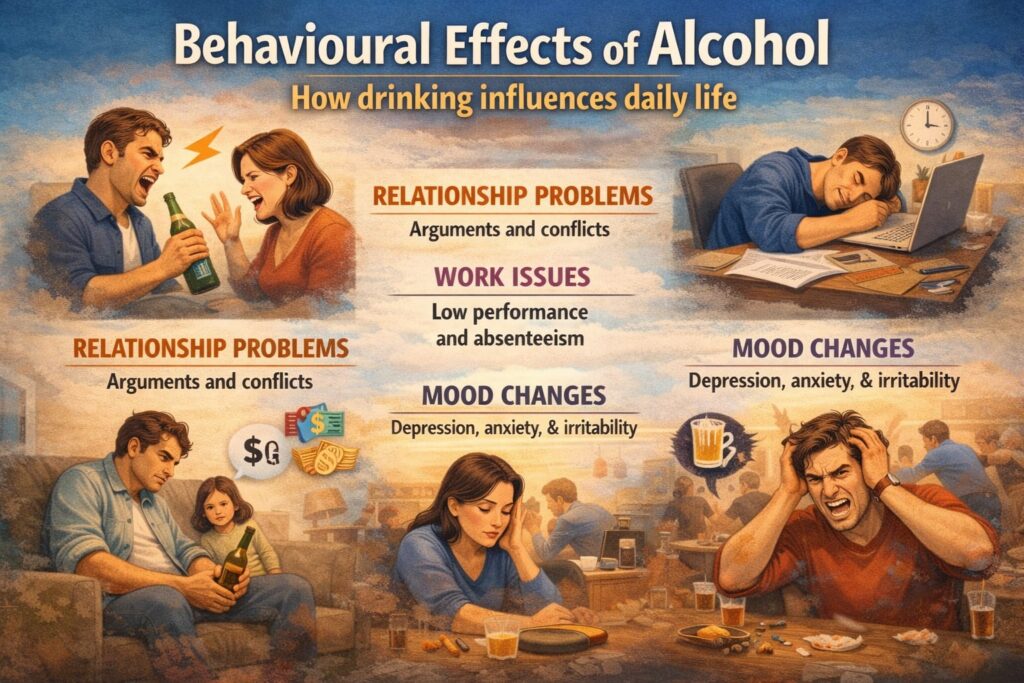
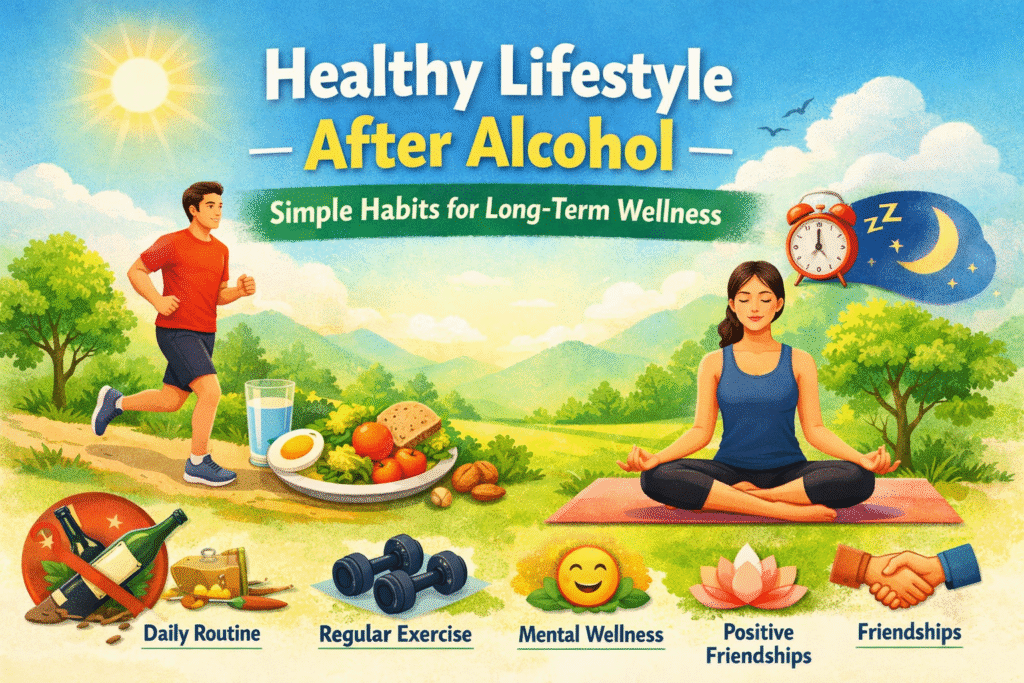
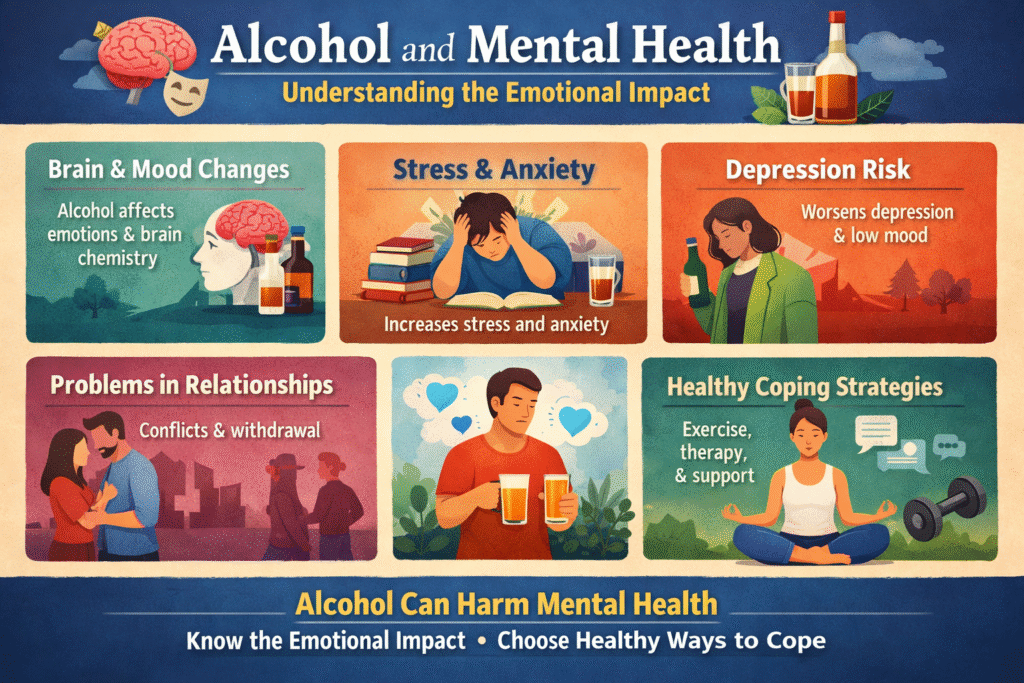
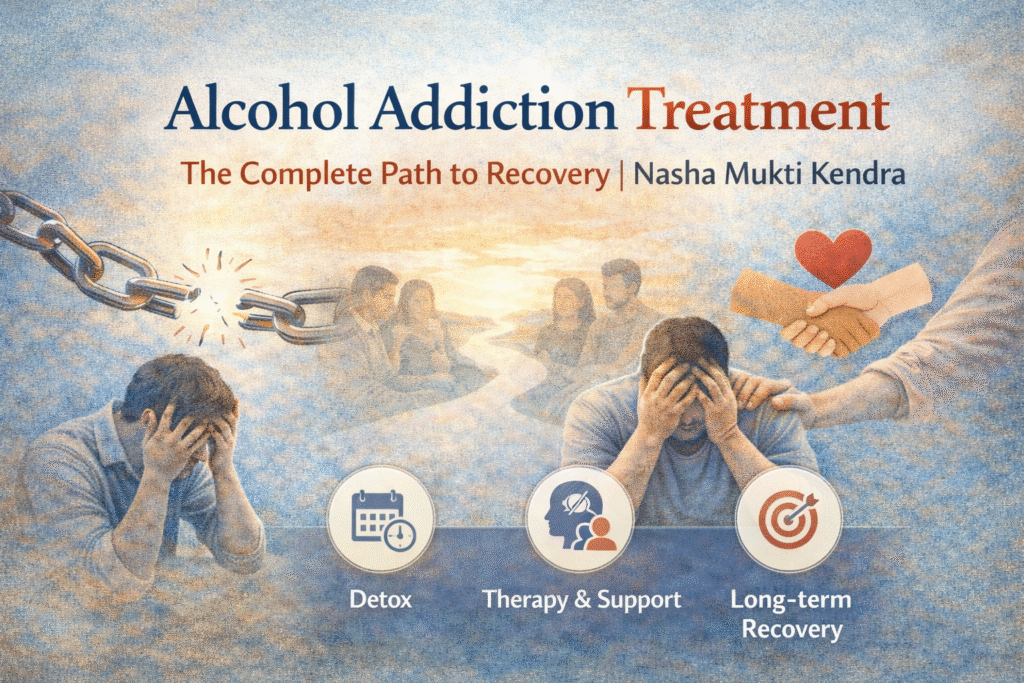
Alcohol Addiction Treatment: The Complete Path to Recovery The Path to Recovery Alcohol use among school and college students is a growing concern, often leading to serious physical, mental, and social consequences. While experimentation may begin casually, repeated use can develop into alcohol addiction, affecting studies, relationships, and future prospects. The good news is that alcohol addiction treatment in Gwalior can help students regain control over their lives. Through professional care, therapy, and supportive environments, recovery is possible—even for young individuals navigating academic pressures. This guide covers the full path to recovery, highlighting detox, therapy, lifestyle changes, relapse prevention, and the importance of family and peer support. Understanding these steps empowers students to make informed decisions and seek help when needed.  What is Alcohol Addiction? Alcohol addiction, or Alcohol Use Disorder (AUD), is a medical condition where a person is unable to control alcohol consumption despite negative consequences. Early signs include: Inability to limit drinking Missing classes or school activities due to alcohol Cravings or withdrawal symptoms when not drinking Drinking to cope with stress or emotional problems Alcohol affects brain chemistry, increasing dependence and making quitting challenging without professional help. Recognizing addiction early is essential for long-term alcohol recovery. Why Students Are Vulnerable Students are particularly vulnerable due to: Peer pressure and social events Academic stress and performance anxiety Easy access to alcohol in college environments Lack of awareness about the risks of excessive drinking Education about the dangers of alcohol and early intervention is critical for preventing addiction.  Alcohol Addiction Treatment: The Core Steps Step 1 – Detoxification Detox is the first and most crucial step in alcohol addiction treatment. It involves the safe removal of alcohol from the body under medical supervision. Key points: Managed withdrawal symptoms like tremors, nausea, and anxiety Medications may be administered for comfort and safety Prepares the body for further therapy and long-term recovery Detox is essential for students struggling with alcohol dependence, as it stabilizes both body and mind.  Step 2 – Therapy and Counselling Therapy addresses the psychological and emotional factors behind alcohol use. Common methods in alcohol rehab programs: Cognitive Behavioral Therapy (CBT): Helps identify triggers and change harmful behaviours Group Therapy: Encourages peer support and shared experiences Motivational Interviewing: Strengthens commitment to recovery Family Counselling: Builds supportive home and social environments Therapy equips students with skills to resist cravings, cope with stress, and maintain long-term alcohol recovery.  Step 3 – Medication-Assisted Treatment (Optional) Some individuals benefit from medications to reduce cravings or prevent relapse: Disulfiram: Causes negative effects when alcohol is consumed Naltrexone: Decreases alcohol cravings Acamprosate: Restores brain chemistry altered by alcohol A professional Nasha Mukti Kendra ensures medications are safe and tailored to the student’s needs. Lifestyle Changes for Long-Term Recovery Recovering students must adopt healthy routines to sustain sobriety: Maintain consistent sleep and study schedules Engage in exercise and physical activities Practice mindfulness, yoga, or meditation Avoid environments that encourage drinking Develop hobbies and interests to stay engaged and fulfilled These changes are critical for alcohol addiction recovery and academic success.  Relapse Prevention Strategies Even after treatment, relapse is possible. Preventive strategies include: Attending support groups regularly Continued therapy sessions to manage stress and triggers Creating a relapse prevention plan Building a strong support network of friends and family Recognizing early warning signs of cravings or stress A proactive approach ensures long-term alcohol recovery and helps students regain control over their lives. Role of Family and Friends Recovery is a collective effort, especially for students: Family support: Encourages accountability and reduces isolation Peer support: Helps resist social pressure to drink Open communication: Listening without judgment fosters emotional stability Encouragement in academic and social life strengthens recovery A supportive network is essential for success in alcohol rehab programs and long-term recovery. Summary and Call to Action Alcohol addiction among students is a serious issue, but recovery is achievable with structured treatment, therapy, and support. Key takeaways include: Seek help at a professional Nasha Mukti Kendra Complete detox and therapy under expert supervision Make lifestyle changes to support recovery Build a strong support system of family and peers Follow relapse prevention strategies for long-term sobriety Take action today: Don’t wait for addiction to disrupt your future. Contact a trusted Sanchit rehab centre in Gwalior and start your path to a healthier, alcohol-free life. FAQ Section Q1: How long does alcohol addiction treatment take for students?A: Duration varies; detox may take 7–14 days, followed by 4–12 weeks of therapy and ongoing aftercare. Q2: Can students recover without rehab?A: Mild cases may succeed with counseling, but structured alcohol rehab programs significantly improve recovery chances. Q3: How important is family support in recovery?A: Family support encourages honesty, reduces relapse risk, and creates a stable recovery environment. Q4: Are medications necessary for student recovery?A: Not always, but they can help manage cravings and withdrawal in severe cases. Q5: Can students prevent relapse after treatment?A: Yes, through therapy, support groups, lifestyle changes, and early recognition of triggers.

Meditation for Alcohol Cravings – How Mindfulness Helps Control Urges
Blog

Meditation for Alcohol Cravings – How Mindfulness Helps Control Urges

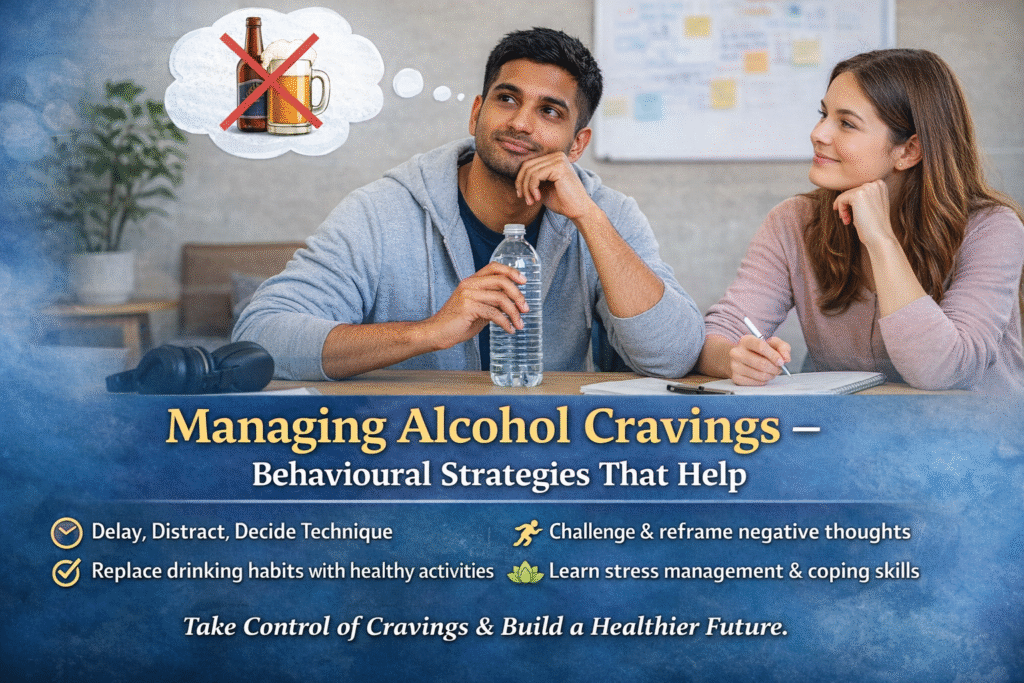
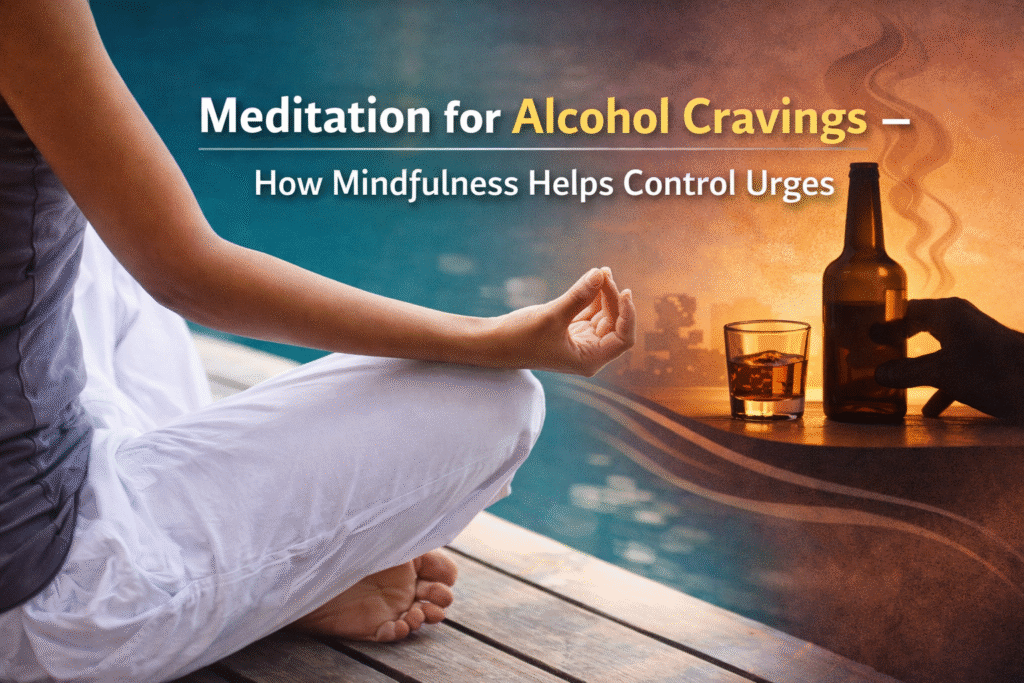
Meditation for alcohol cravings is a mindfulness-based practice that helps individuals notice alcohol urges without reacting to them. By focusing on the present moment, meditation reduces impulsive behavior, improves emotional control, and weakens the mental triggers that lead to drinking. Meditation for Alcohol Cravings-How Mindfulness Helps Control Urges Alcohol cravings are not a sign of weakness—they are a learned response of the brain to stress, emotions, and habits. For school-going and college-going students, exposure to peer pressure, academic stress, and social experimentation can make alcohol use feel normal, even when it starts to feel uncontrollable. Meditation for alcohol cravings is emerging as a powerful, science-backed tool to help young people regain control. Rooted in mindfulness, meditation teaches awareness, emotional regulation, and conscious choice—skills essential for preventing addiction and supporting recovery. This article explains how mindfulness helps control alcohol urges, practical meditation techniques, and why Nasha Mukti Kendra increasingly integrate meditation into addiction recovery programs . Understanding Alcohol Cravings in Young People Why Students Experience Alcohol Cravings Alcohol cravings often stem from psychological rather than physical needs, especially in young individuals. Common triggers include: Academic pressure and exam stress Social anxiety and peer influence Emotional struggles like loneliness or low self-esteem Habitual drinking at parties or gatherings Exposure to alcohol on social media Cravings arise when the brain associates alcohol with relief or pleasure. Over time, this association becomes automatic. Cravings vs Addiction Not every craving means addiction, but repeated cravings can lead to dependency if unmanaged. Early intervention—especially through mindfulness practices for sobriety—can prevent long-term damage. What Is Meditation and Mindfulness? The Core Concept of Mindfulness Mindfulness means paying attention to the present moment without judgment, and Meditation for Alcohol Cravings helps train this awareness. Instead of reacting impulsively to urges, mindfulness teaches you to observe them calmly through Meditation for Alcohol Cravings. Meditation is the practice through which mindfulness is developed. How Meditation Changes the Brain Research shows that regular meditation: Reduces activity in craving-related brain areas Strengthens the prefrontal cortex (decision-making center) Improves impulse control Lowers stress hormones like cortisol This is why meditation for addiction recovery is increasingly recommended by mental health professionals and Nasha Mukti Kendras. How Meditation for Alcohol Cravings Works Mindfulness means paying attention to the present moment without judgment. Instead of reacting impulsively to urges, mindfulness teaches you to observe them calmly. At Sanchit Rehab Centre in Gwalior, meditation is the practice through which mindfulness is developed to support emotional balance, reduce cravings, and encourage lasting recovery Key mechanisms include: Awareness before actionYou learn to notice cravings before acting on them. Emotional regulationMeditation reduces emotional triggers like anxiety, anger, or sadness. Breaking automatic habitsMindfulness interrupts the autopilot response of drinking. Urge surfingCravings rise and fall like waves. Meditation helps you ride them without giving in. This makes meditation one of the most effective ways to manage alcohol urges naturally. Meditation Techniques for Cravings (Student-Friendly) Mindful Breathing (5 Minutes)Best for sudden urges, stress, and anxiety. How to practice: Sit comfortably and close your eyes, then focus on slow, deep breathing. Meditation for Alcohol Cravings helps calm the mind and reduce stress by teaching you to observe alcohol-related thoughts without reacting. With regular Meditation for Alcohol Cravings, urges become easier to manage, impulsive reactions decrease, and emotional balance improves, supporting long-term sobriety. Body Scan Meditation Best for physical restlessness linked to cravings. Lie down or sit comfortably Move attention from head to toe Notice sensations without trying to change them This helps students recognize cravings as temporary body sensations Urge Surfing Meditation Observe the craving without acting Notice where it exists in the body Watch it rise, peak, and fade This method is widely used in mindfulness-based relapse prevention programs. Loving-Kindness Meditation Best for guilt, shame, and self-criticism. Repeat phrases such as:“May I be healthy. May I be free from addiction.” This builds self-compassion, which is essential for recovery. Benefits of Mindfulness Practices for Sobriety Regular meditation offers long-term benefits beyond craving control: Improved concentration and academic performance Better emotional resilience Reduced stress and anxiety Increased self-awareness Healthier coping mechanisms For students, these benefits support both mental health and addiction prevention. Meditation vs Willpower – What Works Better? Willpower alone often fails under stress. Meditation strengthens the mind before cravings arise. Willpower is reactive and emotion-driven Meditation is proactive and awareness-driven Willpower exhausts the mind Meditation builds long-term resilience This is why leading Nasha Mukti Kendra integrate meditation alongside counseling and therapy. Role of Nasha Mukti Kendra in Mindfulness-Based Recovery A professional Nasha Mukti Kendra provides structured guidance for meditation-based recovery, including: Guided mindfulness sessions Personalized relapse prevention plans Emotional counseling Group meditation and peer support Holistic healing through yoga and therapy For students struggling silently, early support can prevent lifelong addiction. How to Start Meditation as a Student Simple tips: Start with 5 minutes daily Practice at the same time each day Use guided meditation apps or counselor support Be patient and consistent Avoid self-judgment Consistency matters more than perfection. Summary – Mindfulness as a Lifelong Skill Meditation for alcohol cravings empowers students to pause, observe, and choose wisely. By cultivating mindfulness, young individuals can manage urges naturally, reduce stress, and build a strong foundation for sobriety. Whether used independently or as part of a Nasha Mukti Kendra in Gwalior, meditation is not just a recovery tool—it is a lifelong skill. Take the first step Today If alcohol cravings are affecting your studies or mental health, Meditation for Alcohol Cravings can be a powerful first step. Seek guidance from a trusted counselor or a certified Nasha Mukti Kendra, where Meditation for Alcohol Cravings is often used as part of a structured recovery approach. Early action through Meditation for Alcohol Cravings and professional support leads to lasting freedom and better mental well-being. Frequently Asked Questions Can meditation really reduce alcohol cravings?Yes. Meditation changes how the brain responds to urges, improving impulse control and emotional regulation over time. How long does meditation take to work?Some people feel calmer immediately, but lasting craving reduction usually occurs

Scroll to Top