

When we ask why do people drink alcohol, the answer often lies in emotional and social needs. People drink alcohol for many emotional and social reasons. Some want to feel accepted, confident, or relaxed in social situations, while others turn to it when they feel stressed, lonely, or overwhelmed. Sometimes it starts with curiosity or celebration, but slowly it can become a way to escape difficult feelings. In the end, most people aren’t just drinking for the alcohol — they’re searching for comfort, connection, or relief.
Understanding why do people drink alcohol helps us see the deeper human side behind it. Deep down, everyone wants to feel understood and supported. When healthy coping skills or emotional support are missing, alcohol can seem like an easy answer. But real strength comes from facing emotions with courage and choosing healthier ways to heal and grow.
Table of Contents
Toggle6 Common Reasons Why People Drink
When we truly try to understand why do people drink alcohol, we begin to see that it’s often more about emotions and life situations than the drink itself. The answer to why do people drink alcohol is rarely simple — it is usually connected to stress, social pressure, curiosity, or emotional struggles.
Understanding why do people drink alcohol helps families, teachers, and students respond with care instead of judgment. By recognizing the real reasons behind drinking, we can guide young people toward healthier choices, stronger coping skills, and a safer, more confident future. With professional guidance and compassionate support at Sanchit Rehab Centre in Gwalior, individuals can find the strength to overcome addiction and rebuild their lives.
Social Pressure
One major reason why do people drink alcohol is the desire to feel accepted. Many people drink to feel included in social groups. When friends or peers drink, it can create pressure to do the same, even if someone feels unsure.
The fear of being judged or left out can strongly influence decisions. Over time, this pattern can make drinking feel like a normal and expected part of social life.
To Relax or Reduce Stress
Another common answer to why do people drink alcohol is stress relief. Alcohol is often seen as a quick way to unwind after a long day. While it may bring temporary relaxation, it does not truly solve the stress or problems causing discomfort.
Instead of solving challenges, it only delays them. Healthy coping skills like exercise, open conversations, or meditation provide stronger and long-term relief.
For Enjoyment or Celebration
For some, the reason why do people drink alcohol is linked to celebration. Drinking is commonly associated with parties, festivals, and achievements. People may connect alcohol with fun moments and happy memories.
In many cultures, celebrations often include drinks as tradition. Over time, this association can make alcohol seem essential for enjoyment.
Curiosity or Experimentation
Curiosity also plays a big role in why do people drink alcohol, especially among young individuals. What starts as “just once” can slowly become repeated behavior.
Influence from media, friends, or social trends can increase experimentation. Without awareness, casual trying may gradually turn into a habit.
To Escape Emotional Pain
Sometimes, the deeper answer to why do people drink alcohol lies in emotional pain. Some individuals use alcohol to numb feelings like sadness, anxiety, loneliness, or heartbreak.
Although it may dull emotions for a short time, it often deepens emotional struggles later. Avoiding emotions prevents real healing. Facing problems with proper support builds stronger emotional resilience.
Habit or Addiction
In many cases, understanding why do people drink alcohol leads to recognizing how habits form. Casual drinking can slowly become a routine. Over time, both the body and mind may begin to rely on alcohol, making it harder to stop.
Tolerance can increase, leading to higher consumption. Professional guidance and strong support systems are often needed to break this cycle.

Harmful Effects of Alcohol Consumption
Alcohol may seem harmless at first, but regular or excessive drinking can seriously affect both physical and mental health.
Physical Health Damage
When people frequently drink alcohol, it slowly impacts the entire body. Important organs like the liver, heart, and brain can suffer long-term damage. Regular drinking can weaken immunity, disturb sleep, and reduce overall energy. What feels harmless today can quietly become a serious health concern tomorrow.
Mental and Emotional Impact
Many individuals drink alcohol believing it will reduce pressure or sadness. While temporary relief may occur, it often increases anxiety, depression, and emotional instability. It can cloud judgment and lead to decisions that bring regret. Instead of healing pain, alcohol often makes it heavier.
Addiction Risk
For some, drinking begins socially but slowly turns into emotional or physical dependence. The body and mind may start relying on alcohol to feel “normal.” At this stage, stopping becomes challenging without structured support.
Impact on Life and Relationships
When someone regularly drinks alcohol, the consequences go beyond health. Dreams, academic goals, career growth, and relationships can suffer. Trust may break, performance may decline, and conflicts can increase. Gradually, alcohol can distance a person from the people and goals that matter most.
Understanding why do people drink alcohol is not about blaming — it is about awareness. When we address the emotional and social reasons behind drinking, we can promote healthier choices, stronger confidence, and a brighter future.
Early Warning Signs of Alcohol Addiction
Alcohol addiction develops slowly, and recognizing the early signs can prevent serious consequences. Here are 3–4 important warning signs to watch for:
Increased Tolerance
Needing to drink more alcohol than before to feel the same effect is a common early sign. This shows the body is adapting and becoming dependent.
Loss of Control
Finding it hard to stop after one or two drinks, or repeatedly failing to cut down, may indicate growing dependence.
Drinking in Secret
Hiding alcohol use or drinking alone can suggest guilt or awareness that the behavior is becoming unhealthy.
Neglecting Responsibilities
Missing school, work, or family duties because of drinking is a serious warning sign that alcohol is starting to take priority over important areas of life.
Recognizing these signs early can help individuals seek support before the problem becomes more severe.

How Alcohol Affects Students and Young Adults
Alcohol can strongly impact students and young adults during a crucial stage of growth and career building. When we understand why do people drink alcohol, we often find that stress, social pressure, or emotional struggles play a major role. However, drinking can reduce focus, memory, and academic performance, making it harder to achieve educational goals.
Drinking also affects mental health by increasing anxiety, mood swings, and poor decision-making. Over time, it can damage confidence, relationships, and future opportunities. By addressing why do people drink alcohol and choosing healthier coping methods, young individuals can better protect their success and well-being
When to Seek Professional Help
It may be time to seek professional help when drinking starts affecting health, studies, work, or relationships. If a person feels unable to control their alcohol use, drinks more than intended, or repeatedly fails to cut down, these are serious warning signs.
Professional support is also important if withdrawal symptoms appear, such as shaking, anxiety, sweating, or strong cravings when not drinking. Mood changes, depression, or isolation linked to alcohol use should never be ignored.
Seeking help is not a sign of weakness — it is a brave step toward recovery, stability, and a healthier future
Treatment Programs at Sanchit Rehab Centre for Alcohol Recovery
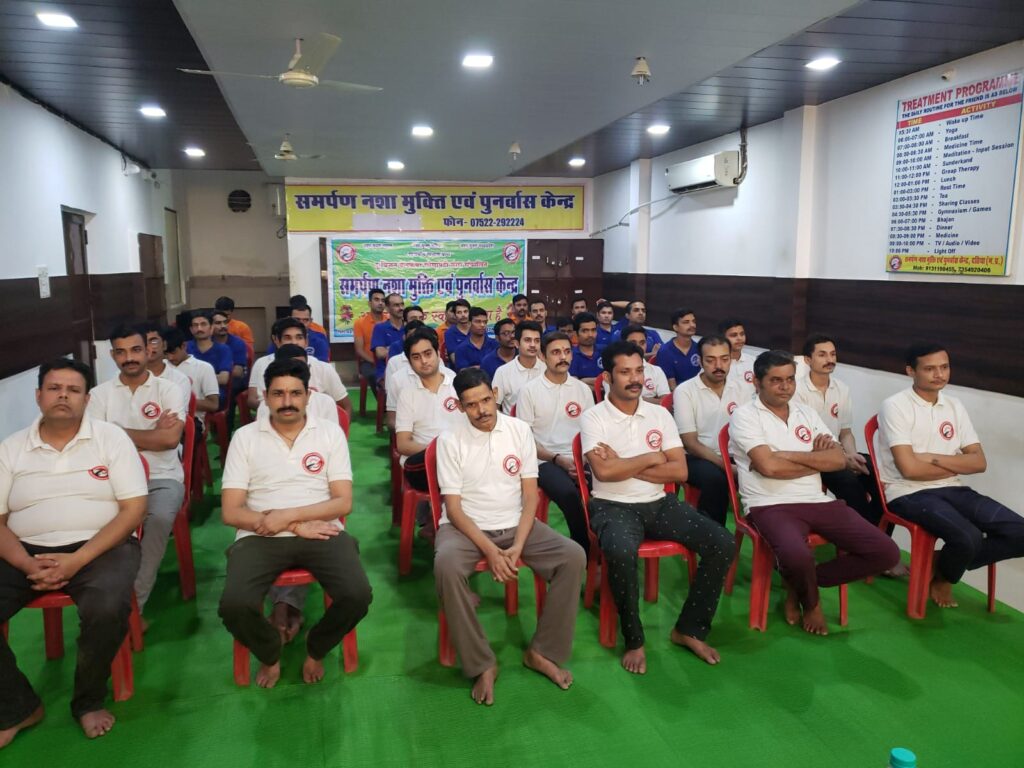
At Sanchit Rehab Centre, alcohol addiction treatment focuses on safe recovery and long-term healing. The program begins with medically supervised detox to manage withdrawal safely. This is followed by individual counseling, group therapy, and holistic practices like yoga and meditation to rebuild mental and emotional strength.
Family counseling and aftercare support are also provided to prevent relapse and ensure lasting recovery
Recovery Is Possible– A Hope Section
Recovery is always possible, no matter how difficult the journey may seem. Alcohol addiction does not define a person’s future. When we understand why do people drink alcohol, we begin to see that recovery starts with addressing the deeper emotional and social causes. With the right support, guidance, and determination, anyone can rebuild their life and regain confidence.
To families, your patience, love, and understanding can make a powerful difference. Instead of blame, offer support. Instead of silence, choose open conversation. Healing becomes stronger when no one feels alone.
Taking the first step may feel scary, but it is also the bravest decision someone can make. If you or your loved one is struggling, don’t wait. Reach out for professional help today and begin a new chapter filled with strength, hope, and a healthier future.
Conclusion
Understanding Why Do People Drink Alcohol helps us see that it is often connected to emotions, stress, social pressure, or personal struggles. When we look deeper into why do people drink alcohol, we realize that what may begin as curiosity or celebration can slowly turn into a habit that affects health, relationships, and future goals.
The good news is that awareness creates change. With the right support, healthy coping strategies, and professional guidance, recovery is possible. Choosing help is not a weakness — it is a powerful step toward a stronger, safer, and more confident future. Professional care and compassionate support at Nasha Mukti Kendra in Gwalior can guide individuals toward lasting recovery and a healthier new beginning.