Nasha Mukti Kendra in Baran – Trusted De-Addiction Centre
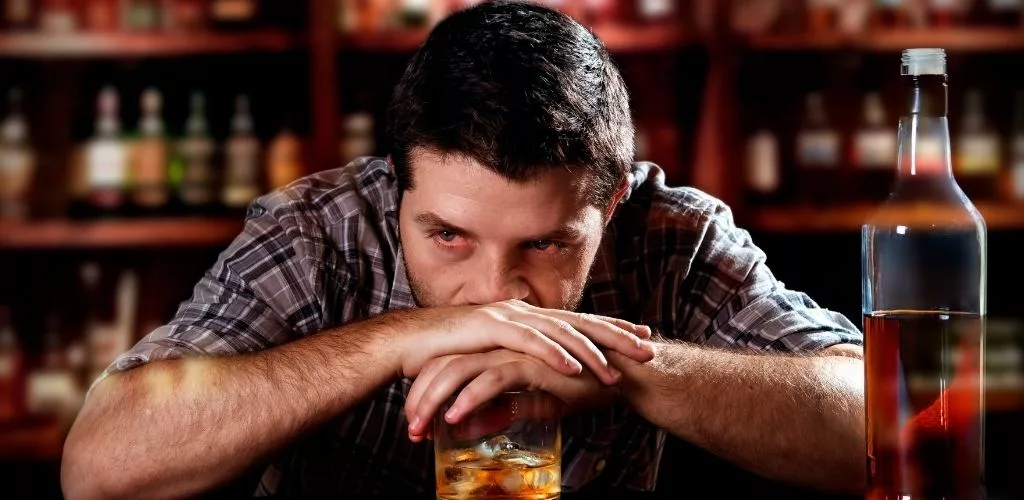
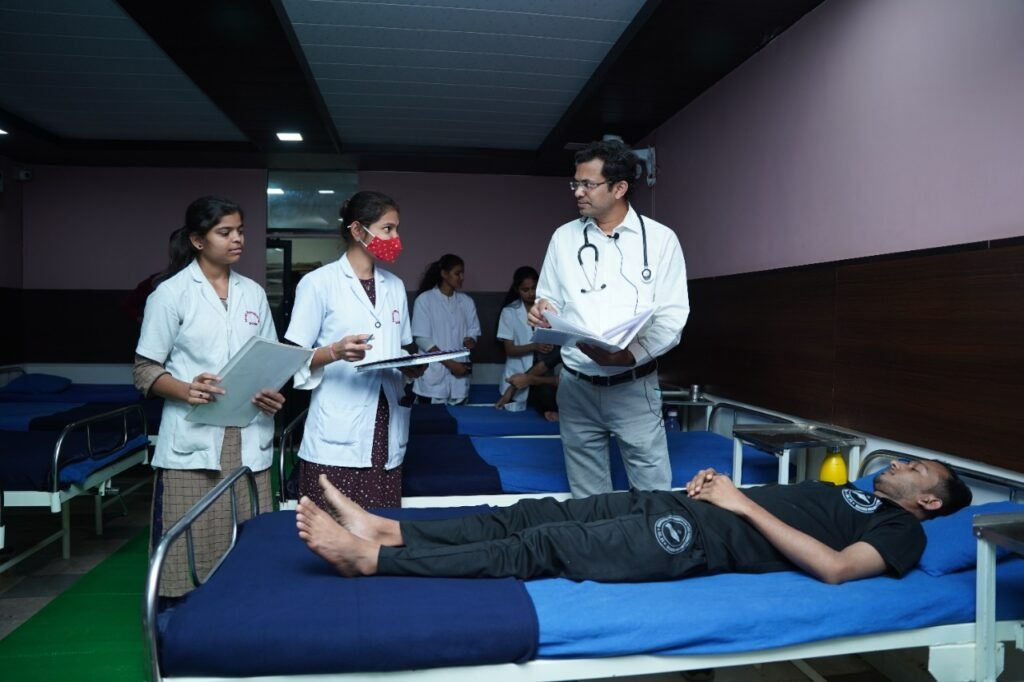
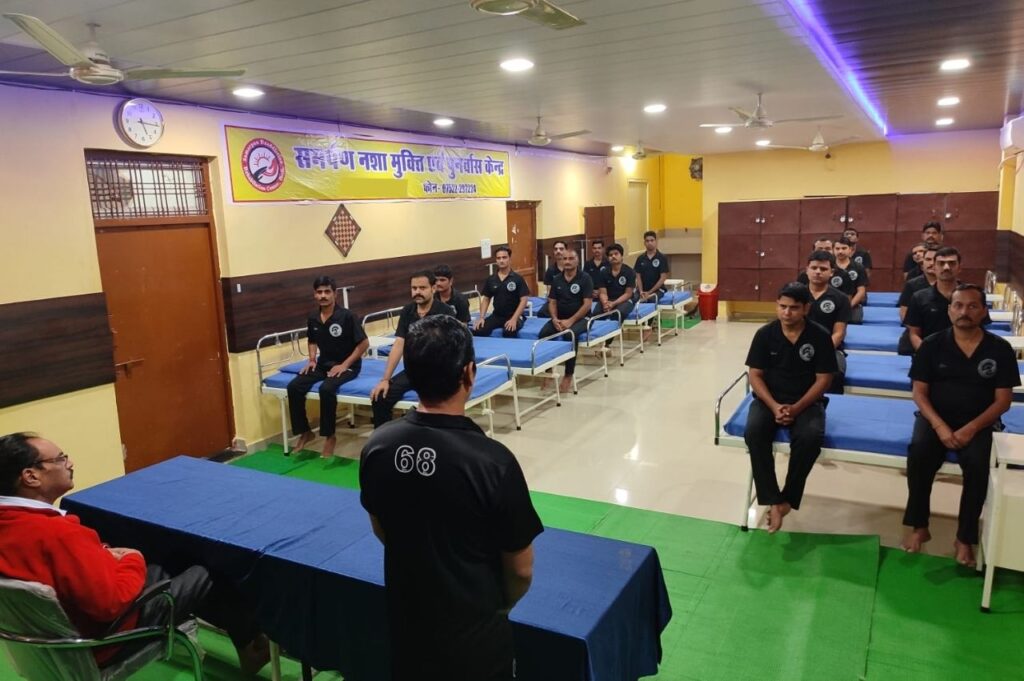
Baran is a growing district where many families are silently struggling with alcohol and drug addiction problems due to stress, unemployment, and changing lifestyles. Addiction affects not only physical and mental health but also family relationships and financial stability. Sanchit Rehab is a trusted de-addiction and rehabilitation centre helping patients from Baran through personalised treatment, counselling, medical detox, and long-term recovery support in a safe and confidential environment. Sanchit Nasha Mukti Kendra in Baran Sanchit Nasha Mukti Kendra in Baran is dedicated to helping individuals overcome alcohol and drug addiction through proper care, counselling, and rehabilitation support. The centre focuses on creating a peaceful and positive environment where patients can begin a new and healthier life. With experienced staff, personalised treatment plans, and emotional support for families, Sanchit Rehab aims to guide people in Baran towards long-term recovery and a drug-free future. Our Services at Sanchit Nasha Mukti Kendra 1. Drug Addiction Treatment Given Hanumangarh’s proximity to Punjab’s drug belt, drug addiction — particularly heroin, smack, and synthetic substances — is a primary concern for many families in this district. Our drug addiction treatment program is specifically designed to handle even severe, long-term dependency with medical precision and compassionate care. 2. Alcohol Addiction Treatment Alcohol dependency among farming communities in Hanumangarh is a long-standing concern that families often normalise for years before recognising it as the serious medical condition it is. Our alcohol treatment program is sensitive to the agricultural community context and addresses both the physical and psychological dimensions of dependency. 3. Medical Detoxification Medically supervised detoxification is the essential first physical step for most patients at Sanchit Rehab. For patients dependent on opioids like heroin or smack, withdrawal is an intensely uncomfortable process that requires medical management to be safe and to prevent premature dropout. For long-term alcohol-dependent patients, withdrawal can involve seizures and other dangerous complications that absolutely require medical supervision. 4. Psychiatric Support Many young people who become addicted to drugs in Hanumangarh are also dealing with underlying anxiety, depression, or trauma — conditions that have never been diagnosed or treated. For farming community adults, chronic stress and financial pressure often produce depressive symptoms that have been managed with alcohol for years. 5. Counselling and Therapy Counselling at Sanchit Rehab creates the space for patients to be honest — about their use, their pain, their fears, and their hopes — in a way that most have never experienced before. For young people from Hanumangarh who have been hiding their addiction for months or years, this honesty is often profoundly relieving and healing in itself. 6. Family Counselling In Hanumangarh’s tightly-knit farming communities, family is everything. The relationships damaged by addiction — between parents and children, between spouses, between siblings — are the most important relationships in a person’s life. Repairing them is not optional; it is essential to sustainable recovery. 7. Relapse Prevention Program For patients returning to Hanumangarh — where drugs may still be accessible, where old friend groups may still be using, and where farming stress will still be present — relapse prevention preparation is a critical investment. Our relapse prevention program is thorough, personalised, and practical. Warning Signs You Should Never Ignore 1. Physical Symptoms Sudden weight loss, red or glassy eyes, shaking hands in the morning, frequent nausea, poor hygiene, and unusual sleep patterns — sleeping all day or staying awake all night. 2. Behavioral Symptoms Lying about whereabouts, borrowing money without explanation, disappearing for hours, getting aggressive when asked questions, hiding bottles or packets, and missing work or school regularly. 3. Emotional Symptoms Severe mood swings, irritability, crying without reason, feeling hopeless or empty, anxiety attacks, and loss of interest in activities that once brought joy. 4. Social Symptoms Cutting off from family, spending time only with people who drink or use drugs, losing old friendships, and withdrawing from social gatherings and celebrations. Our Complete De-Addiction Treatment Process 1. Confidential Assessment Every journey begins with a private, honest conversation. Our doctors and counsellors conduct a thorough assessment to understand the type of addiction, its duration, the person’s physical health, and family background. Your information is never shared without your permission. 2. Safe Medical Detox Withdrawal can be dangerous without proper supervision. Our medical team guides each patient through detoxification safely, managing withdrawal symptoms with appropriate medication and round-the-clock monitoring so the process is as comfortable as possible. 3. Therapy & Counselling One-on-one counselling sessions help patients understand the root causes of their addiction — whether it is trauma, loneliness, peer pressure, or mental health. Cognitive Behavioural Therapy (CBT) and motivational techniques help rebuild healthy thought patterns. 4. Rehabilitation Program Our structured rehabilitation program includes group therapy, life skills development, yoga, meditation, and recreational activities. The goal is to rebuild the patient’s sense of self-worth and give them tools to live a fulfilling life without substances. 5. Family Counselling Addiction affects the entire family. We conduct dedicated sessions with family members to heal broken communication, rebuild trust, and teach them how to support their loved one during and after treatment without enabling addictive behaviour. 6. Relapse Prevention Program Recovery does not end at discharge. We prepare each patient with a personalized relapse prevention plan — identifying triggers, building coping strategies, and creating a safety net of healthy habits and supportive relationships. 7. Long-Term Aftercare Support We stay connected with our patients and their families for months after treatment through follow-up calls, check-in sessions, and ongoing counselling support. Because we know that long-term recovery requires long-term support. A single call could be the beginning of a completely new chapter for your family. Our team is available right now. Types of Addiction We Treat Alcohol addiction – Including daily drinking, binge drinking, and alcohol dependence Drug addiction – Heroin, smack, brown sugar, and street drugs Prescription medicine addiction – Painkillers, sleeping pills, cough syrups with codeine Cannabis addiction – Ganja, charas, bhang Opioid addiction – Including dependency after medical treatment Tobacco and smoking addiction Dual diagnosis cases – Addiction combined with depression, anxiety,