Blog

Your blog category

mental health awareness
Blog

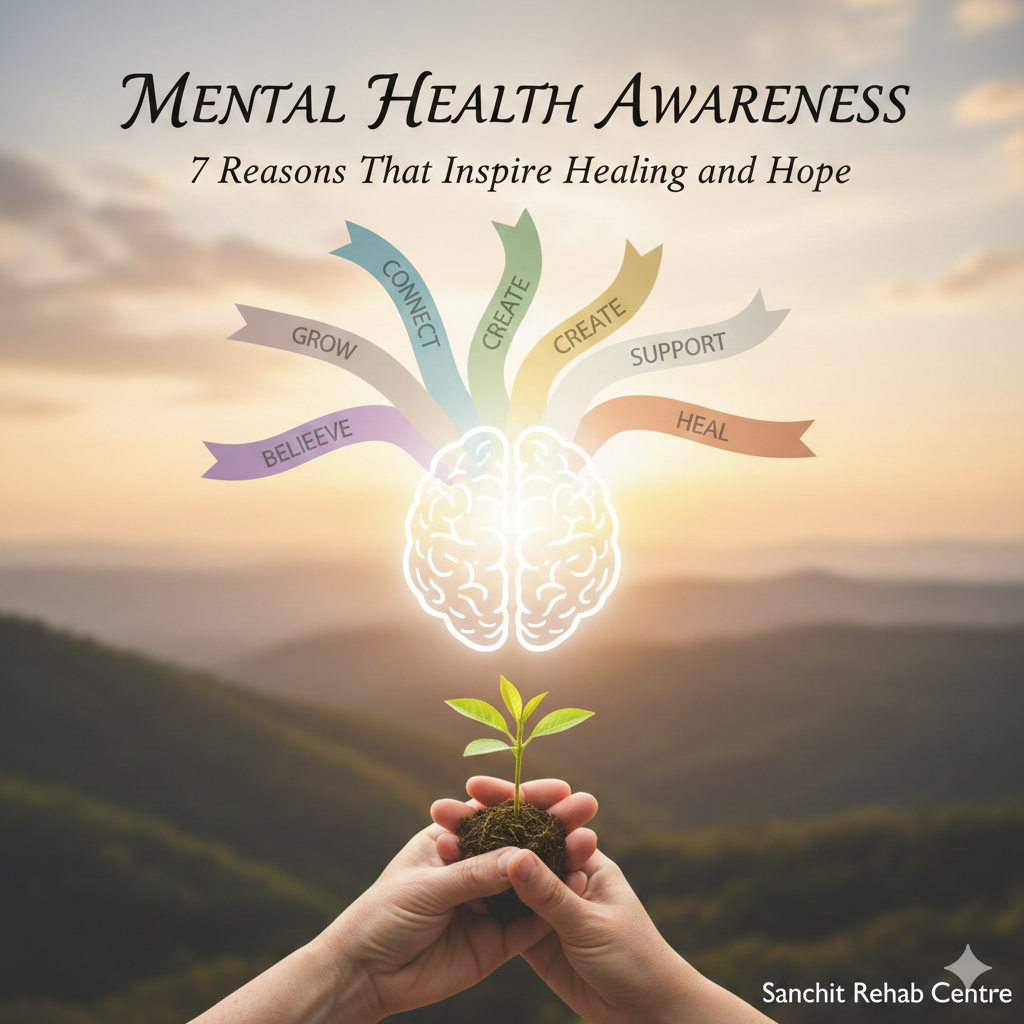
Mental Health Awareness: 7 Reasons That Inspire Healing and Hope

Mental Health Awareness is not just a topic—it is a powerful tool that can save lives, rebuild families, and restore hope after addiction. Addiction does not only harm the body; it deeply affects the mind, emotions, relationships, and career. After addiction, many individuals silently struggle with anxiety, depression, guilt, fear, and low self-esteem. Without proper Mental Health Awareness, these hidden issues can slow recovery, increase relapse risk, and damage family life and professional growth. Timely and professional mental health education helps individuals recognize their emotions, seek the right help, and rebuild their lives with confidence. With the right support, recovery becomes not just possible—but sustainable. At Sanchit Rehab Centre in Gwalior, we believe that understanding mental health is the foundation of long-term recovery and a healthier, happier future. Understanding Mental Health Awareness in Addiction Recovery Mental Health Awareness means understanding how thoughts, emotions, and behaviors affect overall wellbeing—especially during addiction recovery. In recovery, the mind needs as much care as the body. Many people believe quitting substances is enough, but emotional wounds often remain untreated. Key Aspects of Mental Health Awareness Recognizing emotional triggers and stress – Helps individuals identify situations or feelings that lead to cravings or emotional distress, allowing them to respond calmly instead of reacting impulsively. Understanding anxiety, depression, and trauma – Creates awareness that these mental health conditions are common, treatable, and not signs of weakness, encouraging timely professional support. Learning healthy coping skills – Teaches safe and positive ways to manage stress, emotions, and challenges without turning to substances. Building emotional resilience – Strengthens the ability to face setbacks, pressure, and life difficulties without feeling overwhelmed or giving up. Developing self-confidence and self-control – Empowers individuals to trust their decisions, set boundaries, and stay committed to recovery goals. When individuals become aware of their mental health, they gain clarity, strength, and direction. This awareness helps them stay committed to recovery even during difficult times. Why Mental Health Awareness Is Essential in Rehabilitation Settings Rehabilitation is not only about detoxification. It is about healing the whole person—mind, body, and soul. Mental Health Awareness plays a critical role inside rehab centres. Benefits of Mental Health Awareness in Rehab Reduces relapse risk – Helps individuals understand and manage emotional triggers early, lowering the chances of returning to substance use. Improves emotional stability – Supports better mood control and emotional balance during the ups and downs of recovery. Enhances treatment effectiveness – Allows therapies and counseling to work more deeply by addressing both mental and emotional needs. Encourages honest communication – Creates a safe space where patients feel comfortable sharing thoughts, fears, and struggles openly. Builds trust between patients and therapists – Strengthens the therapeutic relationship, making recovery more effective and long-lasting. Without mental health education, patients may feel confused, ashamed, or isolated. Awareness replaces fear with understanding and hope. The Link Between Mental Health Disorders and Substance Abuse There is a strong connection between mental health disorders and addiction. Many individuals use substances to escape emotional pain. Common Co-Occurring Conditions Depression – Causes persistent sadness, low motivation, and loss of interest in daily activities, often leading individuals to seek relief through substances. Anxiety disorders – Create constant fear, worry, or restlessness that can push individuals toward substance use for temporary calm. PTSD (trauma) – Develops after painful or shocking experiences, leading to flashbacks, emotional numbness, and avoidance behaviors. Bipolar disorder – Involves extreme mood swings between emotional highs and deep lows, making emotional balance difficult without treatment. Sleep disorders – Disrupt healthy sleep patterns, increasing stress, fatigue, and vulnerability to substance use. Mental Health Awareness helps patients understand that addiction is not a moral failure but often a response to untreated emotional distress. Recognizing this link removes self-blame and encourages healing. How Mental Health Awareness Reduces Stigma in Rehab Centres Stigma is one of the biggest barriers to recovery. Many people avoid seeking help due to fear of judgment. How Awareness Breaks Stigma Normalizes mental health conversations Encourages empathy and compassion Promotes acceptance and openness Reduces shame and guilt Builds a supportive rehab environment At Sanchit Rehab Centre, we actively promote Mental Health Awareness to create a safe space where patients feel respected and understood. The Role of Mental Health Awareness in Personalized Treatment Plans Every individual’s journey is unique. Mental Health Awareness allows rehab professionals to design personalized treatment plans that address specific emotional needs. Personalized Care Includes Individual counselling – Provides one-on-one support to explore personal challenges, emotions, and recovery goals in a safe and confidential space. Group therapy – Encourages shared healing by connecting with others facing similar struggles, reducing loneliness and building mutual support. Stress management techniques – Teach practical ways to handle pressure and daily stress without turning to substances. Trauma-informed care – Focuses on understanding past trauma and treating individuals with sensitivity, safety, and respect. Mindfulness and relaxation practices – Help calm the mind, reduce anxiety, and improve emotional control through focused breathing and awareness. When patients understand their mental health, they actively participate in treatment, leading to faster and stronger recovery outcomes. How Family Mental Health Education Improves Recovery Outcomes Addiction affects the entire family. Educating families through Mental Health Awareness creates a stronger support system. Benefits for Families Better communication – Helps families express feelings and concerns openly without blame or misunderstanding. Reduced conflicts – Lowers tension and arguments by promoting patience, empathy, and mutual respect. Improved emotional understanding – Enables family members to recognize emotions, triggers, and mental health needs more compassionately. Healthy boundaries – Teaches families how to support recovery without enabling harmful behaviors. Long-term recovery support – Creates a stable, loving environment that encourages lasting sobriety and emotional wellbeing. Family involvement helps patients feel loved, accepted, and motivated to stay sober. Empowering Patients to Seek Help Through Mental Health Awareness Many people suffer in silence because they do not understand their emotions. Mental Health Awareness empowers individuals to ask for help without fear. Empowerment Leads To Early intervention – Allows mental health concerns to be addressed before

Blog

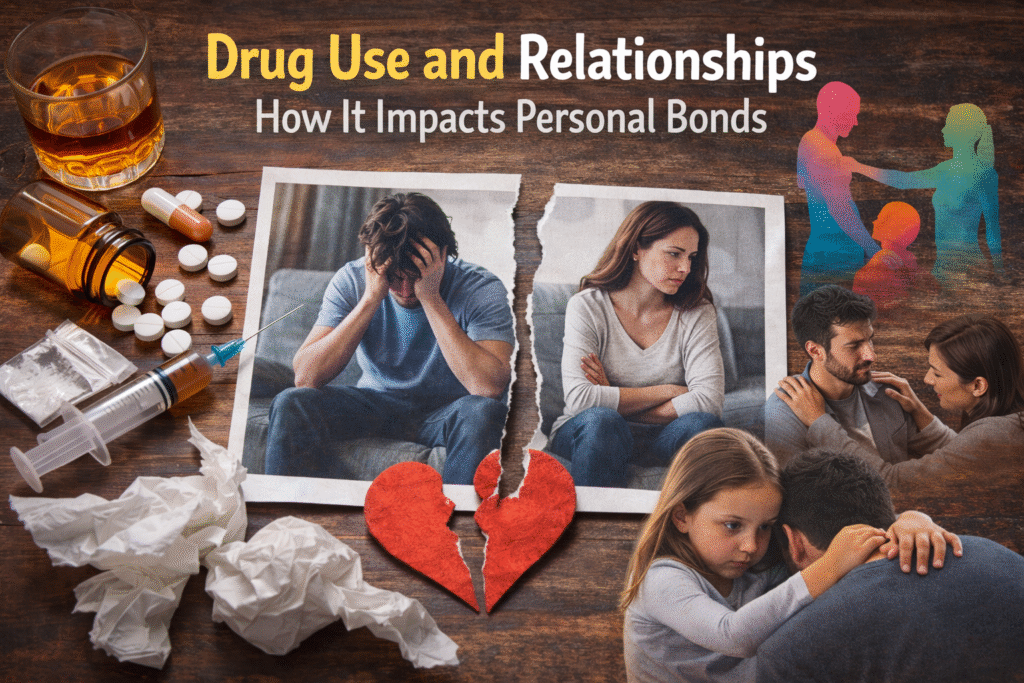
Drug Use and Relationships – How It Impacts Personal Bonds

Drug use is often viewed as a personal struggle, but its impact extends far beyond the individual. Drug Use and Relationships is a critical topic because substance abuse affects families, friendships, romantic relationships, and workplace dynamics. For small business owners, understanding these impacts is essential—not only for personal awareness but also to manage employees or family members dealing with addiction effectively. Substance abuse can create emotional distance, mistrust, and conflict. However, structured support systems like Sanchit Rehab Centre offer therapy, counseling, and peer support to repair and strengthen personal bonds while promoting long-term recovery. This article explores how drug use affects personal relationships, the emotional and social consequences of addiction, and ways to rebuild trust and healthy connections. Understanding the Impact of Drug Use on Personal Relationships Addiction doesn’t occur in a vacuum. Drug Use and Relationships are deeply interconnected, as Drug Use and Relationships affect every social and emotional connection the individual has. Behavioral changes caused by substance abuse directly impact Drug Use and Relationships, and often, Drug Use and Relationships bear the brunt of these challenges, influencing family, friendships, and personal bonds. Key Effects on Personal Bonds Emotional Withdrawal: Drug users often isolate themselves, creating emotional distance from family and friends. Trust Issues: Broken promises, secretive behavior, and deception are common, leading to mistrust. Conflict and Tension: Substance abuse increases irritability and conflict within households and friendships. Neglect of Responsibilities: Personal and professional responsibilities may be ignored, straining relationships. Understanding these effects is essential for small business owners who may have employees or family members struggling with addiction. How Addiction Affects Friendships and Social Life Friendships often change dramatically during addiction, and Drug Use and Relationships play a major role in this shift. Social circles may shrink or shift toward peers who also use substances, affecting Drug Use and Relationships with supportive friends. Maintaining healthy connections becomes challenging, as Drug Use and Relationships are often strained, reshaped, or weakened due to the behaviors and choices associated with addiction. Social Consequences of Drug Use Isolation from Supportive Friends: Positive friendships may weaken or disappear. Peer Pressure: Association with substance-using peers can reinforce addiction patterns. Loss of Social Skills: Communication and trust may deteriorate over time. Supporting recovery through therapy and structured social reintegration helps restore healthy friendships and social life. Effects on Romantic Relationships and Family Bonds Romantic partners and family members are often most affected by addiction. Challenges Faced Emotional instability and mood swings Breakdowns in communication and intimacy Domestic conflict or financial strain Children’s emotional well-being is often compromised How Recovery Programs Help Family Counseling: Nasha Mukti Kendras provide structured sessions to rebuild trust. Couples Therapy: Helps partners navigate addiction-related stress. Parental Support: Educates parents on supporting children through a family member’s recovery. Workplace and Professional Relationships Addiction can impact professional life, which in turn affects personal relationships indirectly. Workplace Impacts Decreased productivity and focus Frequent absenteeism Conflict with colleagues Strained leadership dynamics Role of Small Business Owners Business owners can support employees by: Encouraging rehab and therapy attendance Offering flexible work arrangements Reducing stigma around addiction recovery Incorporating peer support programs Strategies to Rebuild Relationships During Recovery Rebuilding trust and emotional bonds requires conscious effort and structured support. 1. Open Communication Honest conversations with family, friends, and colleagues Acknowledging mistakes without excuses 2. Counseling and Therapy Individual counseling for emotional regulation Group therapy to improve social interaction Family sessions to repair broken bonds 3. Peer Support Programs Encourages accountability and emotional support Helps individuals learn from others’ recovery journeys Reduces isolation and promotes empathy 4. Consistency and Reliability Fulfilling commitments gradually Demonstrating behavioral changes over time 5. Healthy Social Engagement Engaging in positive hobbies and community activities Avoiding environments that encourage substance use Role of Nasha Mukti Kendras in Strengthening Relationships Modern Nasha Mukti Kendras focus not only on addiction treatment but also on repairing social and familial bonds. Structured Relationship Support Peer support groups for shared experiences Family and couples therapy Workshops on communication and trust-building These approaches ensure that recovery is holistic—addressing both the individual’s health and the social impact of addiction. Summary: Healing Relationships During Recovery Drug Use and Relationships shows that addiction impacts friends, family, and colleagues. Nasha Mukti Kendra programs provide counseling, peer support, and family sessions to rebuild trust, restore bonds, and support healthier personal and professional relationships. Frequently Asked Questions (FAQs) 1. How does drug use affect personal relationships? Drug use can cause emotional distance, mistrust, conflict, and neglect of responsibilities, affecting family, friends, and romantic partners. 2. Can friendships survive addiction? Yes, with support and recovery, friendships can be restored through therapy, open communication, and rebuilding trust. 3. How do Nasha Mukti Kendras help relationships? They provide family counseling, peer support, and structured therapy to repair bonds, rebuild trust, and strengthen emotional connections. 4. How can small business owners support addicted employees? Encourage rehabilitation, offer flexible work arrangements, reduce stigma, and support peer-based recovery programs. 5. Is it possible to rebuild trust after addiction? Yes, consistent positive behavior, open communication, and counseling can gradually restore trust in personal and professional relationships.

nicotine dependence treatment
Blog

Nicotine Dependence Treatment–Causes, Symptoms & Recovery

Nicotine is one of the most commonly used addictive substances in the world. It is found in cigarettes, bidis, chewing tobacco, vaping products, and other forms of tobacco. While many people start using nicotine casually or socially, it can slowly turn into dependence without them realizing it. Nicotine dependence affects not just physical health, but also mental wellbeing, family relationships, and professional life. At Sanchit Rehab Centre in Gwalior, we understand that nicotine dependence is not a weakness or a lack of willpower. It is a medical and psychological condition that needs timely care, understanding, and professional support. With the right Nicotine Dependence Treatment, recovery is possible, and life can feel healthy and balanced again. This page explains nicotine dependence in a clear and supportive way, helping individuals and families understand the problem and the available treatment options. What Is Nicotine Dependence? Nicotine dependence is a condition where a person becomes physically and mentally addicted to nicotine. The body starts craving nicotine regularly, and stopping its use causes discomfort, stress, or withdrawal symptoms. Over time, the brain gets used to nicotine and starts depending on it to feel normal. This makes quitting very difficult without proper support and structured treatment. What Is a Stimulant? A stimulant is a substance that increases activity in the brain and nervous system. Nicotine is a stimulant because it: Increases alertness and focus:Nicotine Dependence develops because nicotine stimulates the brain, temporarily improving alertness, concentration, and reaction time. Over time, the brain relies on nicotine to stay focused. Raises heart rate and blood pressure:With Nicotine Dependence, regular nicotine intake activates the nervous system, causing a persistent increase in heart rate and blood pressure, which strains the heart and blood vessels. Releases dopamine, a chemical linked to pleasure:Nicotine Dependence is reinforced by nicotine-triggered dopamine release, creating feelings of pleasure and relaxation that make quitting difficult and fuel repeated use. These effects may feel helpful at first, but repeated use leads to dependence and health problems. Is Nicotine Use a Habit or an Addiction? Nicotine use often starts as a habit, such as smoking with friends or during stress. Over time, it becomes an addiction because: The brain changes how it works The body demands nicotine regularly Stopping causes withdrawal symptoms Nicotine dependence is a real addiction, not just a bad habit. That is why professional Nicotine Dependence Treatmentis often needed. Causes of Nicotine Dependence There is no single cause of nicotine dependence. It usually develops due to a mix of physical, emotional, and social factors. Common Causes Include: Early exposure to tobacco or vaping:Early use of tobacco or vaping increases the risk of Nicotine Dependence because the developing brain becomes more sensitive to nicotine’s addictive effects. Peer pressure or social influence:Nicotine Dependence often begins when friends, classmates, or coworkers encourage tobacco or vaping use, making it feel socially acceptable or “normal.” Stress, anxiety, or depression:Many people turn to nicotine during emotional stress, but repeated use to cope with anxiety or depression strengthens Nicotine Dependence over time. Family history of addiction:A family history of substance use can increase vulnerability to Nicotine Dependence due to genetic factors and learned behaviors. Easy availability of tobacco products:When cigarettes, chewing tobacco, or vapes are easily accessible, frequent use becomes more likely, increasing the risk of Nicotine Dependence. Belief that nicotine helps with focus or relaxation:This common myth fuels Nicotine Dependence, as the temporary relief felt is actually withdrawal relief, not true relaxation or improved focus. Common Symptoms of Nicotine Dependence Nicotine dependence shows both physical and psychological symptoms. Many people ignore these signs for years. Physical and Psychological Signs to Watch For Physical Symptoms Strong urge to smoke or use nicotine:Nicotine Dependence causes intense cravings as the brain demands nicotine to feel normal. Headaches when not using nicotine:Headaches occur in Nicotine Dependence due to withdrawal and reduced nicotine stimulation in the brain. Increased heart rate:Nicotine Dependence keeps the nervous system overstimulated, leading to a consistently elevated heart rate. Sleep problems:Nicotine Dependence disrupts sleep patterns by stimulating the brain and causing nighttime withdrawal. Fatigue without nicotine:In Nicotine Dependence, the body feels tired and low on energy when nicotine levels drop. Psychological Symptoms Irritability or anger when trying to quit:Nicotine Dependence triggers mood swings and anger as the brain reacts to nicotine withdrawal. Anxiety or restlessness:During Nicotine Dependence, the absence of nicotine increases nervousness and inner restlessness. Difficulty concentrating:Nicotine Dependence affects brain chemistry, making focus difficult without nicotine. Feeling low or depressed:Nicotine Dependence lowers dopamine levels during withdrawal, leading to low mood or depression. Using nicotine to cope with emotions:Nicotine Dependence develops when nicotine is repeatedly used to manage stress, sadness, or emotional discomfort. If these symptoms appear, it may be time to seek Nicotine Dependence Treatment from a trusted rehab centre. Health Risks of Nicotine Dependence Nicotine dependence affects almost every part of the body. The damage increases with time. Short-Term Effects Increased blood pressure:Nicotine Dependence Treatment helps control high blood pressure caused by long-term nicotine stimulation. Faster heartbeat:A faster heartbeat is common in nicotine users, and Nicotine Dependence Treatment supports heart rate normalization. Reduced appetite:Nicotine Dependence Treatment addresses appetite changes linked to nicotine’s effect on hunger signals. Mood swings:Mood swings occur during nicotine withdrawal, and Nicotine Dependence Treatment helps stabilize emotions. Shortness of breath:Nicotine Dependence Treatment improves lung function and reduces breathing difficulties caused by tobacco use. Long-Term Effects Heart disease and stroke:Nicotine Dependence Treatment lowers the long-term risk of heart disease and stroke caused by prolonged nicotine use. Lung problems and breathing disorders:Nicotine Dependence Treatment supports lung recovery and reduces chronic breathing problems linked to tobacco exposure. Increased risk of cancer:Nicotine Dependence Treatment helps reduce continued exposure to carcinogens that raise cancer risk. Weak immune system:Nicotine Dependence Treatment strengthens immune function weakened by long-term nicotine use. Anxiety and depression:Nicotine Dependence Treatment helps balance brain chemicals, reducing anxiety and depressive symptoms. Reduced memory and concentration:Nicotine Dependence Treatment improves cognitive function affected by prolonged nicotine dependence. Diagnosis of Nicotine Dependence How Doctors and Specialists Identify the Condition Doctors diagnose nicotine dependence through:

peer support in alcohol recovery
Blog

Peer Support in Alcohol Recovery–Why Support Groups Matter

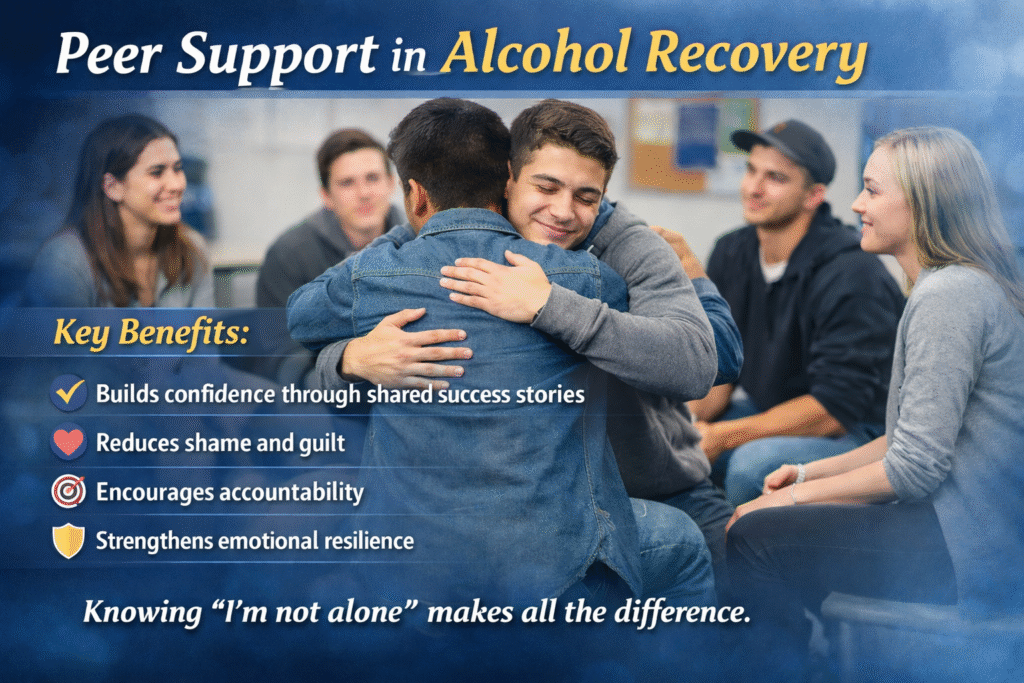
 Why Peer Support Matters More Than You Think Alcohol addiction doesn’t develop overnight—and recovery doesn’t happen alone. For school-going and college-going students, alcohol use often starts with curiosity, peer pressure, stress, or emotional challenges. When drinking turns into dependency, peer support in alcohol recovery becomes one of the strongest pillars of healing. Support groups offer something that medicines and counselling alone cannot: real understanding from people who have walked the same path. This article explains why alcohol recovery support groups are so powerful, how they work, and why they are especially effective for young people seeking a fresh, healthy future. Peer Support in Alcohol Recovery – Why Support Groups Matter Understanding Peer Support in Alcohol Recovery Peer support in alcohol recovery refers to guidance, encouragement, and emotional help provided by individuals who are either recovering from alcohol addiction or have successfully maintained sobriety. At Sanchit Rehab Centre in Gwalior, peer support is an integral part of the recovery process, helping individuals feel understood, supported, and motivated through shared experiences and collective healing. Unlike traditional therapy, peer support is built on: Shared experiences Mutual respect Non-judgmental communication Collective motivation This approach creates a sense of belonging that is essential for young individuals struggling with addiction. Importance of Peer Support in Recovery The importance of peer support in recovery lies in its ability to reduce isolation and increase hope. Many students feel misunderstood or judged by family or society. Support groups provide a safe space where no explanation is needed. Key Benefits of Peer Support in Alcohol Recovery Builds confidence through shared success stories: Peer Support in Alcohol Recovery allows students to see real examples of progress, helping them believe that change is possible for them too. Reduces shame and guilt: Through Peer Support in Alcohol Recovery, individuals realize their struggles are shared, which lowers self-blame and emotional burden. Encourages accountability: Peer Support in Alcohol Recovery motivates students to stay committed by learning from and being responsible to their peers. Strengthens emotional resilience: Regular participation in Peer Support in Alcohol Recovery helps students manage stress, emotions, and setbacks in healthier ways. For students, Peer Support in Alcohol Recovery reinforces the feeling of “I’m not alone,” making recovery more hopeful and life-changing. Why Support Groups Are Effective for Students Young people face unique challenges during recovery—academic pressure, identity confusion, social influence, and emotional stress. Alcohol addiction peer support directly addresses these concerns. Relatable Experiences Students connect easily with peers who understand: Exam stress Relationship pressure Social drinking culture Fear of missing out (FOMO) Positive Peer Influence Instead of negative peer pressure, support groups create positive reinforcement, encouraging healthy choices and responsible behaviour. How Alcohol Recovery Support Groups Work Support groups follow structured yet flexible formats to ensure comfort and consistency. Common Elements: Regular group meetings Open discussions Goal-setting sessions Relapse prevention strategies Some groups are peer-led, while others are guided by trained facilitators at a Nasha Mukti Kendra. Types of Peer Support Groups in Alcohol Recovery Student-Focused Recovery Groups Designed for school and college students, these groups address academic life and emotional growth. 12-Step Programs Well-known programs focusing on accountability, discipline, and spiritual growth. Community-Based Support Groups Often organised by rehabilitation centres to provide long-term sobriety support. Aftercare Peer Groups These help individuals stay committed after completing treatment at a Nasha Mukti Kendra. Emotional and Psychological Benefits of Peer Support Peer support strengthens mental health by: Improving self-esteem Reducing anxiety and depression Encouraging emotional expression Teaching healthy coping strategies For young individuals, emotional stability is essential for both recovery and personal development. Peer Support vs. Going Through Recovery Alone Recovery Alone: Isolation Low motivation High relapse risk Limited guidance Peer Support Recovery: Sense of belonging Shared encouragement Better relapse prevention Real-life insights This comparison clearly shows why alcohol recovery support groups play a crucial role in sustained recovery. Role of Nasha Mukti Kendra in Peer Support A professional Nasha Mukti Kendra integrates peer support with medical care, counselling, and therapy. How They Help: Safe, supervised group sessions Age-appropriate peer matching Structured recovery programs Long-term aftercare support This holistic approach ensures both physical and emotional healing. How Peer Support Prevents Relapse Relapse often happens due to stress, loneliness, or overconfidence. Peer groups help by: Identifying early warning signs Offering immediate emotional support Reinforcing recovery goals Sharing practical coping techniques Consistent peer interaction strengthens commitment to sobriety. Building Life Skills Through Peer Support Beyond recovery, peer support teaches valuable life skills: Communication Emotional regulation Decision-making Conflict resolution These skills help students succeed academically and socially without relying on alcohol. Summary: Recovery Is Stronger Together Peer support in alcohol recovery is not just helpful—it is essential. At a trusted Nasha Mukti Kendra in Gwalior, support groups empower students to heal emotionally, stay motivated, and build a future free from addiction. Through shared understanding, professional guidance, and strong accountability provided at the Nasha Mukti Kendra in Gwalior, recovery becomes more sustainable, structured, and truly meaningful. Frequently Asked Questions Q1. What is peer support in alcohol recovery?Peer support involves guidance and encouragement from individuals who have experienced alcohol addiction and recovery themselves. Q2. Are support groups suitable for students?Yes. Student-focused alcohol recovery support groups address academic stress, peer pressure, and emotional challenges effectively. Q3. Can peer support replace professional treatment?No. Peer support complements medical treatment and counselling but works best as part of a structured recovery program. Q4. How long should someone attend support groups?There is no fixed duration. Many people continue attending groups long-term to maintain sobriety and motivation. Q5. Do Nasha Mukti Kendras offer peer support?Yes. Most Nasha Mukti Kendras include peer support groups as part of comprehensive alcohol recovery programs.

Behavioural Effects of Alcohol – How Drinking Influences Daily Life
Blog

Behavioural Effects of Alcohol – How Drinking Influences Daily Life

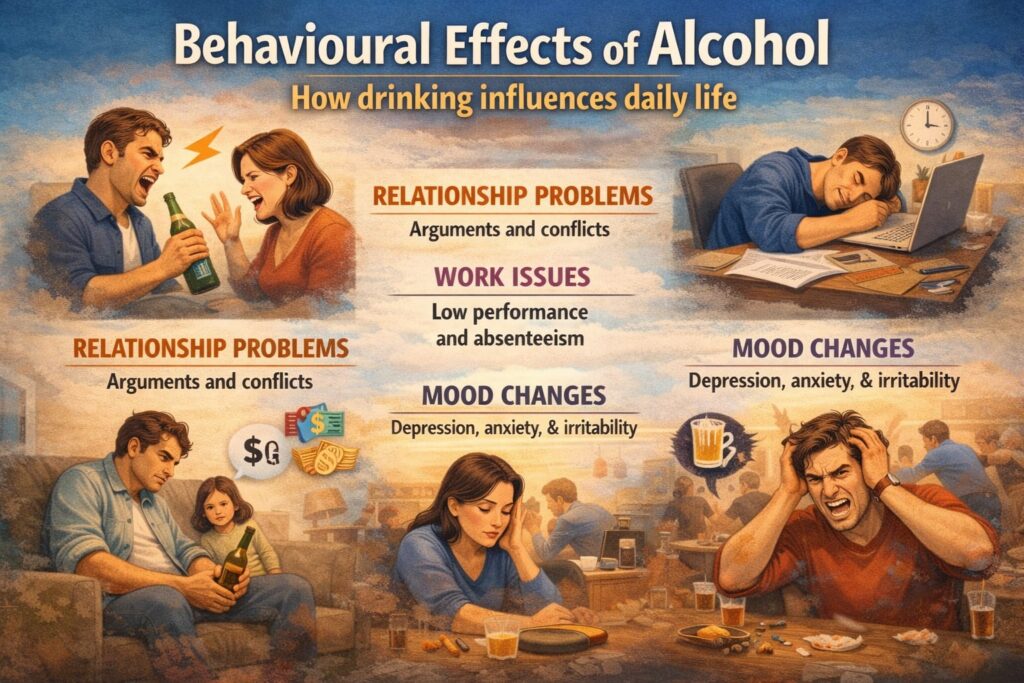
Behavioural Effects of Alcohol Alcohol consumption among students is a rising concern, often starting as casual experimentation during social events or academic stress. However, repeated drinking can have profound effects on behaviour, emotions, and daily routines. Understanding alcohol and stress is key, as stress often drives drinking, which in turn worsens emotional and cognitive challenges. This article, brought to you by Sanchit Rehab Centre Gwalior, explores the behavioural effects of alcohol, how drinking influences daily life, and practical strategies to mitigate its negative consequences. By understanding these connections, students can make informed choices and maintain a healthier lifestyle. Understanding Alcohol and Stress Alcohol and stress are closely linked, and understanding the Behavioural Effects of Alcohol is essential for recovery. Many students turn to alcohol as a way to cope with academic pressure, social anxiety, or personal problems. While it may provide temporary relief, the Behavioural Effects of Alcohol often worsen stress over time, disrupt normal functioning, and affect behaviour. Key points: Alcohol temporarily lowers inhibitions, creating a false sense of relief from stress, which is one of the most common behavioural Effects of Alcohol. Over time, alcohol consumption can increase anxiety, irritability, and depressive symptoms, showing how the behavioural Effects of Alcohol impact mental health. Stress-driven drinking can lead to dependency and behavioural changes that interfere with daily life, another example of the behavioural Effects of Alcohol. Understanding this cycle and the behavioural Effects of Alcohol is the first step toward managing drinking and preventing long-term consequences.  Impact of Alcohol on Behavior  Short-Term behavioural Effects Even moderate drinking can influence behavior in noticeable ways: Impaired judgment and decision-making Increased risk-taking or aggressive behavior Reduced academic performance and focus Social withdrawal or mood swings Long-Term behavioural Effects Chronic alcohol use can create deeper behavioural changes: Emotional instability and irritability Difficulty managing stress and responsibilities Poor interpersonal relationships Risk of developing alcohol dependence or addiction Secondary Keywords Integrated: Impact of alcohol on behavior Alcohol and behavior changes How Drinking Influences Daily Life Alcohol affects multiple aspects of a student’s life: Academic Performance Memory and concentration decline Lower grades due to missed classes or assignments Reduced ability to handle stress and deadlines Social Life Strained friendships due to mood swings or reckless behavior Increased social isolation or peer pressure to continue drinking Physical Health Fatigue and sleep disturbances Weakened immunity and increased susceptibility to illness Risk of injuries or accidents during intoxication  Emotional Wellbeing Heightened anxiety or depression Difficulty coping with normal stress Lower self-esteem and motivation By recognizing these effects, students can make conscious decisions about their drinking habits. Strategies to Manage Alcohol and Stress Preventing stress-driven drinking requires conscious effort and support. Here are effective strategies:  Stress Management Techniques Practice mindfulness or meditation Engage in physical activities or sports Maintain a healthy sleep schedule Develop hobbies and creative outlets Seeking Professional Support Counselling or therapy at a Nasha Mukti Kendra Support groups or peer mentoring programs Family involvement and open communication Healthy Lifestyle Choices Limit alcohol intake or abstain completely to protect your Alcohol and Mental Health. Plan academic schedules to reduce stress and support overall Alcohol and Mental Health. Build strong social connections without relying on alcohol, which strengthens Alcohol and Mental Health and emotional resilience. These approaches help reduce the negative behavioural effects of alcohol while promoting mental and emotional well-being. Role of Family and Friends Recovery and behavioural improvement are easier with a supportive environment: Family can provide accountability, encouragement, and emotional guidance Friends can model healthy coping strategies and reduce peer pressure Open communication helps students discuss challenges without fear of judgment “Support from family and friends strengthens resilience and reduces the risk of stress-driven drinking.” Summary and Call to Action Alcohol significantly affects behavior, academic performance, and emotional wellbeing. Stress often drives drinking, creating a harmful cycle that impacts daily life. Key Takeaways: Understand the link between alcohol and stress Recognize short-term and long-term behavioural effects Implement stress management and healthy coping strategies Seek professional help at a trusted Nasha Mukti Kendra Build a supportive network of family and peers Take action today: Don’t let alcohol and stress control your life. Reach out to a trusted Nasha Mukti Kendra in Gwalior  and take the first step toward healthier habits and improved wellbeing. FAQ Section Q1: Can alcohol really increase stress in the long term?A: Yes, while alcohol may temporarily relieve stress, chronic drinking disrupts brain chemistry, increasing anxiety and tension over time. Q2: How does alcohol affect student behavior?A: It impairs judgment, increases impulsivity, affects mood, and can lower academic and social performance. Q3: What are effective ways to manage alcohol and stress?A: Mindfulness, exercise, healthy sleep, hobbies, counseling, and peer/family support are highly effective. Q4: Is professional help necessary for stress-related drinking?A: In cases of frequent or excessive drinking, a Nasha Mukti Kendra or professional counseling can provide structured support and recovery plans. Q5: Can friends and family influence recovery from alcohol stress behaviors?A: Yes, support and open communication help students resist peer pressure, manage stress, and maintain healthier habits.

Behavioural Effects of Drug Use
Blog

Behavioural Effects of Drug Use – Changes You Should Not Ignore

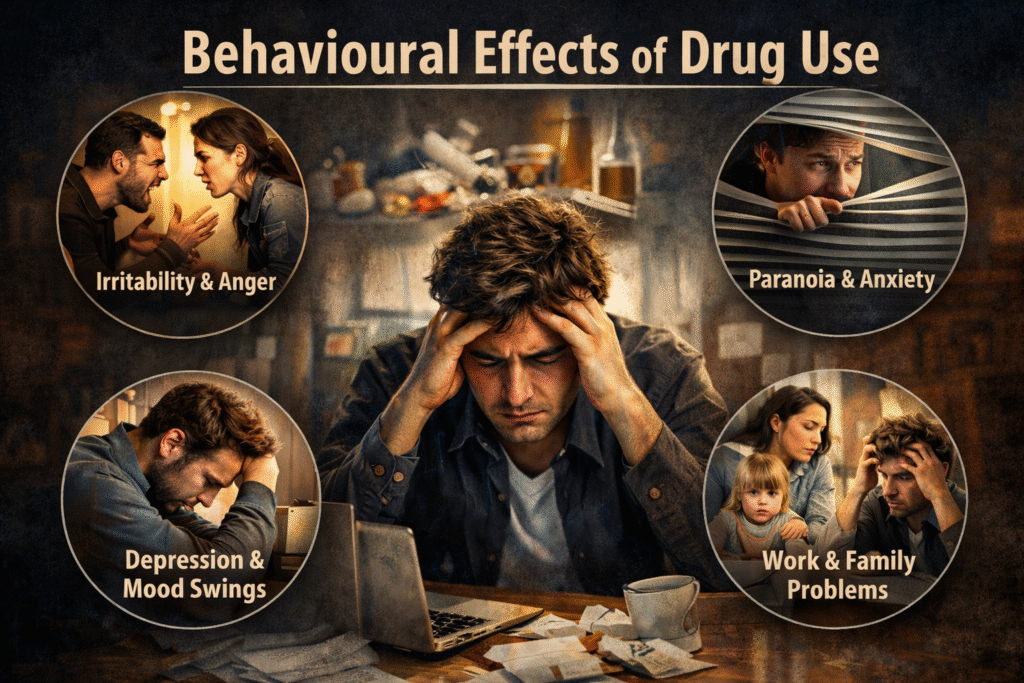
Drug use doesn’t just affect physical health—it significantly alters behavior, emotions, and decision-making. Recognizing the behavioural effects of drug use is crucial, especially for small business owners, who often face high stress and responsibility while balancing personal and professional life. Behavioral changes can be subtle at first, including mood swings, irritability, or social withdrawal. Over time, these changes can impact relationships, work performance, and mental health. Early identification of these signs is essential to intervene effectively and support drug addiction recovery. Seeking professional guidance from Sanchit Rehab Centre in Gwalior can provide structured therapy, counseling, and support to manage these behavioral changes and ensure long-term recovery. This guide explores the behavioral effects of drug use, the psychological warning signs, and strategies to help individuals regain control and stability in their lives. Behavioural Effects of Drug Use Drug use disrupts the brain’s chemical balance, causing noticeable changes in thoughts, emotions, and actions. Recognizing the Behavioural Effects of Drug Use—such as mood swings, irritability, and poor decision-making—is crucial for early intervention. Understanding these Behavioural Effects of Drug Use helps individuals and families take timely steps toward drug addiction recovery and long-term well-being.  Common Behavioral Changes Due to Drug Use : Mood Swings from Drug Use Sudden irritability or anger Frequent sadness or depression Overreaction to minor issues Unexplained bursts of energy or euphoria  Changes in Social Behavior Withdrawal from friends and family Loss of interest in hobbies and activities Difficulty maintaining professional relationships Preference for isolation or secrecy Cognitive and Decision-Making Changes Poor judgment or risky choices Memory lapses or forgetfulness Difficulty concentrating or focusing Impulsivity in personal or business decisions Long-Term Behavioural Effects of Drug Use  Behavioral Effects of Long-Term Drug Use Chronic irritability and emotional instability Increased anxiety or paranoia Persistent mood swings and depression Difficulty managing responsibilities, including work and family Chronic Irritability and Emotional Instability One of the most common behavioural effects of drug use is chronic irritability and emotional instability. Individuals may react angrily or overreact to minor issues, experience sudden frustration, or have difficulty controlling emotions. These mood fluctuations are not random—they are a direct result of chemical changes in the brain caused by prolonged substance use. Recognizing chronic irritability as a behavioural effect of drug use is crucial for early intervention and helps both families and professionals provide appropriate support. Increased Anxiety or Paranoia Another major behavioural effect of drug use is heightened anxiety or paranoia. Drugs disrupt the normal balance of neurotransmitters, leading to persistent worry, fear, or suspicious thoughts. Individuals may constantly feel threatened or mistrust those around them, which impacts relationships at home and work. Identifying increased anxiety or paranoia as a behavioural effect of drug use allows for timely therapy and recovery measures to prevent escalation into more severe mental health issues. Persistent Mood Swings and Depression Persistent mood swings and depression are key behavioural effects of drug use that affect emotional stability and daily functioning. These individuals may experience sudden highs and lows, periods of hopelessness, or loss of interest in activities they once enjoyed. Such emotional volatility is a hallmark of addiction’s impact on behavior. Understanding mood swings and depression as behavioural effects of drug use helps family members, friends, and professionals recognize early signs and intervene effectively. Difficulty Managing Responsibilities, Including Work and Family A significant behavioural effect of drug use is the inability to manage responsibilities, including both professional and personal obligations. Individuals may miss deadlines, forget important tasks, or fail to fulfill family commitments. Work performance often suffers due to reduced focus, poor decision-making, and impulsive behavior—all classic behavioural effects of drug use. Early recognition of this pattern is essential for initiating drug addiction recovery strategies and restoring balance in both home and work life.  Impact on Professional Life for Small Business Owners Small business owners may notice: Decline in work performance Poor communication with employees or clients Financial mismanagement due to impulsive decisions Strained relationships with partners or family Recognizing these patterns early can help mitigate long-term damage and improve recovery outcomes. Psychological Effects That Affect Behavior  Anxiety and Depression Drugs disrupt normal brain chemistry, leading to persistent anxiety or depression that affects daily behavior. Paranoia and Distrust Long-term use can cause suspicion toward colleagues, family members, or business partners.  Reduced Impulse Control Addiction reduces the ability to resist cravings, leading to reckless actions or decisions that can impact both personal and professional life. How to Recognize the Signs Early Notice changes in sleep patterns or appetite Track sudden mood swings or emotional outbursts Monitor social withdrawal or isolation Observe changes in work performance or decision-making Keep an eye on repeated risky behavior Early detection is key for effective drug addiction recovery. Practical Steps to Address Behavioral Changes  Seek Professional Help Connect with a trusted Nasha Mukti Kendra Enroll in counseling and therapy programs Consider family therapy to rebuild support systems Develop Healthy Habits Maintain a balanced routine with regular sleep and exercise Engage in hobbies and social activities Practice mindfulness and stress management techniques  Build a Support Network Encourage communication with trusted family and friends Join peer support groups Stay accountable with mentors or counselors Behavioral Changes During Drug Addiction Recovery Recovery itself may bring temporary behavioral changes, including: Mood fluctuations as the body detoxifies Anxiety about maintaining sobriety Frustration during therapy or lifestyle adjustments Support from family, professional counselors, and structured programs can help manage these temporary changes and ensure long-term stability. Summary and Call to Action Understanding the behavioural effects of drug use is crucial for early intervention and successful recovery. Mood swings, social withdrawal, poor decision-making, and long-term cognitive changes are signs that should never be ignored. For small business owners, recognizing these signs early can protect professional performance, personal relationships, and overall well-being. Seeking help from a professional Nasha Mukti Kendra ensures structured therapy, behavioral monitoring, and support for long-term recovery. Take the first step today to safeguard your life and the lives of loved ones by addressing behavioral changes early. FAQ Q1. What are the most common behavioral

Blog

Alcohol and Mental Health–Understanding the Emotional Impact

Alcohol and Mental Health Alcohol and Mental Health are closely connected, yet this link is often misunderstood—especially among teenagers, school-going students, and young adults. Many people turn to alcohol believing it helps them relax, reduce stress, or escape emotional pain. In reality, alcohol often worsens mental health problems and creates a harmful cycle that is difficult to break. Understanding the relationship between Alcohol and Mental Health is essential for prevention, early recovery, and long-term well-being. This article explores how alcohol affects mental health, why young people are especially vulnerable, and how recovery can restore emotional balance and clarity. Understanding Alcohol and Mental Health Alcohol and Mental Health influence each other in both directions. Poor mental health can increase alcohol use, and alcohol use can worsen mental health conditions. Alcohol is a depressant that directly affects brain chemistry, altering mood, judgment, memory, and emotional control. While alcohol may create temporary feelings of relaxation, its long-term impact on mental health can be damaging. At Sanchit Rehab Centre Gwalior, individuals are guided to understand these effects and adopt healthier habits. Over time, the brain becomes less able to regulate emotions naturally, leading to increased anxiety, irritability, and low mood if not properly addressed. How Alcohol Affects the Brain The brain continues developing into the mid-20s, making young people particularly sensitive to Alcohol and Mental Health effects. Alcohol interferes with neurotransmitters like serotonin and dopamine, which control happiness, motivation, and emotional stability. Regular drinking can: Reduce concentration and memory Increase mood swings Lower motivation and confidence Impair decision-making These changes explain why Alcohol and Mental Health issues often appear together in students and teenagers. Alcohol and Anxiety One of the strongest links between Alcohol and Mental Health is anxiety. Many people drink to feel calmer in social or stressful situations. However, alcohol disrupts the nervous system and increases anxiety once its effects wear off. This creates a cycle: Anxiety appears Alcohol is used to cope Temporary relief occurs Anxiety returns stronger Breaking this cycle is essential for improving Alcohol and Mental Health outcomes. Alcohol and Depression Alcohol is strongly associated with low mood and depression. It reduces the brain’s ability to produce feel-good chemicals naturally. Over time, people may feel empty, tired, or hopeless. In young people, this can affect: Academic performance Relationships Self-esteem Future goals The connection between Alcohol and Mental Health shows that alcohol does not solve emotional pain—it deepens it. Impact on Sleep and Emotional Regulation Sleep problems are common in people struggling with Alcohol and Mental Health issues. Alcohol disrupts deep sleep, leading to fatigue, irritability, and poor emotional control the next day. Lack of quality sleep: Increases stress Reduces focus Worsens mood swings Healthy sleep is a key part of healing Alcohol and Mental Health challenges. Alcohol, Stress, and Coping Skills Young people often lack healthy coping strategies for stress. Alcohol may feel like an easy solution, but it prevents the development of emotional skills. Healthy alternatives that support Alcohol and Mental Health include: Exercise Meditation and breathing techniques Talking to trusted people Creative activities Learning these skills strengthens resilience and reduces dependence on alcohol. Social Pressure and Mental Health Peer pressure plays a major role in Alcohol and Mental Health challenges among students. Drinking is often normalized in social settings, making it harder to say no. This pressure can lead to: Guilt and shame Anxiety about fitting in Risky behavior Recovery and Healing of Mental Health The good news is that mental health can improve significantly after quitting alcohol. When alcohol use stops, the brain begins to rebalance itself, and emotional stability gradually returns. Over time, focus, motivation, and overall well-being improve. With healthy habits and proper support from Nasha Mukti Kendra, Gwalior, recovery becomes stronger and more sustainable, leading to lasting emotional health. Building confidence and self-worth is essential for protecting mental health in young people. Benefits of recovery include: Improved mood and motivation Better concentration and memory Reduced anxiety Stronger emotional control With guidance and support from Nasha Mukti Kendra, Gwalior, recovery restores both mental and emotional well-being. Role of Support and Counseling Addressing Alcohol and Mental Health together is crucial. Counseling, therapy, and structured support help individuals understand emotional triggers and build healthier responses. Professional support helps with: Emotional regulation Stress management Relapse prevention Confidence building Early help leads to better long-term outcomes. Alcohol and Mental Health in Teenagers Teenagers are especially vulnerable to Alcohol and Mental Health issues because their brains are still developing. Early alcohol use can interfere with emotional growth and increase the risk of long-term mental health struggles. Protecting mental health during these years supports: Academic success Healthy relationships Positive self-identity Education and awareness are key to prevention. Building a Healthy, Alcohol-Free Mindset Recovery is not just about stopping alcohol—it’s about rebuilding life. A healthy routine, balanced nutrition, regular exercise, and emotional support all strengthen Alcohol and Mental Health recovery. Small, consistent habits create lasting change and reduce the risk of relapse. Conclusion: A Path Toward Mental Wellness The connection between Alcohol and Mental Health is powerful, but it is not permanent. Alcohol often worsens anxiety, depression, stress, and emotional instability—especially in young people. The encouraging truth is that with awareness, support, and healthy habits, mental health can heal. Choosing recovery is choosing clarity, balance, and emotional strength Frequently Asked Questions (FAQs) Q1. How does alcohol affect mental health?Alcohol alters brain chemistry and emotional regulation, which can increase anxiety, depression, mood swings, and stress over time—especially with regular use. Q2. Why are teenagers and young adults more affected by alcohol?The brain continues developing into the mid-20s, and alcohol can interfere with emotional growth, decision-making, and mental stability during this sensitive stage. Q3. Can alcohol make anxiety and depression worse?Yes. While alcohol may offer short-term relief, it often increases anxiety and deepens low mood once its effects wear off, creating a harmful cycle. Q4. Does mental health improve after quitting alcohol?Absolutely. After stopping alcohol, the brain begins to rebalance, leading to improved mood, better sleep, reduced anxiety, and stronger emotional control

Healthy Lifestyle After Alcohol
Blog

Healthy Lifestyle After Alcohol — Simple Habits for Long-Term Wellness

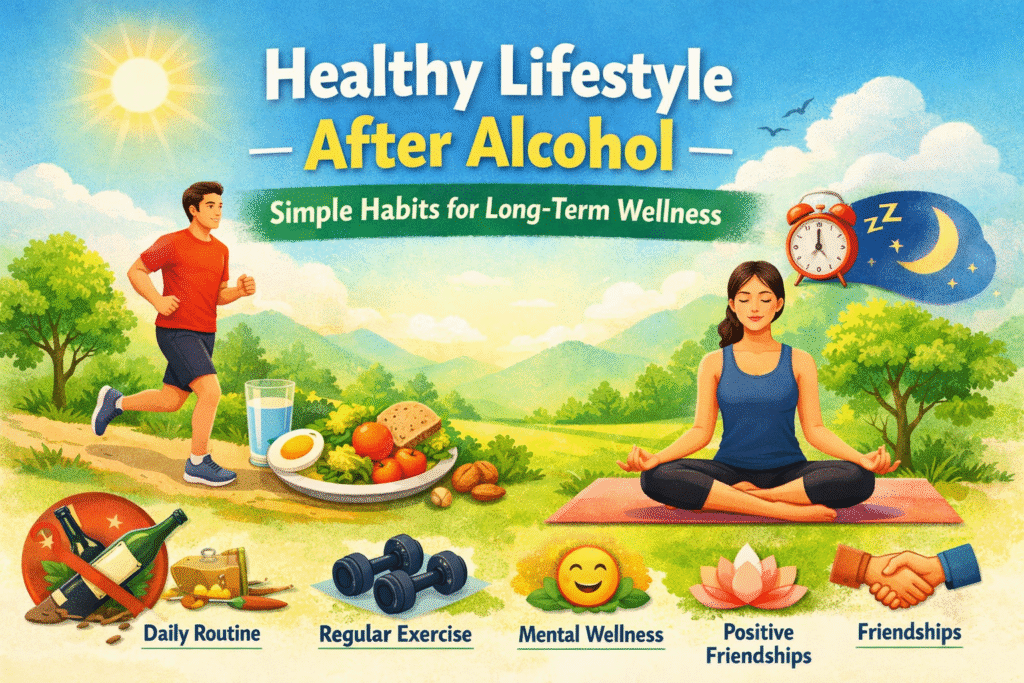
Healthy Lifestyle After Alcohol A Healthy Lifestyle After Alcohol is not created overnight—it is built gradually through mindful choices, daily discipline, and the right support system. For teenagers, school-going students, and college youth, quitting alcohol at an early stage gives the body and brain a powerful chance to heal. Embracing a Healthy Lifestyle After Alcohol helps restore balance, confidence, and long-term well-being. Alcohol affects much more than physical health. It impacts sleep patterns, concentration, emotions, motivation, and relationships. The good news is that the human body is resilient. With commitment and care, a Healthy Lifestyle can help individuals rebuild their lives in a positive and sustainable way. What Is a Healthy Lifestyle After Alcohol? A Healthy Lifestyle  means adopting habits that support physical recovery, mental clarity, emotional stability, and social well-being after quitting drinking. It is not just about avoiding alcohol—it is about replacing harmful patterns with healthy routines that promote overall wellness. At Sanchit Rehab Center, Gwalior, individuals are guided to rebuild their lives through structured care and positive daily practices. When a person commits to a Healthy Lifestyle  with the support of Sanchit Rehab Center, Gwalior, they focus on balanced nutrition, regular exercise, quality sleep, stress management, and supportive relationships. These elements work together to strengthen recovery and reduce the risk of relapse. Why Healthy Lifestyle After Alcohol Matters A Healthy Lifestyle After Alcohol is especially important for young people because their brains and bodies are still developing. Alcohol can interfere with growth, learning, and emotional regulation. Choosing a Healthy Lifestyle After Alcohol helps reverse many of these effects and supports long-term success. Without healthy routines, cravings, stress, and peer pressure can pull individuals back toward old habits. That is why building a Healthy Lifestyle is essential for lasting recovery, not just short-term abstinence. Healthy Habits After Alcohol Addiction Developing healthy habits is the foundation of recovery. A Healthy Lifestyle After Alcohol is built on consistency rather than perfection. Key habits include: Eating balanced, nourishing meals Staying physically active Maintaining a regular sleep schedule Practicing stress-management techniques Seeking emotional and social support By repeating these habits daily, a Healthy Lifestyle After Alcohol becomes a natural part of life rather than a forced effort. Nutrition and a Healthy Lifestyle After Alcohol Proper nutrition plays a major role in healing. Alcohol often depletes essential vitamins and minerals, weakens digestion, and lowers energy levels. A Healthy Lifestyle After Alcohol includes a diet rich in fruits, vegetables, whole grains, proteins, and healthy fats. Drinking enough water, avoiding junk food, and eating at regular times help stabilize mood and energy. Over time, good nutrition strengthens immunity and supports mental clarity, making a Healthy Lifestyle  easier to maintain. Exercise and Physical Activity Physical movement is one of the most powerful tools in recovery. Regular exercise supports a Healthy Lifestyle  by improving mood, reducing stress, and increasing self-confidence. Activities like walking, yoga, sports, or light gym workouts release natural “feel-good” chemicals in the brain. Exercise also improves sleep quality and reduces cravings, making it an essential pillar of a Healthy Lifestyle  Mental Health and Emotional Balance Mental health is just as important as physical health. Anxiety, low mood, and emotional ups and downs are common after quitting alcohol. A Healthy Lifestyle After Alcohol includes healthy coping strategies such as meditation, deep breathing, journaling, and counseling. Learning to face emotions without alcohol builds inner strength and resilience. With time, emotional stability becomes one of the strongest benefits of a Healthy Lifestyle After Alcohol. Daily Routine and Discipline Structure creates safety in recovery. A Healthy Lifestyle thrives on a well-planned daily routine. Fixed wake-up times, regular meals, study or work hours, and relaxation periods reduce stress and boredom—two major triggers for relapse. Routine brings predictability, and predictability builds confidence. This is why routine is a key element of a Healthy Lifestyle After Alcohol. Social Support and Positive Relationships Recovery is easier when you are not alone. A Healthy Lifestyle After Alcohol includes spending time with people who respect sobriety and encourage growth. Family support, positive friendships, mentors, and professional guidance all strengthen recovery. Avoiding high-risk environments and choosing supportive company protects the progress made through a Healthy Lifestyle After Alcohol. Benefits of a Healthy Lifestyle After Alcohol The benefits of a Healthy Lifestyle After Alcohol extend far beyond quitting drinking. Individuals experience: Improved focus and memory Better physical fitness and immunity Stronger emotional control Healthier relationships Clearer goals and self-confidence Over time, a Healthy Lifestyle After Alcohol leads to a more meaningful and fulfilling life. Healthy Lifestyle After Alcohol for Teenagers and Students For teenagers and students, a Healthy Lifestyle  protects academic performance, emotional development, and future opportunities. With guidance from Nasha mukti kendra in Gwalior, early recovery prevents long-term damage and helps young people rediscover their potential. Choosing a Healthy Lifestyle After Alcohol at a young age, supported by Sanchit Rehab Center, Gwalior, sets the foundation for lifelong success and stability. Role of Professional Support Sometimes, guidance is needed to stay on track. Counseling, therapy, and structured programs help individuals maintain a Healthy Lifestyle  when challenges arise. Professional support provides tools for relapse prevention, emotional healing, and long-term planning. With the right help, maintaining a Healthy Lifestyle becomes more achievable and sustainable. Conclusion: Building a Better Future A Healthy Lifestyle After Alcohol is built one habit at a time—through routine, nutrition, movement, mental care, and support. It protects physical growth, emotional health, and future success. A Healthy Lifestyle  is not about what you have left behind; it is about the stronger, healthier life you are creating ahead. choosing a Healthy Lifestyle After Alcohol today is an investment in a brighter, more confident tomorrow. FAQs 1. What does a healthy lifestyle after alcohol include?A healthy lifestyle after alcohol includes balanced nutrition, regular exercise, proper sleep, stress management, and emotional support to support long-term recovery. 2. How long does it take to feel healthy after quitting alcohol?Initial physical improvements may appear within weeks, while mental clarity, emotional balance, and full lifestyle recovery can take several months with consistency. 3.

Family Support in Drug Recovery
Blog

Family Support in Drug Recovery – Why Loved Ones Make a Difference

Overcoming addiction is not just a personal battle—it is a journey that requires emotional strength, professional care, and consistent encouragement from loved ones. Family support in drug recovery plays a vital role in helping individuals rebuild confidence, restore trust, and stay committed to sobriety. For small business owners, managing business responsibilities, financial pressure, and personal life can increase stress during recovery. When families provide understanding, patience, and stability, they create a secure environment that encourages healing and long-term success. Professional guidance from Sanchit Rehab Centre in Gwalior can further strengthen recovery by offering structured therapy, family support programs, and expert counseling tailored to individual needs. This article explains why family involvement matters, how it strengthens treatment outcomes, and practical ways families can actively support recovery. Why Family Support Is Essential in Addiction Recovery Addiction affects the entire family system, not just the individual struggling with substance use. Emotional tension, communication breakdowns, and disrupted routines often impact every family member, creating stress and uncertainty at home. Family support in drug recovery plays a crucial role in addressing these challenges, as loved ones actively participating in the healing process provide emotional reassurance, accountability, and motivation. When families are involved, they can help establish structure, encourage healthy habits, and create a safe, understanding environment that supports long-term sobriety. Their involvement not only strengthens the recovery journey for the individual but also promotes healing, trust, and stronger bonds within the entire family. Emotional Stability and Motivation Family members provide emotional reassurance, encouragement, and accountability. Their support reduces anxiety, increases confidence, and motivates individuals to stay consistent with treatment and healthy habits. Creating a Safe and Supportive Environment A positive home environment helps reduce exposure to triggers, improves emotional safety, and promotes structured routines that support long-term recovery. The Family Role in Addiction Recovery The family role in addiction recovery includes emotional care, lifestyle support, and behavioral guidance. Families influence daily habits, decision-making, and emotional balance. Building Healthy Communication Open communication reduces misunderstandings, strengthens trust, and helps resolve emotional conflicts. Honest conversations promote transparency and emotional connection. Accountability and Structure Families play a vital role in sustaining recovery by helping individuals maintain consistency in their daily lives. Family support in drug recovery ensures that routines such as regular sleep schedules, nutritious meals, therapy attendance, and productive daily habits are followed consistently. By providing structure and guidance, families reduce the likelihood of relapse and help the individual stay focused on their sobriety goals. Their involvement also reinforces accountability, encourages responsibility, and creates a stable, nurturing environment that promotes both emotional and physical well-being. This consistent support is a cornerstone of long-term recovery, helping individuals rebuild confidence, resilience, and a balanced lifestyle. Benefits of Family Therapy in Rehab Family therapy in rehab plays a crucial role in strengthening family support in drug recovery by helping loved ones actively participate in the healing journey. These therapy sessions provide a safe and structured environment where families can openly discuss past conflicts, emotional struggles, and the impact of addiction on relationships. By working together with trained counselors, family members learn effective communication strategies, conflict resolution skills, and ways to support the individual without enabling unhealthy behaviors. This collaborative approach not only rebuilds trust and strengthens emotional bonds but also equips families with the tools they need to create a nurturing, stable environment. Ultimately, family therapy enhances long-term recovery outcomes, reduces relapse risk, and ensures that both the individual and their loved ones grow stronger together. Healing Emotional Trauma Therapy provides a structured and supportive environment where families can address unresolved issues, rebuild trust, and strengthen their emotional bonds. Family support in drug recovery is enhanced when loved ones participate in therapy sessions, as they learn to understand the complexities of addiction, the triggers that may lead to relapse, and the behavioral patterns associated with substance use. Through counseling, families can release feelings of guilt, anger, or resentment, and develop empathy and patience toward the individual in recovery. This process not only aids in healing family relationships but also creates a more stable and encouraging environment, which is essential for long-term recovery and emotional resilience for everyone involved. Learning Relapse Prevention Skills Learning relapse prevention skills strengthens family support in drug recovery by helping individuals and their loved ones recognize early warning signs before a setback occurs. Through counseling and family therapy in rehab, families learn to understand emotional triggers, stress patterns, and behavioral changes that may increase relapse risk. They also develop healthy coping strategies such as effective communication, stress management, setting clear boundaries, and responding calmly during difficult moments. This structured approach empowers families to provide timely encouragement, promote positive decision-making, and create a safe environment that supports long-term recovery and emotional stability. Why Family Support Matters for Small Business Owners Small business owners face unique pressures such as workload stress, financial responsibility, and decision-making fatigue. Managing Work Stress Family encouragement helps reduce emotional overload, supports work-life balance, and promotes healthy boundaries. Financial and Decision Support Families provide emotional reassurance during financial challenges and help maintain responsible decision-making. Practical Ways Families Can Support Recovery Families can actively contribute by adopting healthy habits and positive behaviors. Encourage Treatment Participation Attend counseling sessions, respect therapy schedules, and support medical guidance. Promote Healthy Lifestyle Habits Encourage balanced nutrition, regular exercise, proper sleep, and digital wellness. Avoid Enabling Behaviors Set clear boundaries, promote accountability, and avoid supporting unhealthy habits. Practice Emotional Patience Listen without judgment, validate emotions, and celebrate small progress milestones. Common Challenges Families Face During Recovery Trust Rebuilding Trust takes time and consistency to rebuild after addiction. Emotional Burnout Caregivers may experience stress and fatigue and should also seek support. Miscommunication Unclear expectations can lead to emotional tension and conflict. Professional guidance helps families navigate these challenges effectively. Role of Nasha Mukti Kendra in Family-Based Recovery A professional Nasha Mukti Kendra plays a vital role in enhancing family support in drug recovery by actively integrating families into the treatment process. Through structured counseling sessions, educational workshops, and emotional skill development

Blog

Top 10 Nasha Mukti Kendra in India

A nasha mukti kendra in India plays a vital role in helping individuals break free from alcohol and drug addiction. Addiction is not a moral failure—it is a health condition that affects the body, mind, family relationships, and career. Across India, substance abuse is increasing among youth, working professionals, and even elderly people. Addiction can slowly damage physical health by affecting the liver, heart, and brain. It also causes mental health problems like depression, anxiety, anger, and loss of self-control. Families suffer due to broken trust, financial stress, and emotional pain. Careers often collapse due to poor performance, absenteeism, or job loss. This is why timely and professional treatment at a trusted nasha mukti kendra in India is extremely important. With medical care, counselling, and emotional support, recovery is possible. The right rehab center helps people regain confidence, rebuild family bonds, and start a healthy, meaningful life again. In this guide, we present the Top 10 Nasha Mukti Kendra in India, including trusted names like Sanchit Rehab Centre in Gwalior, known for compassionate and result-oriented recovery care. Why We Need Nasha Mukti Kendra in India India needs strong and ethical rehabilitation centers because addiction affects society at every level. Key Reasons: Rising alcohol and drug addiction among youth: Easy access, peer pressure, and stress are pushing more young people toward substance use at an early age. Increasing mental health issues linked with substance abuse: Addiction often worsens anxiety, depression, and emotional instability, creating a harmful cycle. Family breakdown and domestic conflicts: Substance abuse damages trust, communication, and peace within families, leading to frequent conflicts. Financial losses and unemployment: Addiction affects work performance and spending habits, resulting in job loss and severe financial strain. Social stigma prevents people from seeking help: Fear of judgment and shame stops many individuals from reaching out for timely treatment. Top 10 Nasha Mukti Kendra in India Below is a carefully curated list of the Top 10 Nasha Mukti Kendra in India, known for ethical treatment, experienced staff, and patient-centric care. S.No Centre Name Website 1 Sanchit Nasha Mukti Kendra Click Here 2 Mai Kripa Nasha Mukti Kendra Click Here 3 Samarpan Rehabilitation Centre Click Here 4 Sanctum Wellness and Healing LLP Click Here 5 Prayas Sewa Samiti Click Here 6 Veda Rehabilitation and Wellness Click Here 7 Aarogya Sewa Samiti Click Here 8 Tulasi Healthcare Click Here 9 NuLifeLineCare Rehab Click Here 10 Tulasi Healthcare Click Here   1. Sanchit Nasha Mukti Kendra Gwalior Sanchit Rehab Centre, also known as Sanchit Nasha Mukti Kendra, is a recognised Nasha Mukti Kendra in India located in Gwalior, Madhya Pradesh, that focuses on helping individuals overcome addiction through a structured and supportive rehabilitation approach. The centre offers comprehensive de-addiction and recovery services, addressing both physical dependence and psychological challenges of substance abuse. It emphasises a holistic treatment model that incorporates activities such as meditation, yoga, group sessions, and regular medical supervision to support individuals on their journey to sobriety. With facilities designed to provide comfort and care—ranging from general wards to private air-cooled and AC rooms—the centre aims to create a safe environment for recovery and healing. Their approach also includes nutritious food, dedicated staff, and regular doctor visits to ensure that patients receive consistent support during rehabilitation. As a prominent Nasha Mukti Kendra in India, Sanchit Rehab Centre contributes to the broader mission of supporting individuals and families affected by addiction, helping them rebuild lives free from substance dependence. 1.1Our Comprehensive Recovery Care Medically supervised detox with 24/7 careSafe and closely monitored detox programs ensure comfort, stability, and a strong foundation for long-term recovery. Complete alcohol, drug, and substance abuse treatmentWe treat addiction at both physical and psychological levels using proven medical and therapeutic approaches. Personalised recovery plans by experienced professionalsEach individual receives a tailored treatment plan designed by qualified doctors and trained counsellors. Individual, group, and family counselling supportCounselling sessions help heal emotional wounds, rebuild relationships, and strengthen motivation for recovery. Family therapy and emotional healing programsFamilies are guided to understand addiction, improve communication, and support lasting rehabilitation. Yoga, meditation, and lifestyle correction therapyHolistic practices promote mental balance, stress control, and healthier daily routines. Confidential, respectful, and compassionate treatmentPrivacy, dignity, and emotional safety are maintained throughout the recovery journey. Clean, safe, and peaceful healing environmentA calm and hygienic setting helps individuals focus fully on recovery and personal growth. Contact Details Contact details 7828991573, 8302102094 Mail sanchitrehab@gmail.com Address NH 75, Gwalior – Jhansi Rd, Housing Board Colony, New, Datia, Ramnagar, Madhya Pradesh 475661 2. Sanctum Wellness and Healing LLP Sanctum Wellness and Healing LLP is a luxury Nasha Mukti Kendra in India based in New Delhi, offering comprehensive de-addiction and psychological wellness programs designed to help individuals overcome substance abuse and addictive behaviours.As one of the top Nasha Mukti Kendra in India, Sanctum combines advanced medical care with holistic therapies in a serene, individualised setting, emphasising tailored treatment plans that address both physical dependence and underlying psychological issues. The centre is staffed by internationally trained psychiatrists, clinical psychologists, and therapists, ensuring professional support throughout detox, counselling, and long-term recovery processes. 2.1 Treatment Service Comprehensive alcohol and drug de-addiction programs supported by medical care, counselling, and structured recovery plans. Mental health counselling and personalised care plans tailored to address emotional, psychological, and behavioural needs. Group therapy and relapse prevention treatment to build coping skills, peer support, and long-term sobriety. Holistic therapies, including yoga, meditation, and mindfulness to restore mental balance and inner strength. Creative healing through art therapy sessions that encourage emotional expression and stress relief.   Contact Information Phone Number 08929082073 Mail admin@sanctumwellness.org Address 1537, Bhatti mines, Main Chhatarpur Rd, near Radha Swami Satsang Road, Chattarpur, VILLAGE BHATTI, New Delhi, Delhi, 110074   3. Mai Kripa Nasha Mukti Kendra Mai Kripa Nasha Mukti Kendra is a dedicated Nasha Mukti Kendra in India located in the Gwalior region of Madhya Pradesh, committed to helping individuals break free from substance dependence and reclaim healthy, purposeful lives. The centre focuses on comprehensive de-addiction and rehabilitation care that addresses not

Scroll to Top