Blog

Your blog category

Blog

Best Nasha Mukti Kendra in Gorakhpur: Treatment & Recovery

Sanchit Nasha Mukti Kendra In Gorakhpur Finding the Best Nasha Mukti Kendra in Gorakhpur can be an important  step toward overcoming alcohol or drug addiction and rebuilding a healthier, more stable life. Addiction affects not only the individual but also their family, relationships, work, and overall well-being. Choosing the right rehabilitation centre can therefore make a meaningful difference in the recovery journey. Sanchit Rehab provides a structured and supportive environment for individuals seeking help with substance addiction. The recovery process focuses on understanding the reasons behind addiction, developing healthier habits, improving emotional well-being, and helping individuals gradually return to a more balanced lifestyle. For people searching for the Best Nasha Mukti Kendra in Gorakhpur, it is important to consider factors such as the centre’s approach to treatment, qualified professionals, living environment, counselling support, recovery programmes, and aftercare assistance. Our Complete Treatment Process — 7 Steps to Recovery At Sanchit Rehab, our Nasha Mukti Kendra in Gorakhpur follows a structured recovery process to help people overcome alcohol and drug addiction. Every person’s recovery journey is different, so the treatment and support are planned according to their needs. Our focus is to help individuals understand their addiction, improve their physical and mental well-being, and develop healthy habits for life after rehab. 1. Assessment & Counselling The recovery process starts with a detailed assessment and counselling session. Our team tries to understand the person’s addiction, how long they have been using substances, their daily life, and their family situation. This helps us understand their needs and plan the right support for their recovery. 2. Medical Detoxification  Detoxification is an important step for people who are physically dependent on alcohol or drugs. During this stage, medical professionals monitor the patient and provide appropriate care to help manage withdrawal symptoms safely. The detox process may be different for each person depending on the substance used and their overall condition. 3. Mental Health Assessment Addiction can sometimes be connected with stress, anxiety, depression, or other emotional problems. A mental health assessment helps identify these concerns so that the person can receive suitable counselling and support along with addiction treatment. 4. Individual & Group Therapy Counselling and therapy help patients understand their addiction and work on the problems that may be affecting their recovery. Individual sessions provide personal support, while group sessions allow patients to share their experiences and learn from others going through a similar recovery journey. 5. Yoga, Meditation & Wellness Activities A healthy routine can play an important role in recovery. Yoga, meditation, breathing exercises, and other wellness activities can help patients relax, improve focus, and develop a more positive daily routine. These activities are used as supportive practices alongside the main treatment. 6. Family Counselling & Support Family support can make a big difference during recovery. Family counselling helps loved ones understand addiction and learn how they can support the patient in a healthy way. It can also help improve communication and rebuild trust within the family. 7. Aftercare & Relapse Prevention Recovery does not end when a person completes their stay at the rehab centre. Aftercare focuses on helping individuals maintain the progress they have made during treatment. Follow-up counselling, guidance, family support, and learning how to manage triggers can help reduce the risk of relapse. Types of Addiction Treated at Sanchit Nasha Mukti Kendra Sanchit Nasha Mukti Kendra provides addiction treatment and recovery support for people struggling with different types of substance and behavioural addictions. The treatment focuses on helping individuals overcome addiction, manage cravings, improve their lifestyle, and build healthy habits for long-term recovery. 1. Alcohol Addiction Alcohol addiction is when a person becomes dependent on alcohol and finds it difficult to stop drinking. Treatment at a Nasha Mukti Kendra can help individuals manage alcohol dependence, understand the reasons behind drinking, and develop healthier habits for recovery. 2. Drug Addiction Drug addiction is the repeated use of drugs even when it starts affecting a person’s health, family, work, or daily life. Drug addiction treatment focuses on reducing dependence, providing counselling and support, and helping individuals stay away from drugs. 3. Opioid Addiction Opioid addiction is dependence on substances such as heroin or certain prescription opioid medicines. Professional addiction treatment can help manage dependence and withdrawal safely, followed by counselling and recovery support to reduce the chances of relapse. 4. Cannabis Addiction Cannabis addiction can develop when regular cannabis use becomes difficult to control and starts affecting everyday life. Treatment focuses on understanding the causes of cannabis dependence, managing cravings and triggers, and developing healthier routines. 5. Gambling Addiction Gambling addiction is a compulsive need to gamble despite financial, family, or personal problems. Gambling addiction treatment focuses on counselling, identifying triggers, controlling the urge to gamble, and developing healthier ways to manage stress and emotions. Why Families Choose Sanchit Rehab in Gorakhpur Choosing the right Nasha Mukti Kendra in Gorakhpur is an important decision for families. Sanchit Rehab focuses on providing a supportive and structured environment where individuals can work toward recovery from alcohol and drug addiction. Some reasons families may consider Sanchit Rehab include: 1. Professional Addiction Treatment Sanchit Rehab provides structured treatment and recovery support for people struggling with alcohol and drug addiction. The treatment approach is based on the individual’s needs and recovery goals. 2. Experienced Counselling Support Counselling plays an important role in addiction recovery. Individuals are guided to understand the causes of addiction, manage cravings, deal with emotional challenges, and develop positive ways to handle difficult situations. 3. Supportive Recovery Environment A peaceful and supportive environment can help individuals stay focused on their recovery. Sanchit Rehab aims to provide a safe and structured setting where people can concentrate on building healthier daily habits. 4. Treatment for Different Addictions Sanchit Rehab offers support for different types of addiction, including alcohol addiction, drug addiction, opioid addiction, cannabis addiction, and gambling addiction. Treatment is planned according to the type and severity of the addiction. 5. Focus on Relapse Prevention Recovery does not end after stopping substance use. Relapse

Blog

Causes of Substance Abuse And Brain Chemistry: Beyond Willpower

The main causes of substance abuse and brain chemistry changes occur when social stress, trauma, and artificial chemical surges disrupt dopamine pathways and prefrontal cortex function, making dependency a biological condition rather than a lack of willpower. If you or a loved one are struggling, recognizing that addiction is a treatable health condition—not a personal failure—is the first step toward reclaiming your life. Read on to explore how drugs alter brain pathways, the social factors driving dependency, the four stages of addiction, and evidence-based medical recovery pathways. Causes of Substance Abuse And Brain Chemistry Substance abuse is often misunderstood as a simple lack of self-control or a moral failure. Many people assume that someone struggling with drugs or alcohol can simply choose to stop. However, modern science and medical research paint a very different picture. At Sanchit Nasha Mukti Kendra, Gwalior, we understand that addiction is a complex health condition driven by changes in brain chemistry, severe environmental stress, and social factors. To overcome addiction, it is essential to look beyond willpower and understand the true causes of substance abuse and brain chemistry interactions. Knowing these underlying drivers helps families, caregivers, and individuals approach recovery with empathy, proper care, and evidence-based treatments. Addiction is classified as a chronic brain disorder. Expecting an individual to recover using sheer determination without medical treatment is similar to expecting a diabetic patient to regulate insulin without medication. What Happens to Brain Chemistry in Substance Abuse? The human brain relies on chemical messengers called neurotransmitters to regulate mood, motivation, memory, and decision-making. When a person uses drugs or alcohol, these substances alter normal chemical balances, leading to physical dependence and intense cravings. Understanding the primary causes of substance abuse and brain chemistry changes reveals why stopping usage through willpower alone is so difficult. Key Brain Pathways Affected by Addiction 1. The Dopamine Pathway & Reward System: Dopamine creates natural motivation and pleasure during daily activities. Addictive substances cause an artificial dopamine surge up to ten times higher than natural rewards. Over time, the brain reduces natural dopamine production, making natural pleasures feel unrewarding and causing intense cravings. 2. Neurotransmitter Disruption (GABA, Glutamate & Serotonin): GABA and Glutamate: Alcohol and sedatives alter brain firing speed, leading to dangerous physical withdrawal symptoms when stopped suddenly. Serotonin: Disrupted serotonin pathways trigger emotional instability, severe depression, and anxiety during early sobriety. 3. Impairment of the Prefrontal Cortex: The prefrontal cortex manages impulse control, logical thinking, and long-term planning. Chronic substance use damages communication with the reward centre, making drug-seeking behaviour feel automatic Social and Environmental Drivers of Addiction While chemical shifts occur inside the body, social and environmental influences act as the primary initial triggers for drug exposure. Addiction rarely occurs in isolation, especially within Indian families and social settings. Social Factor Mechanism of Impact Long-Term Effect Family Dynamics Exposure to domestic conflict, adverse childhood experiences, or parental drug use. Normalises substance reliance as an emotional coping tool. Peer Pressure Need for social acceptance during adolescence or young adulthood. Leads to casual experimentation that escalates into dependence. Socioeconomic Stress Academic pressure, unemployment, financial instability, and poverty. Elevates chronic cortisol levels, weakening self-control mechanisms. Cultural Stigma Fear of societal judgment in Indian communities leads to family silence. Delays early medical intervention, allowing dependency to worsen. Key Takeaway: Environmental stressors often trigger the initial substance use, but altered causes of substance abuse and brain chemistry factors lock the dependency into place. Recognising the 4 Stages of Addiction Early identification allows families to intervene before severe organ damage or life-threatening crises occur. Stage 1: Experimentation: Substance use occurs occasionally due to curiosity, peer presence, or social gatherings. Stage 2: Regular Use: Usage develops into a routine pattern to relieve workplace, emotional, or personal stress. Stage 3: High-Risk Usage & Tolerance: The brain requires higher dosages to achieve the same chemical response. Financial secrecy and mood swings begin. Stage 4: Chemical Dependency: The individual experiences painful physical withdrawal symptoms when sober and loses the ability to stop without clinical intervention. Medical & Therapeutic Recovery Pathways Because chronic substance use alters neural pathways, complete recovery requires structured professional treatment rather than basic promises. Core Recovery Steps Medical Detoxification: Safely manages withdrawal symptoms under professional healthcare monitoring. Cognitive Behavioural Therapy (CBT): Re-trains emotional responses, helps identify triggers, and prevents relapse. Family Counselling: Educates loved ones on how to eliminate codependency and create a healthy home atmosphere. Holistic Lifestyle Rehabilitation: Combines daily meditation, physical exercise, balanced nutrition, and structured peer groups to repair natural dopamine production. Stopping addictive substances cold turkey without medical oversight can be dangerous depending on the substance. Always consult a specialised clinical centre before stopping heavy substance use. Essential Resources for Treatment & Guidance Families searching for reliable treatment and guidance can explore our dedicated medical programs: Learn about our main treatment facility at our rehab centre in India. Read our guide on what a nasha mukti kendra how it works to understand residential care schedules. Learn the early behavioural warning signs by checking what the 5 warning signs of addiction. Explore structured psychotherapy options through individual therapy for addiction at Sanchit Rehab. Read detailed strategies on relapse prevention for alcohol and drug addiction. Understand how group therapy helps healing in peer support in alcohol recovery. Review safe clinical detoxification at our detox centre for safe alcohol and drug detox treatment. Learn about regional care options for substance abuse treatment in Madhya Pradesh. Conclusion Addiction is a complex medical condition driven by neural changes, environmental stressors, and social pressures. Real recovery begins when we shift from judgment to understanding, recognizing that breaking free requires structured medical treatment, professional therapy, and family empathy. By choosing a trusted nasha mukti kendra in gwalior, Madhya Pradesh, individuals receive the compassionate care, clinical guidance, and structured environment needed to heal completely and maintain long-term sobriety. Frequently Asked Questions Q1. What are the main causes of substance abuse and brain chemistry changes? Ans: The primary causes of substance abuse and brain chemistry changes involve repeated drug

Nasha Mukti Kendra in Udaipur
Blog

Sanchit Nasha Mukti Kendra in Udaipur

Udaipur is known as the City of Lakes — a place of beauty and heritage. But even in its most beautiful homes, addiction is quietly destroying lives. If your family is carrying this pain right now, please know that Sanchit Rehab is ready to help you. With expert care, genuine compassion, and a deep commitment to recovery, we can guide your loved one back to a life worth living. Sanchit Nasha Mukti Kendra in Udaipur — Real Help for Real Families The lakes of Udaipur reflect beauty, but many of its families are enduring a private storm. Addiction — whether to alcohol, opioids, prescription medicines, or other substances — is a growing challenge across Udaipur, Nathdwara, Rajsamand, and Chittorgarh. The shame that comes with it often stops families from reaching out until things reach a breaking point. At Sanchit Nasha Mukti Kendra in Udaipur, we want to change that. Reaching out is not a sign of weakness or failure — it is the bravest, most loving thing a family can do. Our de addiction centre provides a safe, stigma-free space where recovery is not just possible — it is expected. Our medical team, therapists, and counsellors have helped people overcome even the most severe forms of addiction. Your family can have that experience too. Why Addiction Is Rising in Udaipur Udaipur’s growing tourism economy and urban expansion have brought both prosperity and new social risks. The city’s expanding hospitality and labour sectors attract young workers who are far from family and easily influenced. The tribal belt areas surrounding Udaipur face particular vulnerability due to unemployment and historical access to cheap country liquor and local substances. Among college students in and around Udaipur’s university areas, drug use — particularly cannabis, prescription pills, and recently synthetic drugs — is an increasing concern. Academic pressure, career uncertainty, and the influence of social media create a perfect storm of stress that some young people try to manage through substance use. Working-class families near industrial zones often see the primary earner slip into alcohol dependence — leading to domestic violence, financial collapse, and broken homes. Mental health disorders that go untreated very often lead to self-medication through drugs or alcohol. All of these realities point to one clear truth: Udaipur urgently needs access to professional rehabilitation support. Our Services at Sanchit Rehab Alcohol De Addiction Treatment Drug and Narcotic Addiction Treatment Opioid and Prescription Drug Recovery Medical Detoxification Programs Individual Psychological Counselling Group Therapy and Peer Support Family Therapy and Relationship Rebuilding Relapse Prevention and Life Coaching Yoga, Meditation, and Holistic Healing Our Facility — A Place Where Healing Begins The right environment makes a profound difference in recovery. At Sanchit Rehab, we have created a space that promotes healing on every level. Our facility is clean, well-maintained, and thoughtfully designed to feel peaceful and safe rather than clinical and cold. Patients live in comfortable rooms with proper ventilation and lighting. Daily meals are freshly prepared and nutritionally balanced. Routine physical activity, structured therapy sessions, and quiet reflection time are all built into the daily schedule to restore body and mind together. Our medical team monitors each patient around the clock. No one is ever left alone during difficult moments. Complete confidentiality is maintained. Families are kept informed with regular updates, and visits are arranged at appropriate times during the recovery journey. Our Approach to Treatment — Holistic and Personalised Addiction is not just a physical problem. It is a wound that spreads through the body, the mind, and the spirit. That is why real recovery must address all three. Sanchit Rehab’s approach is holistic — meaning we treat the whole person, not just the symptoms. We begin with medical stabilisation. Then we move into deeper psychological work — identifying trauma, emotional pain, and unhealthy patterns that drive addictive behaviour. Behavioural therapy teaches new responses to old triggers. Mindfulness and yoga help patients reconnect with their bodies and find inner calm. Throughout the process, families are not sidelined — they are brought in as partners in healing. Because sustainable recovery happens not in isolation, but in connection with the people who love you most. Your family deserves to be whole again. We can help make that happen. Speak to Our Team Now Types of Addiction We Treat Alcohol Dependence Opioid and Heroin Addiction Cannabis and Marijuana Dependency Sleeping Pill and Sedative Abuse Tobacco, Gutkha, and Smoking Addiction Synthetic Drugs and Chemical Abuse Warning Signs of Addiction — Recognise the Signs Before It’s Too Late Physical Symptoms Rapid weight loss, sunken eyes, deteriorating skin and hair, persistent fatigue, irregular heartbeat, withdrawal sweats and tremors, and frequent flu-like symptoms — especially in the mornings. Behavioural Symptoms Frequent lying, unexplained financial problems, disappearing for hours at a time, losing interest in work or study, erratic behaviour, and forming new associations with people who are strangers to the family. Emotional Symptoms Deep depression alternating with extreme restlessness. A sense of hopelessness or feeling that life has no meaning. Emotional detachment from family and things that once brought joy. Intense irritability when substance is unavailable. Social Symptoms Withdrawing from social commitments, avoiding religious or cultural events that were once important, missing family functions, and becoming hostile when family members try to discuss the problem. Our Recovery Treatment Process 1. Confidential Assessment Every journey begins with a thorough, private assessment. Our counsellors gather a complete picture of the patient’s history and needs. This shapes everything that follows. 2. Medical Detoxification Our medical team safely manages the detox phase with clinical precision and human compassion. The body is carefully guided through withdrawal with maximum safety and minimum discomfort. 3. Therapy and Counselling Certified therapists conduct one-on-one and group sessions. We use evidence-based methods like CBT, motivational interviewing, and trauma-informed care to address addiction from the root. 4. Rehabilitation Program The rehab phase rebuilds the patient’s identity, routine, and confidence. Creative therapies, physical wellness activities, and vocational support help people rediscover who they are beyond their addiction. 5. Family Healing Sessions We

Blog

Nasha Mukti Kendra in Kota – Best Addiction Treatment & Rehabilitation Centre

Kota is India’s coaching capital — a city where dreams are built and futures are forged. But the immense pressure that comes with that ambition is also quietly breaking thousands of young lives. Students, families, and working individuals across Kota are struggling with addiction in ways that rarely make headlines. Sanchit Rehab is here — with expert care, complete privacy, and a genuine commitment to recovery.  Nasha Mukti Kendra in Kota — Support When You Need It Most Kota attracts over 150,000 students every year from across India. The city is under immense pressure — academic, social, and emotional. While many succeed, many others fall through the cracks. Substance abuse among students in Kota — and among the working population in its industrial zones — is a growing and deeply concerning reality. At Sanchit Nasha Mukti Kendra, we recognise Kota’s unique social fabric. Whether the person needing help is a young student who started using stimulants to study and ended up addicted, a factory worker who turned to alcohol after job stress, or a family in Bundi or Baran watching a loved one spiral — we are here for all of them. Our team of experienced doctors, therapists, and counsellors at Sanchit Rehab has helped hundreds of patients from the Kota region reclaim their lives. Your family can be next. Special note for student families in Kota: If your child is struggling with substance abuse, please reach out to us immediately. Early intervention can completely change the trajectory of their life and education. We handle all student cases with the highest level of confidentiality and sensitivity. Why Addiction Is Particularly Serious in Kota Kota is unique among Indian cities. Its identity is built around competitive examinations, academic pressure, and the enormous weight of parental expectations. This cocktail of stress, loneliness, and competition creates a vulnerability to substance use that is rarely talked about openly. Students living away from home for the first time — far from family, managing their own time, surrounded by thousands of peers — are exposed to substances in ways that their families may not be aware of. Cannabis, prescription stimulants, sedatives, and alcohol are commonly misused in student circles across Kota’s hostel areas and rented accommodations. Beyond the student community, Kota’s industrial sector employs a large workforce under physically and financially demanding conditions. Alcohol abuse is a documented coping mechanism in many working-class families here. Mental health disorders that go untreated — often because of stigma or lack of access — frequently escalate into substance dependency. The need for accessible, expert, confidential addiction treatment in Kota is real and urgent. Sanchit Rehab is the answer that many families have been looking for. Our Services at Sanchit Rehab Alcohol Addiction Treatment Drug Addiction and Narcotic Recovery Student Substance Abuse Counselling Prescription Drug and Sedative Abuse Recovery Medical Detoxification Cognitive Behavioural Therapy Individual and Group Counselling Sessions Family Therapy and Parent Counselling Mental Health and Psychiatric Support Relapse Prevention and Life Skills Programs Mindfulness, Yoga, and Holistic Healing Our Facility — Safe, Peaceful, and Truly Supportive Recovery requires the right environment. You cannot heal in a place that feels punishing, cold, or institutional. That is why Sanchit Rehab’s facility has been thoughtfully designed to feel like a place of refuge rather than a clinic. Our rooms are clean, comfortable, and regularly maintained. The grounds are open, green, and peaceful — a contrast to the high-pressure environment that many Kota patients come from. Meals are nutritious, freshly prepared, and served on a schedule that helps restore the body’s natural balance. Our clinical and support staff are available at all hours. Each patient’s progress is closely tracked and communicated to families on a regular basis. Privacy is guaranteed for every patient — their identity and treatment details are never disclosed without permission. Many families from Kota choose us specifically because of our commitment to this. Our Approach — Personalised, Compassionate, Effective A student who turned to drugs to manage exam anxiety needs a different kind of care than a 40-year-old man dealing with alcohol dependence. Sanchit Rehab begins every treatment by deeply understanding the individual — their specific triggers, history, emotional state, and support system. From there, we build a treatment plan that combines medical stabilisation, psychological therapy, behavioural change work, and physical wellness. For younger patients, additional focus is placed on rebuilding academic confidence, identity, and a healthy relationship with ambition and failure. For family members, parent counselling is available to help them understand their role in recovery. Everything we do is aimed at one goal: sustainable, joyful recovery — not just temporary sobriety. We want our patients to go home not just clean, but genuinely well. Your loved one’s recovery can begin today. We are ready when you are. Call Now — Free Confidential Help Types of Addiction We Treat Alcohol Addiction and Dependence Cannabis and Drug Abuse Prescription Stimulant and Sedative Abuse Opioid and Pain Medication Dependency Tobacco and Smoking Addiction Synthetic and Chemical Substance Abuse Warning Signs of Addiction — What to Look For Physical Symptoms Noticeable weight loss, pale or yellowish skin, chronic fatigue, disrupted sleep, hands that tremble in the morning, frequent headaches, and a decline in basic personal care and grooming habits. Behavioural Symptoms Missing classes or work, lying about activities, disappearing for extended periods, spending money inexplicably, losing interest in studies or hobbies, and forming secretive new friendships. Emotional Symptoms Dramatic mood swings — euphoria followed by severe depression or aggression. Feeling worthless or hopeless. Deep anxiety. An inability to feel pleasure in things that once brought happiness. Emotional shut-down. Social Symptoms Isolating from family and old friends. Avoiding family calls if studying in Kota away from home. Becoming hostile when parents or siblings raise concerns. A complete personality shift that feels sudden and unexplained. Our Recovery Treatment Process 1. Confidential Assessment We begin with a thorough, private evaluation. Our counsellors create a safe space where the patient and family can speak freely. This shapes an accurate, honest treatment plan from

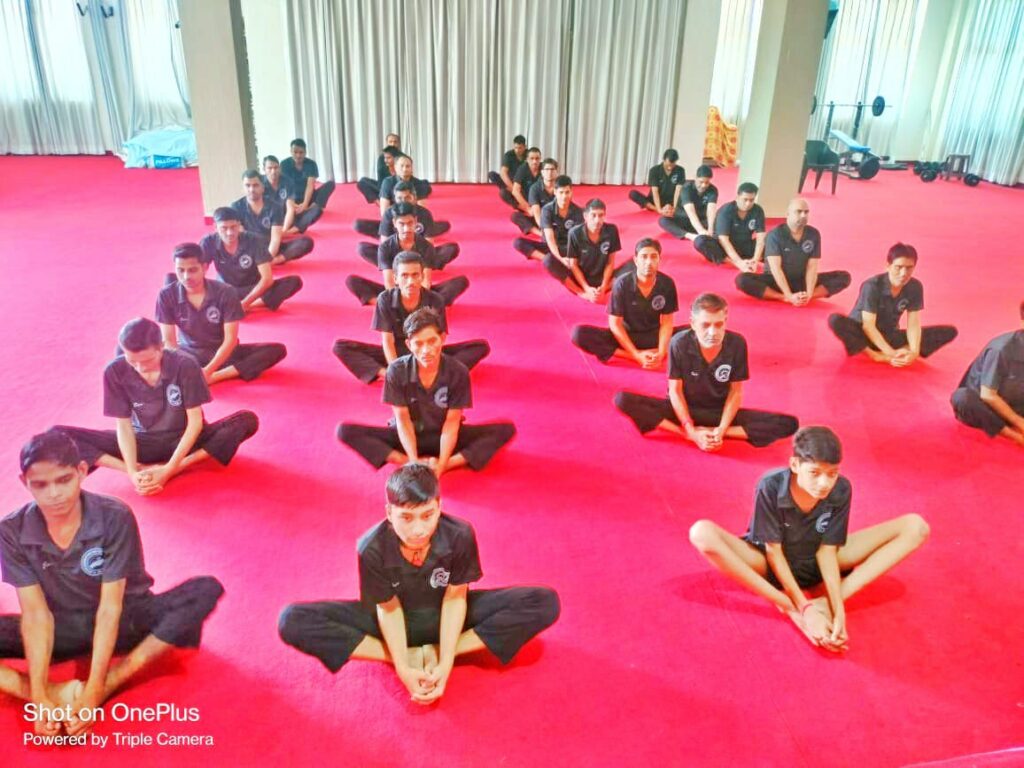
Structured physical wellness program conducted in a residential treatment centre to support long-term recovery.
Blog

How Rehab Centres Treat Both Mind and Body

Addiction does not affect just one part of a person—it impacts the mind, body, emotions, behavior, and future. That’s why modern rehabilitation focuses on complete healing, not just stopping substance use. Understanding How Rehab Centres Treat Both Mind and Body is especially important for school-going and college-going students, as early awareness can prevent long-term damage and guide timely help. Rehab centres today use a holistic, science-backed approach that combines physical detox, mental health care, counseling, and lifestyle changes. Instead of treating addiction as a bad habit, they address it as a medical and psychological condition. How Rehab Centres Treat Both Mind and Body Rehabilitation centres are designed to heal the root causes of addiction, not just the symptoms. They understand that substances change brain chemistry, weaken the body, and disrupt emotional balance. Therefore, effective treatment restores mental clarity, physical health, and emotional stability together at Sanchit Rehab Centre in Gwalior. Why Addiction Affects Both Mind and Body Addiction is a mind and body condition, not a lack of willpower. Impact on the Mind Alters dopamine and brain chemistry Increases anxiety, depression, and mood swings Weakens decision-making and impulse control Creates emotional dependence Impact on the Body Damages liver, heart, and nervous system Weakens immunity and energy Causes sleep and nutrition problems Leads to physical dependence This is why mind and body addiction treatment is essential. Physical Detox – The First Step to Healing the Body What Is Physical Detox? Physical detox and mental healing begin with medically supervised detoxification, which safely removes alcohol or drugs from the body. How Rehab Centres Manage Detox 24/7 medical monitoring Withdrawal symptom management Medication support when needed Hydration and nutrition care Detox stabilizes the body so the mind can heal effectively. Mental Healing Through Therapy and Counseling While detox heals the body, therapy heals the mind. Role of Therapy in Rehabilitation Individual counseling Cognitive Behavioral Therapy (CBT) Group therapy Family counseling Motivational therapy Therapy supports mental and physical addiction recovery by addressing emotional and psychological roots. Treating Emotional and Psychological Triggers Many students turn to substances due to: Academic pressure Peer influence Anxiety or low self-esteem Lonelines How Rehab Centre Address Triggers Stress management techniques Emotional regulation training Confidence building Mindfulness and meditation This makes rehab a true rehab centre for mental and physical health. Nutrition and Fitness for Physical Strength Addiction weakens the body, so rehab centre focus on rebuilding health. Nutritional Support Balanced meal planning Vitamin restoration Improved energy and digestion Physical Activity Yoga and stretching Light exercise Breathing practices Sleep routine correction Physical wellness supports mental clarity. Holistic Therapies That Connect Mind and Body Modern rehab centres include: Meditation and mindfulness Meditation calms the mind, reduces cravings, and improves self-awareness, showing clearly How Rehab Centres Treat Both Mind and Body by balancing emotions and brain responses. Yoga therapy Yoga improves physical strength, breathing, and mental focus, demonstrating How Rehab Centres Treat Both Mind and Body through movement and inner stability. Art and music therapy Creative therapies help express suppressed emotions and reduce stress, reflecting How Rehab Centres Treat Both Mind and Body by healing emotionally and mentally. Relaxation techniques Deep breathing and relaxation exercises lower anxiety and improve sleep, proving How Rehab Centres Treat Both Mind and Body by calming the nervous system. Nature-based healing Time in natural surroundings reduces stress and restores mental peace, supporting How Rehab Centres Treat Both Mind and Body through natural emotional balance and physical relaxation—one of the most effective ways How Rehab Centres Treat Both Mind and Body holistically. These therapies strengthen emotional balance and reduce stress. Building Healthy Habits for Long-Term Recovery Recovery continues beyond treatment. Life Skills Taught in Rehab Time management Stress control without substances Goal setting Healthy social behavior Academic and career guidance These habits reduce relapse risk. Why Treating Mind and Body Together Works Best Treating only one aspect leads to relapse. Benefits of Combined Treatment Lower relapse rates Emotional stability Improved confidence Better physical health Long-term sobriety This proves why learning How Rehab Centres Treat Both Mind and Body matters. Summary Rehab centres Gwalior focus on complete healing through detox, therapy, emotional support, and lifestyle change. Addressing mind and body addiction treatment together creates lasting recovery. If you or someone you care about is struggling, early support can change a life. Choosing the right rehab centre for mental and physical health is the first step toward a healthier future. FAQs Q1. Why do rehab centres treat both mind and body?Because addiction affects brain chemistry and physical health together, and treating both improves recovery success. Q2. Is detox alone enough for recovery?No. Detox treats physical dependence, but therapy is needed for mental healing. Q3. How does therapy help in addiction recovery?Therapy helps manage triggers, emotions, and stress without substances. Q4. Are rehab centres suitable for students?Yes. Early treatment protects education, health, and future goals. Q5. How long does rehabilitation take?It varies, but holistic recovery focuses on long-term improvement, not quick fixes.

Alcohol and Relationships
Blog

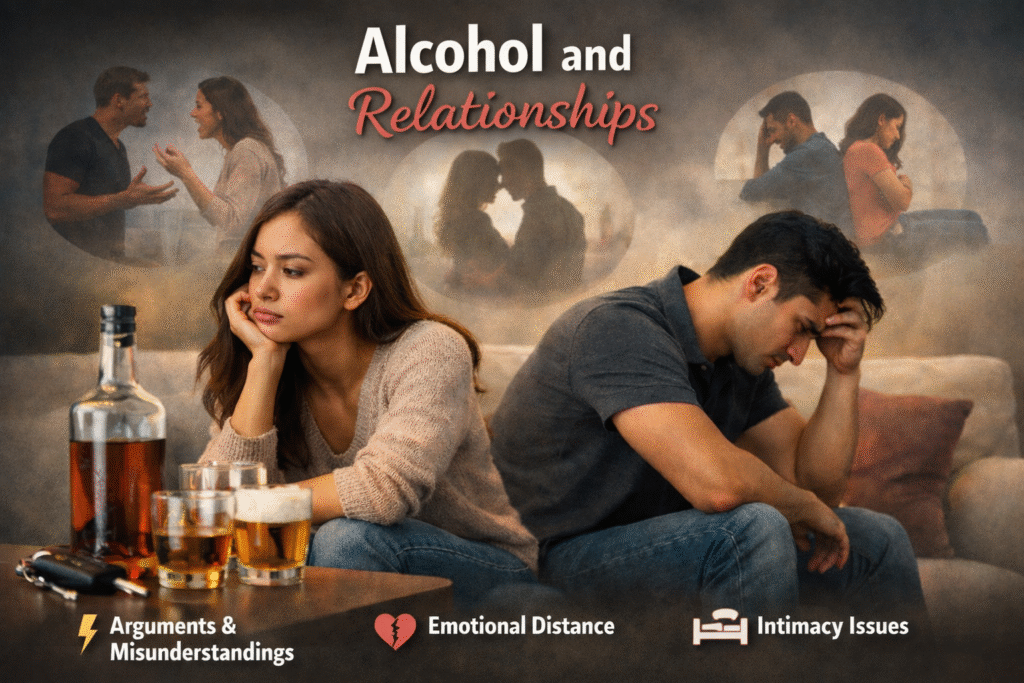
Alcohol and Relationships – How Drinking Affects Social Connections

 Understanding the Link Between Alcohol and Relationships Alcohol consumption is common among school-going and college-going students, often starting as casual social drinking. While moderate drinking may seem harmless, repeated use can significantly impact personal connections. Alcohol and relationships are closely intertwined because drinking influences communication, emotional bonds, and social behaviour. Understanding how drinking affects social connections helps students recognize the risks and develop healthier habits. In this article, we explore the effects of alcohol on friendships, family, and romantic relationships, and provide practical strategies to maintain alcohol and social relationships while supporting emotional health. Alcohol and Relationships – How Drinking Affects Social Connections The Impact of Alcohol on Social Behaviour Alcohol alters perception, judgement, and emotional regulation. This can lead to misunderstandings, conflicts, and weakened bonds with friends, family, and partners. Key effects include: Impulsive actions that harm trust Miscommunication and arguments Reduced empathy and understanding Social withdrawal after prolonged drinking Students often underestimate these impacts, making it vital to understand alcohol and social relationships early in life. Sanchit Rehab Center in Gwalior works to educate and support students in building healthier social habits and coping strategies. Alcohol and Emotional Connections Alcohol and emotional connections are fragile because drinking can mask true feelings or exaggerate emotions. Over-reliance on alcohol may lead to emotional dependency Relationships may become strained due to inconsistent moods Alcohol can create emotional distance from loved ones Learning how drinking affects social connections allows students to maintain empathy and emotional stability. Alcohol’s Effect on Friendships Friendships are especially vulnerable to alcohol misuse among students. Positive vs. Negative Influence Drinking in moderation may foster social bonding temporarily Excessive drinking increases conflicts, jealousy, and misunderstandings Peer Pressure and Social Circles Students may drink to fit in, risking long-term damage to friendships Peer support and sober activities help maintain alcohol and social relationships Alcohol and Family Relationships Alcohol misuse can affect communication and trust within families. Conflicts over behaviour and responsibilities Emotional distance from parents or siblings Reduced participation in family activities Early recognition of these patterns helps students protect their alcohol and emotional connections. Alcohol and Romantic Relationships Romantic relationships are highly sensitive to Alcohol and Relationships issues. Drinking can impair communication, affect consent, and create emotional instability, which often leads to misunderstandings, frequent arguments, and reduced intimacy. Maintaining moderation and setting boundaries is essential for sustaining healthy Alcohol and Relationships. Alcohol and Academic or Peer Dynamics Alcohol use also affects social life in school and college, impacting Alcohol and Relationships with peers. Missed classes and neglected responsibilities weaken peer trust and can strain friendships. Emotional irritability and conflict from drinking influence Alcohol and Relationships in group projects or team activities. Repeated binge drinking may even cause social isolation, affecting Alcohol and Relationships in both academic and personal life. Understanding how drinking affects social connections is crucial for maintaining strong Alcohol and Relationships. Strategies to Maintain Healthy Relationships While Managing Alcohol Use Set personal boundaries to limit alcohol intake and protect Alcohol and Relationships Communicate openly with friends and romantic partners to strengthen Alcohol and Relationships Build sober support networks through clubs, hobbies, or peer groups to reinforce Alcohol and Relationships Practice healthy conflict resolution without alcohol influence to improve Alcohol and Relationships Seek professional guidance from a Nasha Mukti Kendra to preserve Alcohol and Relationships By applying these strategies, students can protect their bonds, manage alcohol responsibly, and ensure their Alcohol and Relationships remain strong and meaningful. Set Personal Boundaries Limit alcohol intake in social settings Communicate your choices to friends and partners Build Sober Support Systems Join peer groups focused on healthy habits Engage in sports, clubs, or hobbies Improve Communication Practice active listening and empathy Address conflicts without alcohol influence Seek Professional Support Nasha Mukti Kendras offer guidance on managing drinking habits Therapy and counselling strengthen alcohol and emotional connections Long-Term Benefits of Healthy Alcohol Management By managing alcohol responsibly, students can: Strengthen friendships and family bonds Maintain romantic relationships with stability Enhance emotional wellbeing and self-control Protect academic performance and social reputation These outcomes show the importance of prioritizing alcohol and social relationships over casual drinking habits. Summary: Protecting Relationships from Alcohol’s Impact Alcohol and relationships are deeply interconnected. Students must recognize the effects of drinking on social, family, and romantic connections. By setting boundaries, improving communication, and seeking support from professionals at Nasha mukti kendra  in Gwalior, young individuals can safeguard their bonds, maintain emotional health, and enjoy sustainable social wellbeing. Frequently Asked Questions (FAQs) Q1: How does alcohol affect social connections?Alcohol can impair communication, reduce empathy, and increase conflicts, weakening friendships and emotional bonds. Q2: Can drinking damage family relationships?Yes. Misunderstandings, emotional distance, and trust issues often arise when alcohol use is frequent or excessive. Q3: Are romantic relationships affected by alcohol?Yes. Alcohol can impair communication, create emotional instability, and increase conflicts in romantic relationships. Q4: How can students protect friendships while drinking?Students can set boundaries, communicate openly, and participate in sober social activities to maintain healthy friendships. Q5: Can professional help improve alcohol-related relationships?Yes. Guidance from a Nasha Mukti Kendra or counselling strengthens coping strategies, communication, and emotional connections.

nicotine dependence treatment
Blog

Nicotine Dependence Treatment–Causes, Symptoms & Recovery

Nicotine is one of the most commonly used addictive substances in the world. It is found in cigarettes, bidis, chewing tobacco, vaping products, and other forms of tobacco. While many people start using nicotine casually or socially, it can slowly turn into dependence without them realizing it. Nicotine dependence affects not just physical health, but also mental wellbeing, family relationships, and professional life. At Sanchit Rehab Centre in Gwalior, we understand that nicotine dependence is not a weakness or a lack of willpower. It is a medical and psychological condition that needs timely care, understanding, and professional support. With the right Nicotine Dependence Treatment, recovery is possible, and life can feel healthy and balanced again. This page explains nicotine dependence in a clear and supportive way, helping individuals and families understand the problem and the available treatment options. What Is Nicotine Dependence? Nicotine dependence is a condition where a person becomes physically and mentally addicted to nicotine. The body starts craving nicotine regularly, and stopping its use causes discomfort, stress, or withdrawal symptoms. Over time, the brain gets used to nicotine and starts depending on it to feel normal. This makes quitting very difficult without proper support and structured treatment. What Is a Stimulant? A stimulant is a substance that increases activity in the brain and nervous system. Nicotine is a stimulant because it: Increases alertness and focus:Nicotine Dependence develops because nicotine stimulates the brain, temporarily improving alertness, concentration, and reaction time. Over time, the brain relies on nicotine to stay focused. Raises heart rate and blood pressure:With Nicotine Dependence, regular nicotine intake activates the nervous system, causing a persistent increase in heart rate and blood pressure, which strains the heart and blood vessels. Releases dopamine, a chemical linked to pleasure:Nicotine Dependence is reinforced by nicotine-triggered dopamine release, creating feelings of pleasure and relaxation that make quitting difficult and fuel repeated use. These effects may feel helpful at first, but repeated use leads to dependence and health problems. Is Nicotine Use a Habit or an Addiction? Nicotine use often starts as a habit, such as smoking with friends or during stress. Over time, it becomes an addiction because: The brain changes how it works The body demands nicotine regularly Stopping causes withdrawal symptoms Nicotine dependence is a real addiction, not just a bad habit. That is why professional Nicotine Dependence Treatmentis often needed. Causes of Nicotine Dependence There is no single cause of nicotine dependence. It usually develops due to a mix of physical, emotional, and social factors. Common Causes Include: Early exposure to tobacco or vaping:Early use of tobacco or vaping increases the risk of Nicotine Dependence because the developing brain becomes more sensitive to nicotine’s addictive effects. Peer pressure or social influence:Nicotine Dependence often begins when friends, classmates, or coworkers encourage tobacco or vaping use, making it feel socially acceptable or “normal.” Stress, anxiety, or depression:Many people turn to nicotine during emotional stress, but repeated use to cope with anxiety or depression strengthens Nicotine Dependence over time. Family history of addiction:A family history of substance use can increase vulnerability to Nicotine Dependence due to genetic factors and learned behaviors. Easy availability of tobacco products:When cigarettes, chewing tobacco, or vapes are easily accessible, frequent use becomes more likely, increasing the risk of Nicotine Dependence. Belief that nicotine helps with focus or relaxation:This common myth fuels Nicotine Dependence, as the temporary relief felt is actually withdrawal relief, not true relaxation or improved focus. Common Symptoms of Nicotine Dependence Nicotine dependence shows both physical and psychological symptoms. Many people ignore these signs for years. Physical and Psychological Signs to Watch For Physical Symptoms Strong urge to smoke or use nicotine:Nicotine Dependence causes intense cravings as the brain demands nicotine to feel normal. Headaches when not using nicotine:Headaches occur in Nicotine Dependence due to withdrawal and reduced nicotine stimulation in the brain. Increased heart rate:Nicotine Dependence keeps the nervous system overstimulated, leading to a consistently elevated heart rate. Sleep problems:Nicotine Dependence disrupts sleep patterns by stimulating the brain and causing nighttime withdrawal. Fatigue without nicotine:In Nicotine Dependence, the body feels tired and low on energy when nicotine levels drop. Psychological Symptoms Irritability or anger when trying to quit:Nicotine Dependence triggers mood swings and anger as the brain reacts to nicotine withdrawal. Anxiety or restlessness:During Nicotine Dependence, the absence of nicotine increases nervousness and inner restlessness. Difficulty concentrating:Nicotine Dependence affects brain chemistry, making focus difficult without nicotine. Feeling low or depressed:Nicotine Dependence lowers dopamine levels during withdrawal, leading to low mood or depression. Using nicotine to cope with emotions:Nicotine Dependence develops when nicotine is repeatedly used to manage stress, sadness, or emotional discomfort. If these symptoms appear, it may be time to seek Nicotine Dependence Treatment from a trusted rehab centre. Health Risks of Nicotine Dependence Nicotine dependence affects almost every part of the body. The damage increases with time. Short-Term Effects Increased blood pressure:Nicotine Dependence Treatment helps control high blood pressure caused by long-term nicotine stimulation. Faster heartbeat:A faster heartbeat is common in nicotine users, and Nicotine Dependence Treatment supports heart rate normalization. Reduced appetite:Nicotine Dependence Treatment addresses appetite changes linked to nicotine’s effect on hunger signals. Mood swings:Mood swings occur during nicotine withdrawal, and Nicotine Dependence Treatment helps stabilize emotions. Shortness of breath:Nicotine Dependence Treatment improves lung function and reduces breathing difficulties caused by tobacco use. Long-Term Effects Heart disease and stroke:Nicotine Dependence Treatment lowers the long-term risk of heart disease and stroke caused by prolonged nicotine use. Lung problems and breathing disorders:Nicotine Dependence Treatment supports lung recovery and reduces chronic breathing problems linked to tobacco exposure. Increased risk of cancer:Nicotine Dependence Treatment helps reduce continued exposure to carcinogens that raise cancer risk. Weak immune system:Nicotine Dependence Treatment strengthens immune function weakened by long-term nicotine use. Anxiety and depression:Nicotine Dependence Treatment helps balance brain chemicals, reducing anxiety and depressive symptoms. Reduced memory and concentration:Nicotine Dependence Treatment improves cognitive function affected by prolonged nicotine dependence. Diagnosis of Nicotine Dependence How Doctors and Specialists Identify the Condition Doctors diagnose nicotine dependence through:

peer support in alcohol recovery
Blog

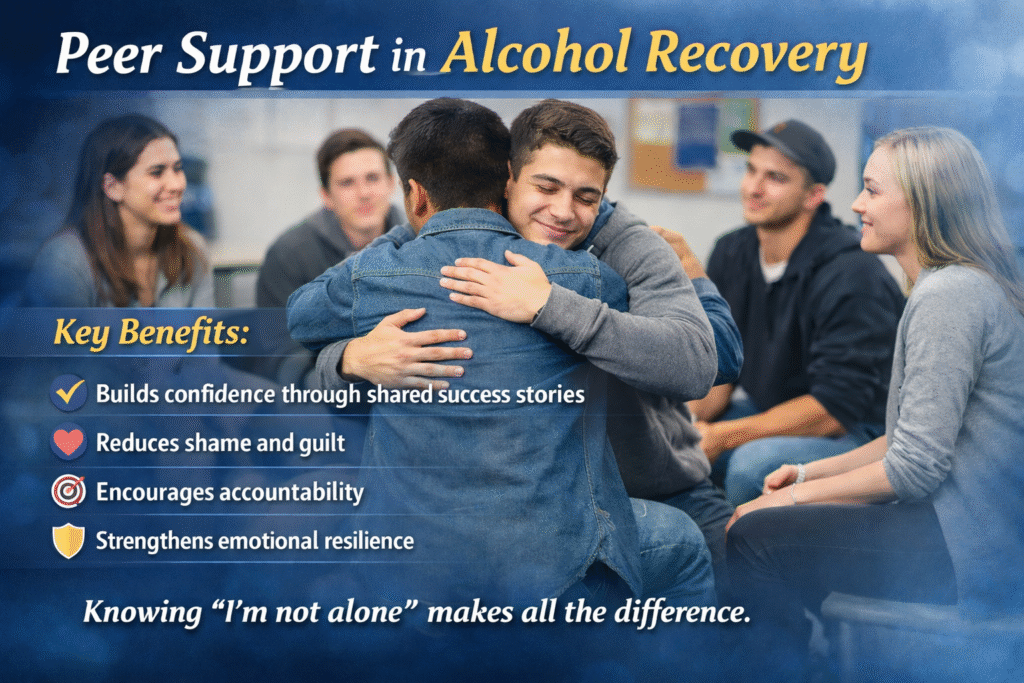
Peer Support in Alcohol Recovery–Why Support Groups Matter

 Why Peer Support Matters More Than You Think Alcohol addiction doesn’t develop overnight—and recovery doesn’t happen alone. For school-going and college-going students, alcohol use often starts with curiosity, peer pressure, stress, or emotional challenges. When drinking turns into dependency, peer support in alcohol recovery becomes one of the strongest pillars of healing. Support groups offer something that medicines and counselling alone cannot: real understanding from people who have walked the same path. This article explains why alcohol recovery support groups are so powerful, how they work, and why they are especially effective for young people seeking a fresh, healthy future. Peer Support in Alcohol Recovery – Why Support Groups Matter Understanding Peer Support in Alcohol Recovery Peer support in alcohol recovery refers to guidance, encouragement, and emotional help provided by individuals who are either recovering from alcohol addiction or have successfully maintained sobriety. At Sanchit Rehab Centre in Gwalior, peer support is an integral part of the recovery process, helping individuals feel understood, supported, and motivated through shared experiences and collective healing. Unlike traditional therapy, peer support is built on: Shared experiences Mutual respect Non-judgmental communication Collective motivation This approach creates a sense of belonging that is essential for young individuals struggling with addiction. Importance of Peer Support in Recovery The importance of peer support in recovery lies in its ability to reduce isolation and increase hope. Many students feel misunderstood or judged by family or society. Support groups provide a safe space where no explanation is needed. Key Benefits of Peer Support in Alcohol Recovery Builds confidence through shared success stories: Peer Support in Alcohol Recovery allows students to see real examples of progress, helping them believe that change is possible for them too. Reduces shame and guilt: Through Peer Support in Alcohol Recovery, individuals realize their struggles are shared, which lowers self-blame and emotional burden. Encourages accountability: Peer Support in Alcohol Recovery motivates students to stay committed by learning from and being responsible to their peers. Strengthens emotional resilience: Regular participation in Peer Support in Alcohol Recovery helps students manage stress, emotions, and setbacks in healthier ways. For students, Peer Support in Alcohol Recovery reinforces the feeling of “I’m not alone,” making recovery more hopeful and life-changing. Why Support Groups Are Effective for Students Young people face unique challenges during recovery—academic pressure, identity confusion, social influence, and emotional stress. Alcohol addiction peer support directly addresses these concerns. Relatable Experiences Students connect easily with peers who understand: Exam stress Relationship pressure Social drinking culture Fear of missing out (FOMO) Positive Peer Influence Instead of negative peer pressure, support groups create positive reinforcement, encouraging healthy choices and responsible behaviour. How Alcohol Recovery Support Groups Work Support groups follow structured yet flexible formats to ensure comfort and consistency. Common Elements: Regular group meetings Open discussions Goal-setting sessions Relapse prevention strategies Some groups are peer-led, while others are guided by trained facilitators at a Nasha Mukti Kendra. Types of Peer Support Groups in Alcohol Recovery Student-Focused Recovery Groups Designed for school and college students, these groups address academic life and emotional growth. 12-Step Programs Well-known programs focusing on accountability, discipline, and spiritual growth. Community-Based Support Groups Often organised by rehabilitation centres to provide long-term sobriety support. Aftercare Peer Groups These help individuals stay committed after completing treatment at a Nasha Mukti Kendra. Emotional and Psychological Benefits of Peer Support Peer support strengthens mental health by: Improving self-esteem Reducing anxiety and depression Encouraging emotional expression Teaching healthy coping strategies For young individuals, emotional stability is essential for both recovery and personal development. Peer Support vs. Going Through Recovery Alone Recovery Alone: Isolation Low motivation High relapse risk Limited guidance Peer Support Recovery: Sense of belonging Shared encouragement Better relapse prevention Real-life insights This comparison clearly shows why alcohol recovery support groups play a crucial role in sustained recovery. Role of Nasha Mukti Kendra in Peer Support A professional Nasha Mukti Kendra integrates peer support with medical care, counselling, and therapy. How They Help: Safe, supervised group sessions Age-appropriate peer matching Structured recovery programs Long-term aftercare support This holistic approach ensures both physical and emotional healing. How Peer Support Prevents Relapse Relapse often happens due to stress, loneliness, or overconfidence. Peer groups help by: Identifying early warning signs Offering immediate emotional support Reinforcing recovery goals Sharing practical coping techniques Consistent peer interaction strengthens commitment to sobriety. Building Life Skills Through Peer Support Beyond recovery, peer support teaches valuable life skills: Communication Emotional regulation Decision-making Conflict resolution These skills help students succeed academically and socially without relying on alcohol. Summary: Recovery Is Stronger Together Peer support in alcohol recovery is not just helpful—it is essential. At a trusted Nasha Mukti Kendra in Gwalior, support groups empower students to heal emotionally, stay motivated, and build a future free from addiction. Through shared understanding, professional guidance, and strong accountability provided at the Nasha Mukti Kendra in Gwalior, recovery becomes more sustainable, structured, and truly meaningful. Frequently Asked Questions Q1. What is peer support in alcohol recovery?Peer support involves guidance and encouragement from individuals who have experienced alcohol addiction and recovery themselves. Q2. Are support groups suitable for students?Yes. Student-focused alcohol recovery support groups address academic stress, peer pressure, and emotional challenges effectively. Q3. Can peer support replace professional treatment?No. Peer support complements medical treatment and counselling but works best as part of a structured recovery program. Q4. How long should someone attend support groups?There is no fixed duration. Many people continue attending groups long-term to maintain sobriety and motivation. Q5. Do Nasha Mukti Kendras offer peer support?Yes. Most Nasha Mukti Kendras include peer support groups as part of comprehensive alcohol recovery programs.

social drinking and alcoholism
Blog

Social Drinking and Alcoholism: Understanding Between Casual Drinking and Addiction

Social drinking is often seen as normal and harmless—having a drink at parties, weddings, festivals, or after work with friends. For many people, it stays within limits. But for some, social drinking slowly turns into a serious problem. This is where Social Drinking and Alcoholism become closely connected. Alcohol addiction does not happen overnight. It develops gradually and often goes unnoticed until it starts affecting physical health, mental wellbeing, family relationships, and career growth. In cities and communities across India, increasing alcohol use has made it more important than ever to understand the fine line between casual drinking and addiction. At Sanchit Rehab Centre in Gwalior, we believe awareness, early identification, and timely professional help can save lives, families, and futures. This page will help you clearly understand Social Drinking and Alcoholism, their effects, warning signs, prevention, and recovery options. Social Drinking and Alcoholism: When Social Habits Turn Into Alcohol Dependence Social drinking can feel safe because it starts as an occasional habit. However, when drinking becomes frequent, uncontrollable, or emotionally necessary, it may turn into alcohol dependence. Many people don’t realize they are crossing this line because alcohol use is socially accepted. Over time, the body and mind begin to depend on alcohol, leading to alcoholism. Understanding this transition is the first step toward prevention and recovery. What Is Social Drinking? Social drinking refers to consuming alcohol occasionally in social settings without losing control. Key Features of Social Drinking Social drinking is usually controlled and limited, and it does not disturb daily life. In the context of Social Drinking and Alcoholism, the following features help define casual drinking: Drinking only during social events or celebrations means alcohol is consumed occasionally and not as a daily habit. Being able to stop after one or two drinks shows that the person has control over their drinking behavior. Not feeling a strong urge to drink daily indicates there is no emotional or physical dependence on alcohol. No major impact on health, work, or relationships confirms that alcohol use has not yet turned harmful. Common Examples of Social Drinking In Social Drinking and Alcoholism, social drinking often begins in everyday situations that appear harmless: Drinking at parties or weddings is commonly linked to celebration and social bonding with others. Occasional drinks with friends or colleagues are often used as a way to relax or socialize after work. Festive or cultural occasions may include alcohol as part of tradition or family gatherings. Why Social Drinking Is Socially Accepted Understanding Social Drinking and Alcoholism becomes difficult because alcohol use is deeply accepted in society: Cultural normalization through movies and social media presents drinking as fashionable or stress-relieving. Peer pressure encourages people to drink to fit in or avoid social rejection. Stress relief belief leads many to think alcohol is a solution for anxiety or emotional pain. Understanding Alcoholism Alcoholism, also called alcohol use disorder, is a serious condition where a person loses control over drinking, making Social Drinking and Alcoholism two very different realities. Strong craving for alcohol means the mind constantly demands alcohol to feel normal. Inability to stop drinking once started shows loss of control over consumption. Needing more alcohol for the same effect indicates growing tolerance and dependency. Feeling sick or restless without alcohol reflects physical and emotional withdrawal symptoms. Effects of Social Drinking and Alcoholism Physical Health Effects In Social Drinking and Alcoholism, long-term alcohol use silently damages the body: Liver damage occurs when alcohol overloads the liver, leading to fatty liver or cirrhosis. Heart and blood pressure problems develop due to continuous alcohol intake. Weak immunity makes the body more vulnerable to infections and illness. Sleep issues and low energy result from alcohol disturbing natural body rhythms. Mental and Emotional Effects The mental impact of Social Drinking and Alcoholism is often hidden but severe: Anxiety and depression increase as alcohol alters brain chemistry. Mood swings and irritability appear when alcohol becomes emotionally necessary. Memory and concentration problems affect daily functioning and decision-making. Emotional dependency on alcohol replaces healthy coping methods. Impact on Family and Relationships Alcohol addiction affects the entire family in Social Drinking and Alcoholism: Frequent arguments arise due to emotional instability and misunderstanding. Loss of trust damages emotional bonds between loved ones. Neglect of responsibilities affects children, partners, and family harmony. Emotional trauma impacts family members who feel helpless and stressed. Career and Financial Impact In Social Drinking and Alcoholism, professional life often suffers badly: Poor work performance occurs due to lack of focus and motivation. Job loss or missed growth opportunities result from absenteeism or mistakes. Financial instability develops due to spending on alcohol and poor planning. Damaged professional reputation affects long-term career success. Signs You May Be Moving From Social Drinking to Alcoholism Recognizing early signs of Social Drinking and Alcoholism can prevent long-term damage: Drinking more often than planned shows loss of control. Using alcohol to manage emotions indicates emotional dependence. Feeling irritated without alcohol reflects early withdrawal symptoms. Hiding drinking habits signals guilt and awareness of a problem. Needing alcohol to relax or sleep shows psychological dependency. Prevention of Alcoholism in Social Drinkers Prevention plays a key role in Social Drinking and Alcoholism: Setting clear limits helps maintain control over drinking habits. Avoiding emotional drinking encourages healthier coping methods. Choosing alcohol-free days reduces dependency risk. Staying informed builds awareness about the dangers of alcoholism. Treatment and Recovery for Alcoholism Recovery from Social Drinking and Alcoholism is possible with professional care: Medical detoxification safely removes alcohol from the body. Counselling and therapy address emotional and psychological causes. Mental and emotional healing rebuilds self-control and confidence. Lifestyle changes and relapse prevention support long-term recovery. Seeking Help for Alcohol Addiction Seeking help is a sign of strength, not weakness. At Sanchit Rehab Centre in Gwalior, we provide confidential, compassionate, and professional support. Early treatment improves success rates and reduces long-term harm. Families are also guided to support recovery effectively. Rehabilitation and Treatment Options Medical Detox Safe removal of alcohol from the body under expert supervision. Counselling

reduce the sign of addiction
Blog

What are 5 warning signs of addiction

Addiction is not a bad habit or a lack of discipline. It is a serious physical and mental health condition that slowly takes control of a person’s life. A Nasha Mukti Kendra is a professional rehabilitation centre where people receive medical care, emotional support, and counselling to recover safely from addiction. The signs of addiction usually appear slowly. Many people and families ignore them, hoping the problem will disappear on its own. Unfortunately, addiction does not go away without proper treatment. Instead, it becomes stronger and more dangerous with time. Addiction affects: Physical health by damaging the liver, brain, heart, and immune system Mental wellbeing by causing depression, anxiety, anger, and stress Family life by breaking trust and emotional bonds Career and education by reducing focus, discipline, and performance Recognizing the signs of addiction early and seeking help from a trusted nasha mukti kendra, Sanchit wellness center in Gwalior can prevent serious harm and save lives. What Are the 5 Warning Signs of Addiction? The signs of addiction appear in different areas of life. When these signs repeat regularly, they indicate that addiction has started taking control. The 5 Major Warning Signs of Addiction Explained 1. Loss of Control Over Substance Use This means the person can no longer decide when to stop using alcohol or drugs. The person plans to use a small amount but ends up using much more Even after deciding to quit, they fail repeatedly They feel helpless and frustrated because they cannot control their usage Loss of control is one of the clearest signs of addiction and shows that professional treatment is needed. 2. Behavioral Changes and Mood Swings Addiction affects the brain, which controls emotions and behavior. The person may become angry or irritated over small things Sudden mood changes without clear reasons Becoming defensive or aggressive when asked about substance use These changes confuse family members and are often mistaken for attitude problems, but they are actually signs of addiction. 3. Neglecting Responsibilities and Relationships As addiction grows, substances become more important than daily duties. Ignoring work, studies, or household responsibilities Missing important events or commitments Showing less care toward family members This neglect damages relationships and creates emotional pain for loved ones. 4. Physical and Mental Health Deterioration Addiction harms both the body and the mind. Weakness, frequent illness, and tiredness Anxiety, sadness, and loss of interest in life Sleep problems and poor appetite These health issues worsen if addiction is not treated on time. 5. Financial and Legal Problems Addiction often leads to money troubles and risky behavior. Spending large amounts on substances Borrowing money frequently Getting involved in unsafe or illegal activities These problems can destroy a person’s future if ignored. Understanding the Early Signs of Addiction Early signs of addiction are often hidden or misunderstood. Families may think the person is just stressed or tired, but these signs should never be ignored. Why Recognizing Signs of Addiction Early Is Important Recognizing the signs of addiction early helps because: Treatment is easier and more effective Physical damage is still reversible Mental health improves faster Family trust can be rebuilt sooner The risk of overdose or death is reduced Early action at a Nasha Mukti Kendra gives the best chance of full recovery. How Addiction Develops Gradually Addiction does not begin suddenly or all at once. In most cases, it starts in a very normal and harmless-looking way. A person may first use alcohol or drugs occasionally, just to enjoy with friends, reduce stress after a hard day, or out of curiosity. At this stage, they believe they are fully in control and can stop anytime they want. Slowly, this occasional use turns into regular use. The person begins to depend on the substance to feel relaxed, confident, or emotionally stable. Instead of facing stress, sadness, or problems directly, they start using alcohol or drugs as an escape. Over time, the substance becomes their main way of coping with life. As use continues, the body develops tolerance, which means the same amount no longer gives the same effect. The person needs a higher dose to feel relaxed or happy. This is a dangerous stage because increased intake puts more pressure on the body and brain, even though the person may not notice immediate harm. Next comes dependence, where both the body and mind start needing the substance to function normally. Without it, the person may feel sick, restless, anxious, angry, or unable to sleep. At this point, stopping suddenly feels impossible because the body has adjusted to the substance. Finally, addiction fully develops, and life starts revolving around substance use. Daily decisions, relationships, finances, and emotions are controlled by the need for alcohol or drugs. This slow and silent process makes addiction very dangerous, as many people do not realize they have lost control until serious damage has already occurred. 1: Loss of Control Over Substance Use Inability to Stop or Reduce Usage One of the strongest signs of addiction is when a person wants to stop but cannot. They may promise themselves or their family that they will quit or reduce their substance use, but these promises are often broken. Even after many attempts, they find themselves returning to the same habit again and again. The person may try to limit their usage, such as drinking only on weekends or using a smaller amount, but they fail to maintain these limits. Over time, they continue using even after facing health problems, doctor’s warnings, or family pressure. This loss of control is not due to a lack of willpower. It is a medical condition where addiction takes over the brain’s decision-making ability. Cravings and Compulsive Behavior as Signs of Addiction Cravings are intense urges that feel extremely difficult to resist. A person with addiction may think about alcohol or drugs throughout the day, even when they are at work, school, or with family. Their mind keeps returning to the substance, making it hard to focus on anything else. When they

Scroll to Top