Author name: Anas Ansari

best nasha mukti kendra in pune
Blog

Best Nasha Mukti Kendra in Pune for Alcohol and Drug Addiction Treatment

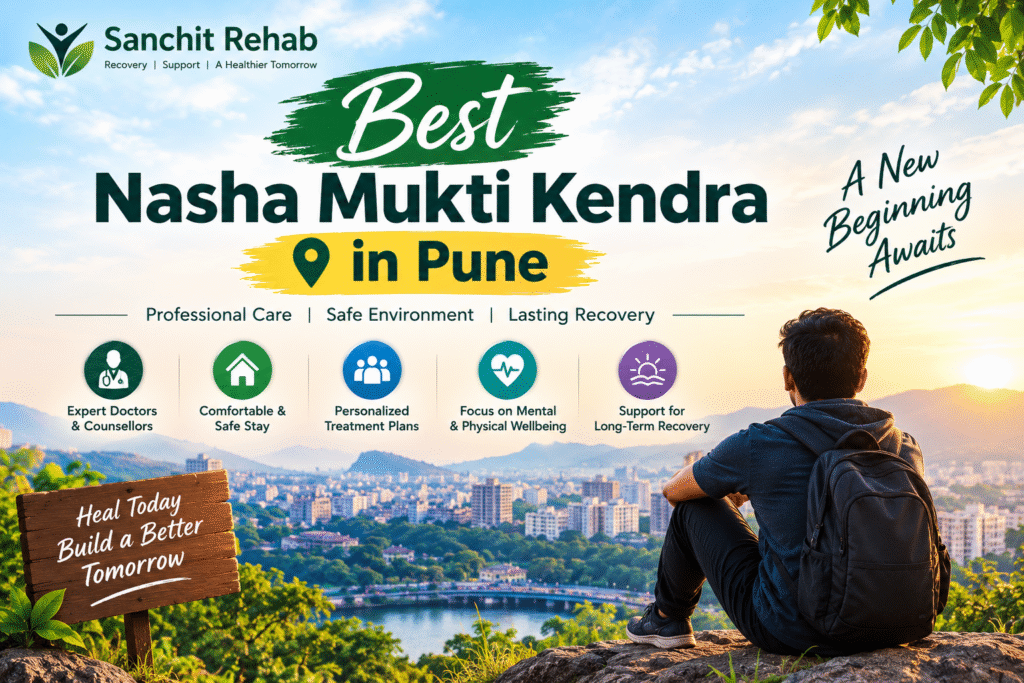
  About Sanchit De-addiction Centre Best Nasha Mukti Kendra In Pune Finding the best Nasha Mukti Kendra in Pune can be an important first step toward overcoming alcohol and drug addiction and starting a healthier life. Addiction can affect a person’s physical health, mental well-being, relationships, career, and family life. Professional rehabilitation provides structured support, counselling, medical care, and guidance to help individuals understand their addiction and work toward long-term recovery. Sanchit Rehab focuses on providing a supportive and structured environment for people struggling with alcohol and drug addiction. The recovery approach can include assessment and counselling, medical detox support, individual and group therapy, behavioural counselling, relapse prevention, and aftercare guidance. Treatment is planned according to the individual’s needs, because every person’s addiction and recovery journey can be different. For families searching for a  Best Nasha Mukti Kendra in Pune, choosing a centre that focuses on both physical recovery and emotional well-being is important. A proper rehabilitation program can help individuals develop healthier habits, understand addiction triggers, rebuild confidence, improve relationships, and prepare for life after treatment. What is Nasha Mukti Kendra A Nasha Mukti Kendra (नशा मुक्ति केंद्र) is a de-addiction or rehabilitation center that helps people stop dependence on substances such as alcohol, opioids, cannabis, or other drugs. It is a safe and supportive place where individuals receive proper medical care, emotional support, and guidance to overcome addiction step by step. “Nasha” means intoxication/addiction, “Mukti” means freedom, and “Kendra” means center—so it roughly means “addiction recovery center.” Understanding Addiction and Its Impact on Life Addiction is a condition where a person becomes dependent on harmful substances such as alcohol, drugs, or other addictive substances. Over time, addiction can affect the brain, emotions, decision-making ability, and personal behavior. It can create difficulties in maintaining relationships, performing professional responsibilities, and managing daily life. Substance addiction does not only affect the individual but also impacts their family and society. Continuous substance use can lead to several physical and emotional problems, including: Weak physical health Increased stress and anxiety Depression and emotional challenges Family conflicts Financial problems Loss of confidence Social isolation A professional Nasha Mukti Kendra  helps individuals understand addiction and provides effective treatment methods to overcome dependency. Experts focus on identifying the reasons behind addiction and creating a recovery plan according to each person’s needs. Through proper rehabilitation, individuals learn how to manage cravings, handle stress, improve emotional balance, and develop healthier lifestyle choices. With the right support and dedication, addiction recovery becomes possible. Core Stages Of Recovery Process — 7 Steps to Recovery   At Sanchit Rehab, our Nasha Mukti Kendra in pune follows a structured recovery process to help people overcome alcohol and drug addiction. Every person’s recovery journey is different, so the treatment and support are planned according to their needs. Our focus is to help individuals understand their addiction, improve their physical and mental well-being, and develop healthy habits for life after rehab. 1. Assessment & Counselling The recovery process starts with a detailed assessment and counselling session. Our team tries to understand the person’s addiction, how long they have been using substances, their daily life, and their family situation. This helps us understand their needs and plan the right support for their recovery. 2. Medical Detoxification  Detoxification is an important step for people who are physically dependent on alcohol or drugs. During this stage, medical professionals monitor the patient and provide appropriate care to help manage withdrawal symptoms safely. The detox process may be different for each person depending on the substance used and their overall condition. 3. Mental Health Assessment Addiction can sometimes be connected with stress, anxiety, depression, or other emotional problems. A mental health assessment helps identify these concerns so that the person can receive suitable counselling and support along with addiction treatment. 4. Individual & Group Therapy Counselling and therapy help patients understand their addiction and work on the problems that may be affecting their recovery. Individual sessions provide personal support, while group sessions allow patients to share their experiences and learn from others going through a similar recovery journey. 5. Yoga, Meditation & Wellness Activities A healthy routine can play an important role in recovery. Yoga, meditation, breathing exercises, and other wellness activities can help patients relax, improve focus, and develop a more positive daily routine. These activities are used as supportive practices alongside the main treatment. 6. Family Counselling & Support Family support can make a big difference during recovery. Family counselling helps loved ones understand addiction and learn how they can support the patient in a healthy way. It can also help improve communication and rebuild trust within the family. 7. Aftercare & Relapse Prevention Recovery does not end when a person completes their stay at the rehab centre. Aftercare focuses on helping individuals maintain the progress they have made during treatment. Follow-up counselling, guidance, family support, and learning how to manage triggers can help reduce the risk of relapse. Recovery Support for Different Addictions Sanchit Nasha Mukti Kendra provides addiction treatment and recovery support for people struggling with different types of substance and behavioural addictions. The treatment focuses on helping individuals overcome addiction, manage cravings, improve their lifestyle, and build healthy habits for long-term recovery. 1. Alcohol Addiction Alcohol addiction is when a person becomes dependent on alcohol and finds it difficult to stop drinking. Treatment at a Nasha Mukti Kendra can help individuals manage alcohol dependence, understand the reasons behind drinking, and develop healthier habits for recovery. 2. Drug Addiction Drug addiction is the repeated use of drugs even when it starts affecting a person’s health, family, work, or daily life. Drug addiction treatment focuses on reducing dependence, providing counselling and support, and helping individuals stay away from drugs. 3. Opioid Addiction Opioid addiction is dependence on substances such as heroin or certain prescription opioid medicines. Professional addiction treatment can help manage dependence and withdrawal safely, followed by counselling and recovery support to reduce the chances of relapse. 4. Cannabis Addiction Cannabis addiction can develop when regular

Blog

Life After Rehab After Alcohol and Drugs: A Complete Guide to Long-Term Recovery

Life after rehab after alcohol and drugs Life after rehab after alcohol and drugs can feel both hopeful and challenging. Completing a rehabilitation program is an important milestone, but recovery does not end when you leave treatment. Adjusting to everyday life, managing triggers, rebuilding relationships, and maintaining sobriety are all important parts of the journey. At Sanchit Rehab Centre, we focus on empowering individuals with the clinical guidance, personalized care, and aftercare strategies needed to navigate the transition from treatment to lasting independence smoothly. The early stages of life after rehab may involve significant emotional and lifestyle changes. Learning how to handle stress without alcohol or drugs, reconnecting with family and friends, returning to work, and finding meaningful activities can take time. Recovery is a personal process, and progress may look different for everyone. Why Is Aftercare Important After Rehab? Sanchit Rehab Centre provides aftercare support to help individuals adjust to daily life after treatment. Ongoing guidance can help with relapse prevention, healthy routines, and long-term recovery. Finishing rehab does not always mean that recovery is finished. Many people benefit from continued support after leaving treatment. An aftercare plan can help you adjust to life outside rehab and continue building healthy habits. Depending on your needs, aftercare may include therapy, outpatient treatment, support groups, family counseling, or sober living. Aftercare can help you: Stay accountable Manage cravings Recognize signs of relapse Learn healthy coping skills Build better relationships Stay connected to supportive people Manage work and family responsibilities Continue working on recovery goals The First 30–90 Days After Rehab The first 30 to 90 days after rehab can be an important time in recovery. During rehab, your daily schedule was often structured around treatment and recovery. After leaving, you may have more freedom and responsibilities. Create a Healthy Daily Routine A regular daily routine can make the transition after rehab easier and help you stay focused on recovery. Try to keep a consistent schedule for sleep, meals, work or study, exercise, therapy, and relaxation. Practicing mindfulness orggggggggggg yoga and meditation practices can also be helpful for managing daily stress and anxiety. You can include the following activities in your routine: Eating meals Working or studying Exercising Going to therapy or support meetings Spending time with supportive people Relaxing and enjoying hobbies A healthy routine can give your day structure, reduce unplanned free time, and help you develop positive habits that support long-term recovery. Make Your Home a Safe Environment Your home should be a safe and supportive place during recovery. If possible, remove alcohol, drugs, and anything that may remind you of past substance use. It can also help to avoid people, places, and situations that may increase cravings or make staying sober more difficult. Creating a safe home environment can help you feel more comfortable, build healthy habits, and stay focused on your long-term recovery. Prepare for Challenges After Rehab Not every day after rehab will be easy. You may experience stress, cravings, difficult emotions, or challenges with family, work, or daily responsibilities. Before leaving rehab, make a list of trusted people you can contact when you need support, such as a family member, close friend, therapist, sponsor, or treatment professional. Knowing who to reach out to can help you manage challenges early and stay focused on your recovery. Relapse Prevention After Rehab Relapse prevention is an important part of long-term recovery. Learning your triggers and planning how to handle them can help you stay focused on sobriety. Identify Your Triggers A trigger is anything that can increase your desire to drink alcohol or use drugs. Understanding your personal triggers is an important part of relapse prevention because it helps you prepare for difficult situations and choose healthier ways to respond. Common triggers include: Stress Anger Loneliness Anxiety Parties or bars Memories of past substance use Your triggers may be different from someone else’s. Take time to notice the people, places, emotions, or situations that affect you and create a plan for handling them in a healthy way. Avoiding high-risk situations when possible and reaching out for support when needed can help you stay focused on your recovery. Understanding Post-Acute Withdrawal Syndrome (PAWS) Some people experience post-acute withdrawal syndrome (PAWS) after the initial withdrawal period. Possible symptoms include: Sleep problems Mood changes Irritability Difficulty concentrating Cravings Not everyone experiences PAWS, and these symptoms can have other causes. If symptoms continue or become severe, speak with a healthcare professional. Use the HALT Strategy The HALT strategy is a simple tool that can help you understand your basic needs during recovery. It can be useful when you feel stressed, upset, overwhelmed, or experience cravings for alcohol or drugs. H — Hungry: Being hungry can affect your mood and make you feel stressed or irritable. A — Angry: Anger can increase stress and may make it harder to manage cravings or difficult situations. L — Lonely: Feeling alone can make you more vulnerable to negative thoughts and cravings. Talking to someone you trust can help. T — Tired: Lack of sleep or rest can affect your mood, energy, and ability to make healthy decisions. When you experience strong emotions or cravings, take a moment to check whether you are hungry, angry, lonely, or tired. Taking care of these basic needs may help you feel calmer and more in control. The HALT strategy can be a helpful part of a relapse prevention plan, but it does not replace professional treatment or counseling. Create a Relapse Prevention Plan A relapse prevention plan can also include contact information for trusted family members, counselors, or recovery professionals. Sanchit Rehab Centre can provide guidance and support when individuals face cravings or recovery challenges. A written relapse-prevention plan can help you know what to do when recovery becomes difficult. Your plan can include: Your main triggers Warning signs that you are struggling Healthy ways to manage stress People you can call for help Recovery meetings you can attend Safe places you can go Steps to take if

Blog

Best Nasha Mukti Kendra in Gorakhpur: Treatment & Recovery

Sanchit Nasha Mukti Kendra In Gorakhpur Finding the Best Nasha Mukti Kendra in Gorakhpur can be an important  step toward overcoming alcohol or drug addiction and rebuilding a healthier, more stable life. Addiction affects not only the individual but also their family, relationships, work, and overall well-being. Choosing the right rehabilitation centre can therefore make a meaningful difference in the recovery journey. Sanchit Rehab provides a structured and supportive environment for individuals seeking help with substance addiction. The recovery process focuses on understanding the reasons behind addiction, developing healthier habits, improving emotional well-being, and helping individuals gradually return to a more balanced lifestyle. For people searching for the Best Nasha Mukti Kendra in Gorakhpur, it is important to consider factors such as the centre’s approach to treatment, qualified professionals, living environment, counselling support, recovery programmes, and aftercare assistance. Our Complete Treatment Process — 7 Steps to Recovery At Sanchit Rehab, our Nasha Mukti Kendra in Gorakhpur follows a structured recovery process to help people overcome alcohol and drug addiction. Every person’s recovery journey is different, so the treatment and support are planned according to their needs. Our focus is to help individuals understand their addiction, improve their physical and mental well-being, and develop healthy habits for life after rehab. 1. Assessment & Counselling The recovery process starts with a detailed assessment and counselling session. Our team tries to understand the person’s addiction, how long they have been using substances, their daily life, and their family situation. This helps us understand their needs and plan the right support for their recovery. 2. Medical Detoxification  Detoxification is an important step for people who are physically dependent on alcohol or drugs. During this stage, medical professionals monitor the patient and provide appropriate care to help manage withdrawal symptoms safely. The detox process may be different for each person depending on the substance used and their overall condition. 3. Mental Health Assessment Addiction can sometimes be connected with stress, anxiety, depression, or other emotional problems. A mental health assessment helps identify these concerns so that the person can receive suitable counselling and support along with addiction treatment. 4. Individual & Group Therapy Counselling and therapy help patients understand their addiction and work on the problems that may be affecting their recovery. Individual sessions provide personal support, while group sessions allow patients to share their experiences and learn from others going through a similar recovery journey. 5. Yoga, Meditation & Wellness Activities A healthy routine can play an important role in recovery. Yoga, meditation, breathing exercises, and other wellness activities can help patients relax, improve focus, and develop a more positive daily routine. These activities are used as supportive practices alongside the main treatment. 6. Family Counselling & Support Family support can make a big difference during recovery. Family counselling helps loved ones understand addiction and learn how they can support the patient in a healthy way. It can also help improve communication and rebuild trust within the family. 7. Aftercare & Relapse Prevention Recovery does not end when a person completes their stay at the rehab centre. Aftercare focuses on helping individuals maintain the progress they have made during treatment. Follow-up counselling, guidance, family support, and learning how to manage triggers can help reduce the risk of relapse. Types of Addiction Treated at Sanchit Nasha Mukti Kendra Sanchit Nasha Mukti Kendra provides addiction treatment and recovery support for people struggling with different types of substance and behavioural addictions. The treatment focuses on helping individuals overcome addiction, manage cravings, improve their lifestyle, and build healthy habits for long-term recovery. 1. Alcohol Addiction Alcohol addiction is when a person becomes dependent on alcohol and finds it difficult to stop drinking. Treatment at a Nasha Mukti Kendra can help individuals manage alcohol dependence, understand the reasons behind drinking, and develop healthier habits for recovery. 2. Drug Addiction Drug addiction is the repeated use of drugs even when it starts affecting a person’s health, family, work, or daily life. Drug addiction treatment focuses on reducing dependence, providing counselling and support, and helping individuals stay away from drugs. 3. Opioid Addiction Opioid addiction is dependence on substances such as heroin or certain prescription opioid medicines. Professional addiction treatment can help manage dependence and withdrawal safely, followed by counselling and recovery support to reduce the chances of relapse. 4. Cannabis Addiction Cannabis addiction can develop when regular cannabis use becomes difficult to control and starts affecting everyday life. Treatment focuses on understanding the causes of cannabis dependence, managing cravings and triggers, and developing healthier routines. 5. Gambling Addiction Gambling addiction is a compulsive need to gamble despite financial, family, or personal problems. Gambling addiction treatment focuses on counselling, identifying triggers, controlling the urge to gamble, and developing healthier ways to manage stress and emotions. Why Families Choose Sanchit Rehab in Gorakhpur Choosing the right Nasha Mukti Kendra in Gorakhpur is an important decision for families. Sanchit Rehab focuses on providing a supportive and structured environment where individuals can work toward recovery from alcohol and drug addiction. Some reasons families may consider Sanchit Rehab include: 1. Professional Addiction Treatment Sanchit Rehab provides structured treatment and recovery support for people struggling with alcohol and drug addiction. The treatment approach is based on the individual’s needs and recovery goals. 2. Experienced Counselling Support Counselling plays an important role in addiction recovery. Individuals are guided to understand the causes of addiction, manage cravings, deal with emotional challenges, and develop positive ways to handle difficult situations. 3. Supportive Recovery Environment A peaceful and supportive environment can help individuals stay focused on their recovery. Sanchit Rehab aims to provide a safe and structured setting where people can concentrate on building healthier daily habits. 4. Treatment for Different Addictions Sanchit Rehab offers support for different types of addiction, including alcohol addiction, drug addiction, opioid addiction, cannabis addiction, and gambling addiction. Treatment is planned according to the type and severity of the addiction. 5. Focus on Relapse Prevention Recovery does not end after stopping substance use. Relapse

Scroll to Top