Author name: Sonal Yadav

Healing Starts Here
Blog

Healing Starts Here: The Power of Drug Recovery

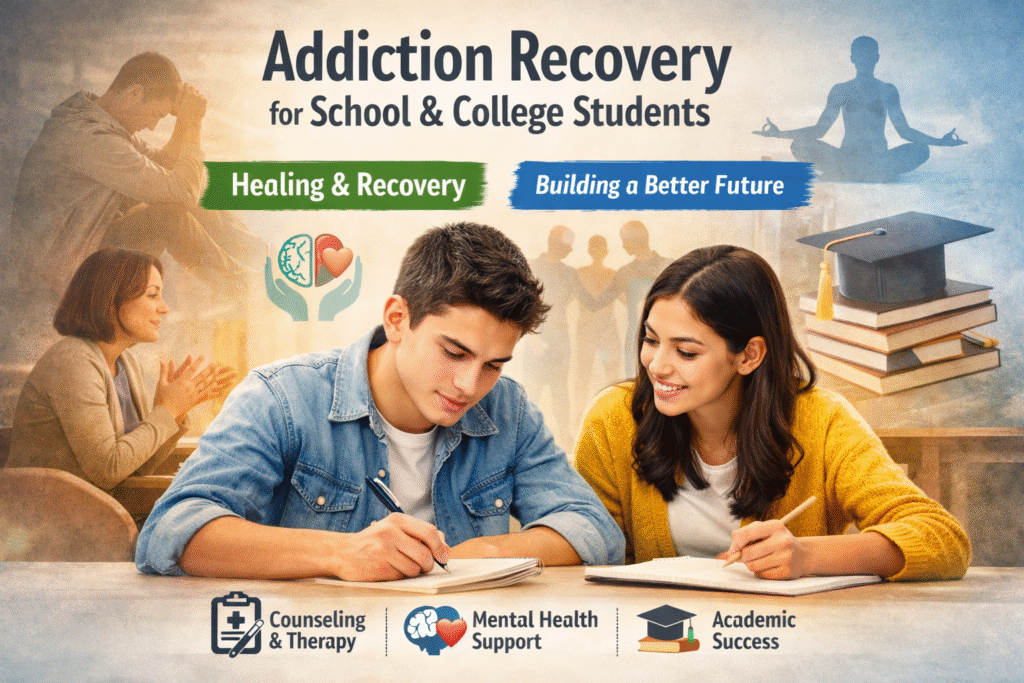
Healing Starts Here: The Power of Drug Recovery Addiction Recovery Drug recovery is not only about quitting a substance. It is about rebuilding confidence, restoring health, improving relationships, and creating a purposeful future. With the right guidance, mindset, and professional care, recovery becomes a powerful transformation journey. This article explains the science, psychology, and practical steps behind recovery while highlighting the benefits of professional rehab centers and actionable strategies for students. What Does Drug Recovery Really Mean? Drug recovery is a structured process of healing the mind, body, and behavior after substance use. It focuses on breaking unhealthy patterns, strengthening mental wellness, learning healthy coping skills, rebuilding self-discipline, and creating long-term stability with the guidance and support of a professional rehab center. Recovery is not a one-time event; it is a lifestyle shift that promotes resilience and emotional balance. How Drug Recovery Changes Lives Understanding how drug recovery changes lives helps students realize that transformation is possible at any stage. Personal Growth and Self-Control Recovery builds better decision-making, emotional stability, improved concentration, and stronger self-confidence. Students learn to manage stress without harmful habits. Academic and Career Improvement Recovery improves focus and memory, increases productivity, strengthens discipline, and supports goal-setting. It promotes long-term academic success. Health and Wellbeing Benefits Recovery leads to better sleep quality, improved immunity, balanced nutrition habits, and reduced anxiety. Healthy routines support brain and body healing. Stronger Relationships Recovery restores trust, improves communication skills, builds emotional maturity, and enhances social interactions. Recovery strengthens social stability and emotional intelligence. The Science Behind Recovery and Brain Healing The brain has the ability to repair itself through neuroplasticity. When unhealthy patterns stop, new healthy neural pathways develop Healing Starts Here: The Power of Drug Recovery . Brain Changes During Recovery Recovery reduces craving intensity, improves emotional regulation, strengthens focus and clarity, and enhances impulse control. Consistent healthy behavior retrains the brain gradually. Steps in the Addiction Recovery Process Understanding the steps in the addiction recovery process helps students mentally prepare and stay motivated. Step 1: Awareness and Acceptance Recognizing the problem without shame or fear. Step 2: Professional Assessment Health experts evaluate mental, emotional, and behavioral needs. Step 3: Detox and Stabilization Safe medical supervision helps manage withdrawal symptoms when required. Step 4: Therapy and Counseling Includes cognitive behavioral therapy, group discussions, and emotional healing sessions. Step 5: Skill Development Stress management, communication skills, time management, and healthy routines. Step 6: Relapse Prevention Planning Identifying triggers and building coping strategies. Step 7: Long-Term Support Continued guidance ensures stability and progress. Benefits of Professional Rehab Centers Choosing professional care ensures safety, structure, and expert guidance. Key Benefits: Personalized treatment plans Medical supervision Emotional counseling Peer support environment Structured daily routines Family involvement Healing Starts Here: The Power of Drug Recovery Professional rehab centres offer holistic recovery solutions. Why College Students Should Take Recovery Seriously Students are vulnerable to academic pressure, social influence, emotional transitions, and digital dependency. Early awareness prevents long-term consequences. Healthy Habits Students Should Build: Regular exercise Balanced nutrition Sleep discipline Time management Mindfulness practice Positive habits strengthen emotional resilience. How Nasha Mukti Kendra Supports Long-Term Recovery “A trusted Nasha Mukti Kendra provides psychological counseling, behavioral therapy, structured routines, emotional mentorship, family counseling, and continuous monitoring. Healing Starts Here, as professional guidance ensures sustainable progress. Every step of recovery is supported because Healing Starts Here, with expert care, structured support, and ongoing encouragement. True transformation happens when Healing Starts Here, guiding individuals toward lasting sobriety and emotional well-being.” Building a Strong Recovery Mindset “Recovery success depends on patience, consistency, self-compassion, a positive environment, and support networks. Healing Starts Here, and every small improvement matters because Healing Starts Here with consistent effort. Remember, Healing Starts Here through self-compassion, positive choices, and supportive connections, and these small steps lead to long-term transformation.” Practical Tips for Students Supporting Recovery Set realistic goals Track daily progress Avoid high-risk environments Practice mindfulness Stay socially connected Seek mentorship Discipline builds confidence and stability. Summary and Call to Action Understanding how drug recovery changes lives empowers college students to choose health, clarity, and purpose. Recovery improves mental wellness, academic performance, emotional stability, and relationships. With structured guidance, awareness, and professional support from Sanchit Rehab Center, transformation becomes achievable. If you or someone you care about needs Healing Starts Here: The Power of Drug Recovery guidance, reach out to a trusted Nasha Mukti Kendra or professional rehab center today. Healing starts with one decision. Frequently Asked Questions (FAQ) Q1. What is drug recovery?Drug recovery is a structured process of healing the mind, body, and behavior after substance use. It helps individuals break unhealthy habits, rebuild mental wellness, and regain control over their lives, often with professional support from centers like Sanchit Rehab Center. Q2. How does drug recovery change lives?Drug recovery improves mental clarity, emotional stability, physical health, and relationships. It empowers students to make positive life choices, achieve academic goals, and develop long-term resilience, transforming both personal and social aspects of life. Q3. What services do rehab centers like Sanchit offer?Sanchit Rehab Center provides counseling, therapy, structured routines, family support, and relapse prevention guidance. These services ensure safe, professional, and holistic recovery tailored to individual needs. Q4. Can students balance college life and recovery?Yes. With proper planning, guidance, and time management, students can maintain academics while participating in recovery programs. Rehab centers also offer strategies to manage stress, cravings, and daily responsibilities effectively. Q5. Is relapse common, and can it be prevented?Relapse can occur but is preventable with awareness, coping strategies, mindfulness, and continued support. Rehab centers like Sanchit help build strong recovery habits to minimize relapse risk.

Alcohol Myths and Facts – Common Misconceptions Explained
Blog

Alcohol Myths and Facts – Common Misconceptions Explained

Alcohol consumption is surrounded by myths, misunderstandings, and half-truths that can affect personal health, workplace productivity, and social behavior. Alcohol Myths and Facts is an important topic for small business owners, employees, and families because misconceptions can influence drinking habits and decisions. Understanding the reality of alcohol use helps individuals make informed choices, prevent addiction, and reduce its impact on work and personal life. Sanchit Rehab Centre provide education, counseling, and rehabilitation programs to debunk myths, provide factual guidance, and support recovery from alcohol abuse. This article explores the most common myths about alcohol, presents evidence-based facts, and explains the health, social, and professional consequences of drinking. Common Misconceptions About Alcohol Many people believe things about alcohol that are simply untrue. These myths can lead to overconsumption, risky behavior, and delayed treatment for addiction.  “Drinking a little is completely safe.” Fact: Even moderate alcohol can affect liver health, blood pressure, and cognitive function. Regular consumption increases the risk of addiction over time.  “Alcohol improves social skills and confidence.” Fact: Alcohol may reduce social anxiety temporarily, but over time it can impair judgment, communication, and emotional regulation.  “Beer and wine are healthier than spirits.” Fact: All alcoholic beverages have similar effects on the liver and brain when consumed excessively. Quantity, not type, determines health risk.  “You can sober up quickly by drinking coffee or taking a cold shower.” Fact: Only time allows alcohol to metabolize. Coffee, showers, or exercise do not speed up sobriety.  “Alcohol only affects the liver.” Fact: Alcohol impacts multiple systems, including the brain, heart, digestive system, and hormonal balance. Alcohol Facts vs Myths “Knowing the difference between Alcohol Myths and Facts is essential for informed decision-making. Understanding Alcohol Myths and Facts helps separate truth from misconception, and being aware of common Alcohol Myths and Facts supports healthier choices.” Key Facts About Alcohol Consumption Alcohol is a depressant that affects the central nervous system. Long-term alcohol use can lead to liver disease, cardiovascular problems, and mental health issues. Alcohol can increase risk-taking behavior and impair professional performance. Addiction can develop regardless of social status or income. By understanding alcohol facts vs myths, individuals and business owners can create safer work environments and encourage responsible consumption. Effects of Alcohol on Health “Understanding Alcohol Myths and Facts is important because alcohol’s effects extend beyond immediate intoxication. Learning the truth in Alcohol Myths and Facts reveals how long-term or excessive consumption can have serious physical and mental consequences. Being aware of Alcohol Myths and Facts helps make safer, informed choices about drinking.” Short-Term Effects Impaired coordination and judgment Slurred speech and memory lapses Emotional instability and irritability Accidents and injuries Long-Term Effects Liver disease, fatty liver, cirrhosis Cardiovascular issues and high blood pressure Mental health disorders like depression and anxiety Increased risk of addiction and dependency Social and Workplace Impacts Reduced productivity and focus Conflict with colleagues or clients Increased absenteeism and workplace accidents Strained personal relationships Alcohol and Addiction Awareness Recognizing alcohol addiction early is crucial for recovery, and understanding Alcohol Myths and Facts can make a big difference. Many misconceptions about drinking are part of common Alcohol Myths and Facts, and ignoring these Alcohol Myths and Facts often delays treatment. Being aware of the truth in Alcohol Myths and Facts helps individuals and families take timely action toward recovery. Signs of Alcohol Dependence Inability to control drinking Craving alcohol and withdrawal symptoms Neglect of personal and professional responsibilities Isolation from family or social circles Nasha Mukti Kendras offer structured programs for rehabilitation, including counseling, detox, and peer support to help individuals overcome addiction and rebuild healthy relationships. How Nasha Mukti Kendras Educate About Alcohol Myths Modern Nasha Mukti Kendras focus not only on treatment but also on awareness and prevention. Programs Include: Workshops on common misconceptions about alcohol Evidence-based education on health effects Group counseling to share experiences and coping strategies Family counseling to support recovery and reduce stigma Education helps individuals distinguish between myths and facts, reducing risky behavior and promoting informed choices. Tips for Responsible Alcohol Use Even for those who drink moderately, following guidelines can reduce harm. Limit intake to recommended daily limits Avoid drinking before driving or operating machinery Eat before and during alcohol consumption Stay hydrated Monitor physical and emotional reactions to alcohol Responsible drinking minimizes health risks and supports personal and professional stability. Summary: Alcohol Myths and Facts Understanding Alcohol Myths and Facts is critical for small business owners, employees, and families. Misconceptions about alcohol can affect health, relationships, and workplace performance. Nasha Mukti Kendras provide guidance, counseling, and rehabilitation programs to educate, prevent addiction, and support recovery. Knowing the truth helps individuals make informed decisions, reduce risks, and maintain healthier lives. Frequently Asked Questions (FAQs) 1. Are some alcoholic drinks safer than others? No. All alcoholic beverages have similar effects on the liver and brain. Health risks depend on quantity and frequency, not type. 2. Can moderate alcohol consumption be completely safe? Moderate consumption reduces but does not eliminate health risks. Even occasional drinking can affect liver function, heart health, and cognitive abilities. 3. How does alcohol affect workplace performance? Alcohol impairs focus, judgment, and coordination, leading to reduced productivity, errors, absenteeism, and workplace conflicts. 4. What role do Nasha Mukti Kendras play in alcohol education? They provide evidence-based programs to debunk myths, teach health effects, and offer counseling and peer support for recovery. 5. Can alcohol addiction be reversed? Yes. Early recognition, counseling, detox programs, and support from Nasha Mukti Kendras significantly increase the chances of recovery and long-term sobriety.

Nutrition After Drug Use – Foods That Support Healing and Strength
Blog

Nutrition After Drug Use – Foods That Support Healing and Strength

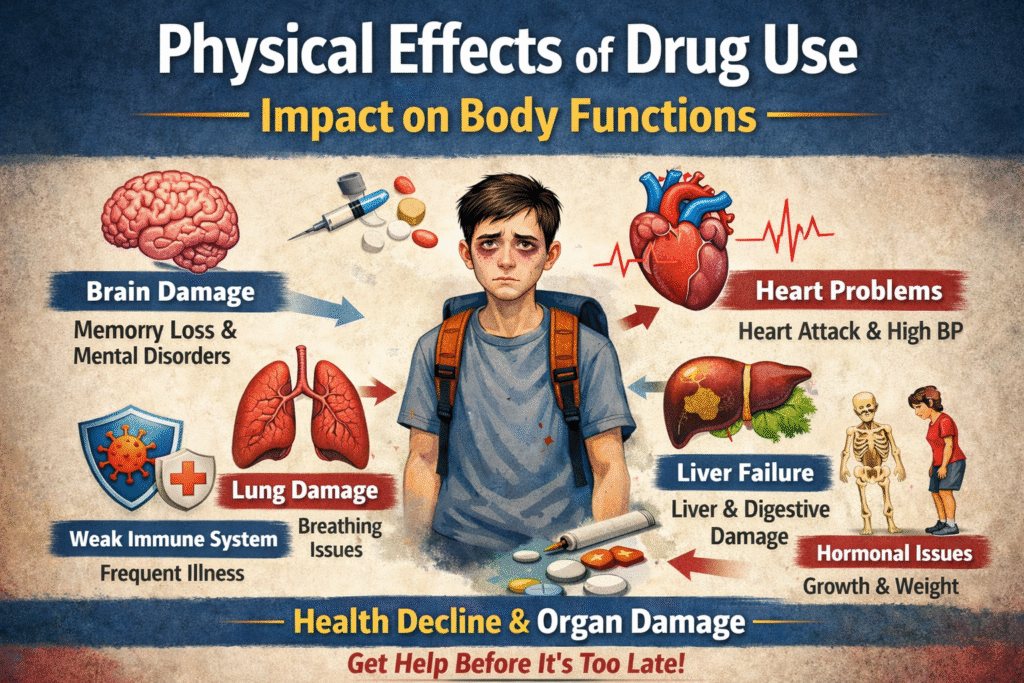
Addiction recovery is not limited to counseling and detox alone. The body undergoes significant physical damage during prolonged drug use, affecting organs, immunity, digestion, and energy levels. Nutrition After Drug Use plays a critical role in restoring physical strength, mental clarity, and emotional balance. At Sanchit Rehab Centre in Gwalior, structured programs ensure that Nutrition After Drug Use is carefully planned to support holistic healing and long-term recovery. For small business owners, whether managing their own recovery or supporting an employee or family member, understanding the importance of proper nutrition can make recovery more stable, productive, and long-lasting. Rehabilitation becomes more effective when the body is nourished correctly. This article explores how nutrition supports healing after drug use, which foods strengthen recovery, and how structured dietary care complements treatment in Nasha Mukti Kendras. Why Nutrition After Drug Use Is Essential for Recovery Drug use disrupts the body’s natural balance. Poor appetite, dehydration, vitamin deficiencies, and digestive issues are common during and after substance abuse. Effects of Drug Use on the Body Long-term drug use often leads to: Weakened immune system Muscle loss and fatigue Digestive disorders Hormonal imbalance Mental fog and mood swings Nutrient deficiencies Without proper nutrition in addiction recovery, these problems slow down healing and increase relapse risk. How Nutrition Supports Addiction Recovery Food is not just fuel—it is medicine for recovery. A balanced diet repairs tissues, stabilizes mood, and restores energy. Key Benefits of Proper Nutrition After Drug Use Repairs damaged organs and tissues Improves brain function and focus Reduces cravings and withdrawal discomfort Stabilizes blood sugar and mood Boosts immunity and physical strength This is why diet for drug recovery is a core part of modern rehabilitation programs. Role of Nutrition in Nasha Mukti Kendras Many Nasha Mukti Kendras now integrate structured nutrition plans alongside therapy and peer support. How Nutrition Is Managed in Rehabilitation Centers Rehab centers focus on: Regular, balanced meals Hydration support Vitamin and mineral restoration Gut health improvement Energy-boosting foods Proper nutrition accelerates detox recovery and prepares individuals for long-term sobriety. Foods for Addiction Recovery That Support Healing Choosing the right foods helps the body rebuild faster and regain strength. 1. Protein-Rich Foods for Tissue Repair Protein helps rebuild muscles, repair organs, and support brain function. Best protein sources: Eggs Lentils and beans Paneer and tofu Milk and yogurt Nuts and seeds Protein is essential in foods for addiction recovery to restore physical strength. 2. Whole Grains for Energy and Stability Whole grains provide slow-release energy and stabilize blood sugar levels. Recommended options: Brown rice Oats Whole wheat roti Millets Stable energy reduces fatigue and emotional ups and downs. 3. Fruits and Vegetables for Detox and Immunity Fruits and vegetables supply antioxidants, fiber, and vitamins. Best choices include: Leafy greens Carrots and beetroot Citrus fruits Apples and bananas Seasonal vegetables These foods help flush toxins and strengthen immunity. 4. Healthy Fats for Brain Healing The brain is often most affected by drug use. Healthy fats support cognitive recovery. Sources of healthy fats: Nuts and seeds Groundnut and mustard oil Avocado Fish (if non-vegetarian) Healthy fats improve focus, memory, and emotional stability. Vitamins and Minerals Essential After Drug Use Drug abuse depletes key nutrients that must be restored. Important Nutrients for Recovery Vitamin B-complex: Improves energy and nerve health Vitamin C: Boosts immunity and tissue repair Magnesium: Reduces anxiety and muscle cramps Iron: Improves stamina and oxygen flow Zinc: Supports immunity and healing A nutrition-rich diet reduces dependency on supplements over time. Gut Health and Digestion After Drug Use Digestive problems are common after addiction. How to Restore Gut Health Eat fiber-rich foods Include curd or probiotics Avoid oily and processed foods Drink plenty of water Eat small, frequent meals A healthy gut improves nutrient absorption and emotional balance. Foods to Avoid During Recovery Certain foods can worsen cravings, mood swings, and fatigue, which is why Nutrition After Drug Use must be carefully planned. Proper Nutrition After Drug Use focuses on avoiding trigger foods, as poor Nutrition After Drug Use can increase emotional imbalance, while balanced Nutrition After Drug Use helps control cravings, stabilize mood, and reduce recovery-related fatigue. Foods to Limit or Avoid Excess sugar Junk and processed foods Excess caffeine Deep-fried snacks Carbonated drinks Avoiding these supports a smoother recovery process. Diet for Drug Recovery and Daily Routine Consistency matters more than perfection. Simple Daily Nutrition Routine Start the day with warm water and fruits Balanced breakfast with protein and grains Light, nutritious lunch Healthy snacks like fruits or nuts Early, light dinner Routine eating helps stabilize both body and mind. Why Nutrition Matters for Small Business Owners Addiction recovery affects productivity, decision-making, and workplace stability, which is why Nutrition After Drug Use plays a crucial role. Proper Nutrition After Drug Use supports mental clarity and energy levels, while consistent Nutrition After Drug Use improves focus and performance. When workplaces recognize the importance of Nutrition After Drug Use, recovery becomes smoother, productivity increases, and long-term workplace stability is strengthened. Business Benefits of Supporting Nutrition in Recovery Faster physical recovery Improved focus and performance Reduced absenteeism Better emotional regulation Long-term employee retention Supporting nutrition after drug use is an investment in human capital. Nutrition and Relapse Prevention Hunger, fatigue, and low energy increase relapse risk. Proper nutrition: Reduces cravings Improves sleep quality Enhances stress tolerance Strengthens emotional control This makes nutrition a silent but powerful relapse-prevention tool. Summary: Nutrition After Drug Use Builds Strength and Stability Nutrition After Drug Use is a foundation of successful recovery. The right foods repair the body, strengthen the mind, and support emotional balance. Combined with therapy and peer support, nutrition improves long-term outcomes in Nasha Mukti Kendras and beyond. For small business owners, prioritizing nutrition in recovery leads to healthier individuals, stronger teams, and a more stable work environment. Frequently Asked Questions (FAQs) 1. Why is nutrition important after drug use? Nutrition helps repair physical damage, restore energy, stabilize mood, and reduce cravings, making recovery stronger and more sustainable. 2. What are the best foods

Blog

Drug Use and Relationships – How It Impacts Personal Bonds

Drug use is often viewed as a personal struggle, but its impact extends far beyond the individual. Drug Use and Relationships is a critical topic because substance abuse affects families, friendships, romantic relationships, and workplace dynamics. For small business owners, understanding these impacts is essential—not only for personal awareness but also to manage employees or family members dealing with addiction effectively. Substance abuse can create emotional distance, mistrust, and conflict. However, structured support systems like Sanchit Rehab Centre offer therapy, counseling, and peer support to repair and strengthen personal bonds while promoting long-term recovery. This article explores how drug use affects personal relationships, the emotional and social consequences of addiction, and ways to rebuild trust and healthy connections. Understanding the Impact of Drug Use on Personal Relationships Addiction doesn’t occur in a vacuum. Drug Use and Relationships are deeply interconnected, as Drug Use and Relationships affect every social and emotional connection the individual has. Behavioral changes caused by substance abuse directly impact Drug Use and Relationships, and often, Drug Use and Relationships bear the brunt of these challenges, influencing family, friendships, and personal bonds. Key Effects on Personal Bonds Emotional Withdrawal: Drug users often isolate themselves, creating emotional distance from family and friends. Trust Issues: Broken promises, secretive behavior, and deception are common, leading to mistrust. Conflict and Tension: Substance abuse increases irritability and conflict within households and friendships. Neglect of Responsibilities: Personal and professional responsibilities may be ignored, straining relationships. Understanding these effects is essential for small business owners who may have employees or family members struggling with addiction. How Addiction Affects Friendships and Social Life Friendships often change dramatically during addiction, and Drug Use and Relationships play a major role in this shift. Social circles may shrink or shift toward peers who also use substances, affecting Drug Use and Relationships with supportive friends. Maintaining healthy connections becomes challenging, as Drug Use and Relationships are often strained, reshaped, or weakened due to the behaviors and choices associated with addiction. Social Consequences of Drug Use Isolation from Supportive Friends: Positive friendships may weaken or disappear. Peer Pressure: Association with substance-using peers can reinforce addiction patterns. Loss of Social Skills: Communication and trust may deteriorate over time. Supporting recovery through therapy and structured social reintegration helps restore healthy friendships and social life. Effects on Romantic Relationships and Family Bonds Romantic partners and family members are often most affected by addiction. Challenges Faced Emotional instability and mood swings Breakdowns in communication and intimacy Domestic conflict or financial strain Children’s emotional well-being is often compromised How Recovery Programs Help Family Counseling: Nasha Mukti Kendras provide structured sessions to rebuild trust. Couples Therapy: Helps partners navigate addiction-related stress. Parental Support: Educates parents on supporting children through a family member’s recovery. Workplace and Professional Relationships Addiction can impact professional life, which in turn affects personal relationships indirectly. Workplace Impacts Decreased productivity and focus Frequent absenteeism Conflict with colleagues Strained leadership dynamics Role of Small Business Owners Business owners can support employees by: Encouraging rehab and therapy attendance Offering flexible work arrangements Reducing stigma around addiction recovery Incorporating peer support programs Strategies to Rebuild Relationships During Recovery Rebuilding trust and emotional bonds requires conscious effort and structured support. 1. Open Communication Honest conversations with family, friends, and colleagues Acknowledging mistakes without excuses 2. Counseling and Therapy Individual counseling for emotional regulation Group therapy to improve social interaction Family sessions to repair broken bonds 3. Peer Support Programs Encourages accountability and emotional support Helps individuals learn from others’ recovery journeys Reduces isolation and promotes empathy 4. Consistency and Reliability Fulfilling commitments gradually Demonstrating behavioral changes over time 5. Healthy Social Engagement Engaging in positive hobbies and community activities Avoiding environments that encourage substance use Role of Nasha Mukti Kendras in Strengthening Relationships Modern Nasha Mukti Kendras focus not only on addiction treatment but also on repairing social and familial bonds. Structured Relationship Support Peer support groups for shared experiences Family and couples therapy Workshops on communication and trust-building These approaches ensure that recovery is holistic—addressing both the individual’s health and the social impact of addiction. Summary: Healing Relationships During Recovery Drug Use and Relationships shows that addiction impacts friends, family, and colleagues. Nasha Mukti Kendra programs provide counseling, peer support, and family sessions to rebuild trust, restore bonds, and support healthier personal and professional relationships. Frequently Asked Questions (FAQs) 1. How does drug use affect personal relationships? Drug use can cause emotional distance, mistrust, conflict, and neglect of responsibilities, affecting family, friends, and romantic partners. 2. Can friendships survive addiction? Yes, with support and recovery, friendships can be restored through therapy, open communication, and rebuilding trust. 3. How do Nasha Mukti Kendras help relationships? They provide family counseling, peer support, and structured therapy to repair bonds, rebuild trust, and strengthen emotional connections. 4. How can small business owners support addicted employees? Encourage rehabilitation, offer flexible work arrangements, reduce stigma, and support peer-based recovery programs. 5. Is it possible to rebuild trust after addiction? Yes, consistent positive behavior, open communication, and counseling can gradually restore trust in personal and professional relationships.

Behavioural Effects of Drug Use
Blog

Behavioural Effects of Drug Use – Changes You Should Not Ignore

Drug use doesn’t just affect physical health—it significantly alters behavior, emotions, and decision-making. Recognizing the behavioural effects of drug use is crucial, especially for small business owners, who often face high stress and responsibility while balancing personal and professional life. Behavioral changes can be subtle at first, including mood swings, irritability, or social withdrawal. Over time, these changes can impact relationships, work performance, and mental health. Early identification of these signs is essential to intervene effectively and support drug addiction recovery. Seeking professional guidance from Sanchit Rehab Centre in Gwalior can provide structured therapy, counseling, and support to manage these behavioral changes and ensure long-term recovery. This guide explores the behavioral effects of drug use, the psychological warning signs, and strategies to help individuals regain control and stability in their lives. Behavioural Effects of Drug Use Drug use disrupts the brain’s chemical balance, causing noticeable changes in thoughts, emotions, and actions. Recognizing the Behavioural Effects of Drug Use—such as mood swings, irritability, and poor decision-making—is crucial for early intervention. Understanding these Behavioural Effects of Drug Use helps individuals and families take timely steps toward drug addiction recovery and long-term well-being.  Common Behavioral Changes Due to Drug Use : Mood Swings from Drug Use Sudden irritability or anger Frequent sadness or depression Overreaction to minor issues Unexplained bursts of energy or euphoria  Changes in Social Behavior Withdrawal from friends and family Loss of interest in hobbies and activities Difficulty maintaining professional relationships Preference for isolation or secrecy Cognitive and Decision-Making Changes Poor judgment or risky choices Memory lapses or forgetfulness Difficulty concentrating or focusing Impulsivity in personal or business decisions Long-Term Behavioural Effects of Drug Use  Behavioral Effects of Long-Term Drug Use Chronic irritability and emotional instability Increased anxiety or paranoia Persistent mood swings and depression Difficulty managing responsibilities, including work and family Chronic Irritability and Emotional Instability One of the most common behavioural effects of drug use is chronic irritability and emotional instability. Individuals may react angrily or overreact to minor issues, experience sudden frustration, or have difficulty controlling emotions. These mood fluctuations are not random—they are a direct result of chemical changes in the brain caused by prolonged substance use. Recognizing chronic irritability as a behavioural effect of drug use is crucial for early intervention and helps both families and professionals provide appropriate support. Increased Anxiety or Paranoia Another major behavioural effect of drug use is heightened anxiety or paranoia. Drugs disrupt the normal balance of neurotransmitters, leading to persistent worry, fear, or suspicious thoughts. Individuals may constantly feel threatened or mistrust those around them, which impacts relationships at home and work. Identifying increased anxiety or paranoia as a behavioural effect of drug use allows for timely therapy and recovery measures to prevent escalation into more severe mental health issues. Persistent Mood Swings and Depression Persistent mood swings and depression are key behavioural effects of drug use that affect emotional stability and daily functioning. These individuals may experience sudden highs and lows, periods of hopelessness, or loss of interest in activities they once enjoyed. Such emotional volatility is a hallmark of addiction’s impact on behavior. Understanding mood swings and depression as behavioural effects of drug use helps family members, friends, and professionals recognize early signs and intervene effectively. Difficulty Managing Responsibilities, Including Work and Family A significant behavioural effect of drug use is the inability to manage responsibilities, including both professional and personal obligations. Individuals may miss deadlines, forget important tasks, or fail to fulfill family commitments. Work performance often suffers due to reduced focus, poor decision-making, and impulsive behavior—all classic behavioural effects of drug use. Early recognition of this pattern is essential for initiating drug addiction recovery strategies and restoring balance in both home and work life.  Impact on Professional Life for Small Business Owners Small business owners may notice: Decline in work performance Poor communication with employees or clients Financial mismanagement due to impulsive decisions Strained relationships with partners or family Recognizing these patterns early can help mitigate long-term damage and improve recovery outcomes. Psychological Effects That Affect Behavior  Anxiety and Depression Drugs disrupt normal brain chemistry, leading to persistent anxiety or depression that affects daily behavior. Paranoia and Distrust Long-term use can cause suspicion toward colleagues, family members, or business partners.  Reduced Impulse Control Addiction reduces the ability to resist cravings, leading to reckless actions or decisions that can impact both personal and professional life. How to Recognize the Signs Early Notice changes in sleep patterns or appetite Track sudden mood swings or emotional outbursts Monitor social withdrawal or isolation Observe changes in work performance or decision-making Keep an eye on repeated risky behavior Early detection is key for effective drug addiction recovery. Practical Steps to Address Behavioral Changes  Seek Professional Help Connect with a trusted Nasha Mukti Kendra Enroll in counseling and therapy programs Consider family therapy to rebuild support systems Develop Healthy Habits Maintain a balanced routine with regular sleep and exercise Engage in hobbies and social activities Practice mindfulness and stress management techniques  Build a Support Network Encourage communication with trusted family and friends Join peer support groups Stay accountable with mentors or counselors Behavioral Changes During Drug Addiction Recovery Recovery itself may bring temporary behavioral changes, including: Mood fluctuations as the body detoxifies Anxiety about maintaining sobriety Frustration during therapy or lifestyle adjustments Support from family, professional counselors, and structured programs can help manage these temporary changes and ensure long-term stability. Summary and Call to Action Understanding the behavioural effects of drug use is crucial for early intervention and successful recovery. Mood swings, social withdrawal, poor decision-making, and long-term cognitive changes are signs that should never be ignored. For small business owners, recognizing these signs early can protect professional performance, personal relationships, and overall well-being. Seeking help from a professional Nasha Mukti Kendra ensures structured therapy, behavioral monitoring, and support for long-term recovery. Take the first step today to safeguard your life and the lives of loved ones by addressing behavioral changes early. FAQ Q1. What are the most common behavioral

Family Support in Drug Recovery
Blog

Family Support in Drug Recovery – Why Loved Ones Make a Difference

Overcoming addiction is not just a personal battle—it is a journey that requires emotional strength, professional care, and consistent encouragement from loved ones. Family support in drug recovery plays a vital role in helping individuals rebuild confidence, restore trust, and stay committed to sobriety. For small business owners, managing business responsibilities, financial pressure, and personal life can increase stress during recovery. When families provide understanding, patience, and stability, they create a secure environment that encourages healing and long-term success. Professional guidance from Sanchit Rehab Centre in Gwalior can further strengthen recovery by offering structured therapy, family support programs, and expert counseling tailored to individual needs. This article explains why family involvement matters, how it strengthens treatment outcomes, and practical ways families can actively support recovery. Why Family Support Is Essential in Addiction Recovery Addiction affects the entire family system, not just the individual struggling with substance use. Emotional tension, communication breakdowns, and disrupted routines often impact every family member, creating stress and uncertainty at home. Family support in drug recovery plays a crucial role in addressing these challenges, as loved ones actively participating in the healing process provide emotional reassurance, accountability, and motivation. When families are involved, they can help establish structure, encourage healthy habits, and create a safe, understanding environment that supports long-term sobriety. Their involvement not only strengthens the recovery journey for the individual but also promotes healing, trust, and stronger bonds within the entire family. Emotional Stability and Motivation Family members provide emotional reassurance, encouragement, and accountability. Their support reduces anxiety, increases confidence, and motivates individuals to stay consistent with treatment and healthy habits. Creating a Safe and Supportive Environment A positive home environment helps reduce exposure to triggers, improves emotional safety, and promotes structured routines that support long-term recovery. The Family Role in Addiction Recovery The family role in addiction recovery includes emotional care, lifestyle support, and behavioral guidance. Families influence daily habits, decision-making, and emotional balance. Building Healthy Communication Open communication reduces misunderstandings, strengthens trust, and helps resolve emotional conflicts. Honest conversations promote transparency and emotional connection. Accountability and Structure Families play a vital role in sustaining recovery by helping individuals maintain consistency in their daily lives. Family support in drug recovery ensures that routines such as regular sleep schedules, nutritious meals, therapy attendance, and productive daily habits are followed consistently. By providing structure and guidance, families reduce the likelihood of relapse and help the individual stay focused on their sobriety goals. Their involvement also reinforces accountability, encourages responsibility, and creates a stable, nurturing environment that promotes both emotional and physical well-being. This consistent support is a cornerstone of long-term recovery, helping individuals rebuild confidence, resilience, and a balanced lifestyle. Benefits of Family Therapy in Rehab Family therapy in rehab plays a crucial role in strengthening family support in drug recovery by helping loved ones actively participate in the healing journey. These therapy sessions provide a safe and structured environment where families can openly discuss past conflicts, emotional struggles, and the impact of addiction on relationships. By working together with trained counselors, family members learn effective communication strategies, conflict resolution skills, and ways to support the individual without enabling unhealthy behaviors. This collaborative approach not only rebuilds trust and strengthens emotional bonds but also equips families with the tools they need to create a nurturing, stable environment. Ultimately, family therapy enhances long-term recovery outcomes, reduces relapse risk, and ensures that both the individual and their loved ones grow stronger together. Healing Emotional Trauma Therapy provides a structured and supportive environment where families can address unresolved issues, rebuild trust, and strengthen their emotional bonds. Family support in drug recovery is enhanced when loved ones participate in therapy sessions, as they learn to understand the complexities of addiction, the triggers that may lead to relapse, and the behavioral patterns associated with substance use. Through counseling, families can release feelings of guilt, anger, or resentment, and develop empathy and patience toward the individual in recovery. This process not only aids in healing family relationships but also creates a more stable and encouraging environment, which is essential for long-term recovery and emotional resilience for everyone involved. Learning Relapse Prevention Skills Learning relapse prevention skills strengthens family support in drug recovery by helping individuals and their loved ones recognize early warning signs before a setback occurs. Through counseling and family therapy in rehab, families learn to understand emotional triggers, stress patterns, and behavioral changes that may increase relapse risk. They also develop healthy coping strategies such as effective communication, stress management, setting clear boundaries, and responding calmly during difficult moments. This structured approach empowers families to provide timely encouragement, promote positive decision-making, and create a safe environment that supports long-term recovery and emotional stability. Why Family Support Matters for Small Business Owners Small business owners face unique pressures such as workload stress, financial responsibility, and decision-making fatigue. Managing Work Stress Family encouragement helps reduce emotional overload, supports work-life balance, and promotes healthy boundaries. Financial and Decision Support Families provide emotional reassurance during financial challenges and help maintain responsible decision-making. Practical Ways Families Can Support Recovery Families can actively contribute by adopting healthy habits and positive behaviors. Encourage Treatment Participation Attend counseling sessions, respect therapy schedules, and support medical guidance. Promote Healthy Lifestyle Habits Encourage balanced nutrition, regular exercise, proper sleep, and digital wellness. Avoid Enabling Behaviors Set clear boundaries, promote accountability, and avoid supporting unhealthy habits. Practice Emotional Patience Listen without judgment, validate emotions, and celebrate small progress milestones. Common Challenges Families Face During Recovery Trust Rebuilding Trust takes time and consistency to rebuild after addiction. Emotional Burnout Caregivers may experience stress and fatigue and should also seek support. Miscommunication Unclear expectations can lead to emotional tension and conflict. Professional guidance helps families navigate these challenges effectively. Role of Nasha Mukti Kendra in Family-Based Recovery A professional Nasha Mukti Kendra plays a vital role in enhancing family support in drug recovery by actively integrating families into the treatment process. Through structured counseling sessions, educational workshops, and emotional skill development

Drug Use and Mental Health
Blog

Drug Use and Mental Health – Understanding the Emotional Impact

Drug Use and Mental Health are deeply connected, especially among college students facing stress and social pressure. What feels like short-term relief can silently harm emotions, focus, and mental stability. Awareness is the first step toward protecting a healthy and successful future. How Drug Use Affects the Brain and Emotions The brain works through chemical messengers that control mood, pleasure, focus, and stress response, which clearly explains the connection between Drug Use and Mental Health. Drugs artificially stimulate or suppress these chemicals, creating short-term feelings of happiness, relaxation, or energy. Over time, the brain becomes dependent on these substances to feel normal. This dependency weakens natural emotional control and reduces the brain’s ability to handle stress and daily challenges, further impacting Drug Use and Mental Health. As a result, people may experience mood swings, irritability, anxiety, or emotional numbness. Concentration and memory may also decline, making academic and personal responsibilities difficult to manage. This clearly shows how Drug Use and Mental Health are deeply connected and cannot be separated so one thing you can do is visit a Sanchit Rehab Centre in gwalior. Emotional Effects of Drug Use Drug use directly impacts emotional balance. Some common emotional effects include: Increased anxiety and nervousness Sudden anger or sadness Loss of motivation and interest in daily activities Emotional dependency on substances Social withdrawal and isolation Low self-confidence Increased Anxiety and Nervousness Drug use can disturb the brain’s natural chemical balance, making a person feel constantly worried, restless, or fearful without any clear reason. Small problems may start feeling overwhelming, and the individual may struggle to relax, sleep properly, or concentrate on studies. Sudden Anger or Sadness Substances affect emotional control, causing rapid mood changes. A person may feel happy one moment and irritated or sad the next. These emotional swings can damage relationships with friends and family and make daily life stressful. Loss of Motivation and Interest in Daily Activities Drug use reduces natural energy and motivation levels. Activities like studying, hobbies, socializing, or exercising may no longer feel enjoyable. This can lead to poor academic performance and reduced personal growth. Emotional Dependency on Substances Some individuals begin relying on drugs to feel confident, relaxed, or happy. Instead of handling emotions naturally, they depend on substances to cope with stress or sadness, increasing the risk of addiction and emotional weakness. Social Withdrawal and Isolation As drug use increases, individuals may avoid friends, family, and social activities. They may prefer being alone or spending time only with people who support their substance use, which weakens healthy relationships and emotional support systems. Low Self-Confidence Drug dependency often affects self-image and decision-making, showing the strong impact of Drug Use and Mental Health. People may feel guilty, ashamed, or powerless, leading to reduced confidence in their abilities, appearance, and future goals. These emotional changes often develop slowly and may not be noticed at first. However, over time, the effects of Drug Use and Mental Health can interfere with relationships, academic performance, and personal growth. Common Substances and Their Mental Impact Different substances affect mental health in different ways. Alcohol Alcohol reduces self-control and increases impulsive behavior. It may temporarily reduce stress but often increases anxiety, sadness, and poor decision-making later. Long-term alcohol use can lead to depression and emotional instability. Cannabis Cannabis can reduce concentration, motivation, and memory. Some individuals experience increased fear, paranoia, or lack of emotional clarity, which affects daily functioning. Stimulants Energy drugs and stimulants create short bursts of energy and confidence but often lead to emotional crashes, exhaustion, and increased stress levels. Misused Prescription Medicines Improper use of medicines can cause emotional dependency, mood swings, and withdrawal symptoms that affect mental balance.   Long-Term Mental Effects of Drugs Prolonged drug use can permanently affect emotional health. The long-term mental effects of drugs include: Chronic anxiety disorders Depression and emotional instability Reduced memory and learning ability Poor emotional control Decreased motivation and confidence Increased social isolation These effects may continue even after stopping drug use if proper treatment and emotional rehabilitation are not provided. Stress, Peer Pressure, and Mental Vulnerability College students often face academic pressure, competition, relationship challenges, and future uncertainty, which strongly affects Drug Use and Mental Health. Peer influence sometimes encourages substance use as a way to cope or fit in socially. Unfortunately, this creates a harmful cycle where stress leads to drug use, and drug use increases emotional problems, further damaging Drug Use and Mental Health. Over time, dependency forms, and mental health deteriorates. Breaking this cycle requires emotional awareness, healthy coping skills, and supportive environments to protect and improve Drug Use and Mental Health. Dual Diagnosis and Emotional Health Many individuals suffer from both addiction and mental health disorders simultaneously, highlighting the close connection between Drug Use and Mental Health. This condition requires proper care through dual diagnosis treatment. It focuses on treating emotional conditions such as anxiety or depression along with addiction recovery. Addressing both issues together improves long-term recovery success and emotional stability. Holistic Addiction Treatment and Emotional Healing Recovery is not just about stopping drug use. Holistic addiction treatment plays a vital role in improving Drug Use and Mental Health by supporting the mind, body, and emotions together. This approach includes counseling, stress management, physical activity, balanced nutrition, mindfulness practices, and emotional therapy. It strengthens coping abilities, restores confidence, and improves emotional balance. Warning Signs That Should Not Be Ignored Recognizing early warning signs helps prevent severe mental health problems. Emotional Signs Persistent sadness Mood swings Increased irritability Anxiety Loss of motivation Behavioral Signs Poor academic performance Isolation Sleep problems Avoiding responsibilities Risk-taking behavior Early intervention ensures faster recovery. How Students Can Protect Their Mental Health Students can reduce risks by practicing healthy habits such as: Maintaining a regular sleep schedule Managing stress through exercise and planning Seeking emotional support when needed Avoiding high-risk environments Building positive social connections Practicing relaxation techniques Healthy choices strengthen emotional resilience. When to Seek Professional Help If drug use begins affecting emotional health, studies, or relationships, professional support

Blog

Early Intervention for Drug Issues – Why Timely Action Is Important

Drug addiction rarely begins suddenly. It develops slowly, often unnoticed, until it starts affecting health, work, relationships, and decision-making. This is why Early Intervention for Drug Issues is one of the most powerful tools in preventing long-term addiction and serious life consequences.For small business owners and working professionals, drug-related problems can quietly impact productivity, leadership, finances, and reputation. Taking timely action with the support of Sanchit Nasha Mukti Kendra in Gwalior not only protects personal health but also safeguards professional stability. Understanding early signs and responding promptly through Sanchit Nasha Mukti Kendra in Gwalior can make recovery easier, faster, and more sustainable. This article explains why early intervention matters, how to identify warning signs, and how timely action in drug addiction recovery leads to better outcomes. Early Intervention for Drug Issues – Why Timely Action Is Important What Is Early Intervention for Drug Issues? Early Intervention for Drug Issues refers to identifying substance use problems at an early stage and taking corrective action before addiction becomes severe. Early Intervention for Drug Issues focuses on awareness, timely support, counseling, and preventive treatment rather than crisis-based recovery. Through Early Intervention for Drug Issues, individuals receive guidance before dependency grows, making Early Intervention for Drug Issues a crucial step in stopping addiction early and ensuring healthier long-term outcomes. The goal is not punishment or fear, but guidance, education, and structured help that stops drug use from turning into dependency. Why Early Intervention Is Critical in Drug Addiction Delaying action allows addiction to strengthen its hold on both the brain and behavior. Early Intervention for Drug Issues interrupts this cycle before damage becomes long-term. With this, individuals can address problems early, preventing escalation and reducing harm. Consistent ensures timely support, guidance, and treatment, making recovery easier and more effective. Emphasizing early intervention for drug Issues is essential to stop addiction before it takes a deeper hold. Key reasons early intervention is important • Prevents escalation from experimentation to addiction • Reduces physical and mental health damage • Lowers treatment time and cost • Improves recovery success rates • Protects family, career, and social life Timely action in drug addiction recovery can often mean the difference between short-term treatment and years of struggle. Early Signs of Drug Abuse You Should Not Ignore Recognizing early signs of drug abuse is the first step toward early intervention for drug issues. These signs may appear subtle but become clearer over time. Behavioral Signs Sudden mood swings or irritability: The person may react angrily to small issues or shift emotions quickly without clear reason. Social withdrawal or secrecy: They may avoid family and friends, spend more time alone, or hide their activities. Declining work performance: Lack of focus, frequent mistakes, absenteeism, or reduced productivity becomes noticeable. Loss of interest in responsibilities: Daily duties at work, home, or studies are neglected or ignored. Physical Signs Changes in sleep or appetite: The person may sleep too much or too little and show sudden weight gain or loss. Frequent fatigue or restlessness: Constant tiredness, weakness, or inability to sit calmly is commonly observed. Neglect of personal hygiene: Reduced concern for cleanliness, grooming, or overall appearance. Red or tired-looking eyes: Eyes may appear bloodshot, dull, or strained due to substance use or poor sleep. Emotional and Mental Signs Anxiety or unexplained fear: Persistent nervousness, panic, or fear without an obvious cause. Depression or low motivation: Feelings of sadness, hopelessness, or lack of interest in life activities. Poor decision-making: Increased impulsive behavior and difficulty thinking clearly or responsibly. Increased stress tolerance issues: Small problems feel overwhelming, leading to frustration or emotional breakdowns. Why Small Business Owners Must Act Early Entrepreneurs and business owners face constant stress, deadlines, and financial pressure. These factors can increase vulnerability to substance use and delay seeking help. How drug issues affect business owners Reduced focus and productivity: Substance use affects concentration, decision-making, and energy levels, leading to missed deadlines and lower work efficiency. Poor leadership decisions: Impaired judgment can result in risky choices, lack of strategic planning, and ineffective team management. Financial mismanagement: Addiction may cause careless spending, misuse of business funds, delayed payments, or poor budgeting decisions. Damaged professional reputation: Unreliable behavior, broken commitments, or ethical issues can reduce trust among clients, partners, and employees. Early intervention for drug issues helps business owners regain control before addiction starts affecting employees, clients, and long-term business growth. Timely Action in Drug Addiction Recovery Saves Lives Waiting for a “rock bottom” moment is a dangerous myth. Most successful recoveries begin when action is taken early. Benefits of timely action in drug addiction recovery • Shorter and less intensive treatment • Lower relapse risk • Better mental health stability • Faster return to normal routines Early treatment allows individuals to recover while continuing work and family responsibilities. Role of Family and Colleagues in Early Intervention Often, individuals struggling with drug issues do not recognize the problem themselves. Family members, friends, and colleagues play a crucial role. How loved ones can support early intervention Observe behavior without judgment: Notice changes in habits, mood, or routine without blaming or criticizing, which helps build trust. Communicate concerns calmly: Share worries in a supportive, respectful tone instead of arguing, so the person feels heard rather than attacked. Encourage professional help: Gently suggest counseling, detox, or rehab services and reassure them that seeking help is a sign of strength. Avoid enabling behaviors: Do not cover up mistakes, provide money, or excuse harmful actions, as this can delay recovery. Supportive conversations can open the door to recovery instead of resistance. How Nasha Mukti Kendras Support Early Intervention Modern Nasha Mukti Kendras are not just for severe addiction cases. They offer preventive and early-stage support programs. Early intervention services may include Assessment and screening: Professionals evaluate substance use patterns, mental health, and lifestyle to understand the severity and best treatment approach. One-on-one counseling: Personalized therapy sessions help individuals identify root causes, build coping skills, and regain emotional control. Stress and trigger management: Patients learn healthy ways to handle

Social Consequences of Drug Use
Blog

Peer Support for Drug Recovery – How Group Interaction Helps Motivation

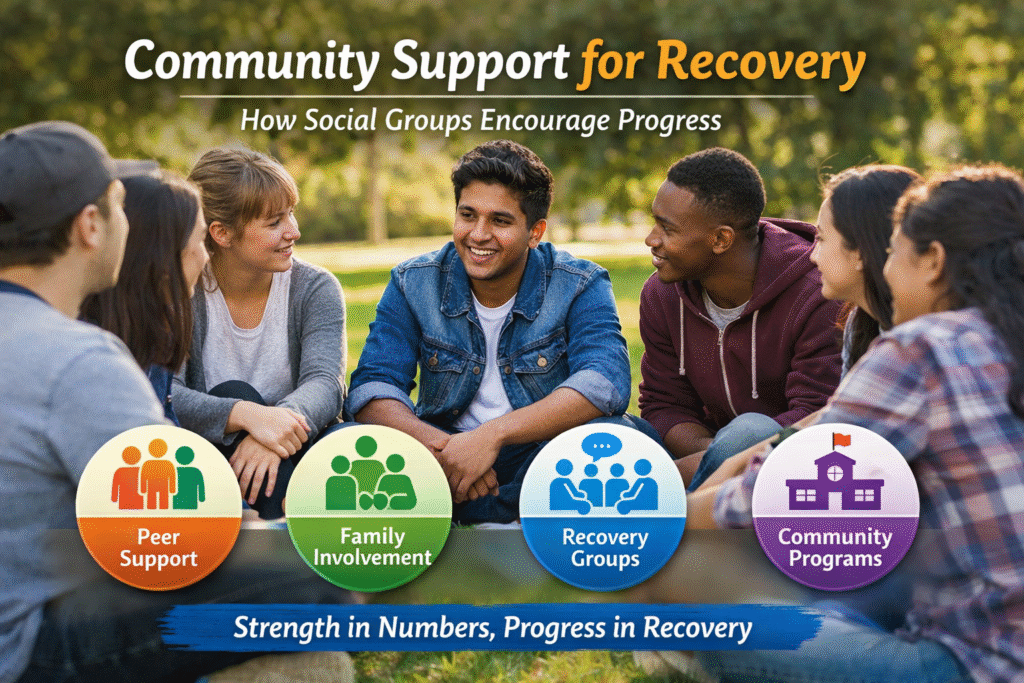
Drug addiction does not affect only individuals—it impacts families, workplaces, and small businesses alike. For small business owners, addiction can lead to reduced productivity, workplace conflict, absenteeism, and emotional strain. One of the most effective yet often underestimated recovery tools is Peer Support for Drug Recovery, as practiced at Sanchit Rehab Centre in Gwalior, where structured group interaction plays a key role in long-term healing. Peer support creates a sense of belonging, accountability, and motivation that individual treatment alone cannot always provide. In Nasha Mukti Kendras and rehabilitation programs, structured group interaction has proven to be a powerful driver of long-term recovery. This article explains how peer support works, why group interaction improves motivation, and how recovery centers and business leaders can support sustainable healing. Understanding Peer Support for Drug Recovery Peer support for drug recovery refers to structured or informal group interactions where individuals recovering from substance abuse connect with others who share similar experiences. These groups may be facilitated by counselors or operate as peer-led support systems. Unlike lectures or one-on-one therapy, peer support emphasizes shared understanding, empathy, and mutual encouragement. Why Peer Support Is Different From Traditional Therapy Traditional therapy focuses on diagnosis and treatment plans. Peer support adds a human connection that builds trust faster. Key differences include: Shared lived experiences rather than clinical observation Emotional validation without judgment Practical advice from people who have “been there” Long-term motivation through group accountability For small business owners managing employees or family members in recovery, this model offers stability and emotional reinforcement. The Psychology Behind Group Interaction and Motivation Motivation is one of the biggest challenges in addiction recovery. Many individuals start treatment with hope but lose momentum over time. Group interaction directly addresses this issue. How Group Interaction Strengthens Motivation Group environments activate psychological mechanisms that increase commitment and consistency. These include: Social accountability: People are more likely to stay committed when others notice their progress. Emotional reinforcement: Encouragement from peers feels more authentic than advice alone. Reduced isolation: Addiction thrives in loneliness; recovery thrives in connection. Positive role modeling: Seeing others succeed builds belief in personal recovery. This is why group therapy for drug addiction consistently shows higher retention rates than isolated treatment. Key Benefits of Peer Support in Addiction Recovery 1. Emotional Safety and Trust Peer groups create a non-judgmental space where individuals can speak openly. This emotional safety encourages honesty, which is critical for healing. Benefits include: Reduced shame and guilt Increased openness in sharing triggers Faster emotional processing 2. Accountability Through Shared Commitment Accountability is a powerful motivator in recovery. Peer support introduces accountability without pressure. Group accountability helps by: Encouraging regular attendance Reinforcing daily discipline Making relapse prevention a shared goal This approach is widely used in support groups for substance abuse across India. 3. Learning Practical Coping Strategies Peer groups exchange real-world coping methods that work in daily life. Examples include: Managing cravings at work Handling stress without substances Navigating social pressure Rebuilding family trust These insights are especially valuable for working professionals and entrepreneurs. Role of Peer Groups in Nasha Mukti Kendras Here is the revised sentence with Peer Support for Drug Recovery added multiple times in a natural, SEO-friendly way: Modern Nasha Mukti Kendras integrate Peer Support for Drug Recovery into their treatment framework because Peer Support for Drug Recovery significantly improves long-term recovery outcomes. Through structured Peer Support for Drug Recovery, individuals build motivation, accountability, and emotional strength, making Peer Support for Drug Recovery a core element of successful rehabilitation programs. Structured Peer Support Programs Most centers use: Daily group counseling sessions Peer mentoring systems Recovery sharing circles Motivational group workshops These programs strengthen emotional resilience and commitment. Peer Mentoring in Drug Recovery Peer mentors are individuals who are further along in recovery and guide newcomers. Benefits include: Faster adjustment to rehab routines Reduced fear of withdrawal and change Hope through real recovery examples Peer mentoring plays a major role in maintaining motivation after discharge. Why Peer Support Matters for Small Business Owners Addiction recovery is not just a personal issue—it affects business operations, employee morale, and leadership effectiveness. Peer Support for Drug Recovery plays a critical role in addressing these challenges by improving motivation, accountability, and emotional stability. When workplaces encourage Peer Support for Drug Recovery, employees feel supported rather than isolated. Strong Peer Support for Drug Recovery systems help leaders manage recovery-related issues more effectively, creating healthier teams, smoother operations, and a more resilient work culture. Workplace Impact of Addiction Addiction can lead to: Frequent absenteeism Reduced performance Workplace conflict Safety risks High employee turnover Supporting recovery benefits both the individual and the organization. How Peer Support Helps Business Stability Peer support programs help business owners by: Supporting employee recovery without stigma Reducing relapse-related disruptions Improving workplace morale Encouraging long-term employee retention Some businesses now collaborate with rehabilitation centers to support employee wellness. Group Therapy for Drug Addiction vs Individual Counseling Both approaches are valuable, but their combined use delivers the best results. Aspect Individual Therapy Group Therapy Emotional Expression Private Shared Accountability Therapist-led Peer-driven Motivation Internal Collective Cost Effectiveness Higher More affordable Benefits of group therapy in rehab include sustained motivation and stronger relapse prevention. Community Support for Addiction Recovery Recovery does not end after leaving a rehabilitation center. Community-based peer support is essential for maintaining motivation, preventing relapse, and handling real-life challenges after treatment. Regular interaction with peer groups helps individuals stay accountable, manage stress, rebuild confidence, and continue their recovery journey with ongoing emotional support. Importance of Ongoing Group Interaction Post-rehab peer support helps with: Re-entry into work life Stress management Avoiding old triggers Maintaining sobriety This ongoing connection prevents isolation, which is a major relapse risk. Types of Community Peer Support Weekly support meetings Alumni recovery groups Family-inclusive peer sessions Online recovery communities These resources strengthen long-term recovery outcomes. How Peer Support Builds Long-Term Motivation Motivation is not a one-time decision; it must be renewed daily. Peer support reinforces motivation through: Regular success reminders Shared milestones Group celebrations of progress Honest

Signs of Drug Addiction – Early Warning Indicators in Adults and Teens
Blog

Signs of Drug Addiction – Early Warning Indicators in Adults and Teens

 Signs of Drug Addiction – Early Warning Indicators in Adults and Teens Drug addiction is a growing concern among college students and young adults. Understanding the signs of drug addiction can help detect problems early, prevent long-term damage, and provide timely support. Addiction is not a moral failing—it’s a health condition that affects the brain, behavior, and emotions. Spotting addiction early allows individuals and families to seek professional help from rehab centers like Sanchit Rehab Centre where tailored programs and expert guidance can help break the cycle of substance abuse. This article explores the most common drug abuse symptoms in teens and adults, how to spot drugDrug Addiction Symptoms addiction, and what steps to take for recovery. What Are the Signs of Drug Addiction? Signs of drug addiction often start subtly, such as mood swings, social withdrawal, or declining performance. Recognizing these early changes helps friends, families, and students identify problems before they escalate. Early awareness allows timely intervention and access to professional support, promoting recovery and long-term well-being. Behavioral Signs Sudden secrecy or isolation from friends and family Loss of interest in hobbies or school activities Unexplained changes in routines or habits Lying, stealing, or borrowing money frequently Mood swings, irritability, or aggression Physical Signs12000200 Bloodshot eyes or dilated pupils Frequent nosebleeds or runny nose (for snorted drugs) Unexplained weight loss or gain Slurred speech or impaired coordination Poor hygiene or neglected appearance Psychological Signs Anxiety or depression Lack of motivation Paranoia or unusual fears Confusion or memory problems Sudden changes in personality Signs of Drug Addiction in Teens Teens are particularly vulnerable due to peer pressure, experimentation, and emotional stress. Common drug abuse symptoms in teens include: Dropping grades suddenly Skipping school or extracurricular activities Secretive behavior with friends Spending time with a new peer group Sleep disturbances and sudden fatigue Parents and teachers should stay vigilant, as early intervention significantly increases recovery chances. Signs of Drug Addiction in Adults Adults may hide addiction longer due to responsibilities, work pressure, or stigma. Watch for: Frequent absenteeism at work Financial difficulties or unexplained spending Withdrawal from family and friends Increased irritability or agitation Continuing substance use despite health problems Recognizing these signs early can prevent addiction from affecting careers, relationships, and overall health.   How to Spot Drug Addiction: Practical Tips Knowing how to spot drug addiction can help you take action responsibly. Observation Tips Notice changes in behavior, mood, or appearance. Look for patterns of secrecy or dishonesty. Track academic or work performance inconsistencies. Watch for social withdrawal or unusual friendships. Pay attention to physical changes like weight loss or poor hygiene. Communication Tips Approach with empathy and concern, not judgment. Ask open-ended questions to understand their struggles. Avoid confrontation—focus on offering support. Encourage professional evaluation if addiction is suspected. Causes and Risk Factors of Drug Addiction Understanding the root causes can help prevent and address substance abuse. Peer pressure or social influence Stress, anxiety, or depression Trauma or adverse childhood experiences Easy access to drugs Family history of addiction Experimentation or curiosity Early recognition and awareness reduce the risk of long-term dependence. How Rehab Centers Help Professional rehab centers like Sanchit Rehab Center provide structured support for recovery. Medical supervision for safe detoxification Individual and group therapy sessions Behavioral therapy to rebuild healthy habits Emotional counseling and family support Relapse prevention strategies Rehab centers combine treatment, education, and lifestyle changes to ensure sustainable recovery. Summary: Early Detection Saves Lives Signs of Drug Addiction – Early Warning Indicators in Adults and Teens : Understanding the signs of drug addiction in teens and adults is essential for timely intervention and effective recovery. Addiction rarely develops overnight—it begins with subtle behavioral, physical, and psychological changes. Behavioral changes can include secrecy, mood swings, withdrawal from hobbies or friends, and declining performance at school or work. Physical indicators may include bloodshot eyes, sudden weight loss or gain, slurred speech, and poor hygiene. Psychological signs, such as anxiety, depression, confusion, and irritability, often accompany early substance use. Recognizing these signs early allows parents, friends, and educators to provide the support needed before the addiction escalates. Early detection is particularly important for teens, who are more vulnerable to peer pressure, stress, and experimentation. For adults, signs can be hidden longer due to responsibilities and social pressures, but the consequences are equally serious, affecting health, relationships, and careers. Acting quickly can prevent long-term damage and improve the chances of a successful recovery. Professional guidance from rehab centers like Sanchit Rehab Centre plays a crucial role in transforming lives. These centers provide structured programs, including medical supervision for safe detox, therapy for emotional healing, behavioral interventions, and family support. They help individuals develop coping strategies, rebuild self-discipline, and cultivate healthier lifestyles. Recovery is not just about stopping substance use—it is about reclaiming control, restoring mental wellness, and creating a fulfilling, purpose-driven life. Take Action Now: If you notice the warning signs in yourself or someone you care about, seek help immediately. Early intervention, combined with professional support, can prevent the devastating consequences of addiction and set the foundation for a long-lasting, positive transformation. Remember, recovery is possible, and reaching out to a trusted rehab center like Sanchit Rehab Center is the first step toward a healthier, brighter future. Frequently Asked Questions (FAQ) 1. What are the first signs of drug addiction? Early signs include mood swings, secrecy, changes in social behavior, neglecting responsibilities, and physical changes like bloodshot eyes or weight fluctuations. 2. How can I tell if a teen is using drugs? Look for sudden drops in grades, social withdrawal, unusual friendships, skipping school, and changes in sleep or appetite. 3. Are drug addiction signs different in adults? Adults may hide addiction longer, but common signs include absenteeism, financial problems, withdrawal from family, irritability, and continued use despite health issues. 4. Can drug addiction be reversed? Yes, with timely intervention, professional rehab programs, counseling, and lifestyle changes, individuals can recover fully and rebuild healthy lives. 5. How do rehab centers help with recovery? Rehab centers

Scroll to Top