Nutrition After Drug Use – Foods That Support Healing and Strength
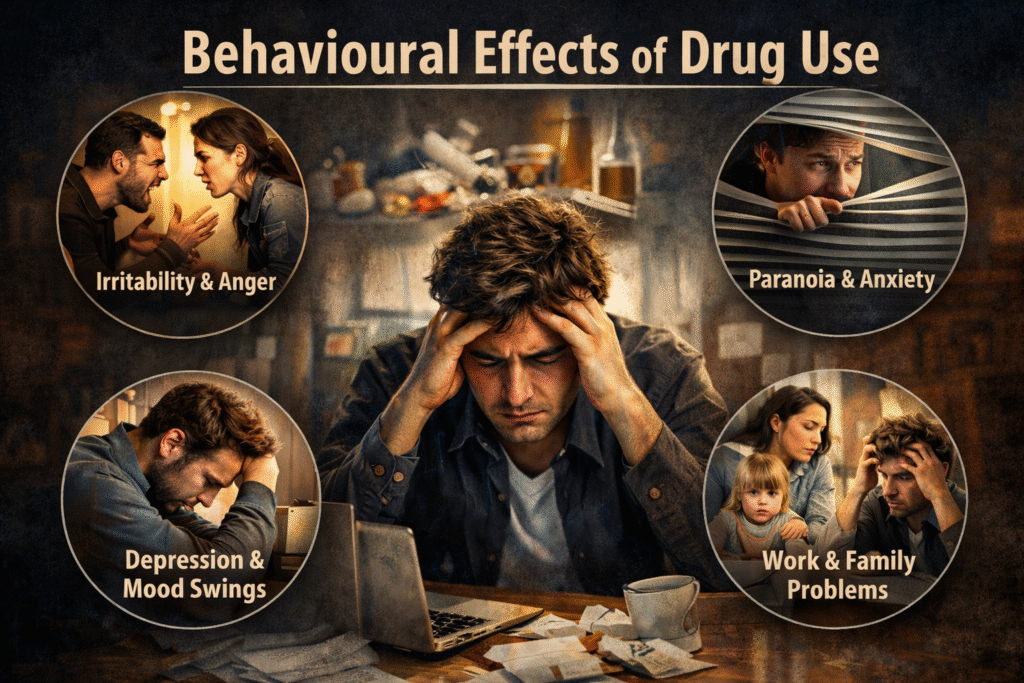
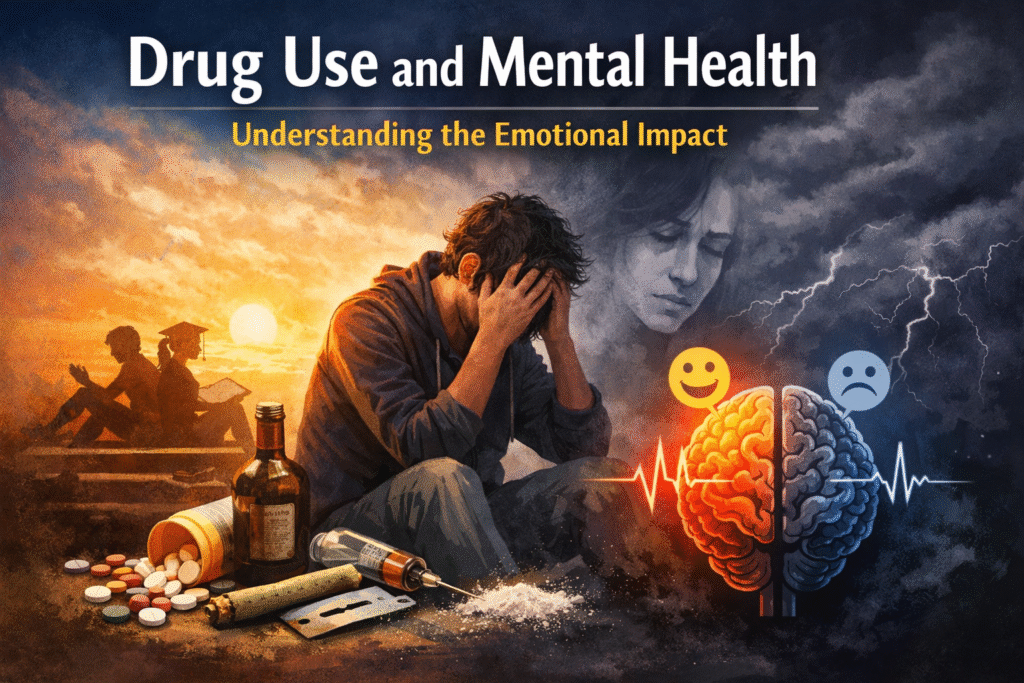
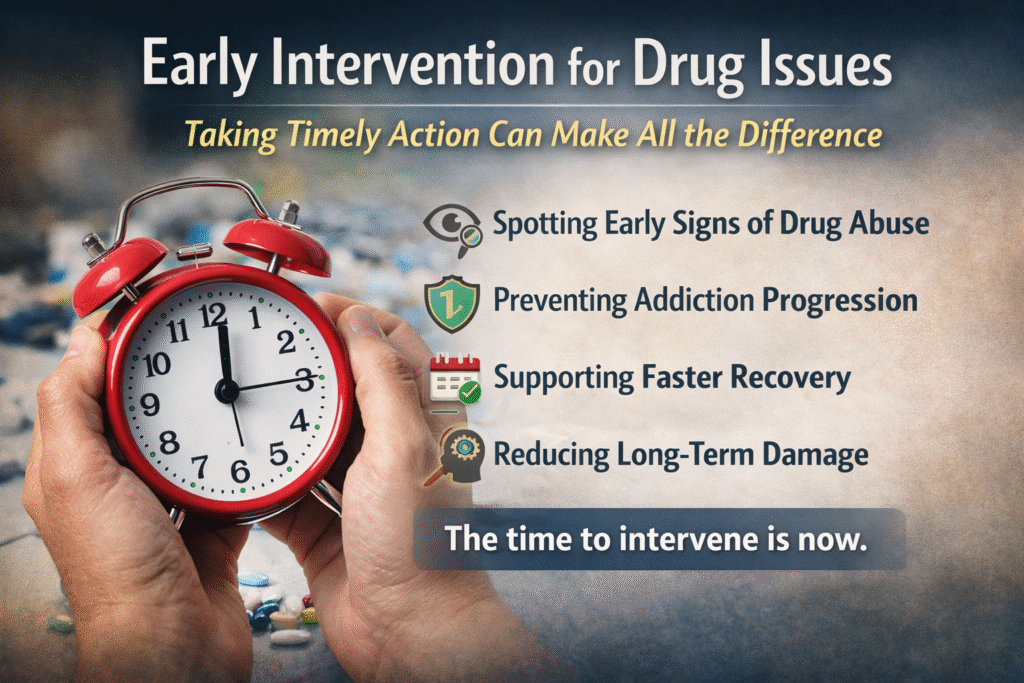
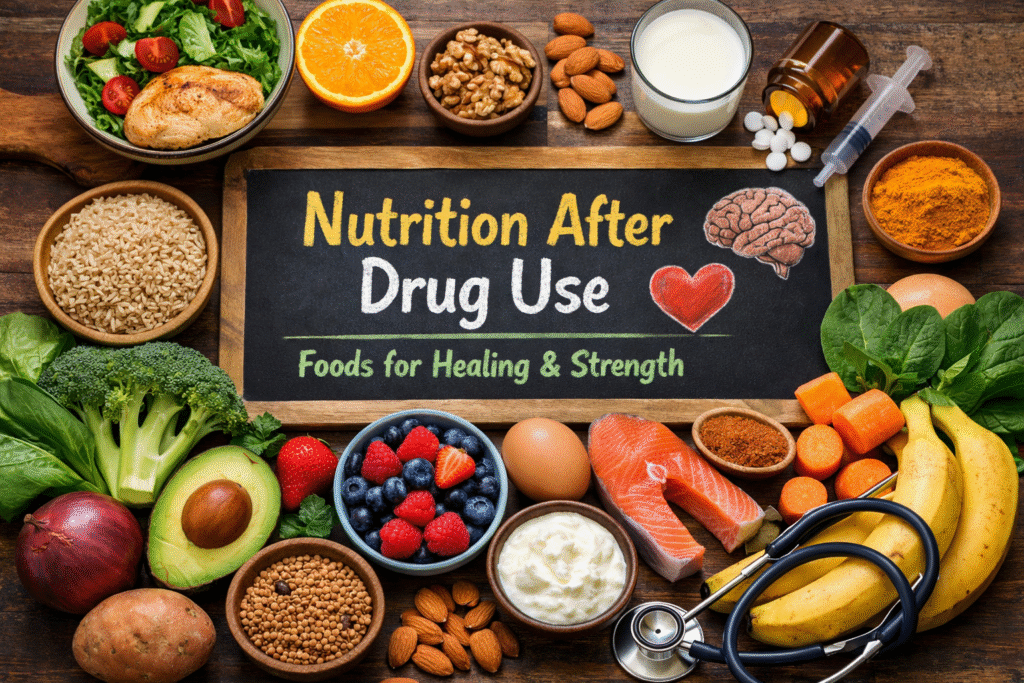
Addiction recovery is not limited to counseling and detox alone. The body undergoes significant physical damage during prolonged drug use, affecting organs, immunity, digestion, and energy levels. Nutrition After Drug Use plays a critical role in restoring physical strength, mental clarity, and emotional balance. At Sanchit Rehab Centre in Gwalior, structured programs ensure that Nutrition After Drug Use is carefully planned to support holistic healing and long-term recovery. For small business owners, whether managing their own recovery or supporting an employee or family member, understanding the importance of proper nutrition can make recovery more stable, productive, and long-lasting. Rehabilitation becomes more effective when the body is nourished correctly. This article explores how nutrition supports healing after drug use, which foods strengthen recovery, and how structured dietary care complements treatment in Nasha Mukti Kendras. Why Nutrition After Drug Use Is Essential for Recovery Drug use disrupts the body’s natural balance. Poor appetite, dehydration, vitamin deficiencies, and digestive issues are common during and after substance abuse. Effects of Drug Use on the Body Long-term drug use often leads to: Weakened immune system Muscle loss and fatigue Digestive disorders Hormonal imbalance Mental fog and mood swings Nutrient deficiencies Without proper nutrition in addiction recovery, these problems slow down healing and increase relapse risk. How Nutrition Supports Addiction Recovery Food is not just fuel—it is medicine for recovery. A balanced diet repairs tissues, stabilizes mood, and restores energy. Key Benefits of Proper Nutrition After Drug Use Repairs damaged organs and tissues Improves brain function and focus Reduces cravings and withdrawal discomfort Stabilizes blood sugar and mood Boosts immunity and physical strength This is why diet for drug recovery is a core part of modern rehabilitation programs. Role of Nutrition in Nasha Mukti Kendras Many Nasha Mukti Kendras now integrate structured nutrition plans alongside therapy and peer support. How Nutrition Is Managed in Rehabilitation Centers Rehab centers focus on: Regular, balanced meals Hydration support Vitamin and mineral restoration Gut health improvement Energy-boosting foods Proper nutrition accelerates detox recovery and prepares individuals for long-term sobriety. Foods for Addiction Recovery That Support Healing Choosing the right foods helps the body rebuild faster and regain strength. 1. Protein-Rich Foods for Tissue Repair Protein helps rebuild muscles, repair organs, and support brain function. Best protein sources: Eggs Lentils and beans Paneer and tofu Milk and yogurt Nuts and seeds Protein is essential in foods for addiction recovery to restore physical strength. 2. Whole Grains for Energy and Stability Whole grains provide slow-release energy and stabilize blood sugar levels. Recommended options: Brown rice Oats Whole wheat roti Millets Stable energy reduces fatigue and emotional ups and downs. 3. Fruits and Vegetables for Detox and Immunity Fruits and vegetables supply antioxidants, fiber, and vitamins. Best choices include: Leafy greens Carrots and beetroot Citrus fruits Apples and bananas Seasonal vegetables These foods help flush toxins and strengthen immunity. 4. Healthy Fats for Brain Healing The brain is often most affected by drug use. Healthy fats support cognitive recovery. Sources of healthy fats: Nuts and seeds Groundnut and mustard oil Avocado Fish (if non-vegetarian) Healthy fats improve focus, memory, and emotional stability. Vitamins and Minerals Essential After Drug Use Drug abuse depletes key nutrients that must be restored. Important Nutrients for Recovery Vitamin B-complex: Improves energy and nerve health Vitamin C: Boosts immunity and tissue repair Magnesium: Reduces anxiety and muscle cramps Iron: Improves stamina and oxygen flow Zinc: Supports immunity and healing A nutrition-rich diet reduces dependency on supplements over time. Gut Health and Digestion After Drug Use Digestive problems are common after addiction. How to Restore Gut Health Eat fiber-rich foods Include curd or probiotics Avoid oily and processed foods Drink plenty of water Eat small, frequent meals A healthy gut improves nutrient absorption and emotional balance. Foods to Avoid During Recovery Certain foods can worsen cravings, mood swings, and fatigue, which is why Nutrition After Drug Use must be carefully planned. Proper Nutrition After Drug Use focuses on avoiding trigger foods, as poor Nutrition After Drug Use can increase emotional imbalance, while balanced Nutrition After Drug Use helps control cravings, stabilize mood, and reduce recovery-related fatigue. Foods to Limit or Avoid Excess sugar Junk and processed foods Excess caffeine Deep-fried snacks Carbonated drinks Avoiding these supports a smoother recovery process. Diet for Drug Recovery and Daily Routine Consistency matters more than perfection. Simple Daily Nutrition Routine Start the day with warm water and fruits Balanced breakfast with protein and grains Light, nutritious lunch Healthy snacks like fruits or nuts Early, light dinner Routine eating helps stabilize both body and mind. Why Nutrition Matters for Small Business Owners Addiction recovery affects productivity, decision-making, and workplace stability, which is why Nutrition After Drug Use plays a crucial role. Proper Nutrition After Drug Use supports mental clarity and energy levels, while consistent Nutrition After Drug Use improves focus and performance. When workplaces recognize the importance of Nutrition After Drug Use, recovery becomes smoother, productivity increases, and long-term workplace stability is strengthened. Business Benefits of Supporting Nutrition in Recovery Faster physical recovery Improved focus and performance Reduced absenteeism Better emotional regulation Long-term employee retention Supporting nutrition after drug use is an investment in human capital. Nutrition and Relapse Prevention Hunger, fatigue, and low energy increase relapse risk. Proper nutrition: Reduces cravings Improves sleep quality Enhances stress tolerance Strengthens emotional control This makes nutrition a silent but powerful relapse-prevention tool. Summary: Nutrition After Drug Use Builds Strength and Stability Nutrition After Drug Use is a foundation of successful recovery. The right foods repair the body, strengthen the mind, and support emotional balance. Combined with therapy and peer support, nutrition improves long-term outcomes in Nasha Mukti Kendras and beyond. For small business owners, prioritizing nutrition in recovery leads to healthier individuals, stronger teams, and a more stable work environment. Frequently Asked Questions (FAQs) 1. Why is nutrition important after drug use? Nutrition helps repair physical damage, restore energy, stabilize mood, and reduce cravings, making recovery stronger and more sustainable. 2. What are the best foods