Author name: Atul Manori

Blog

Nasha Mukti Kendra in Ghaziabad | Best De-Addiction & Rehab Centre

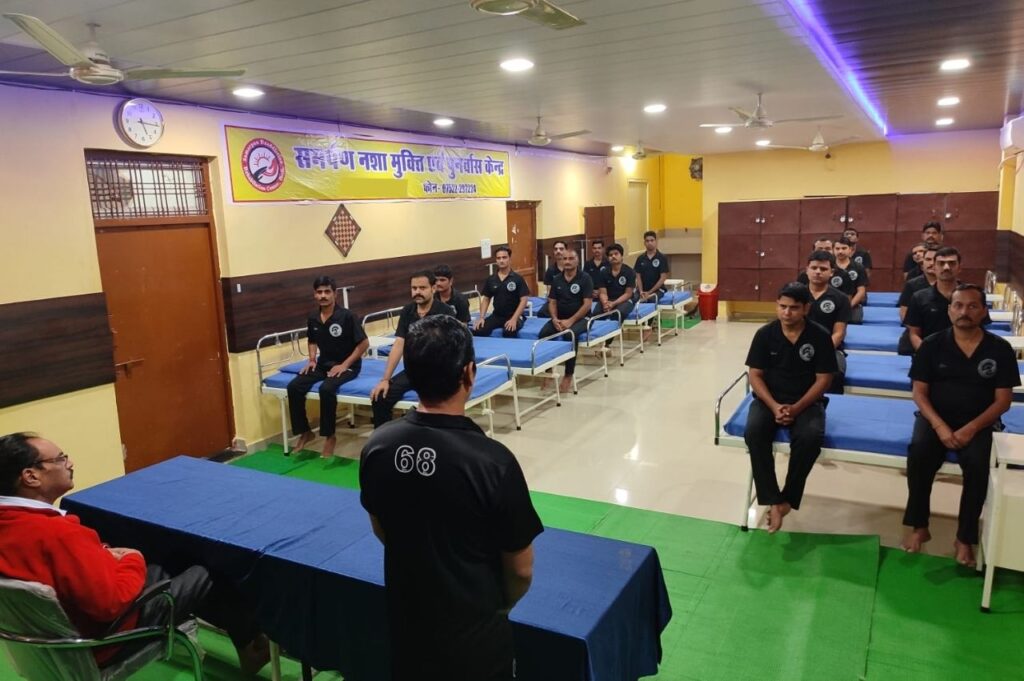
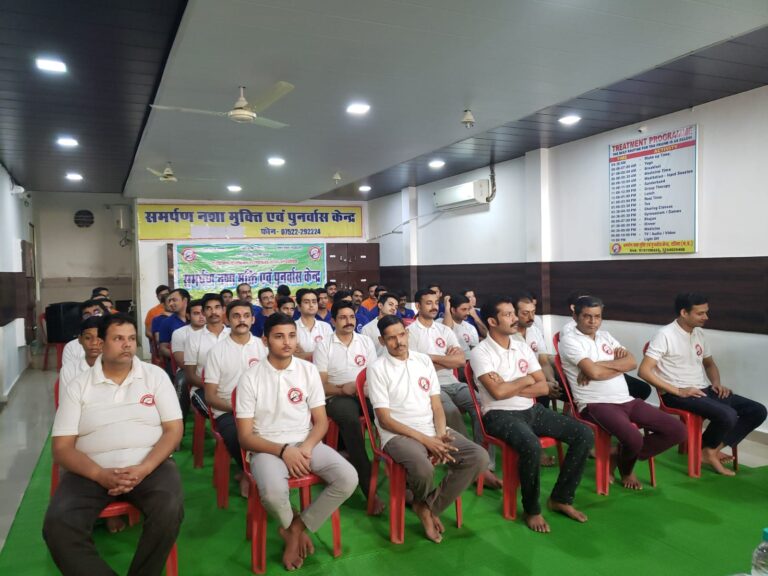
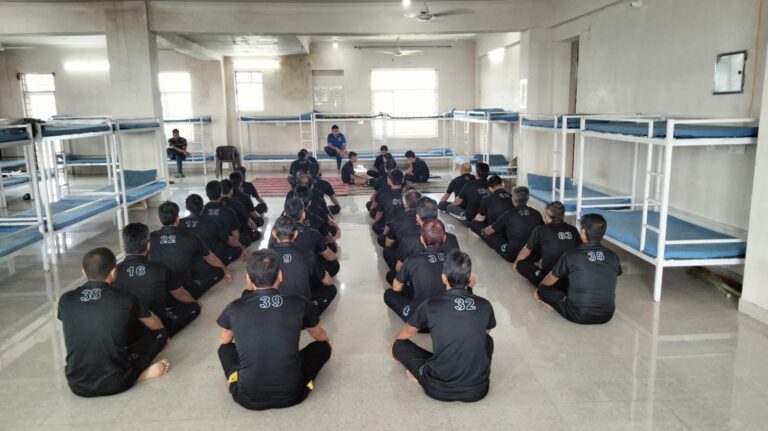
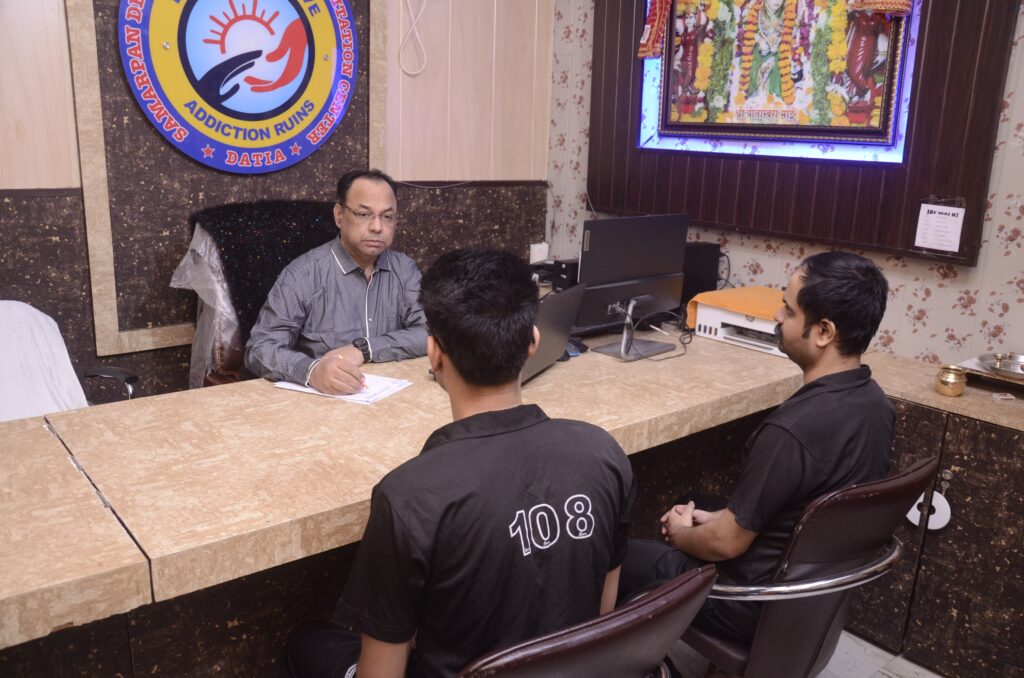
Ghaziabad sits right at the edge of Delhi. It has the intensity of the capital — the traffic, the industry, the pressure — without many of the safety nets. Addiction is a quiet but serious problem here. Industrial workers, college students, young professionals — no group is immune. And because Ghaziabad sits in the shadow of Delhi, it also shares Delhi’s challenges: easy access to substances, social pressure, and a culture where asking for help feels like weakness. If you are searching for a Nasha Mukti Kendra in Ghaziabad, this guide will give you straight answers. What to look for. What treatment involves. And why so many families from this region choose Sanchit Nasha Mukti Kendra for their loved one’s recovery. Nasha Mukti Kendra in Ghaziabad — What You Need to Know Before choosing any centre, it is worth understanding what a Nasha Mukti Kendra is and how the treatment actually works. It is not just a place to stop using substances. It is a structured medical, psychological, and behavioural recovery program — designed to treat the root of addiction, not just the surface. Why Addiction Is a Growing Problem in Ghaziabad Ghaziabad has grown fast. Its industrial zones, proximity to Delhi, and expanding population have created a complex urban environment where stress is high and support systems are thin. Alcohol abuse is the most common problem — especially among daily wage workers, factory employees, and those in the informal economy. But it does not stop there. Cannabis use among college students in areas like Vaishali, Indirapuram, and Raj Nagar is rising steadily. Prescription drug misuse and synthetic substance abuse are also being reported more frequently. Young people in Ghaziabad are especially vulnerable — between peer pressure, easy substance access, and limited awareness about addiction as a medical condition. One more layer complicates things: stigma. Many Ghaziabad families wait too long to seek help — afraid of what neighbours, relatives, or employers might think. That delay can turn a manageable problem into a life-threatening one. Knowing the early signs of drug or alcohol addiction is the first step toward acting early. Our Approach At Sanchit Nasha Mukti Kendra in Ghaziabad, recovery is treated as a structured and continuous healing process focused on medical care, emotional recovery, and lasting behavioural change. Our approach is designed to help individuals recover safely, regain control, and build a stable addiction-free life. 1.Personalised Assessment and Recovery Planning: Every individual is carefully assessed to understand their addiction history, mental condition, and recovery needs.Based on this, we create a personalised treatment plan for safe and effective long-term recovery. 2.Medical Supervision and Monitored Care: Our team provides regular medical supervision to ensure safe detoxification and physical stability during recovery.Continuous monitoring helps manage withdrawal symptoms and supports safe healing throughout treatment. 3.Individual and Group Counselling Sessions: We offer one-to-one counselling and guided group sessions to address emotional struggles and addiction triggers.These sessions help individuals improve self-awareness, emotional control, and positive thinking. 4.Family Guidance and Emotional Support: We support families with counselling and guidance to help them understand addiction and recovery better.This improves communication, emotional support, and family involvement during the healing process. 5.Yoga, Meditation, and Daily Discipline: Daily yoga and meditation help residents reduce stress, improve focus, and build inner emotional balance.A disciplined routine also helps create healthy habits and a more stable lifestyle. 6.Relapse Prevention and Post-Care Planning: Our relapse prevention program helps individuals identify triggers and prepare for life after treatment.Post-care planning ensures continued support, better stability, and stronger long-term recovery outcomes. This structured and supportive approach makes Sanchit a trusted Nasha Mukti Kendra in Ghaziabad for safe, professional, and lasting recovery. Our Services 1.Alcohol Addiction Treatment Program: Our alcohol addiction treatment program at sanchit nasha mukti kendra helps individuals recover from alcohol dependency through structured care and professional support.It focuses on safe recovery, emotional healing, and long-term control over alcohol addiction. 2.Drug Addiction Treatment Program: This program supports individuals struggling with drug abuse through guided treatment, counselling, and behavioural recovery.It helps break harmful dependency patterns and rebuild a stable, addiction-free lifestyle. 3.Nicotine Addiction Recovery Program: Our nicotine recovery program helps individuals overcome tobacco and smoking addiction through therapy and habit correction.It focuses on reducing cravings, improving discipline, and building healthier daily routines. 4.Cannabis Addiction Recovery Program: This rehabilitation program helps individuals recover from cannabis dependency through counselling and mental wellness support.It improves emotional balance, mental clarity, and overall lifestyle stability after addiction. 5.Opioid Addiction Treatment Program: Our opioid treatment program provides structured care for individuals facing opioid dependency and withdrawal challenges.It supports safe recovery, relapse prevention, and long-term rehabilitation with professional guidance. Our Facility At Sanchit Nasha Mukti Kendra Ghaziabad, we believe that a safe, structured, and comfortable environment plays a vital role in successful recovery. Our facilities are designed to support physical health, mental stability, and emotional healing while maintaining privacy, dignity, and proper hygiene. As a trusted Nasha Mukti Kendra in Ghaziabad, we ensure that every facility is managed with professional care, cleanliness, and continuous support. 1.Residential Accommodation: We provide clean, safe, and comfortable residential rooms designed to create a peaceful and stress-free recovery environment.Our accommodation helps residents feel secure, relaxed, and focused throughout their healing journey. 2.24/7 Supervised Care: Our trained staff is available 24/7 to provide immediate support, safety, and continuous supervision to every resident.Round-the-clock care ensures discipline, comfort, and timely assistance during every stage of recovery. 3.Medical Support & Monitoring: We provide regular medical supervision and health monitoring to support safe detox and physical recovery.This helps manage withdrawal symptoms, maintain health stability, and ensure proper care throughout treatment. 4.Counselling & Therapy Rooms: Our private counselling and therapy rooms offer a calm and confidential space for emotional healing and recovery sessions.These sessions help residents manage stress, understand addiction, and build a healthier mindset. 5.Yoga & Meditation Area: We offer a dedicated yoga and meditation space to support mental peace, emotional balance, and inner strength.Daily practice helps reduce anxiety, improve focus, and promote discipline during recovery. 6.Gym & Sports: Our gym and

Nasha Mukti Kendra in Bhilwara
Blog

Nasha Mukti Kendra in Rewa — Vindhya’s Coal Belt and Its Growing Addiction Problem

Rewa is best known as white tiger country — the rare white tigers of Rewa’s Govindgarh palace are the origin of all white tigers in the world’s zoos. The city is the administrative and commercial centre of MP’s Vindhya region — a plateau that stretches from Rewa through Satna, Sidhi, and Singrauli to UP’s eastern border. The Vindhyan belt’s economy is dominated by coal, limestone, cement, and agriculture — and its workforce carries a significant, underserved addiction problem. When Rewa families search for a nasha mukti kendra, they find Laksh’s template page (based in UP, no Rewa presence) and Samarpan’s keyword listing. Neither is a real option. Sanchit Nasha Mukti Kendra in Gwalior — 5 hours by road, government-registered in MP, with a proven 6,000+ recovery track record — is the real option for Vindhya belt families. The Vindhyan Belt’s Addiction Profile Rewa’s industrial belt — the Vindhya Nagar power stations, the Satna cement plants, the coal operations that extend to Singrauli — employs a large workforce in shift-based, physically demanding environments. The post-shift alcohol culture of industrial workers is identical across every Indian industrial belt — and Rewa’s is no exception. Long-standing alcohol dependency in this workforce is significant and underreported. Rewa’s agricultural hinterland — the farming communities of Teonthar, Mauganj, Hanumana, and surrounding tehsils — shows the same agricultural distress-driven alcohol dependency as the wider Vindhyan and Bundelkhand belt. Mahua consumption, debt cycles, and chronic economic uncertainty are the drivers. The Rewa-Sidhi corridor also shows opioid exposure patterns that the Sanchit team has treated extensively. Why Rewa Has a Growing Addiction Problem Addiction in Rewa is increasing due to a mix of industrial lifestyle pressures, rural economic stress, and easy access to substances. The Vindhya region’s work culture and social patterns often normalize alcohol use, which gradually turns into dependency. Lack of awareness and delayed treatment further worsen the situation, making addiction a silent but growing crisis. Key Reasons: Long and stressful shift-based jobs in coal, cement, and industrial sectors Financial pressure and uncertainty in farming communities Social acceptance of alcohol, especially among workers Easy availability of alcohol, opioids, and local substances like mahua Limited access to proper, government-registered rehab centres Lack of awareness that addiction is a medical condition, not a habit Myths About Addiction in Rewa & Rural India In regions like Rewa and other rural areas, addiction is often misunderstood due to deep-rooted social beliefs and lack of awareness. Many families treat it as a habit or weakness rather than a medical condition, which delays proper treatment. These misconceptions make recovery more difficult and prevent people from seeking help at the right time. Common Myths: “Willpower alone is enough to quit addiction” “Alcohol addiction is not a serious problem” “Addiction only happens due to bad company” “Rehab centres are only for extreme cases” Fear of “what will people say” stops families from seeking help “A person can recover at home without medical treatmen Our Approach for Rewa Patients Sanchit’s senior psychiatrist assesses every Rewa patient on Day 1 — substance type, duration, physical health, mental health history, and the occupational and social context the patient comes from. A personalised treatment plan is built before detox begins. For coal sector workers, this involves understanding shift schedules and the specific social pressures of an industrial workforce community. For farming families, it involves the Vindhyan agricultural context. The CBT counselling program addresses the specific thought patterns of the Vindhyan patient: the fatalism common in chronically stressed communities (“there is no point stopping — life will still be this hard”), the masculine identity norms of the coal belt workforce, and the specific shame of a Rewa family that has watched a member’s addiction for years while trying to manage it privately. Recovery from these specific patterns is achievable. Sanchit has done it thousands of times. Services at Sanchit Nasha Mukti Kendra Medical Detox — supervised withdrawal management for all substance types. Alcohol, opioids, cannabis, prescription drugs. 24/7 nursing with daily doctor review. Dangerous withdrawal symptoms are managed medically — not endured through willpower. Individual Counselling (CBT) — sessions calibrated to the Vindhyan coal belt context: industrial worker occupational stress, agricultural distress patterns, and the specific cognitive frameworks around hopelessness and fatalism that drive addiction in economically stressed communities. Group Therapy — daily structured peer sessions. Hearing recovery stories from others in similar situations — industrial workers, farming community members, UP-MP belt families — breaks the isolation that addiction thrives in. Family Counselling — video call between visits and in-person on visiting days. For Rewa families, Sanchit’s team helps families understand enabling patterns and prepare practically for the patient’s return to the Vindhyan environment. Aftercare — written Rewa-specific plan covering the coal belt occupational context, agricultural stress calendar, specific social triggers, and follow-up counselling schedule. Built before every discharge. Addictions Treated — Rewa and Vindhya Belt Addiction Rewa / Vindhya Context Treatment at Sanchit Alcohol Dependency Most common — coal belt + agricultural Medical detox + CBT + relapse prevention Opioids / Smack Present — Rewa-Sidhi-UP corridor Medical detox + 60–90 day residential Cannabis / Ganja Widespread — youth and workers CBT + group therapy + family guidance Drug Addiction Rising in urban Rewa Residential detox + behavioural therapy What Sanchit Offers Rewa Families No genuine residential rehabilitation centre exists in Rewa. The template pages appearing in search results are phone numbers with no physical Rewa presence. Sanchit is real, registered by the MP government, and accessible in 5 hours. The team has treated hundreds of patients from the Vindhya belt across two decades. ✅ MP Govt-Registered and State-Certified ✅ 6,000+ Recoveries Including Rewa and Vindhya Belt Patients ✅ Full-Time Senior Psychiatrist — 24/7 Medical Supervision ✅ 5 Hours from Rewa — Pickup Arranged from Rewa ✅ Coal Belt and Agricultural Context — Team Experience ✅ Vindhya-Specific Aftercare Plan Before Every Discharge ✅ VIP AC | Private AC | Sharing Ward Options Contact Sanchit Nasha Mukti Kendra — Rewa Helpline Rewa Helpline — 24 Hours, 7 Days 📞 Primary

Blog

Nasha Mukti Kendra in Singrauli — India’s Coal Capital and Its Alcohol Crisis

Singrauli is India’s energy capital — home to NTPC’s Vindhyachal super thermal power station, Sasan Power’s ultra-mega plant, and one of India’s most extensive open-cast coal mining operations. The district produces a significant share of India’s coal-based electricity. It also has some of the country’s most severe occupational health challenges — coal dust exposure, explosion risk, underground work environments — and one of MP’s highest alcohol dependency rates in any industrial district. When Singrauli families search for a nasha mukti kendra, they find the same template pages as every other MP city — Samarpan’s Jhansi number, Laksh’s UP listing. Neither is a real option. Sanchit in Gwalior — 7 hours by road via Rewa — is the nearest genuine MP govt-registered residential rehabilitation centre for coal belt families. Coal Belt Addiction — The Industrial Hazard Context Working in a coal mine or at a thermal power plant involves physical danger at a level most occupations do not carry — underground explosions, equipment accidents, chronic coal dust inhalation causing pneumoconiosis, and the psychological weight of working in environments where serious injury or death is a real daily possibility. Alcohol dependency in this workforce is not surprising. It is the predictable medical outcome of extreme occupational stress combined with easy access and a peer culture where drinking is the universal coping mechanism. Singrauli’s tribal communities face a separate but equally serious context. The Gond, Baiga, and Kol communities displaced by coal projects have lost land, forests, and livelihoods that formed the basis of their entire existence. Displacement trauma — combined with cash compensation that provides income without structure — has created severe alcohol dependency in displaced tribal populations. Sanchit’s counselling team addresses displacement trauma as a specific driver of addiction in this population. Why Addiction is Rising in Singrauli’s Coal Industry Addiction in Singrauli’s coal industry is rising mainly due to the intense pressure of working in mines and power plants. Workers face long hours, dangerous conditions, and constant stress, which leads many to use alcohol or substances as a way to cope. Over time, what starts as occasional use becomes a habit and then dependency. Easy availability of alcohol and a culture where drinking is common further make the problem worse. Another reason addiction is increasing is the lack of awareness and delayed treatment. Many workers and families do not recognise early signs of addiction and consider drinking as normal after a hard day’s work. Because of stigma and fear of “log kya kahenge,” people avoid seeking help until the situation becomes serious. By that time, dependency is stronger and harder to control, making proper medical treatment and rehabilitation necessary. Displacement & Tribal Community Addiction Crisis Sanchit Rehab treats coal belt addiction through a structured program that combines medical care with psychological support. The process begins with medically supervised detox to safely manage withdrawal symptoms, followed by counselling and therapy sessions that address the root causes of addiction such as stress, trauma, and work pressure. Special focus is given to the mindset of industrial workers, helping them replace harmful coping habits with healthier alternatives. With regular monitoring, group support, and personalised recovery plans, the approach ensures both physical recovery and long-term mental stability. Our Approach for Singrauli Patients The senior psychiatrist at Sanchit has clinical experience with both the industrial worker and displaced tribal population patterns from central India’s coal belt. The treatment program starts with medically supervised detox — critical for serious long-duration alcohol cases — and moves through individual CBT counselling that addresses the occupational identity of coal workers and the displacement trauma of tribal patients, group therapy, family sessions, and a structured 30–90 day residential stay. For Singrauli’s mine workers specifically, the CBT program addresses the specific cognitive framework of “dangerous work requires release” — the rationalisation that physical danger justifies alcohol consumption. This framework keeps dependency invisible until it becomes severe. Breaking it clinically requires both the neuroscience of addiction (what alcohol actually does to the brain) and the occupational psychology of industrial workers (how to find alternative release and community). Services at Sanchit Nasha Mukti Kendra Medical Detox — alcohol, opioid, and cannabis withdrawal managed under 24/7 clinical supervision. For Singrauli’s heavy drinkers with long duration dependency, seizure prevention and cardiac monitoring are standard elements of the detox protocol. Individual CBT — coal belt occupation-calibrated sessions. Occupational identity, industrial peer culture, displacement trauma (for tribal patients), and the specific cognitive patterns driving addiction in Singrauli’s workforce. Group Therapy — peer sessions daily. For mine workers — who typically come from cultures where emotional expression is not sanctioned — the facilitated group setting creates a structured space for the first honest conversation about addiction. Family Counselling — video call and visiting days. For Singrauli families specifically, family sessions cover the occupational context so that the family understands the specific pressure environment the patient is returning to. Aftercare — written Singrauli-specific plan covering the coal belt occupational context, displaced tribal community stressors, specific social triggers, and follow-up counselling schedule. Addictions Treated — Singrauli Coal Belt Addiction Singrauli Context Treatment at Sanchit Alcohol Dependency Severe — coal miners, power plant workers Medical detox + CBT + coal belt aftercare Cannabis / Ganja Widespread — tribal and worker populations CBT + group therapy + family guidance Drug Addiction Rising — displacement trauma population Residential detox + trauma-informed therapy Prescription Drug Misuse Growing in industrial staff Supervised tapering + psychiatric support What Sanchit Offers Singrauli Families ✅ MP Govt-Registered and State-Certified ✅ 6,000+ Recoveries Including Coal Belt Patients ✅ Full-Time Psychiatrist — 24/7 Medical Supervision ✅ Coal Sector and Displaced Tribal Community Experience ✅ 7 Hours from Singrauli — Pickup Arranged Directly ✅ Sharing Ward for Mine Worker and Tribal Families ✅ Singrauli-Specific Written Aftercare Plan Contact Sanchit Nasha Mukti Kendra — Singrauli Helpline Singrauli Helpline — 24 Hours, 7 Days 📞 Primary +91-7828991573 📞 Alternate +91-8302102094 | +91-9755870972 📍 Centre Sanchit Nasha Mukti Kendra, Gwalior, MP — 390km / 7 hrs from Singrauli (via Rewa) ⏰ Hours 24 hours

Blog

Nasha Mukti Kendra in Morena — Chambal’s Closest City to Sanchit

Morena is the first Madhya Pradesh district you reach coming from Agra — 45km from Gwalior on the Agra-Gwalior National Highway. It is Chambal country — ravine terrain, agricultural communities, and a region whose historical association with dacoits has long concealed a more mundane but equally serious problem: alcohol and opioid dependency that has persisted across generations. For Morena families, Sanchit Nasha Mukti Kendra is not an outstation centre. At 45km, it is a one-hour drive — the closest MP city to Gwalior, and therefore the closest to India’s most accessible comprehensive residential rehabilitation centre. Same-day admission is not an aspiration for Morena families. It is a fact. The Chambal Belt’s Addiction Reality Morena district’s agricultural population — in Ambah, Porsa, Joura, and the ravine-adjacent villages — has a documented opioid history. Afeem was a traditional part of the Chambal belt’s social fabric: offered to guests, used as pain relief, consumed on occasions. Generations of this practice have produced chronic opioid dependency in communities where the substance is not perceived as harmful because its use has always been normalised. The clinical reality is the same regardless of the cultural framing. Long-term afeem use creates physical opioid dependency — the brain rewires, withdrawal becomes medically significant, and stopping without clinical support is both painful and dangerous. Sanchit’s medical team has treated Chambal afeem cases for over two decades and has specific experience with the withdrawal management and counselling approaches that work for this population. Our Team — Chambal-Experienced The senior psychiatrist at Sanchit has specific clinical experience with the opioid dependency patterns of the Chambal-Gwalior belt. The detox protocol for afeem patients — Buprenorphine-based management with daily doctor review and 24/7 nursing — is calibrated for the potency and duration patterns specific to this region’s afeem. This is not generic opioid detox applied to a local substance. The counselling team’s experience with Chambal’s social culture — the community honour dynamics, the masculine identity norms around endurance and strength, the specific shame associated with being seen seeking rehabilitation help — informs every session with Morena patients. Recovery that doesn’t account for this context is fragile. Recovery built on it is durable. Services at Sanchit Nasha Mukti Kendra Afeem and Opioid Detox — Buprenorphine protocols, 24/7 nursing, daily psychiatrist review. Chambal afeem cases require specific detox management that Sanchit’s team has delivered for hundreds of patients from this belt. Alcohol Detox — for Morena’s farming and working-class alcohol cases: seizure prevention medication, cardiac monitoring, and supervised withdrawal management. The 24/7 nursing means no withdrawal symptom goes unaddressed overnight. Individual CBT — Chambal culture-informed sessions. Addressing the honour dynamics, the masculine strength norms, and the specific cognitive patterns that make admitting addiction — and staying in recovery — harder in Chambal’s social context than in urban UP. Family Counselling — at 45km, Morena families can participate in person every visiting day. No other MP city has this advantage. Family sessions at Sanchit are some of the most practically accessible for Morena families specifically. Aftercare — written Morena and Chambal-specific plan covering afeem availability in village life, agricultural stress calendar, community social triggers, and follow-up counselling access. Addictions Treated — Morena and Chambal Region Addiction Morena / Chambal Context Treatment at Sanchit Alcohol Dependency Most common — all demographics Medical detox + CBT + relapse prevention Afeem / Opioids Significant — Chambal historical use Chambal-specific detox + 60–90 day residential Cannabis / Ganja Widespread in youth CBT + group therapy + family guidance Drug Addiction Rising in urban Morena Residential detox + behavioural therapy Why Morena Families Choose Sanchit The proximity alone makes Sanchit the clear choice — 45km, 1 hour, same-day admission possible, in-person family visits easy. No other comprehensive residential rehabilitation centre for MP families offers this distance advantage to Morena. The government registration, the 6,000+ track record, and the Chambal-specific clinical experience add the quality dimension to the proximity advantage. Sanchit does not need to be the only choice. It needs to be the right one. For Morena families dealing with afeem dependency, alcohol dependency, or any other addiction — the evidence, the registration, and the location all point to Gwalior. Here is how to evaluate any centre using the right criteria. ✅ MP Govt-Registered and State-Certified ✅ 6,000+ Recoveries Including Chambal and Morena Patients ✅ Just 45km — Closest MP City to Sanchit ✅ Afeem / Chambal Opioid Detox Expertise ✅ Same-Day Admission Available ✅ In-Person Family Visits — Most Practical of Any MP City ✅ VIP AC | Private AC | Sharing Ward Options Contact Sanchit Nasha Mukti Kendra — Morena Helpline Morena Helpline — 24 Hours, 7 Days 📞 Primary +91-7828991573 📞 Alternate +91-8302102094 | +91-9755870972 📍 Centre Sanchit Nasha Mukti Kendra, Gwalior, MP — just 45km / 1 hour from Morena ⏰ Hours 24 hours a day, 7 days a week — same-day admission available 📞 Call Now — Free Confidential Consultation Frequently Asked Questions Q1. What is the nearest Nasha Mukti Kendra from Morena? Sanchit in Gwalior — just 45km / 1 hour from Morena. Same-day admission. MP govt-registered. Call +91-7828991573. Q2. Is afeem addiction treatable? Yes. Afeem creates the same clinical opioid dependency as heroin. Medical detox followed by 60–90 days of residential rehabilitation is effective. Sanchit has Chambal-specific clinical experience with afeem cases. Q3. Can Morena families visit Sanchit regularly? Yes. 45km makes visiting days the most accessible of any MP city — a 45-minute drive, no overnight stay needed. Family counselling can be attended in person. Q4. Is treatment confidential from Morena’s Chambal community networks? Yes. Gwalior is a separate district. No community member in Morena will know about the treatment. Complete confidentiality in writing. Q5. How long does afeem detox take? Medical detox: 7–14 days. Full residential program: 60–90 days minimum for afeem dependency. Duration is set by the psychiatrist after the Day 1 assessment. Q6. Is there an affordable option for Morena’s farming families? Yes. Sharing ward options are available at Sanchit for working-class and farming families. Call for transparent pricing.

role of nasha mukti kendra
Blog

The Role of Nasha Mukti Kendra

De-addiction centers are a safe and supportive place for people struggling with addiction to receive proper treatment. They heal both the body and mind through detox, counselling, and medical support. Trained doctors and therapists at these centers counsel patients, identify the root cause of their problems, and help them quit addiction. They also restore their lives through yoga, meditation, and a positive routine. What is a Nasha Mukti Kendra A de-addiction center is a place where people suffering from addiction (alcohol or drugs) are treated. Here, trained doctors and counselors work together to help patients quit addiction through detox, counselling, and therapy. Simply put, it is a safe and supportive environment where people can rebuild their normal and healthy lives. These centers are run by a team of doctors, counselors, and nurses who provide detox counselling and life skills. Government centers are free, while private centers offer better facilities but higher fees. Patients can live drug-free lives after staying there for 15 days to  to 6 months. Facilities Provided in a Nasha Mukti Kendra De-addiction centers provide patients with a safe and comfortable environment where they receive proper care. Clean rooms, regular doctor check-ups, counselling sessions, and 24/7 support are available. Yoga, meditation, a healthy diet, and recreational activities also make recovery easy and effective. Key Benefits:  1. Structured treatment plan A structured treatment plan refers to a proper, step-by-step recovery process that is tailored to each patient’s condition. It includes a planned process of detox, counselling, therapy, and lifestyle changes. Simply put, it’s a clear roadmap that helps patients overcome addiction safely and effectively. 2.  Safe environment A safe environment means a place where patients can focus on recovery without fear or pressure. De-addiction centers have peaceful surroundings, supportive staff, and a positive atmosphere that makes patients feel mentally comfortable. Simply put, this environment makes recovery easier and reduces the chances of relapse. 3. Emotional support Emotional support is an important part of recovery where patients feel understood, listened to, and encouraged. Counselors and staff at de-addiction centers respect patients’ feelings and motivate them to stay strong in their quest for drug withdrawal. Simply put, this support keeps patients from feeling alone and helps them move forward with a positive mindset. 4. Expert guidance Expert guidance means that patients receive the right direction from trained doctors, counselors, and therapists during recovery. These experts understand the patient’s condition, create the best treatment plan, and guide them every step of the way. Simply put, expert guidance makes recovery safe, effective, and long-term successful. Role of Nasha Mukti Kendra in Treatment De-addiction centers provide a safe and supportive place for people struggling with addiction to receive proper treatment. They heal both the body and mind through detox, counselling, and medical support. Trained doctors and therapists at these centers counsel patients, identify the root cause of their problems, and help them quit addiction. They also restore their lives through yoga, meditation, and positive routines. Most importantly, de-addiction centers don’t just treat addiction; they also work to give a person a new lease on life. They make the recovery journey easy and long-term successful. These are some methods of treatment. 1. Detoxification Detoxification is an important step in gradually removing harmful substances like alcohol or drugs from the body. During this process, patients are kept under close medical supervision so that withdrawal symptoms can be safely handled. Simply put, detox cleanses the body and is the first step on the journey to recovery. 2. Counselling & Therapy Counselling and therapy are an important part of addiction recovery, where patients can share their feelings and problems. Trained counselors help them understand, handle stress, and strengthen their ability to quit. Simply put, this process heals the mind and helps a person move forward with positive thinking. 3. Medical Support Medical support is an essential part of a de-addiction center, where doctors and medical staff monitor the patient’s health. Treatment involves providing medications and helping the body recover safely. Simply put, it ensures that the patient’s recovery is safe, smooth, and effective. 4. Yoga & Meditation Yoga and meditation are an important part of the addiction recovery process, relaxing the mind and body. They reduce stress and anxiety and help patients gain control over their thoughts. Simply put, yoga and meditation strengthen a person’s mental state and support drug withdrawal. Challenges Faced by Nasha Mukti Kendra De-addiction centers face numerous challenges, such as the stigma (shame or fear) surrounding addiction in society. Many people hesitate to seek treatment, which delays recovery. Some patients drop out mid-treatment, and there is a risk of relapse. Also, a lack of trained staff and not enough family support make the recovery process difficult. 1. Social stigma Social stigma refers to people negatively thinking or judging someone because of their addiction. Many times, people avoid drug addiction centers due to fear or shame, worrying about what society will think. Simply put, this stigma delays recovery and prevents people from seeking help. 2. Lack of awareness Lack of awareness means people don’t have the right information about addiction and its treatment. Many people don’t know that de-addiction centers offer proper treatment and support, so they delay seeking help. Simply put, a lack of information becomes a major barrier to recovery. 3. Limited resources Limited resources mean that many de-addiction centers lack proper facilities, trained staff, or medical support. This can prevent patients from receiving the best treatment and slow the recovery process. Simply put, a lack of resources poses a major challenge to effective addiction treatment. The Future of Nasha Mukti Kendras in India The future of de-addiction centers in India is promising, as awareness and treatment facilities are improving alongside the rise in addiction cases. In the future, the use of modern methods like digital counselling, online therapy, and AI-based monitoring will increase, making it easier for people in remote areas to access treatment. Holistic approaches like yoga, meditation, and lifestyle-based healing are being strengthened, making long-term recovery possible. More centers

Blog

Nasha Mukti Kendra in Shimla — Himachal Pradesh’s Hill Capital and the Chitta Crisis

Shimla sits above the clouds, its colonial architecture set against pine forests, its Mall Road lined with tourists from April to October. The city is one of India’s most beautiful hill capitals — and it is dealing with the same chitta crisis that has swept through Punjab and spread into the Himalayan foothills. The families of Shimla, Solan, Kullu, Mandi, and Kangra are navigating a problem that has arrived in their hills with the same devastation it caused in Punjab’s plains. Families searching for a nasha mukti kendra in Shimla find thin options — a basic listing from Navajyoti India Foundation, a few NGO centres. This article provides the complete picture of what proper residential treatment involves for HP patients, and where to find it. Chitta in Himachal Pradesh — How It Reached the Hills Chitta — the synthetic opioid that has devastated Punjab — entered Himachal Pradesh through two main routes. The first is the Punjab-HP border: the Chandigarh-Shimla highway and the roads linking Una, Bilaspur, and Hamirpur to Punjab’s supply networks. The second is Kullu-Manali’s international tourism circuit, which has historically brought cannabis and increasingly hard drugs into HP’s hills. The result is that chitta is now present in Shimla’s own neighbourhoods, in Solan’s industrial areas, and in the apple-growing districts of Kinnaur and Shimla’s rural belt. Opioid addiction treatment — which chitta requires — is medically complex and demands a residential program with a full-time psychiatrist and clinical detox protocols. Why HP Families Need Treatment Outside the State HP’s chitta supply chain runs through the same hill villages where patients live, the same social networks they have known for years, and the same phone contacts saved before admission. Treating a chitta patient in Shimla or Chandigarh leaves them within reach of the supply. The moment they leave the centre, one call is enough to relapse. Gwalior removes that access entirely. It is 12–13 hours from Shimla — far enough that no HP dealer can reach the patient, no using friend can visit, no social network from the hill districts can exert pressure. This geographic separation is not logistical — it is clinical. HP’s Tourism Culture — Alcohol and the Other Side of the Hills Beyond chitta, Shimla’s tourism economy creates a specific alcohol exposure context. The city’s bars, hotels, and tourist infrastructure normalise heavy alcohol use across the October-to-April off-season when Shimla’s own residents relax after the tourist crush. Alcohol dependency in Shimla’s hospitality workforce is significant and underreported. Sanchit Nasha Mukti Kendra treats both alcohol and opioid dependency from HP with the same clinical thoroughness. Alcohol treatment is medically managed — including safe withdrawal from physical dependency — before the rehabilitation program begins. Addictions Treated — Shimla and HP Context Addiction Shimla/HP Status Treatment at Sanchit Chitta / Opioids Spreading rapidly — hill drug route Medical detox + 60–90 day residential Alcohol Dependency Common — tourism + hill culture Medical detox + CBT + relapse prevention Cannabis / Charas Widespread — HP malana culture CBT + group therapy + family guidance Drug Addiction Present in urban areas Residential detox + behavioural therapy Contact Sanchit Nasha Mukti Kendra — Shimla Helpline Shimla Helpline — 24×7 Available 📞 Primary +91-7489257221 📞 Alternate +91-7828991573 | +91-8302102094 📧 Email sanchitrehab@gmail.com 📍 Centre Sanchit Nasha Mukti Kendra, Gwalior, MP — ~12–13 hrs from Shimla 📞 Call Now — Free Confidential Consultation Frequently Asked Questions Q1. Is there a Nasha Mukti Kendra for Shimla families? Sanchit Nasha Mukti Kendra in Gwalior is the most accessible comprehensive option for HP patients. Call: +91-7489257221 Q2. Is chitta really present in Shimla? Yes. Chitta has spread from Punjab into HP’s hill districts through the Chandigarh-Shimla highway corridor and tourism routes over the past decade. It is now present in Shimla, Solan, Mandi, and Kullu districts. Q3. Why choose Gwalior over a Chandigarh centre? Chandigarh remains connected to HP’s supply chain. Gwalior breaks that connection entirely — the patient is outside HP’s entire drug and social network. For chitta specifically, this separation is the most critical clinical factor. Q4. How long does chitta treatment take? Minimum 60 days. Often 90 days for serious dependency. Duration is set by the doctor after the admission assessment. Q5. What aftercare is provided for Shimla patients? Structured aftercare with an HP-specific relapse plan — covering Shimla’s hill-district supply access and the patient’s specific social triggers before discharge.

Blog

Nasha Mukti Kendra in Shivpuri — Gateway to Chambal

Shivpuri is the gateway between Gwalior’s urban plateau and the Chambal ravine country. The city is known for Madhav National Park — one of MP’s oldest wildlife reserves — and for its position as the administrative centre of the Shivpuri-Chambal belt. It is also one of the most underserved MP cities for addiction treatment, despite its proximity to India’s most accessible comprehensive rehab centre: Sanchit in Gwalior, just 115km away. For Shivpuri families, the practical reality is this: Gwalior is 2 hours. Same-day admission is possible. Family visiting days require no overnight stay. And Sanchit is MP govt-registered, with 6,000+ proven recoveries and a medical team that has treated Chambal-Shivpuri belt patients for over two decades. The distance barrier that makes treatment feel difficult does not exist for Shivpuri families. Shivpuri’s Addiction Profile — Chambal Meets Vindhya Shivpuri sits at the junction of two addiction zones. From the north, the Chambal ravine belt’s afeem and opioid history extends into Shivpuri’s rural communities — the same patterns documented in Morena, Bhind, and Guna. From the south, the agricultural distress of the Vindhyan plateau’s farming communities creates alcohol dependency patterns identical to those in the broader Bundelkhand belt. The Saharia tribe — scheduled as a particularly vulnerable tribal group (PVTG) — is concentrated in Shivpuri district. Alcohol dependency within the Saharia community is severe and historically long-standing, driven by economic marginalisation, displacement from traditional land, and absence of alternative livelihood. Sanchit’s team has specific experience with tribal community patients from the Shivpuri-Guna belt and approaches their cases with culturally informed, sensitive counselling. Our Team and Services Sanchit’s clinical team is the same team treating patients from Gwalior, Morena, and the wider Chambal belt — the Shivpuri patient arrives with a context the team already knows. The medical detox is supervised by a resident psychiatrist with specific afeem and alcohol dependency experience from this regional belt. The counselling is delivered in a framework that respects Shivpuri’s Chambal social culture while addressing the addiction patterns clinically. Services include medically supervised detox for all substance types, individual CBT counselling (Chambal context-aware), daily group therapy, family counselling (in-person visiting practical at 2 hours), yoga and physical program, and a written Shivpuri-specific aftercare plan before every discharge. All services are under MP government registration and 24/7 psychiatric supervision. Addictions Treated — Shivpuri and Chambal-Gwalior Belt Addiction Shivpuri Context Treatment at Sanchit Alcohol Dependency Most common — agricultural + tribal Medical detox + CBT + aftercare Afeem / Opioids Significant — Chambal belt history Chambal-specific detox + 60–90 day residential Cannabis / Ganja Widespread in youth CBT + group therapy + family guidance Drug Addiction Present — highway NH-3 corridor Residential detox + behavioural therapy Why Shivpuri Families Have No Reason to Wait The barrier for most MP families seeking addiction treatment is either distance or lack of genuine quality options. For Shivpuri families, neither barrier applies. Sanchit is 2 hours away. It is the only real MP govt-registered comprehensive option accessible from Shivpuri. Same-day admission is practical. Family visits are practical. The only remaining barrier is the decision to call. ✅ MP Govt-Registered and State-Certified ✅ 6,000+ Recoveries Including Shivpuri and Chambal Belt Patients ✅ Just 115km / 2 Hours — Same-Day Admission Available ✅ Saharia Tribal Community Experience ✅ Afeem and Chambal Opioid Detox Expertise ✅ In-Person Family Visits — 2-Hour Drive from Shivpuri ✅ VIP AC | Private AC | Sharing Ward Options Contact Sanchit Nasha Mukti Kendra — Shivpuri Helpline Shivpuri Helpline — 24 Hours, 7 Days 📞 Primary +91-7828991573 📞 Alternate +91-8302102094 | +91-9755870972 📍 Centre Sanchit Nasha Mukti Kendra, Gwalior, MP — just 115km / 2 hours from Shivpuri ⏰ Hours 24 hours a day, 7 days a week — same-day admission available 📞 Call Now — Free Confidential Consultation Frequently Asked Questions Q1. What is the nearest Nasha Mukti Kendra from Shivpuri? Sanchit in Gwalior — 115km / 2 hours. Same-day admission possible. MP govt-registered. Call +91-7828991573. Q2. Does Sanchit treat Saharia tribal patients from Shivpuri? Yes. Saharia community patients are treated with culturally sensitive counselling. Displacement and economic marginalisation are addressed as addiction drivers alongside clinical treatment. Q3. Is afeem treatment available for Shivpuri patients? Yes. Chambal-specific afeem detox is one of Sanchit’s core capabilities. The team has treated this pattern from Morena, Shivpuri, and Guna for over two decades. Q4. Can Shivpuri families visit regularly during treatment? Yes. 2 hours makes visiting days the most practical after Morena. Family counselling in person is practical for every Shivpuri family. Q5. Is treatment affordable for Shivpuri’s agricultural families? Yes. Sharing ward options are available. Call for transparent, honest pricing with no pressure. Q6. What aftercare covers return to Shivpuri’s Chambal environment? Written Shivpuri-specific aftercare plan — afeem availability in village life, agricultural calendar, community social triggers, and follow-up schedule.

Nasha Mukti Kendra in Raipur
Blog

Nasha Mukti Kendra in Raipur — Chhattisgarh’s Coal Belt and Its Silent Addiction Crisis

Raipur became a state capital in 2000 when Chhattisgarh was carved out of Madhya Pradesh. In the two decades since, the city has grown rapidly — government offices, manufacturing plants, and a growing IT sector have pulled workers from across the state. Chhattisgarh’s coal and steel belt — Korba, Bhilai, Raigarh, and Durg — feeds thousands of workers through Raipur daily. And like every industrial capital with a large migrant and tribal workforce, Raipur carries a significant, largely silent addiction problem. Families in Raipur searching for a nasha mukti kendra in Raipur find very few credible options. This is the first serious English guide to addiction treatment for Chhattisgarh families — with honest information about what treatment involves, where to find it, and how Sanchit Nasha Mukti Kendra in Gwalior serves Raipur patients. What Is a Nasha Mukti Kendra — and Why Raipur Families Need to Know A proper Nasha Mukti Kendra is a residential medical treatment centre — not a counselling room or a place to “lock someone up.” It provides medically supervised detox, individual counselling, group therapy, CBT, and a structured aftercare plan, all delivered under the oversight of a qualified psychiatrist. The duration is typically 30–90 days for most cases. Raipur’s local options are limited in depth and medical infrastructure. For serious alcohol dependency with physical withdrawal symptoms, or opioid or drug addiction requiring professional detox, Sanchit Nasha Mukti Kendra in Gwalior — 6–7 hours by road or train — provides the complete residential program that these cases require. Chhattisgarh’s Coal Belt — Why Addiction Is a Worker’s Crisis Chhattisgarh is one of India’s top coal-producing states. The mines in Korba, Raigarh, and Surguja employ hundreds of thousands of workers in physically demanding, shift-based, underground and surface operations. Physical danger, irregular sleep cycles, and a post-shift culture of alcohol use are documented across India’s coal mining communities. Workers who live in company housing far from their families — especially in district mines — have limited social support. Alcohol becomes the most accessible coping mechanism. Over time, what starts as post-shift drinking becomes clinical dependency. These warning signs tell families when dependency has passed the point of self-management. Chhattisgarh’s Tribal Communities — A Different Addiction Profile Chhattisgarh’s tribal population — Gonds, Baiga, Korwa, and others — has a historical relationship with mahua, a fermented drink made from the mahua flower. In tribal communities, mahua is cultural. But chronic daily consumption over decades produces the same clinical alcohol dependency as any other form of long-term alcohol use. Sanchit Nasha Mukti Kendra’s counselling team is experienced with patients from diverse cultural and occupational backgrounds — including Hindi-speaking tribal communities from Chhattisgarh. Alcohol dependency treatment at Sanchit is personalised — the cultural context is part of the treatment plan, not ignored. What If My Family Member Refuses Help? Refusal is the most common obstacle Raipur families face. In Chhattisgarh’s working-class culture — especially in the mining and steel workforce — admitting addiction carries the additional stigma of appearing weak in a physically demanding profession. The patient resists admission convincingly, often insisting they can stop on their own. Sanchit Nasha Mukti Kendra’s counselling team guides families through structured approaches to this specific situation. Call +91-7828991573 — describe the patient’s resistance pattern, and the team will guide the most effective next step for the specific situation. Addictions Treated — Raipur and Chhattisgarh Context Addiction Raipur/CG Status Treatment at Sanchit Alcohol Dependency Most common — coal belt + tribal Medical detox + CBT + relapse prevention Cannabis / Ganja Widespread across communities CBT + group therapy + family guidance Drug Addiction Rising in youth Residential detox + behavioural therapy Opioids / Prescription Present in urban/industrial areas Medical detox + long-term residential Nicotine / Tobacco Very widespread Craving management + lifestyle coaching How Long Does Treatment Take? The duration depends on the addiction type and severity. Alcohol dependency: 30–60 days for moderate cases, 60–90 days for long-standing physical dependency. Opioid addiction: minimum 60 days, often 90 days. Cannabis and prescription drug cases: 30–45 days in most situations. The duration is always decided by the doctor after the full medical assessment at admission — not before. Families sometimes ask for a shorter stay to minimise disruption. The doctor sets the medically appropriate duration. Cutting it short significantly increases relapse risk. Medical detox is the non-negotiable first step in every case. Sanchit Nasha Mukti Kendra — Right for Raipur Families Sanchit Nasha Mukti Kendra is government-registered and state-certified in Madhya Pradesh — 6–7 hours from Raipur by road or the Raipur–Gwalior train route. The centre has 6,000+ successful recoveries including patients from Chhattisgarh, Jharkhand, and the Central India belt. Pickup from Raipur is available 24×7. Family counselling is integrated throughout the stay. Structured aftercare is built before every discharge. Sanchit Nasha Mukti Kendra ranks among India’s most trusted rehabilitation centres. ✅ Government-Registered and State-Certified ✅ 6,000+ Successful Recoveries Including Central India Patients ✅ Full-Time Psychiatrist — 24/7 Medical Supervision ✅ Raipur Pickup Available 24×7 ✅ Complete Confidentiality ✅ VIP AC Room | Private AC Ward | Sharing Ward Options Contact Sanchit Nasha Mukti Kendra — Raipur Helpline Raipur Helpline — 24 Hours, 7 Days 📞 Primary +91-7828991573 📞 Alternate +91-8302102094 | +91-9755870972 📧 Email sanchitrehab@gmail.com 🌐 Website sanchitrehab.com 📍 Centre Sanchit Nasha Mukti Kendra, Gwalior, MP — ~6–7 hrs from Raipur 📞 Call Now — Free Confidential Consultation Frequently Asked Questions Q1. Is there a reliable Nasha Mukti Kendra near Raipur? Sanchit Nasha Mukti Kendra in Gwalior — 6–7 hours away — is the most accessible comprehensive option for Chhattisgarh patients. Call: +91-7828991573 Q2. Why is addiction high in Chhattisgarh’s coal belt? Shift-based mining work, physical danger, migrant isolation, and normalised post-shift alcohol use are the documented drivers across India’s coal communities. The conditions are structural, not personal failures. Q3. What happens on Day 1 at Sanchit? Full medical assessment by the doctor. Personalised treatment plan built. Medically supervised detox begins within hours of arrival. Family receives a complete treatment timeline briefing. Q4. How long does

Blog

Nasha Mukti Kendra in Pune — Real Addiction Treatment for a City Under Pressure

Pune wears many faces. It is a university city. A tech hub. A startup capital. A place where ambition runs high and the pace never really slows down. But underneath all of that, something quieter is happening. Alcohol dependency among professionals. Cannabis use spreading through college campuses. Prescription drug misuse rising in the very population that looks most put-together. Pune’s addiction problem does not fit a single profile — and that is exactly what makes it easy to miss until it is serious. If you are looking for a Nasha Mukti Kendra in Pune — for yourself or someone you care about — this guide will give you clear, honest information. No exaggerated promises. Just what actually helps. Nasha Mukti Kendra in Pune — A Complete Guide It helps to start with the basics. What exactly is a Nasha Mukti Kendra and how does treatment work? The short answer — it is a structured, medically supervised rehabilitation program. It addresses the physical dependency, the psychological roots, and the behavioural patterns of addiction. It is not just about stopping. It is about understanding why the addiction started — and building a life that does not need it. Why Addiction Is a Real Problem in Pune Pune is one of India’s most educated cities. But education does not protect against addiction — and in some ways, the pressures of a high-achieving environment make it worse. Consider the IT professional working 60-hour weeks in Hinjewadi. The MBA student managing placement pressure. The young entrepreneur trying to build something from nothing. Stress finds a release — and for many, that release becomes a substance. Maharashtra Narcotic Control Bureau data consistently shows Pune among the top cities for drug-related cases in the state. Party drugs, alcohol, prescription benzodiazepines, and cannabis are the most commonly reported substances in urban Pune. Young people in Pune are especially at risk — college culture, peer pressure, and the normalisation of recreational drug use make it harder to recognise when casual use becomes a problem. The signs are worth knowing. These are the warning signs of addiction — and recognising them early is one of the most important things a family can do. Addictions Treated at a Nasha Mukti Kendra Addiction Type Pune Status Treatment Approach Alcohol Addiction Most common Medical detox + counselling + relapse prevention Drug Addiction (heroin, cocaine, MDMA) Rising in urban areas Residential detox + behavioural therapy + aftercare Cannabis / Marijuana Very common in youth CBT + group therapy + family guidance Prescription Drug Misuse Significant in professionals Medical detox + psychiatric support + therapy Opioid Dependency Growing concern Medical detox + pain management + long-term care Nicotine / Tobacco Widespread Craving management + lifestyle coaching Gambling Addiction Online betting rising Behavioural counselling + financial awareness How to Choose the Right Nasha Mukti Kendra in Pune Pune has several centres. But not all of them are equipped for serious, complex addiction cases. Our detailed guide on how to choose the right Nasha Mukti Kendra covers this fully. Here are the core things to check: Government Registration: The centre must be registered under the Mental Healthcare Act, 2017. Ask for the document. This is your basic legal protection. Qualified Medical Staff: Psychiatrists, MBBS doctors, and certified psychologists must be on the team — not just general counsellors. Residential Inpatient Care: For moderate to severe addiction, full-time residential treatment gives the best outcomes. The patient is removed from their triggering environment and given constant support. Holistic Program: Detox alone is not recovery. A complete program includes individual counselling, group therapy, CBT, yoga, life skills, and family work. Dual Diagnosis Capability: In Pune especially, many addiction cases co-occur with anxiety, depression, or burnout. The centre must be able to treat both together. Family Involvement: Recovery works better when family is properly included — not kept waiting at home with no information. Real Aftercare: What happens after discharge? If a centre cannot give you a clear answer, that is a red flag. Confidentiality: Full privacy must be guaranteed. No exceptions. What Treatment Looks Like — Step by Step Step 1 — The First Call You call. A trained team member listens without judgment. They ask about the situation — how long, what substance, what has already been tried. This conversation is free, private, and has no obligation. It is just a start. Step 2 — Medical Assessment On arrival, the patient goes through a complete evaluation — medical history, psychological assessment, addiction timeline, family background. The doctor, psychiatrist, and counsellor work as a team to design a personal recovery plan. Nothing is templated here. Step 3 — Medical Detoxification The body needs to physically clear the substance it has come to depend on. Withdrawal varies by substance. Alcohol and opioid withdrawal can be medically dangerous — involving seizures, cardiac stress, and severe anxiety. Cannabis withdrawal is less dangerous but deeply uncomfortable. All of it needs medical supervision. Never attempt detox at home without a doctor. Step 4 — Residential Rehabilitation Program This is where the patient begins to rebuild. A full daily schedule keeps the mind and body engaged, learning new patterns. Each day includes: Individual counselling and therapy Group therapy and peer support Cognitive Behavioural Therapy (CBT) Yoga and guided meditation Gym and physical fitness Motivational and awareness classes Indoor games and recreational activities Spiritual sessions — Sundar Kand, Hawan, Pooja Step 5 — Family Counselling Addiction reshapes families in damaging ways. Trust erodes. Communication breaks. Roles get distorted. Family counselling addresses all of this. At Sanchit, family sessions are a structured part of the program — not an afterthought. Loved ones learn how to be supportive without enabling, and how to prepare the home for the patient’s return. Step 6 — Aftercare and Relapse Prevention The first three months after discharge are the highest risk period for relapse. Structured aftercare — scheduled follow-up sessions, trigger management, and continued counselling — makes the difference between a lasting recovery and a cycle of relapses. The earlier treatment starts,

Nasha Mukti Kendra in Satna
Blog

Nasha Mukti Kendra in Satna — India’s Cement Capital and Its Workforce Addiction

  Satna is India’s cement capital — home to ACC, Prism Cement, JP Cement, and Ultra Tech’s Vindhyan operations. The district produces more cement than any comparable area in India, with massive limestone quarries and processing plants employing tens of thousands of workers across the Satna-Maihar-Amarpatan belt. This industrial workforce — physically demanding work, shift-based, dusty, and dangerous — carries one of the highest alcohol dependency rates of any industrial sector in central India. When Satna families search for addiction help, they find Samarpan’s Jhansi template and Laksh’s UP listing — neither has a physical Satna presence. Sanchit Nasha Mukti Kendra in Gwalior — 5.5 hours by road, MP govt-registered — is the only genuine comprehensive residential option for Satna and the wider Vindhya belt. Why Addiction is Rising in Satna’s Cement Industry Addiction is rising in Satna’s cement industry due to the harsh and demanding nature of the work. Long shifts, extreme heat, and physically exhausting conditions push workers toward alcohol as a way to relax and cope with stress. Over time, this habit becomes normalised within the workforce, turning occasional drinking into long-term dependency. Lack of awareness and limited access to proper treatment further worsen the situation. Key Reasons: Physically demanding work and extreme heat conditions Long, irregular shift timings causing mental fatigue Social drinking culture among workers Easy availability of alcohol near industrial areas Lack of awareness about addiction as a medical condition Limited access to proper rehabilitation support Complete Addiction Treatment Services at Sanchit Rehab Sanchit Rehab offers a structured and medically guided treatment program designed to address addiction at every stage — from detox to long-term recovery. Each patient receives personalised care based on their condition, background, and severity of addiction, ensuring safe and effective healing. Our Core Treatment Services: Medical Detoxification:Safe withdrawal from alcohol, drugs, or prescription medications under 24/7 medical supervision to manage symptoms and prevent complications. Individual Counselling (CBT-Based):One-on-one sessions focused on identifying root causes, changing negative thought patterns, and building healthier coping mechanisms. Group Therapy Sessions:Daily peer discussions that encourage sharing experiences, building accountability, and reducing feelings of isolation. Family Counselling & Support:Guidance for families to understand addiction, improve communication, and support long-term recovery at home. Holistic Healing Programs:Yoga, meditation, and daily routine practices to improve mental clarity, emotional balance, and discipline. Relapse Prevention & Aftercare:Structured post-treatment plans, follow-up counselling, and strategies to handle real-world triggers and avoid relapse. Personalised Treatment Plans:Every recovery journey is customised based on the patient’s addiction history, mental health, and lifestyle factors. Our Team and Your Treatment Sanchit’s senior psychiatrist and lead counsellor have treated patients from Satna, Maihar, Rewa, and across the cement belt for decades. The detox protocol is medically supervised — alcohol withdrawal, opioid detox, cannabis tapering — all managed by a resident doctor with 24/7 nursing support. Every patient’s treatment plan is built on Day 1 based on their specific case, not a template. The counselling program for Satna’s cement workers addresses the specific occupational identity — men who pride themselves on physical strength and endurance, for whom admitting addiction feels like admitting weakness. The CBT framework helps patients separate occupational strength from the necessity of clinical recovery — a distinction that is critical for this demographic to maintain recovery long-term. Services at Sanchit Nasha Mukti Kendra Medical Detox — alcohol, opioid, and prescription drug withdrawal under 24/7 clinical supervision. For Satna’s heavy drinkers — industrial workers with 15–25 years of daily drinking — the detox protocol includes seizure prevention, cardiac monitoring, and careful medication management. Individual CBT Counselling — sessions calibrated to the cement belt context: occupational identity, industrial peer culture, the specific economic context of shift work and piece wages, and the agricultural distress patterns of Satna’s farming communities. Group Therapy — daily peer sessions. For Satna’s working-class patients, the group context provides the first experience of honest conversation about addiction outside the family — and hearing others describe identical experiences is one of the most powerful therapeutic moments in the program. Family Counselling — video call between visits or in-person on visiting days. Satna families receive specific guidance on the occupational triggers that most threaten recovery and the family’s role in supporting the patient’s return to the cement belt environment. Aftercare — written Satna-specific plan covering the cement industry’s occupational stress calendar, post-shift drinking culture management, and follow-up counselling schedule built before every discharge. Satna’s Industrial Addiction Profile Cement manufacturing is physically punishing and mentally monotonous. The quarry workers, kiln operators, and transport workers who form Satna’s industrial base work in high-temperature, high-dust environments for shifts that exhaust the body. The post-shift alcohol normalisation in this workforce is structural — drinking is how stress is released, how community is built, and how the week ends in cement belt culture. This pattern, sustained over 10–20 years, produces severe physical alcohol dependency. Satna’s agricultural population in Nagod, Ramnagar, and Maihar blocks shows the same Vindhyan distress-driven alcohol dependency as Rewa and the wider Vindhya plateau belt. The pilgrim economy at Chitrakoot — Satna’s major religious site — adds a seasonal transient workforce population with its own risk profile. All three populations are treated at Sanchit with personalised, contextually informed programs. Addictions Treated — Satna and Cement Belt Addiction Satna Context Treatment at Sanchit Alcohol Dependency Most common — cement + quarry workforce Medical detox + CBT + industrial context aftercare Cannabis / Ganja Widespread — youth and workers CBT + motivational therapy + group sessions Opioids / Smack Present — Vindhyan corridor Medical detox + long-term residential Drug Addiction Rising in Satna urban youth Residential detox + behavioural therapy What Sanchit Offers Satna Families ✅ MP Govt-Registered and State-Certified ✅ 6,000+ Recoveries Including Cement Belt Patients ✅ Full-Time Psychiatrist — 24/7 Medical Supervision ✅ Cement / Industrial Workforce Counselling Experience ✅ 5.5 Hours from Satna — Pickup Arranged ✅ Affordable Sharing Ward for Working-Class Families ✅ Satna-Specific Written Aftercare Plan Contact Sanchit Nasha Mukti Kendra — Satna Helpline Satna Helpline — 24 Hours, 7 Days 📞 Primary +91-7828991573 📞 Alternate

Scroll to Top