
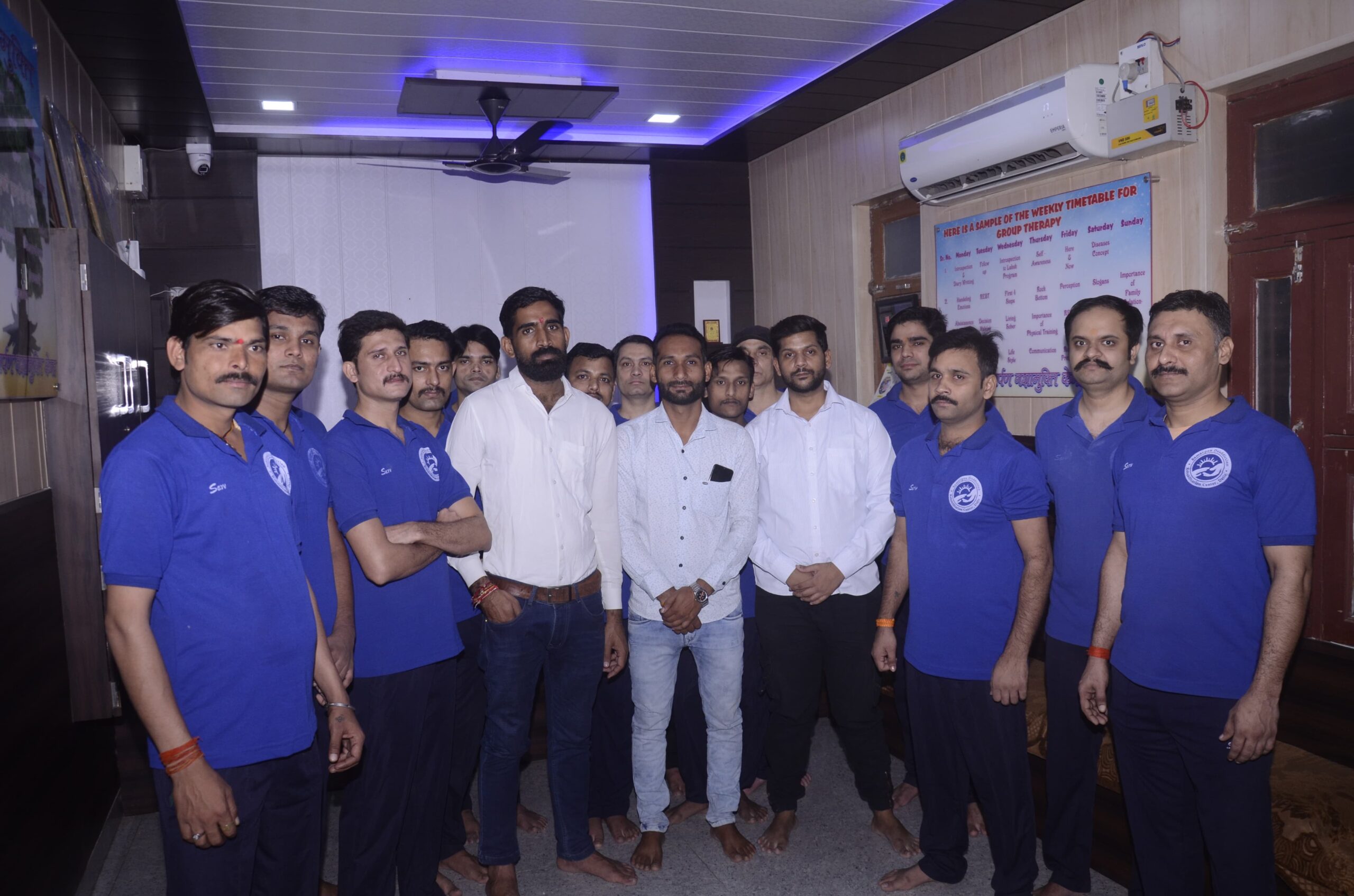
Nagaur is a growing district where many families are struggling with alcohol, tobacco, and drug addiction due to stress, changing lifestyles, and social pressures. Addiction not only affects health but also damages family relationships, work, and daily life. Sanchit Rehab is a trusted de-addiction and rehabilitation centre helping patients from Nagaur through personalised treatment, counselling, medical care, and long-term recovery support in a safe and confidential environment.
Sanchit Best Nasha Mukti Kendra in Nagaur
Nagaur is one of Rajasthan’s larger districts — a land of hardworking farmers, ancient forts, and strong community bonds. Life in Nagaur, especially in its many villages and smaller towns, is rooted in family, agriculture, and tradition. And yet, this very community is increasingly facing a challenge that it rarely speaks about openly: addiction.
Alcohol and tobacco have been part of rural life in Rajasthan for generations — socially accepted, easily available, and rarely questioned until they become a problem. But when consumption crosses the line into dependency, the consequences for a Nagaur family can be devastating: a farmer unable to work his land, a young man wasting away, a household torn apart by drinking and rage.
Sanchit Rehab understands the rural reality that many families in Nagaur live with. We have supported families from agricultural communities across Rajasthan, and we know how to approach recovery in a way that is respectful of local values while being genuinely effective. If your family needs help, we are here — without judgment, without shame, and with real expertise.
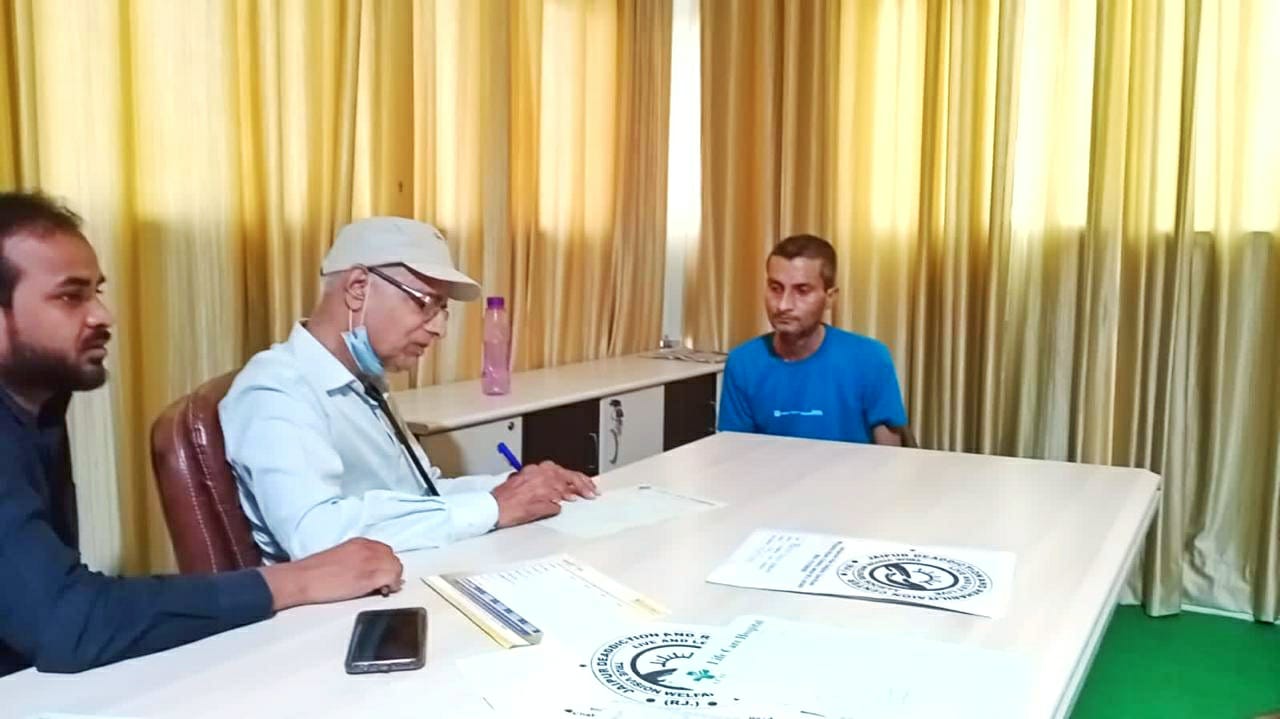
Our Services at Sanchit Nasha Mukti Kendra Nagaur Patients
1. Alcohol Addiction Treatment
Alcohol addiction in Nagaur often begins with socially sanctioned use and slowly deepens into physical dependency over years. By the time a family seeks help, the addiction may be severe — with the patient physically unable to function without alcohol, experiencing withdrawal symptoms when they try to stop, and suffering serious health consequences.
2. Tobacco and Gutkha De-Addiction
Tobacco addiction is arguably the most widespread and underestimated substance use problem in Nagaur. Gutkha, khaini, pan masala, bidi, and cigarettes are consumed by a significant portion of the adult male population — and increasingly by younger people as well. The health consequences are severe: oral cancer, throat cancer, cardiovascular disease, and lung damage.
3. Drug Addiction Treatment
While alcohol and tobacco remain the most common substances in Nagaur, drug use — particularly cannabis and in some cases opioids and synthetic drugs — is growing among younger people in the district. Our drug addiction treatment program provides comprehensive care for all types of drug dependency.
4. Medical Detoxification
For patients with significant physical alcohol or drug dependency, safe medical detoxification is the essential first step. Withdrawal from long-term alcohol use in particular can cause life-threatening complications if not medically managed. Our doctors are trained in addiction medicine and supervise every aspect of the detox process, monitoring vital signs continuously and intervening medically as needed to ensure patient safety.
5. Psychiatric Support
Depression, trauma, and anxiety are common among people with substance use disorders — and in rural communities like Nagaur, these mental health conditions are almost never properly diagnosed or treated. Many people self-medicate psychological pain with alcohol or tobacco, unaware that what they are experiencing is a treatable medical condition.
6. Counselling and Therapy
Individual and group counselling provide the psychological foundation of recovery at Sanchit Rehab. In a non-judgmental therapeutic setting, patients from Nagaur can speak honestly — many for the very first time — about the pressures, pain, and experiences that have shaped their addiction. Our counsellors are experienced in working with patients from rural and agricultural backgrounds and understand the specific life contexts of Nagaur families.
7. Family Counselling
In rural Nagaur, the family unit is central to life in a way that is perhaps even more important than in urban settings. When addiction damages a family, the effects ripple outward through the entire community. When a family heals together, that healing is also powerful and visible.
8. Relapse Prevention Program
For patients returning to rural Nagaur — where alcohol may be socially present in community events, where peer pressure is strong, and where the original stressors of agricultural life will still be present — a robust relapse prevention plan is absolutely essential.
9. Aftercare Recovery Support
Our aftercare program ensures that patients from Nagaur are never left to navigate recovery alone after discharge. We maintain regular contact through follow-up calls, provide continued access to counselling, and remain available to families when they have concerns or questions. If a patient is at risk of relapse, we respond promptly and supportively — with more counselling, guidance, or, if necessary, a return for additional treatment. Recovery is a long road, and we walk it alongside our patients for as long as they need us.
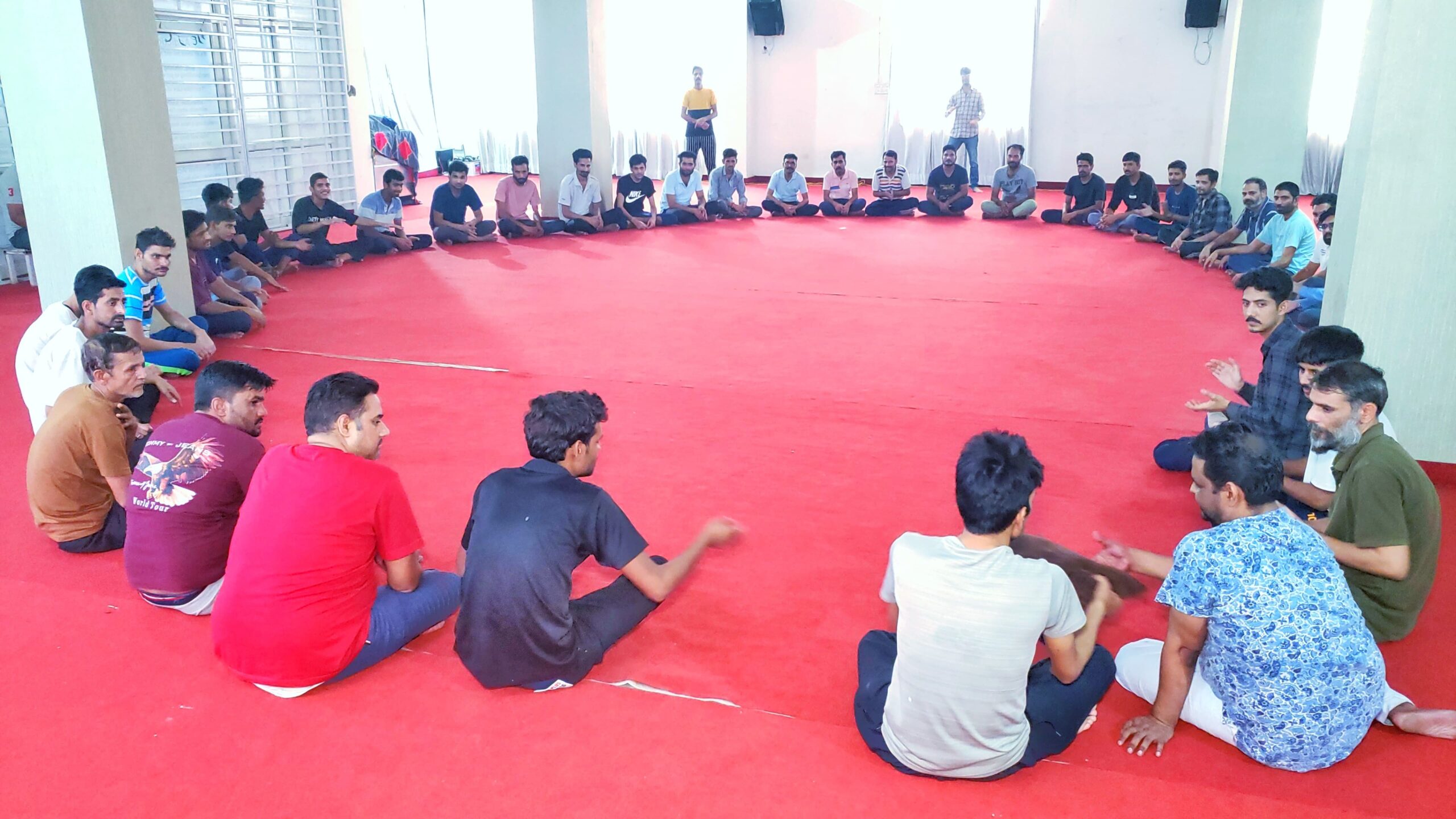
Our Facility at Sanchit Rehab
1. Safe and Peaceful Environment
Our centre offers a calm, structured, and healing-focused environment that is a genuine contrast to the stressful circumstances that many patients from Nagaur leave behind. The peaceful atmosphere helps patients relax into the recovery process and feel safe enough to do the deep personal work that healing requires. Many patients remark that simply being in a calm, clean, caring environment is itself therapeutic.
2. Clean and Hygienic Rooms
We maintain our facility to high standards of cleanliness and hygiene. Comfortable beds, clean rooms, and well-maintained bathroom facilities are provided for all patients. We believe that a clean, dignified living environment is a basic right — and that it contributes meaningfully to the overall recovery experience.
3. 24/7 Patient Monitoring
Our trained care staff are present around the clock. For patients in the early phases of detox, continuous medical monitoring is critical to safety. For all patients throughout treatment, knowing that caring staff are always nearby provides important emotional security. Family members can have complete confidence that their loved one is being watched over every hour of every day.
4. Healthy Nutrition Support
Years of heavy drinking or drug use often leave the body significantly depleted of nutrients. Many patients from Nagaur arrive malnourished and physically weakened. Our nutritional program provides wholesome, balanced meals that support physical healing and restore strength. We pay attention to patient food preferences and ensure that meals are both nourishing and satisfying — comfort food that heals the body as well as the spirit.
5. Meditation and Yoga Sessions
Daily meditation and yoga practice provides patients with healthy tools for managing stress, anxiety, and cravings. For patients from agricultural backgrounds who have never practiced meditation, this introduction is often transformative. Many find that these practices connect them with a sense of inner calm and clarity that helps sustain their sobriety long after leaving treatment. We teach practices that are accessible, practical, and culturally comfortable for patients from across Rajasthan.
6. Privacy-Focused Treatment
Social stigma is a significant barrier to seeking help in rural Nagaur. Families fear gossip and community judgment. We take this concern extremely seriously. At Sanchit Rehab, patient privacy is absolute. Nothing is shared without consent. Admissions are handled quietly and discreetly. The people of Nagaur can trust us to treat their family’s privacy with complete respect.
Our Recovery Approach
1. Personalised Treatment Plans
A farmer with 20-year alcohol dependency has different needs than a young man with recent cannabis addiction. A patient dealing with chronic agricultural stress needs different therapeutic tools than one managing trauma. Our assessment process captures the full picture of each patient’s situation, and we build a treatment plan that addresses their unique needs, history, and circumstances. This personalised approach produces better outcomes — and greater respect for the individual’s dignity and story.
2. Holistic Healing Approach
We treat the whole person — body, mind, and spirit. Physical recovery through detox and nutrition. Mental recovery through therapy and psychiatric support. Emotional recovery through counselling and mindfulness. Social recovery through family counselling and peer support. All these dimensions are addressed in an integrated, holistic treatment program that leaves no part of the person’s wellbeing unattended.
3. Root-Cause Addiction Treatment
We never stop at the surface. Our team asks: why does this person drink? What pain are they managing? What circumstances have contributed to their addiction? When we understand the root causes — agricultural stress, financial pressure, unresolved family conflict, trauma, loneliness — we can address them therapeutically. This is what creates lasting change rather than just temporary sobriety.
4. Family Involvement in Recovery
In Nagaur’s community-centred culture, the family is both the greatest source of stress and the greatest source of strength. We work hard to help families understand addiction correctly, process their emotions, and become genuinely supportive — rather than inadvertently enabling or undermining their loved one’s recovery. When the family is on board, recovery is dramatically more likely to succeed.
Types of Addiction We Treat
- Alcohol addiction (sharaab ki lat)
- Tobacco, gutkha, and khaini addiction
- Cannabis (ganja, charas) addiction
- Drug addiction (smack, heroin)
- Opioid dependency
- Prescription medication misuse
- Bidi and cigarette dependency
- Solvent and inhalant addiction
Warning Signs You Should Never Ignore
1. Physical Symptoms
Shaking hands in the morning before drinking, inability to sleep without alcohol, persistent stomach problems, loss of appetite, weight loss, yellowing of eyes or skin, very poor personal hygiene, frequent health complaints, and a general physical deterioration that cannot be explained by other illness.
2. Behavioral Symptoms
Hiding alcohol or drugs in the home, spending money meant for household expenses on substances, missing agricultural work or important community responsibilities, becoming aggressive or violent when drinking, lying about how much they consume, and making repeated promises to stop that are never kept.
3. Emotional Symptoms
Deep depression, hopelessness about the future, extreme irritability especially when substance is not available, withdrawal from family interaction, loss of interest in children or religious practices that were previously important, and persistent feelings of shame or worthlessness.
4. Social Symptoms
Avoiding community events, neglecting family responsibilities, isolation from former friends, association with people who share the same habits, financial dependence on family despite being capable of work, and loss of community respect or social standing.
Our Complete De-Addiction Treatment Process
1. Confidential Assessment
We begin with a compassionate, thorough assessment — covering addiction history, physical health, mental health, family dynamics, and social circumstances. Everything discussed remains completely confidential. This assessment shapes a personalised treatment plan designed specifically for the patient’s needs.
2. Safe Medical Detox
Under 24/7 medical supervision, we safely manage the patient’s withdrawal from alcohol or drugs. This phase is medically managed with appropriate interventions to ensure safety and minimise discomfort. For patients with long-term, severe alcohol dependency, this phase is particularly critical.
3. Therapy and Counselling
Individual and group therapy sessions address the psychological dimensions of addiction — exploring underlying causes, building new coping strategies, and developing the mental skills needed for sustained recovery.
4. Rehabilitation Program
Structured daily activities, life-skills training, yoga, meditation, and recreational therapy rebuild confidence, purpose, and healthy daily habits. This phase helps patients rediscover who they are beyond their addiction.
5. Family Counselling
Family members are involved in regular counselling sessions — being educated about addiction, processing their own emotions, and learning how to support their loved one’s recovery effectively at home.
6. Relapse Prevention
A personalised relapse prevention plan is created for every patient before discharge — addressing the specific triggers, social pressures, and challenges they will face when returning to their home environment in Nagaur.
7. Long-Term Aftercare Support
Regular follow-up calls, continued counselling access, and family support continue for months after discharge. We never simply discharge a patient and disappear — our support continues for as long as it is needed.
Why Families Trust Sanchit Rehab
- Registered and regulated rehabilitation centre
- Experience with rural and agricultural community patients
- Respectful, non-judgmental approach
- Sensitive to rural family values and social dynamics
- Absolute confidentiality
- 24/7 medical and emotional care
- Personalised treatment for each patient
- Holistic recovery covering body, mind, and spirit
- Strong family involvement in the treatment process
- Ongoing aftercare and support after discharge
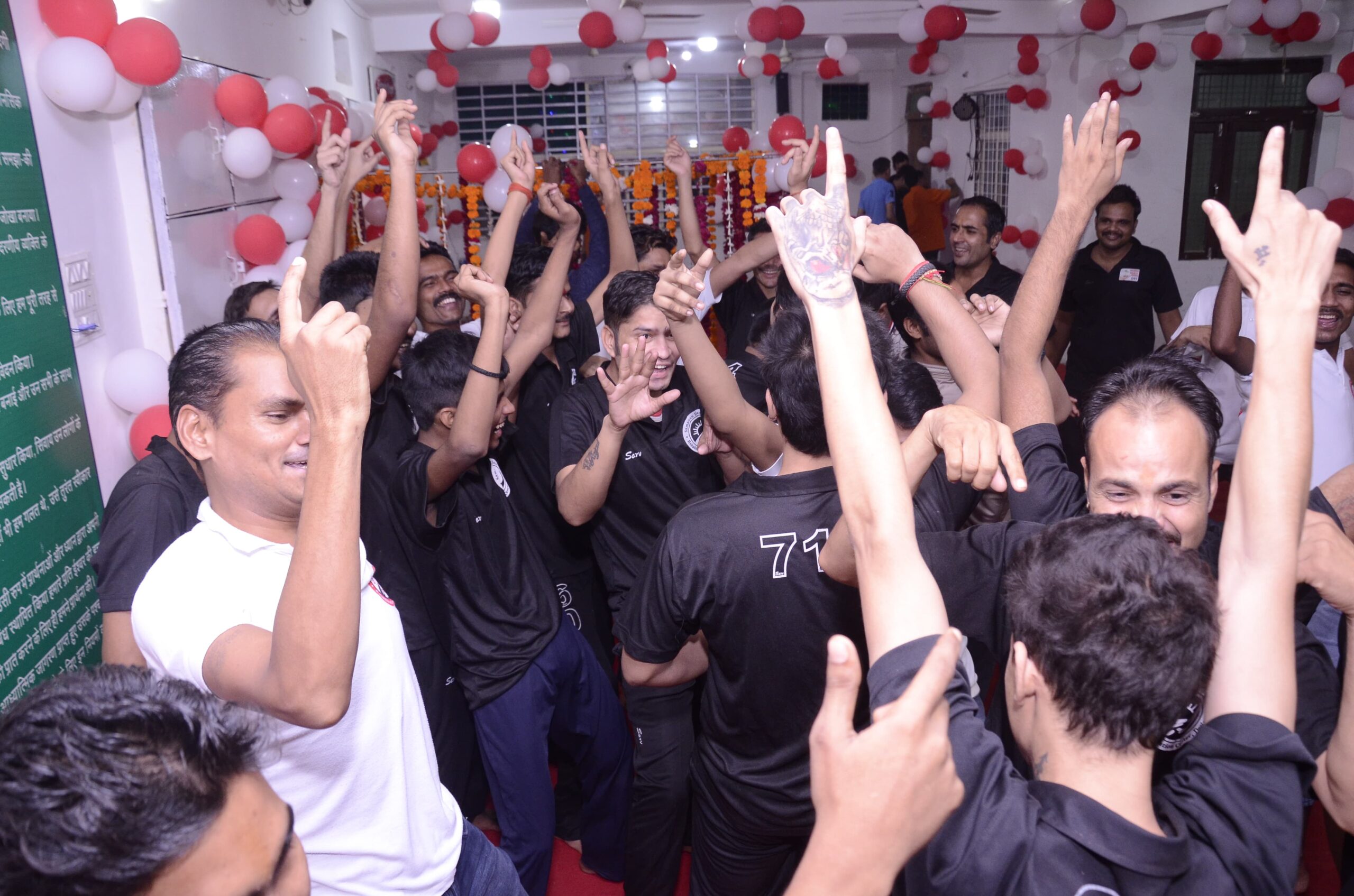
Benefits of Professional Addiction Treatment
For families in Nagaur, the benefits of professional addiction treatment go far beyond the individual. When a farmer recovers from alcohol addiction, his family regains a provider, a father, a husband. The children grow up without fear. The wife no longer carries everything alone. The land is worked again. The household debt stops growing. The dignity that addiction had stolen is slowly restored.
Physically, the patient’s health improves dramatically. Liver function, sleep, appetite, and energy all recover. Mental clarity returns. Emotional stability replaces the chaos of addiction. And the sense of pride, self-worth, and purpose that every human being deserves — and that addiction suppresses so cruelly — begins to reawaken.
These are not small changes. They are life-transforming. And they begin with a single phone call to Sanchit Rehab.
How We Help Patients from Nagaur
We understand that for many families in Nagaur, reaching out to a rehabilitation centre is an unfamiliar and sometimes frightening step. Many families have questions: What happens inside? How much does it cost? Will people find out? Will my loved one be safe?
We answer every question honestly, in Hindi, without pressure. Our admissions team guides families through the entire process — from the first call to the day their loved one arrives. We assist with transport arrangements for patients coming from Nagaur and surrounding villages. Our admissions process is completely discreet.
We have extensive experience with patients from rural Rajasthan and understand the specific social, cultural, and economic context of Nagaur families. We treat every patient with the respect and care that their family deserves — and we work as hard as we can to return them home well.
Our Commitment to Safe and Ethical Recovery
Sanchit Rehab operates on a foundation of medical ethics, transparency, and genuine care. Every treatment method we use is evidence-based and approved. We do not use coercive, punitive, or harmful methods. Patient dignity is non-negotiable — in every interaction, every day.
We are registered with the appropriate regulatory authorities and adhere to national standards for rehabilitation centres. Families from Nagaur can trust that their loved one is in the care of a professionally run, ethically governed centre that takes its responsibilities seriously.
Our communication with families is always honest and transparent. We tell you what is working, we tell you what challenges arise, and we involve you in the process in ways that support recovery. Trust is something we earn — and we work hard every day to deserve it.
Related Recovery Services
- Alcohol Addiction Treatment
- Drug Addiction Treatment
- Detox Treatment Program
- Rehab Centre in Madhya Pradesh
- Relapse Prevention Program
Why Addiction Cases Are Increasing in Nagaur
In Nagaur’s rural landscape, alcohol dependency has deep roots. For generations, alcohol consumption — especially of local liquor — has been a socially accepted part of male community life in many parts of the district. When this regular consumption turns into dependency, it often goes unrecognised for years before the family realises the true extent of the problem.
Agricultural stress is a significant driver. Farmers in Nagaur district face unpredictable rainfall, crop failures, debt, and market price fluctuations. The financial pressure is immense and constant. For many, alcohol has been a way to cope with that pressure — a temporary escape that over time becomes its own permanent problem. Seasonal unemployment compounds this further, as long periods of inactivity with no income and no structured routine increase vulnerability to substance use.
Tobacco addiction — in the form of gutkha, pan masala, khaini, and bidi — is also alarmingly widespread in Nagaur, including among teenagers and young adults. It is cheap, accessible at every local shop, and deeply normalised socially. Many young people in Nagaur start using tobacco products before they finish school, and this often becomes a gateway to other substances.
Limited awareness of addiction as a treatable medical condition, combined with strong social stigma, means that families in Nagaur are often the last to seek help. They try religious solutions, family pressure, or simply hope that things will change on their own. Rarely do they know that professional, compassionate help is available and accessible.
Drug abuse — particularly among younger populations drawn to towns and highways — is also an emerging concern. Cannabis, smack, and synthetic drugs are more accessible in Nagaur today than they were a decade ago. The signs are there — and they need to be taken seriously.
The Hidden Pain Families in Nagaur Face Every Day
In a village in Nagaur, a woman gets up before dawn to work the fields — because her husband cannot. He drinks heavily every day and rarely leaves the house sober. His health is deteriorating, his ability to work has collapsed, and his relationship with his children has become one of fear and resentment. She carries everything alone: the land, the children, the household, and the secret shame of a husband lost to alcohol.
She has not told her in-laws the truth about how bad things are. She fears judgment. She fears that seeking help from outside the family will bring shame. So she carries on, praying that something will change — while knowing, in her heart, that without help, it will not.
This woman’s story is the story of thousands of wives, mothers, and daughters across Nagaur district. The pain is real. The isolation is real. And the hope — which so many have stopped believing in — is also real. Sanchit Rehab has seen this change happen for real families. We have seen the farmer who could not work his land stand up strong again. We have seen the family that was breaking apart find its way back together.
That kind of transformation begins with a single decision to reach out for help. If you are that wife, that parent, that sibling — please make that call. You do not have to carry this alone anymore.
Frequently Asked Questions About Nasha Mukti Kendra in Nagaur
1. Is there a Nasha Mukti Kendra that helps families from Nagaur?
Yes. Sanchit Rehab has extensive experience serving patients and families from Nagaur district, including rural and agricultural communities. We assist with transport arrangements, provide culturally sensitive care, and maintain complete confidentiality throughout the process. Please call us to discuss your situation and we will guide you honestly and without pressure.
2. What treatment is available for alcohol addiction in Nagaur?
At Sanchit Rehab, alcohol addiction treatment includes comprehensive medical assessment, 24/7 medically supervised detoxification, individual and group counselling, psychiatric support, family counselling, relapse prevention training, and long-term aftercare. We have successfully treated patients from rural Nagaur with varying levels of alcohol dependency, and we understand the community context well.
3. Can gutkha and tobacco addiction be treated professionally?
Yes, absolutely. Tobacco dependency — whether to gutkha, khaini, bidi, or cigarettes — is a genuine addiction that responds well to professional treatment. Our tobacco de-addiction program combines counselling, behavioural therapy, and motivational support to help patients overcome tobacco use for good. The health benefits of quitting are significant and lasting.
4. How long will my family member need to stay in treatment?
Treatment duration depends on the type and severity of addiction and the patient’s individual progress. Most patients complete a residential program of 30 to 90 days. This is followed by structured aftercare support. We assess each patient individually and recommend the duration that is genuinely right for their situation.
5. What if the patient does not want to come for treatment?
This is a common concern. Many people in active addiction resist treatment. Our team can advise families on how to approach the conversation with their loved one, what to say and what not to say, and how to create the conditions under which they are most likely to agree to seek help. Please call us — we have helped many families navigate this exact situation.
6. Is the treatment completely private and confidential?
Yes, absolutely. We understand that privacy is particularly important for families in smaller communities like Nagaur’s towns and villages. All patient information is held in strict confidence. Our admissions process is handled discreetly, and nothing about your family member’s treatment will be known in your community unless you choose to share it.
7. What support is available after the patient comes home?
Our aftercare program provides regular follow-up calls, continued access to counselling, family guidance, and crisis support for months after discharge. We stay actively connected with patients and families from Nagaur to ensure that recovery is sustained when they return to their home environment, where original pressures and triggers may still be present.
8. Do you treat patients who speak only Hindi?
Yes, without question. All our counselling, therapy, and family sessions are available in Hindi. Our team communicates naturally in Hindi and is comfortable working with patients and families from Rajasthan’s rural and semi-urban communities. Language is never a barrier to receiving care at Sanchit Rehab.