
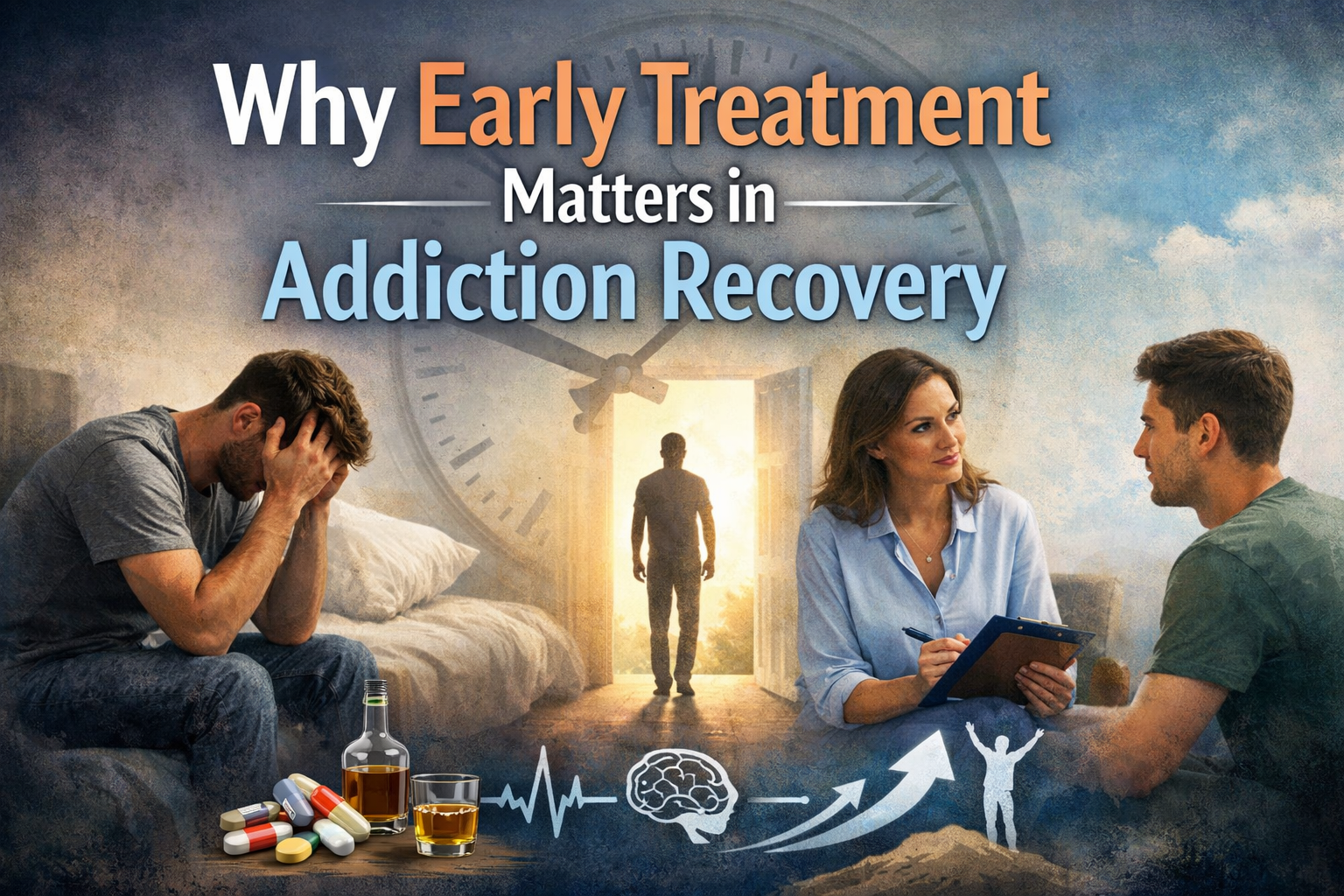
Addiction rarely begins overnight. It develops gradually, often starting as experimentation, curiosity, or stress relief—especially among school-going and college-going students. Understanding Why Early Treatment Matters in Addiction Recovery can make a life-changing difference. When addiction is identified and treated early, recovery becomes easier, faster, and more sustainable.
Early intervention prevents substances from deeply affecting the brain and body. It also protects education, relationships, mental health, and future opportunities. This article explains how timely treatment works, why it is critical, and how it supports long-term recovery.
Why Early Treatment Matters in Addiction Recovery
Early treatment focuses on addressing addiction before it becomes severe. At this stage, physical dependence is lower, emotional damage is limited, and motivation to recover is often stronger. This makes the recovery process more effective and less complicated, which is why Sanchit Rehab Centre in Gwalior emphasises early intervention to support lasting recovery outcomes.
Understanding Addiction in Its Early Stage
How Addiction Starts
Addiction often begins due to:
-
Academic pressure and exam stress
-
Peer pressure and social influence
-
Anxiety, loneliness, or low self-esteem
-
Easy access to alcohol or substances
-
Lack of healthy coping mechanisms
Addiction Recovery at the Early Stage
Addiction recovery at early stage focuses on breaking habits before they turn into dependency. Early-stage recovery requires fewer medical interventions and has higher success rates compared to late-stage treatment.
Early Addiction Treatment Benefits
Seeking help early offers multiple advantages for students and young adults.
Key Early Addiction Treatment Benefits
-
Reduced withdrawal symptoms
-
Faster physical and mental recovery
-
Lower relapse risk
-
Shorter treatment duration
-
Better emotional control
-
Improved academic performance
Early treatment prevents addiction from becoming a lifelong struggle.
Importance of Early Intervention in Addiction
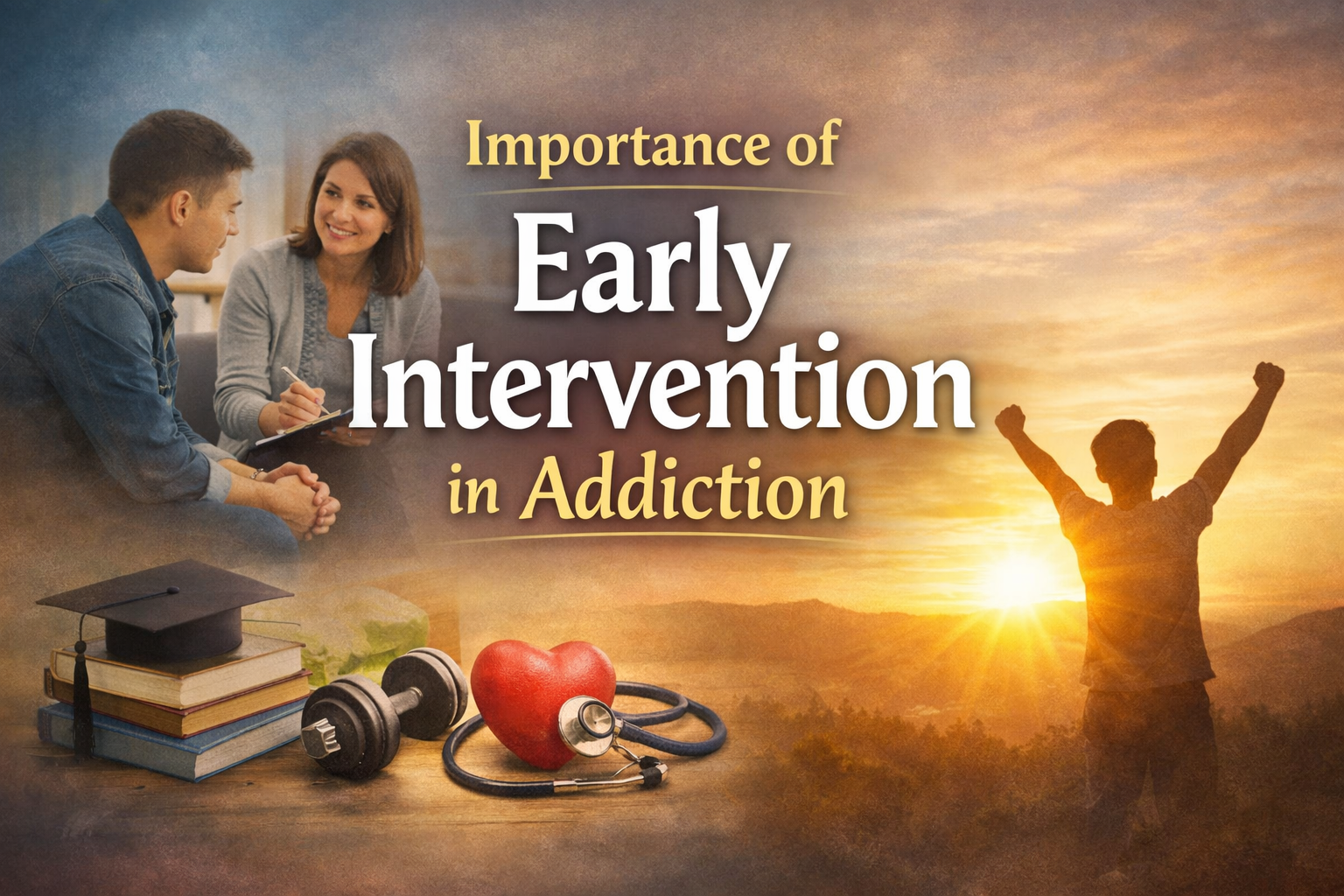
The importance of early intervention in addiction lies in protecting the brain. During teenage and young adult years, the brain is still developing. Substance use during this phase can cause long-term cognitive and emotional damage.
How Early Intervention Helps
-
Prevents changes in brain chemistry
-
Stops emotional dependence from forming
-
Reduces mental health complications
-
Encourages healthier coping strategies
-
Preserves confidence and decision-making ability
Early support creates a strong foundation for recovery.
Impact of Delayed Treatment
Delaying treatment can lead to serious consequences.
Risks of Late Treatment
-
Stronger physical dependence
-
Severe withdrawal symptoms
-
Increased anxiety and depression
-
Academic failure or dropout
-
Damaged family relationships
-
Higher relapse rates
Early action avoids these risks and simplifies recovery.
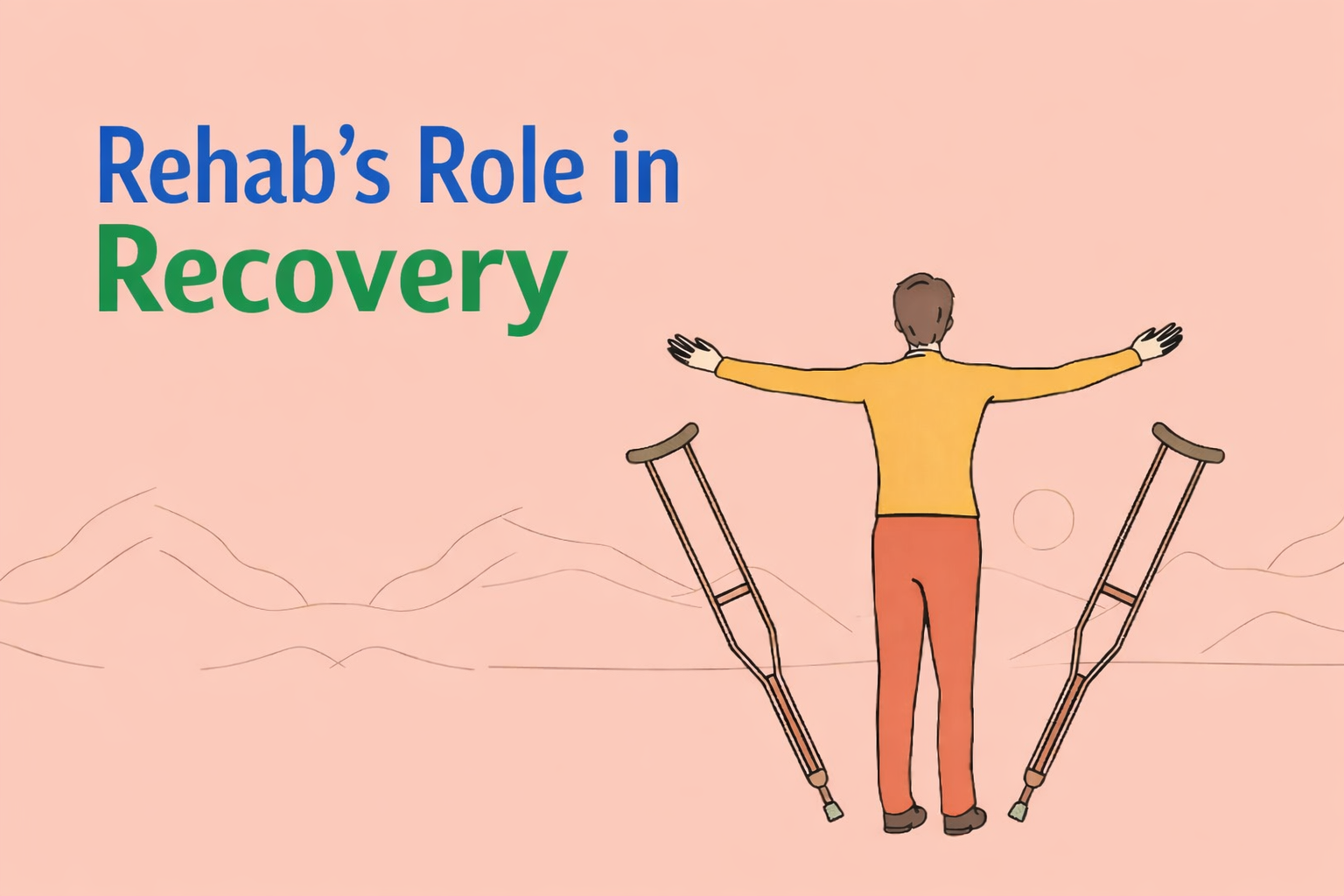
Role of Rehab Centres in Early Recovery
Services Offered in Early Treatment
Psychological assessment
Early psychological evaluation helps identify underlying mental health issues, emotional triggers, and behavioural patterns linked to substance use. This step highlights Why Early Treatment Matters in Addiction Recovery, as a timely diagnosis allows professionals to create a personalized and effective recovery plan.
Counselling and therapy
Counselling and therapeutic support address emotional struggles, trauma, and thought patterns that contribute to addiction. Consistent therapy clearly shows Why Early Treatment Matters in Addiction Recovery, as early guidance helps individuals develop healthier coping mechanisms before dependency deepens.
Stress and trigger management
Learning how to manage stress and avoid triggers is essential for preventing relapse. Early intervention teaches practical skills to handle pressure, reinforcing Why Early Treatment Matters in Addiction Recovery by reducing the chances of returning to harmful behaviours.
Lifestyle and routine correction
Structured daily routines, healthy habits, and balanced lifestyles support long-term recovery. Making these changes early demonstrates Why Early Treatment Matters in Addiction Recovery, as positive routines are easier to build before addiction disrupts daily life completely.
Education about addiction risks
Educating individuals about the physical, mental, and social risks of addiction increases awareness and responsibility. This knowledge strengthens understanding of Why Early Treatment Matters in Addiction Recovery, empowering individuals to make informed decisions and commit to lasting change.
Mental and Emotional Benefits of Early Treatment
Early treatment helps individuals:
-
Understand emotional triggers
-
Manage stress without substances
-
Build self-awareness
-
Improve self-esteem
-
Develop healthy decision-making skills
Mental clarity gained early makes recovery sustainable.
Physical Health Benefits of Early Recovery
When treatment begins early:
-
Body detox is smoother
-
Organ damage is minimised
-
Sleep patterns improve
-
Energy levels increase
-
Immunity remains stronger
This supports long-term recovery through early treatment.
Why Early Treatment Is Especially Important for Students
Students face unique pressures that increase addiction risk.
Common Student Challenges
-
Exam stress
-
Performance anxiety
-
Social pressure
-
Identity and confidence issues
Early treatment helps students regain focus, protect their education, and plan a healthier future.
Building Long-Term Recovery Through Early Treatment
-
Strong coping skills
-
Emotional resilience
-
Healthy routines
-
Clear life goals
-
Strong support systems
These factors reduce relapse risk and support lifelong wellness.

Signs That Early Treatment Is Needed
Recognising warning signs can prevent addiction from worsening.
Early Warning Signs
-
Increased substance use
-
Mood swings or irritability
-
Decline in academic performance
-
Social withdrawal
-
Sleep disturbances
Seeking help at this stage ensures addiction recovery at early stage is effective.
Conclusion
Addiction does not need to reach a crisis point before help is sought. Understanding Why Early Treatment Matters in Addiction Recovery empowers individuals to act before lasting damage occurs. Early treatment protects mental health, physical well-being, education, and future goals.
If you or someone you care about is showing early signs of addiction, taking action now can change everything. Nasha Mukti Kendra in Gwalior provides timely support that leads to faster healing, stronger recovery, and a brighter future.
Frequently Asked Questions
Why is early addiction treatment more effective?
Early treatment prevents deep physical and psychological dependence, making recovery faster and more successful.
Can early treatment prevent relapse?
Yes. Early intervention builds coping skills and awareness, reducing relapse risk significantly.
Is rehab necessary at an early stage?
Not always residential rehab, but professional guidance and counselling are highly beneficial.
Who should seek early treatment?
Anyone noticing increasing substance use, emotional changes, or academic decline should seek help.
How long does early-stage recovery take?
It varies, but early treatment usually requires less time and fewer medical interventions.