
Sanchit Rehab offers professional addiction recovery services for individuals seeking support from a trusted Nasha Mukti Kendra in Jhansi. The centre provides structured rehabilitation programs, counselling, detox support, and mental wellness care to help patients recover in a safe and disciplined environment.
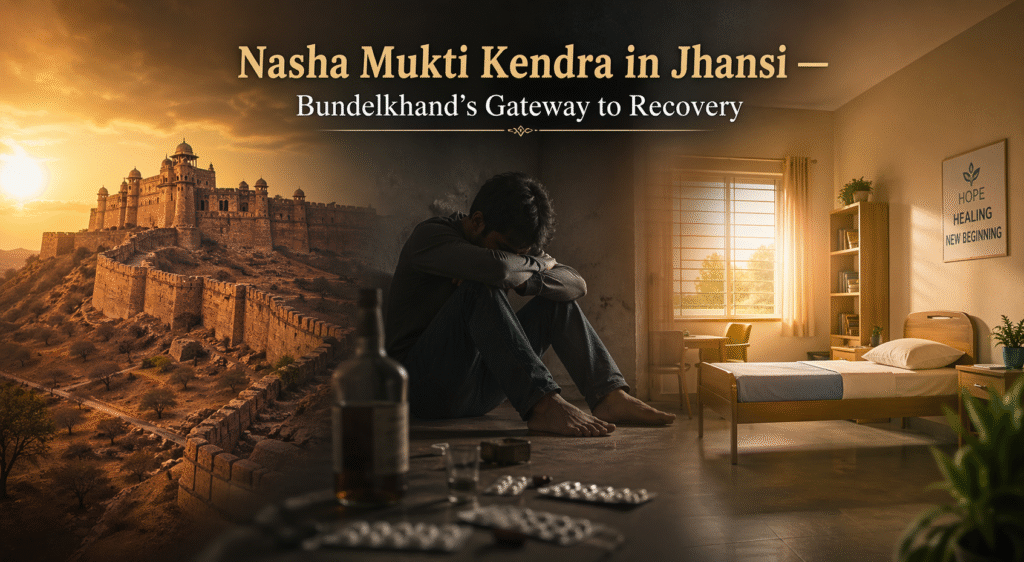
Jhansi’s Addiction Landscape
Jhansi’s surrounding Bundelkhand districts — Lalitpur, Tikamgarh, Chhatarpur — carry severe alcohol and mahua dependency in their farming communities. The drivers are identical to the wider Bundelkhand belt: drought cycles, agricultural debt, hopelessness, and the cultural normalisation of mahua as social and economic life. What Jhansi city adds is a military cantonment population (Jhansi Air Force Station) with its own alcohol dependency patterns, a university student population at Bundelkhand University, and an urban working class that mirrors UP’s other mid-size industrial cities.
Sanchit’s team has treated all three of these Jhansi populations. The farming communities from Lalitpur and Tikamgarh bringing mahua dependency cases. The cantonment families dealing with ex-servicemen’s alcohol patterns. The Bundelkhand University students dealing with cannabis and drug cases. Each receives a personalised treatment plan that reflects their specific context — not a generic template.
Why Addiction is Increasing in Jhansi & Bundelkhand
Addiction in Jhansi and the wider Bundelkhand region is rising due to a mix of economic stress, social acceptance, and limited awareness. Many people turn to alcohol or substances as a way to cope with daily struggles, and what starts as occasional use slowly becomes dependency. The lack of timely intervention and proper treatment facilities makes the problem even more serious.
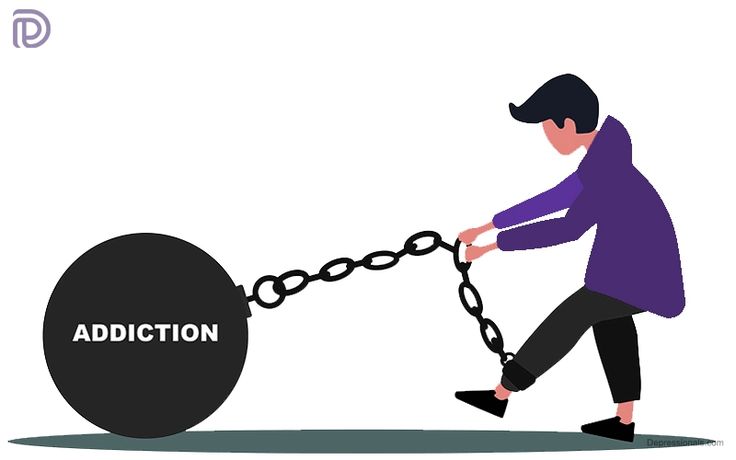
Key Reasons Behind Rising Addiction
-
Economic Pressure & Agricultural Crisis
Frequent droughts, crop failures, and financial stress push individuals toward alcohol as an escape.
-
Cultural Acceptance of Mahua & Alcohol
In many rural areas, local brews like mahua are socially accepted, making addiction harder to identify early.
-
Lack of Awareness About Addiction
Many families still don’t recognise addiction as a medical condition and delay seeking help.
-
Easy Availability of Substances
Alcohol, cannabis, and even prescription drugs are easily accessible in both villages and cities.
-
Youth Exposure & Peer Pressure
Students and young adults are increasingly exposed to drugs due to social influence and curiosity.
-
Stigma and “Log Kya Kahenge” Mindset
Fear of social judgment prevents families from taking timely action.
Our Team — Built for Bundelkhand
Sanchit’s senior psychiatrist and lead counsellor have treated Bundelkhand patients for over two decades. The mahua culture, the agricultural distress context, the Chambal-Gwalior border belt’s afeem history, and the specific shame dynamics of Bundelkhand’s rural communities are not abstractions to this team — they are clinical practice. The detox protocols for mahua dependency are medically calibrated for the specific alcohol composition patterns of country liquor from this region.
The counselling program for Jhansi’s farming community patients addresses the fatalism that long-term economic distress produces — the sense that recovery is pointless because the life circumstances driving addiction will remain unchanged. This cognitive pattern is one of the primary drivers of relapse in distressed agricultural communities. Addressing it directly, clinically, is essential for recovery that holds beyond the 90-day program.
Services at Sanchit Nasha Mukti Kendra-
1.Medical Detox —
Supervised withdrawal for mahua, alcohol, afeem, cannabis, and all other substances. The doctor is resident — available overnight for the medical emergencies that serious detox can produce. Seizure prevention, medication management, and 24/7 nursing are standard.
2.Individual CBT — Bundelkhand Context —
Addressing agricultural distress-driven fatalism, mahua cultural normalisation, military identity patterns (for cantonment patients), and student academic pressure (for Bundelkhand University cases). One framework does not fit all — the CBT is adapted.
3.Group Therapy —
Daily structured peer sessions. The most powerful moment for Bundelkhand’s farming community patients is typically hearing a patient from a similar rural background describe identical experiences — and seeing that recovery exists beyond the distress context they thought was permanent.
4.Family Counselling —
In-person on visiting days (1.5-hour drive). At 100km from Jhansi, family participation is the most practically accessible of any UP city. Sessions address enabling patterns, preparation for the patient’s return, and the specific Bundelkhand context the family will be receiving the patient back into.
5.Aftercare —
Written Jhansi and Bundelkhand-specific plan covering agricultural stress calendar, mahua social contexts, cantonment environment (if relevant), student semester triggers (if relevant), and follow-up counselling schedule. Built before every discharge.
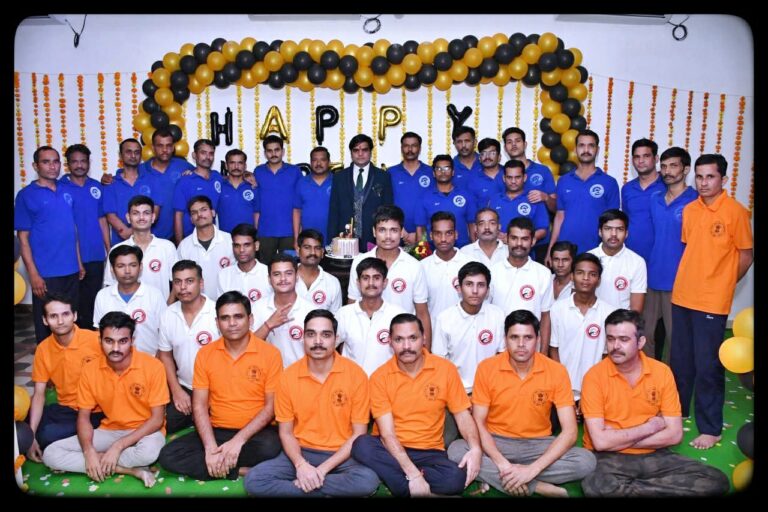
Addictions Treated — Jhansi and Bundelkhand
| Addiction | Jhansi Context | Treatment at Sanchit |
| Alcohol / Mahua | Most common — Bundelkhand agricultural | Medical detox + Bundelkhand-aware CBT |
| Afeem / Opioids | Present — Chambal-Vindhya border | Medical detox + 60–90 day residential |
| Cannabis / Ganja | Widespread — youth and students | CBT + motivational therapy + group sessions |
| Drug Addiction | Rising in urban Jhansi | Residential detox + behavioural therapy |
Why Jhansi Families Should Not Wait
The most common reason Jhansi families wait before calling is the belief that the journey will be difficult or disruptive. It will not. Gwalior is 1.5 hours from Jhansi. The first call costs nothing. Same-day admission is available. Family visiting is practical every scheduled day. The only barrier that remains is the decision to make that call.
Sanchit has 6,000+ recoveries as its answer to hesitation. The team has treated families who waited ten years and families who called within the first year of noticing the problem. Early intervention produces dramatically better outcomes. Every year of waiting is a year of health damage, family stress, and missed opportunity for recovery that is fully achievable. Sanchit is among India’s most trusted rehabilitation centres.
- Govt-Registered and State-Certified — Madhya Pradesh
- 6,000+ Recoveries — Bundelkhand’s Most-Trusted Rehab
- Just 100km / 1.5 Hours from Jhansi
- Same-Day Admission Available
- Mahua and Bundelkhand Afeem Clinical Experience
- In-Person Family Visits — Easiest of Any UP City
- Affordable Sharing Ward for Distressed Farming Families
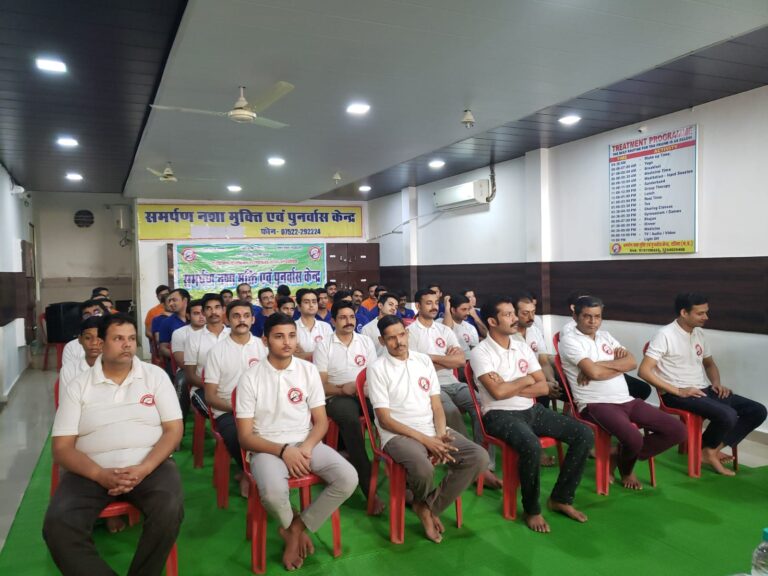
Contact Sanchit Nasha Mukti Kendra — Jhansi Helpline
| Jhansi Helpline — 24 Hours, 7 Days | |
| 📞 Primary | +91-7828991573 |
| 📞 Alternate | +91-8302102094 | +91-9755870972 |
| sanchitrehab@gmail.com | |
| 🌐 Website | sanchitrehab.com |
| 📍 Centre | Sanchit Nasha Mukti Kendra, Gwalior, MP — just 100km / 1.5 hrs from Jhansi |
| ⏰ Hours | 24 hours a day, 7 days a week — same-day admission available |
📞 Call Now — Free Confidential Consultation
Frequently Asked Questions
Q1. What is the nearest Nasha Mukti Kendra from Jhansi?
Sanchit in Gwalior — 100km / 1.5 hours. Same-day admission. The nearest comprehensive govt-registered option for Bundelkhand. Call +91-7828991573.
Q2. Is mahua addiction treatable?
Yes. Medical detox followed by 30–60 days of residential rehabilitation is effective for mahua dependency. Sanchit’s team has the Bundelkhand cultural context built into the counselling approach.
Q3. Can Jhansi families visit Sanchit regularly?
Yes — more easily than any UP city. 1.5-hour drive. No overnight stay needed. Family counselling in person on every visiting day.
Q4. Is treatment affordable for Bundelkhand’s farming families?
Yes. Sharing ward options are available and priced for distressed agricultural families. Call for transparent pricing — no pressure, no hidden costs.
Q5. Does Sanchit treat Bundelkhand University students?
Yes. Complete confidentiality from the university. Cannabis and drug cases from Bundelkhand University are treated with student-specific CBT and return-to-study planning.
Q6. What aftercare protects against relapse in Bundelkhand?
Written Bundelkhand-specific aftercare plan — mahua social contexts, agricultural stress calendar, community triggers, and follow-up counselling schedule.