
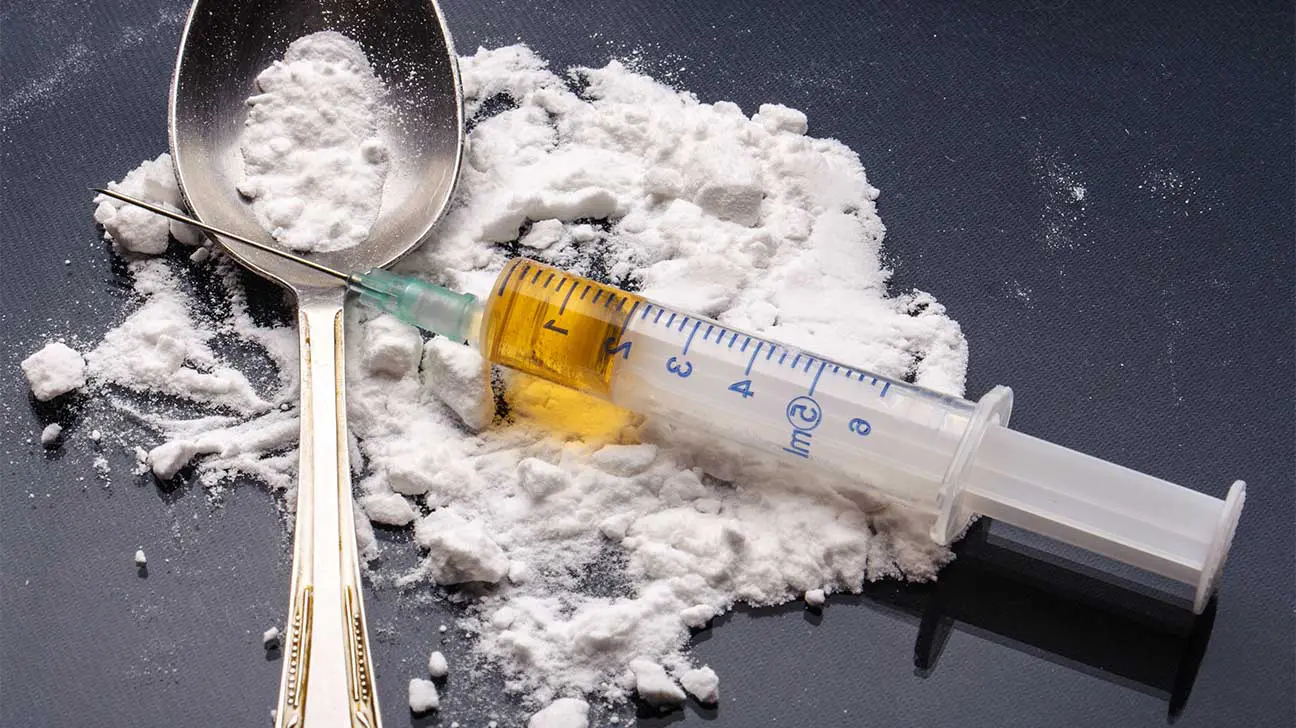
Drugs are chemical or natural substances used to diagnose, treat, cure, or prevent diseases. In modern medicine, doctors use drugs to control pain, fight infections, and improve the functioning of the body.
The Various Forms of Drugs exist because different health conditions require different treatment methods. Some drugs need to act quickly in the body, while others work slowly over time.
Medicines may be derived from natural sources like plants, minerals, and animals, or they may be created in laboratories. These substances can be classified into different types of drugs based on their purpose, composition, and method of administration.
Table of Contents
ToggleWhy Drugs Come in Different Forms
The Various Forms of Drugs are designed to ensure that medicines work effectively and safely. Doctors and pharmaceutical scientists carefully choose the best form of a drug depending on several factors, such as the condition being treated, the patient’s age, and how quickly the medicine needs to act in the body. Understanding these forms is also important in addiction awareness and treatment. Sanchit Rehab Centre in Gwalior works to educate individuals about different drug forms and provides professional support for those struggling with substance misuse, helping them move toward a healthier and safer life.
Some of the main factors include:
-
Speed of absorption – Some medicines must work quickly, while others release slowly.
-
Patient convenience – Tablets may be easier for adults, while liquids are often better for children.
-
Type of illness – Skin diseases may require creams or ointments, while respiratory diseases require inhalers.
-
Method of administration – Certain drugs must enter the bloodstream directly through injections.
Because of these factors, medicines are developed in many physical forms to suit different medical needs.
Major Forms of Drugs
The Various Forms of Drugs can generally be divided into four main categories:
-
Solid forms
-
Liquid forms
-
Semi-solid forms
-
Injectable forms
Each form has unique characteristics and is used for specific medical purposes. Understanding these types of drug substances helps patients follow treatment instructions correctly.
Solid Forms of Drugs
One of the most common Various Forms of Drugs used in medicine is the solid form. These medicines are easy to store, transport, and measure.
Tablets
Tablets are the most widely used medicines worldwide. They are made by compressing powdered medicine into small solid shapes.
Benefits of tablets include:
-
Easy storage
-
Accurate dosage
-
Long shelf life
Capsules
Capsules contain medicine powder enclosed in a gelatin shell. Once swallowed, the capsule dissolves in the stomach and releases the medicine.
Powders
Powdered medicines are finely ground substances that can be taken orally or applied externally.
Lozenges
Lozenges dissolve slowly in the mouth. They are commonly used for throat infections and cough relief.
These solid medications are popular because they are simple to use and provide controlled drug absorption.
Liquid Forms of Drugs
Another category within the Various Forms of Drugs includes liquid medications. These are especially useful for children, elderly patients, and people who have difficulty swallowing tablets.
Syrups
Syrups are sweet liquid medicines commonly used to treat coughs, colds, and allergies. Their pleasant taste makes them suitable for young patients.
Suspensions
Suspensions are liquid medicines containing small particles that do not fully dissolve. The bottle must usually be shaken before use.
Solutions
In solutions, the drug is completely dissolved in the liquid, ensuring even distribution of the medicine.
Drops
Drops are concentrated liquid medicines used for the eyes, ears, or nose. They allow precise treatment of sensitive areas.
Liquid medications often act faster because they are absorbed more quickly by the body.
Semi-Solid Forms of Drugs
Semi-solid medicines are another important group among the Various Forms of Drugs. These are mainly used for external treatment on the skin.
Creams
Creams are soft, smooth preparations applied to treat skin infections, rashes, or inflammation.
Ointments
Ointments are thicker and oil-based. They provide protection and help the skin heal from dryness or wounds.
Gels
Gels are light, transparent medicines that absorb quickly into the skin without leaving a greasy feeling.
Pastes
Pastes are thicker preparations that form a protective layer on the skin.
These forms are helpful because they target a specific area without affecting the entire body.

Injectable Forms of Drugs
Injectable medicines represent one of the most effective Various Forms of Drugs, especially in hospitals and emergency situations.
These drugs are delivered directly into the body using a syringe.
Intravenous (IV)
Injected directly into the bloodstream, IV drugs work very quickly and are often used in emergencies.
Intramuscular (IM)
IM injections are given into the muscles and allow medicines to absorb gradually.
Subcutaneous Injections
These are injected under the skin and are commonly used for vaccines and insulin.
Because injections bypass the digestive system, they provide fast and precise treatment.
Inhalation Forms of Drugs
Another category within the Various Forms of Drugs includes inhaled medicines. These drugs are taken through breathing and mainly treat respiratory conditions.
Common examples include:
-
Inhalers used for asthma treatment
-
Nebulizers used to deliver medicine as a mist into the lungs
Inhaled drugs act quickly because they go directly to the lungs and airways.
Uses of Different Drug Forms
The Various Forms of Drugs are designed to serve different medical purposes.
For example:
-
Injections provide quick action in emergencies.
-
Tablets and capsules offer long-lasting effects.
-
Creams and ointments treat skin problems locally.
-
Inhalers help manage breathing disorders.|
Because every illness affects the body differently, doctors choose the drug form that provides the best treatment.

Important Facts About Drug Forms
Understanding the Various Forms of Drugs helps people avoid mistakes when taking medicines.
Important facts include:
-
Not all drugs work the same way.
-
Different drug forms may have different absorption rates.
-
Correct dosage is essential for safety.
-
Misusing medicines can cause harmful side effects.
Students should always remember that medicines should only be used responsibly and according to medical advice.
Safety Tips When Using Drugs
Learning about the Various Forms of Drugs also helps people practice safe medication habits.
Follow these important safety tips:
-
Take medicines only when prescribed by a doctor.
-
Avoid self-medication without proper guidance.
-
Always check expiration dates before use.
-
Store medicines in a cool, dry place.
-
Never share prescription drugs with others.
Responsible use of medicines protects health and prevents unnecessary complications.
(FAQs)
What are the Various Forms of Drugs?
The Various Forms of Drugs include tablets, capsules, syrups, injections, creams, gels, and inhalers. Each form is designed to deliver medicine in the most effective way for a specific health condition.
Why do medicines come in different forms?
Medicines come in different forms to improve absorption, convenience, and effectiveness in treating various diseases.
Which drug form works the fastest?
Injectable medicines, especially intravenous drugs, usually work the fastest because they enter the bloodstream directly.
Are liquid medicines better than tablets?
Not necessarily. The choice depends on the patient’s condition, age, and the type of treatment required.

Conclusion
Medicines are an essential part of modern healthcare, helping people recover from illnesses and maintain good health. The Various Forms of Drugs exist to ensure that treatments are effective, safe, and convenient for different patients.
From tablets and syrups to injections and inhalers, each drug form serves a unique purpose in medical treatment. By understanding these drug forms and their effects, students and young adults can develop better awareness about safe medicine use.
Learning about medicines also encourages responsible health habits. Always follow medical advice, use medicines correctly, and remember that proper knowledge about drugs can help protect your health and the health of others. Organizations like Sanchit Rehab Centre in Gwalior also work to spread awareness about safe medicine use and provide support for individuals struggling with substance addiction.