

Alcohol addiction develops gradually in four stages: experimentation, regular use, risky use, and dependence. Recognizing these stages early helps students seek timely support and prevent serious health and academic consequences. Professional counseling and family support play a key role in successful recovery.
Understanding the Four stages of alcohol addiction is important for school-going and college-going students. Awareness helps you protect yourself, support your friends, and make smart decisions about your health and future. At Sanchit Rehab Centre In Gwalior, we focus on educating young individuals and families about early warning signs and provide professional guidance to ensure safe, supportive, and effective recovery.
In this guide, we will explain the Four stages of alcohol addiction in simple language, along with symptoms, causes, risks, and recovery solutions.
Why Understanding Alcohol Addiction Matters for Students
Teenage and college years are a time of curiosity and peer pressure. During this phase:
- Students may experiment to fit in
- Stress from exams can increase drinking
- Emotional struggles may push someone toward alcohol
Recognizing the Four stages of alcohol addiction early can prevent serious physical, emotional, and academic damage.
Overview: The Four Stages of Alcohol Addiction
The Four stages of alcohol addiction describe how alcohol use gradually becomes a serious medical condition. It does not happen overnight. It develops step by step.
Let’s understand each stage clearly.
Stage 1: Experimentation
The first of the Four stages of alcohol addiction begins with casual or experimental drinking.
Common Signs:
- Trying alcohol out of curiosity
- Drinking at parties or social events
- Feeling excited or relaxed after drinking
At this stage, there may not be visible problems. However, repeated experimentation increases the risk of moving to the next stage.
Stage 2: Regular Use
In the second phase of the Four stages of alcohol addiction, drinking becomes more frequent.
Warning Signs:
- Drinking every weekend
- Using alcohol to handle stress
- Looking forward to drinking
Students may believe they are still “in control,” but emotional reliance begins here.
Stage 3: Risky Use or Abuse
The third stage in the Four stages of alcohol addiction is dangerous. Drinking starts causing real problems.
Symptoms:
- Missing classes
- Arguments with family
- Drinking alone
- Risky behaviors
At this stage, health problems may begin. Academic performance usually drops. Friends and teachers may notice behavioral changes.
Stage 4: Dependence and Addiction
The final of the Four stages of alcohol addiction is full dependence.
Serious Signs:
- Strong cravings
- Inability to stop
- Withdrawal symptoms
- Hiding drinking habits
At this point, professional treatment is necessary. The body and brain become dependent on alcohol.
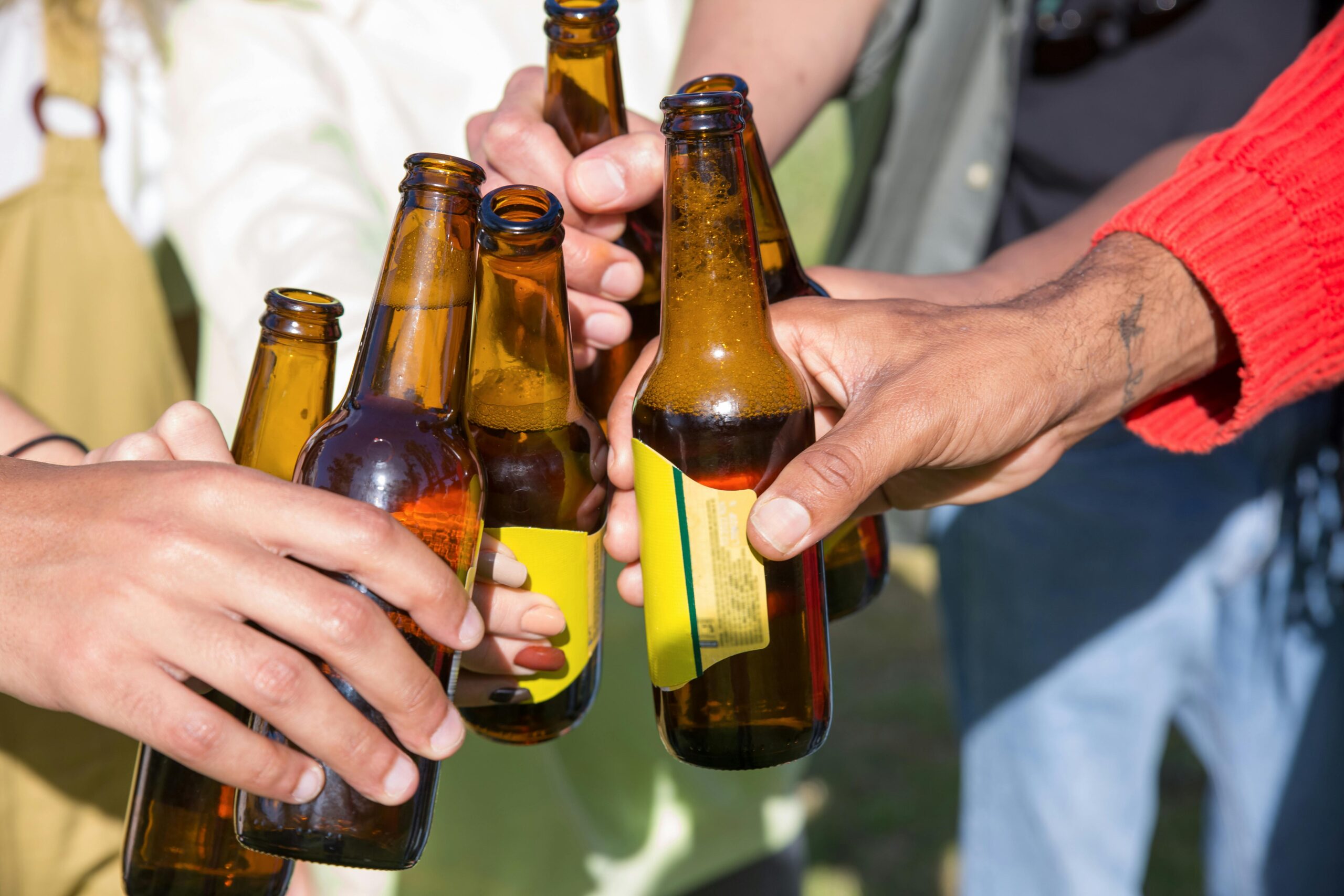
Understanding the Four stages of alcohol addiction also requires knowing the causes.
Common Causes:
- Peer pressure
- Academic stress
- Family conflicts
- Mental health struggles
- Easy availability of alcohol
Early awareness of the Four stages of alcohol addiction can prevent long-term damage.
Physical and Emotional Symptoms
As individuals move through the Four stages of alcohol addiction, symptoms become more serious.
Physical Symptoms:
- Headaches
- Sleep problems
- Low energy
- Weight changes
Emotional Symptoms:
- Mood swings
- Irritability
- Anxiety
- Depression
If these signs appear, it is important to seek help immediately.
Services Offered at Our Rehab Centre In India
A professional Rehab Centre In India provides structured and compassionate care for individuals struggling with alcohol problems.
Understanding the Four stages of alcohol addiction helps us design personalized recovery plans for every student.
Counseling & Therapy Support
We offer:
- Individual counseling
- Group therapy
- Cognitive Behavioral Therapy (CBT)
- Emotional wellness sessions
Counseling helps students understand how they progressed through the Four stages of alcohol addiction and how to rebuild control.
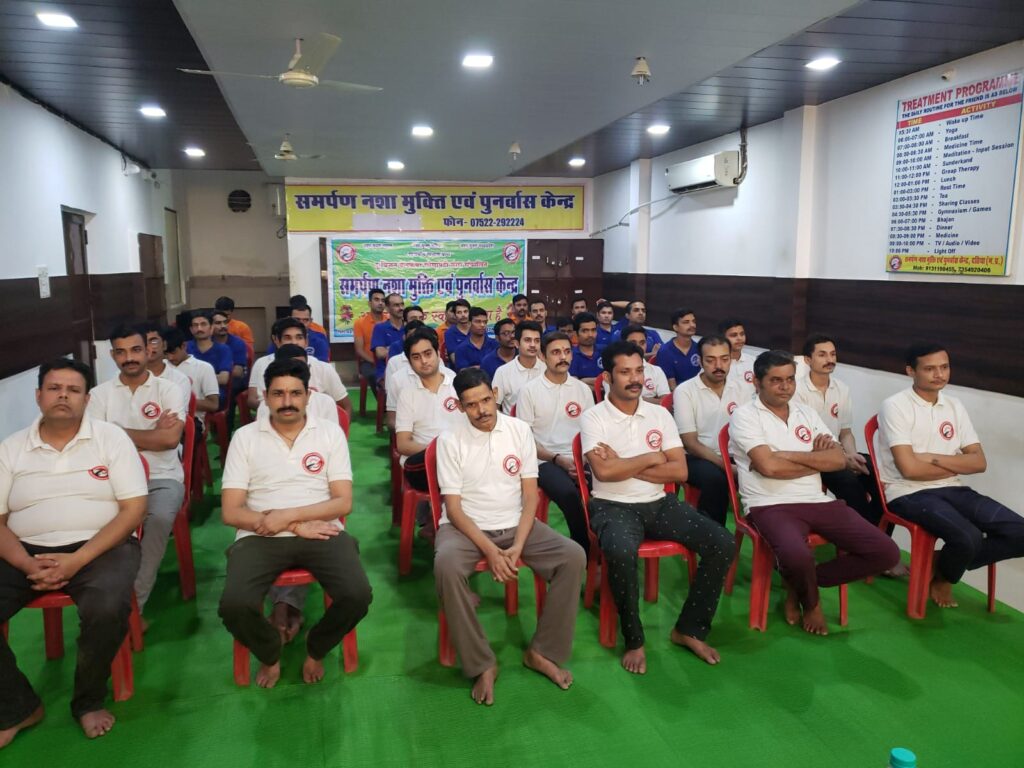
De-addiction Programs
Our structured de-addiction programs include:
- Medical supervision
- Safe detoxification
- Relapse prevention training
- Lifestyle improvement sessions
These programs are specially designed for individuals facing advanced levels of the Four stages of alcohol addiction.
Who Can Seek Treatment?
Anyone experiencing:
- Loss of control over drinking
- Academic decline
- Emotional instability
- Health complications
If someone is struggling in any of the Four stages of alcohol addiction, professional help can make recovery smoother and safer.
Our Facilities
We provide:
- Safe and hygienic accommodation
- 24/7 medical support
- Experienced therapists
- Confidential treatment
- Healthy meal plans
- Recreational activities
A supportive and positive environment plays a powerful role in the recovery journey. When individuals feel safe, respected, and understood, they are more open to therapy and emotional healing. Encouragement from professionals and family members builds confidence and reduces feelings of guilt or shame. This kind of caring atmosphere significantly improves long-term recovery outcomes.
Why Should You Choose Us?
Choosing the right rehab centre is important.
Here’s why students and families trust us:
- Compassionate and non-judgmental approach
- Customized recovery plans
- Student-focused therapy methods
- Privacy and confidentiality
- Long-term relapse prevention support
We understand that alcohol addiction affects each person in a unique way, influenced by their emotional experiences, family background, mental health, and personal challenges. That is why we provide individualized treatment plans, compassionate support, and respectful care, ensuring every person feels valued, understood, and empowered throughout their recovery journey.
Preventive Steps for Students
Prevention is always better than cure.
Smart Steps:
- Learn about the Four stages of alcohol addiction
- Avoid peer pressure situations
- Practice stress management
- Build healthy hobbies
- Talk openly with trusted adults
FAQs
1. What are the four stages of alcohol addiction?
The Four stages of alcohol addiction include experimentation, regular use, risky use, and dependence.
2. Can a student recover from alcohol addiction?
Yes. With professional counseling and family support, recovery is completely possible.
3. How do I know if someone needs help?
If drinking affects studies, relationships, or health, it’s time to seek professional guidance.
4. Is treatment confidential?
Yes. Professional rehab centres maintain full privacy and confidentiality.
Conclusion
Alcohol addiction does not begin suddenly. starting from simple experimentation and moving toward dependence.
For school and college students, awareness is protection. Recognizing early warning signs can save your health, education, and future dreams. Seeking timely support from a trusted Nasha Mukti Kendra In Gwalior can provide professional guidance, counseling, and structured care to help young individuals regain control and rebuild a healthy, successful life.
If you or someone you know is struggling, remember: help is available, and a better tomorrow begins with one brave step today.