
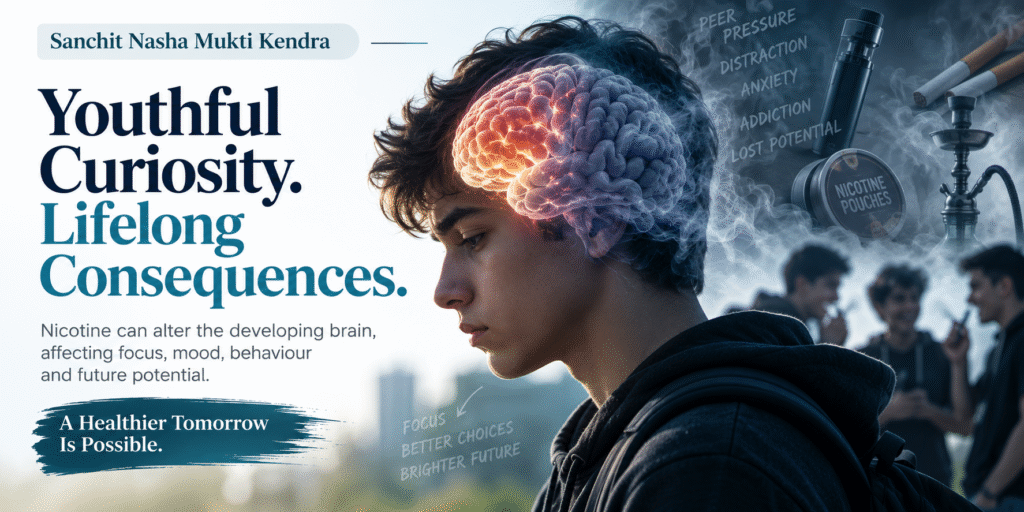
Youth tobacco addiction in India is rising due to modern vapes, nicotine pouches, and peer pressure, which heavily damage developing adolescent brains. Spotting early behavioural and physical warning signs allows families to intervene before long-term health risks set in. Structured support, non-judgmental conversations, and professional care at a leading rehab centre offer a reliable path to permanent recovery.
Understanding Youth Tobacco Addiction
Youth tobacco addiction is no longer limited to traditional cigarettes or gutkha. Today, young people across India face an evolving landscape of nicotine delivery systems, ranging from discreet e-cigarettes and vape pens to flavoured nicotine pouches and hookah.
At Sanchit Nasha Mukti Kendra, Gwalior, we closely observe how early exposure to nicotine creates deep physical and psychological dependencies in teenagers and young adults. Understanding why young people fall into this cycle, recognising the early warning signs, and taking timely action can save a young life from long-term health damage.
1. Why Youth Are More Vulnerable to Tobacco Addiction
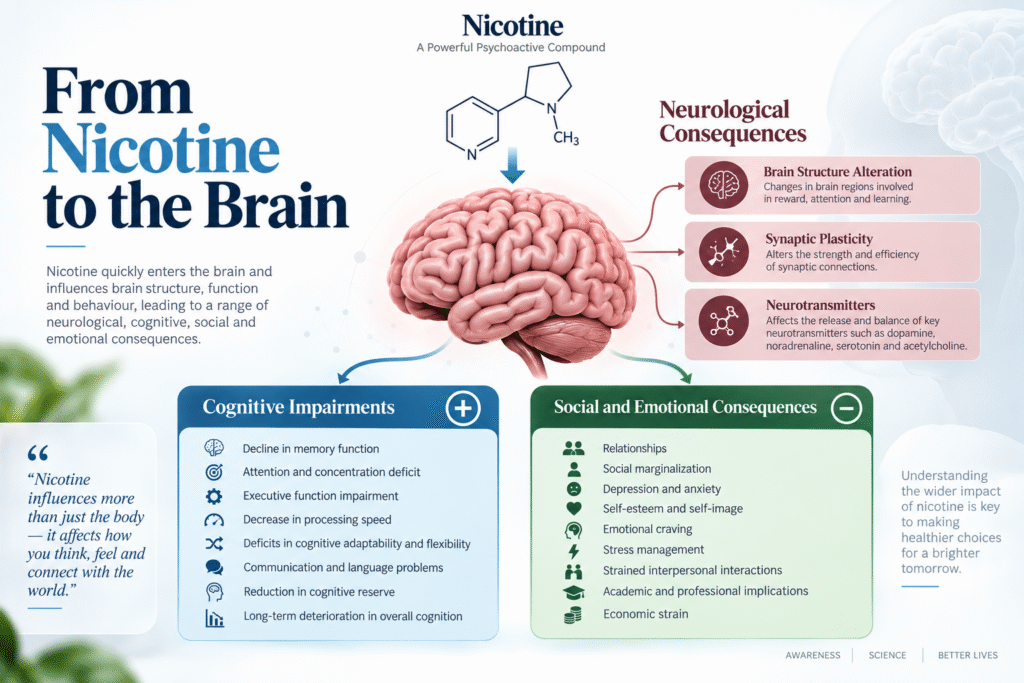
The human brain continues to develop and mature until roughly the age of 25. The prefrontal cortex—the region responsible for decision-making, impulse control, emotional regulation, and risk evaluation—is the last part of the brain to fully form.
- Rapid Synapse Rewiring: Adolescent brains form connections (synapses) significantly faster than adult brains, causing nicotine dependence to set in within weeks.
- Dopamine Hijacking: Nicotine floods the brain’s reward pathway with artificial dopamine, making natural rewards like sports or hobbies feel less satisfying.
- Long-Term Impairment: Early usage impairs attention, mood regulation, and impulse control well into adulthood.
2. Changing Patterns of Tobacco Use Among Youth
The ways young people consume nicotine have changed rapidly over the past decade. Traditional forms like bidis and cigarettes are increasingly accompanied by high-tech, discreet alternatives.
| Product Type | Form Factor & Appeal | Health Risk / Nicotine Exposure |
| Vapes / E-Cigarettes | Sleek, USB-like devices with fruit/mint flavors. | High liquid nicotine concentration; causes chemical lung inflammation. |
| Nicotine Pouches | Small microfiber bags placed under the lip. | Rapid nicotine absorption through oral mucosa; causes gum damage. |
| Flavored Hookah | Shared social water pipes with sweet molasses. | Inhales heavy carbon monoxide and toxic tar equivalent to multiple cigarettes. |
| Traditional Cigarettes / Gutkha | Standard combustible paper rolls or chewable packets. | Direct exposure to carcinogens, oral submucous fibrosis, and throat cancer. |
Key Exposure Factors
- Discreet Packaging: Modern hardware looks like everyday electronics, allowing students to hide devices in plain sight.
- Social & Peer Influence: The pressure to fit into social groups or appear mature drives initial experimentation.
- Digital Normalisation: Social media platforms and web series often glamorize vaping as a harmless stress reliever.
3. Early Signs of Tobacco Dependence in Youth
Catching the early indicators of youth tobacco addiction makes a major difference in treatment outcomes. Because young people often hide their habit, paying attention to specific physical and behavioural changes is essential.
Physical Warning Signs
- Unexplained Respiratory Issues: Frequent dry cough, throat clearing, or sudden loss of physical stamina during sports.
- Changes in Oral Hygiene: Persistent bad breath, discolored teeth, or unexplained mouth sores and gum sensitivity.
- Unfamiliar Odors: Fruity, synthetic, or chemical smells on clothes, bedsheets, or backpacks.
Behavioural Warning Signs
- Mood Swings & Irritability: Heightened anxiety, sudden anger, or restlessness when unable to use their device privately.
- Secrecy & Isolation: Spending long hours locked in their room, stepping out at unusual hours, or frequent unexcused absences.
- Unexplained Financial Demands: Asking for extra pocket money or hiding spending habits to purchase refills and pods.

4. Health Impact: Why Early Use Matters
Introducing nicotine and toxic chemicals into a growing body leads to immediate physical issues and long-term health complications.
Short-Term Effects
- Reduced Lung Capacity: Inhaling chemical vapours causes airway inflammation, shortness of breath, and wheezing.
- Sleep Fragmentation: Nicotine is a stimulant that disrupts natural sleep cycles, causing daytime fatigue and poor academic focus.
- Impaired Memory & Concentration: Chronic nicotine use interferes with attention span during critical study years.
Long-Term Risks
- Cardiovascular Damage: Nicotine constricts blood vessels and increases heart rate, elevating early-onset heart risks.
- Irreversible Airway Damage: Chronic inhalation causes long-term conditions like chronic bronchitis and severe lung tissue scarring.
- Secondary Addictions: Early brain rewiring significantly increases the likelihood of turning to alcohol or other substances later in life.
5. The Psychological Side of Tobacco Addiction
Youth tobacco addiction is deeply connected to mental health. Young individuals often turn to nicotine as an emotional copilot to handle academic pressure, social anxiety, or low self-esteem.
| Psychological Trigger | How Nicotine Affects It | The Reality / Long-Term Result |
| Academic & Exam Stress | Provides a brief, artificial feeling of relaxation. | Creates a cycle where stress returns stronger once nicotine leaves the system. |
| Social Anxiety & Peer Fit | Serves as a social icebreaker in group settings. | Increases psychological dependency on the habit to feel confident. |
| Boredom & Emotional Void | Stimulates dopamine pathways for quick entertainment. | Lowers natural dopamine production, making normal routines feel uninteresting. |
| Withdrawal Anxiety | Temporarily relieves the physical discomfort of cravings. | Mistakenly perceived as “stress relief,” while nicotine is actually causing the anxiety. |
6. Barriers to Quitting Among Youth
Quitting nicotine is challenging for anyone, but young people face unique obstacles that prevent them from asking for help or staying committed to recovery.
- Psychological Denial: Many teenagers believe they are in full control and claim, “I can stop whenever I want.”
- Underestimating Nicotine Strength: Because vapes do not burn tobacco leaf, young users underestimate their actual daily intake.
- Fear of Peer Isolation: Quitting often requires stepping away from social circles where vaping is the main group activity.
- Fear of Parental Reaction: Teenagers hide their struggles due to fear of punishment or strict family restrictions.
- Lack of Youth-Centric Support: Generic adult cessation advice often fails to address the social dynamics of young users.
7. What Can Help: Practical Approaches That Work
Addressing youth tobacco addiction requires patience, factual education, and structured support rather than anger or immediate punishment.
Key Prevention & Action Steps
- Early Education Over Fear Tactics: Share clear, scientific facts about how nicotine hijacks brain chemistry to help youth make informed choices.
- Open, Non-Judgmental Conversations: Approach the topic with curiosity rather than accusations (e.g., “What do you and your friends think about vaping?”).
- Building Healthier Coping Mechanisms: Encourage physical sports, gym workouts, yoga, or creative arts to naturally restore brain dopamine levels.
- Positive Peer Networks: Help young individuals join sports teams or community clubs where tobacco use is not normalised.
- Professional Guidance: Seek structured Counselling, behavioural therapy, or medical rehabilitation when willpower alone is insufficient.

8. The Role of Families, Schools, and Communities
Preventing and treating youth tobacco addiction requires a collective effort across home, educational institutions, and society.
| Entity | Actionable Responsibility |
| Families | Maintain open home communication; keep the home entirely tobacco-free; monitor sudden behavioural changes; be supportive. |
| Schools & Colleges | Enforce strict tobacco-free campus policies; offer confidential Counselling; integrate realistic mental health education. |
| Communities | Restrict tobacco sales near schools; conduct parent awareness drives; connect families with local rehabilitation centres. |
9. Shifting the Focus: Prevention Over Cure
Preventing youth tobacco addiction before it starts is far more effective than treating a long-standing habit. Building emotional resilience in young people involves teaching them how to handle academic stress, resist peer expectations, and value their long-term health.
By investing in mental health resources, promoting open dialogue at home, and removing the stigma around seeking addiction help, society can protect the younger generation from nicotine dependence.
Conclusion
Youth tobacco addiction is a serious concern that impacts physical health, emotional growth, and future potential. Recognising early warning signs, addressing underlying stress, and providing non-judgmental guidance are essential steps toward freedom from nicotine.
Recovery is completely achievable with the right care and structured support. As a trusted nasha mukti kendra in Gwalior, Sanchit Nasha Mukti Kendra is dedicated to helping individuals and families overcome addiction through comprehensive medical care, professional Counselling, life-skills training, and long-term relapse prevention support.
Frequently Asked Questions
Q1. Is vaping really safer than smoking traditional cigarettes for teenagers?
Ans. No. While vapes do not burn tobacco leaf, they deliver high concentrations of nicotine alongside toxic chemical solvents, heavy metals, and artificial flavorings that cause serious lung damage and rapid brain addiction in youth.
Q2. How can a parent talk to a teenager suspected of using tobacco without making them defensive?
Ans. Avoid starting the conversation with accusations or threats. Choose a calm moment, state your concerns using neutral observations (e.g., “I’ve noticed you seem stressed and tired lately”), and listen to their perspective before discussing health risks and support options.
Q3. What should families do if self-help and home guidance fail to stop youth tobacco addiction?
Ans. If a young person struggles with persistent cravings, severe mood changes, or secondary substance use, seek professional help immediately. Structured rehabilitation centres offer professional Counselling, medical evaluation, and therapy tailored to long-term recovery.