
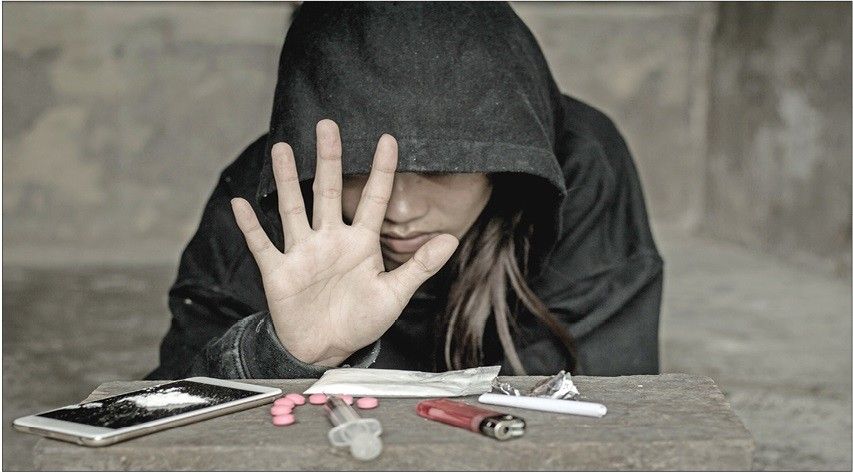
Drugs harm your brain, body, and future by causing addiction, health problems, and poor decision-making. They can damage relationships, affect education and career goals, and lead to serious legal consequences. Choosing a drug-free life protects your health, confidence, and long-term success.
What Are Drugs?
Drugs are substances that change how your brain and body function. They work by affecting the nervous system, which controls your thoughts, emotions, movements, and overall behavior. Some drugs are legally prescribed by doctors to treat illnesses, relieve pain, or manage mental health conditions. When used properly under medical supervision you can also visit Sanchit Rehab Centre In Gwalior, these medicines can be safe and helpful. However, misuse or illegal use can be dangerous, which is why you shouldn’t do drugs without proper medical guidance and supervision.
Key Details About Drugs
-
They directly affect the brain and nervous system.
-
Repeated use can lead to dependence or addiction.
-
They may cause serious physical and mental health problems.
-
Many drugs are illegal and can lead to legal trouble.
Main Types of Drugs
Different drugs affect the brain and body in different ways. Understanding these types helps explain why they can be harmful.
Depressants
Depressants slow down brain activity and relax the body. They can make a person feel calm or sleepy, but they also reduce alertness, coordination, and reaction time. In high amounts, they can slow breathing and heart rate, which can be dangerous and even life-threatening. Because of these serious effects on the body and brain, you shouldn’t do drugs that act as depressants without proper medical supervision.
Stimulants
Stimulants speed up brain activity and increase energy, alertness, and confidence for a short time. However, they can also raise heart rate and blood pressure, cause anxiety, and disturb sleep. After the effects wear off, a person may feel tired or low in mood.
Hallucinogens
Hallucinogens change the way a person sees, hears, or feels things. They can distort reality and cause confusion or unpredictable behavior. These changes can increase the risk of accidents and mental health problems.
Opioids
Opioids are powerful pain-relieving drugs. While they are sometimes prescribed for severe pain, misuse can quickly lead to dependence. They can slow breathing and cause serious health risks if taken improperly.
Cannabis
Cannabis affects mood, memory, and concentration. It may create a temporary feeling of relaxation, but regular use can reduce focus, motivation, and learning ability, especially in young people.

Harmful Effects of Drugs on Health
Drugs can seriously damage both physical and mental health, affecting the way the brain functions and how the body performs daily activities. They can weaken the immune system, harm vital organs, and increase the risk of anxiety, depression, and other mental health challenges. For teenagers and young adults, the risks are even greater because the brain and body are still developing during these years.
1. Damage to Vital Organs
Drug use can harm the heart, liver, lungs, and kidneys. Over time, this damage may become permanent and lead to serious medical conditions.
2. Mental Health Problems
Drugs can increase anxiety, depression, mood swings, and even cause confusion or memory loss. They disturb the brain’s natural balance.
3. Risk of Addiction
Repeated use can lead to dependence, making it difficult to stop without help. Addiction affects self-control and daily functioning.
4. Weak Immune System & Low Energy
Drug abuse can weaken the immune system, making the body more vulnerable to infections and long-term fatigue.
These harmful effects clearly show why you shouldn’t do drugs if you want to protect your health and future.
Impact on Education and Career
Drug use does not only harm physical and mental health — it can also seriously affect academic performance and future career opportunities. When someone uses drugs, their ability to concentrate, remember information, and stay motivated often decreases. This can lead to poor grades, missed classes, unfinished assignments, and a loss of interest in studies.
1. Poor Academic Performance
Drugs reduce concentration, memory, and motivation. This can lead to low grades and difficulty understanding subjects.
2. Increased Absenteeism
Students who use drugs may skip classes, miss assignments, or lose interest in studies, affecting overall progress.
3. Loss of Career Opportunities
Drug-related issues or legal problems can create a negative record, making it harder to secure good jobs in the future.
4. Reduced Professional Growth
Addiction can affect discipline, responsibility, and productivity — qualities that are essential for career success.
These impacts clearly show why you shouldn’t do drugs if you want a stable education and a bright future.
Effects on Family and Relationships
Drug use does not only affect the individual — it also impacts family members and close relationships. It can create emotional pain, misunderstandings, and distance between loved ones. This is another strong reason you shouldn’t do drugs. When you remember that you shouldn’t do drugs, you are also protecting the trust, love, and emotional support that family and friends provide.
1. Loss of Trust
Lying about drug use or hiding behavior can break trust between family members and friends.
2. Frequent Conflicts
Drug-related mood changes and behavior problems often lead to arguments and misunderstandings at home.
3. Emotional Distance
Addiction can cause a person to withdraw from loved ones, creating feelings of loneliness and isolation.
4. Financial Stress
Spending money on drugs can create financial pressure and strain within the family.
These effects show clearly why you shouldn’t do drugs if you want healthy and supportive relationships.
Risk of Addiction
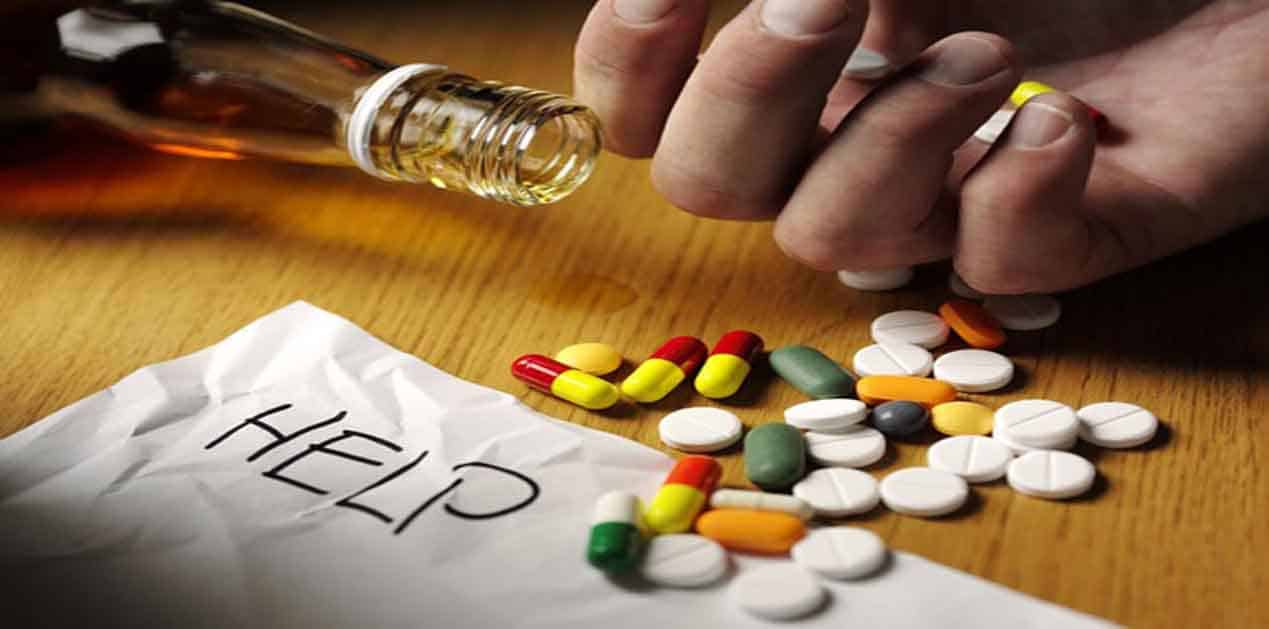
One of the most serious dangers of drug use is addiction. Even occasional use can slowly turn into dependence, affecting your ability to control your choices and habits. This loss of control can interfere with your health, relationships, and goals — a powerful reason you shouldn’t do drugs if you want to protect your future and stay in charge of your life.
1. Loss of Control
Over time, a person may feel unable to stop using drugs, even if they want to quit.
2. Strong Cravings
Addiction creates intense urges to use the substance again, making daily life difficult.
3. Withdrawal Symptoms
When someone tries to stop, they may experience discomfort, mood changes, or physical symptoms.
4. Impact on Daily Life
Addiction can affect studies, relationships, and responsibilities, taking priority over important goals.
These risks clearly explain why you shouldn’t do drugs if you want to stay in control of your life and future.
Better Alternatives to Drugs
Choosing healthy activities is a smart and responsible way to manage stress and emotions. Instead of turning to harmful substances for temporary relief, remember that you shouldn’t do drugs when there are safer and more positive alternatives available. Activities like sports, creative hobbies, and open conversations with trusted people can improve your mood naturally and help you build confidence without risking your health or future.
Sports and Fitness
Physical activities like running, gym workouts, or team sports improve mood, boost confidence, and reduce stress naturally.
Creative Hobbies (Music, Art, Dancing)
Creative outlets help express emotions in a healthy way and keep the mind engaged in something productive.
Meditation and Stress Management
Deep breathing, yoga, and mindfulness techniques help calm the mind and improve focus without harmful side effects.
Talking to Trusted Adults or Counselors
Sharing problems with parents, teachers, or counselors provides guidance and emotional support during difficult times.
FAQs
Q1. Why do people start using drugs?
Many people begin out of curiosity or because of peer pressure. Some may use drugs to cope with stress, emotional pain, academic pressure, or personal problems. What starts as simple experimentation can slowly turn into a harmful habit that affects health, behavior, and future goals — another important reason you shouldn’t do drugs, even if it seems harmless at the beginnin
Q2. Can drug addiction be treated?
Yes, drug addiction can be treated with the right support. Professional counseling, medical care, structured rehabilitation programs, and strong family involvement all play an important role in recovery. Early help increases the chances of successful treatment.
Q3. Are occasional drugs safe?
No form of drug misuse is truly safe. Even occasional use can affect brain function, decision-making, and mental health. In some cases, it may gradually lead to dependence or risky behavior.
Q4. How can I refuse drugs confidently?
Be direct and firm in saying no. Avoid situations where drugs are present, and surround yourself with friends who respect your choices. Having clear goals and confidence in your decisions makes it easier to stay drug-free.
Conclusion
Drugs may seem tempting or harmless at first, but their long-term effects can seriously damage your health, education, relationships, and future goals — which is exactly why you shouldn’t do drugs. What begins as curiosity or peer pressure can quickly turn into dependence, poor decisions, and lasting regret that affects many areas of life. If someone is struggling, seeking professional support from Nasha Mukti Kendra In Gwalior can provide proper guidance, counseling, and structured recovery support.
Understanding these risks makes it absolutely clear why you shouldn’t do drugs. When you remember that you shouldn’t do drugs, you are choosing to protect your body, mind, and future opportunities. Protecting yourself today helps you build a stronger and more successful tomorrow. Choosing a drug-free life is a powerful decision that supports your dreams, confidence, and overall well-being.