
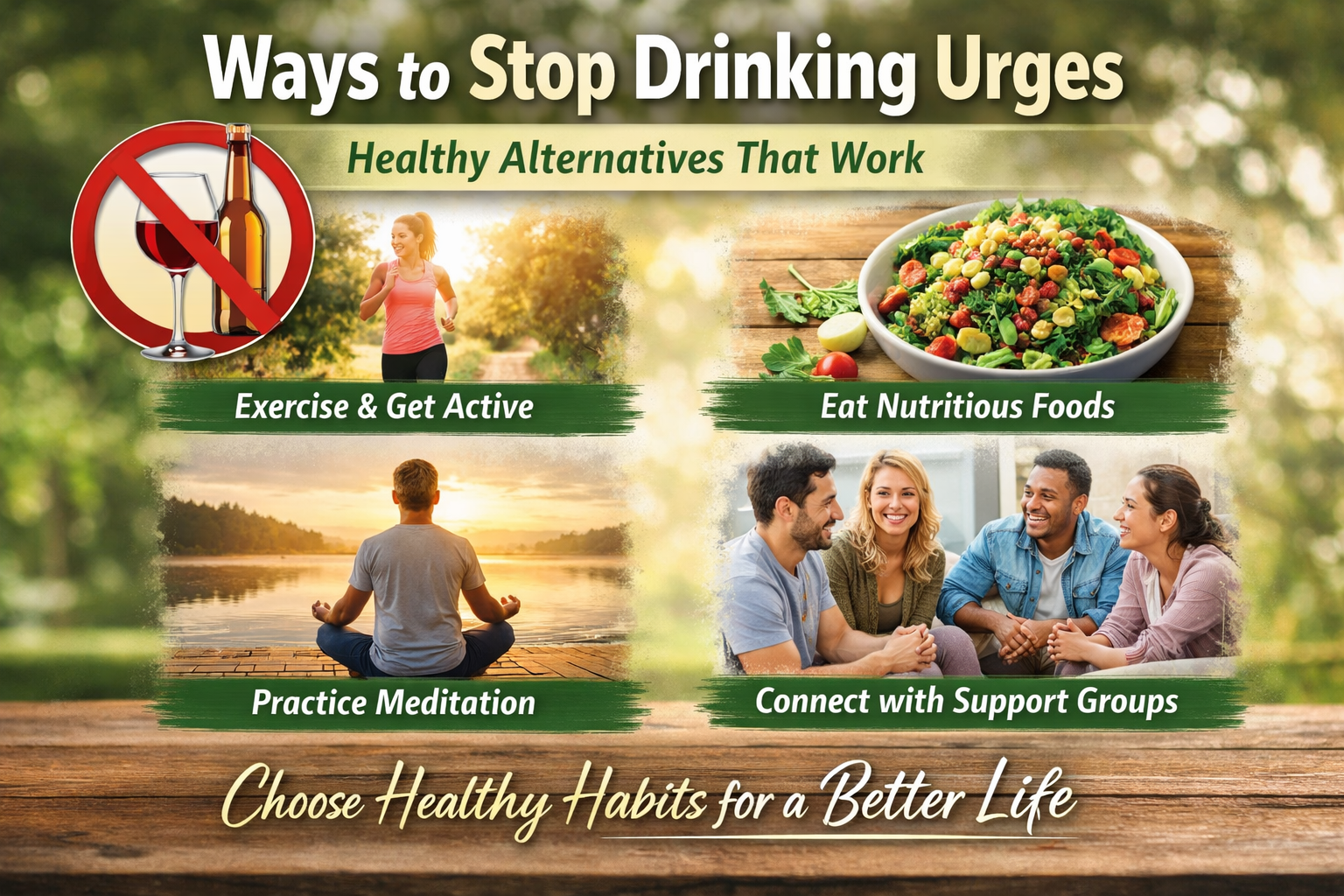
Alcohol urges don’t start as a problem for most people — especially students. It often begins with curiosity, peer pressure, stress, or the desire to “fit in.” Over time, those casual drinks can quietly turn into strong cravings that feel difficult to control.
If you’re searching for ways to stop drinking urges, you’re already taking a powerful first step. The good news? You don’t need extreme measures to regain control. With the right mindset, healthy alternatives, and lifestyle changes, it is absolutely possible to reduce alcohol consumption naturally — and build a stronger, healthier future.
Why Do Drinking Urges Feel So Strong?
Before learning Ways to Stop Drinking Urges, it’s important to understand where they come from, because awareness is the foundation of effective Ways to Stop Drinking Urges.
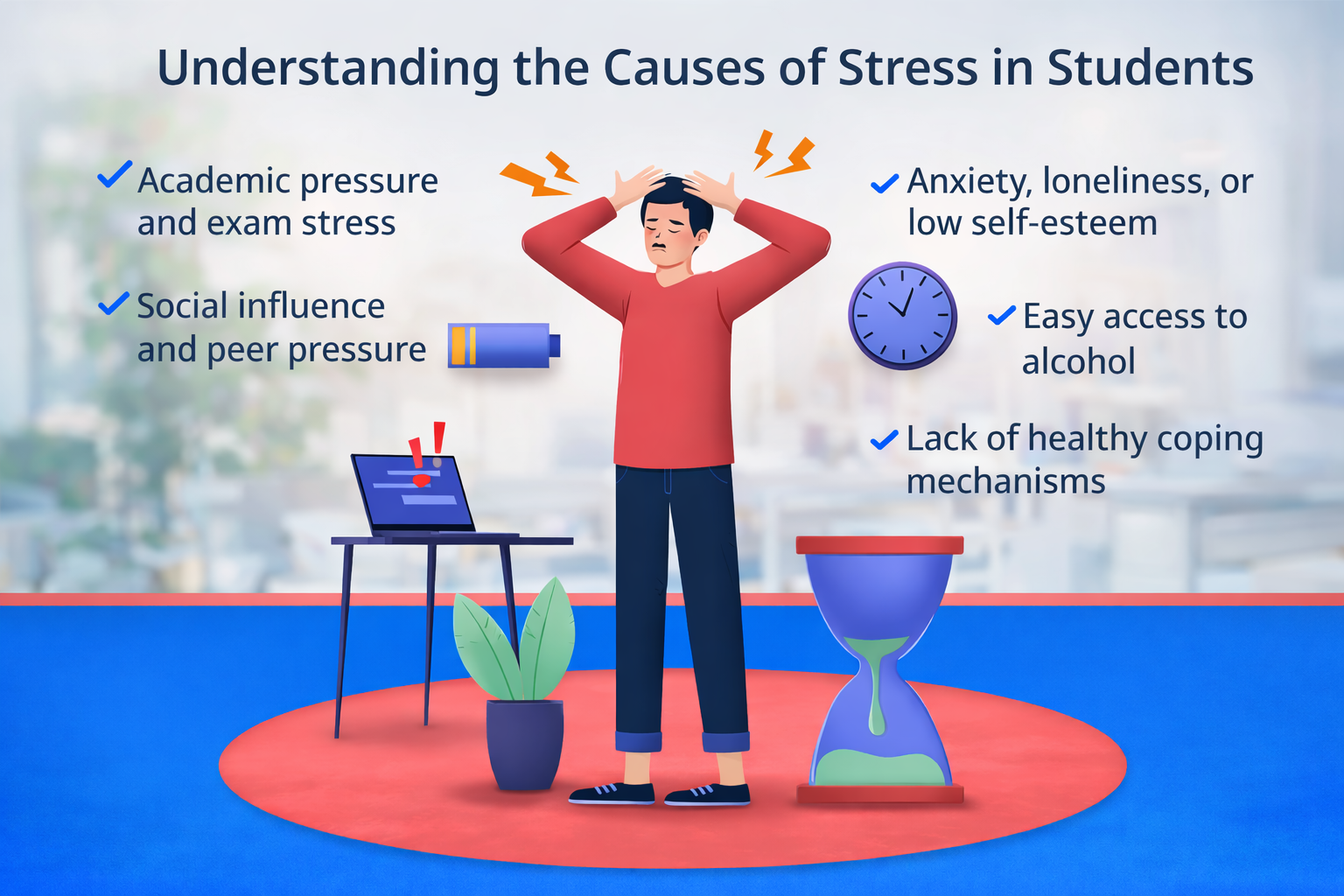
Common Triggers Among Students
- Academic pressure and exam stress
- Social influence and peer pressure
- Anxiety, loneliness, or low self-esteem
- Easy access to alcohol
-
Lack of healthy coping mechanisms
Alcohol temporarily boosts dopamine (the “feel-good” chemical), which trains the brain to crave it again. Understanding this cycle is one of the most important Ways to Stop Drinking Urges, because awareness helps break the habit loop. Over time, repeated dopamine spikes create urges—even when you don’t want to drink—making proven Ways to Stop Drinking Urges essential for long-term control. By retraining the brain with healthier rewards, these science-backed Ways to Stop Drinking Urges, supported at Sanchit Rehab Centre in Gwalior, help reduce cravings naturally.
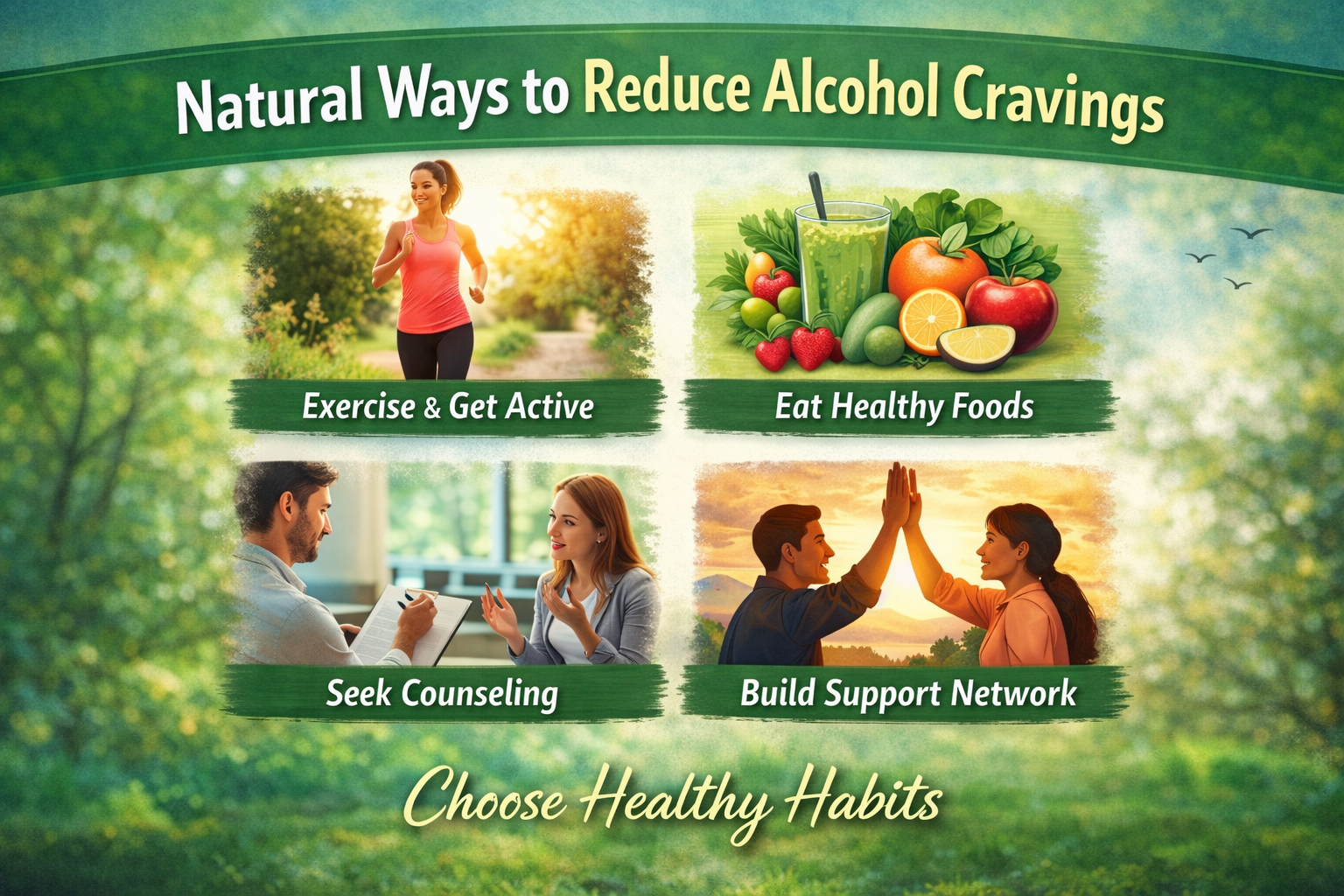
Natural Ways to Reduce Alcohol Cravings
Stopping drinking urges doesn’t mean fighting your mind all day. It means retraining it with healthier habits, and learning proven Ways to Stop Drinking Urges that support long-term change.
1. Replace Alcohol With Healthy Drinks
Your brain often craves the habit, not the alcohol itself.
Healthy alternatives include:
- Lemon water or coconut water
- Herbal teas (ashwagandha, chamomile, tulsi)
- Fresh fruit juices (without added sugar)
- Sparkling water with mint or lime
These give your body hydration and relaxation without harm.
2. Use Physical Activity to Kill Urges
Exercise is one of the most effective natural ways to reduce alcohol cravings.
Even 20–30 minutes of:
- Brisk walking
- Gym workouts
- Yoga or stretching
- Sports like football or badminton
can reduce cravings by releasing endorphins and lowering stress.
3. Practice Delay, Not Denial
When an urge hits, don’t panic.
Tell yourself: “I will wait 15 minutes.”
During that time:
- Drink water
- Change your environment
- Take deep breaths
- Call or message a trusted friend
Most urges pass if you don’t act immediately.
Healthy Alternatives to Drinking Alcohol
Replacing alcohol with meaningful activities is one of the smartest long-term strategies.
1. Build a Stress-Relief Routine
Many students drink to escape stress. Instead, try:
- Meditation or guided breathing
- Listening to music
- Journaling thoughts
- Cold showers
-
Short naps
These methods calm the nervous system naturally.
2. Find a Purpose-Driven Distraction
Idle time strengthens urges.
Healthy replacements include:
- Learning a new skill
- Reading books or audiobooks
- Joining a club or student group
- Volunteering
-
Working on fitness or appearance goals
Productive distractions weaken alcohol’s hold over time.
Tips to Avoid Drinking Alcohol in Social Situations
Social pressure is one of the biggest challenges for students.
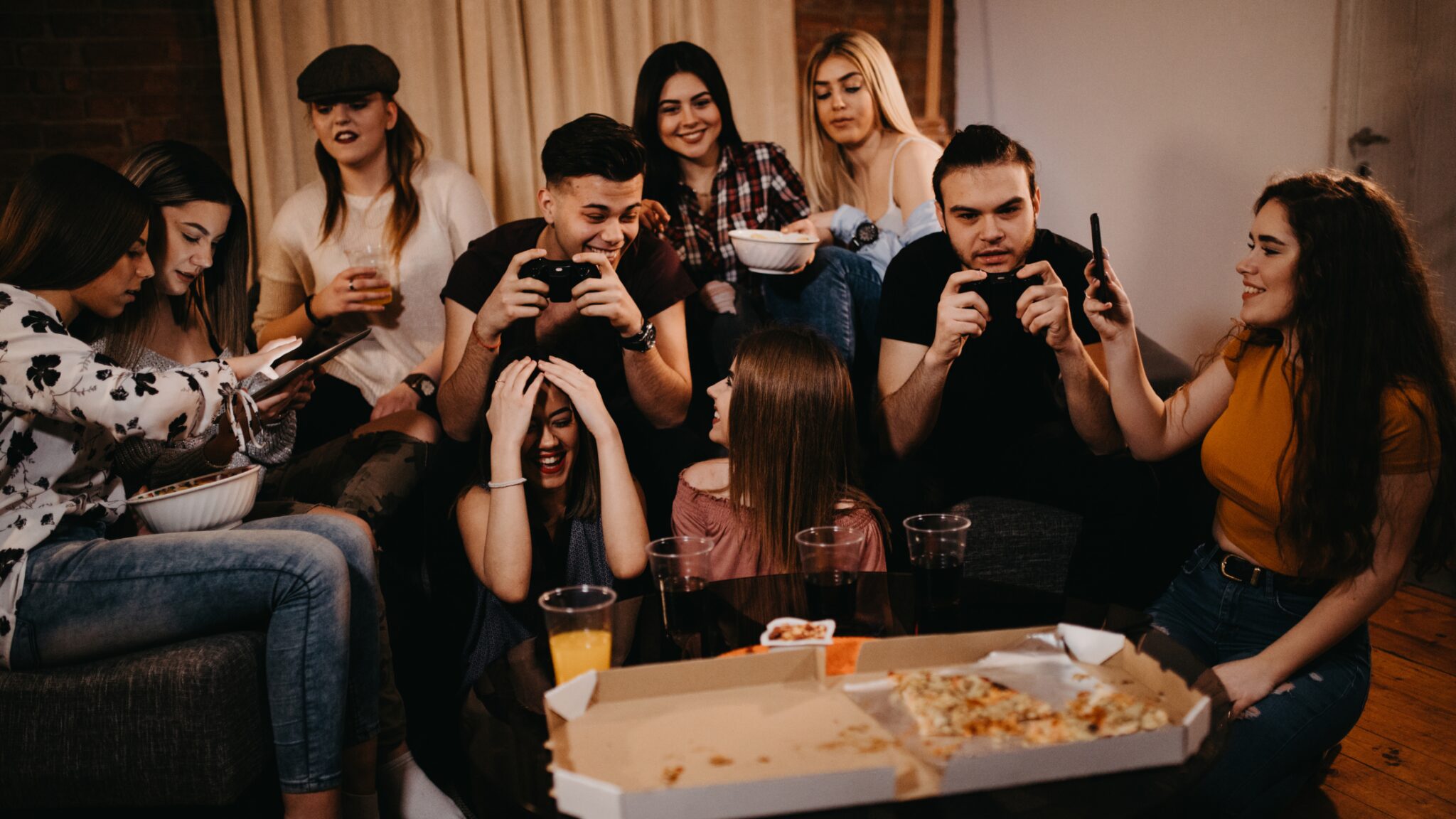
1. Prepare Your Response in Advance
You don’t owe anyone an explanation.
Simple replies work:
- “I’m focusing on my health.”
- “I don’t drink anymore.”
-
“I’ve got early plans tomorrow.”
Confidence ends most conversations instantly.
2. Choose Your Company Wisely
Your environment shapes your habits.
- Spend time with people who respect your choices
- Avoid gatherings centered only around alcohol
-
Suggest alcohol-free activities like movies, cafés, or sports
This is a crucial step to reduce alcohol consumption naturally.
Lifestyle Changes to Quit Drinking for Good
Short-term control is helpful — but lasting change comes from lifestyle shifts.
1. Fix Sleep, Diet, and Daily Routine
Poor sleep and junk food increase cravings.
Focus on:
- 7–8 hours of sleep
- Balanced meals with protein and fruits
-
Fixed daily schedules
A healthy body makes a strong mind.
2. Identify Emotional Triggers
Ask yourself:
- Do I drink when I feel lonely?
-
Do I drink when I’m anxious or bored?
Once you identify triggers, you can respond with healthier coping tools instead of alcohol.
3. Seek Professional Support Early
You don’t need to “hit rock bottom” to ask for help.
Nasha Mukti Kendra professionals offer:
- Confidential counselling
- Student-friendly recovery programs
- Psychological and emotional support
- Relapse-prevention techniques
Early guidance prevents long-term addiction.
When Drinking Urges Become Dangerous
If urges feel uncontrollable, daily, or affect:
Studies
Alcohol urges directly affect concentration, memory, and motivation. Frequent drinking or constant cravings can lead to poor academic performance, missed classes, and declining grades. Learning effective Ways to Stop Drinking Urges helps students stay focused, improve learning ability, and perform better in exams and daily studies.
Mental Health
Uncontrolled alcohol urges increase anxiety, mood swings, stress, and even depression. Over time, alcohol weakens emotional control instead of strengthening it. Adopting healthy Ways to Stop Drinking Urges supports better emotional balance, mental clarity, and long-term psychological well-being.
Relationships
Alcohol cravings can damage relationships with family, friends, and peers due to irritability, broken trust, or irresponsible behavior. Practicing proven Ways to Stop Drinking Urges helps improve communication, rebuild trust, and maintain healthy personal and social relationships.
Physical Health
Regular alcohol use affects the liver, brain, sleep cycle, immunity, and overall energy levels. Persistent urges can silently harm the body, even at a young age. Following natural and practical Ways to Stop Drinking Urges protects physical health, boosts stamina, and supports long-term fitness.
…it’s a sign to seek structured support immediately. Addiction is not a failure — it’s a medical and psychological condition that can be treated.
Summary
Learning ways to stop drinking urges is not about willpower alone. It’s about:
- Understanding triggers
- Choosing healthy alternatives
- Making smart lifestyle changes
- Asking for help when needed
The earlier you act, the easier recovery becomes. Your education, health, and future are worth protecting.
If you or someone you care about is struggling with alcohol urges, learning the right Ways to Stop Drinking Urges is the first step toward recovery. Reach out to a trusted Nasha Mukti Kendra in Gwalior today—early support and guidance can change the entire direction of a life.
Frequently Asked Questions (FAQs)
Q1. Can drinking urges go away naturally?
Yes. With consistent healthy habits, stress management, and lifestyle changes, most people experience a significant reduction in alcohol cravings over time.
Q2. Are students at real risk of alcohol addiction?
Absolutely. Early exposure, peer pressure, and unmanaged stress can increase addiction risk among school and college students.
Q3. What is the fastest way to stop a drinking urge?
Delay the urge, hydrate, move your body, and shift your focus. Most urges peak and fade within minutes.
Q4. Is professional help necessary for mild drinking habits?
Early counselling can prevent habits from turning into addiction. You don’t need to wait for severe symptoms.
Q5. Can lifestyle changes really help quit drinking?
Yes. Improved sleep, diet, exercise, and social choices are proven to reduce cravings and support long-term recovery.