
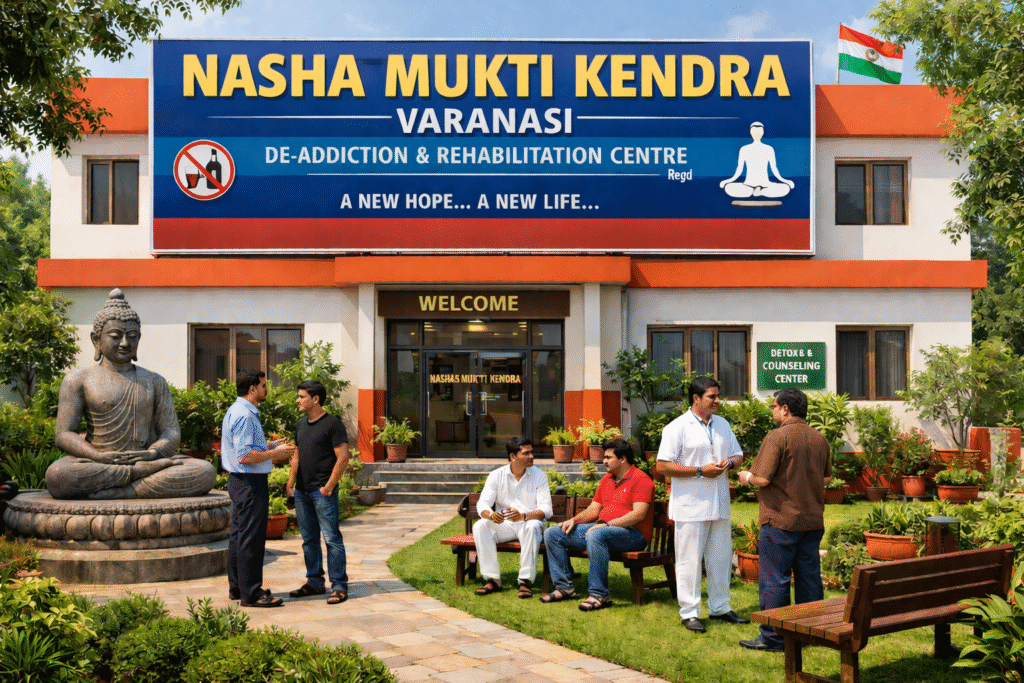
Varanasi is the city of liberation — Moksha Nagari. Families here have prayed at the Ganga for centuries. They have carried the weight of life and death with spiritual discipline. And many of them have also, silently, watched a son or husband or brother slide into addiction for years without being able to say the words out loud — because in a city this holy, admitting that your family has a nasha problem feels like admitting something much larger than a health issue.
This silence is the biggest enemy. Not the addiction itself — which is a medical condition, treatable in the same way a liver problem or a broken bone is treatable. The silence is what lets it deepen for years before a family finally searches for a nasha mukti kendra in Varanasi. If that search has brought you here, know this: asking for help is not spiritual failure. It is exactly what the city of liberation is supposed to represent.
Nasha Mukti Kendra in Varanasi — Understanding the Unique Barriers
Most cities have one or two reasons why families delay seeking addiction treatment. Varanasi has three. The first is shame — the social weight of being seen as a family where someone uses drugs or drinks heavily. The second is the religious layer — the sense that this should be handled through prayer and devotion, not a medical facility. The third is normalisation — the cultural acceptance of certain substances, particularly bhang and cannabis, that allows early-stage dependency to remain invisible for years. Understanding what treatment actually involves helps dismantle all three barriers.
Treatment is not public. It is not a sign placed outside the family home. It happens 7–8 hours away, in a different state, in complete confidentiality. No pandit, no neighbour, no relative across the gali needs to know. The spiritual identity of the family remains intact — because getting a family member proper medical care is not a departure from dharma. It is one of its most basic obligations.
The Bhang-to-Dependency Pipeline — A Varanasi-Specific Reality
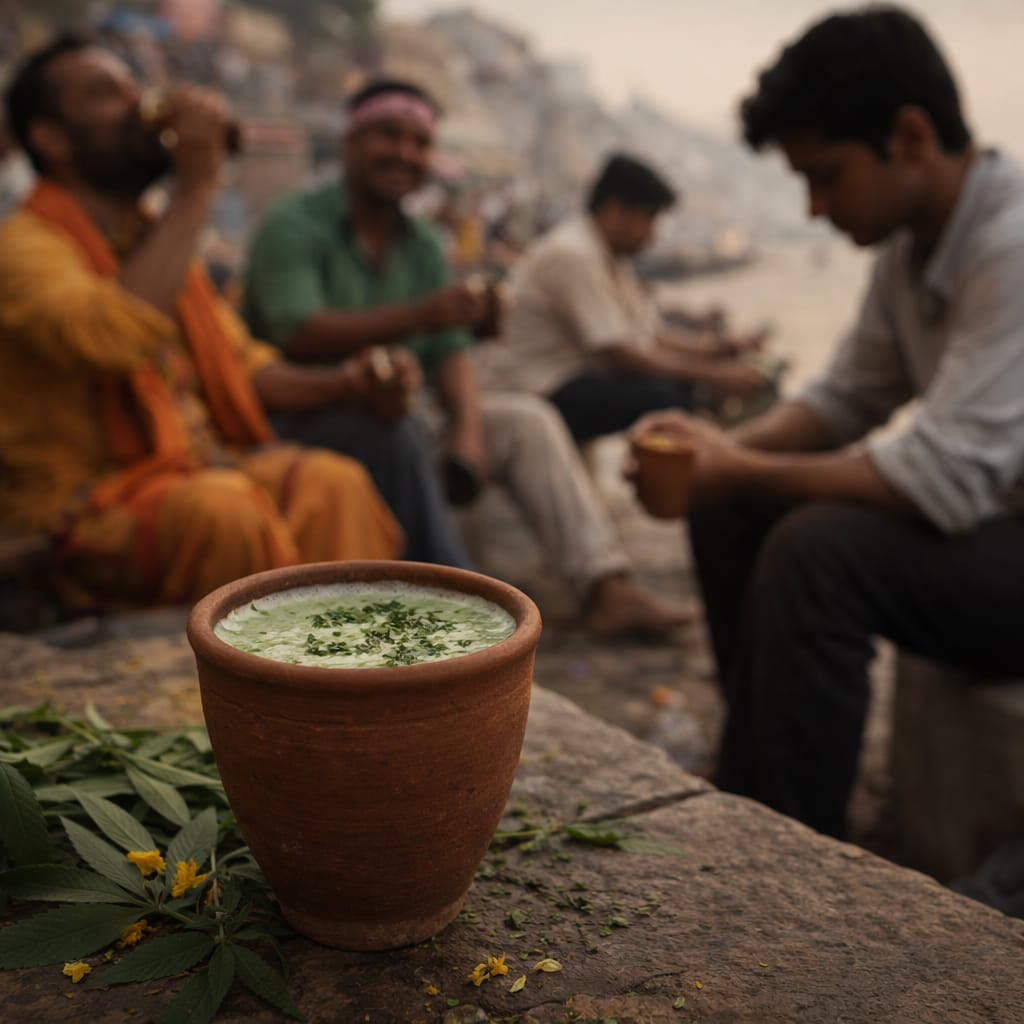
Varanasi’s relationship with bhang is ancient and real. Bhang is consumed at ghats, at temples, at festivals — it is woven into the cultural fabric. For most people, this is occasional and harmless. But for a subset of Varanasi’s population, what begins as cultural or religious use quietly becomes daily use, then compulsive use, then clinical cannabis dependency. The progression is invisible because the substance never felt illegitimate.
The signs are specific: the person needs bhang or cannabis every day to feel normal. Missing a day causes irritability, restlessness, and inability to focus. The quantity consumed has gradually increased over years. Cannabis dependency — including bhang-derived dependency — is a real medical condition with a specific treatment protocol. It is not resolved by reducing gradually at home. It requires structured therapy, behavioural intervention, and family guidance.
Addiction in Varanasi’s Context — Alcohol, Smack, and More
Beyond cannabis, Varanasi has a complex addiction landscape. Alcohol dependency is significant — particularly among boatmen, labourers, and artisans in the weaving and textile communities. Recognising these signs of dependency is the first step a Varanasi family can take.
Smack and opioid use has been present in Varanasi for decades — associated historically with certain areas near the ghats and with migrant populations. Eastern UP’s connectivity to Bihar’s drug networks and western routes from MP creates ongoing availability. Prescription drug misuse — particularly cough syrups and sleeping tablets — is growing among younger populations.
| Addiction Type | Varanasi / Eastern UP Context | Treatment at Sanchit |
| Alcohol Dependency | Common across all occupations | Medical detox + CBT + relapse prevention |
| Cannabis / Bhang Dependency | Culturally normalised — easily missed | CBT + group therapy + family counselling |
| Smack / Heroin / Opioids | Established in certain communities | Medical detox + long-term residential care |
| Drug Addiction | Present in youth and migrant populations | Residential detox + behavioural therapy |
| Prescription Drug Misuse | Growing — cough syrups, tablets | Medical detox + psychiatric support |
Why Privacy Matters Even More in Varanasi
Varanasi is a city where social life is deeply public. The ghats are communal spaces. Neighbourhoods are tightly knit. Extended families live within walking distance of each other. Mohalla networks mean that news of any family difficulty spreads through multiple channels simultaneously. A local rehabilitation centre would inevitably be visible — to auto drivers, to the neighbourhood chemist, to the pandit’s wife who noticed the family member being picked up.
This is why Gwalior is the right choice — not just strategically, but practically. It is far enough that nobody from Varanasi’s social network will encounter the patient. Family involvement in recovery is handled through scheduled visits and family counselling sessions — the family is included in the process without exposing the situation publicly. Family counselling for alcohol issues is a specific component of Sanchit’s program — addressing not just the patient but the dynamics that develop within a family over years of living with addiction.
Sanchit Nasha Mukti Kendra — Trusted by Eastern UP Families
Sanchit Nasha Mukti Kendra in Gwalior has treated patients from Varanasi, Allahabad (Prayagraj), Mirzapur, Jaunpur, and the broader eastern UP region. The centre’s medical and counselling team is experienced with the specific cultural context of UP families — the shame barriers, the religious framing, the multigenerational family dynamics that surround addiction. The program is confidential, the treatment is evidence-based, and the results are verified across 6,000+ recoveries.
Pickup from Varanasi is available 24×7. A complete aftercare plan is built before discharge — ensuring that the person’s return to Varanasi is supported, structured, and prepared for the triggers of their specific environment. Sanchit is among India’s most trusted rehabilitation centres — with a track record built on outcomes, not claims.
What Sanchit Offers Varanasi Patients
- ✅ Government-Registered and State-Certified
- ✅ 6,000+ Successful Recoveries including Eastern UP Patients
- ✅ Complete Confidentiality — Varanasi Community Will Not Know
- ✅ Cannabis / Bhang Dependency Treatment Available
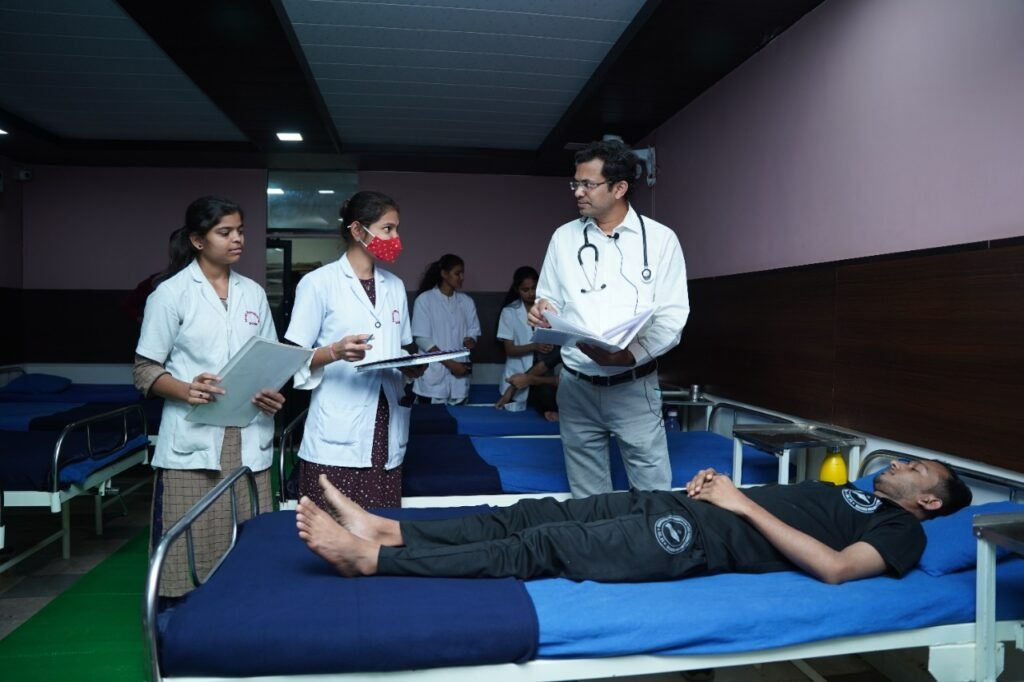
- ✅ 24/7 Medical Supervision
- ✅ Varanasi Pickup Available 24×7
- ✅ Family Counselling Integrated Into Program
- ✅ Spiritual Sessions (Sundar Kand, Hawan, Pooja) Part of Daily Program
- ✅ VIP AC Room, Private AC Ward, Sharing Ward Options
Contact Sanchit — Varanasi Helpline
| Varanasi Helpline — 24×7 Available | |
| 📞 Helpline | +91-9755870972 |
| 📞 Alternate | +91-7828991573 | +91-8302102094 |
| sanchitrehab@gmail.com | |
| 🌐 Website | sanchitrehab.com |
| 📍 Location | Sanchit Nasha Mukti Kendra, Gwalior, MP — ~7–8 hours from Varanasi |
| ⏰ Available | 24 hours a day, 7 days a week |
📞 Free Confidential Consultation — Call Now
Frequently Asked Questions
Q1. Is there a good Nasha Mukti Kendra for Varanasi families?
Yes. Sanchit in Gwalior — 7–8 hours away — offers complete confidentiality, 6,000+ recoveries, and 24×7 pickup. Call: +91-9755870972
Q2. Is cannabis or bhang dependency really a medical issue?
Yes. Regular daily use of cannabis or bhang that cannot be stopped without discomfort or distress is clinical dependency. It has a specific treatment protocol at Sanchit — cannabis addiction treatment is available.
Q3. Will our family’s reputation in Varanasi be affected if we seek treatment?
No. Sanchit maintains complete confidentiality. Nobody in Varanasi — neighbours, relatives, priests, or community members — will be informed. Treatment happens 7–8 hours away in Gwalior.
Q4. How does Sanchit’s program accommodate spiritual needs?
Daily spiritual sessions are integrated into the program — Sundar Kand Paath, Hawan, and Pooja are part of the regular schedule. The program treats the whole person — body, mind, and spirit.
Q5. What is the aftercare plan for a Varanasi patient returning home?
Structured aftercare includes a relapse prevention plan specific to the Varanasi environment, follow-up counselling sessions, and emergency contact protocols for the family.