
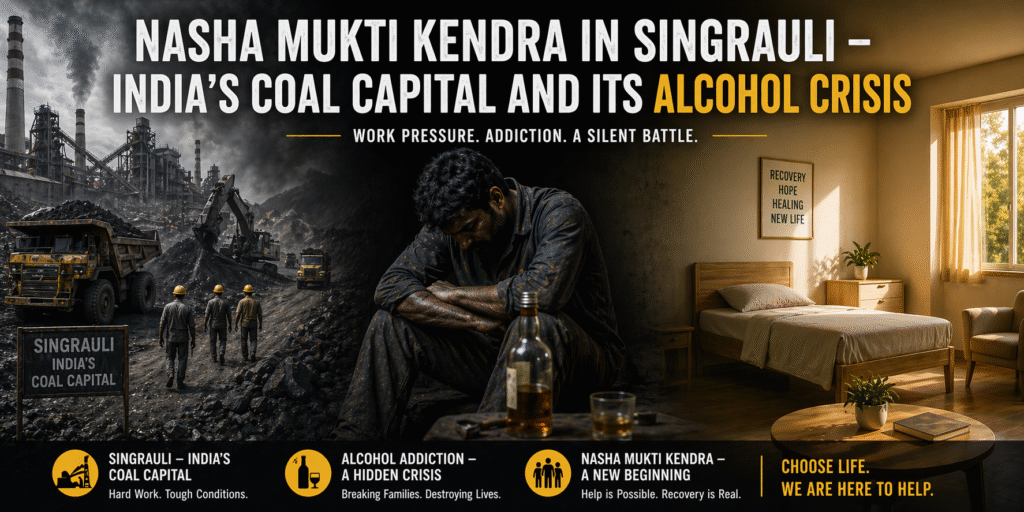
Singrauli is India’s energy capital — home to NTPC’s Vindhyachal super thermal power station, Sasan Power’s ultra-mega plant, and one of India’s most extensive open-cast coal mining operations. The district produces a significant share of India’s coal-based electricity. It also has some of the country’s most severe occupational health challenges — coal dust exposure, explosion risk, underground work environments — and one of MP’s highest alcohol dependency rates in any industrial district.
When Singrauli families search for a nasha mukti kendra, they find the same template pages as every other MP city — Samarpan’s Jhansi number, Laksh’s UP listing. Neither is a real option. Sanchit in Gwalior — 7 hours by road via Rewa — is the nearest genuine MP govt-registered residential rehabilitation centre for coal belt families.
Coal Belt Addiction — The Industrial Hazard Context
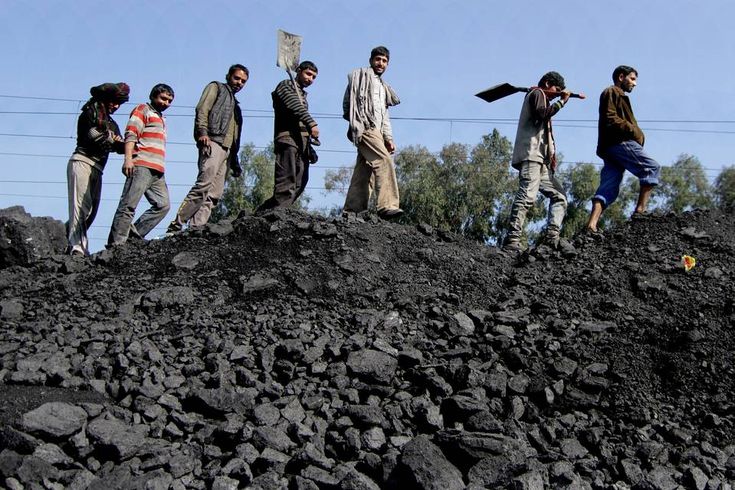
Working in a coal mine or at a thermal power plant involves physical danger at a level most occupations do not carry — underground explosions, equipment accidents, chronic coal dust inhalation causing pneumoconiosis, and the psychological weight of working in environments where serious injury or death is a real daily possibility. Alcohol dependency in this workforce is not surprising. It is the predictable medical outcome of extreme occupational stress combined with easy access and a peer culture where drinking is the universal coping mechanism.
Singrauli’s tribal communities face a separate but equally serious context. The Gond, Baiga, and Kol communities displaced by coal projects have lost land, forests, and livelihoods that formed the basis of their entire existence. Displacement trauma — combined with cash compensation that provides income without structure — has created severe alcohol dependency in displaced tribal populations. Sanchit’s counselling team addresses displacement trauma as a specific driver of addiction in this population.
Why Addiction is Rising in Singrauli’s Coal Industry
Addiction in Singrauli’s coal industry is rising mainly due to the intense pressure of working in mines and power plants. Workers face long hours, dangerous conditions, and constant stress, which leads many to use alcohol or substances as a way to cope. Over time, what starts as occasional use becomes a habit and then dependency. Easy availability of alcohol and a culture where drinking is common further make the problem worse.
Another reason addiction is increasing is the lack of awareness and delayed treatment. Many workers and families do not recognise early signs of addiction and consider drinking as normal after a hard day’s work. Because of stigma and fear of “log kya kahenge,” people avoid seeking help until the situation becomes serious. By that time, dependency is stronger and harder to control, making proper medical treatment and rehabilitation necessary.
Displacement & Tribal Community Addiction Crisis
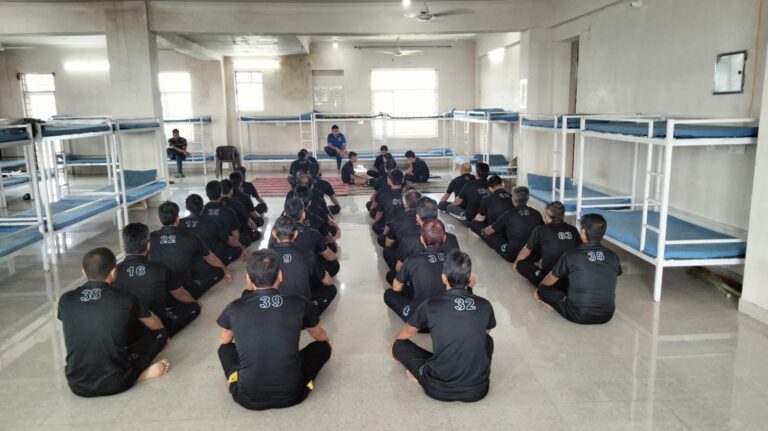
Sanchit Rehab treats coal belt addiction through a structured program that combines medical care with psychological support. The process begins with medically supervised detox to safely manage withdrawal symptoms, followed by counselling and therapy sessions that address the root causes of addiction such as stress, trauma, and work pressure. Special focus is given to the mindset of industrial workers, helping them replace harmful coping habits with healthier alternatives. With regular monitoring, group support, and personalised recovery plans, the approach ensures both physical recovery and long-term mental stability.
Our Approach for Singrauli Patients
The senior psychiatrist at Sanchit has clinical experience with both the industrial worker and displaced tribal population patterns from central India’s coal belt. The treatment program starts with medically supervised detox — critical for serious long-duration alcohol cases — and moves through individual CBT counselling that addresses the occupational identity of coal workers and the displacement trauma of tribal patients, group therapy, family sessions, and a structured 30–90 day residential stay.
For Singrauli’s mine workers specifically, the CBT program addresses the specific cognitive framework of “dangerous work requires release” — the rationalisation that physical danger justifies alcohol consumption. This framework keeps dependency invisible until it becomes severe. Breaking it clinically requires both the neuroscience of addiction (what alcohol actually does to the brain) and the occupational psychology of industrial workers (how to find alternative release and community).
Services at Sanchit Nasha Mukti Kendra
Medical Detox — alcohol, opioid, and cannabis withdrawal managed under 24/7 clinical supervision. For Singrauli’s heavy drinkers with long duration dependency, seizure prevention and cardiac monitoring are standard elements of the detox protocol.
Individual CBT — coal belt occupation-calibrated sessions. Occupational identity, industrial peer culture, displacement trauma (for tribal patients), and the specific cognitive patterns driving addiction in Singrauli’s workforce.
Group Therapy — peer sessions daily. For mine workers — who typically come from cultures where emotional expression is not sanctioned — the facilitated group setting creates a structured space for the first honest conversation about addiction.
Family Counselling — video call and visiting days. For Singrauli families specifically, family sessions cover the occupational context so that the family understands the specific pressure environment the patient is returning to.
Aftercare — written Singrauli-specific plan covering the coal belt occupational context, displaced tribal community stressors, specific social triggers, and follow-up counselling schedule.
Addictions Treated — Singrauli Coal Belt
| Addiction | Singrauli Context | Treatment at Sanchit |
| Alcohol Dependency | Severe — coal miners, power plant workers | Medical detox + CBT + coal belt aftercare |
| Cannabis / Ganja | Widespread — tribal and worker populations | CBT + group therapy + family guidance |
| Drug Addiction | Rising — displacement trauma population | Residential detox + trauma-informed therapy |
| Prescription Drug Misuse | Growing in industrial staff | Supervised tapering + psychiatric support |
What Sanchit Offers Singrauli Families
- ✅ MP Govt-Registered and State-Certified
- ✅ 6,000+ Recoveries Including Coal Belt Patients
- ✅ Full-Time Psychiatrist — 24/7 Medical Supervision
- ✅ Coal Sector and Displaced Tribal Community Experience
- ✅ 7 Hours from Singrauli — Pickup Arranged Directly
- ✅ Sharing Ward for Mine Worker and Tribal Families
- ✅ Singrauli-Specific Written Aftercare Plan
Contact Sanchit Nasha Mukti Kendra — Singrauli Helpline
| Singrauli Helpline — 24 Hours, 7 Days | |
| 📞 Primary | +91-7828991573 |
| 📞 Alternate | +91-8302102094 | +91-9755870972 |
| 📍 Centre | Sanchit Nasha Mukti Kendra, Gwalior, MP — 390km / 7 hrs from Singrauli (via Rewa) |
| ⏰ Hours | 24 hours a day, 7 days a week |
📞 Call Now — Free Confidential Consultation
Frequently Asked Questions
Q1. Is there a real Nasha Mukti Kendra for Singrauli families?
Sanchit in Gwalior — 7 hours via Rewa — is the nearest MP govt-registered real option. Call +91-7828991573.
Q2. Does Sanchit treat displaced tribal community patients from Singrauli?
Yes. Displacement trauma is addressed as a specific addiction driver alongside clinical treatment. The counselling program covers loss of land and livelihood — the structural causes of addiction in Singrauli’s displaced populations.
Q3. Is alcohol treatment effective for long-term coal belt drinkers?
Yes. Long-duration alcohol dependency — even 20+ years — is fully treatable with medically supervised detox followed by 60–90 days of residential rehabilitation. The duration does not reduce the effectiveness of treatment.
Q4. How does a Singrauli patient reach Gwalior?
Road via Rewa (7 hours) or train via Rewa–Gwalior. Sanchit coordinates pickup from Singrauli. Call to plan the journey.
Q5. Is treatment affordable for mine workers?
Yes. Sharing ward options are available. Coal worker families can access full medical residential care at affordable rates. Call for transparent pricing.
Q6. What aftercare covers return to the coal belt environment?
Written Singrauli-specific aftercare plan covering coal sector occupational pressure, post-shift culture, displacement community context, and follow-up counselling schedule.