
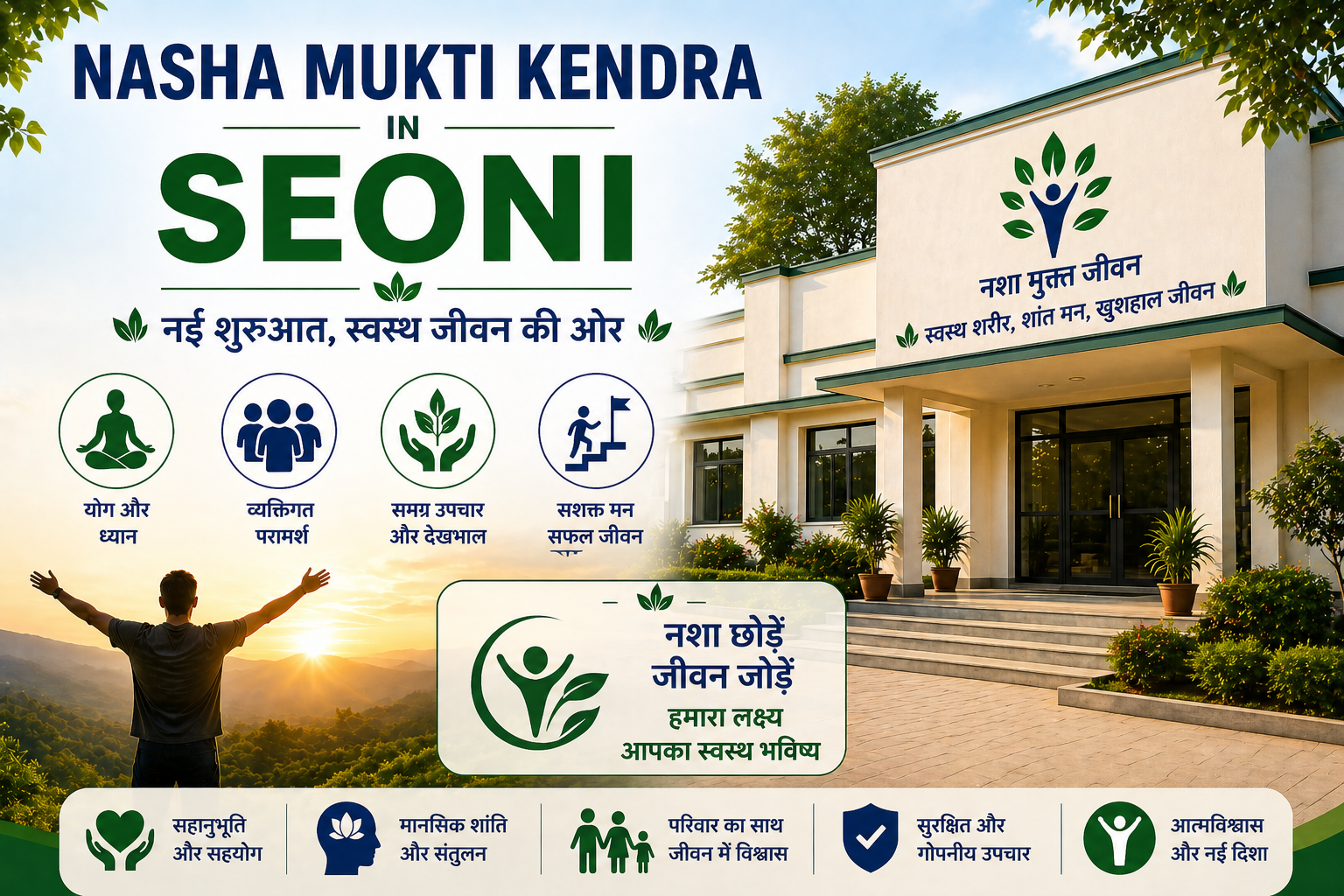
Sanchit Rehab is a government-registered Nasha Mukti Kendra offering complete addiction treatment for individuals from Seoni and across Madhya Pradesh. Services include medically supervised detox, one-on-one and group counselling, family therapy sessions, and a personalised relapse prevention plan — with a proven record of over 6,000 successful recoveries.
Nasha Mukti Kendra in Seoni| Trusted Rehab Centre
Seoni, a quiet but growing district in the heart of Madhya Pradesh surrounded by forests and known for its natural beauty, is home to hardworking communities that face a challenge many refuse to talk about: addiction. If you are looking for a trusted Nasha Mukti Kendra in Seoni, know that you are making the right decision by seeking information — and that help is available.
At Sanchit Rehab, we serve patients from Seoni, Chhindwara, Balaghat, and all corners of Madhya Pradesh. Our approach blends expert medical care with genuine human compassion — because we know that behind every person struggling with addiction is a family that loves them and a life worth recovering.
Why Addiction is Becoming a Concern in Seoni
Seoni’s relatively rural setting and limited access to urban facilities do not protect it from the growing problem of addiction. In fact, certain characteristics of the district make it particularly vulnerable.
- Agricultural hardship: Farmers in Seoni often face crop failures, debt, and economic stress — all of which are known risk factors for alcohol use as a coping mechanism.
- Limited alternative recreation: In areas with fewer educational, sports, or cultural opportunities, young people are more likely to fall into substance use out of boredom and lack of direction.
- Alcohol accessibility in rural areas: Illicit local brew (known as desi sharab) is easily available in many parts of rural Madhya Pradesh, making heavy drinking relatively normalised in some communities.
- Seasonal labour patterns: Many young men from Seoni migrate for seasonal work, where they are often introduced to substances away from the moderating influence of their families.
- Limited awareness of treatment options: In many parts of Seoni, families simply do not know that professional addiction treatment exists nearby — or that it is affordable and accessible.
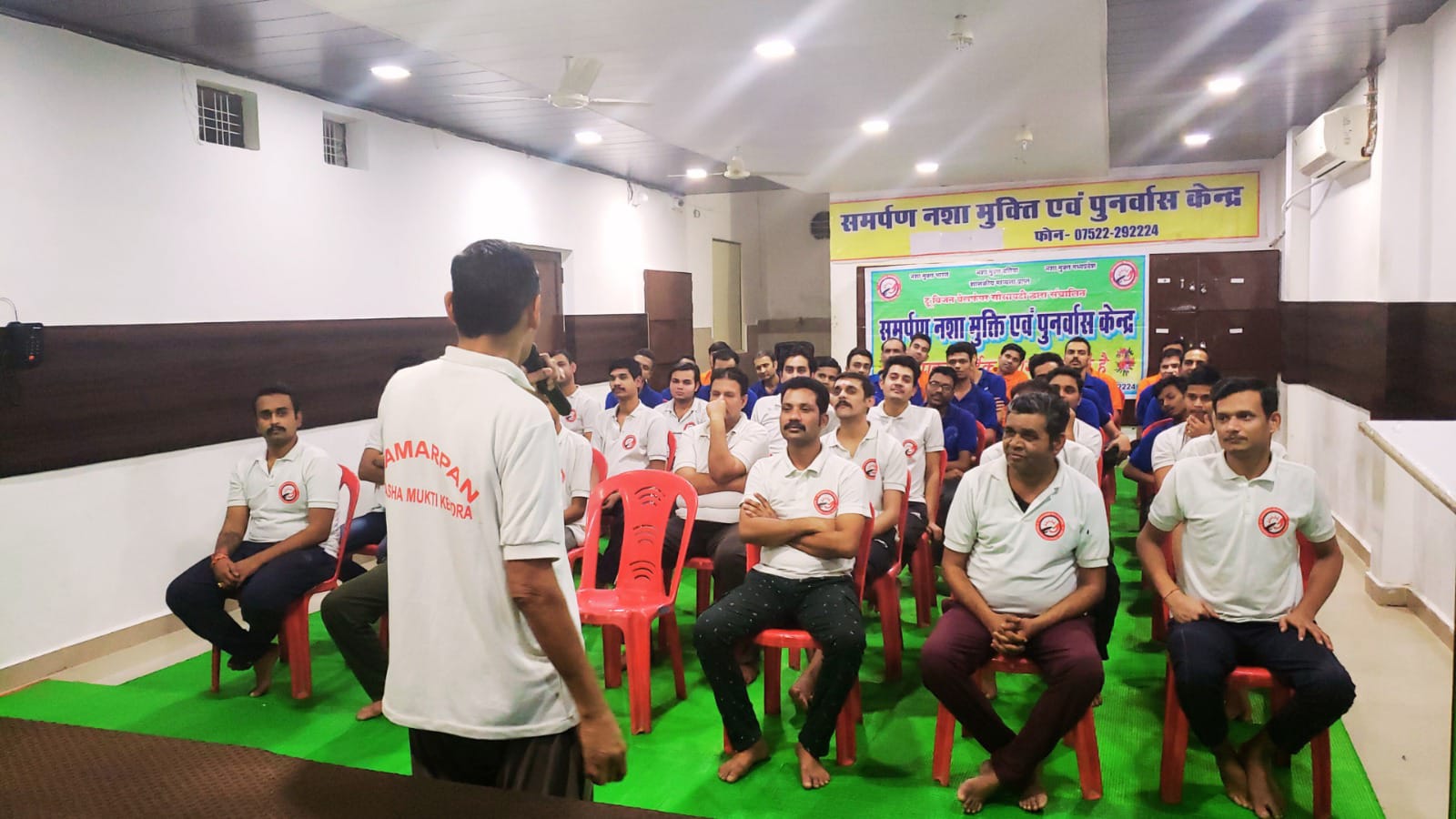
These are real, structural challenges — and they make the availability of a professional de-addiction centre all the more critical for this region.
What is a Nasha Mukti Kendra?
A Nasha Mukti Kendra — “de-addiction and liberation centre” — is a professionally staffed facility that provides the medical, psychological, and social support needed to overcome addiction. These centres are designed to do what informal approaches cannot: safely manage physical withdrawal, address the underlying causes of addiction, and build a genuine plan for a substance-free future.
A quality Nasha Mukti Kendra does not simply take away substances from a person — it gives them something far more powerful in return: the understanding of their own patterns, healthier coping tools, and a community that believes in their capacity to change.
Signs That Someone Needs Professional De-Addiction Help
Many families wait until a crisis before seeking help. But the earlier addiction is treated, the easier and more complete the recovery. Watch for these signs:
- Physical signs: Noticeable weight loss or gain, poor hygiene, bloodshot eyes, persistent tremors, or physical discomfort when the substance is not available.
- Behavioural signs: Lying about alcohol or drug use, hiding substances, spending money on substances instead of family needs, neglecting farm work or employment.
- Emotional signs: Unpredictable anger, deep withdrawal into silence, frequent crying without clear reason, or expressions of hopelessness and worthlessness.
- Family and social problems: Domestic arguments, physical violence, inability to fulfil role as a spouse or parent, financial damage to the household, or complete social withdrawal.
If these signs are present, please do not wait. Alcohol addiction treatment is available, and early action gives the best possible outcome.
Treatment Program Offered by Sanchit Rehab
At Sanchit Rehab, we have designed our treatment program to be thorough, humane, and effective. Here is how the journey works:
1. Assessment and Admission
When a patient first arrives, our psychiatrist and clinical team conduct a full intake assessment. This covers the patient’s substance use history, physical health, mental health status, and family situation. From this, we build a care plan that is genuinely personalised — addressing not just the addiction, but the whole human being. We involve the family in this process from the very beginning, because their understanding and support matter deeply.
2. Medical Detoxification
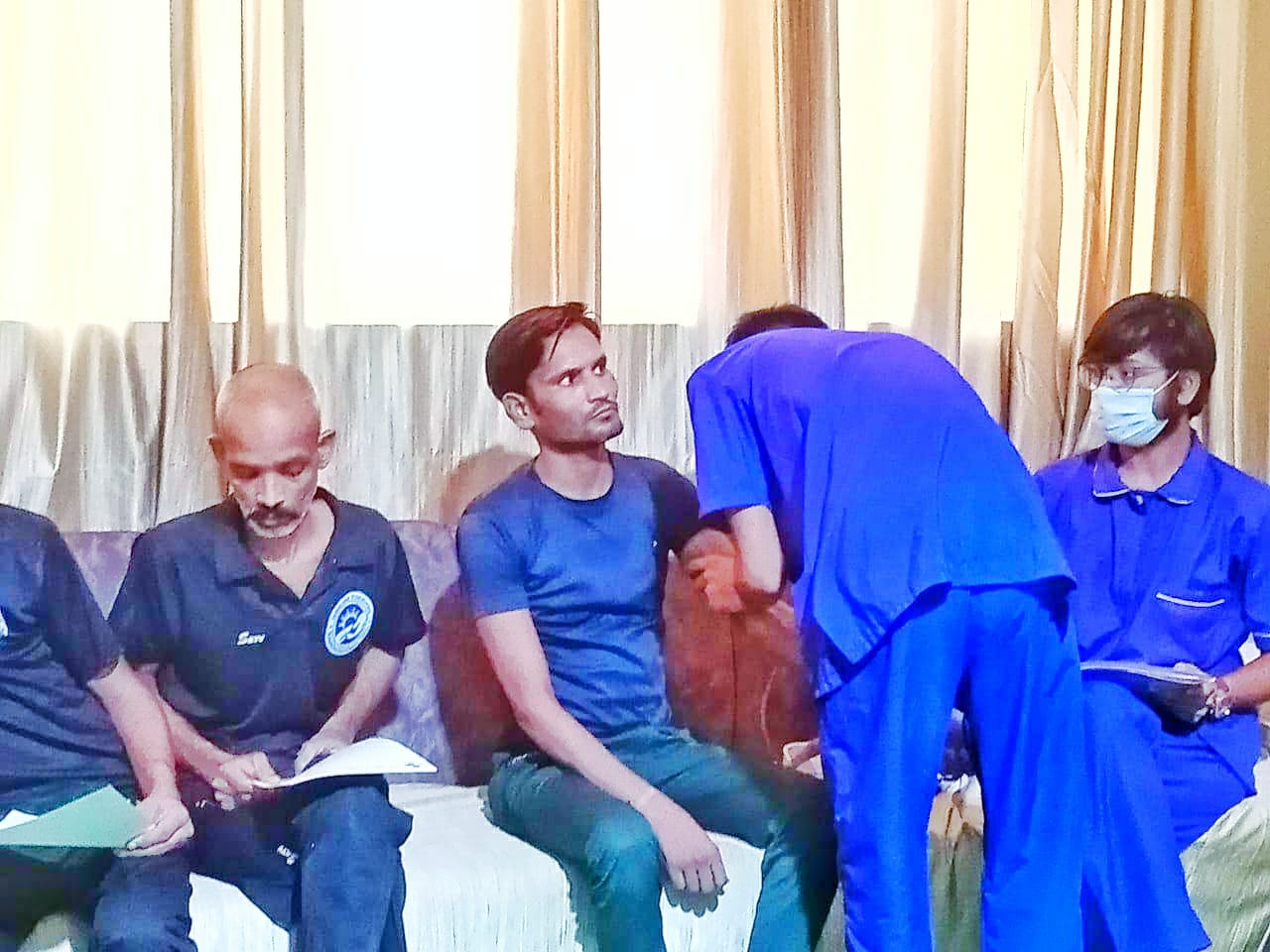
Detox is the process of safely clearing substances from the body — and it is the foundation of physical recovery. For many substances, attempting to stop suddenly without medical support is dangerous. At Sanchit Rehab, detoxification treatment is managed by trained medical staff 24 hours a day. We use evidence-based protocols to minimise withdrawal discomfort and prevent serious complications, ensuring this critical stage is handled with the care and expertise it demands.
3. Counselling and Therapy
After detox, the deeper work begins. Individual counselling gives each patient space to explore the personal history and emotional pain behind their addiction — whether rooted in trauma, family conflict, depression, or chronic stress. Group therapy creates a powerful dynamic where patients learn from and support each other through shared honesty. These therapeutic relationships are central to healing and to our approach to drug addiction treatment.
4. Family Counselling
The family carries wounds that are different from, but no less real than, the patient’s own. Our family counselling for addiction sessions help family members work through betrayal, grief, fear, and confusion. We teach families how to communicate without hostility, how to set firm but loving boundaries, and how to create a home environment that genuinely supports recovery rather than enabling further relapse. This is one of the most powerful components of successful, long-term recovery.
5. Relapse Prevention
Completing the residential program is a major achievement — but the challenges of real life still lie ahead. Our relapse prevention program prepares patients to face those challenges head-on. We identify each person’s specific triggers, teach concrete coping strategies, and help build a daily routine and support network that make sobriety sustainable. Regular follow-up sessions after discharge ensure patients remain connected and supported through the months after treatment.
Why Choose Sanchit Rehab for Nasha Mukti Treatment?
- Government-registered rehabilitation centre — Safe, accountable, and meeting all official standards.
- Experienced psychiatrist-led treatment — Expert medical and psychiatric guidance throughout recovery.
- Structured recovery program — A clear, progressive path from detox to long-term sobriety.
- Safe and supportive environment — A healing space free from stigma, judgment, and triggers.
- Family counselling support — Whole-family healing, not just individual treatment.
- 6,000+ documented recoveries — A strong and growing record of real-life transformation.
We welcome families from Seoni to explore our About Us page and our gallery to get a sense of who we are and the care we provide.
Benefits of Choosing a Professional Rehab Centre
It is natural to wonder whether a residential rehab centre is really necessary — especially if the person has tried to stop on their own before. But research and experience consistently show that professional treatment produces dramatically better outcomes than self-managed attempts to quit.
The reasons are straightforward: professional centres offer medically managed detox that prevents dangerous withdrawal; structured daily schedules that remove boredom and routine triggers; trained therapists who can break through denial and reach genuine insight; a community of peers who are on the same journey; and a plan for what comes next. Professional treatment does not replace the person’s own will to recover — it gives that will the support and structure it needs to succeed.
How do I start the admission process for someone in Seoni?
Simply contact us by phone or through our website. One of our counsellors will speak with you, understand your situation, and guide you through what to expect. There is no obligation, and no pressure. The first call is just a conversation — but it can be the beginning of everything changing for your family.
Start Recovery with Sanchit Rehab
If your family in Seoni is living with the weight of addiction, you do not have to carry it alone. Sanchit Rehab has helped over 6,000 people across Madhya Pradesh find their way back to a healthy, purposeful life. We are ready to help your family next.
Every journey of recovery begins with one decision. Make yours today
Frequently Asked Questions
Is Sanchit Rehab accessible from Seoni district?
Yes. Sanchit Rehab is accessible from Seoni and the surrounding districts of Madhya Pradesh. Our admissions team can advise on travel routes and logistics when you contact us. We accept patients from all regions of Madhya Pradesh and are here to make the admission process as simple as possible for families.
What types of addiction are treated at Sanchit Rehab?
We treat alcohol addiction, drug dependency including cannabis, opioids, and prescription medications, nicotine addiction, and behavioural addictions. We also have experience handling cases where multiple substances are involved or where addiction co-exists with depression, anxiety, or other mental health conditions.
Is treatment at the centre confidential?
Yes — complete confidentiality is one of our core commitments. Patient information is shared only with the clinical team directly involved in their care. We understand how sensitive these matters are for families, particularly in small communities, and we take privacy extremely seriously in everything we do.
How does the family stay involved during residential treatment?
Family involvement is a structured part of our program. We hold regular family counselling sessions, maintain communication with designated family contacts — with the patient’s consent — and involve family members in aftercare planning. Families are not left on the outside; they are active participants in the recovery journey.
What if the person relapses after completing treatment?
Relapse does not mean failure. It is a common part of the recovery process for many people, and it does not undo the progress made. If a relapse occurs, our team is available to reassess, support, and help the patient and family get back on track. Our aftercare network exists precisely for moments like this — to catch people before a brief relapse becomes a prolonged setback.