
Sanchit Rehab is a trusted Nasha Mukti Kendra in Mandla that provides professional care and rehabilitation support for individuals struggling with alcohol and drug addiction. The centre offers structured treatment programs, counselling sessions, detox support, and therapy in a safe and disciplined environment.
With experienced staff and personalised recovery plans, Sanchit Rehab focuses on long-term healing and behavioural improvement. The centre helps individuals regain confidence, improve mental well-being, and work toward a stable and addiction-free life.
Sanchit Nasha Mukti Kendra in Nagda
Welcome to Sanchit Nasha Mukti Kendra, a trusted and professionally managed Nasha Mukti Kendra in Nagda dedicated to helping individuals recover from alcohol, drug, and substance addiction through safe and structured rehabilitation programs. Our centre focuses on creating a supportive environment where individuals can rebuild their physical health, emotional stability, and confidence with proper care and guidance.
At Sanchit Rehab, we combine professional counselling, wellness activities, medical supervision, and behavioural support to encourage long-term recovery and positive lifestyle changes. Our experienced team of counselors, healthcare professionals, and wellness experts works closely with every resident to understand their personal challenges and provide customised recovery support in a peaceful and disciplined setting.
Why Addiction is Rising in Nagda
Nagda’s industrial backbone — particularly the chemical and textile industries — brings with it unique social pressures. Long factory shifts, job insecurity, labour migration, and the stress of daily wages create an environment where many men (and increasingly, younger people) turn to substances as a way to “unwind.”
Some of the key reasons addiction is growing in Nagda include:
- Industrial stress: Physical labour and mental fatigue from factory work push many workers toward daily alcohol use.
- Easy availability: Cheap country liquor and locally sourced substances are easy to get in small towns and nearby villages.
- Youth unemployment: Young men who cannot find stable work drift into substance circles for a sense of belonging.
- Lack of awareness: Many families don’t recognise early addiction as a medical problem — they see it as a “habit” or a character flaw.
- Social stigma: Shame around seeking help means people wait far too long before reaching out to a professional drug addiction treatment centre.
Hidden Reality: What Families in Nagda Are Facing Today
Behind closed doors in Nagda, there are countless untold stories. A wife who hides her husband’s drinking from their children. A mother who lies awake wondering if her son will come home safe tonight. A father who has quietly sold household items to fund his habit, while his family watches and weeps.
Addiction doesn’t just destroy the person using — it tears apart the entire family unit. Children grow up in homes filled with fear and unpredictability. Spouses carry impossible burdens of both financial pressure and emotional exhaustion. And the person addicted? They are often trapped in a cycle of shame, withdrawal, and relapse — desperately wanting to stop but not knowing how.
This is why professional treatment matters. Not willpower. Not promises. Real medical and psychological intervention that breaks the cycle for good.

Addiction rarely announces itself loudly. It creeps in slowly. Here are the warning signs families in Nagda should watch for:
- Physical signs: Sudden weight loss or gain, bloodshot eyes, trembling hands, neglected hygiene, frequent illness or vomiting
- Behavioural signs: Lying about whereabouts, stealing money from family, sudden change in friend circle, skipping work or school
- Emotional signs: Extreme mood swings, anger outbursts over small things, depression, anxiety, lack of motivation
- Social signs: Withdrawal from family gatherings, avoiding old friends, secretive behaviour, social isolation
If you recognise even three of these in someone you love, it’s time to reach out to a professional rehab centre in Madhya Pradesh immediately.
Step-by-Step Treatment Program at Sanchit Rehab
Sanchit Rehab follows a comprehensive, medically designed treatment model that has helped patients from Nagda and across Madhya Pradesh achieve lasting recovery. Here is what the journey looks like:
- Assessment & Admission: Every patient begins with a thorough medical and psychological assessment. Our team evaluates the type of addiction, duration, health history, and mental health status to create a personalised treatment plan.
- Medical Detox (7–14 Days): Detox treatment is the first physical phase. Our medical team manages withdrawal symptoms safely with 24/7 supervision, medication support, and round-the-clock monitoring so the patient’s body can safely clear the substance.
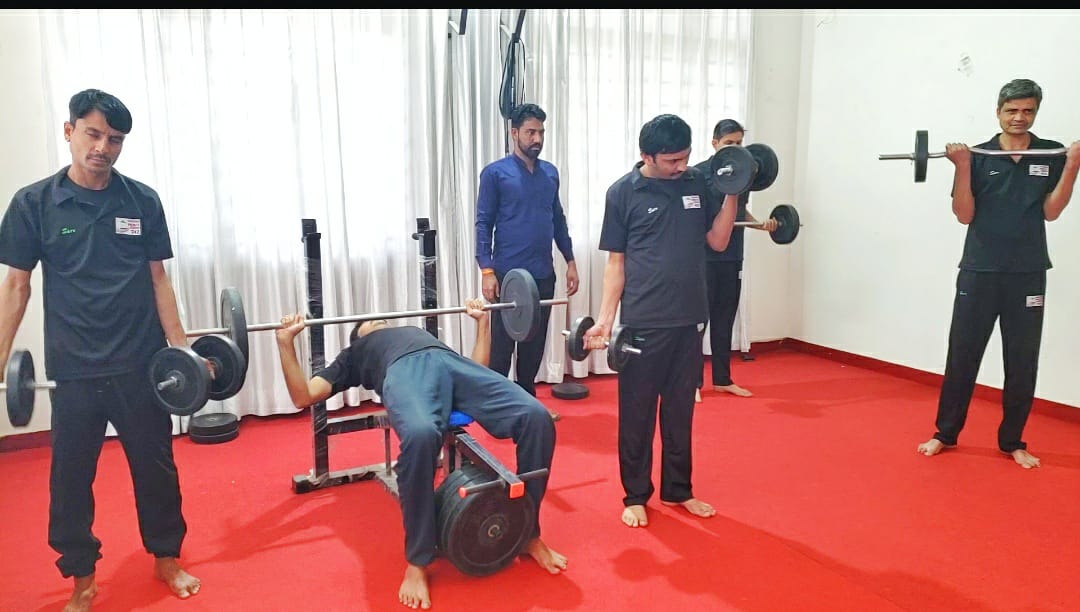
- Therapy & Rehabilitation (28–90 Days): This is the core of recovery. Patients receive individual therapy (CBT, motivational interviewing), group therapy, life skills training, vocational guidance, and spiritual/yoga sessions. This phase rebuilds the mind and purpose.
- Family Counselling: Addiction is a family disease. Our counsellors work with family members in Nagda and beyond, helping them understand addiction, set healthy boundaries, rebuild trust, and become a positive part of the recovery journey.
- Relapse Prevention & Aftercare: Recovery doesn’t end at discharge. Our relapse prevention program equips patients with practical tools, support networks, and follow-up check-ins to stay sober long-term.
Why Families Trust Sanchit Rehab
- Government registered and licensed de-addiction centre
- Led by experienced psychiatrists and addiction medicine specialists
- Over 6,000 successful recoveries documented across Madhya Pradesh
- Safe, structured, and peaceful residential environment
- Separate programs for alcohol, drugs, and behavioural addictions
- Strict confidentiality — your family’s privacy is fully protected
- Holistic approach: medical + psychological + spiritual care
- Strong aftercare and family involvement throughout treatment
Benefits of Professional De-Addiction Treatment
Medically: Attempting to quit addiction without medical supervision can be life-threatening. Alcohol withdrawal in particular can cause seizures. A proper alcohol addiction treatment program ensures physical safety during the hardest part of recovery.
Psychologically: Most addictions are deeply linked to unresolved trauma, anxiety, or depression. Professional therapy addresses these root causes so that the person doesn’t just stop using — they genuinely heal and build a new way of thinking.
Socially: A structured rehab environment removes the person from triggering surroundings and negative peer influences. It replaces those with a supportive community of peers who are all working toward the same goal.
The difference between someone who quits on their own and someone who completes professional treatment is stark — relapse rates for untreated addiction are far higher, and the consequences each time can be more severe.
How We Help Patients from Nagda
Families in Nagda looking for quality addiction treatment often find that local options are limited. Sanchit Rehab bridges that gap. Our centre is accessible from Nagda and has admitted patients from across the Ujjain and Ratlam belt — including people who travelled specifically because they wanted discreet, high-quality care away from their immediate social circle.
We understand that for families in industrial towns like Nagda, taking this step feels both urgent and frightening. Our admissions team is available to speak with you confidentially, answer your questions, guide you on what to expect, and help you make the best decision for your family. We handle the paperwork, the planning, and the care — you focus on taking that first step.
Is detox safe?
Yes — when done under proper medical supervision. Detox at Sanchit Rehab is managed by qualified medical professionals 24/7. We use clinically approved medications to manage withdrawal symptoms safely and minimise discomfort. Attempting detox at home without supervision can be dangerous and is strongly discouraged.
What happens after treatment ends?
Discharge is not the end — it’s the beginning of long-term recovery. Sanchit Rehab provides a structured aftercare plan, regular follow-up calls, outpatient support, and relapse prevention guidance. We stay connected with families to ensure the patient’s recovery continues strongly even after returning home to Nagda.
Start Recovery Today — Your Family Deserves Peace
If someone you love is struggling with addiction in Nagda, every day of delay makes recovery harder. Sanchit Rehab is here — with compassion, expertise, and a proven program that has changed thousands of lives. You don’t have to figure this out alone.
Frequently Asked Questions-
1.Is there a good Nasha Mukti Kendra in Nagda?
While Nagda has limited local facilities, Sanchit Rehab is a trusted professional de-addiction centre accessible from Nagda. It offers complete treatment — detox, therapy, family counselling, and aftercare — with over 6000 recoveries. Many families from Nagda and the Ujjain district have sought help here successfully.
2.How long does addiction treatment take?
It depends on the severity of addiction. A standard program runs 28 to 90 days. The first 7–14 days are medically supervised detox, followed by intensive therapy and rehabilitation. Some patients with long-term addiction or co-occurring mental health issues may benefit from extended programs up to 6 months.
3.What is the cost of rehab treatment?
Treatment cost at Sanchit Rehab is structured and transparent, varying based on program duration and accommodation type. We believe that quality addiction treatment should be accessible. Please contact us directly for a detailed cost breakdown — we can often work with families on payment arrangements to ensure treatment is possible.
4.Can family stay involved in treatment?
Yes, absolutely. Family involvement is an important part of the recovery process at Sanchit Rehab. We conduct family counselling sessions, provide regular progress updates, and prepare families for the patient’s return home. A strong family support system significantly improves long-term recovery outcomes.