

Addiction does not discriminate. It takes educated professionals and daily-wage labourers alike. It shatters families that seemed perfectly fine from the outside. And in a district like Betul — where social reputation still carries enormous weight — the shame and secrecy around addiction makes it far worse than it needs to be.
This page is for families in Betul who are done waiting and hoping things will get better on their own. Sanchit Rehab offers a medically proven path to recovery, with a compassionate team that understands your circumstances and is ready to help right now.
Why Addiction is Rising in Betul
Betul’s specific social and economic profile has created unique conditions for addiction growth. Understanding these factors helps families take them seriously rather than dismissing the problem as “normal” or “temporary”:
- Highway and transport culture: Betul sits on major national highways connecting MP to Maharashtra. Transport workers, truckers, and associated trades create environments where alcohol use is extremely normalised and available around the clock.
- Agricultural stress: Farmers in Betul’s rural areas face crop failures, loan pressures, and monsoon uncertainty. The mental burden often leads to heavy alcohol use as stress relief, which over time becomes physical dependency.
- Youth unemployment and migration: Young men from Betul who can’t find work locally often migrate, encounter drugs in city environments, and return with substance habits that slowly destroy families back home.
- Readily available cheap alcohol: The density of liquor outlets in Betul district — including informal supply in villages — means substances are easy and cheap to access at any hour.
- Untreated mental health: Depression and anxiety are vastly undertreated in Betul. Without proper mental health support, people self-medicate with alcohol and other substances — a cycle that deepens rapidly.
Hidden Reality: What Families in Betul Are Facing Today
In Betul’s towns and villages, addiction looks like this: a respected teacher who starts drinking at lunch. A farmer’s son who came back from Pune different — quieter, angrier, thinner — and now asks for money every day. A woman whose husband hasn’t been sober in three years, whose children have stopped inviting friends home because of the shame.
One of the most painful parts of addiction for Betul families is the hope-and-relapse cycle. The person promises to quit. They do — for a week, maybe a month. Then something happens — stress, a celebration, old friends — and they’re back where they started, sometimes worse. This cycle doesn’t break on its own. It requires structural, professional intervention.
The families in Betul who finally reached out to a professional rehab centre in Madhya Pradesh consistently say the same thing: “We wish we had done this years ago.” Don’t let more years pass.Warning Signs You Should Not Ignore
- Physical signs: Unable to start the day without drinking, persistent liver pain or jaundice, significant weight loss, injuries from frequent accidents while under influence
- Behavioural signs: Skipping work consistently, disappearing for days, stealing or selling household belongings, dramatically different social circle
- Emotional signs: Explosive anger over small things, extreme guilt after using, promising to stop repeatedly and failing, expressed hopelessness about the future
- Social signs: Children performing poorly in school due to home stress, complete withdrawal from community events, spouse taking loans to manage daily expenses
If you see these patterns, proper detox treatment and professional therapy is not optional — it is urgently necessary.
Step-by-Step Treatment Program at Sanchit Rehab
Sanchit Rehab uses a proven five-stage model developed and refined across thousands of patient cases. For Betul patients, here is exactly what the treatment journey looks like:
- Assessment & Admission: A senior clinician conducts a full intake evaluation covering addiction type and duration, physical health, psychiatric history, family dynamics, and recovery goals. This forms the basis of an entirely individualised treatment plan.
- Medical Detox (7–14 Days): Our medically supervised detox treatment phase manages withdrawal safely. For patients with long-standing alcohol dependence — very common in Betul — our team monitors vital signs, administers withdrawal medications, and provides 24/7 nursing care to ensure the patient’s safety and comfort throughout this critical phase.
- Therapy & Rehabilitation (28–90 Days): The intensive therapeutic core of recovery. Patients receive individual therapy (CBT and motivational enhancement), group therapy with peers, anger management, yoga and mindfulness, vocational guidance, and structured daily activity schedules. This phase fundamentally reshapes how the patient thinks and responds to life.
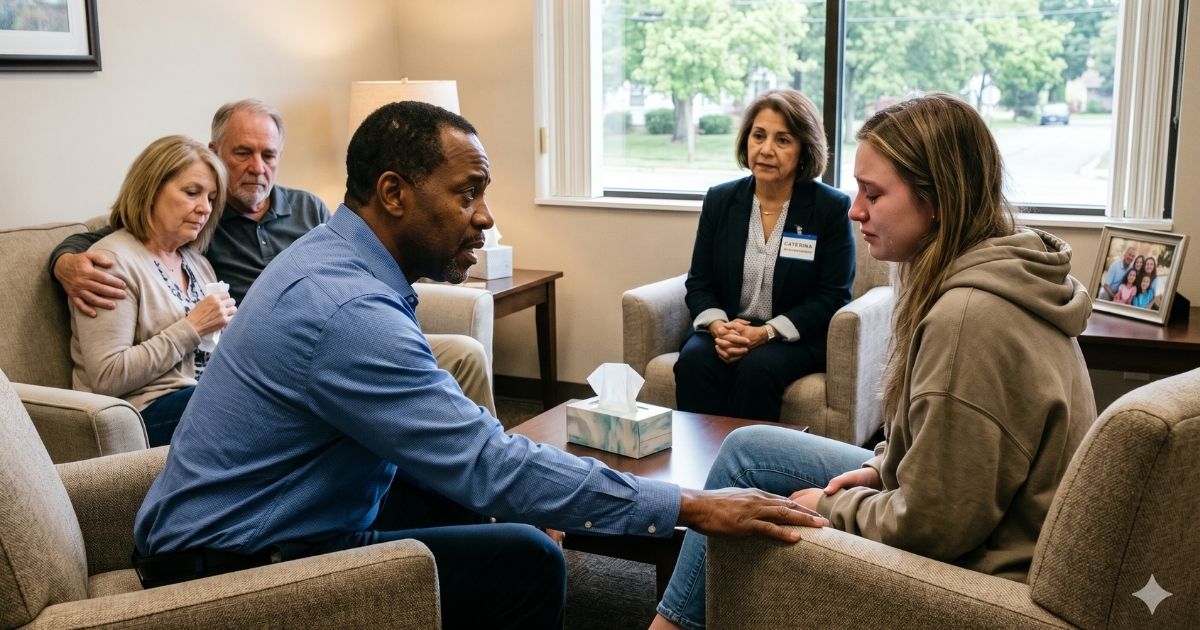
- Family Counselling: Sanchit Rehab strongly believes that healing the family is as important as healing the patient. We work with family members in Betul — through on-site visits or remote sessions — to repair relationships, rebuild communication, and help families understand their role in sustaining recovery.
- Relapse Prevention & Aftercare: The relapse prevention program at Sanchit Rehab is personalised, practical, and ongoing. Patients leave with a written plan, emergency contacts, trigger awareness, and scheduled follow-up sessions. We do not disappear after discharge — we stay connected.
Why Families Trust Sanchit Rehab
- Government registered and licensed under Madhya Pradesh de-addiction facility regulations
- Experienced psychiatrists and addiction specialists — not general practitioners
- 6,000+ verified recovery outcomes from across Madhya Pradesh
- Strict patient confidentiality — no information leaves the treatment team
- Safe, clean, structured residential facility with no exposure to triggering environments
- Customised treatment — no cookie-cutter programs
- Strong family integration throughout the treatment journey
- Accessible admissions team — available to answer every question before you commit
Benefits of Professional De-Addiction Treatment
Medically: Particularly for long-term alcohol users — a significant population in Betul — stopping abruptly without professional oversight can cause severe, life-threatening withdrawal. Professional alcohol addiction treatment makes this process safe, managed, and survivable.
Psychologically: Most addictions are deeply tangled with underlying emotional wounds. CBT and other therapeutic approaches help patients in Betul understand why they started using, what needs they were trying to meet, and how to meet those needs in healthier ways. This insight is what prevents relapse.
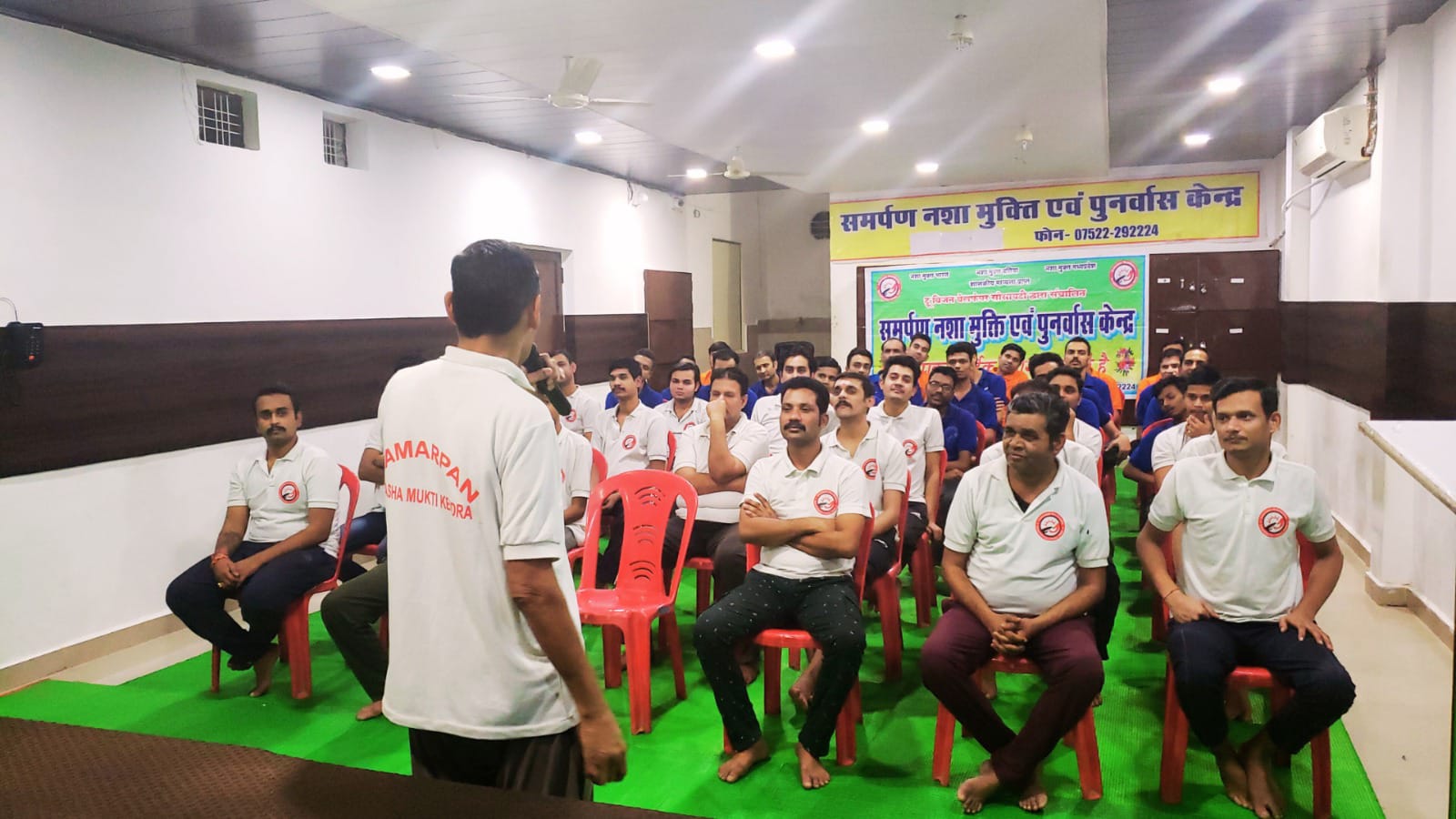
Socially: The peer environment in rehab is profoundly important. Being surrounded by others who are fighting the same battle — and winning — creates hope and accountability that cannot be replicated at home. Many patients form lasting friendships in treatment that become a crucial part of their support network.
How We Help Patients from Betul
Betul families who choose Sanchit Rehab often mention three things: the professionalism of the team, the visible transformation in their loved one, and how warmly the process was explained to them before they even decided to admit. We understand that for a family in Betul, sending a loved one to a rehab centre is a huge, frightening step.
Our admissions team guides you through the entire process — from that first hesitant call, through understanding treatment options, to admission and beyond. We handle coordination, paperwork, and communication so that the family’s experience is as stress-free as possible. Betul is well connected, and reaching us is straightforward — and if you need help with logistics, we can assist with that too.
Is detox safe?
Yes — when done under qualified medical supervision. At Sanchit Rehab, our doctors and nursing staff manage detox 24/7 using approved medications to control withdrawal safely. For patients with long-term, heavy alcohol use, medical detox is not just safer — it’s essential. Home detox in such cases can result in fatal complications.
What happens after treatment ends?
Discharge is the beginning of a new chapter — and Sanchit Rehab walks with patients into that chapter. Every patient receives a personalised aftercare plan, access to our counsellors post-discharge, structured follow-up calls, and relapse prevention resources. Betul families can reach our team anytime they need guidance or support after treatment.
Betul Families — Recovery Starts With One Call
You’ve watched long enough. You’ve hoped long enough. Professional help is here — and it works. Sanchit Rehab has helped over 6,000 people across Madhya Pradesh reclaim their lives. Let the next success story be from your family in Betul. Call us today — the first conversation is completely free and fully confidential.
Frequently Asked Questions
Is there a good Nasha Mukti Kendra in Betul?
Sanchit Rehab is one of the most trusted de-addiction centres accessible from Betul. We have successfully treated patients from Betul and the southern Madhya Pradesh region. Our government-registered centre provides complete treatment from detox to aftercare, with 6000+ documented recoveries. Contact us to discuss your family’s situation confidentially.
How long does addiction treatment take?
Standard residential treatment runs 28 to 90 days. Medical detox occupies the first 7–14 days, followed by intensive therapy and rehabilitation. Patients with long-standing alcohol dependency — common in Betul’s transport and farming communities — often benefit most from the full 90-day program, which delivers markedly better long-term outcomes.
What is the cost of rehab treatment?
Sanchit Rehab’s pricing is transparent and varies by program length and accommodation category. We believe quality care should be accessible, not just to wealthy families. Contact us for a full, honest cost breakdown. We can often discuss payment options with families from Betul who need flexibility.
Can family stay involved in treatment?
Yes, and we actively encourage it. Sanchit Rehab includes structured family counselling throughout the treatment process. Families in Betul who cannot visit frequently can participate via phone or video sessions. We believe healing the family system — not just the patient — is what leads to durable recovery.