

Aurangabad — officially renamed Sambhajinagar but widely known by its older name — is Maharashtra’s second-largest city and the gateway to Marathwada. The region it anchors is one of India’s most distressed agricultural belts. Marathwada’s farmers have faced repeated droughts, failed crops, and crushing debt cycles for three decades. The region has one of the country’s highest farmer suicide rates. And behind that headline statistic is a deeply embedded alcohol crisis — one that Aurangabad’s families live with every day but rarely discuss outside the home.
Families searching for a nasha mukti kendra in Aurangabad find almost nothing. This article is for them.
Marathwada’s Alcohol Crisis — What Families Need to Understand
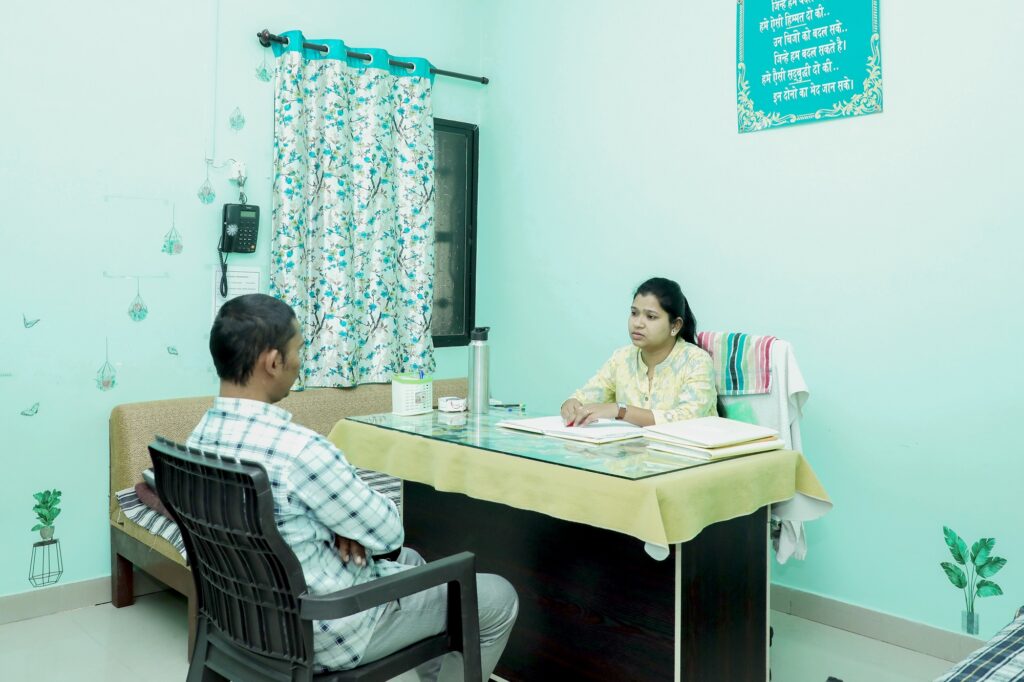
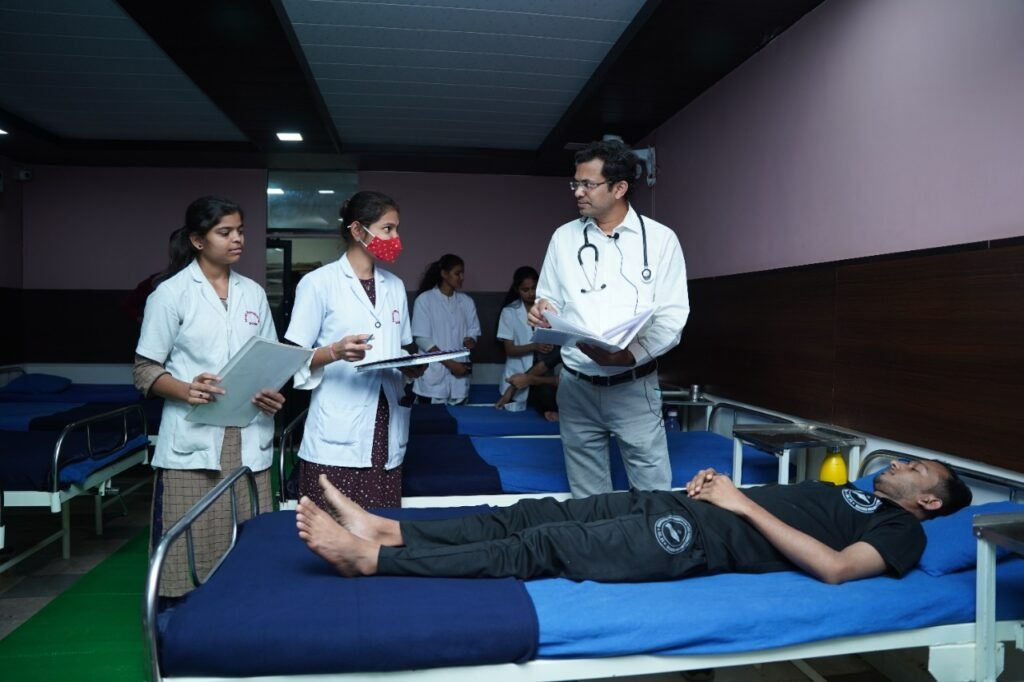
A proper Nasha Mukti Kendra treats addiction as a medical condition — through supervised detox, counselling, therapy, and a structured aftercare plan. The farming community context matters specifically for aftercare: a farmer who returns from treatment to the same drought-hit village, the same debt, the same failed crop — needs a relapse prevention plan built around those specific stressors.
Sanchit Nasha Mukti Kendra’s counsellors are experienced with agrarian context patients. The treatment is personalised. The aftercare plan addresses the real-world environment the patient returns to, not a generic urban template.

The Drought Belt — Why Alcohol Dependency Here Is Different
Marathwada’s alcohol dependency is driven by documented structural factors: repeated crop failures, water scarcity, mounting loan defaults, and the psychological toll of watching a livelihood collapse over years. The farmer who drinks every evening is not morally weak. He is managing unbearable chronic stress with the only tool that provides temporary relief.
This understanding does not change the medical need for treatment — it shapes how treatment is delivered. The health damage from long-term alcohol use is identical regardless of the underlying cause. The brain’s reward pathways are rewired. The physical dependency is real. And the treatment is the same evidence-based medical process that works for every other population.
Aurangabad’s Urban Growth — A Second Addiction Profile
Aurangabad is not only a farming gateway. It is a growing industrial and IT city — home to automotive manufacturing, pharmaceutical companies, and a developing IT sector. This urban layer brings a different addiction profile: prescription drug misuse among young professionals, cannabis in the student population at Dr. Babasaheb Ambedkar Marathwada University, and alcohol-related dependency in the manufacturing workforce.
Sanchit Nasha Mukti Kendra treats both the rural farming population and the urban professional population from Aurangabad — with personalised treatment plans that account for the specific life context of each patient.
Addictions Treated — Aurangabad and Marathwada Context
| Addiction | Aurangabad Status | Treatment at Sanchit |
| Alcohol Dependency | Most common — drought + farming belt | Medical detox + CBT + relapse prevention |
| Cannabis / Ganja | Widespread — student + youth | CBT + group therapy + family guidance |
| Drug Addiction | Rising in urban pockets | Residential detox + behavioural therapy |
| Prescription Drug Misuse | Increasing — pharma industry access | Medical detox + psychiatric support |
Contact Sanchit Nasha Mukti Kendra — Aurangabad Helpline
| Aurangabad Helpline — 24×7 Available | |
| 📞 Primary | +91-9755870972 |
| 📞 Alternate | +91-7828991573 | +91-8302102094 |
| sanchitrehab@gmail.com | |
| 📍 Centre | Sanchit Nasha Mukti Kendra, Gwalior, MP — ~12–14 hrs from Aurangabad |
📞 Call Now — Free Confidential Consultation
Frequently Asked Questions
Q1. Is there a Nasha Mukti Kendra for Aurangabad families?
Sanchit Nasha Mukti Kendra in Gwalior is the most accessible option for Marathwada patients. Call: +91-9755870972
Q2. Why is alcohol dependency so severe in Marathwada?
Repeated drought, crop failure, and debt are the documented structural drivers. Alcohol is the most accessible way to manage the resulting chronic stress and hopelessness — and dependency develops over years of daily use.
Q3. Can a farming family afford Sanchit’s treatment?
Yes. Sharing ward options are available and priced within reach of farming families. Medical quality is not reduced. Call to discuss pricing honestly — the team does not withhold cost information.
Q4. How does aftercare account for the farming environment?
Aftercare is built around the patient’s specific return environment — including the drought context, seasonal financial stressors, and community support structures available in their district.
Q5. What happens to a family member who refuses treatment?
Call Sanchit’s helpline and describe the resistance pattern. The counselling team has guided hundreds of families through this — there are structured approaches that work even when the patient is adamant they do not need help.