Blog

Your blog category

Nasha Mukti Kendra in Sagar
Blog

Nasha Mukti Kendra in Sagar — MP’s Heart City and Its Addiction Challenge

Sagar sits at the geographic heart of Madhya Pradesh — positioned between the Vindhyan plateau and the Bundelkhand belt, home to one of MP’s oldest universities, and surrounded by agricultural districts where economic distress is a long-standing reality. It is a city that carries both urban education and rural agrarian weight. Its addiction problem reflects both. Sanchit Nasha Mukti Kendra in Gwalior — 170km from Sagar, 3 hours by road — is the nearest government-registered comprehensive residential rehabilitation centre for Sagar and the central MP belt. The centre is MP-registered, with a resident psychiatrist, 24/7 medical supervision, and 6,000+ documented recoveries from patients across the state. Addiction in Sagar & Central Madhya Pradesh – Ground Reality Addiction in Sagar and the wider Central Madhya Pradesh region is a growing but often hidden problem. The area sits at the intersection of rural agricultural life and emerging urban influence, and this mix creates unique pressures. In many villages and small towns, alcohol consumption — including locally brewed substances like mahua — is socially accepted, which makes early addiction easy to ignore. At the same time, economic stress, crop uncertainty, and debt push many individuals toward alcohol as a form of escape. Why Addiction is Increasing in Sagar and Central MP Addiction in Sagar and Central Madhya Pradesh is rising due to a mix of economic stress, social acceptance, and changing lifestyle patterns. In rural areas, alcohol is often normalized, while in towns, youth are getting exposed to drugs at an early stage. Lack of awareness and delayed treatment make the situation worse. What starts as occasional use slowly turns into dependency without families even realising it. Economic Pressure & UnemploymentFinancial stress, crop loss, and limited job opportunities push people toward alcohol as an escape. Social Acceptance of DrinkingIn many areas, alcohol (especially local brews like mahua) is seen as normal, making addiction harder to identify early. Easy Availability of SubstancesAlcohol, cannabis, and even prescription drugs are easily accessible in both rural and urban areas. Rising Youth ExposurePeer pressure, social media influence, and curiosity are leading young people toward drugs and substance use. Lack of Awareness About AddictionMany families don’t understand that addiction is a medical condition and delay seeking proper treatment. Stigma and Fear of Society“Log kya kahenge” mindset stops families from taking timely action. Limited Access to Proper Rehab CentresNearby options often lack professional treatment, forcing families to either delay or choose ineffective solutions. Our Team and Treatment Approach Sanchit’s clinical team has treated patients from Sagar, Damoh, Chhatarpur, Tikamgarh, and across MP’s central belt for over two decades. The senior psychiatrist leads a program that begins with medically supervised detox and proceeds through individual CBT counselling, group therapy, family sessions, and a structured 30–90 day residential stay. For Sagar’s agricultural community patients, the counselling is calibrated to Bundelkhand’s context — the shame of seeking help in a tight-knit rural community, the practical reality of agricultural debt, and the specific mahua culture that disguises clinical dependency as tradition. For university students, it addresses academic identity, peer pressure, and the return-to-campus plan that determines whether recovery holds after discharge. Services at Sanchit Nasha Mukti Kendra Medical Detox — alcohol, opioid, cannabis, and prescription drug withdrawal management under 24/7 clinical supervision. A doctor is resident — not visiting — for overnight medical safety. Individual Counselling (CBT) — one-on-one sessions personalised to the patient’s background: university student, farmer, industrial worker, government employee. The trigger patterns are different for each. The CBT framework is adapted accordingly. Group Therapy — daily structured peer sessions. For Bundelkhand patients who have never spoken about their addiction outside the family, the group context creates the first honest conversation about recovery in a non-judgmental space. Family Counselling — in-person on visiting days (3 hours from Sagar) or video call between visits. Family counselling covers enabling patterns, communication approaches, and preparation for the patient’s return to Sagar’s environment. Yoga, Physical Activity, Structured Daily Program — morning yoga, structured meals, motivational sessions, gym access. The daily structure itself is therapeutic — addiction destroys routine. Rebuilding a purposeful daily schedule is a core treatment outcome. Aftercare Plan — Sagar-specific written plan covering the agricultural stress calendar, university semester pressures, specific social trigger points, and a follow-up counselling schedule built before every discharge. Addictions Treated — Sagar and Central MP Addiction Sagar Context Treatment at Sanchit Alcohol / Mahua Most common — Bundelkhand agricultural distress Medical detox + CBT + Bundelkhand-aware aftercare Cannabis / Ganja Rising — university student population CBT + motivational therapy + group sessions Opioids / Afeem Present — Chambal-Vindhya corridor Medical detox + long-term residential program Drug Addiction Rising in youth Residential detox + behavioural therapy What Sanchit Offers Sagar Families No competitor targeting Sagar holds an MP government registration or operates a genuine residential psychiatric program. The only content appearing for Sagar searches is Samarpan’s Jhansi template and Laksh’s directory listing — neither has a physical presence in central MP. Sanchit is real, registered, and reachable. 170km from Sagar. Same-day admission available. Ranked among Gwalior’s — and MP’s — most trusted rehabilitation centres. ✅ MP Govt-Registered and State-Certified ✅ 6,000+ Recoveries Including Sagar and Central MP Patients ✅ 170km / 3 Hours — Same-Day Admission Possible ✅ Full-Time Psychiatrist — 24/7 Medical Supervision ✅ University Student Cases — Complete Confidentiality from Institution ✅ Bundelkhand Agricultural Context — Counselling Team Experience ✅ VIP AC | Private AC | Sharing Ward Options Contact Sanchit Nasha Mukti Kendra — Sagar Helpline Sagar Helpline — 24 Hours, 7 Days 📞 Primary +91-7828991573 📞 Alternate +91-8302102094 | +91-9755870972 📍 Centre Sanchit Nasha Mukti Kendra, Gwalior, MP — 170km / 3 hrs from Sagar ⏰ Hours 24 hours a day, 7 days a week 📞 Call Now — Free Confidential Consultation Frequently Asked Questions Q1. What is the nearest Nasha Mukti Kendra from Sagar? Sanchit in Gwalior — 170km / 3 hours. MP govt-registered. Same-day admission. Call +91-7828991573. Q2. Does Sanchit treat Bundelkhand’s agricultural community patients? Yes — with specific cultural context. Mahua dependency,

nasha mukti kendra in varanasi
Blog

Nasha Mukti Kendra in Varanasi — When the Holiest City Hides Its Most Silent Crisis

Varanasi is the city of liberation — Moksha Nagari. Families here have prayed at the Ganga for centuries. They have carried the weight of life and death with spiritual discipline. And many of them have also, silently, watched a son or husband or brother slide into addiction for years without being able to say the words out loud — because in a city this holy, admitting that your family has a nasha problem feels like admitting something much larger than a health issue. This silence is the biggest enemy. Not the addiction itself — which is a medical condition, treatable in the same way a liver problem or a broken bone is treatable. The silence is what lets it deepen for years before a family finally searches for a nasha mukti kendra in Varanasi. If that search has brought you here, know this: asking for help is not spiritual failure. It is exactly what the city of liberation is supposed to represent. Nasha Mukti Kendra in Varanasi — Understanding the Unique Barriers Most cities have one or two reasons why families delay seeking addiction treatment. Varanasi has three. The first is shame — the social weight of being seen as a family where someone uses drugs or drinks heavily. The second is the religious layer — the sense that this should be handled through prayer and devotion, not a medical facility. The third is normalisation — the cultural acceptance of certain substances, particularly bhang and cannabis, that allows early-stage dependency to remain invisible for years. Understanding what treatment actually involves helps dismantle all three barriers. Treatment is not public. It is not a sign placed outside the family home. It happens 7–8 hours away, in a different state, in complete confidentiality. No pandit, no neighbour, no relative across the gali needs to know. The spiritual identity of the family remains intact — because getting a family member proper medical care is not a departure from dharma. It is one of its most basic obligations. The Bhang-to-Dependency Pipeline — A Varanasi-Specific Reality Varanasi’s relationship with bhang is ancient and real. Bhang is consumed at ghats, at temples, at festivals — it is woven into the cultural fabric. For most people, this is occasional and harmless. But for a subset of Varanasi’s population, what begins as cultural or religious use quietly becomes daily use, then compulsive use, then clinical cannabis dependency. The progression is invisible because the substance never felt illegitimate. The signs are specific: the person needs bhang or cannabis every day to feel normal. Missing a day causes irritability, restlessness, and inability to focus. The quantity consumed has gradually increased over years. Cannabis dependency — including bhang-derived dependency — is a real medical condition with a specific treatment protocol. It is not resolved by reducing gradually at home. It requires structured therapy, behavioural intervention, and family guidance. Addiction in Varanasi’s Context — Alcohol, Smack, and More Beyond cannabis, Varanasi has a complex addiction landscape. Alcohol dependency is significant — particularly among boatmen, labourers, and artisans in the weaving and textile communities. Recognising these signs of dependency is the first step a Varanasi family can take. Smack and opioid use has been present in Varanasi for decades — associated historically with certain areas near the ghats and with migrant populations. Eastern UP’s connectivity to Bihar’s drug networks and western routes from MP creates ongoing availability. Prescription drug misuse — particularly cough syrups and sleeping tablets — is growing among younger populations. Addiction Type Varanasi / Eastern UP Context Treatment at Sanchit Alcohol Dependency Common across all occupations Medical detox + CBT + relapse prevention Cannabis / Bhang Dependency Culturally normalised — easily missed CBT + group therapy + family counselling Smack / Heroin / Opioids Established in certain communities Medical detox + long-term residential care Drug Addiction Present in youth and migrant populations Residential detox + behavioural therapy Prescription Drug Misuse Growing — cough syrups, tablets Medical detox + psychiatric support Why Privacy Matters Even More in Varanasi Varanasi is a city where social life is deeply public. The ghats are communal spaces. Neighbourhoods are tightly knit. Extended families live within walking distance of each other. Mohalla networks mean that news of any family difficulty spreads through multiple channels simultaneously. A local rehabilitation centre would inevitably be visible — to auto drivers, to the neighbourhood chemist, to the pandit’s wife who noticed the family member being picked up. This is why Gwalior is the right choice — not just strategically, but practically. It is far enough that nobody from Varanasi’s social network will encounter the patient. Family involvement in recovery is handled through scheduled visits and family counselling sessions — the family is included in the process without exposing the situation publicly. Family counselling for alcohol issues is a specific component of Sanchit’s program — addressing not just the patient but the dynamics that develop within a family over years of living with addiction. Sanchit Nasha Mukti Kendra — Trusted by Eastern UP Families Sanchit Nasha Mukti Kendra in Gwalior has treated patients from Varanasi, Allahabad (Prayagraj), Mirzapur, Jaunpur, and the broader eastern UP region. The centre’s medical and counselling team is experienced with the specific cultural context of UP families — the shame barriers, the religious framing, the multigenerational family dynamics that surround addiction. The program is confidential, the treatment is evidence-based, and the results are verified across 6,000+ recoveries. Pickup from Varanasi is available 24×7. A complete aftercare plan is built before discharge — ensuring that the person’s return to Varanasi is supported, structured, and prepared for the triggers of their specific environment. Sanchit is among India’s most trusted rehabilitation centres — with a track record built on outcomes, not claims. What Sanchit Offers Varanasi Patients ✅ Government-Registered and State-Certified ✅ 6,000+ Successful Recoveries including Eastern UP Patients ✅ Complete Confidentiality — Varanasi Community Will Not Know ✅ Cannabis / Bhang Dependency Treatment Available ✅ 24/7 Medical Supervision ✅ Varanasi Pickup Available 24×7 ✅ Family Counselling Integrated Into

Blog

Important Short-Term and Long-Term Effects of Nicotine on the Body

  The short-term effects of nicotine include increased heart rate, higher blood pressure, temporary alertness, and dizziness. Some users may also experience nausea or headaches shortly after using nicotine products. These effects appear quickly because nicotine reaches the brain within seconds. Short-Term and Long-Term Effects of Nicotine on the Body Nicotine is a chemical commonly found in tobacco products such as cigarettes, cigars, chewing tobacco, and many vaping devices. Many students hear about nicotine but may not fully understand how it affects the body. One reason this topic is important is that people often underestimate the effects of nicotine on the body. Because some effects appear mild at first, users may believe that occasional use is harmless. Nicotine affects many organs, including the brain, heart, lungs, and nervous system. Its effects can appear quickly or develop over time with repeated use. Sanchit Rehab Centre in Gwalior helps raise awareness and supports addiction recovery. For school and college students, awareness is especially important. Learning about the effects of nicotine on the body can help young people make informed decisions and avoid habits that may harm their health in the future. What Is Nicotine? Nicotine is a naturally occurring chemical found in tobacco plants. It acts as a stimulant, meaning it speeds up communication between the brain and the body. This chemical is present in several products, including: Cigarettes Cigars Chewing tobacco Snuff E-cigarettes and vaping devices When people try to understand the effects of nicotine on the body, they often discover that nicotine works quickly after entering the system. Within seconds, it reaches the brain and begins affecting different organs. Nicotine is considered addictive because it stimulates the release of dopamine, a brain chemical linked to pleasure and reward. Over time, the brain begins to expect these feelings, which can lead to repeated use and dependence. Understanding the effects of nicotine on the body helps explain why many people find it difficult to quit once they begin using nicotine products. How Nicotine Affects the Body To understand the effects of nicotine on the body, it is helpful to know how it enters and moves through the body. When someone smokes or vapes, nicotine travels into the lungs and quickly enters the bloodstream. From there, it spreads throughout the body and reaches the brain in about 10–20 seconds. Nicotine then stimulates the nervous system and triggers several physical responses. Some of the major systems affected include: Brain: influences mood, focus, and pleasure signals Heart: increases heart rate and blood pressure Blood vessels: causes narrowing and reduced circulation Lungs: exposes respiratory tissues to harmful substances Because nicotine spreads quickly through the bloodstream, the effects of nicotine on the body can begin almost immediately after use. Short-Term Effects of Nicotine on the Body The short-term effects of nicotine on the body appear soon after nicotine is consumed. These changes may last for a short time but still place stress on important organs. Increased Heart Rate Nicotine stimulates the cardiovascular system, causing the heart to beat faster than normal. This increased activity places additional pressure on the heart and blood vessels. Higher Blood Pressure Nicotine causes blood vessels to narrow. When blood vessels become tighter, blood pressure rises, which can strain the heart over time. Temporary Alertness Some users report feeling more energetic or alert after using nicotine. This happens because nicotine stimulates brain chemicals that temporarily increase attention and focus. However, the effect is short-lived and often followed by fatigue or cravings. Nausea or Dizziness New users sometimes experience uncomfortable symptoms such as: dizziness nausea headaches sweating These reactions occur because the body is responding to the stimulant nature of nicotine. Long-Term Effects of Nicotine on the Body While short-term reactions may appear manageable, long-term effects of nicotine on the body can become more serious with repeated use. Nicotine Addiction One of the most common long-term effects is addiction. Regular nicotine use changes brain chemistry and creates dependence. People may feel strong cravings and may struggle to function normally without nicotine. Heart and Blood Vessel Problems Nicotine can damage the cardiovascular system over time. Continuous exposure increases the risk of: heart disease high blood pressure poor blood circulation These problems may develop slowly but can significantly affect overall health. Lung and Respiratory Problems Nicotine products often expose the lungs to harmful chemicals. Long-term exposure can weaken lung tissues and reduce breathing efficiency. This is another example of the serious effects of nicotine on the body that can appear after prolonged use. Weakened Immune System Nicotine may weaken the body’s immune response. When the immune system becomes less effective, the body may struggle to fight infections and illnesses. Effects of Nicotine on Young People Teenagers and young adults are more vulnerable to the effects of nicotine on the body because their brains and bodies are still developing. During adolescence, important areas of the brain responsible for learning, decision-making, and emotional control are still forming. Nicotine exposure during this stage can interfere with normal development. For students, nicotine use may affect: memory and concentration academic performance emotional balance decision-making skills Understanding the effects of nicotine on the body helps young people recognize why avoiding nicotine products is important for long-term health. Signs of Nicotine Dependence Nicotine dependence does not always appear immediately. It can develop gradually as the body becomes used to regular nicotine exposure. Common warning signs include: Strong cravings for nicotine Difficulty quitting despite attempts Irritability when not using nicotine Feeling restless or anxious without nicotine Frequent use of cigarettes or vaping devices Recognizing these signs early can help individuals seek help before addiction becomes more serious. Ways to Reduce or Quit Nicotine Use Quitting nicotine can be challenging, but many people succeed with the right support and strategies. Here are several practical steps that can help. Healthy Lifestyle Changes Adopting healthy habits can reduce cravings and improve overall well-being. Examples include regular exercise, balanced nutrition, and good sleep routines. Avoiding Triggers Certain situations, emotions, or social environments may trigger nicotine cravings. Identifying

What Is Nicotine and How Does It Affect the Brain?
Blog

The Surprising Truth: What Is Nicotine and How Does It Affect the Brain?

  Nicotine is a highly addictive chemical found in tobacco plants and products such as cigarettes, cigars, and e-cigarettes. It affects the brain by releasing dopamine, a chemical linked to pleasure and reward, which can lead to dependence and addiction over time. What Is Nicotine and How Does It Affect the Brain? Many school and college students hear about nicotine through cigarettes, vaping, or social discussions, but not everyone truly understands what it does to the body. Learning what is nicotine and how it influences the brain is important for making informed and healthy decisions. Nicotine is a chemical commonly found in tobacco products such as cigarettes, chewing tobacco, and vaping devices. It is highly addictive, and support from Sanchit Nasha Mukti Kendra Gwalior can help individuals overcome nicotine dependence. Understanding what is nicotine helps students realize why this substance can affect mood, concentration, and behavior. When nicotine enters the brain, it changes the way certain chemicals work, which can lead to temporary feelings of pleasure but also long-term dependence. For young people whose brains are still developing, understanding what is nicotine is especially important because early exposure can increase the risk of addiction and other health problems later in life. What Is Nicotine? Before understanding its effects, it is essential to clearly understand what is nicotine. Nicotine is a natural chemical found in tobacco plants. It acts as a stimulant, meaning it speeds up communication between the brain and the body. When consumed, nicotine affects the nervous system and creates short-term sensations such as alertness or relaxation. Nicotine is commonly found in: Cigarettes Cigars Chewing tobacco Snuff E-cigarettes and vaping devices Some nicotine replacement products Many people wonder what is nicotine and why it is considered addictive. The reason is that nicotine interacts with the brain’s reward system. When the brain experiences pleasure from nicotine, it starts craving the same feeling again and again. Because of this cycle, the brain begins to rely on nicotine to feel normal. Over time, this dependency can turn into addiction. How Nicotine Enters the Brain To understand the effects of nicotine, it helps to know how quickly it reaches the brain. When someone smokes a cigarette or uses a vaping device, nicotine enters the body through the lungs. From there, it quickly passes into the bloodstream. The bloodstream carries nicotine throughout the body, including directly to the brain. This process happens very quickly—usually within 10 to 20 seconds after inhalation. This rapid delivery is one of the reasons nicotine becomes addictive. When students learn what is nicotine, they also learn that the brain responds almost immediately after the substance enters the body. Because the brain reacts so quickly, users may start associating nicotine with relief from stress, boredom, or social pressure. Over time, these repeated experiences strengthen the habit. How Nicotine Affects the Brain Understanding what is nicotine also means understanding the changes it causes inside the brain. Nicotine affects several brain chemicals that influence mood, motivation, and reward. Dopamine Release and Pleasure One of the main effects of nicotine is the release of dopamine. Dopamine is often called the “feel-good chemical.” It creates sensations of pleasure and satisfaction. When nicotine enters the brain, it stimulates the release of dopamine, making the user feel temporarily relaxed or happy. This pleasurable feeling encourages repeated use. Students learning what is nicotine should know that this dopamine response is one of the biggest reasons people continue using tobacco products even when they understand the health risks. Brain Dependence With repeated nicotine exposure, the brain begins to adapt. Over time, the brain may start depending on nicotine to produce normal levels of dopamine. Without nicotine, a person might feel uncomfortable, restless, or irritable. Understanding what is nicotine helps explain why quitting can feel difficult for many people. The brain has become used to receiving nicotine regularly, and removing it can create withdrawal symptoms. Changes in Brain Chemistry Long-term nicotine use can change how the brain functions by altering the way brain cells communicate. Over time, the brain may start depending on nicotine to release dopamine, making it harder to feel normal without it. This can increase the risk of addiction and dependence. Nicotine alters communication between brain cells and affects areas responsible for: Decision-making Self-control Learning and memory Emotional regulation For teenagers and young adults, these changes can be especially significant because the brain continues developing until the mid-twenties. When students understand what is nicotine, they can better appreciate how early exposure may influence long-term brain health. Short-Term Effects of Nicotine on the Brain Nicotine produces several immediate effects that may feel appealing at first. However, these effects are temporary and often lead to repeated use. Common short-term effects include: Temporary alertness – Users may feel more awake and attentive. Increased heart rate – Nicotine stimulates the nervous system. Short bursts of concentration – Some people feel temporarily focused. Mood changes – Users may feel relaxed or slightly energized. Because of these short-term effects, some students may mistakenly believe nicotine improves focus or reduces stress. However, understanding what is nicotine shows that these benefits are short-lived and often followed by cravings or withdrawal symptoms. Long-Term Effects of Nicotine on the Brain While the short-term effects may appear mild, the long-term consequences can be more serious. Regular nicotine use can lead to addiction, affect memory and concentration, and increase stress or anxiety over time. These changes may also impact overall brain health and daily functioning. Repeated nicotine use can lead to: 1. Addiction and Dependence Nicotine addiction develops when the brain begins to rely on the substance to function normally. Over time, users may find it difficult to stop even when they want to quit. 2. Memory and Attention Problems Long-term exposure to nicotine may interfere with brain processes related to learning and memory. This can affect academic performance in school and college. 3. Increased Anxiety and Stress Although nicotine may seem relaxing at first, regular use can increase anxiety levels over time. 4. Higher Risk of

Nasha Mukti Kendra in Aurabaangd
Blog

Nasha Mukti Kendra in Aurangabad — Marathwada’s Drought Belt and Its Alcohol Crisis

Aurangabad — officially renamed Sambhajinagar but widely known by its older name — is Maharashtra’s second-largest city and the gateway to Marathwada. The region it anchors is one of India’s most distressed agricultural belts. Marathwada’s farmers have faced repeated droughts, failed crops, and crushing debt cycles for three decades. The region has one of the country’s highest farmer suicide rates. And behind that headline statistic is a deeply embedded alcohol crisis — one that Aurangabad’s families live with every day but rarely discuss outside the home. Families searching for a nasha mukti kendra in Aurangabad find almost nothing. This article is for them. Marathwada’s Alcohol Crisis — What Families Need to Understand A proper Nasha Mukti Kendra treats addiction as a medical condition — through supervised detox, counselling, therapy, and a structured aftercare plan. The farming community context matters specifically for aftercare: a farmer who returns from treatment to the same drought-hit village, the same debt, the same failed crop — needs a relapse prevention plan built around those specific stressors. Sanchit Nasha Mukti Kendra’s counsellors are experienced with agrarian context patients. The treatment is personalised. The aftercare plan addresses the real-world environment the patient returns to, not a generic urban template. The Drought Belt — Why Alcohol Dependency Here Is Different Marathwada’s alcohol dependency is driven by documented structural factors: repeated crop failures, water scarcity, mounting loan defaults, and the psychological toll of watching a livelihood collapse over years. The farmer who drinks every evening is not morally weak. He is managing unbearable chronic stress with the only tool that provides temporary relief. This understanding does not change the medical need for treatment — it shapes how treatment is delivered. The health damage from long-term alcohol use is identical regardless of the underlying cause. The brain’s reward pathways are rewired. The physical dependency is real. And the treatment is the same evidence-based medical process that works for every other population. Aurangabad’s Urban Growth — A Second Addiction Profile Aurangabad is not only a farming gateway. It is a growing industrial and IT city — home to automotive manufacturing, pharmaceutical companies, and a developing IT sector. This urban layer brings a different addiction profile: prescription drug misuse among young professionals, cannabis in the student population at Dr. Babasaheb Ambedkar Marathwada University, and alcohol-related dependency in the manufacturing workforce. Sanchit Nasha Mukti Kendra treats both the rural farming population and the urban professional population from Aurangabad — with personalised treatment plans that account for the specific life context of each patient. Addictions Treated — Aurangabad and Marathwada Context Addiction Aurangabad Status Treatment at Sanchit Alcohol Dependency Most common — drought + farming belt Medical detox + CBT + relapse prevention Cannabis / Ganja Widespread — student + youth CBT + group therapy + family guidance Drug Addiction Rising in urban pockets Residential detox + behavioural therapy Prescription Drug Misuse Increasing — pharma industry access Medical detox + psychiatric support Contact Sanchit Nasha Mukti Kendra — Aurangabad Helpline Aurangabad Helpline — 24×7 Available 📞 Primary +91-9755870972 📞 Alternate +91-7828991573 | +91-8302102094 📧 Email sanchitrehab@gmail.com 📍 Centre Sanchit Nasha Mukti Kendra, Gwalior, MP — ~12–14 hrs from Aurangabad 📞 Call Now — Free Confidential Consultation Frequently Asked Questions Q1. Is there a Nasha Mukti Kendra for Aurangabad families? Sanchit Nasha Mukti Kendra in Gwalior is the most accessible option for Marathwada patients. Call: +91-9755870972 Q2. Why is alcohol dependency so severe in Marathwada? Repeated drought, crop failure, and debt are the documented structural drivers. Alcohol is the most accessible way to manage the resulting chronic stress and hopelessness — and dependency develops over years of daily use. Q3. Can a farming family afford Sanchit’s treatment? Yes. Sharing ward options are available and priced within reach of farming families. Medical quality is not reduced. Call to discuss pricing honestly — the team does not withhold cost information. Q4. How does aftercare account for the farming environment? Aftercare is built around the patient’s specific return environment — including the drought context, seasonal financial stressors, and community support structures available in their district. Q5. What happens to a family member who refuses treatment? Call Sanchit’s helpline and describe the resistance pattern. The counselling team has guided hundreds of families through this — there are structured approaches that work even when the patient is adamant they do not need help.

Blog

Nicotine and the Body: Powerful Facts About Its Effects

SEO Title (≤60 characters): Nicotine and the Body: Powerful Facts Students Should Know Nicotine and the Body: Powerful Facts About Its Effects Introduction Today, many young people are exposed to tobacco products, cigarettes, and vaping devices. While these products may seem common in society, understanding Nicotine and the Body is very important for protecting long-term health. Nicotine is a chemical that affects the brain and several organs in the body. Even small amounts can influence heart rate, mood, concentration, and overall wellbeing. For school and college students, learning about Nicotine and the Body can help them make informed and responsible decisions. Students often face curiosity, peer pressure, and stress. Because of this, awareness about Nicotine and the Body becomes essential. When young people understand the real effects, they are more likely to choose healthy habits and avoid substances that can harm their future. What Is Nicotine? Nicotine is a naturally occurring chemical found in tobacco plants. It acts as a stimulant that affects the brain and nervous system. Where Nicotine Is Found Nicotine is commonly present in products such as: Cigarettes Chewing tobacco Cigars E-cigarettes and vaping devices Some nicotine pouches or gums When people use these products, nicotine enters the bloodstream and quickly affects different organs. This is why discussions about Nicotine and the Body often focus on both physical and mental health. Why Nicotine Is Addictive Nicotine stimulates the brain to release chemicals that create temporary feelings of pleasure or relaxation. Over time, the brain starts relying on these effects, which can lead to addiction. As a result, people may feel the urge to continue using nicotine regularly, making it harder to stop. How Nicotine Enters the Body Understanding how nicotine travels inside the body helps explain its powerful impact. 1. Smoking and Vaping The most common way nicotine enters the body is through smoking cigarettes or using vaping devices. When inhaled, nicotine particles travel directly into the lungs. 2. Absorption Through the Lungs The lungs contain tiny air sacs that allow substances to move quickly into the bloodstream. Once nicotine reaches the bloodstream, it spreads throughout the body. 3. Fast Delivery to the Brain Nicotine can reach the brain in just a few seconds after inhalation. Because of this rapid process, the connection between Nicotine and the Body becomes very strong and immediate. How Nicotine Affects the Brain The brain is one of the most sensitive organs influenced by nicotine. Dopamine Release Nicotine stimulates the release of dopamine, a chemical associated with pleasure and reward. This is one reason people may feel temporarily satisfied after using nicotine products. Temporary Pleasure Many users report short moments of relaxation or happiness. However, these sensations usually last only a short time. Effects on Mood and Focus Nicotine may briefly increase alertness or concentration, but these effects are temporary. Over time, repeated exposure can disturb natural brain functions. This connection between Nicotine and the Body highlights how even small amounts of nicotine can influence thoughts, emotions, and behavior. Short-Term Effects of Nicotine on the Body The immediate effects of nicotine can appear within minutes after use. Common Short-Term Effects Increased heart rate Higher blood pressure Temporary alertness Reduced appetite Mild dizziness or nausea in some people These short-term reactions demonstrate how quickly Nicotine and the Body interact. Although the effects may seem mild at first, repeated exposure can lead to more serious health concerns. Long-Term Effects of Nicotine on the Body Long-term use of nicotine can gradually harm different organs and systems. 1. Heart and Blood Vessel Problems Nicotine causes blood vessels to narrow, which can increase strain on the heart. Over time, this may contribute to cardiovascular problems. 2. Lung Damage When nicotine is consumed through smoking or vaping, the lungs are directly exposed to harmful chemicals. 3. Risk of Addiction One of the most serious consequences of nicotine use is addiction. The brain may begin to depend on nicotine to feel normal. 4. Overall Health Impact Long-term nicotine exposure may affect energy levels, physical performance, and general wellbeing. These concerns are key reasons why health professionals often discuss Nicotine and the Body in awareness programs. Why Teenagers and Students Are More Vulnerable Young people are especially sensitive to the effects of nicotine. Developing Brain The brain continues developing until the mid-twenties. Exposure to nicotine during this stage may influence memory, attention, and emotional control. Peer Pressure and Curiosity Students sometimes try nicotine products because of social pressure or curiosity. Unfortunately, even occasional use can lead to repeated behavior. Higher Risk of Dependence Because of their developing brains, teenagers may become dependent on nicotine more quickly. This is why education about Nicotine and the Body is especially important for school and college communities. Warning Signs of Nicotine Dependence Recognizing early warning signs can help prevent addiction. Common Signs Frequent cravings for nicotine products Difficulty concentrating without nicotine Irritability or mood changes Feeling restless when not using nicotine Repeated attempts to quit without success Understanding these symptoms helps students see how Nicotine and the Body can influence daily habits and emotional health. Healthy Alternatives to Avoid Nicotine Instead of turning to nicotine, students can choose activities that support both mental and physical health. Positive Alternatives 1. Sports and Physical Activity Exercise helps release natural chemicals that improve mood and reduce stress. 2. Creative Hobbies Activities such as painting, music, writing, or dancing provide healthy outlets for emotions. 3. Stress Management Techniques Meditation, deep breathing, and journaling can help students manage academic pressure. 4. Supportive Friend Groups Surrounding yourself with positive friends can make it easier to avoid harmful habits. By focusing on these healthy choices, students can protect their wellbeing and avoid the negative cycle associated with Nicotine and the Body. Role of Awareness and Support Education and guidance play an important role in preventing nicotine use among young people. Importance of School Awareness Schools can organize health workshops and awareness programs that explain the real impact of nicotine. Guidance from Parents and Teachers Support from adults helps students feel

Nasha Mukti Kendra in ujjain
Blog

Nasha Mukti Kendra in Ujjain — Mahakal’s City and the Addiction Problem Within

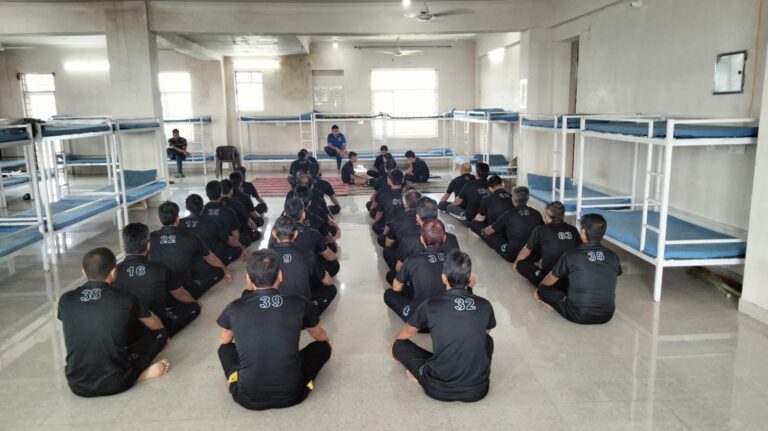
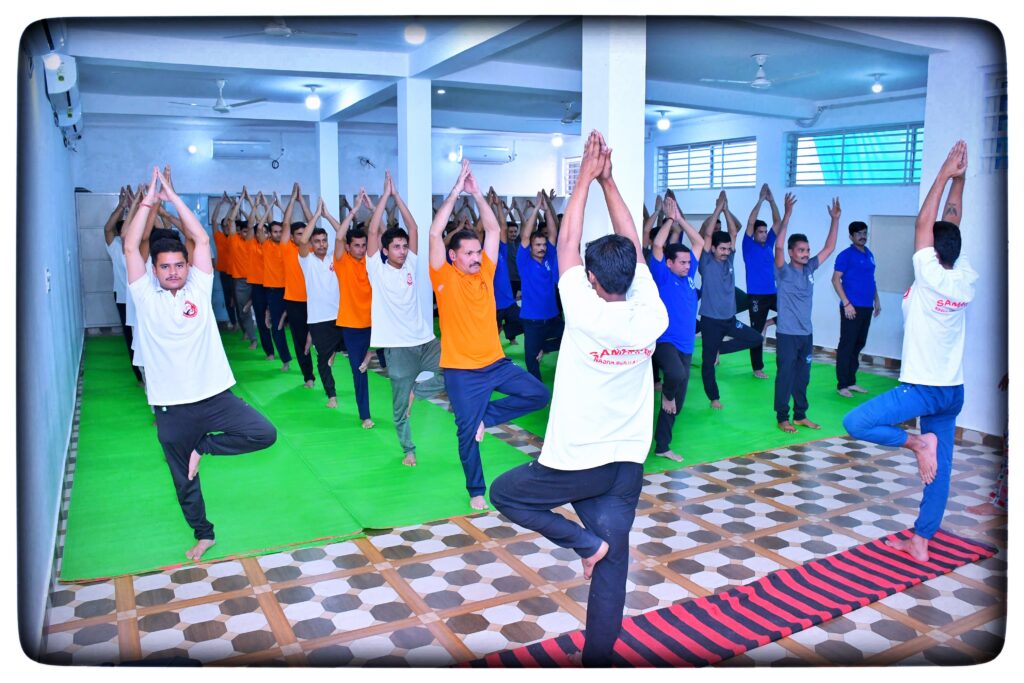
Ujjain is one of the seven sacred cities of India — home to the Mahakaleshwar Jyotirlinga and the Simhastha Kumbh that draws five crore pilgrims every twelve years. It is a city of immense spiritual depth. It also has the addiction problem that almost every Indian city of its size carries — and that the spiritual identity tends to keep hidden longer than it should be. Sanchit Nasha Mukti Kendra is in Gwalior — 180 kilometres from Ujjain, in the same state, government-registered by the Madhya Pradesh government. The team has treated Ujjain families for over two decades. With 6,000+ documented recoveries and a senior psychiatrist leading the clinical program, Sanchit is the most credible rehabilitation option accessible from Malwa. What Addiction Treatment Actually Involves Many Ujjain families have tried prayer, bargaining, and removing substances from the home — and found that none of it works against long-standing physical dependency. Addiction rewires the brain’s chemistry. Stopping without medical support causes withdrawal that is not a matter of willpower — it is a medical event, often dangerous for alcohol dependency specifically. Sanchit’s treatment follows a clinical sequence: medically supervised detox → individual CBT counselling → group therapy → family sessions → structured daily program → discharge with written aftercare plan. Every step is delivered under psychiatric supervision. The program runs 30–90 days depending on severity. Our Medical Team and Approach Sanchit Nasha Mukti Kendra’s clinical team includes a senior psychiatrist with post-graduate addiction medicine training, a lead counsellor with decades of field experience, and a nursing team trained specifically in withdrawal management. The psychiatrist is resident — not visiting. This matters for overnight medical emergencies during detox. Every patient admitted from Ujjain receives a personalised treatment plan built on Day 1 — based on the specific substance, duration, physical health, and the life context the patient is returning to after treatment. Nothing is a template. Ujjain’s pilgrimage environment, its social structures, and its specific relapse risks are built into both the counselling and the aftercare plan. At Sanchit Rehab, recovery is not seen as a one-time event — it is a step-by-step healing journey. Every individual comes with a different story, different struggles, and different needs. That’s why our approach is personalised, medically guided, and emotionally supportive. We focus on three core pillars:Medical SafetyEmotional HealingLong-Term Behavioural Change 1. Personalised Assessment & Recovery Planning Recovery begins with understanding the person — not just the addiction. Detailed evaluation of: Addiction history Mental health condition Physical health status Family and social background Based on this, a custom recovery plan is created No “one-size-fits-all” treatment — every plan is unique This ensures the treatment is targeted, effective, and realistic 2. Medical Supervision & Monitored Care Detox and early recovery can be physically challenging and risky if not handled properly. 24/7 medical monitoring during detox phase Safe management of withdrawal symptoms Medication only when clinically necessary Regular health check-ups and progress tracking This phase ensures complete safety, stability, and comfort 3. Individual & Group Counselling Sessions Addiction is not just physical — it is deeply psychological. Individual Counselling One-on-one sessions with trained therapists Focus on: Root causes (stress, trauma, anxiety, depression) Emotional triggers Personal struggles Group Therapy Sharing experiences with others on the same journey Building accountability and support Reducing feelings of isolation Together, these therapies help in mental clarity and emotional strength 4. Family Guidance & Emotional Support Addiction affects the entire family — not just the individual. Family counselling sessions Guidance on: How to support recovery What to avoid (enabling behaviour) Communication improvement Emotional healing for both patient and family This creates a supportive home environment, which is crucial for long-term recovery 5. Yoga, Meditation & Daily Discipline Recovery is not only about stopping substance use — it’s about building a better lifestyle. Daily yoga sessions for physical healing Meditation for mental peace and focus Structured daily routine: Fixed sleep schedule Healthy meals Productive activities  These practices help in reducing cravings, improving focus, and restoring balance 6. Relapse Prevention & Post-Care Planning The real challenge begins after leaving rehab — staying clean in the real world. Identification of triggers and high-risk situations Practical coping strategies Life skills training Regular follow-ups and support Post-care includes: Continued counselling Support groups Guidance during difficult phases  This ensures long-term recovery, not just short-term detox Services at Sanchit Nasha Mukti Kendra Medical Detox — supervised withdrawal using clinically approved protocols for alcohol, opioids, cannabis, and prescription drugs. Seizure prevention, medication management, 24/7 nursing, and daily doctor review are standard. Individual Counselling (CBT) — one-on-one sessions addressing the thought patterns, emotional triggers, and habitual responses that sustain addiction. For Ujjain patients, this often covers the religious identity conflict that comes with being an addict in a holy city — shame that delays treatment and shame that can drive relapse after it. Group Therapy — daily structured peer sessions that build accountability, reduce shame, and create the peer support network that protects recovery after discharge. Family Counselling — scheduled throughout the stay. Given Gwalior’s 3.5-hour proximity, Ujjain families can participate in person on visiting days without overnight stays. Yoga, Gym, Spiritual Practice, Daily Structure — morning yoga, structured meals, motivational sessions, prayer time. The structured day is clinically therapeutic — addiction thrives in unstructured time. Aftercare Plan — a written Ujjain-specific relapse prevention plan covering the pilgrimage environment, festival calendar triggers, and follow-up counselling access. Built before every discharge. Addictions Treated — Ujjain and Malwa Region Addiction Ujjain Context Treatment at Sanchit Alcohol Dependency Most common — pilgrimage workforce + industrial Medical detox + CBT + relapse prevention Afeem / Opioids Present — Malwa historical opium belt Medical detox + 60–90 day residential Cannabis / Ganja Widespread in youth and students CBT + group therapy + family guidance Drug Addiction Rising in urban youth Residential detox + behavioural therapy Prescription Drug Misuse Growing in professionals Supervised tapering + psychiatric support Why Sanchit Is the Right Choice for Ujjain Families Sanchit Nasha Mukti Kendra holds the same-state advantage: government-registered in Madhya

Blog

Understanding Gambling Addiction: Causes and Warning Signs

Gambling may seem like a harmless activity at first. Many people place small bets for entertainment or excitement. However, for some individuals, gambling can slowly turn into a serious problem that affects their daily life. Understanding Gambling Addiction is important because this issue can impact mental health, finances, and relationships. For students in school or college, exposure to online betting apps, games, or peer pressure can sometimes create curiosity about gambling. While it may appear exciting or profitable, the risks are often overlooked. This article focuses on Understanding Gambling Addiction by explaining its causes, warning signs, and the importance of early awareness. By learning about the problem early, students and young adults can make safer decisions and protect their well-being. What is Gambling Addiction? Gambling addiction is a behavioral problem where a person feels a strong and uncontrollable urge to gamble. Even when gambling causes financial loss, stress, or personal problems, the individual may still continue the behavior. Understanding Gambling Addiction helps people recognize that it is not just a bad habit but a condition that can affect a person’s thoughts, emotions, and decisions. Professional support from treatment facilities like Sanchit Rehab Centre in Gwalior can help individuals understand the problem better and begin the journey toward recovery. Some common forms of gambling include: Sports betting Online gambling games Card games involving money Lottery or betting apps When someone becomes addicted, gambling often becomes the main focus of their life. They may think about gambling constantly, try to recover previous losses, or hide their behavior from others. Learning about Understanding Gambling Addiction helps young people identify risky behavior before it becomes a serious problem. Common Causes of Gambling Addiction There is no single reason why people develop a gambling problem. Several psychological, social, and financial factors can contribute to this behavior. Psychological Factors Mental and emotional challenges often play a major role in gambling addiction. Common psychological triggers include: Stress from school or personal life Anxiety or depression Low self-confidence Feeling bored or lonely Some people use gambling as a way to escape from their problems. The temporary excitement may make them feel better for a short time, but it usually leads to bigger problems later. By learning about Understanding Gambling Addiction, students can recognize how emotional struggles may push someone toward risky behaviors. Financial Problems Another common reason people gamble is the desire to earn money quickly. Some individuals believe gambling is an easy way to solve financial issues. For example: Trying to recover previous losses Hoping to win large amounts of money Attempting to escape debt Unfortunately, gambling rarely solves financial problems. In many cases, it leads to even greater losses and financial stress. Part of Understanding Gambling Addiction is recognizing how unrealistic expectations about money can lead to dangerous decisions. Social and Environmental Influences The environment around a person can strongly influence their behavior. Many young people start gambling because of peer pressure or social influence. Examples include: Friends encouraging betting or gambling games Exposure to online gambling advertisements Easy access to betting apps or websites Watching others gamble frequently For students, social influence can be powerful. Learning about Understanding Gambling Addiction helps them make independent and responsible choices. Lack of Awareness Many people begin gambling without understanding the risks involved. They may believe gambling is harmless entertainment. However, without proper knowledge, small habits can grow into serious problems. This is why Understanding Gambling Addiction is essential for students and young adults. Awareness helps individuals recognize risks and avoid harmful behavior before it becomes difficult to control. Warning Signs of Gambling Addiction Recognizing early warning signs can prevent serious consequences. When people know the signs, they can take action before the problem becomes severe. Understanding Gambling Addiction includes identifying behavioral, emotional, and financial signals. Financial Warning Signs Financial problems are often one of the first signs of gambling addiction. Some warning signs include: Borrowing money frequently Losing savings due to gambling Spending more money than planned Hiding financial losses from family Students may sometimes borrow money from friends or family to continue gambling. Learning about Understanding Gambling Addiction helps individuals notice these signs early and seek help. Emotional and Behavioral Signs Gambling addiction also affects a person’s emotions and behavior. Common signs include: Feeling restless when unable to gamble Thinking about gambling constantly Lying about gambling activities Feeling guilty after gambling but repeating the behavior These emotional patterns often indicate that gambling is becoming difficult to control. Recognizing these symptoms is an important part of Understanding Gambling Addiction. Social Warning Signs Gambling addiction can slowly damage relationships and social life. Some common social signs include: Neglecting studies or responsibilities Avoiding friends and family Losing interest in hobbies or activities Spending excessive time on gambling platforms Students who previously enjoyed social activities may suddenly become withdrawn. This is another reason why Understanding Gambling Addiction is important for young people and their families. Effects of Gambling Addiction Gambling addiction can affect many areas of life. The consequences are often serious and long-lasting. Some major effects include: 1. Financial Problems Repeated gambling losses can lead to: Debt Loss of savings Financial dependence on others 2. Mental Health Issues People struggling with gambling addiction often experience: Stress Anxiety Depression Feelings of guilt or shame 3. Relationship Problems Addiction can create conflicts with family and friends. Trust may break down when someone hides gambling behavior or financial losses. These impacts show why Understanding Gambling Addiction is necessary for preventing long-term damage. Why Early Recognition is Important Early recognition can make a big difference in preventing serious consequences. When individuals learn about Understanding Gambling Addiction, they are more likely to recognize harmful patterns before they become severe. Early awareness can help people: Avoid financial losses Protect their mental health Maintain healthy relationships Seek help sooner For students, recognizing risks early can protect their academic progress and future goals. Tips to Prevent Gambling Addiction Prevention is always better than dealing with addiction later. Students and young adults can follow simple strategies to avoid

Nasha Mukti Kendra in Indore
Blog

Nasha Mukti Kendra in Indore — Clean City, Clean Life. Get Help Today.

Indore has earned a title that most Indian cities would be proud of — India’s Cleanest City. For years running. But even the cleanest city has things it does not talk about openly. Addiction is one of them. Alcohol dependency, cannabis use in colleges, opioid abuse — these are real problems in Indore, and they are growing. Madhya Pradesh has one of the highest rates of substance abuse in Central India. And Indore, as its largest and most urban city, is not untouched. If you are looking for a Nasha Mukti Kendra in Indore, this guide is here to help. Whether you are a family member worried about a loved one or someone who has finally decided they need help — you will find honest, practical information here. Nasha Mukti Kendra in Indore — Everything You Need to Know Before anything else, it helps to understand what a Nasha Mukti Kendra is and how treatment actually works. It is not just a detox facility. It is a structured medical and psychological recovery program — designed to heal the causes of addiction, not just manage the symptoms. Why Addiction Is a Serious Problem in Indore Madhya Pradesh has a long history with opium cultivation. That history has left a legacy — opioid dependency remains a real and widespread issue across the state. In Indore specifically, a rapidly urbanising population has added alcohol abuse and cannabis use to that picture. MP Police drug seizure reports consistently place Indore, Bhopal, and Gwalior among the top three cities for narcotics-related cases in the state. Cannabis, heroin, and alcohol are the most common substances. There is also a strong link between addiction and mental health that families in Indore often miss. Alcohol and depression very commonly occur together — and treating one without the other leads to relapse. Knowing the signs of drug or alcohol addiction can help you act before things spiral further. Types of Addiction Treated at a Nasha Mukti Kendra Addiction Type Indore / MP Status Treatment Approach Alcohol Addiction Most common Medical detox + counselling + relapse prevention Drug Addiction (heroin, smack, cocaine) Significant Residential detox + behavioural therapy + aftercare Opioid / Afeem Dependency Historical and ongoing in MP Medical detox + pain management + long-term care Cannabis / Marijuana Rising in youth CBT + group therapy + family guidance Nicotine / Tobacco Widespread Craving management + lifestyle coaching Gambling Addiction Online betting rising Behavioural counselling + financial awareness How to Choose the Right Nasha Mukti Kendra Since Indore is in the same state as Sanchit, some families prefer to stay local. That is understandable. But for serious addiction, the right environment matters enormously. Our full guide on how to choose the right Nasha Mukti Kendra explains this in detail. Key factors to evaluate: Government Registration: Registered under the Mental Healthcare Act, 2017. Without this, the centre has no legal accountability. Medical Team: Psychiatrist, MBBS doctor, psychologist — all must be present and active in patient care. Residential Inpatient Care: For serious addiction, 24/7 supervised residential treatment is the most effective approach. Complete Program: Counselling, group therapy, CBT, yoga, family work, life skills — not just detox. Family Counselling: The best centres include family sessions as a standard part of the program. Aftercare Plan: What support does the patient get after discharge? This question must have a clear answer. Confidentiality: Full privacy must be guaranteed. What Treatment Looks Like — Step by Step Step 1 — The First Call You call the helpline. A trained person answers. They listen, ask the right questions, and help you understand what kind of care is needed. The call is completely private and there is no pressure to commit to anything immediately. Step 2 — Medical Assessment On arrival, the patient is evaluated by the doctor, psychiatrist, and counsellor together. A personalised treatment plan is built from that evaluation. The substance, duration of addiction, mental health history, and family situation are all considered. Step 3 — Medical Detoxification The body is safely cleared of the substance under medical supervision. Withdrawal symptoms vary by substance — from uncomfortable to potentially dangerous. Alcohol and opioid withdrawal can involve seizures and serious complications without proper care. Detox must always be medically supervised. Home detox is unsafe. Step 4 — Residential Rehabilitation The patient enters a fully structured daily residential program. Each day includes: Individual counselling sessions Group therapy and peer support Cognitive Behavioural Therapy (CBT) Yoga and guided meditation Physical fitness and gym Motivational and awareness classes Indoor games — chess, carrom, ludo Spiritual sessions — Sundar Kand, Hawan, Pooja Entertainment and cultural programs Step 5 — Family Counselling Family counselling is a core part of treatment at Sanchit. Families learn how to support recovery without enabling, how to communicate without triggering, and how to prepare the home for the patient’s return. Recovery is not a solo process — the family environment matters enormously. Step 6 — Aftercare and Relapse Prevention The first few months after discharge are the most vulnerable period. Structured aftercare — follow-up sessions, relapse trigger work, and continued support — bridges the gap between residential treatment and independent, sober living. The Cost of Untreated Addiction Physical Effects Mental and Emotional Effects Liver cirrhosis and kidney disease Severe depression and anxiety Heart disease and hypertension Psychosis and paranoia Collapsed immune system Memory loss and cognitive decline Brain and nerve damage Destroyed relationships and isolation Respiratory failure Suicidal thinking in severe cases Early, proper treatment stops this progression — and helps the body and mind recover. Waiting costs more than the treatment ever will. Sanchit Nasha Mukti Kendra — The Right Choice for Indore Families Sanchit Nasha Mukti Kendra is in Gwalior — the same state as Indore. Just 4 to 5 hours away. That is close enough to visit. And far enough that the patient is completely separated from their triggers. Sanchit is government-registered, state-certified, and has helped over 6,000 people recover from addiction. Medical supervision is available around the clock. Treatment is

Blog

Steps to Recover from Gambling Addiction and Rebuild Your Life

What is Gambling Addiction? Gambling addiction, also known as compulsive gambling, is a behavioral disorder in which a person feels a strong and uncontrollable urge to gamble despite negative consequences. People with gambling addiction continue betting money even when it harms their finances, relationships, mental health, and daily life. Understanding the Steps to Recover from Gambling Addiction is important for individuals who want to break free from this harmful habit. With the right guidance, counseling, and support, people can follow effective Steps to Recover from Gambling Addiction and rebuild a healthy lifestyle. How Does Gambling Addiction Affect a Person? Gambling addiction affects a person’s mental, financial, and social life. It can cause stress, anxiety, depression, and loss of self-control. Many people face serious financial problems, debt, and even job loss because of continuous gambling. It also damages relationships with family and friends, creating trust issues and emotional distance. Over time, the addiction can reduce a person’s focus, productivity, and self-confidence. Some individuals may start hiding their gambling habits or borrowing money, which increases stress and guilt. If not treated on time, gambling addiction can seriously harm a person’s overall health, stability, and future goals. Seeking professional help from Sanchit Rehab Centre in Gwalior can provide the right guidance, counseling, and support needed for recovery. Steps to Recover from Gambling Addiction and Rebuild Your Life Addiction can quietly take control of a person’s life, especially for school and college students who are exposed to online games, betting apps, and social pressure. Gambling may begin as entertainment, but over time it can become a serious habit that affects studies, relationships, and mental health. Understanding the Steps to Recover from Gambling Addiction is the first step toward rebuilding confidence and creating a healthier future. Many young people struggle silently, but recovery is possible with the right support, awareness, and professional help. In this guide, we will explore practical Steps to Recover from Gambling Addiction, understand its causes, and learn how students and adults can regain control of their lives. Understanding Gambling Addiction in Students Gambling addiction is a behavioral disorder where a person feels a strong urge to gamble despite negative consequences. Many young people start gambling due to curiosity, peer pressure, or the influence of online platforms. Over time, the habit may grow stronger and lead to financial loss, emotional stress, and poor academic performance. Recognizing the problem early can make recovery much easier. Causes of Gambling Addiction Several factors can contribute to gambling addiction, especially among young people. 1. Social and Online Influence Many students are exposed to gambling through social media, gaming apps, and advertisements. 2. Stress and Emotional Problems Students often gamble to escape anxiety, loneliness, or academic pressure. 3. Easy Access to Online Betting Mobile apps and online platforms make gambling easily accessible at any time. 4. Curiosity and Peer Pressure Friends or online communities sometimes encourage risky behavior. Understanding these causes helps individuals identify the Steps to Recover from Gambling Addiction and avoid situations that trigger gambling urges. Warning Signs of Gambling Addiction Recognizing the problem early is very important for recovery. Some common signs include: Constantly thinking about gambling Borrowing money to gamble Hiding gambling activities from family Losing interest in studies or daily responsibilities Feeling stressed or depressed after losing money If these signs appear regularly, it may be time to seek mental health support for gambling addiction. Steps to Recover from Gambling Addiction Recovery is a journey that requires patience, commitment, and support. The Steps to Recover from Gambling Addiction focus on improving mental health, rebuilding self-control, and creating a positive lifestyle. 1. Accept the Problem The first and most important step is accepting that gambling has become harmful. Honest self-reflection helps individuals begin the healing process. 2. Identify Gambling Triggers Triggers can include stress, boredom, social media influence, or financial pressure. Recognizing these triggers helps in preventing relapse. 3. Limit Access to Gambling Platforms Blocking gambling apps, avoiding betting websites, and managing finances can reduce temptation. 4. Seek Professional Help Professional counseling and therapy are highly effective for gambling addiction treatment in Gwalior and other cities. Therapists help individuals understand emotional triggers and develop healthier coping methods. 5. Replace Gambling with Healthy Activities Positive habits can reduce the urge to gamble. Examples include: Playing sports Practicing yoga or meditation Learning new skills Spending time with supportive friends These lifestyle changes are powerful Steps to Recover from Gambling Addiction that help build long-term discipline. 6. Build a Support System Family members, friends, teachers, and counselors can provide encouragement and accountability. 7. Focus on Financial Recovery Creating a budget and learning responsible money management helps individuals regain financial stability. 8. Strengthen Mental Health Recovery also involves emotional healing. Therapy and self-care practices help individuals overcome gambling addiction and rebuild self-confidence. Signs of Gambling Addiction Recovery Recovery is a gradual process, and progress can be seen through positive behavioral changes. Some signs of gambling addiction recovery include: Reduced urge to gamble Better control over spending Improved focus on studies or work Stronger relationships with family Increased emotional stability Recognizing these milestones motivates individuals to continue the Steps to Recover from Gambling Addiction and maintain a healthier lifestyle. Where to Find the Best Rehabilitation Centre? Finding the right rehabilitation centre is an important step for anyone struggling with addiction. A good rehab centre provides professional treatment, emotional support, and a safe environment that helps individuals recover physically and mentally. The best centres focus on personalized care, experienced therapists, and long-term recovery programs. If you are looking for trusted gambling addiction treatment in Gwalior, Sanchit Rehab Centre is known for its supportive and structured rehabilitation programs. The centre focuses on helping individuals overcome addiction through counseling, therapy, and holistic healing methods. At Sanchit Rehab Centre Gwalior, patients receive guidance from trained professionals who understand the emotional and psychological challenges of addiction. The centre provides a safe, confidential, and supportive environment where individuals can work toward recovery and rebuild a healthy life. Why You Choose Sanchit Rehab Centre

Scroll to Top