Author name: Sonal Yadav

Creative Therapy for Drug Recovery – Art and Music as Tools for Expression
Blog

Creative Therapy for Drug Recovery – Art and Music as Tools for Expression

Drug addiction affects not only the body but also emotions, thoughts, and identity. Many individuals struggle to express pain, guilt, fear, or trauma through words alone. This is where creative therapy for drug recovery becomes a powerful healing tool. Art and music offer a safe, non-verbal way to express emotions, release stress, and rebuild mental strength. For small business owners, parents, or community leaders supporting recovery, understanding creative therapy helps recognise why modern Nasha Mukti Kendras go beyond medical treatment. This article explains how art and music therapy support addiction recovery, their benefits, and why creative expression is essential for long-term healing at Sanchit Nasha Mukti Kendra, Gwalior.  What Is Creative Therapy for Drug Recovery Creative therapy for drug recovery is a therapeutic approach that uses artistic and musical activities to support emotional, psychological, and behavioural healing during addiction recovery. It helps individuals express feelings that are difficult to verbalize. Creative therapy is especially effective because: It reduces emotional resistance It encourages self-reflection It promotes calmness and focus It supports holistic recovery This therapy complements medical treatment and counselling in Nasha Mukti Kendras. Why Creative Expression Matters in Addiction Recovery Addiction often suppresses emotions or causes emotional overload. Many individuals feel disconnected from themselves and others. Creative therapy helps by: Giving emotions a healthy outlet Reducing inner tension and anxiety Improving self-awareness Rebuilding confidence and identity The role of art and music in recovery is to heal the mind gently without pressure or judgment. These creative therapies provide a calming and supportive space where individuals can relax, release emotional stress, and rebuild mental balance at their own pace. Understanding Art Therapy for Addiction Recovery Art therapy for addiction recovery uses drawing, painting, sculpting, or crafts as a form of emotional communication. How art therapy helps Allows expression without words Helps process trauma and stress Encourages mindfulness and patience Builds a sense of achievement Patients do not need any artistic skills or prior experience to benefit from creative therapy. The focus is entirely on emotional expression and self-discovery, not perfection or technique. Through simple art and music activities, individuals feel safe to express thoughts and feelings that may be difficult to put into words, supporting deeper healing and confidence in recovery. Benefits of Art Therapy in Drug Recovery Art therapy offers multiple mental and emotional benefits. Key benefits include: Reduced anxiety and stress Improved emotional regulation Better focus and concentration Increased self-esteem Healthy emotional release In Nasha Mukti Kendras, art therapy helps patients feel safe, calm, and understood. Music Therapy for Drug Recovery Music therapy uses listening, singing, rhythm, or instruments to support healing. Music directly affects brain chemistry and emotional balance. How music therapy supports recovery Calms the nervous system Reduces cravings and restlessness Improves mood and motivation Enhances emotional connection Music therapy for drug recovery is effective across all age groups because it naturally connects with emotions and memory. Whether young or old, individuals respond positively to music, making it a powerful and universal tool for emotional healing and sustained recovery. Role of Art and Music in Recovery The role of art and music in recovery goes beyond entertainment. They act as therapeutic tools that reshape emotional responses and thought patterns. Art and music help: Release suppressed emotions Improve emotional stability Strengthen coping skills Encourage positive habits They support both early recovery and long-term relapse prevention. Creative Therapy in Nasha Mukti Kendras Modern Nasha Mukti Kendras integrate creative therapy into daily recovery routines. Common creative therapy activities include: Drawing and painting sessions Clay modelling and craft work Group music sessions Guided music listening Rhythm and drumming circles These activities promote emotional healing alongside medical care. Creative Therapy and Mental Health Healing Mental health challenges such as anxiety, depression, and emotional trauma often accompany addiction. Creative therapy supports mental health by: Reducing emotional overload Encouraging emotional awareness Improving mood balance Building emotional resilience This makes creative therapy for drug recovery a vital part of holistic treatment. Creative Therapy for Stress and Craving Management Creative therapy helps manage them by: Shifting focus away from urges Providing calm mental engagement Reducing stress hormones Creating positive emotional experiences Music and art offer healthy alternatives to substance use. Group Creative Therapy and Social Healing Addiction often causes isolation. Group creative therapy rebuilds social connections. Benefits of group sessions include: Improved peer interaction Shared emotional expression Increased trust and cooperation Reduced feelings of loneliness Group art and music sessions strengthen community support within rehab centres. Why Small Business Owners Should Understand Creative Therapy Small business owners may employ or support individuals in recovery. Understanding creative therapy helps them: Appreciate holistic recovery approaches Support emotionally healthier environments Reduce stigma around addiction treatment Encourage long-term recovery success Healthy recovery leads to better focus, responsibility, and productivity. Long-Term Benefits of Creative Therapy for Drug Recovery Creative therapy supports sustainable recovery outcomes. Long-term benefits include: Improved emotional balance Reduced relapse risk Better self-expression Stronger mental clarity Healthier relationships Art and music help individuals rediscover purpose and inner peace. Conclusion If you or someone you know is struggling with addiction, seek help from a trusted Nasha Mukti Kendra in Gwalior that specialises in Creative Therapy for Drug Recovery, combining Creative Therapy for Drug Recovery with medical and psychological care. True healing begins when Creative Therapy for Drug Recovery allows expression, emotional release, and inner transformation. Frequently Asked Questions What is creative therapy for drug recovery? It is a therapeutic approach that uses art and music to support emotional healing and mental recovery during addiction treatment. Is art therapy effective for addiction recovery? Yes. Art therapy helps express emotions, reduce stress, and improve self-awareness, supporting long-term recovery. How does music therapy help in drug recovery Music therapy calms the mind, improves mood, and reduces cravings by positively affecting brain chemistry. Is creative therapy used in Nasha Mukti Kendras? Many modern Nasha Mukti Kendras include creative therapy as part of holistic recovery programs. Can creative therapy prevent relapses? Yes. By improving emotional control and coping skills, creative therapy lowers relapse risk.

Blog

Most Reliable Trusted Rehab Centre In Gwalior

A rehab centre is a medical and therapeutic facility that helps people recover from alcohol and drug addiction. It provides detox, counseling, mental health support, and structured care in a safe environment to help individuals regain control of their lives. Safe and Trusted Sanchit Rehab Centre In Gwalior A Trusted Rehab Centre In Gwalior offers professional addiction treatment under medical supervision. It focuses on physical detox, emotional healing, and long-term recovery through therapy, counseling, and lifestyle improvement programs. Finding the right help for addiction is one of the most important decisions a person or family can make. Addiction can affect studies, relationships, mental health, and future goals—especially for young students and adults. A Trusted Rehab Centre In Gwalior offers a safe and medical approach to recovery, focusing on healing the body, mind, and emotions together. Addiction is not a weakness or failure. It is a health condition that needs proper care, understanding, and professional support. With the right guidance, recovery is always possible. How Does Sanchit Rehab Centre Operate De-Addiction Programs? At Sanchit Rehab Centre, de-addiction programs follow a structured and medical approach. Treatment begins with a confidential assessment where doctors evaluate the individual’s physical health, mental condition, and addiction history. Medical Evaluation – Detailed health check and psychological screening. Supervised Detoxification – Safe removal of harmful substances from the body. Therapy & Counseling – Emotional and behavioral support sessions. Personalized Recovery Plan – Based on individual needs and progress. Relapse Prevention & Aftercare – Continuous guidance after discharge. The centre focuses on discipline, routine, and emotional healing to ensure long-term recovery, especially for students and young adults Types of Therapy Programs Offered in Gwalior Rehab Facilities Rehabilitation facilities in Gwalior provide different therapy programs to treat addiction effectively. These therapies address both mental and emotional causes of substance use. Common Therapy Programs Include: Cognitive Behavioral Therapy (CBT):Helps patients identify negative thought patterns and replace them with healthy behaviors. Individual Counseling:One-on-one sessions to discuss personal struggles, triggers, and goals. Group Therapy:Encourages peer support, shared experiences, and emotional expression. Family Therapy:Improves communication and rebuilds trust between family members. Motivational Therapy:Strengthens confidence and commitment to recovery. Holistic Therapy (Yoga & Meditation):Promotes mental peace, focus, and stress control. These therapy programs work together to support complete physical, emotional, and psychological healing. Who should go to a rehab centre? Anyone struggling with alcohol or drug dependence should consider rehab, especially: School or college students facing substance misuse Young adults affected by stress or peer pressure Individuals unable to quit despite multiple attempts Families seeking safe and medical addiction care Early treatment leads to better recovery outcomes. Is addiction a medical problem? Yes, addiction is a medical and psychological condition, not a moral failure. It affects brain chemistry, behavior, and emotional control. Medical treatment and therapy help manage cravings, withdrawal, and relapse risks effectively. Why Addiction Treatment Matters for Young People Substance use often begins due to stress, peer pressure, curiosity, or emotional struggles. Without timely help, it can slowly affect academic performance, behavior, and mental balance. Choosing a Trusted Rehab Centre In Gwalior helps students regain control, confidence, and clarity in life. Early treatment prevents long-term damage and supports a healthier future. How long does rehab treatment take? The duration of rehab depends on the individual’s condition and progress. Treatment may last from a few weeks to several months. Doctors and counselors decide the duration after proper medical assessment. What treatments we provide?   Drug Addiction Program A drug addiction program is a structured treatment plan designed to help individuals safely overcome substance dependence. It combines medical care, counseling, and therapy to address both physical cravings and emotional challenges. The program also focuses on building healthy habits, preventing relapse, and supporting long-term recovery in a safe and supportive environment.   Alcohol Addiction Program An alcohol addiction program helps individuals recover from alcohol dependence through medical detox, counseling, and emotional support. It focuses on understanding the causes of addiction, managing cravings, and improving mental health. With structured care and guidance, the program supports long-term sobriety and a healthier, more balanced life.    Nicotine Addiction Program A nicotine addiction program helps individuals quit tobacco use in a safe and effective way. It combines counseling, behavior therapy, and coping strategies to manage cravings and withdrawal symptoms. The program also supports mental well-being and encourages healthy lifestyle changes for long-term freedom from nicotine.   Cannabis addiction Program A cannabis addiction program helps individuals who struggle with regular or dependent marijuana use regain control of their lives. The program includes counseling, behavioral therapy, and emotional support to address the root causes of substance use. It focuses on improving concentration, mental clarity, and healthy coping skills to support long-term recovery and personal growth.   Gambling Addiction Program A gambling addiction program helps individuals regain control over compulsive gambling behavior through counseling and behavioral therapy. It focuses on identifying triggers, improving decision-making skills, and managing stress in healthy ways. The program also supports emotional stability and long-term recovery by promoting responsible habits and self-control.   Opioids Addiction Program An opioids addiction program provides medical and therapeutic care to help individuals safely overcome dependence on opioid substances. The program includes supervised detox, counseling, and mental health support to manage withdrawal and cravings. It also focuses on relapse prevention and building coping skills for long-term recovery and stability.   Is rehab treatment confidential? Yes, rehab treatment is completely confidential. Personal details, medical records, and therapy sessions are kept private to protect the dignity and trust of patients and their families. Can students recover fully after rehab? Yes, with proper care and guidance, students can recover completely. Rehab helps them rebuild focus, confidence, emotional balance, and academic discipline, allowing them to return to studies and daily life stronger. Why is family support important in recovery? Family support improves emotional strength and motivation. Counseling helps families understand addiction, reduce conflict, and create a supportive environment that prevents relapse after treatment. How do I start rehab treatment? Starting rehab is simple: Contact the rehab centre

Addiction Recovery for School-Going and College-Going Students
Blog

Addiction Recovery for School-Going and College-Going Students

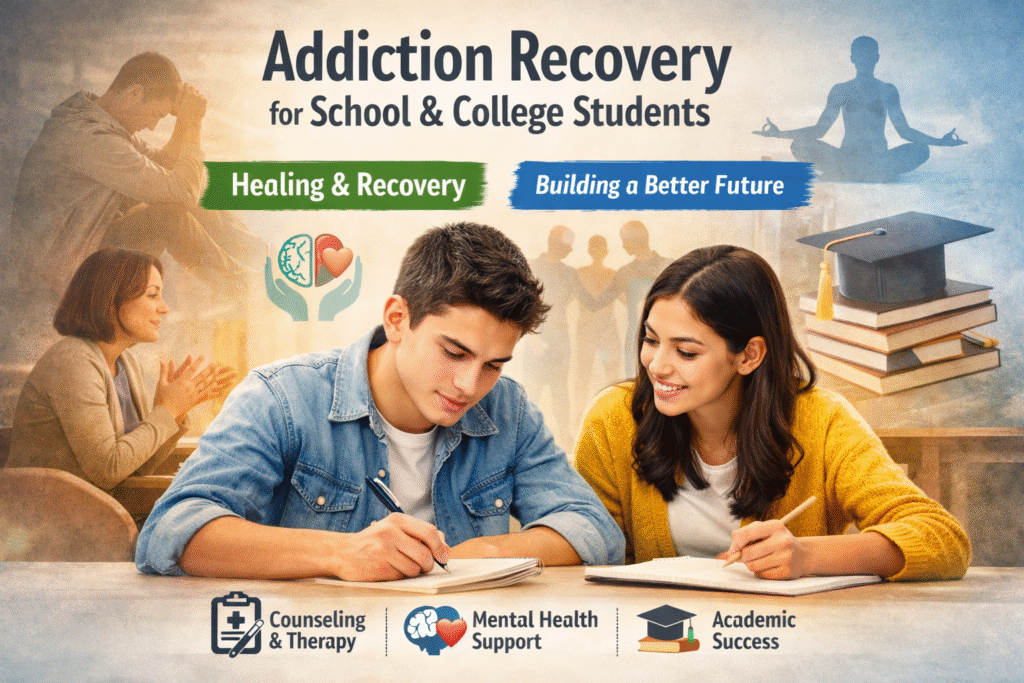
Addiction among young people is a growing concern that affects not only students but also families, schools, and communities. Academic pressure, peer influence, emotional stress, and easy access to substances have made school-going and college-going students more vulnerable than ever. Student addiction recovery is not just about quitting substances; it is about rebuilding focus, confidence, mental health, and future goals. For small business owners who are parents, guardians, or employers of young adults, understanding addiction recovery for students is essential. Early support can prevent long-term damage and help students return to a healthy, productive life. This article explains how addiction recovery works for students, the challenges they face, and how Sanchit Nasha Mukti Kendra Gwalior play a vital role in healing.  Understanding Student Addiction Recovery Student addiction recovery focuses on helping young individuals overcome substance dependence while continuing their education and personal development. Unlike adult recovery, student recovery must address emotional immaturity, academic responsibilities, and social pressure. Student addiction recovery includes: Physical detoxification Mental and emotional healing Behavioral correction Academic and life skill rebuilding Early recovery ensures students do not lose crucial years of growth and learning. Why Students Are at High Risk of Addiction School-going and college-going students face unique challenges that increase addiction risk. Common risk factors include: Academic pressure and fear of failure Peer pressure and social acceptance Emotional stress, anxiety, and depression Curiosity and experimentation Digital addiction and lack of sleep Without guidance, these pressures can push students toward substance use, making addiction recovery for students essential. Impact of Addiction on Students’ Lives Addiction affects every area of a student’s life. Academic impact Poor concentration and memory Falling grades and absenteeism Loss of interest in studies Mental and emotional impact Anxiety and mood swings Low self-esteem Depression and isolation Social and family impact Conflicts with parents Withdrawal from friends Loss of trust and discipline College student addiction recovery is crucial to prevent these effects from becoming permanent. Importance of Early Student Addiction Recovery Early intervention improves recovery outcomes significantly by addressing addiction before it becomes deeply rooted. Timely support reduces physical and mental damage, makes treatment more effective, and helps students regain control over their studies and personal lives faster. Benefits of early recovery include: Faster mental and physical healing Lower relapse risk Better academic continuity Stronger emotional stability Improved self-discipline Small business owners and parents who act early help students protect both their education and future careers. Role of Nasha Mukti Kendra in Student Addiction Recovery A Nasha Mukti Kendra provides structured, professional care designed for long-term healing. Key services offered include: Medical detoxification under supervision Individual and group counselling Psychological therapy Family counselling and guidance Routine-based lifestyle management These centers focus on holistic addiction recovery for students, not just temporary control. Detoxification and Medical Support for Students Detox is the first step in student addiction recovery. Why detox is important: Removes substances safely from the body Manages withdrawal symptoms Stabilizes physical health Medical supervision ensures students recover safely without harming their developing bodies or brains. Mental Health Care in Addiction Recovery for Students Mental health plays a major role in addiction and recovery. Mental health support includes: Stress and anxiety management Trauma counselling Emotional regulation training Confidence and self-esteem rebuilding College student recovery becomes more effective when mental health is treated alongside physical dependence. Balancing Education and Recovery One major concern for families is whether students can continue their education during recovery. Modern Nasha Mukti Kendras help students: Maintain structured study time Rebuild concentration gradually Learn time management skills Prepare for academic re-entry This balanced approach ensures recovery for students does not mean abandoning education. Role of Family and Guardians in Recovery Family support is critical in student addiction recovery. Families can help by: Avoiding blame and judgment Participating in counselling sessions Encouraging healthy routines Monitoring progress with care Strong family involvement increases recovery success and emotional stability. Preventing Relapse Among Students Relapse prevention is a key focus of student recovery. Common relapse prevention strategies include: Stress management techniques Healthy sleep routines Peer support programs Regular follow-up counselling Clear academic and life goals Students who learn coping skills are better prepared to handle pressure without substances. Life Skills Development for Long-Term Recovery Recovery is not complete without life skills. Nasha Mukti Kendras help students develop: Discipline and responsibility Decision-making ability Communication skills Goal setting and motivation These skills support long-term recovery for students and future success. How Small Business Owners Can Support Student Recovery Small business owners may be parents, mentors, or employers of young adults. They can support recovery by: Encouraging professional treatment Allowing flexible schedules during recovery Promoting mental health awareness Creating non-judgmental environments Supporting student addiction recovery helps build a healthier workforce and society. Long-Term Benefits of Student Addiction Recovery Successful recovery leads to lifelong benefits. Key outcomes include: Improved academic performanceRecovery helps students regain focus, memory, and concentration. With a clearer mind and better discipline, students can attend classes regularly and perform better in their studies. Strong mental healthAddiction recovery supports emotional stability, reduces anxiety and depression, and builds self-confidence. This helps students handle stress and challenges in a healthier way. Reduced relapse riskStructured recovery teaches coping skills and self-control, helping students manage triggers and avoid returning to substance use. Better career readinessRecovery builds responsibility, time management, and goal-setting skills, preparing students for higher education, jobs, and professional life. Healthy relationshipsAs students recover, trust and communication improve. They rebuild positive relationships with family, friends, and peers, creating a supportive environment for long-term success. College student addiction recovery restores confidence and direction in life. Conclusion Addiction recovery for school-going and college-going students is a vital investment in the future. Student  recovery protects mental health, education, and long-term success. With early intervention, professional care, and family support, students can overcome addiction and rebuild their lives. If you know a student struggling with substance use, seek help from a trusted Nasha Mukti Kendra Gwalior today. Early support can change a young life forever. Frequently Asked Questions Q1. What is student addiction recovery?

Physical Effects of Drug Use – Impact on Body Functions
Blog

Physical Effects of Drug Use – Impact on Body Functions

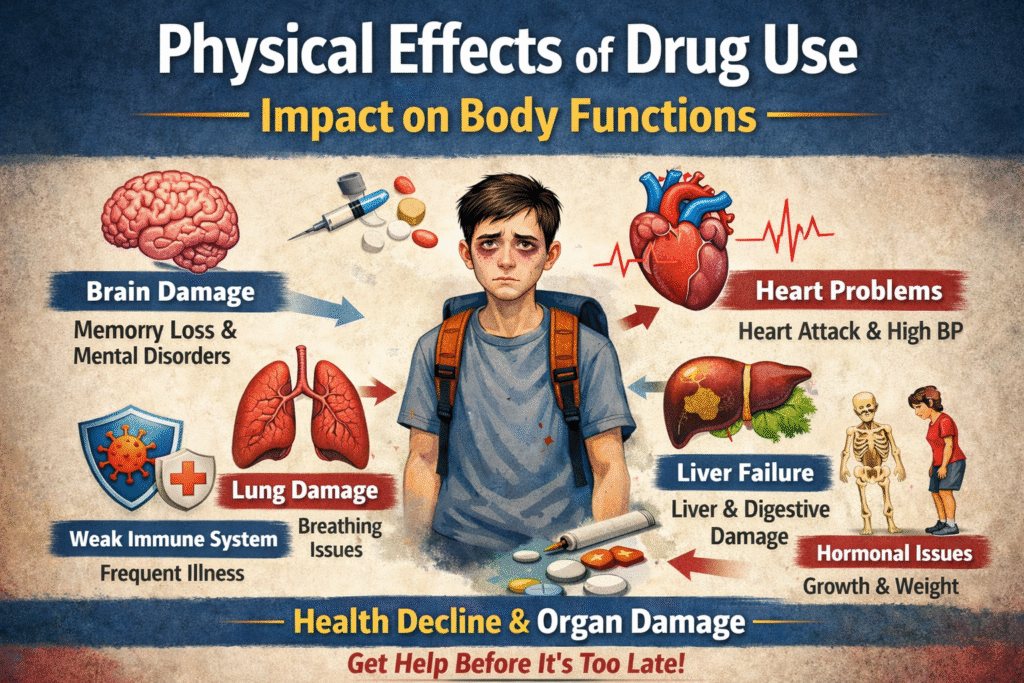
For many school-going and college-going students, drugs can appear harmless or even tempting due to peer pressure, curiosity, or stress. However, the Physical Effects of Drug Use are serious, wide-ranging, and often long-lasting. Drugs don’t just change how a person feels for a short time—they interfere with how the body works every single day. From the brain and heart to the lungs, liver, and immune system, drug use disrupts vital body functions. This article explains the impact of drug use on body systems in simple, easy-to-understand language, helping students make informed, healthy choices and understand why early help from a Sanchit Rehab Centre Gwalior can be life-changing. Physical Effects of Drug Use – Impact on Body Functions Drug use affects almost every organ system, and the Physical Effects of Drug Use often begin quietly, without immediate warning signs. Over time, the impact of drug use on body functions becomes more visible, leading to serious health problems. These drug abuse effects on physical health can reduce energy levels, weaken immunity, damage vital organs, and disturb normal growth and development. As the Physical Effects of Drug Use increase, students may struggle with studies, sports performance, physical appearance, self-confidence, and long-term life goals, making early awareness and prevention extremely important. Why Drug Use Is More Dangerous for Students During teenage and early adult years, the body and brain are still developing, making young people highly vulnerable to the Physical Effects of Drug Use. Drugs disrupt this growth phase, and the Physical Effects of Drug Use can slow brain development, weaken strength, and disturb hormonal balance. These Physical Effects of Drug Use and drug abuse effects on physical health can cause lasting damage, affecting learning, emotional stability, and overall well-being. Key reasons drug use is harmful for students: Incomplete brain development increases addiction risk Faster physical damage compared to adults Reduced concentration and memory Lower academic and athletic performance Higher chances of mental and physical dependency Effects of Drugs on the Brain and Nervous System The brain controls the body, and the Physical Effects of Drug Use disrupt signals, causing memory loss, poor concentration, and weak decision-making. These Physical Effects of Drug Use also affect learning, coordination, and nervous system balance. Short-term effects on the brain Poor judgment and decision-making Memory loss and confusion Anxiety, panic, or aggression Slower reflexes and coordination Long-term effects on the brain Permanent memory problems Reduced learning ability Emotional instability Higher risk of depression and anxiety disorders These are major drug abuse effects on physical health that can affect a student’s future potential. Impact of Drug Use on the Heart and Blood Circulation Many drugs place extreme stress on the heart and blood vessels. Common physical effects include: Rapid or irregular heartbeat High blood pressure Chest pain Risk of heart attack at a young age Stimulant drugs are especially dangerous and can cause sudden heart failure without warning. Effects of Drug Use on the Lungs and Breathing Smoking or inhaling drugs damages the lungs and reduces oxygen supply to the body. Impact of drug use on body (lungs) Chronic cough and breathing difficulty Reduced stamina during physical activity Increased risk of lung infections Permanent lung damage over time Poor oxygen supply also affects brain function and concentration. Liver and Digestive System Damage The liver removes toxins from the body. Drugs overload this system, causing severe harm. Common liver-related effects: Liver inflammation Fatty liver disease Digestive problems Loss of appetite and malnutrition Long-term drug use can lead to liver failure, which may require lifelong treatment. Effect on the Immune System Drug use weakens the body’s natural defense system. Drug abuse effects on physical health include Frequent illness Slow recovery from infections Increased vulnerability to viruses Low energy and fatigue Here’s a clear explanation with your keyword added naturally: Drugs can severely affect the heart, leading to a rapid or irregular heartbeat, high blood pressure, and chest pain. These are serious Physical Effects of Drug Use that increase the risk of a heart attack, even at a young age. Over time, continued drug use can weaken the heart muscles and circulation, showing how the impact of drug use on body functions goes beyond just temporary symptoms. Hormonal Imbalance and Growth Problems Drugs disturb hormone production, which is critical during student years. Possible effects: Sleep disturbances Delayed or abnormal growth Reproductive health issues Constant tiredness Hormonal imbalance can also affect mood and emotional stability. Changes in Skin, Hair, and Physical Appearance Drug use often shows visible signs on the body. Physical changes may include: Dull or pale skin Acne and skin infections Hair thinning or hair loss Sudden weight loss or gain Dark circles and tired appearance These changes often lower self-confidence and social comfort. Long-Term Physical Effects of Drug Use When drug use continues unchecked, damage becomes more severe and harder to reverse. Long-term consequences include: Permanent organ damage Chronic health conditions Reduced life expectancy Physical weakness and disability Increased dependence on medical care Early awareness can prevent these outcomes. Warning Signs Students Should Not Ignore Recognizing physical warning signs early can save health and future opportunities. Common signs include: Constant fatigue or weakness Red or yellowish eyes Shaking hands or sweating Poor hygiene Sudden behavioral and appetite changes These signs indicate the need for immediate support. How a Nasha Mukti Kendra Supports Physical Recovery A professional Nasha Mukti Kendra focuses on complete physical and mental recovery, addressing the Physical Effects of Drug Use rather than just stopping drug use. By repairing the impact of drug use on body systems and managing the drug abuse effects on physical health, it helps individuals regain strength, balance, and long-term well-being. Support includes: Medical detox to stabilize the body Nutrition plans to repair organ damage Physical activity to rebuild strength Health monitoring and counseling Long-term relapse prevention For students, early recovery means a healthier return to studies and daily life. Prevention Tips for School and College Students Prevention is the strongest protection against drug damage, as early awareness of the Drug Use helps

Aftercare Support in Drug Recovery
Blog

Aftercare Support in Drug Recovery - Why Long-Term Guidance Matters

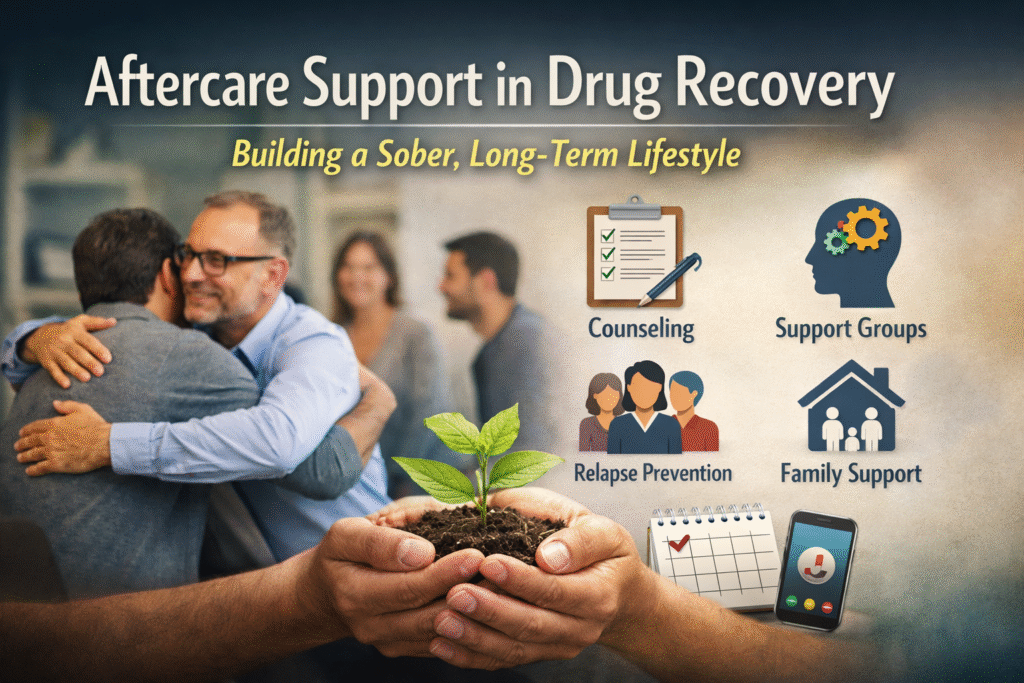
Aftercare Support in Drug Recovery helps individuals stay sober after rehab by providing ongoing guidance and emotional support. It reduces relapse risk by helping people manage stress, triggers, and daily challenges. Aftercare turns recovery into a stable, long-term lifestyle. Completing treatment at a Nasha Mukti Kendra is a powerful milestone—but it’s not the finish line. True, lasting recovery depends on what happens after rehab, and this is where Aftercare Support in Drug Recovery becomes essential at Sanchit Rehab Centre in Gwalior. Aftercare Support in Drug Recovery at Sanchit Rehab Centre in Gwalior provides continued guidance, structure, and emotional stability once treatment ends. Without Aftercare Support in Drug Recovery, maintaining sobriety becomes difficult, but with strong Aftercare Support in Drug Recovery at Sanchit Rehab Centre in Gwalior, long-term healing and relapse prevention become achievable. For small business owners, entrepreneurs, and working professionals, relapse can mean disrupted operations, financial loss, and broken trust. Structured aftercare ensures individuals don’t just get sober—but stay sober, rebuild discipline, and return to life with confidence and clarity. In this article, we’ll explore the importance of aftercare in addiction recovery, the types of drug addiction aftercare programs available, and why long-term guidance is essential for sustainable success. Aftercare Support in Drug Recovery – Why Long-Term Guidance Matters What Is Aftercare Support in Drug Recovery? Aftercare support refers to ongoing guidance, monitoring, and emotional support provided after primary addiction treatment ends. It bridges the gap between a protected rehab environment and the real world—where stress, triggers, and responsibilities return. Key Goals of Aftercare Programs • Prevent relapse • Reinforce healthy routines • Build emotional resilience • Support mental health stability • Encourage accountability Aftercare transforms short-term recovery into long-term sobriety. Importance of Aftercare in Addiction Recovery Many relapses occur within the first 6–12 months after treatment. This happens because life pressures return faster than coping skills mature. Why Aftercare Is Non-Negotiable • Addiction is a chronic condition, not a one-time issue • Triggers exist in daily life—work stress, social circles, finances • Emotional lows can resurface unexpectedly • Without guidance, old habits return easily • Addiction is a chronic condition, not a one-time issue: Addiction affects the brain and behavior over a long period, which means recovery requires continuous care, not just short-term treatment. Ongoing support is needed to manage cravings and prevent relapse. • Triggers exist in daily life—work stress, social circles, finances: Everyday pressures such as job responsibilities, social environments, and money problems can remind a person of past substance use and increase the risk of relapse if not handled properly. • Emotional lows can resurface unexpectedly: Feelings like anxiety, loneliness, frustration, or sadness may return even after rehab, making individuals emotionally vulnerable without proper support. • Without guidance, old habits return easily: In the absence of counseling and structured aftercare, people may slip back into unhealthy routines and coping mechanisms they used before recovery. Aftercare support in drug recovery reduces relapse risk and builds stability during this vulnerable phase. How Aftercare Support Helps Prevent Relapse Relapse doesn’t happen suddenly—it develops through emotional and behavioral warning signs. Aftercare Works by Addressing • Emotional triggers such as stress, anxiety, and loneliness • Behavioral patterns like isolation and routine breakdown • Environmental risks including peer pressure and work stress • Mental health challenges such as depression and burnout Common Relapse Prevention Tools • Regular counseling sessions • Structured daily routines • Accountability check-ins • Stress management techniques • Peer and family support Types of Drug Addiction Aftercare Programs Effective aftercare is personalized, not one-size-fits-all. Leading Nasha Mukti Kendras offer multiple aftercare options. Outpatient Counselling Weekly or bi-weekly therapy sessions focused on coping skills and emotional regulation. Ideal for working professionals and business owners. Support Group Meetings Group therapy or 12-step-style programs that offer peer accountability and shared experiences, reducing isolation and shame. Family Counselling Helps repair trust, improve communication, educate families on relapse warning signs, and create a supportive home environment. Sober Living and Transitional Support Structured living environments with rules and accountability, especially helpful for high-risk individuals. Tele-Aftercare and Online Support Virtual therapy sessions, phone check-ins, and digital monitoring—perfect for busy professionals and entrepreneurs. Aftercare Support for Small Business Owners and Professionals Business owners face unique recovery challenges such as long working hours, financial pressure, decision fatigue, and social drinking culture. Why Aftercare Is Crucial for Entrepreneurs • Prevents stress-triggered relapse • Improves focus and productivity • Supports leadership stability • Helps rebuild professional credibility A well-designed aftercare support in drug recovery plan allows individuals to heal without stepping away from responsibilities. Role of Mental Health in Long-Term Recovery Addiction rarely exists alone. Anxiety, depression, trauma, and burnout often coexist. Aftercare Addresses Mental Health By • Offering regular psychological counseling • Teaching emotional regulation strategies • Managing work-life balance • Preventing emotional exhaustion Ignoring mental health increases relapse risk—aftercare keeps both mind and behavior aligned. Building Structure Through Aftercare One major benefit of drug addiction aftercare programs is routine rebuilding. Structured Aftercare Encourages • Consistent sleep cycles • Healthy eating habits • Time management skills • Goal-setting and progress tracking Structure replaces chaos, which is essential for long-term sobriety. Family and Community Support in Aftercare Recovery doesn’t happen in isolation. Family Involvement Helps By • Reducing misunderstandings • Creating emotional safety • Supporting accountability • Preventing enabling behaviors Community-based aftercare programs strengthen social reintegration and confidence. Long-Term Benefits of Aftercare Support in Drug Recovery Aftercare is not just about avoiding relapse—it’s about life transformation. Key Long-Term Benefits • Sustained sobriety • Improved emotional intelligence • Stronger relationships • Better work performance • Renewed self-worth People who commit to aftercare are significantly more likely to maintain long-term recovery. How to Choose the Right Aftercare Program Not all aftercare programs are equal. What to Look For • Personalized recovery plans • Licensed counselors and therapists • Flexible scheduling options • Family involvement opportunities • Proven relapse prevention strategies A trusted Nasha Mukti Kendra will treat aftercare as essential—not optional. Summary : Recovery Is a Journey, Not an Event

Healing Starts Here
Blog

Healing Starts Here: The Power of Drug Recovery

Healing Starts Here: The Power of Drug Recovery Addiction Recovery Drug recovery is not only about quitting a substance. It is about rebuilding confidence, restoring health, improving relationships, and creating a purposeful future. With the right guidance, mindset, and professional care, recovery becomes a powerful transformation journey. This article explains the science, psychology, and practical steps behind recovery while highlighting the benefits of professional rehab centers and actionable strategies for students. What Does Drug Recovery Really Mean? Drug recovery is a structured process of healing the mind, body, and behavior after substance use. It focuses on breaking unhealthy patterns, strengthening mental wellness, learning healthy coping skills, rebuilding self-discipline, and creating long-term stability with the guidance and support of a professional rehab center. Recovery is not a one-time event; it is a lifestyle shift that promotes resilience and emotional balance. How Drug Recovery Changes Lives Understanding how drug recovery changes lives helps students realize that transformation is possible at any stage. Personal Growth and Self-Control Recovery builds better decision-making, emotional stability, improved concentration, and stronger self-confidence. Students learn to manage stress without harmful habits. Academic and Career Improvement Recovery improves focus and memory, increases productivity, strengthens discipline, and supports goal-setting. It promotes long-term academic success. Health and Wellbeing Benefits Recovery leads to better sleep quality, improved immunity, balanced nutrition habits, and reduced anxiety. Healthy routines support brain and body healing. Stronger Relationships Recovery restores trust, improves communication skills, builds emotional maturity, and enhances social interactions. Recovery strengthens social stability and emotional intelligence. The Science Behind Recovery and Brain Healing The brain has the ability to repair itself through neuroplasticity. When unhealthy patterns stop, new healthy neural pathways develop Healing Starts Here: The Power of Drug Recovery . Brain Changes During Recovery Recovery reduces craving intensity, improves emotional regulation, strengthens focus and clarity, and enhances impulse control. Consistent healthy behavior retrains the brain gradually. Steps in the Addiction Recovery Process Understanding the steps in the addiction recovery process helps students mentally prepare and stay motivated. Step 1: Awareness and Acceptance Recognizing the problem without shame or fear. Step 2: Professional Assessment Health experts evaluate mental, emotional, and behavioral needs. Step 3: Detox and Stabilization Safe medical supervision helps manage withdrawal symptoms when required. Step 4: Therapy and Counseling Includes cognitive behavioral therapy, group discussions, and emotional healing sessions. Step 5: Skill Development Stress management, communication skills, time management, and healthy routines. Step 6: Relapse Prevention Planning Identifying triggers and building coping strategies. Step 7: Long-Term Support Continued guidance ensures stability and progress. Benefits of Professional Rehab Centers Choosing professional care ensures safety, structure, and expert guidance. Key Benefits: Personalized treatment plans Medical supervision Emotional counseling Peer support environment Structured daily routines Family involvement Healing Starts Here: The Power of Drug Recovery Professional rehab centres offer holistic recovery solutions. Why College Students Should Take Recovery Seriously Students are vulnerable to academic pressure, social influence, emotional transitions, and digital dependency. Early awareness prevents long-term consequences. Healthy Habits Students Should Build: Regular exercise Balanced nutrition Sleep discipline Time management Mindfulness practice Positive habits strengthen emotional resilience. How Nasha Mukti Kendra Supports Long-Term Recovery “A trusted Nasha Mukti Kendra provides psychological counseling, behavioral therapy, structured routines, emotional mentorship, family counseling, and continuous monitoring. Healing Starts Here, as professional guidance ensures sustainable progress. Every step of recovery is supported because Healing Starts Here, with expert care, structured support, and ongoing encouragement. True transformation happens when Healing Starts Here, guiding individuals toward lasting sobriety and emotional well-being.” Building a Strong Recovery Mindset “Recovery success depends on patience, consistency, self-compassion, a positive environment, and support networks. Healing Starts Here, and every small improvement matters because Healing Starts Here with consistent effort. Remember, Healing Starts Here through self-compassion, positive choices, and supportive connections, and these small steps lead to long-term transformation.” Practical Tips for Students Supporting Recovery Set realistic goals Track daily progress Avoid high-risk environments Practice mindfulness Stay socially connected Seek mentorship Discipline builds confidence and stability. Summary and Call to Action Understanding how drug recovery changes lives empowers college students to choose health, clarity, and purpose. Recovery improves mental wellness, academic performance, emotional stability, and relationships. With structured guidance, awareness, and professional support from Sanchit Rehab Center, transformation becomes achievable. If you or someone you care about needs Healing Starts Here: The Power of Drug Recovery guidance, reach out to a trusted Nasha Mukti Kendra or professional rehab center today. Healing starts with one decision. Frequently Asked Questions (FAQ) Q1. What is drug recovery?Drug recovery is a structured process of healing the mind, body, and behavior after substance use. It helps individuals break unhealthy habits, rebuild mental wellness, and regain control over their lives, often with professional support from centers like Sanchit Rehab Center. Q2. How does drug recovery change lives?Drug recovery improves mental clarity, emotional stability, physical health, and relationships. It empowers students to make positive life choices, achieve academic goals, and develop long-term resilience, transforming both personal and social aspects of life. Q3. What services do rehab centers like Sanchit offer?Sanchit Rehab Center provides counseling, therapy, structured routines, family support, and relapse prevention guidance. These services ensure safe, professional, and holistic recovery tailored to individual needs. Q4. Can students balance college life and recovery?Yes. With proper planning, guidance, and time management, students can maintain academics while participating in recovery programs. Rehab centers also offer strategies to manage stress, cravings, and daily responsibilities effectively. Q5. Is relapse common, and can it be prevented?Relapse can occur but is preventable with awareness, coping strategies, mindfulness, and continued support. Rehab centers like Sanchit help build strong recovery habits to minimize relapse risk.

Alcohol Myths and Facts – Common Misconceptions Explained
Blog

Alcohol Myths and Facts – Common Misconceptions Explained

Alcohol consumption is surrounded by myths, misunderstandings, and half-truths that can affect personal health, workplace productivity, and social behavior. Alcohol Myths and Facts is an important topic for small business owners, employees, and families because misconceptions can influence drinking habits and decisions. Understanding the reality of alcohol use helps individuals make informed choices, prevent addiction, and reduce its impact on work and personal life. Sanchit Rehab Centre provide education, counseling, and rehabilitation programs to debunk myths, provide factual guidance, and support recovery from alcohol abuse. This article explores the most common myths about alcohol, presents evidence-based facts, and explains the health, social, and professional consequences of drinking. Common Misconceptions About Alcohol Many people believe things about alcohol that are simply untrue. These myths can lead to overconsumption, risky behavior, and delayed treatment for addiction.  “Drinking a little is completely safe.” Fact: Even moderate alcohol can affect liver health, blood pressure, and cognitive function. Regular consumption increases the risk of addiction over time.  “Alcohol improves social skills and confidence.” Fact: Alcohol may reduce social anxiety temporarily, but over time it can impair judgment, communication, and emotional regulation.  “Beer and wine are healthier than spirits.” Fact: All alcoholic beverages have similar effects on the liver and brain when consumed excessively. Quantity, not type, determines health risk.  “You can sober up quickly by drinking coffee or taking a cold shower.” Fact: Only time allows alcohol to metabolize. Coffee, showers, or exercise do not speed up sobriety.  “Alcohol only affects the liver.” Fact: Alcohol impacts multiple systems, including the brain, heart, digestive system, and hormonal balance. Alcohol Facts vs Myths “Knowing the difference between Alcohol Myths and Facts is essential for informed decision-making. Understanding Alcohol Myths and Facts helps separate truth from misconception, and being aware of common Alcohol Myths and Facts supports healthier choices.” Key Facts About Alcohol Consumption Alcohol is a depressant that affects the central nervous system. Long-term alcohol use can lead to liver disease, cardiovascular problems, and mental health issues. Alcohol can increase risk-taking behavior and impair professional performance. Addiction can develop regardless of social status or income. By understanding alcohol facts vs myths, individuals and business owners can create safer work environments and encourage responsible consumption. Effects of Alcohol on Health “Understanding Alcohol Myths and Facts is important because alcohol’s effects extend beyond immediate intoxication. Learning the truth in Alcohol Myths and Facts reveals how long-term or excessive consumption can have serious physical and mental consequences. Being aware of Alcohol Myths and Facts helps make safer, informed choices about drinking.” Short-Term Effects Impaired coordination and judgment Slurred speech and memory lapses Emotional instability and irritability Accidents and injuries Long-Term Effects Liver disease, fatty liver, cirrhosis Cardiovascular issues and high blood pressure Mental health disorders like depression and anxiety Increased risk of addiction and dependency Social and Workplace Impacts Reduced productivity and focus Conflict with colleagues or clients Increased absenteeism and workplace accidents Strained personal relationships Alcohol and Addiction Awareness Recognizing alcohol addiction early is crucial for recovery, and understanding Alcohol Myths and Facts can make a big difference. Many misconceptions about drinking are part of common Alcohol Myths and Facts, and ignoring these Alcohol Myths and Facts often delays treatment. Being aware of the truth in Alcohol Myths and Facts helps individuals and families take timely action toward recovery. Signs of Alcohol Dependence Inability to control drinking Craving alcohol and withdrawal symptoms Neglect of personal and professional responsibilities Isolation from family or social circles Nasha Mukti Kendras offer structured programs for rehabilitation, including counseling, detox, and peer support to help individuals overcome addiction and rebuild healthy relationships. How Nasha Mukti Kendras Educate About Alcohol Myths Modern Nasha Mukti Kendras focus not only on treatment but also on awareness and prevention. Programs Include: Workshops on common misconceptions about alcohol Evidence-based education on health effects Group counseling to share experiences and coping strategies Family counseling to support recovery and reduce stigma Education helps individuals distinguish between myths and facts, reducing risky behavior and promoting informed choices. Tips for Responsible Alcohol Use Even for those who drink moderately, following guidelines can reduce harm. Limit intake to recommended daily limits Avoid drinking before driving or operating machinery Eat before and during alcohol consumption Stay hydrated Monitor physical and emotional reactions to alcohol Responsible drinking minimizes health risks and supports personal and professional stability. Summary: Alcohol Myths and Facts Understanding Alcohol Myths and Facts is critical for small business owners, employees, and families. Misconceptions about alcohol can affect health, relationships, and workplace performance. Nasha Mukti Kendras provide guidance, counseling, and rehabilitation programs to educate, prevent addiction, and support recovery. Knowing the truth helps individuals make informed decisions, reduce risks, and maintain healthier lives. Frequently Asked Questions (FAQs) 1. Are some alcoholic drinks safer than others? No. All alcoholic beverages have similar effects on the liver and brain. Health risks depend on quantity and frequency, not type. 2. Can moderate alcohol consumption be completely safe? Moderate consumption reduces but does not eliminate health risks. Even occasional drinking can affect liver function, heart health, and cognitive abilities. 3. How does alcohol affect workplace performance? Alcohol impairs focus, judgment, and coordination, leading to reduced productivity, errors, absenteeism, and workplace conflicts. 4. What role do Nasha Mukti Kendras play in alcohol education? They provide evidence-based programs to debunk myths, teach health effects, and offer counseling and peer support for recovery. 5. Can alcohol addiction be reversed? Yes. Early recognition, counseling, detox programs, and support from Nasha Mukti Kendras significantly increase the chances of recovery and long-term sobriety.

Nutrition After Drug Use – Foods That Support Healing and Strength
Blog

Nutrition After Drug Use – Foods That Support Healing and Strength

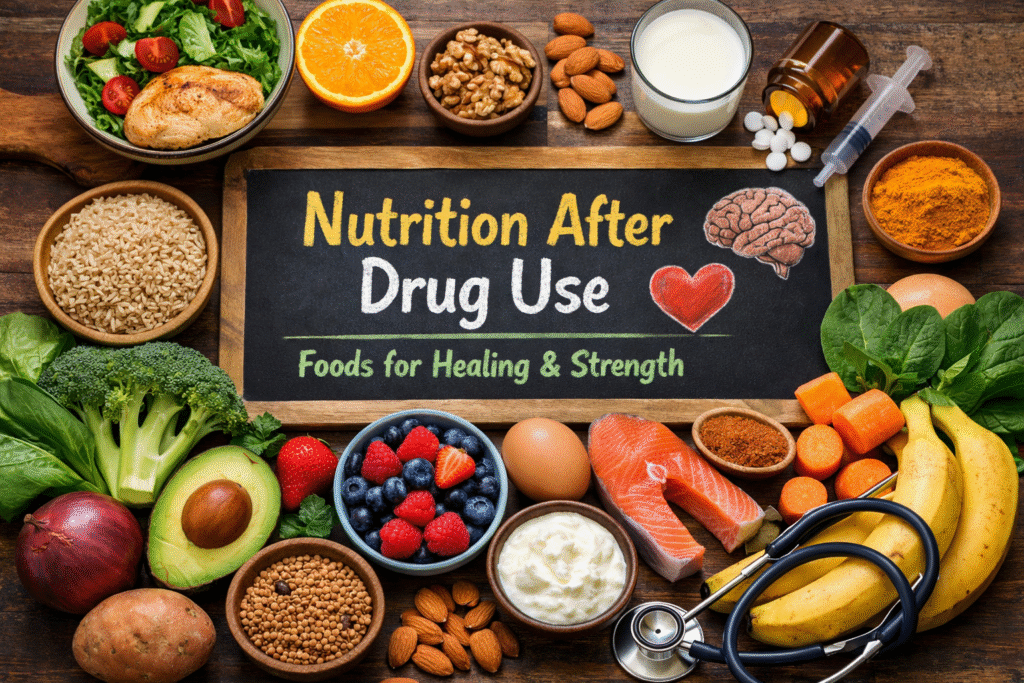
Addiction recovery is not limited to counseling and detox alone. The body undergoes significant physical damage during prolonged drug use, affecting organs, immunity, digestion, and energy levels. Nutrition After Drug Use plays a critical role in restoring physical strength, mental clarity, and emotional balance. At Sanchit Rehab Centre in Gwalior, structured programs ensure that Nutrition After Drug Use is carefully planned to support holistic healing and long-term recovery. For small business owners, whether managing their own recovery or supporting an employee or family member, understanding the importance of proper nutrition can make recovery more stable, productive, and long-lasting. Rehabilitation becomes more effective when the body is nourished correctly. This article explores how nutrition supports healing after drug use, which foods strengthen recovery, and how structured dietary care complements treatment in Nasha Mukti Kendras. Why Nutrition After Drug Use Is Essential for Recovery Drug use disrupts the body’s natural balance. Poor appetite, dehydration, vitamin deficiencies, and digestive issues are common during and after substance abuse. Effects of Drug Use on the Body Long-term drug use often leads to: Weakened immune system Muscle loss and fatigue Digestive disorders Hormonal imbalance Mental fog and mood swings Nutrient deficiencies Without proper nutrition in addiction recovery, these problems slow down healing and increase relapse risk. How Nutrition Supports Addiction Recovery Food is not just fuel—it is medicine for recovery. A balanced diet repairs tissues, stabilizes mood, and restores energy. Key Benefits of Proper Nutrition After Drug Use Repairs damaged organs and tissues Improves brain function and focus Reduces cravings and withdrawal discomfort Stabilizes blood sugar and mood Boosts immunity and physical strength This is why diet for drug recovery is a core part of modern rehabilitation programs. Role of Nutrition in Nasha Mukti Kendras Many Nasha Mukti Kendras now integrate structured nutrition plans alongside therapy and peer support. How Nutrition Is Managed in Rehabilitation Centers Rehab centers focus on: Regular, balanced meals Hydration support Vitamin and mineral restoration Gut health improvement Energy-boosting foods Proper nutrition accelerates detox recovery and prepares individuals for long-term sobriety. Foods for Addiction Recovery That Support Healing Choosing the right foods helps the body rebuild faster and regain strength. 1. Protein-Rich Foods for Tissue Repair Protein helps rebuild muscles, repair organs, and support brain function. Best protein sources: Eggs Lentils and beans Paneer and tofu Milk and yogurt Nuts and seeds Protein is essential in foods for addiction recovery to restore physical strength. 2. Whole Grains for Energy and Stability Whole grains provide slow-release energy and stabilize blood sugar levels. Recommended options: Brown rice Oats Whole wheat roti Millets Stable energy reduces fatigue and emotional ups and downs. 3. Fruits and Vegetables for Detox and Immunity Fruits and vegetables supply antioxidants, fiber, and vitamins. Best choices include: Leafy greens Carrots and beetroot Citrus fruits Apples and bananas Seasonal vegetables These foods help flush toxins and strengthen immunity. 4. Healthy Fats for Brain Healing The brain is often most affected by drug use. Healthy fats support cognitive recovery. Sources of healthy fats: Nuts and seeds Groundnut and mustard oil Avocado Fish (if non-vegetarian) Healthy fats improve focus, memory, and emotional stability. Vitamins and Minerals Essential After Drug Use Drug abuse depletes key nutrients that must be restored. Important Nutrients for Recovery Vitamin B-complex: Improves energy and nerve health Vitamin C: Boosts immunity and tissue repair Magnesium: Reduces anxiety and muscle cramps Iron: Improves stamina and oxygen flow Zinc: Supports immunity and healing A nutrition-rich diet reduces dependency on supplements over time. Gut Health and Digestion After Drug Use Digestive problems are common after addiction. How to Restore Gut Health Eat fiber-rich foods Include curd or probiotics Avoid oily and processed foods Drink plenty of water Eat small, frequent meals A healthy gut improves nutrient absorption and emotional balance. Foods to Avoid During Recovery Certain foods can worsen cravings, mood swings, and fatigue, which is why Nutrition After Drug Use must be carefully planned. Proper Nutrition After Drug Use focuses on avoiding trigger foods, as poor Nutrition After Drug Use can increase emotional imbalance, while balanced Nutrition After Drug Use helps control cravings, stabilize mood, and reduce recovery-related fatigue. Foods to Limit or Avoid Excess sugar Junk and processed foods Excess caffeine Deep-fried snacks Carbonated drinks Avoiding these supports a smoother recovery process. Diet for Drug Recovery and Daily Routine Consistency matters more than perfection. Simple Daily Nutrition Routine Start the day with warm water and fruits Balanced breakfast with protein and grains Light, nutritious lunch Healthy snacks like fruits or nuts Early, light dinner Routine eating helps stabilize both body and mind. Why Nutrition Matters for Small Business Owners Addiction recovery affects productivity, decision-making, and workplace stability, which is why Nutrition After Drug Use plays a crucial role. Proper Nutrition After Drug Use supports mental clarity and energy levels, while consistent Nutrition After Drug Use improves focus and performance. When workplaces recognize the importance of Nutrition After Drug Use, recovery becomes smoother, productivity increases, and long-term workplace stability is strengthened. Business Benefits of Supporting Nutrition in Recovery Faster physical recovery Improved focus and performance Reduced absenteeism Better emotional regulation Long-term employee retention Supporting nutrition after drug use is an investment in human capital. Nutrition and Relapse Prevention Hunger, fatigue, and low energy increase relapse risk. Proper nutrition: Reduces cravings Improves sleep quality Enhances stress tolerance Strengthens emotional control This makes nutrition a silent but powerful relapse-prevention tool. Summary: Nutrition After Drug Use Builds Strength and Stability Nutrition After Drug Use is a foundation of successful recovery. The right foods repair the body, strengthen the mind, and support emotional balance. Combined with therapy and peer support, nutrition improves long-term outcomes in Nasha Mukti Kendras and beyond. For small business owners, prioritizing nutrition in recovery leads to healthier individuals, stronger teams, and a more stable work environment. Frequently Asked Questions (FAQs) 1. Why is nutrition important after drug use? Nutrition helps repair physical damage, restore energy, stabilize mood, and reduce cravings, making recovery stronger and more sustainable. 2. What are the best foods

Blog

Drug Use and Relationships – How It Impacts Personal Bonds

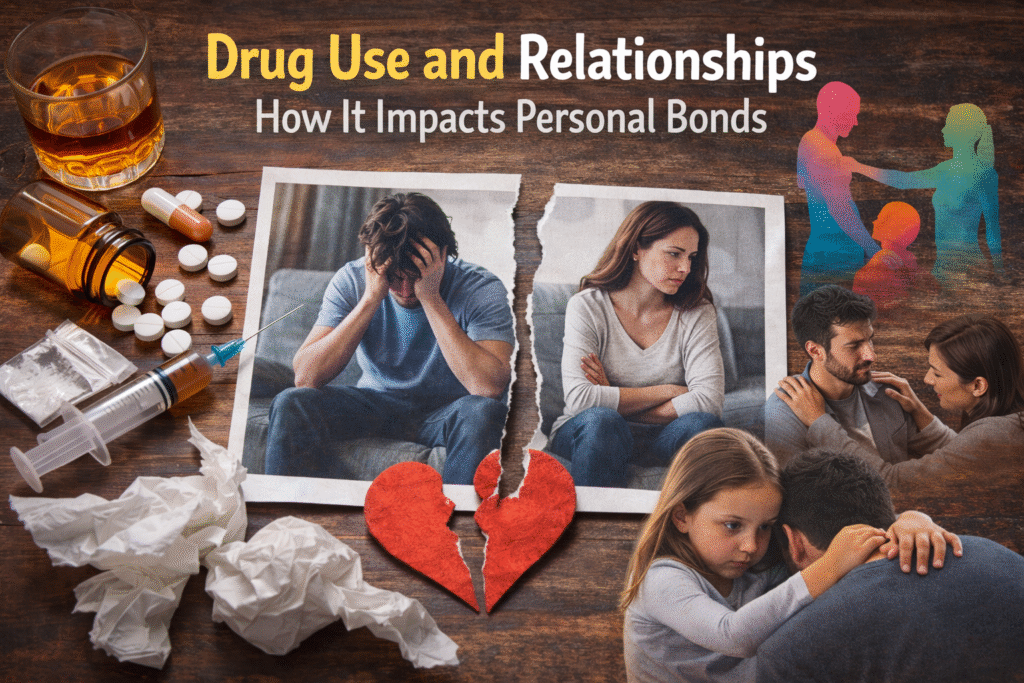
Drug use is often viewed as a personal struggle, but its impact extends far beyond the individual. Drug Use and Relationships is a critical topic because substance abuse affects families, friendships, romantic relationships, and workplace dynamics. For small business owners, understanding these impacts is essential—not only for personal awareness but also to manage employees or family members dealing with addiction effectively. Substance abuse can create emotional distance, mistrust, and conflict. However, structured support systems like Sanchit Rehab Centre offer therapy, counseling, and peer support to repair and strengthen personal bonds while promoting long-term recovery. This article explores how drug use affects personal relationships, the emotional and social consequences of addiction, and ways to rebuild trust and healthy connections. Understanding the Impact of Drug Use on Personal Relationships Addiction doesn’t occur in a vacuum. Drug Use and Relationships are deeply interconnected, as Drug Use and Relationships affect every social and emotional connection the individual has. Behavioral changes caused by substance abuse directly impact Drug Use and Relationships, and often, Drug Use and Relationships bear the brunt of these challenges, influencing family, friendships, and personal bonds. Key Effects on Personal Bonds Emotional Withdrawal: Drug users often isolate themselves, creating emotional distance from family and friends. Trust Issues: Broken promises, secretive behavior, and deception are common, leading to mistrust. Conflict and Tension: Substance abuse increases irritability and conflict within households and friendships. Neglect of Responsibilities: Personal and professional responsibilities may be ignored, straining relationships. Understanding these effects is essential for small business owners who may have employees or family members struggling with addiction. How Addiction Affects Friendships and Social Life Friendships often change dramatically during addiction, and Drug Use and Relationships play a major role in this shift. Social circles may shrink or shift toward peers who also use substances, affecting Drug Use and Relationships with supportive friends. Maintaining healthy connections becomes challenging, as Drug Use and Relationships are often strained, reshaped, or weakened due to the behaviors and choices associated with addiction. Social Consequences of Drug Use Isolation from Supportive Friends: Positive friendships may weaken or disappear. Peer Pressure: Association with substance-using peers can reinforce addiction patterns. Loss of Social Skills: Communication and trust may deteriorate over time. Supporting recovery through therapy and structured social reintegration helps restore healthy friendships and social life. Effects on Romantic Relationships and Family Bonds Romantic partners and family members are often most affected by addiction. Challenges Faced Emotional instability and mood swings Breakdowns in communication and intimacy Domestic conflict or financial strain Children’s emotional well-being is often compromised How Recovery Programs Help Family Counseling: Nasha Mukti Kendras provide structured sessions to rebuild trust. Couples Therapy: Helps partners navigate addiction-related stress. Parental Support: Educates parents on supporting children through a family member’s recovery. Workplace and Professional Relationships Addiction can impact professional life, which in turn affects personal relationships indirectly. Workplace Impacts Decreased productivity and focus Frequent absenteeism Conflict with colleagues Strained leadership dynamics Role of Small Business Owners Business owners can support employees by: Encouraging rehab and therapy attendance Offering flexible work arrangements Reducing stigma around addiction recovery Incorporating peer support programs Strategies to Rebuild Relationships During Recovery Rebuilding trust and emotional bonds requires conscious effort and structured support. 1. Open Communication Honest conversations with family, friends, and colleagues Acknowledging mistakes without excuses 2. Counseling and Therapy Individual counseling for emotional regulation Group therapy to improve social interaction Family sessions to repair broken bonds 3. Peer Support Programs Encourages accountability and emotional support Helps individuals learn from others’ recovery journeys Reduces isolation and promotes empathy 4. Consistency and Reliability Fulfilling commitments gradually Demonstrating behavioral changes over time 5. Healthy Social Engagement Engaging in positive hobbies and community activities Avoiding environments that encourage substance use Role of Nasha Mukti Kendras in Strengthening Relationships Modern Nasha Mukti Kendras focus not only on addiction treatment but also on repairing social and familial bonds. Structured Relationship Support Peer support groups for shared experiences Family and couples therapy Workshops on communication and trust-building These approaches ensure that recovery is holistic—addressing both the individual’s health and the social impact of addiction. Summary: Healing Relationships During Recovery Drug Use and Relationships shows that addiction impacts friends, family, and colleagues. Nasha Mukti Kendra programs provide counseling, peer support, and family sessions to rebuild trust, restore bonds, and support healthier personal and professional relationships. Frequently Asked Questions (FAQs) 1. How does drug use affect personal relationships? Drug use can cause emotional distance, mistrust, conflict, and neglect of responsibilities, affecting family, friends, and romantic partners. 2. Can friendships survive addiction? Yes, with support and recovery, friendships can be restored through therapy, open communication, and rebuilding trust. 3. How do Nasha Mukti Kendras help relationships? They provide family counseling, peer support, and structured therapy to repair bonds, rebuild trust, and strengthen emotional connections. 4. How can small business owners support addicted employees? Encourage rehabilitation, offer flexible work arrangements, reduce stigma, and support peer-based recovery programs. 5. Is it possible to rebuild trust after addiction? Yes, consistent positive behavior, open communication, and counseling can gradually restore trust in personal and professional relationships.

Behavioural Effects of Drug Use
Blog

Behavioural Effects of Drug Use – Changes You Should Not Ignore

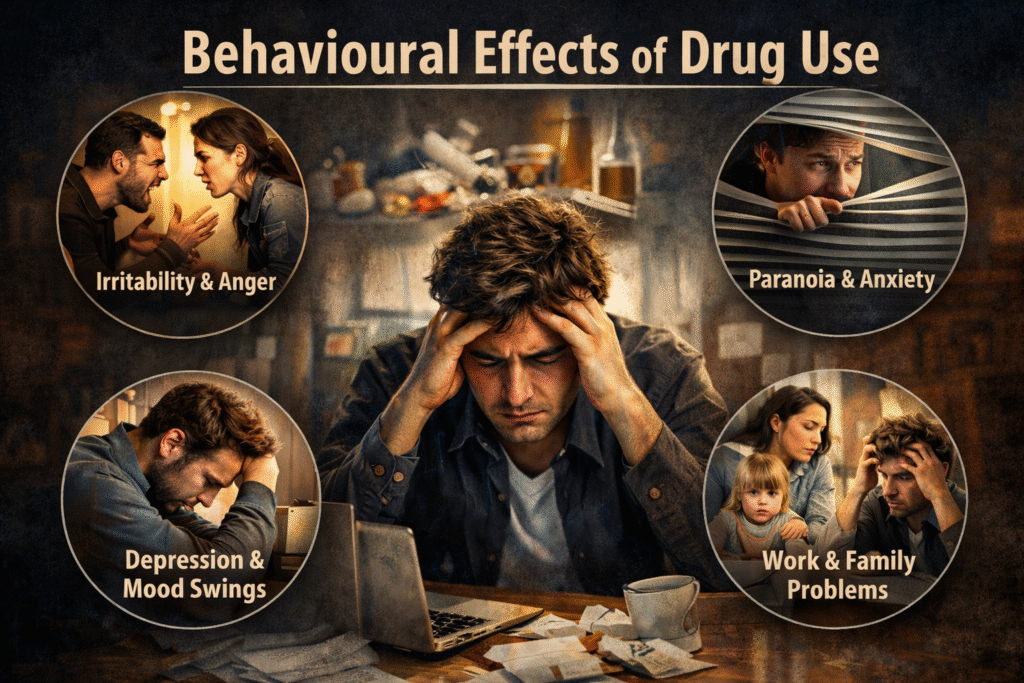
Drug use doesn’t just affect physical health—it significantly alters behavior, emotions, and decision-making. Recognizing the behavioural effects of drug use is crucial, especially for small business owners, who often face high stress and responsibility while balancing personal and professional life. Behavioral changes can be subtle at first, including mood swings, irritability, or social withdrawal. Over time, these changes can impact relationships, work performance, and mental health. Early identification of these signs is essential to intervene effectively and support drug addiction recovery. Seeking professional guidance from Sanchit Rehab Centre in Gwalior can provide structured therapy, counseling, and support to manage these behavioral changes and ensure long-term recovery. This guide explores the behavioral effects of drug use, the psychological warning signs, and strategies to help individuals regain control and stability in their lives. Behavioural Effects of Drug Use Drug use disrupts the brain’s chemical balance, causing noticeable changes in thoughts, emotions, and actions. Recognizing the Behavioural Effects of Drug Use—such as mood swings, irritability, and poor decision-making—is crucial for early intervention. Understanding these Behavioural Effects of Drug Use helps individuals and families take timely steps toward drug addiction recovery and long-term well-being.  Common Behavioral Changes Due to Drug Use : Mood Swings from Drug Use Sudden irritability or anger Frequent sadness or depression Overreaction to minor issues Unexplained bursts of energy or euphoria  Changes in Social Behavior Withdrawal from friends and family Loss of interest in hobbies and activities Difficulty maintaining professional relationships Preference for isolation or secrecy Cognitive and Decision-Making Changes Poor judgment or risky choices Memory lapses or forgetfulness Difficulty concentrating or focusing Impulsivity in personal or business decisions Long-Term Behavioural Effects of Drug Use  Behavioral Effects of Long-Term Drug Use Chronic irritability and emotional instability Increased anxiety or paranoia Persistent mood swings and depression Difficulty managing responsibilities, including work and family Chronic Irritability and Emotional Instability One of the most common behavioural effects of drug use is chronic irritability and emotional instability. Individuals may react angrily or overreact to minor issues, experience sudden frustration, or have difficulty controlling emotions. These mood fluctuations are not random—they are a direct result of chemical changes in the brain caused by prolonged substance use. Recognizing chronic irritability as a behavioural effect of drug use is crucial for early intervention and helps both families and professionals provide appropriate support. Increased Anxiety or Paranoia Another major behavioural effect of drug use is heightened anxiety or paranoia. Drugs disrupt the normal balance of neurotransmitters, leading to persistent worry, fear, or suspicious thoughts. Individuals may constantly feel threatened or mistrust those around them, which impacts relationships at home and work. Identifying increased anxiety or paranoia as a behavioural effect of drug use allows for timely therapy and recovery measures to prevent escalation into more severe mental health issues. Persistent Mood Swings and Depression Persistent mood swings and depression are key behavioural effects of drug use that affect emotional stability and daily functioning. These individuals may experience sudden highs and lows, periods of hopelessness, or loss of interest in activities they once enjoyed. Such emotional volatility is a hallmark of addiction’s impact on behavior. Understanding mood swings and depression as behavioural effects of drug use helps family members, friends, and professionals recognize early signs and intervene effectively. Difficulty Managing Responsibilities, Including Work and Family A significant behavioural effect of drug use is the inability to manage responsibilities, including both professional and personal obligations. Individuals may miss deadlines, forget important tasks, or fail to fulfill family commitments. Work performance often suffers due to reduced focus, poor decision-making, and impulsive behavior—all classic behavioural effects of drug use. Early recognition of this pattern is essential for initiating drug addiction recovery strategies and restoring balance in both home and work life.  Impact on Professional Life for Small Business Owners Small business owners may notice: Decline in work performance Poor communication with employees or clients Financial mismanagement due to impulsive decisions Strained relationships with partners or family Recognizing these patterns early can help mitigate long-term damage and improve recovery outcomes. Psychological Effects That Affect Behavior  Anxiety and Depression Drugs disrupt normal brain chemistry, leading to persistent anxiety or depression that affects daily behavior. Paranoia and Distrust Long-term use can cause suspicion toward colleagues, family members, or business partners.  Reduced Impulse Control Addiction reduces the ability to resist cravings, leading to reckless actions or decisions that can impact both personal and professional life. How to Recognize the Signs Early Notice changes in sleep patterns or appetite Track sudden mood swings or emotional outbursts Monitor social withdrawal or isolation Observe changes in work performance or decision-making Keep an eye on repeated risky behavior Early detection is key for effective drug addiction recovery. Practical Steps to Address Behavioral Changes  Seek Professional Help Connect with a trusted Nasha Mukti Kendra Enroll in counseling and therapy programs Consider family therapy to rebuild support systems Develop Healthy Habits Maintain a balanced routine with regular sleep and exercise Engage in hobbies and social activities Practice mindfulness and stress management techniques  Build a Support Network Encourage communication with trusted family and friends Join peer support groups Stay accountable with mentors or counselors Behavioral Changes During Drug Addiction Recovery Recovery itself may bring temporary behavioral changes, including: Mood fluctuations as the body detoxifies Anxiety about maintaining sobriety Frustration during therapy or lifestyle adjustments Support from family, professional counselors, and structured programs can help manage these temporary changes and ensure long-term stability. Summary and Call to Action Understanding the behavioural effects of drug use is crucial for early intervention and successful recovery. Mood swings, social withdrawal, poor decision-making, and long-term cognitive changes are signs that should never be ignored. For small business owners, recognizing these signs early can protect professional performance, personal relationships, and overall well-being. Seeking help from a professional Nasha Mukti Kendra ensures structured therapy, behavioral monitoring, and support for long-term recovery. Take the first step today to safeguard your life and the lives of loved ones by addressing behavioral changes early. FAQ Q1. What are the most common behavioral

Scroll to Top