

Alcohol use is often portrayed as a harmless social activity, especially among students and young professionals. However, the reality is very different. Alcohol effects on work life can be long‑lasting and deeply detrimental to productivity, focus, and professional growth. Excessive drinking isn’t just about immediate health risks — it can silently erode your ability to perform well at school, college, internships, or job roles.
This comprehensive guide explains the alcohol effects on work life, including how it impacts productivity, job performance, and emotional well‑being. Understanding alcohol effects on work life is crucial whether you’re a student juggling academics or a professional aiming for career growth. Recognizing the alcohol effects on work life is the first step toward healthier habits and improved performance.
What Are the Alcohol Effects on Work Life?
Alcohol use influences nearly every aspect of human functioning — including how we think, feel, and perform tasks. When alcohol use becomes excessive, it interferes with cognitive skills, emotional balance, and physical coordination — all essential elements of a productive work life. Seeking guidance from Sanchit Rehab Center in Gwalior can help individuals manage these challenges and restore focus, health, and efficiency.
Cognitive Impairment and Reduced Focus
The brain’s ability to process information, remember details, and stay focused decreases when affected by alcohol.
- Decreased concentration: Alcohol slows down neural communication.
- Poor decision‑making: Even minor tasks require more effort.
-
Memory lapses: Key deadlines and instructions are forgotten.
These effects are especially noticeable during exam preparation or tight deadlines at work.
Impact of Alcohol on Productivity
When alcohol affects productivity, the consequences extend from grades to job evaluations:
- Incomplete work or assignments
- Missed deadlines
- Lower quality outputs
-
Reduced participation in group tasks
Studies show that people who consume alcohol excessively perform less efficiently and are more prone to mistakes.

Emotional and Psychological Toll
Excessive drinking doesn’t just affect the brain — it influences emotions:
- Increased irritability
- Heightened anxiety
- Frequent mood swings
- Social withdrawal
These emotional changes can make collaboration at school, college, or workplaces difficult.
Excessive Drinking at Work and School
Alcohol effects on work life aren’t limited to professional settings — alcohol misuse can spill into school events, internships, weekend jobs, and workplace gatherings.
Signs may include:
- Showing up hungover
- Frequent absenteeism
- Loss of motivation
-
Frequent excuses related to drinking
Such behaviors are part of the broader alcohol effects on work life, quickly impacting reputation and performance evaluations, as teachers, mentors, or employers notice declines in participation and focus.
Alcohol and Job Performance
Your performance at work or in academics hinges on consistency and reliability — two qualities that alcohol misuse directly undermines:
- Tardiness
- Missed tasks
- Lower engagement in discussions
- Errors in judgment and execution
Even if you perform well occasionally, inconsistency due to alcohol can slow career advancements or academic success.

Physical Health Consequences Affecting Work Life
Alcohol doesn’t stop at emotional effects — your physical health suffers too:
- Fatigue from poor sleep quality
- Weakened immune system
- Slower reaction times
- Increased risk of injuries
Physical discomfort can lower enthusiasm for regular routines, including attending class or performing at work.
Social Impact — Relationships at School or Work
Interacting effectively with peers is vital. Alcohol misuse often affects interpersonal relationships:
- Arguments with friends or coworkers
- Miscommunication
-
Loss of trust
This damage isn’t easily repaired and often takes time to rebuild — especially when deadlines and academic pressures keep piling.
Alcohol and Academic Performance
For students, alcohol use isn’t just a social habit — it’s a risk factor for:
- Lower grades
- Difficulty retaining study material
- Missing lectures or study sessions
- Inability to concentrate during exams
Poor academic performance can lead to stress, creating a harmful cycle where students drink more to cope — making matters worse.
Impact on Work‑Life Balance
Even occasional binge drinking can disrupt schedules. A night out might seem harmless, but the next day…
- Sleep patterns are disrupted
- Energy levels drop
- Productivity plummets
- Motivation declines
Eventually, it becomes harder to balance responsibilities effectively.
Long‑Term Consequences of Alcohol on Career
Repeated alcohol misuse can create a pattern of professional setbacks:
- Promotion opportunities lost
- Lack of responsibility taken seriously
- Damaged reputation
-
Poor performance reviews
This deteriorating pattern can affect long‑term career growth — something many young adults don’t realize until it’s too late.
Strategies to Counter Alcohol’s Negative Impact
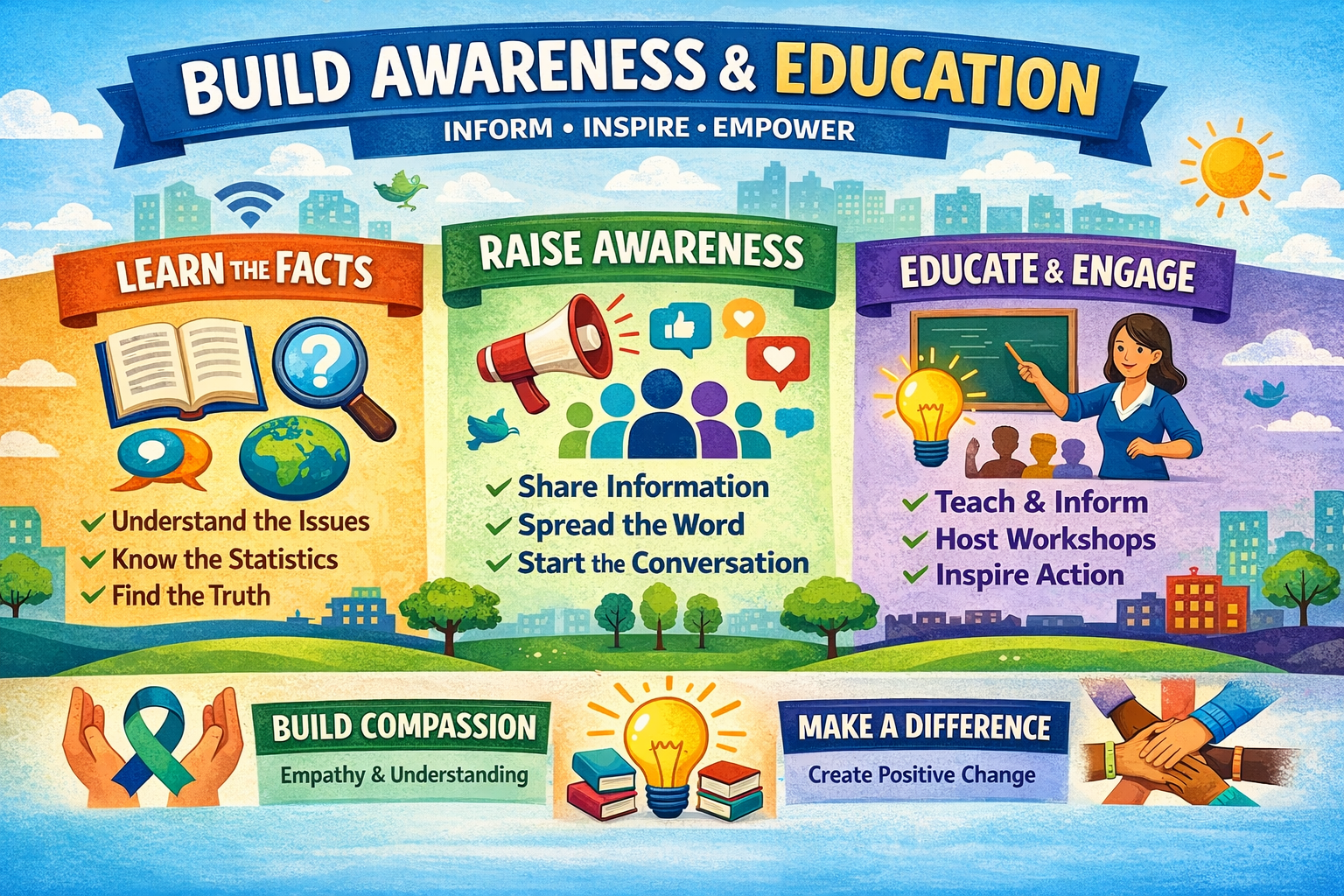
Build Awareness and Education
Understanding the harmful effects is the first step:
- Attend workshops on alcohol education
- Read evidence‑based resources
- Talk to counselors about risks
Awareness helps you make informed decisions.
Adopt Healthy Daily Habits
Simple daily routines set the foundation for productivity:
- Regular sleep schedule
- Balanced nutrition
- Hydration
- Exercise or yoga
When your body is healthy, the urge to rely on alcohol for relief decreases.
Develop Stress‑Management Techniques
Stress is one of the biggest triggers for drinking:
- Mindfulness meditation
- Breathing exercises
- Journaling
-
Time management skills
Replacing harmful coping mechanisms with healthy ones helps you stay productive.
Seek Support at a Nasha Mukti Kendra
Professional support significantly increases success:
- Structured programs
- Counseling
- Group therapy
-
Relapse prevention strategies
A Nasha Mukti Kendra can guide you toward recovery in a supportive environment.
Build a Supportive Network
Surround yourself with people who encourage healthy habits:
- Friends with similar goals
- Mentors and teachers
- Support groups
-
Family members who care
Together, you can create a positive environment for growth.
Practical Tips for Students and Young Professionals
- Set clear goals (academic and professional)
- Track your habits and how alcohol affects them
- Replace drinking with fulfilling activities
- Celebrate small wins
-
Limit exposure to high‑risk situations
Healthy routines lead to long‑term success.
Summary
Excessive alcohol use can significantly harm your career, education, productivity, and emotional well‑being. Understanding alcohol effects on work life — from reduced focus to interpersonal issues — empowers you to make better choices. Being aware of alcohol effects on work life helps you recognize early signs of decline in performance and relationships. Addressing alcohol effects on work life through positive habits, stress management, and professional support can restore balance. Consistently practicing strategies to counter alcohol effects on work life ensures long-term growth, while educating peers about alcohol effects on work life fosters a supportive environment.
If alcohol is affecting your life, consider reaching out to a Nasha Mukti Kendra Gwalior or support network — recovery starts with awareness.
FAQ:
Q1: Can occasional drinking impact productivity?
A: Yes — even occasional alcohol can disrupt sleep, focus, and energy, lowering productivity the next day.
Q2: How does alcohol affect academic performance?
A: Alcohol reduces memory retention, slows reaction time, and impairs concentration during classes or exams.
Q3: What are signs that alcohol is affecting work life?
A: Common signs include absenteeism, poor focus, emotional mood swings, and decreased work quality.
Q4: Can students regain productivity after reducing drinking?
A: Absolutely — with lifestyle changes, stress management, and healthy routines, students often see improved academic performance.
Q5: How can a Nasha Mukti Kendra help?
A: These centers offer counseling, detox programs, relapse prevention strategies, and a structured environment for recovery.
I like this article keep going 🙂