
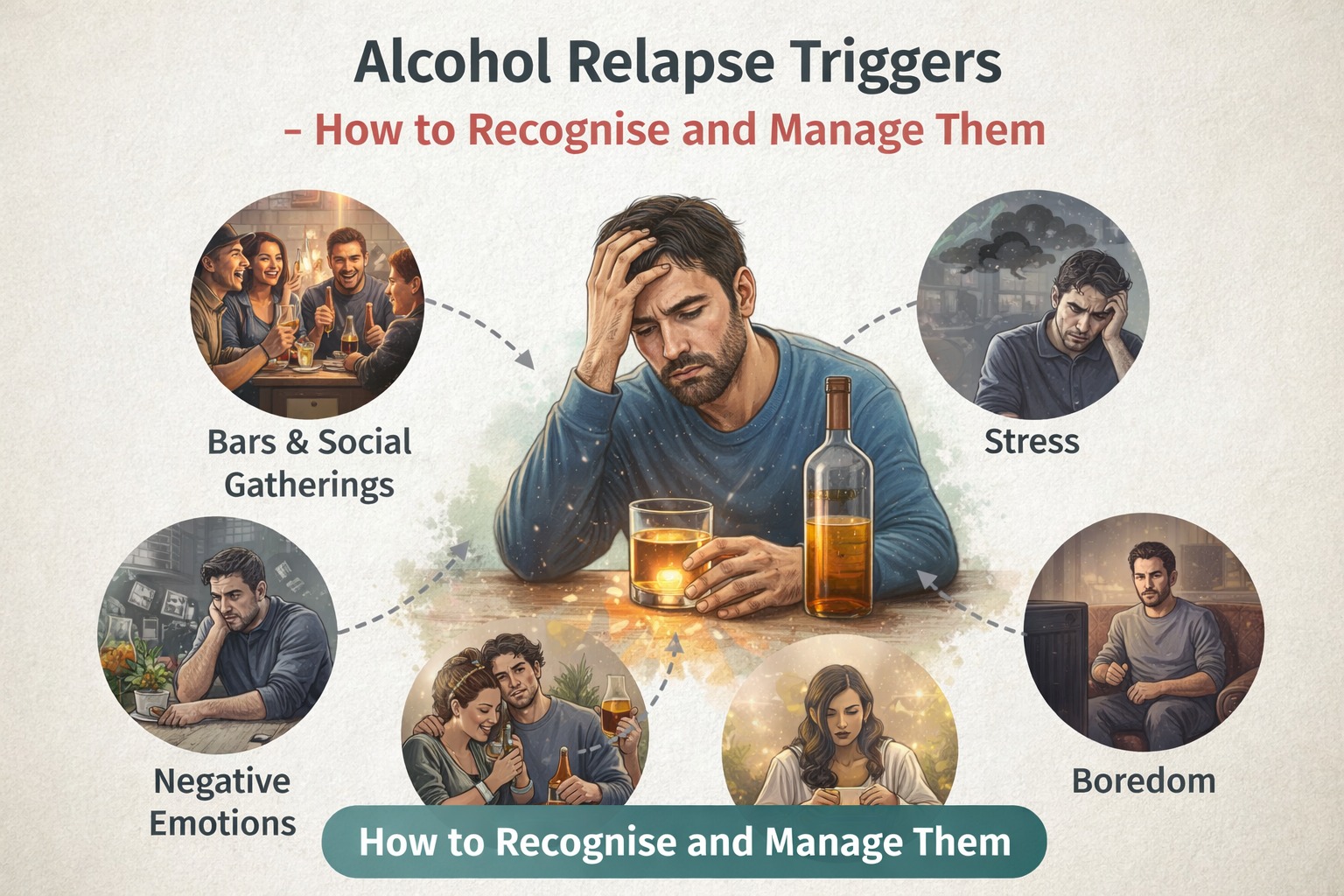
Relapse is a common challenge in alcohol recovery, but it doesn’t mean failure. Understanding alcohol relapse triggers is the first step in staying sober and maintaining long-term recovery. These triggers can be emotional, social, or environmental — and knowing how to recognise them equips you with strategies to manage cravings and prevent relapse.
Whether you’re a student, young professional, or someone rebuilding your life after alcohol addiction, recognising alcohol relapse triggers and managing them effectively is essential. This guide from Sanchit Rehab Center in Gwalior explores common alcohol relapse triggers, strategies for alcohol craving management, and actionable tips to stay on track in recovery. Understanding alcohol relapse triggers with guidance from Sanchit Rehab Center empowers you to take control of your recovery journey and maintain long-term sobriety.
Understanding Alcohol Relapse Triggers
Alcohol relapse triggers are cues, situations, or emotions that increase the likelihood of drinking after a period of sobriety. Recognising these triggers early is crucial for recovery success. Triggers can be classified into three main types:
- Emotional triggers: Stress, anxiety, depression, or loneliness
- Environmental triggers: Parties, social gatherings, or places associated with past drinking
- Social triggers: Peer pressure, conversations about alcohol, or friends who drink
Awareness is the first defense against relapse.

How to Recognise Alcohol Triggers
Recognising triggers before they cause relapse is key to maintaining sobriety. Here’s how you can identify them:
Emotional Triggers
- Feeling stressed, anxious, or depressed
- Experiencing boredom or loneliness
-
Dealing with unresolved trauma or grief
Environmental Triggers
- Passing by bars, pubs, or liquor stores
- Being in social situations where alcohol is present
- Exposure to advertisements or media promoting drinking
Social Triggers
- Conversations with friends about drinking
- Peer pressure or social norms encouraging alcohol use
- Celebrations or events historically associated with drinking
Tip: Keeping a journal of cravings can help identify patterns in triggers.
Alcohol Craving Management Techniques
Managing alcohol cravings is essential to prevent relapse. These techniques empower individuals to regain control:
- Mindfulness and Meditation – Focus on the present moment to reduce impulsive cravings.
- Physical Activity – Exercise can distract the mind and reduce stress hormones.
- Deep Breathing Exercises – Helps calm the nervous system during craving episodes.
- Hydration and Nutrition – Proper diet reduces triggers related to physical discomfort.
-
Support Systems – Reach out to mentors, counselors, or recovery groups when cravings strike.

Managing Alcohol Relapse Effectively
Immediate Steps During a Relapse Trigger
- Remove yourself from the triggering environment
- Call a trusted support person or counselor
- Practice grounding techniques like deep breathing or walking
Long-Term Strategies
- Develop a relapse prevention plan
- Engage in therapy or counseling regularly
- Build healthy routines and hobbies to replace drinking habits
- Attend support groups such as Alcoholics Anonymous
High-Risk Situations to Watch For
Certain situations are more likely to provoke relapse. Being proactive is key:
- High-stress workdays or exam periods for students
- Social events with heavy drinking
- Emotional conflicts with family or friends
-
Celebratory events tied to alcohol consumption
The Role of a Nasha Mukti Kendra
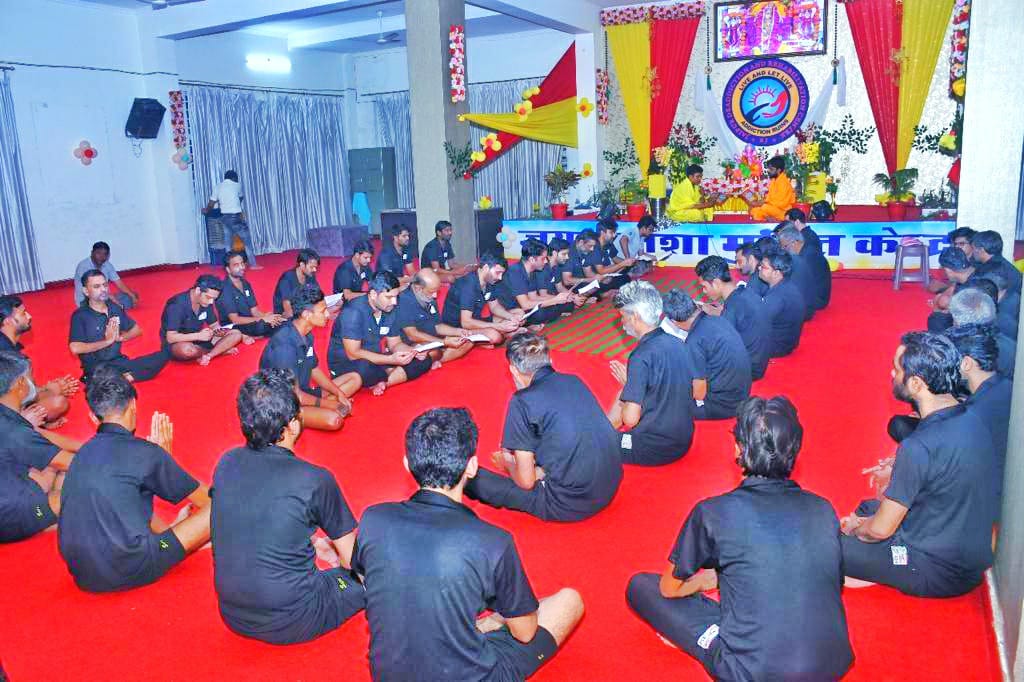
Professional support from a Nasha Mukti Kendra is invaluable. These centers provide:
- Structured relapse prevention programs
- Counseling and therapy
- Peer support groups
-
Education on alcohol relapse triggers and management techniques
Engaging with professionals ensures that triggers are addressed effectively and recovery is sustainable.
Daily Habits to Reduce Relapse Risk
- Maintain a consistent sleep schedule – Going to bed and waking up at the same time daily helps regulate your body clock, improves focus, and reduces stress-related cravings.
- Exercise regularly to reduce stress – Physical activity releases endorphins, improves mood, and provides a healthy outlet to manage triggers and alcohol cravings.
- Practice mindfulness or meditation – Techniques like meditation, deep breathing, or yoga help you stay present, manage stress, and resist impulsive urges to drink.
- Avoid high-risk situations when possible – Stay away from places, events, or social circles where alcohol is easily accessible to lower the chances of relapse.
- Keep a journal of emotions, cravings, and triggers – Tracking your moods and triggers helps identify patterns, manage cravings proactively, and develop healthier coping strategies.
Summary
Understanding alcohol relapse triggers and how to recognise and manage them is crucial for anyone in recovery. Emotional, social, and environmental cues can provoke cravings, but with mindfulness, support systems, and professional guidance from a Nasha Mukti Kendra in Gwalior relapse can be prevented. Implement daily habits, stay aware of high-risk situations, and seek help whenever necessary. Recovery is a journey, and managing triggers effectively ensures lasting sobriety.
Take Action Today: Identify your personal triggers, develop a plan, and seek professional guidance to strengthen your recovery.
FAQ: Alcohol Relapse Triggers
Q1: What are common alcohol relapse triggers?
A: Emotional stress, social pressure, environmental cues, and boredom are common triggers.
Q2: How can I recognise alcohol triggers early?
A: Keep a journal of cravings, moods, and situations to identify patterns.
Q3: What are effective strategies for alcohol craving management?
A: Mindfulness, exercise, deep breathing, hydration, and support systems help manage cravings.
Q4: How does a Nasha Mukti Kendra help with relapse prevention?
A: They provide counseling, structured programs, peer support, and education on triggers.
Q5: Can daily habits reduce the risk of relapse?
A: Yes — sleep, exercise, mindfulness, journaling, and avoiding high-risk situations all help maintain sobriety.