
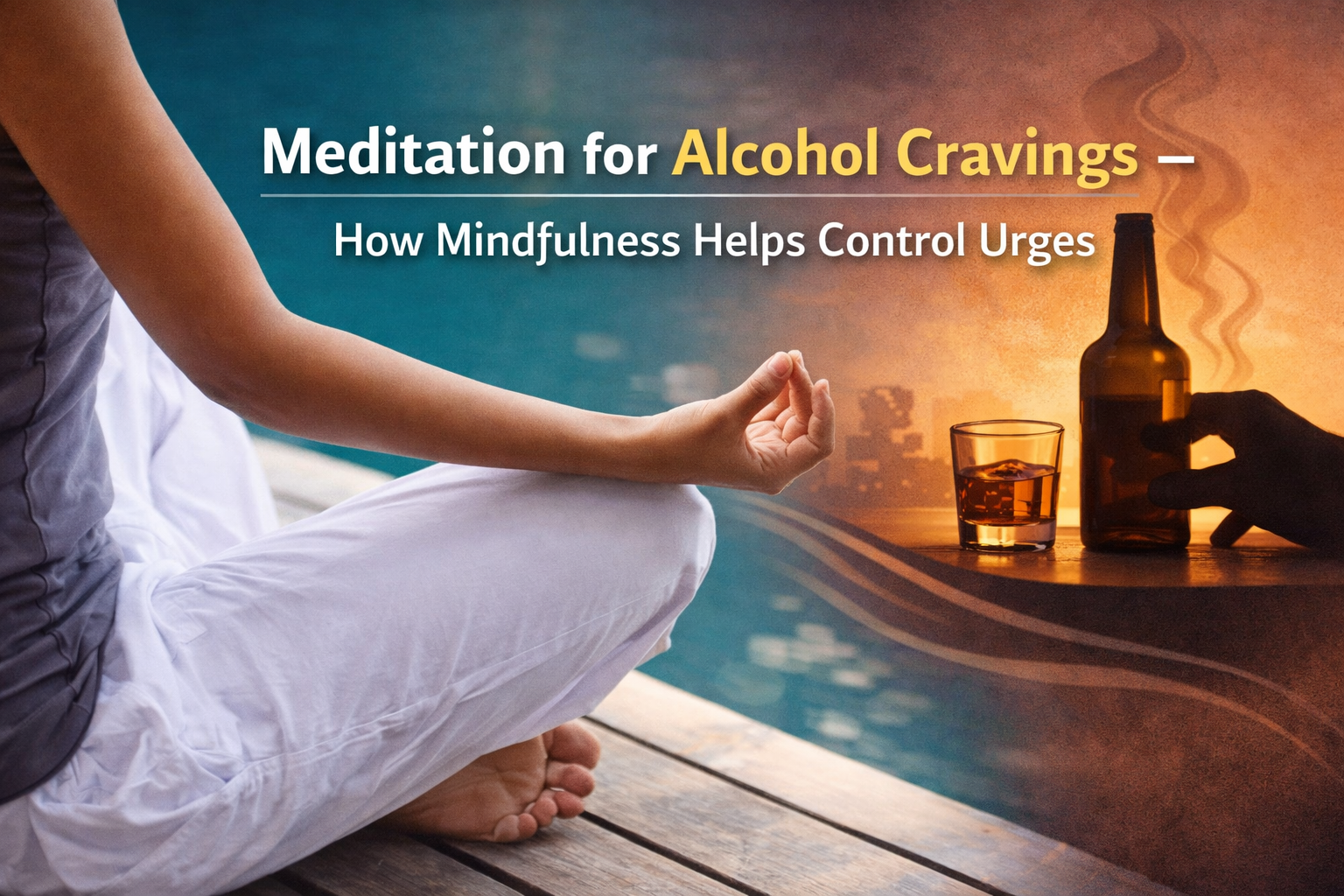
Meditation for alcohol cravings is a mindfulness-based practice that helps individuals notice alcohol urges without reacting to them. By focusing on the present moment, meditation reduces impulsive behavior, improves emotional control, and weakens the mental triggers that lead to drinking.
Meditation for Alcohol Cravings-How Mindfulness Helps Control Urges
Alcohol cravings are not a sign of weakness—they are a learned response of the brain to stress, emotions, and habits. For school-going and college-going students, exposure to peer pressure, academic stress, and social experimentation can make alcohol use feel normal, even when it starts to feel uncontrollable.
Meditation for alcohol cravings is emerging as a powerful, science-backed tool to help young people regain control. Rooted in mindfulness, meditation teaches awareness, emotional regulation, and conscious choice—skills essential for preventing addiction and supporting recovery.
This article explains how mindfulness helps control alcohol urges, practical meditation techniques, and why Nasha Mukti Kendra increasingly integrate meditation into addiction recovery programs .
Understanding Alcohol Cravings in Young People
Why Students Experience Alcohol Cravings
Alcohol cravings often stem from psychological rather than physical needs, especially in young individuals. Common triggers include:
- Academic pressure and exam stress
- Social anxiety and peer influence
- Emotional struggles like loneliness or low self-esteem
- Habitual drinking at parties or gatherings
- Exposure to alcohol on social media
Cravings arise when the brain associates alcohol with relief or pleasure. Over time, this association becomes automatic.
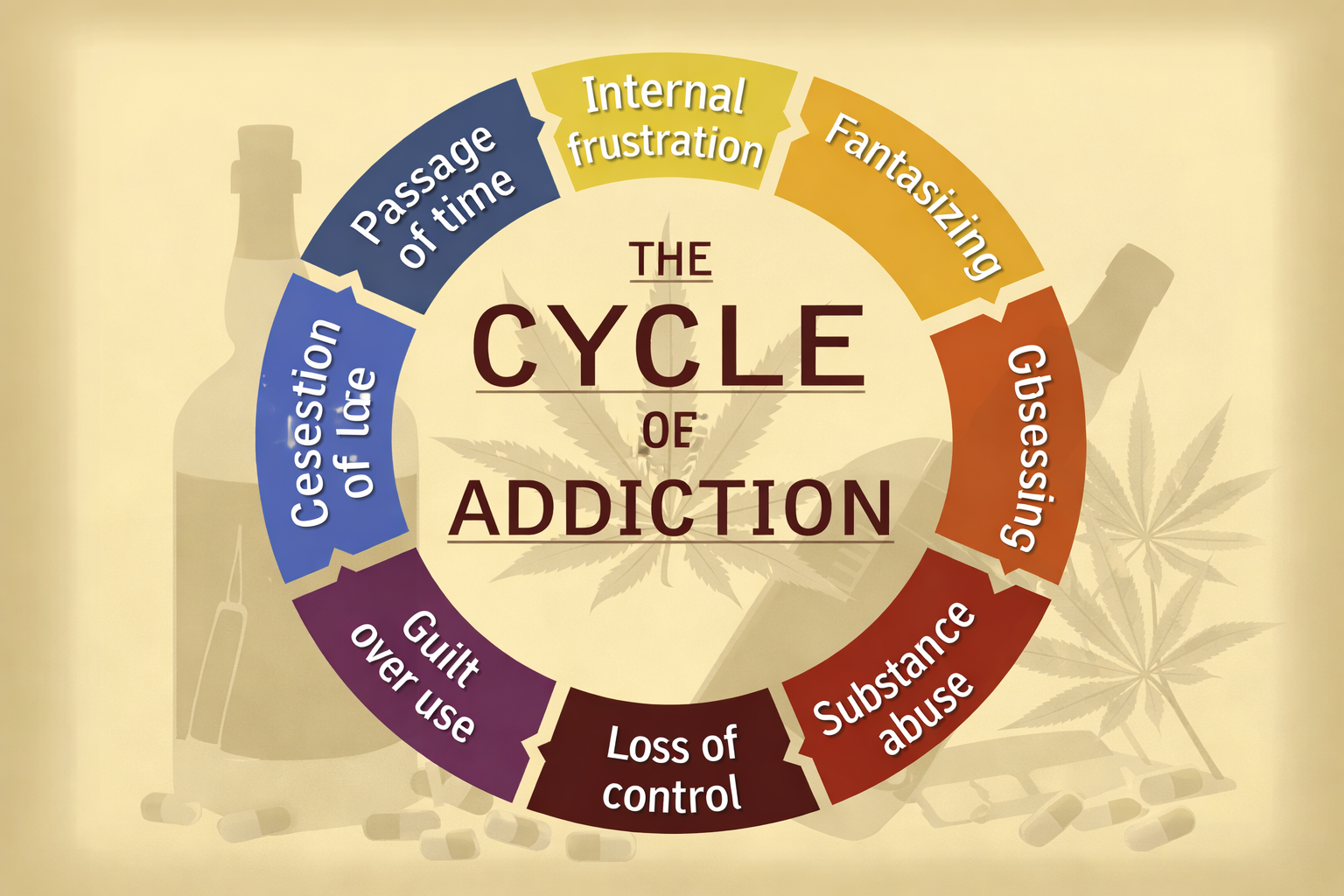
Cravings vs Addiction
Not every craving means addiction, but repeated cravings can lead to dependency if unmanaged. Early intervention—especially through mindfulness practices for sobriety—can prevent long-term damage.
What Is Meditation and Mindfulness?
The Core Concept of Mindfulness
How Meditation Changes the Brain
Research shows that regular meditation:
- Reduces activity in craving-related brain areas
- Strengthens the prefrontal cortex (decision-making center)
- Improves impulse control
- Lowers stress hormones like cortisol
This is why meditation for addiction recovery is increasingly recommended by mental health professionals and Nasha Mukti Kendras.
How Meditation for Alcohol Cravings Works
Key mechanisms include:
- Awareness before action
You learn to notice cravings before acting on them. - Emotional regulation
Meditation reduces emotional triggers like anxiety, anger, or sadness. - Breaking automatic habits
Mindfulness interrupts the autopilot response of drinking. -
Urge surfing
Cravings rise and fall like waves. Meditation helps you ride them without giving in.
This makes meditation one of the most effective ways to manage alcohol urges naturally.
Meditation Techniques for Cravings (Student-Friendly)
Mindful Breathing (5 Minutes)Best for sudden urges, stress, and anxiety.
How to practice:
Best for physical restlessness linked to cravings.
- Lie down or sit comfortably
- Move attention from head to toe
- Notice sensations without trying to change them
This helps students recognize cravings as temporary body sensations
Urge Surfing Meditation
- Observe the craving without acting
- Notice where it exists in the body
- Watch it rise, peak, and fade
- This method is widely used in mindfulness-based relapse prevention programs.
Loving-Kindness Meditation
Best for guilt, shame, and self-criticism.
- Repeat phrases such as:
“May I be healthy. May I be free from addiction.” - This builds self-compassion, which is essential for recovery.
Benefits of Mindfulness Practices for Sobriety
Regular meditation offers long-term benefits beyond craving control:
- Improved concentration and academic performance
- Better emotional resilience
- Reduced stress and anxiety
- Increased self-awareness
-
Healthier coping mechanisms
For students, these benefits support both mental health and addiction prevention.
Meditation vs Willpower – What Works Better?
Willpower alone often fails under stress. Meditation strengthens the mind before cravings arise.
- Willpower is reactive and emotion-driven
- Meditation is proactive and awareness-driven
- Willpower exhausts the mind
-
Meditation builds long-term resilience
This is why leading Nasha Mukti Kendra integrate meditation alongside counseling and therapy.

Role of Nasha Mukti Kendra in Mindfulness-Based Recovery
A professional Nasha Mukti Kendra provides structured guidance for meditation-based recovery, including:
- Guided mindfulness sessions
- Personalized relapse prevention plans
- Emotional counseling
- Group meditation and peer support
- Holistic healing through yoga and therapy
For students struggling silently, early support can prevent lifelong addiction.
How to Start Meditation as a Student
Simple tips:
- Start with 5 minutes daily
- Practice at the same time each day
- Use guided meditation apps or counselor support
- Be patient and consistent
- Avoid self-judgment
- Consistency matters more than perfection.
Summary – Mindfulness as a Lifelong Skill
Frequently Asked Questions
- Can meditation really reduce alcohol cravings?
Yes. Meditation changes how the brain responds to urges, improving impulse control and emotional regulation over time. - How long does meditation take to work?
Some people feel calmer immediately, but lasting craving reduction usually occurs after 2–4 weeks of regular practice. - Is meditation enough to quit alcohol?
Meditation is powerful, but combining it with counseling or Nasha Mukti Kendra support gives the best results. - Can students practice meditation without guidance?
Yes, beginners can start independently, but professional guidance improves effectiveness. - Is meditation safe for everyone?
Meditation is generally safe, but severe addiction cases should practice under professional supervision.