
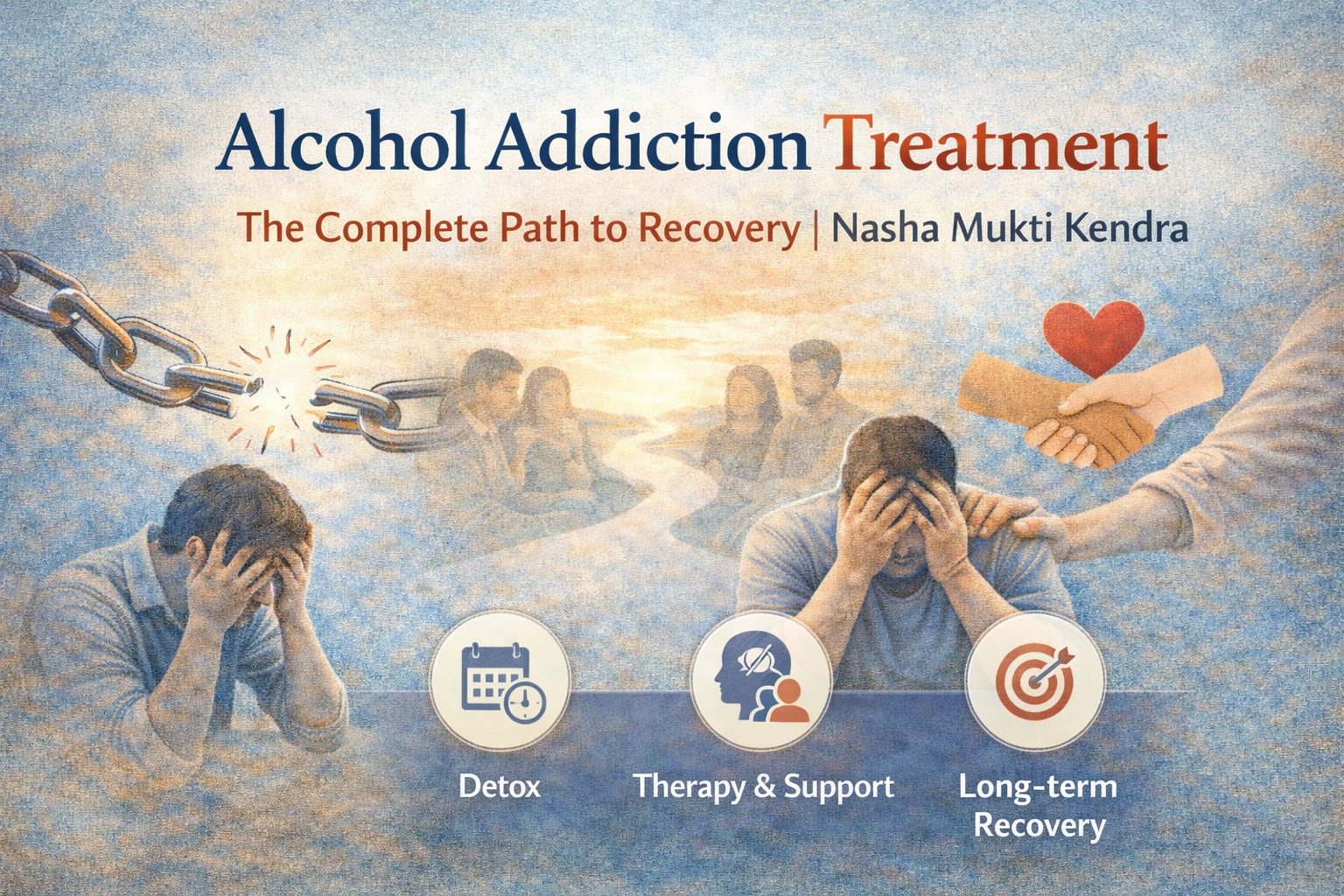
Alcohol Addiction Treatment: The Complete Path to Recovery
The Path to Recovery Alcohol use among school and college students is a growing concern, often leading to serious physical, mental, and social consequences. While experimentation may begin casually, repeated use can develop into alcohol addiction, affecting studies, relationships, and future prospects.
The good news is that alcohol addiction treatment in Gwalior can help students regain control over their lives. Through professional care, therapy, and supportive environments, recovery is possible—even for young individuals navigating academic pressures.
This guide covers the full path to recovery, highlighting detox, therapy, lifestyle changes, relapse prevention, and the importance of family and peer support. Understanding these steps empowers students to make informed decisions and seek help when needed.
What is Alcohol Addiction?
Alcohol addiction, or Alcohol Use Disorder (AUD), is a medical condition where a person is unable to control alcohol consumption despite negative consequences. Early signs include:
- Inability to limit drinking
- Missing classes or school activities due to alcohol
- Cravings or withdrawal symptoms when not drinking
- Drinking to cope with stress or emotional problems
Alcohol affects brain chemistry, increasing dependence and making quitting challenging without professional help. Recognizing addiction early is essential for long-term alcohol recovery.
Why Students Are Vulnerable
Students are particularly vulnerable due to:
- Peer pressure and social events
- Academic stress and performance anxiety
- Easy access to alcohol in college environments
-
Lack of awareness about the risks of excessive drinking
Education about the dangers of alcohol and early intervention is critical for preventing addiction.
Alcohol Addiction Treatment: The Core Steps
Step 1 – Detoxification
Detox is the first and most crucial step in alcohol addiction treatment. It involves the safe removal of alcohol from the body under medical supervision.
Key points:
- Managed withdrawal symptoms like tremors, nausea, and anxiety
- Medications may be administered for comfort and safety
-
Prepares the body for further therapy and long-term recovery
Detox is essential for students struggling with alcohol dependence, as it stabilizes both body and mind.
Step 2 – Therapy and Counselling
Therapy addresses the psychological and emotional factors behind alcohol use.
Common methods in alcohol rehab programs:
- Cognitive Behavioral Therapy (CBT): Helps identify triggers and change harmful behaviours
- Group Therapy: Encourages peer support and shared experiences
- Motivational Interviewing: Strengthens commitment to recovery
- Family Counselling: Builds supportive home and social environments
Therapy equips students with skills to resist cravings, cope with stress, and maintain long-term alcohol recovery.
Step 3 – Medication-Assisted Treatment (Optional)
Some individuals benefit from medications to reduce cravings or prevent relapse:
- Disulfiram: Causes negative effects when alcohol is consumed
- Naltrexone: Decreases alcohol cravings
-
Acamprosate: Restores brain chemistry altered by alcohol
A professional Nasha Mukti Kendra ensures medications are safe and tailored to the student’s needs.
Lifestyle Changes for Long-Term Recovery
Recovering students must adopt healthy routines to sustain sobriety:
- Maintain consistent sleep and study schedules
- Engage in exercise and physical activities
- Practice mindfulness, yoga, or meditation
- Avoid environments that encourage drinking
-
Develop hobbies and interests to stay engaged and fulfilled
These changes are critical for alcohol addiction recovery and academic success.
Relapse Prevention Strategies
Even after treatment, relapse is possible. Preventive strategies include:
- Attending support groups regularly
- Continued therapy sessions to manage stress and triggers
- Creating a relapse prevention plan
- Building a strong support network of friends and family
- Recognizing early warning signs of cravings or stress
A proactive approach ensures long-term alcohol recovery and helps students regain control over their lives.
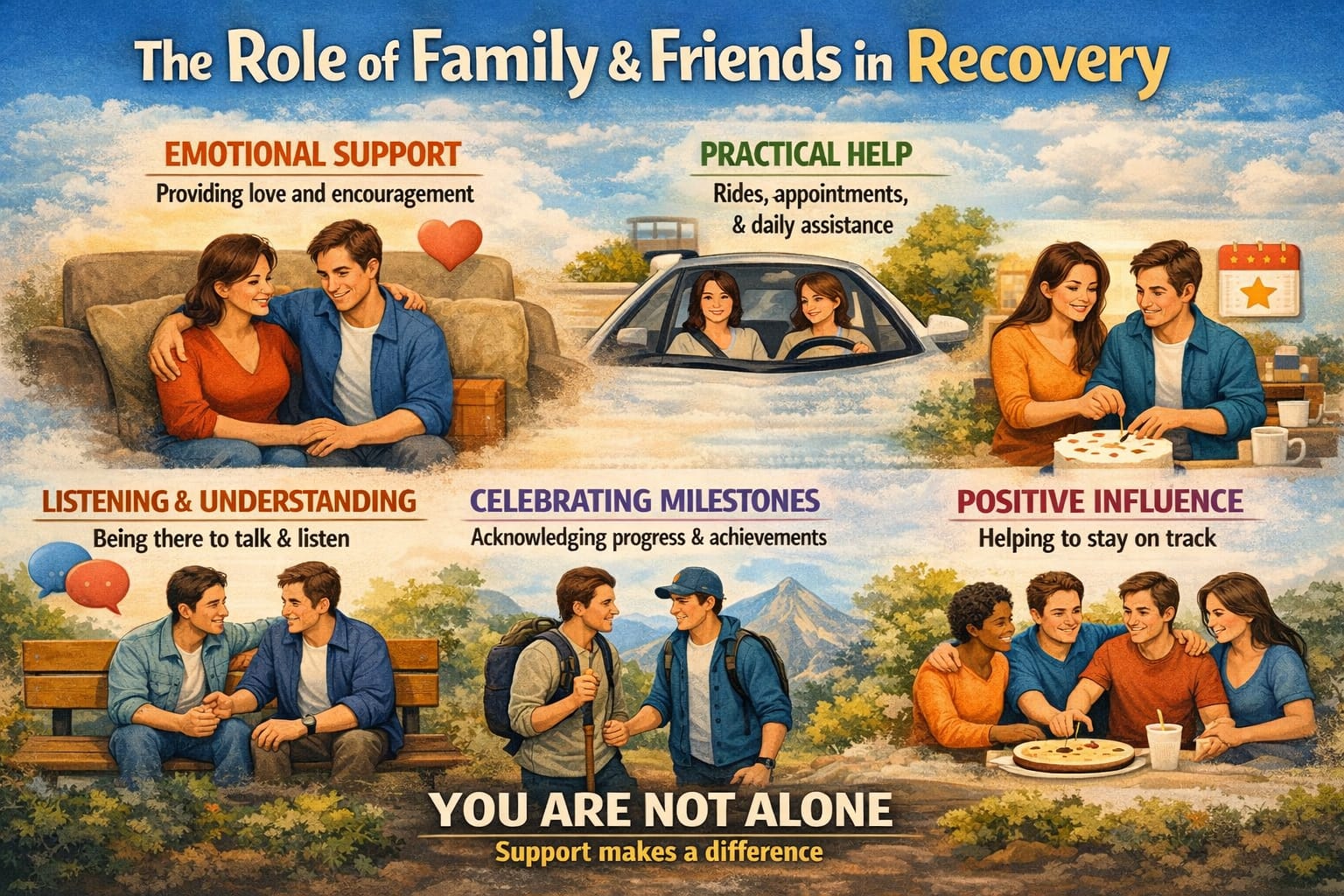
Role of Family and Friends
Recovery is a collective effort, especially for students:
- Family support: Encourages accountability and reduces isolation
- Peer support: Helps resist social pressure to drink
- Open communication: Listening without judgment fosters emotional stability
- Encouragement in academic and social life strengthens recovery
A supportive network is essential for success in alcohol rehab programs and long-term recovery.
Summary and Call to Action
Alcohol addiction among students is a serious issue, but recovery is achievable with structured treatment, therapy, and support. Key takeaways include:
- Seek help at a professional Nasha Mukti Kendra
- Complete detox and therapy under expert supervision
- Make lifestyle changes to support recovery
- Build a strong support system of family and peers
-
Follow relapse prevention strategies for long-term sobriety
Take action today: Don’t wait for addiction to disrupt your future. Contact a trusted Sanchit rehab centre in Gwalior and start your path to a healthier, alcohol-free life.
FAQ Section
Q1: How long does alcohol addiction treatment take for students?
A: Duration varies; detox may take 7–14 days, followed by 4–12 weeks of therapy and ongoing aftercare.
Q2: Can students recover without rehab?
A: Mild cases may succeed with counseling, but structured alcohol rehab programs significantly improve recovery chances.
Q3: How important is family support in recovery?
A: Family support encourages honesty, reduces relapse risk, and creates a stable recovery environment.
Q4: Are medications necessary for student recovery?
A: Not always, but they can help manage cravings and withdrawal in severe cases.
Q5: Can students prevent relapse after treatment?
A: Yes, through therapy, support groups, lifestyle changes, and early recognition of triggers.