

Bhind families dealing with addiction have a significant practical advantage: Sanchit Nasha Mukti Kendra in Gwalior is just 80 kilometres away — 1.5 hours on the Agra-Gwalior highway. Same-day admission is not a hope. It is a fact. A family in Bhind can call in the morning, travel to Gwalior, and have their family member admitted — with a full medical assessment and personalised treatment plan in place — before evening. No MP city outside Morena has this advantage.
Sanchit Nasha Mukti Kendra is government-registered in Madhya Pradesh, with 6,000+ documented recoveries and a resident senior psychiatrist leading the clinical team. The centre has treated Chambal belt patients from Bhind, Morena, Datia, and Sheopur across two decades. The Chambal’s specific addiction patterns — afeem dependency, long-standing alcohol use, and the masculine identity dynamics of a historically tight-knit agricultural community — are clinical practice for this team, not theoretical knowledge.
Bhind’s Addiction Reality — The Chambal Context
Bhind is the Chambal. The district’s ravine landscape, its agricultural economy, and its historical association with the dacoit era have shaped a social culture that is fiercely private, deeply honour-conscious, and resistant to acknowledging vulnerability. These same cultural dynamics — which make Bhind’s communities resilient — also create the longest treatment delays in addiction: families manage a member’s afeem or alcohol dependency in silence for a decade before reaching out for professional help.
Afeem dependency is the most distinctive addiction pattern in Bhind. The Chambal belt’s historical opium cultivation created a cultural framework where afeem was ceremonial, medicinal, and social — offered to guests, used as pain relief, consumed at occasions. Generations of use have produced clinical opioid dependency in communities where the substance is not perceived as dangerous. The medical reality is unequivocal: afeem creates the same physical opioid dependency as heroin. Stopping without medically supervised detox is both painful and dangerous. Sanchit’s team manages this process safely.
Our Medical Team and Clinical Expertise
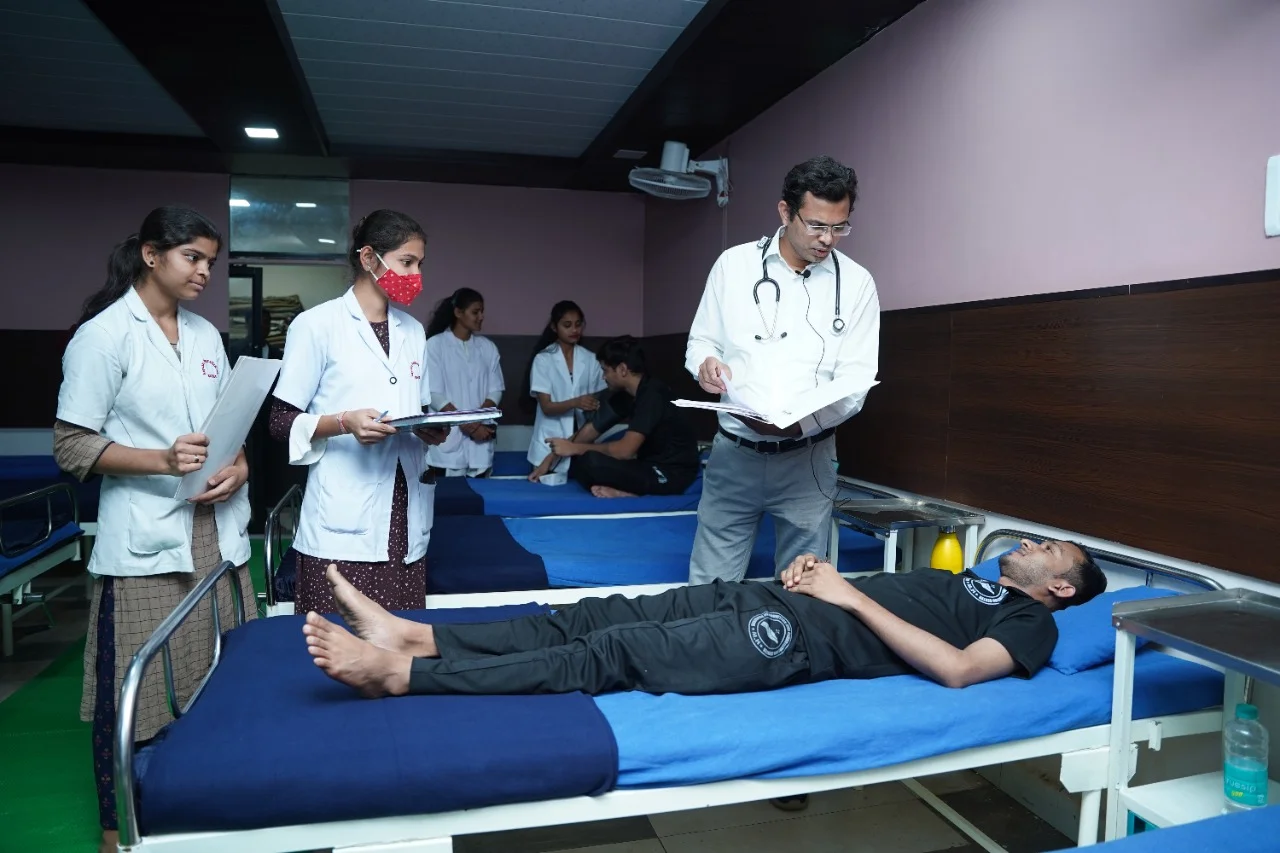
Sanchit’s senior psychiatrist has post-graduate training in addiction medicine and specific clinical experience with the opioid dependency patterns of the Chambal-Gwalior belt. The Buprenorphine-based detox protocol used for Bhind’s afeem cases is calibrated to the specific potency and duration patterns of Chambal afeem — not a generic opioid protocol applied to a local substance.
The lead counsellor brings decades of field experience with Chambal communities — understanding the honour dynamics, the masculine strength identity that makes admitting addiction feel like failure, and the specific family structures that both protect and enable dependency in the Chambal’s tight social fabric. Recovery that doesn’t account for this context fails. Recovery built on it endures.
Services at Sanchit Nasha Mukti Kendra
Afeem and Opioid Medical Detox
Buprenorphine-based detox managed by the resident psychiatrist with 24/7 nursing supervision. Chambal afeem withdrawal typically peaks between 48–72 hours. Sanchit’s medical team manages every symptom — muscle cramps, sweating, severe anxiety, vomiting — with medication and continuous clinical monitoring. The patient is never left to endure withdrawal without medical support.
Alcohol De-Addiction Program
Medical detox for alcohol dependency includes seizure prevention medication, cardiac monitoring, and supervised withdrawal management. For Bhind’s farming community, where alcohol dependency often coexists with afeem use, the dual-substance protocol is designed specifically for the combined dependency patterns common in this belt.
Individual Counselling — Chambal Context-Aware
CBT sessions addressing the specific thought patterns of the Chambal patient: the fatalism around economic hardship, the honour-based resistance to vulnerability, and the cultural frameworks around afeem and alcohol that normalise dependency until it is life-threatening. These sessions are not urban-template counselling applied to a rural Chambal patient. They are built for this specific demographic.
Family Counselling
Bhind’s proximity — 80km — makes in-person family participation on visiting days completely practical. Family sessions address enabling patterns common in Chambal’s protective family cultures, communication approaches that support recovery without creating pressure, and preparation for the patient’s return to Bhind’s specific social environment.
Group Therapy
Daily structured peer sessions. For Bhind patients who have never spoken about their addiction outside the immediate family, the group context provides the first experience of honest peer acknowledgment — hearing someone else describe identical struggles breaks the isolation that sustains addiction.
Relapse Prevention and Aftercare
A written Bhind-specific aftercare plan — covering afeem availability in village life, agricultural stress calendar, community social triggers, and follow-up counselling schedule — is built before every discharge. The plan accounts specifically for the Chambal’s social environment, where the patient will return after treatment.
Treatment Process — From First Call to Discharge
First Call
Call +91-7828991573 any time. A trained counsellor answers, assesses the case clinically, and gives honest guidance. The first call is free and commits the family to nothing except getting clarity.
Admission and Day 1 Assessment
The senior psychiatrist conducts a comprehensive medical and psychological assessment. A personalised treatment plan — specific to the substance, severity, physical health, and Bhind’s social context — is prepared before detox begins.
Medical Detox Phase
7–14 days of clinically supervised withdrawal with 24/7 nursing and daily doctor review. For afeem cases, Buprenorphine management. For alcohol, seizure prevention protocol. The patient is medically supported through every hour of the detox phase.
Residential Rehabilitation
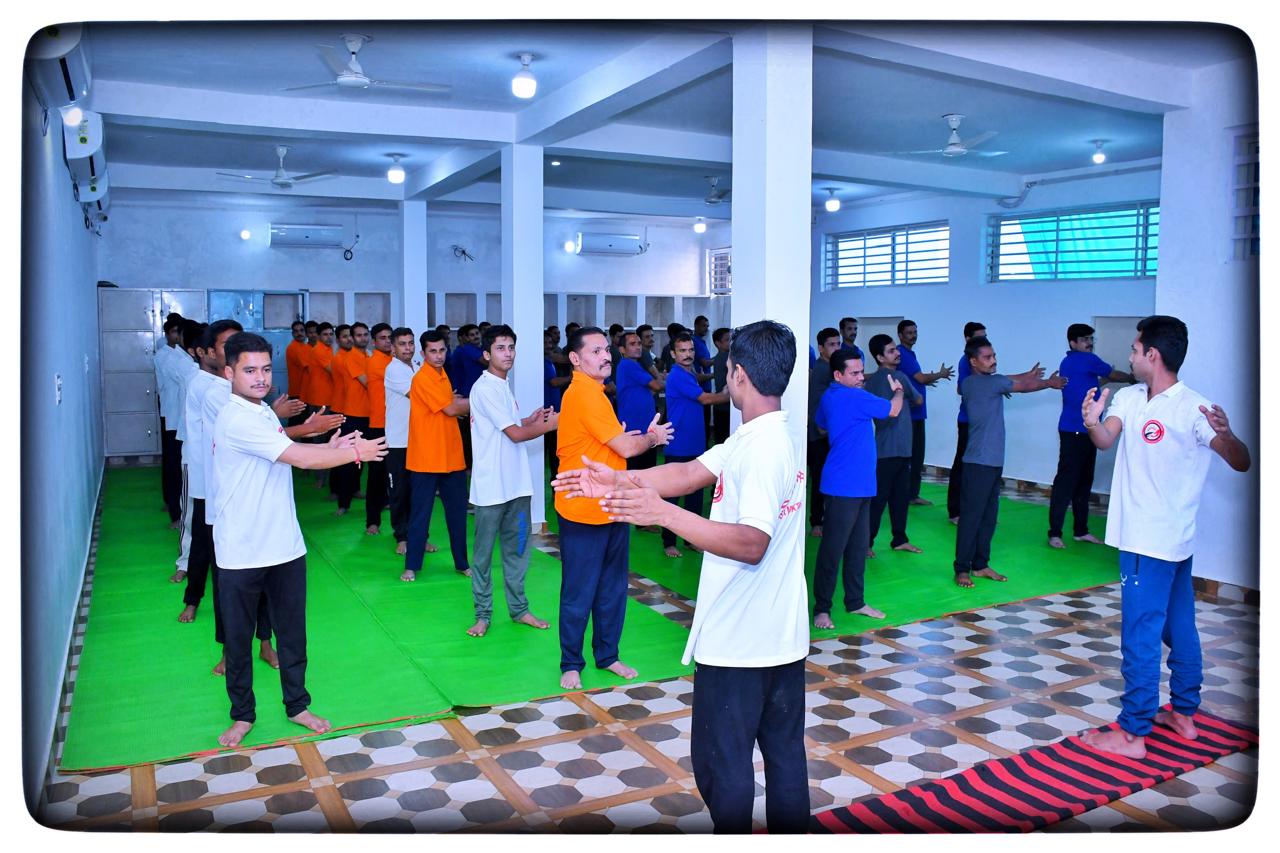
30–90 days of structured programming: individual CBT, group therapy, family sessions, yoga, gym, motivational and spiritual components, and structured daily routine. The rehabilitation phase rebuilds the psychological and behavioural patterns that addiction dismantled.
Discharge with Written Aftercare
Discharge happens when clinically appropriate — not on a fixed calendar. A written Chambal-specific aftercare plan is provided. Follow-up counselling access is maintained post-discharge.
Why Sanchit Is the Right Choice for Bhind Families
The proximity argument alone is compelling: 80km, 1.5 hours, same-day admission, visiting days that require no overnight stay. But proximity without quality is pointless. Sanchit adds the quality argument: MP government registration, 6,000+ proven recoveries, resident psychiatrist, 24/7 medical supervision, and a counselling team with two decades of Chambal-specific clinical experience.
No competitor targeting Bhind has a physical presence in the district. The only visible options carry Jhansi or UP phone numbers. Sanchit is in Gwalior — 80km from Bhind, in the same state, with the same cultural context and the nearest credible clinical infrastructure in any direction. Here is how to verify any rehabilitation centre before committing.
Facilities at Sanchit Nasha Mukti Kendra
The centre provides VIP AC rooms, Private AC wards, and shared wards — accommodation options across all economic levels. The campus includes dedicated therapy and counselling rooms, a gymnasium, outdoor exercise space, a 24/7 nursing station, and a medical treatment room equipped for detox management. All wards are secure, substance-free, and supervised.
The daily program runs from 5:30 AM (morning yoga) through structured meals, therapy sessions, physical activity, motivational and spiritual programs, and lights-out at 10 PM. The structure is clinically designed — addiction destroys routine, and rebuilding purposeful daily structure is a core rehabilitation outcome.
Signs Your Family Member Needs a De-Addiction Centre
These specific signs indicate that home-based management has reached its limit and residential treatment is needed:
- They have attempted to stop afeem or alcohol on their own and experienced severe withdrawal
- The quantity consumed has been increasing over months despite family concern
- Physical health is visibly deteriorating — weight loss, jaundice, tremors, chronic illness
- They are absent from work or agricultural responsibilities due to substance use
- Family relationships are severely damaged by addiction-related behaviour
- Previous attempts to stop — with or without local help — have all resulted in relapse
Contact Sanchit Nasha Mukti Kendra — Bhind Helpline
| Bhind Helpline — 24 Hours, 7 Days | |
| 📞 Primary Helpline | +91-7828991573 |
| 📞 Alternate Numbers | +91-8302102094 | +91-9755870972 |
| sanchitrehab@gmail.com | |
| 🌐 Website | sanchitrehab.com |
| 📍 Centre Location | Sanchit Nasha Mukti Kendra, Gwalior, Madhya Pradesh — just 80km / 1.5 hours from Bhind |
| ⏰ Available | 24 hours a day, 7 days a week — same-day admission available |
📞 Call Now — Free Confidential Consultation
Frequently Asked Questions — Sanchit Nasha Mukti Kendra in Bhind
Q1. What is the nearest Nasha Mukti Kendra from Bhind?
Sanchit Nasha Mukti Kendra in Gwalior — just 80km / 1.5 hours. Same-day admission. MP govt-registered. Call +91-7828991573.
Q2. Is afeem addiction treatable at Sanchit?
Yes. Afeem creates clinical opioid dependency requiring medically supervised detox. Sanchit’s Chambal-calibrated Buprenorphine protocol manages withdrawal safely. Read more about opioid treatment at Sanchit.
Q3. Is treatment confidential from Bhind’s community?
Yes. Gwalior is a separate district — outside Bhind’s social network entirely. No community member will know without written consent from the patient.
Q4. Can Bhind families visit regularly during treatment?
Yes. At 80km, visiting days are as practical as they get. Family counselling in person on every scheduled visiting day.
Q5. How long does afeem treatment take?
Medical detox: 7–14 days. Full residential program: minimum 60 days for afeem, typically 90 days for serious dependency. Duration set by the psychiatrist after Day 1 assessment.
Q6. Is there affordable treatment for Bhind’s farming families?
Yes. Sharing ward options at Sanchit are designed for agricultural families. Medical quality is identical across all wards. Call for transparent, honest pricing.