
Most families searching for a nasha mukti kendra in Bhopal make the same mistake. They find a centre, ask one or two questions, and admit their loved one based on assurances alone. Weeks later, they realise the centre was not equipped for the level of care the situation needed — and the patient comes home having only partially recovered, if at all.
The difference between a good rehabilitation centre and an inadequate one is not always obvious from the outside. Both may have a website, a phone number, and friendly staff. But only one has the medical team, the structure, and the depth of program that gives a patient a real chance at lasting recovery. This guide gives you the specific questions to ask — and tells you how Sanchit Nasha Mukti Kendra answers every single one of them.
Nasha Mukti Kendra in Bhopal
Before evaluating any specific centre, it helps to understand what a proper Nasha Mukti Kendra does. It is a structured medical and psychological program — not simply a place where substances are kept out of reach. The goal is not just sobriety during the stay, but the skills, support, and rebuilt thinking patterns that make sobriety sustainable after discharge.
Bhopal has several local centres. Some are genuine and do good work. But the resources, infrastructure, and depth of program vary enormously. Knowing exactly what to look for — and what questions to ask — protects your family from a decision made under pressure that does not deliver what it should.
Bhopal’s Addiction Landscape — Context That Matters
Madhya Pradesh has one of India’s longest connections to opium cultivation. The state’s historical relationship with afeem and its derivatives means opioid dependency — including smack, prescription painkillers, and brown sugar — has deep roots across many of its districts, including Bhopal. According to MP state drug data, Bhopal consistently appears in the top three cities for drug-related cases alongside Indore and Gwalior.
Alcohol abuse runs parallel to this — across income levels, ages, and occupations. The physical damage from long-term drug and alcohol abuse is severe and progressive. Liver damage, nerve deterioration, cognitive decline, and cardiovascular disease are common in untreated long-term addiction cases. The longer treatment is delayed, the more of this damage becomes irreversible. Recognising addiction warning signs early makes the difference between a full recovery and managing permanent damage.
Types of Addiction We Treat
- Alcohol Addiction — desi daru, beer, whisky, and other forms of alcohol dependence
- Drug Addiction — heroin, smack, synthetic drugs, and injected drugs
- Smoking Addiction — cigarettes and other nicotine products
- Tobacco Addiction — gutkha, pan masala, khaini
- Cannabis Addiction — marijuana (ganja), hashish (charas)
- Opioid Addiction — tramadol, codeine, and other opioids
- Prescription Drug Addiction — misused painkillers, sleeping pills, anxiolytics
- Co-occurring Disorders — addiction with depression, anxiety, PTSD, or bipolar disorder
Warning Signs You Should Never Ignore
1. Physical Symptoms
Noticeable weight changes, deteriorating personal hygiene, red or watery eyes, persistent trembling of hands, disrupted sleep, excessive sweating, and visible withdrawal symptoms when the substance is not available.
2. Behavioral Symptoms
Coming home intoxicated or at irregular hours, missing school or work frequently, sudden changes in social circle, borrowing or stealing money, and becoming secretive about phone usage and whereabouts.
3. Emotional Symptoms
Extreme irritability or aggression without obvious cause, emotional numbness, intense mood swings, losing interest in activities they previously enjoyed, and expressing hopelessness or worthlessness about the future.
4. Social Symptoms
Withdrawing from family events, avoiding friends, breaking promises without remorse, repeated conflicts at home, and becoming unreliable in professional or academic commitments.
Our Complete De-Addiction Treatment Process
At Sanchit Rehab, we believe there is no single approach that works for everyone. That is why our treatment is fully personalised from the very first day.
1. Confidential Assessment
A complete clinical evaluation of addiction history, physical health, mental health, and family background helps us build the right treatment plan. This assessment is entirely private and non-judgmental.
2. Safe Medical Detox
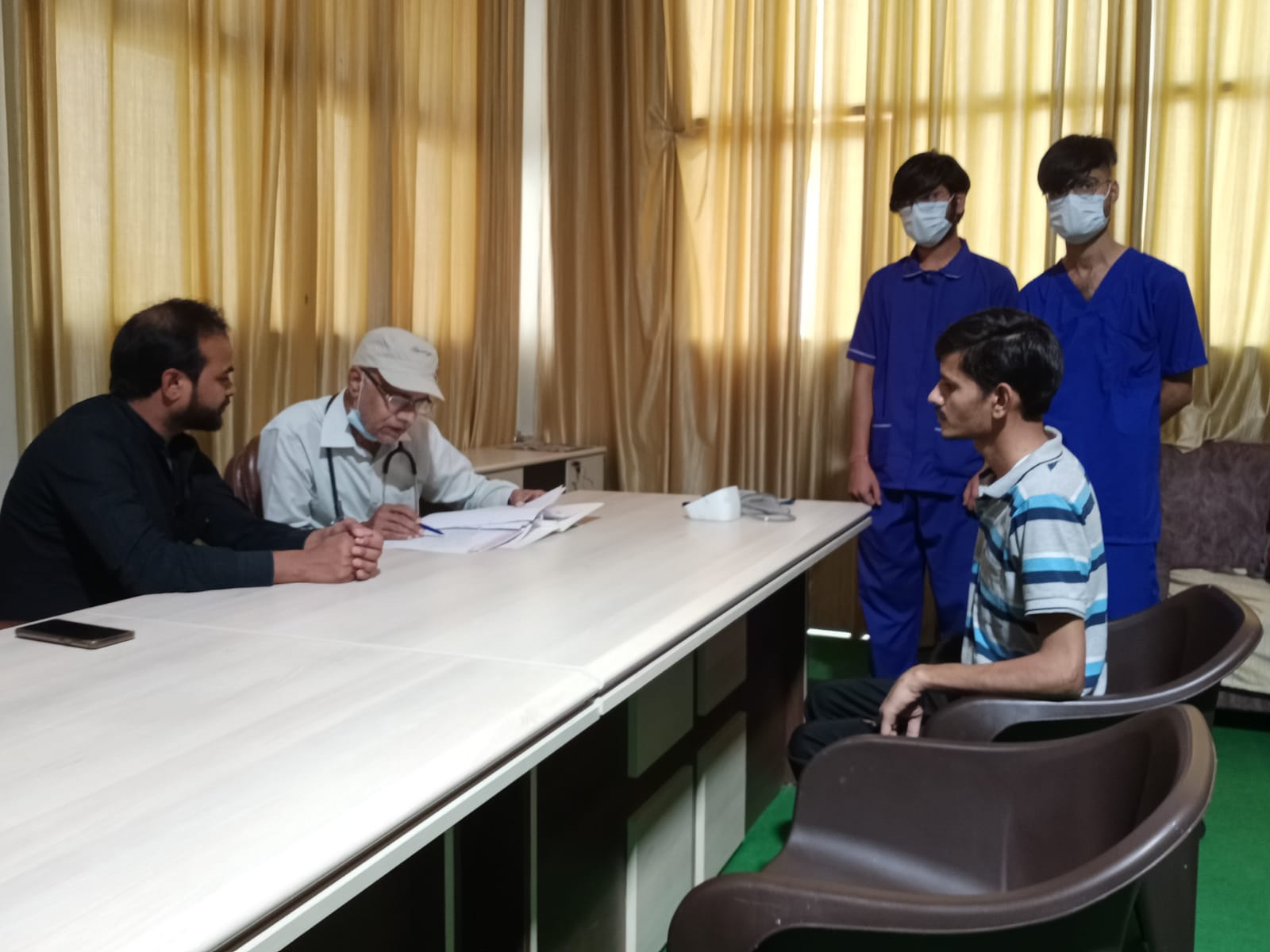
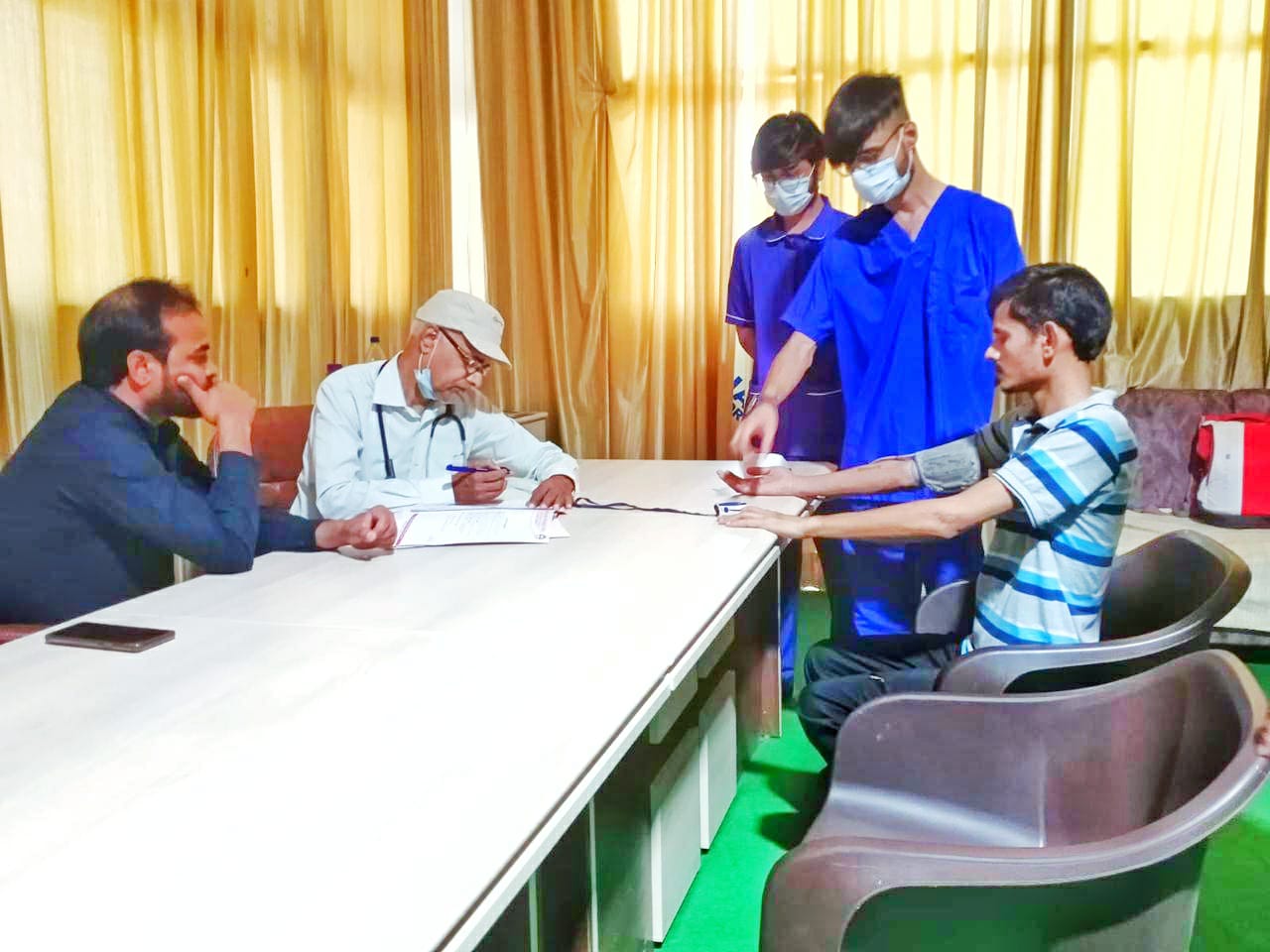
Under the supervision of experienced physicians, patients go through medically managed detoxification. Our team monitors vitals, manages withdrawal symptoms, and ensures the process is as safe and as comfortable as possible.
3. Therapy & Counselling
Individual sessions, group therapy, Cognitive Behavioral Therapy, and motivational techniques form the psychological backbone of our program. Patients learn to understand why they used substances and how to replace that with healthier choices.
4. Rehabilitation Program
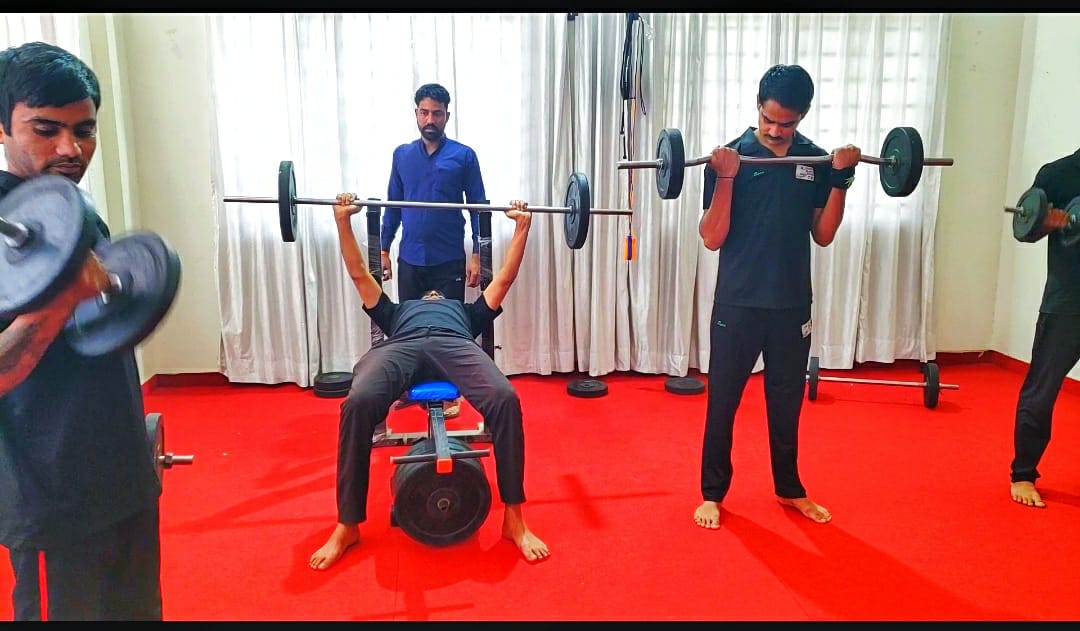
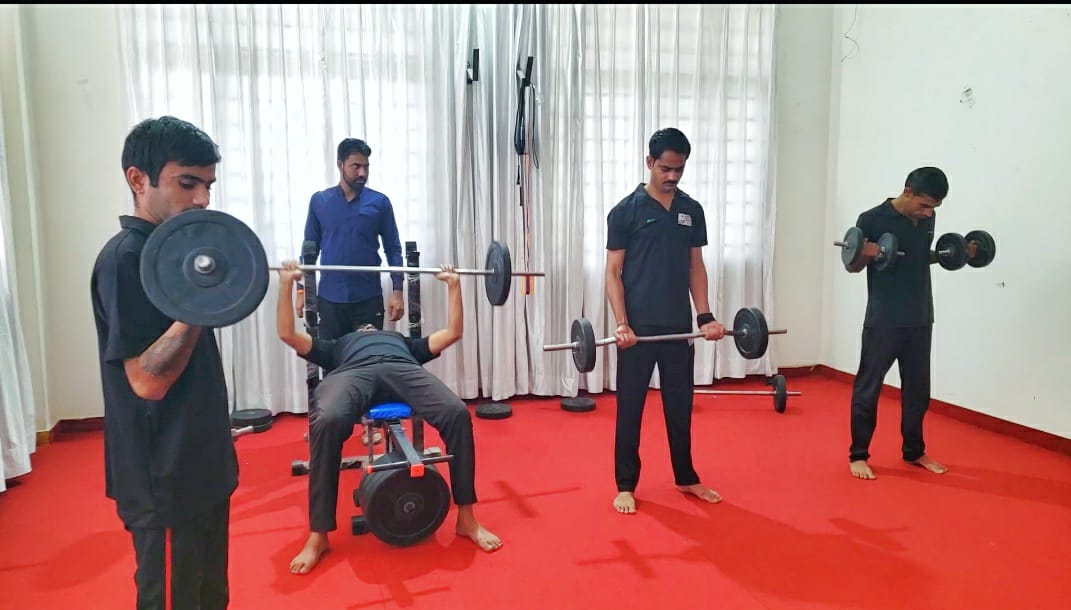
Daily structure, yoga, fitness, creative therapies, and vocational guidance help patients rediscover their identity and sense of purpose. Our rehabilitation program is designed to rebuild the whole person.
5. Family Counselling
Our family counselling program helps loved ones understand addiction, heal their own wounds, and build the communication skills needed to support sustainable recovery at home.
6. Relapse Prevention Program
Patients work with counsellors to identify their personal triggers, develop coping strategies, and build a crisis plan. Our relapse prevention program is one of the most important parts of long-term sobriety.
7. Long-Term Aftercare Support
Regular follow-ups, telephonic counselling, community resources, and alumni support networks ensure that patients continue to thrive after leaving our facility.
10 Questions to Ask Any Nasha Mukti Kendra Before You Admit a Patient
Print this out. Call any centre you are considering and go through this list. The quality of their answers will tell you more than any testimonial on their website.
| # | Question to Ask | What a Good Answer Looks Like |
| 1 | Can you share your government registration certificate? | They send it immediately, no hesitation. Registered under Mental Healthcare Act 2017. |
| 2 | Is a full-time psychiatrist on staff? | Yes — MBBS-qualified, available on-site for medical decisions, especially during detox. |
| 3 | Is medical supervision available 24/7? | Yes — nurses and medical staff are present around the clock, not just during office hours. |
| 4 | What does the daily residential program include beyond detox? | Individual counselling, group therapy, CBT, yoga, life skills, spiritual sessions, recreation. |
| 5 | Are family counselling sessions part of the program? | Yes — scheduled throughout the stay, not just a one-time meeting. |
| 6 | What is the aftercare plan after discharge? | Specific follow-up schedule, relapse prevention plan, and ongoing counselling access. |
| 7 | Is confidentiality guaranteed in writing? | Yes — patient information is not shared with any third party without explicit written consent. |
| 8 | How many beds does the centre have and what is the current capacity? | Clear answer — overcrowded centres cannot provide individual attention. |
| 9 | Can we visit before admission? | Yes — a centre confident in its quality welcomes visits. |
| 10 | What is the success rate and how do you measure it? | Honest number with a clear definition — not a vague claim. Ask about 6-month and 12-month sobriety follow-up. |
If a centre cannot answer questions 1, 2, 3, 5, 6, and 7 clearly — keep looking. These are non-negotiable. This full guide to choosing the right Nasha Mukti Kendra explains each factor in more detail.
Red Flags to Watch For
These are warning signs that a centre may not be what it claims. Any one of these should give you serious pause:
- Cannot or will not show a government registration certificate — This is the single biggest red flag. Without it, there is no accountability.
- Promises recovery in an unrealistically short time — “3 weeks guarantee” or “100% success rate” are not medically realistic. Addiction recovery is individual and takes time.
- No psychiatrist on staff — only counsellors — For medical detox, especially from alcohol and opioids, a doctor is not optional.
- Discourages family visits or family counselling — Good centres integrate family. Centres that isolate patients from family without therapeutic reason raise concern.
- Cannot clearly explain the daily program beyond “detox and rest” — A bare-minimum program produces bare-minimum results.
- Has no defined aftercare plan — Aftercare is where most relapses happen. No plan means no protection for the hardest phase.
Addictions Treated — Bhopal and MP Context
| Addiction Type | MP / Bhopal Status | Treatment at Sanchit |
| Alcohol Addiction | Most Common | Medical detox + counselling + relapse prevention |
| Opioids / Afeem / Smack | MP Historical Issue | Medical detox + long-term residential program |
| Drug Addiction | Significant and rising | Residential detox + behavioural therapy + aftercare |
| Cannabis / Ganja | Rising in youth | CBT + group therapy + family guidance |
| Prescription Drug Misuse | Growing | Medical detox + psychiatric support |
| Gambling Addiction | Online betting rising | Behavioural counselling + financial awareness |
How Sanchit Answers Every Question on the Checklist
Sanchit Nasha Mukti Kendra is in Gwalior — in the same state as Bhopal, just 4 to 5 hours away. It is not a distant, unfamiliar centre in another state. It is Madhya Pradesh’s own, and families from Bhopal, Jabalpur, Sagar, and Vidisha have been sending their loved ones to Sanchit for years. Pickup from Bhopal is available around the clock. The team handles all logistics after the first call.
Here is how Sanchit answers the 10-question checklist above: Government registration — yes, verified. Full-time psychiatrist — yes. 24/7 medical supervision — yes. Daily program beyond detox — individual counselling, group therapy, CBT, yoga, gym, spiritual sessions, indoor games, and cultural events. Family counselling — yes, structured and scheduled throughout treatment. Aftercare plan — yes, clearly defined. Confidentiality — yes, in practice and in writing. Can families visit — yes. Success rate — 6,000+ recovered patients with verifiable outcomes. Sanchit is among Gwalior’s — and Madhya Pradesh’s — most trusted rehabilitation centres.
What Sanchit Offers Bhopal Patients
- ✅ Government-Registered and State-Certified in MP
- ✅ 6,000+ Successful Recoveries
- ✅ 29+ Years of Combined Team Experience
- ✅ Full-Time Psychiatrist and Medical Team
- ✅ 24/7 Medical Supervision
- ✅ Bhopal Pickup Available 24×7
- ✅ Holistic Program — Medical + Psychological + Spiritual
- ✅ Family Counselling Integrated Into Program
- ✅ Structured Aftercare After Discharge
- ✅ Full Confidentiality — Bhopal Community Will Not Know
- ✅ VIP AC Room, Private AC Ward, Sharing Ward Options
Contact Sanchit Nasha Mukti Kendra — Bhopal Helpline
| Bhopal Helpline — Available 24×7 | |
| 📞 Helpline | +91-7828991573 |
| 📞 Alternate | +91-8302102094 | +91-9755870972 |
| sanchitrehab@gmail.com | |
| 🌐 Website | sanchitrehab.com |
| 📍 Location | Sanchit Nasha Mukti Kendra, Gwalior, Madhya Pradesh (4–5 hrs from Bhopal) |
| ⏰ Available | 24 hours a day, 7 days a week |
📞 Free Confidential Consultation — Call Now
Final Thoughts
Choosing the wrong centre does not just waste time and money. It wastes the window when a person is most open to change — the period right after they or their family have decided to seek help. That window does not stay open indefinitely. Ask the right questions, demand clear answers, and choose a centre that earns your trust before you commit.
Sanchit Nasha Mukti Kendra has answered these questions for thousands of families across Madhya Pradesh. The answers are consistent. The results are verifiable. And the helpline is always answered.
+91-7828991573 — Call any time.
Frequently Asked Questions
Q1. Is there a good English-language Nasha Mukti Kendra resource for Bhopal?
Most Bhopal centres only have Hindi content. Sanchit in Gwalior — same state, 4–5 hours away — provides full English guidance and accepts Bhopal patients with 24×7 pickup. Call: +91-7828991573
Q2. Why should a Bhopal family choose Gwalior over a local centre?
Gwalior is in the same state. Sanchit has 6,000+ recoveries, full medical infrastructure, and complete confidentiality. Removing the patient from Bhopal’s environment also significantly improves treatment outcomes.
Q3. What addictions are most common in Bhopal?
Alcohol, opioids, and cannabis are most prevalent. MP’s afeem history means opioid cases are common and often complex.
Q4. How do I know if a centre is genuinely government-registered?
Ask them to share the certificate directly — showing registration under the Mental Healthcare Act 2017. Any legitimate centre will do this without hesitation.
Q5. What happens after discharge from Sanchit?
Structured aftercare — follow-up sessions, relapse prevention planning, and ongoing counselling access — is built into the program and continues after the patient returns to Bhopal.