
 Nicotine is one of the most commonly used addictive substances in the world. It is found in cigarettes, bidis, chewing tobacco, vaping products, and other forms of tobacco. While many people start using nicotine casually or socially, it can slowly turn into dependence without them realizing it. Nicotine dependence affects not just physical health, but also mental wellbeing, family relationships, and professional life.
At Sanchit Rehab Centre in Gwalior, we understand that nicotine dependence is not a weakness or a lack of willpower. It is a medical and psychological condition that needs timely care, understanding, and professional support. With the right Nicotine Dependence Treatment, recovery is possible, and life can feel healthy and balanced again.
This page explains nicotine dependence in a clear and supportive way, helping individuals and families understand the problem and the available treatment options.
What Is Nicotine Dependence?
Nicotine dependence is a condition where a person becomes physically and mentally addicted to nicotine. The body starts craving nicotine regularly, and stopping its use causes discomfort, stress, or withdrawal symptoms.
Over time, the brain gets used to nicotine and starts depending on it to feel normal. This makes quitting very difficult without proper support and structured treatment.
What Is a Stimulant?
A stimulant is a substance that increases activity in the brain and nervous system. Nicotine is a stimulant because it:
- Increases alertness and focus:
Nicotine Dependence develops because nicotine stimulates the brain, temporarily improving alertness, concentration, and reaction time. Over time, the brain relies on nicotine to stay focused. - Raises heart rate and blood pressure:
With Nicotine Dependence, regular nicotine intake activates the nervous system, causing a persistent increase in heart rate and blood pressure, which strains the heart and blood vessels. -
Releases dopamine, a chemical linked to pleasure:
Nicotine Dependence is reinforced by nicotine-triggered dopamine release, creating feelings of pleasure and relaxation that make quitting difficult and fuel repeated use.
These effects may feel helpful at first, but repeated use leads to dependence and health problems.
Is Nicotine Use a Habit or an Addiction?
Nicotine use often starts as a habit, such as smoking with friends or during stress. Over time, it becomes an addiction because:
- The brain changes how it works
- The body demands nicotine regularly
- Stopping causes withdrawal symptoms
Nicotine dependence is a real addiction, not just a bad habit. That is why professional Nicotine Dependence Treatmentis often needed.

Causes of Nicotine Dependence
There is no single cause of nicotine dependence. It usually develops due to a mix of physical, emotional, and social factors.
Common Causes Include:
- Early exposure to tobacco or vaping:
Early use of tobacco or vaping increases the risk of Nicotine Dependence because the developing brain becomes more sensitive to nicotine’s addictive effects. - Peer pressure or social influence:
Nicotine Dependence often begins when friends, classmates, or coworkers encourage tobacco or vaping use, making it feel socially acceptable or “normal.” - Stress, anxiety, or depression:
Many people turn to nicotine during emotional stress, but repeated use to cope with anxiety or depression strengthens Nicotine Dependence over time. - Family history of addiction:
A family history of substance use can increase vulnerability to Nicotine Dependence due to genetic factors and learned behaviors. - Easy availability of tobacco products:
When cigarettes, chewing tobacco, or vapes are easily accessible, frequent use becomes more likely, increasing the risk of Nicotine Dependence. -
Belief that nicotine helps with focus or relaxation:
This common myth fuels Nicotine Dependence, as the temporary relief felt is actually withdrawal relief, not true relaxation or improved focus.
Common Symptoms of Nicotine Dependence
Nicotine dependence shows both physical and psychological symptoms. Many people ignore these signs for years.
Physical and Psychological Signs to Watch For
Physical Symptoms
- Strong urge to smoke or use nicotine:
Nicotine Dependence causes intense cravings as the brain demands nicotine to feel normal. - Headaches when not using nicotine:
Headaches occur in Nicotine Dependence due to withdrawal and reduced nicotine stimulation in the brain. - Increased heart rate:
Nicotine Dependence keeps the nervous system overstimulated, leading to a consistently elevated heart rate. - Sleep problems:
Nicotine Dependence disrupts sleep patterns by stimulating the brain and causing nighttime withdrawal. - Fatigue without nicotine:
In Nicotine Dependence, the body feels tired and low on energy when nicotine levels drop.
Psychological Symptoms
- Irritability or anger when trying to quit:
Nicotine Dependence triggers mood swings and anger as the brain reacts to nicotine withdrawal. - Anxiety or restlessness:
During Nicotine Dependence, the absence of nicotine increases nervousness and inner restlessness. - Difficulty concentrating:
Nicotine Dependence affects brain chemistry, making focus difficult without nicotine. - Feeling low or depressed:
Nicotine Dependence lowers dopamine levels during withdrawal, leading to low mood or depression. -
Using nicotine to cope with emotions:
Nicotine Dependence develops when nicotine is repeatedly used to manage stress, sadness, or emotional discomfort.
If these symptoms appear, it may be time to seek Nicotine Dependence Treatment from a trusted rehab centre.
Health Risks of Nicotine Dependence
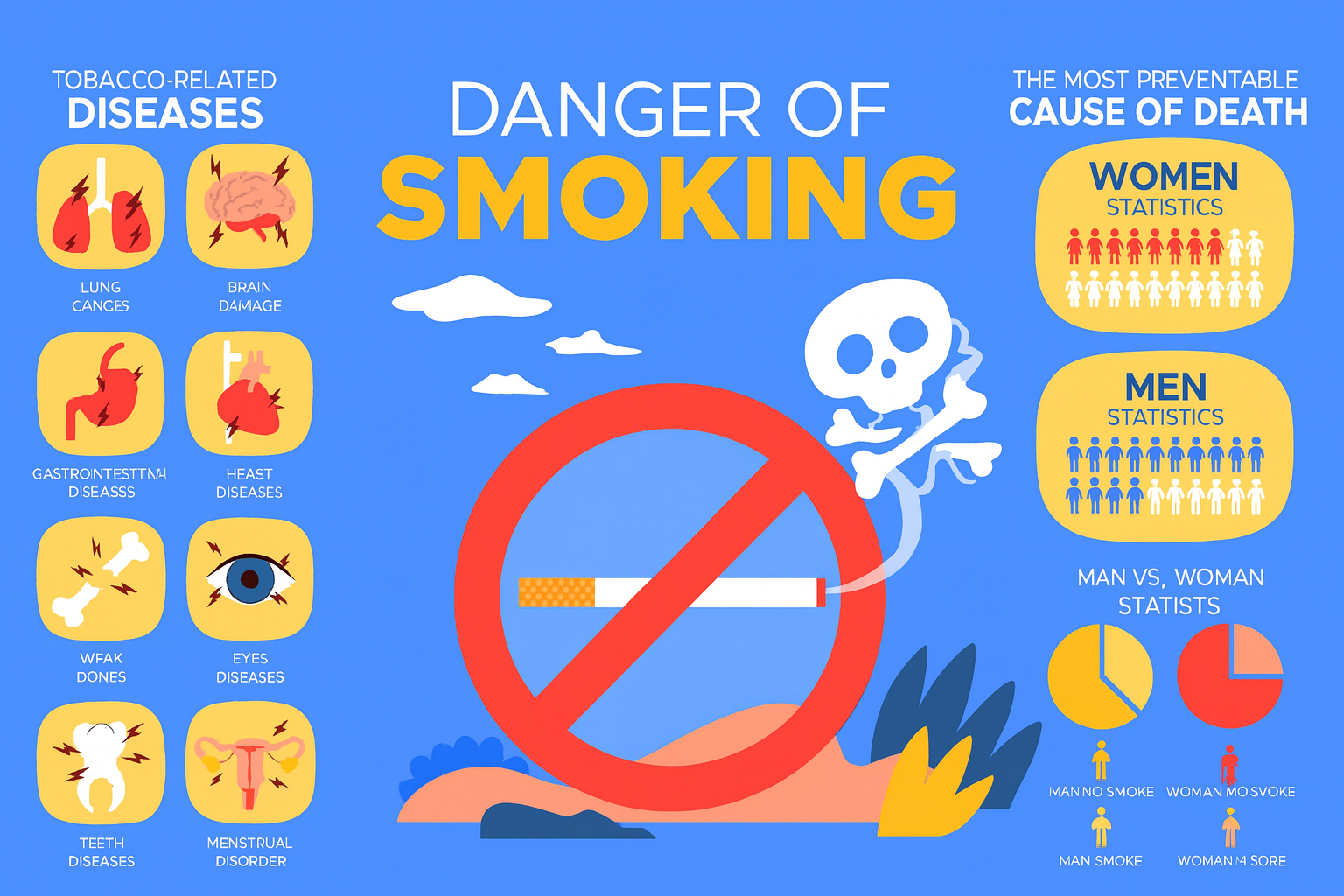
Nicotine dependence affects almost every part of the body. The damage increases with time.
Short-Term Effects
- Increased blood pressure:
Nicotine Dependence Treatment helps control high blood pressure caused by long-term nicotine stimulation. - Faster heartbeat:
A faster heartbeat is common in nicotine users, and Nicotine Dependence Treatment supports heart rate normalization. - Reduced appetite:
Nicotine Dependence Treatment addresses appetite changes linked to nicotine’s effect on hunger signals. - Mood swings:
Mood swings occur during nicotine withdrawal, and Nicotine Dependence Treatment helps stabilize emotions. -
Shortness of breath:
Nicotine Dependence Treatment improves lung function and reduces breathing difficulties caused by tobacco use.
Long-Term Effects
- Heart disease and stroke:
Nicotine Dependence Treatment lowers the long-term risk of heart disease and stroke caused by prolonged nicotine use. - Lung problems and breathing disorders:
Nicotine Dependence Treatment supports lung recovery and reduces chronic breathing problems linked to tobacco exposure. - Increased risk of cancer:
Nicotine Dependence Treatment helps reduce continued exposure to carcinogens that raise cancer risk. - Weak immune system:
Nicotine Dependence Treatment strengthens immune function weakened by long-term nicotine use. - Anxiety and depression:
Nicotine Dependence Treatment helps balance brain chemicals, reducing anxiety and depressive symptoms. -
Reduced memory and concentration:
Nicotine Dependence Treatment improves cognitive function affected by prolonged nicotine dependence.
Diagnosis of Nicotine Dependence
How Doctors and Specialists Identify the Condition
Doctors diagnose nicotine dependence through:
- Detailed personal and medical history:
Nicotine Dependence Treatment begins with a complete review of medical history to create a safe and personalized recovery plan. - Questions about tobacco or nicotine use:
Nicotine Dependence Treatment includes understanding usage patterns, duration, and triggers to assess addiction severity. - Assessment of cravings and withdrawal symptoms:
In Nicotine Dependence Treatment, cravings and withdrawal are evaluated to plan effective symptom management. -
Mental health evaluation:
Nicotine Dependence Treatment addresses underlying anxiety, depression, or stress that may influence nicotine use.
Treatment Options for Nicotine Dependence
Nicotine dependence is treatable. The right approach depends on the severity of addiction and individual needs.
Common Treatment Options Include:
- Medical support for withdrawal symptoms:
Nicotine Dependence Treatment includes medical care to safely manage cravings, headaches, and other withdrawal symptoms. - Behavioral therapy and counseling:
Nicotine Dependence Treatment uses therapy to change thought patterns and behaviors linked to nicotine use. - Stress management techniques:
Nicotine Dependence Treatment teaches healthy ways to manage stress without relying on nicotine. - Lifestyle changes and relapse prevention:
Nicotine Dependence Treatment focuses on building healthier habits to prevent relapse and support long-term recovery. - Family support and education:
Nicotine Dependence Treatment involves family education to create a supportive environment for lasting recovery.
Nicotine Dependence Treatment at Rehab Centres
Rehab centres provide a safe, structured, and supportive environment for recovery.
What Rehab-Based Treatment Includes:
- One-on-one counseling sessions
- Group therapy for shared support
- Medical supervision during withdrawal
- Mental health support for anxiety or depression
- Healthy daily routines and activities
At Sanchit Rehab Centre in Gwalior, nicotine dependence is treated with compassion, privacy, and respect. Each person receives a customized Nicotine Dependence Treatment plan focused on long-term recovery.
You can learn more about our approach on our About Us and Our Services pages.
How to Overcome Nicotine Dependence
Overcoming nicotine dependence is a journey, not a one-day decision. With the right steps, recovery becomes manageable.
Helpful Steps Toward Recovery
- Accept the problem without shame
- Seek professional help early
- Avoid triggers and high-risk situations
- Learn healthy ways to handle stress
- Stay connected with supportive people
-
Follow the treatment plan consistently
Relapse can happen, but it does not mean failure. With continued support and proper Nicotine Dependence Treatment, many people successfully quit and stay nicotine-free.
Frequently Asked Questions (FAQs)
Q1. Is nicotine dependence a serious condition?
Yes. Nicotine dependence affects both physical and mental health and can lead to serious long-term diseases if left untreated.
Q2. Can nicotine dependence be treated successfully?
Yes. With proper medical care, counseling, and support, many people recover successfully.
Q3. How long does nicotine withdrawal last?
Withdrawal symptoms usually peak in the first few days and reduce over a few weeks, but emotional cravings may last longer.
Q4. Is rehab necessary for nicotine dependence?
Not always, but rehab is highly beneficial for people with strong dependence, repeated relapse, or mental health issues.
Q5. Is treatment confidential?
Yes. Rehab centres maintain strict confidentiality and respect patient privacy at all times.