
 Nicotine addiction treatment in Gwalior is one of the most common yet most underestimated forms of substance dependence. What often starts as casual smoking or tobacco use slowly turns into a strong physical and mental dependency that affects every part of life. At Sanchit Rehab Center, we provide Nicotine addiction treatment in Gwalior with a caring, structured, and professional approach to help individuals quit smoking and reclaim a healthy, confident life.
Addiction of any kind, including nicotine, does not only harm the body. It impacts mental wellbeing, damages family relationships, reduces work performance, and slowly takes away peace of mind. Many people want to quit smoking but fail repeatedly due to strong cravings, withdrawal symptoms, stress, and emotional triggers. This is why timely and professional drug addiction treatment is extremely important. With the right guidance, support, and therapy, recovery is not only possible but sustainable.
What is Nicotine Addiction?
Nicotine addiction is a condition where a person becomes physically and psychologically dependent on nicotine, a chemical found in cigarettes, bidis, gutkha, vapes, and other tobacco products.
Nicotine directly affects the brain by releasing dopamine, the “feel-good” chemical. Over time, the brain starts depending on nicotine to feel normal. This is how dependence develops.
Why Is Quitting Nicotine So Difficult Without Support?
- Nicotine changes brain chemistry
- The body develops tolerance and cravings
- Withdrawal symptoms cause discomfort
- Smoking becomes a daily habit linked with emotions
- Stress and routine trigger relapse
Without proper help, quitting becomes a cycle of stopping and restarting. Professional Nicotine addiction treatment in Gwalior helps break this cycle safely and effectively.
Causes and Risk Factors of Nicotine Addiction
Nicotine addiction does not happen overnight. Many factors work together and slowly build dependence.
Common Causes and Risk Factors
- Stress and pressure from work or personal life
- Peer pressure, especially during teenage years
- Early exposure to smoking or tobacco use
- Daily habits like smoking with tea, after meals, or during breaks
- Emotional triggers such as loneliness, anger, or boredom
-
Mental health issues like anxiety, depression, or trauma
Understanding these causes is a key part of our Nicotine addiction treatment in Gwalior, as treatment must address both the habit and the emotional reasons behind it.
What are the signs of nicotine addiction?
The most common symptoms of tobacco use disorder include:
- Cravings and feeling like you need nicotine to function.
- Feeling sad, anxious or irritable.
- Withdrawal symptoms like restlessness and difficulty sleeping.
- Needing larger amounts of nicotine to feel satisfied.
- Using nicotine despite knowing the health risks.
- Wanting to quit using nicotine but not being able to.
What does a nicotine craving feel like?
When you feel a physical craving for nicotine, you’ll likely feel edgy, anxious and restless. You could also experience tightness in your throat or stomach. Cravings can come in waves of intensity, sometimes feeling subtle and then becoming stronger.
Our Nicotine addiction treatment in Gwalior focuses on managing these symptoms in a safe and supportive way.
Our Nicotine Addiction Treatment Approach
At Sanchit Rehab Center, we follow a personalized, holistic, and compassionate treatment plan. Every individual is different, so their recovery path must be different too.
Medical Assessment & Detox Support
- Complete physical and mental health evaluation
- Understanding addiction severity
- Customized treatment planning
- Safe monitoring by experienced doctors
Nicotine Withdrawal Management
- Medical support to reduce cravings
- Controlled detox process
- Emotional reassurance during withdrawal
-
24/7 care when needed
Behavioral Therapy & Counseling
- One-on-one counseling sessions
- Cognitive Behavioral Therapy (CBT)
- Identifying triggers and negative thoughts
- Building healthy coping skills
Smoking Cessation Techniques
- Step-by-step quitting strategies
- Craving control techniques
- Relapse prevention planning
- Motivation strengthening
Lifestyle Changes & Stress Management
- Yoga and breathing exercises
- Meditation and mindfulness
- Healthy daily routine building
- Sleep and nutrition guidance
This structured plan makes our Nicotine addiction treatment in Gwalior effective and long-lasting.
Role of Counselling and Behavioral Therapy in Quitting Smoking
Counseling is the heart of successful smoking recovery. Nicotine addiction is not just physical; it is deeply connected to habits and emotions.
Benefits of Quitting Smoking
It is important to tell the tobacco user about the benefits of quitting. Some hints are presented
Individual users may have other motives to quit, which should be explored and documented
below. for future use.
Begin thus – From the moment you quit smoking, it only takes 20 minutes for your body to start
undergoing beneficial changes.
- 20 Minutes: Blood pressure drops to normal; Pulse rate drops to normal; Temperature of hands and feet increases to normal.
- Within 8 Hours: Carbon-monoxide level in blood drops to normal; Oxygen level in blood becomes normal.
- Within 24 Hours to 48 hours: Chance of heart attack decreases. Nerve endings start regenerating; Ability to smell and taste begins to improve.
- Within 72 hours: Bronchial tubes relax, making breathing easier.
- Within 2 Weeks to 3 Months: Circulation improves. Lung function increases up to 30%
- Within 6 Months: Coughing, sinus congestion, fatigue and shortness of breath decrease. The lungs function better, as congestion reduces, so does the chance of infection.
- Within 1 Year: Risk of coronary heart disease decreases to half that of a smoker.
- Within 10 Years: Risk of dying from lung cancer is reduced to half.
- Within 15 Years: Risk of dying from a heart attack is equal to a person who never smoked.
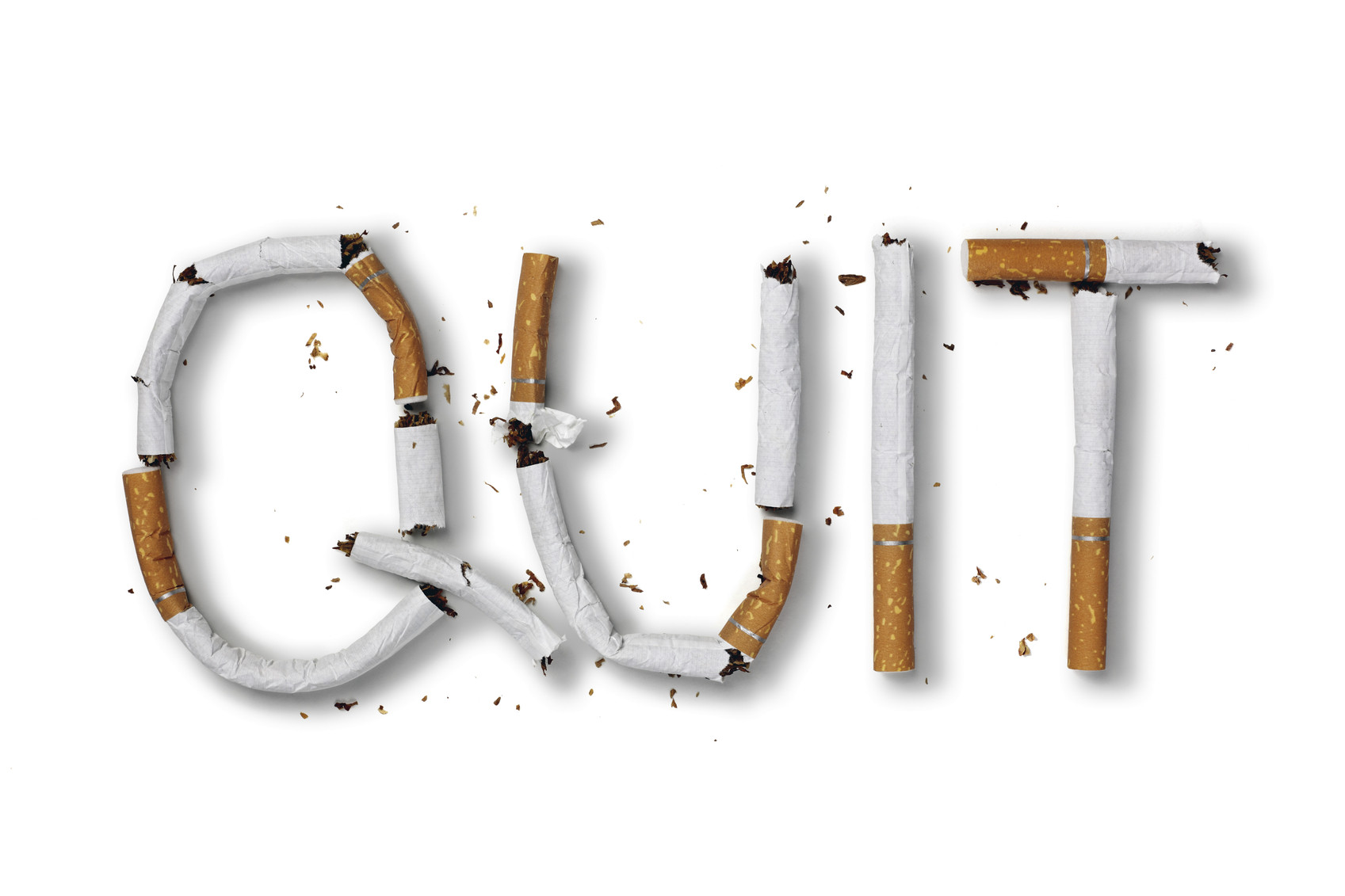
How Therapy Helps
- Break the mental link between stress and smoking
- Teach craving management techniques
- Improve emotional control
- Boost confidence and self-belief
- Prevent relapse in difficult situations
Our trained counselors help individuals understand why they smoke and how to live without it. This is a crucial part of Nicotine addiction treatment in Gwalior.
Benefits of Choosing Our Nicotine Addiction Treatment Center
Duration and Stages of Nicotine De-Addiction Program
The duration of treatment depends on addiction severity, health condition, and individual response.
Stages of the Program
- Assessment & Detox – Managing withdrawal safely
- Therapy Phase – Counseling and behavior change
- Habit Rebuilding – Healthy routine development
- Aftercare Support – Follow-ups and relapse prevention
Our Nicotine addiction treatment in Gwalior ensures continued guidance even after treatment completion.
Frequently Asked Questions (FAQ)
Is nicotine addiction really serious?
Yes. Nicotine addiction affects physical health, mental wellbeing, and quality of life. Professional treatment improves success rates.
Can I quit smoking without rehab?
Some people can, but many relapse. Rehab provides medical, emotional, and psychological support for long-term success.
How long does nicotine addiction treatment take?
Treatment duration varies but usually ranges from a few weeks to a few months, depending on individual needs.
Is the treatment confidential?
Yes. We maintain complete privacy and confidentiality for all patients.
Does Sanchit Rehab Center offer aftercare support?
Yes. Aftercare is an important part of our Nicotine addiction treatment in Gwalior to prevent relapse and ensure long-term recovery.