
 Guilt and shame in de addiction centre recovery is one of the most painful emotional struggles many individuals face after addiction. People often carry deep regret for past actions, broken trust, lost opportunities, and emotional pain caused to themselves and their loved ones. These feelings can affect physical health, mental wellbeing, family relationships, and career growth. Many individuals feel stuck in the past, believing they do not deserve happiness or a fresh start.
Addiction not only harms the body but also leaves emotional wounds that need proper healing. Feelings of guilt can cause anxiety, stress, and depression. Shame can make individuals isolate themselves and avoid seeking help. This emotional burden can slow down recovery and increase the risk of relapse if not treated properly.
This is why timely and professional support at a trusted guilt and shame in de addiction centre is essential. With compassionate care, therapy, and structured treatment, individuals can release emotional pain, rebuild confidence, and move forward toward a healthier and happier life. At Sanchit Rehab Centre in Gwalior, we believe recovery is not just about quitting substances—it is about healing the mind, heart, and soul.
What is Guilt and Shame in Addiction Recovery?
Understanding Guilt and Shame in Addiction
In addiction recovery, guilt and shame are common emotional responses. They develop when individuals reflect on their past behavior during substance use.
- Guilt is the feeling of regret for actions that hurt oneself or others.
- Shame is the feeling of believing oneself is a bad or unworthy person.
Both emotions are natural, but when they become overwhelming, they can damage recovery progress. A professional guilt and shame in de addiction centre helps individuals understand these emotions and learn healthy ways to cope.
Without treatment, these emotions can lead to:
- Low self-esteem
- Depression and anxiety
- Social withdrawal
- Fear of judgment
- Increased relapse risk
Healing these emotions is a key part of long-term recovery.
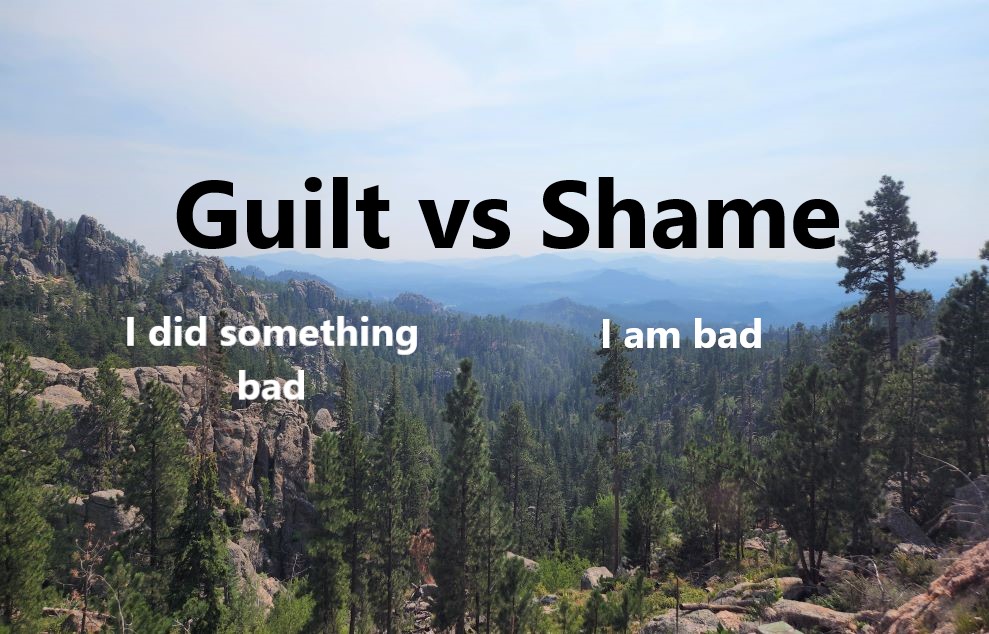
What Is the Difference Between Guilt and Shame?
Understanding the difference between guilt and shame is very important in addiction recovery. Both emotions are painful, but they affect a person in different ways. Knowing how they work helps individuals heal emotionally and move forward with confidence.
Guilt is a feeling related to something a person has done. It focuses on behavior, not the person’s value. For example, someone may feel guilty for hurting their family, missing work, or making unhealthy choices during addiction. Guilt, when managed properly, can be helpful because it encourages individuals to take responsibility and make positive changes.
Shame, on the other hand, is deeper and more harmful. It makes a person feel that they themselves are bad, not just their actions. Shame can destroy self-esteem and create feelings of worthlessness. Instead of motivating change, shame often makes people hide, isolate themselves, and lose hope.
In recovery, untreated shame can slow healing and increase relapse risk. This is why treatment at a professional guilt and shame in de addiction centre focuses on helping individuals understand these emotions, release shame, and turn guilt into a tool for growth and healing.
Difference Between Guilt and Shame
| Basis | Guilt | Shame |
|---|---|---|
| Definition | Feeling bad about something you did | Feeling bad about who you are as a person |
| Focus | Focuses on actions and behavior | Focuses on identity and self-worth |
| Inner Thought | “I did something wrong.” | “I am a bad person.” |
| Emotional Impact | Temporary and manageable | Deep, painful, and long-lasting |
| Effect on Self-Esteem | Does not destroy self-worth completely | Strongly damages self-confidence and self-esteem |
| Motivation | Encourages positive change and responsibility | Creates hopelessness and self-blame |
| Role in Recovery | Can help individuals improve and grow | Can block recovery and slow emotional healing |
| Behavior Response | Motivates people to apologize and correct mistakes | Makes people hide, isolate, and avoid help |
| Mental Health Impact | Less harmful if managed properly | Can cause depression, anxiety, and emotional pain |
| Recovery Outcome | Helps build a better future | Can increase relapse risk if untreated |
| Treatment Approach | Focus on learning and self-forgiveness | Focus on rebuilding self-worth and self-acceptance |
Why This Difference Matters in Recovery
Understanding this difference helps individuals realize an important truth: they are not their mistakes. Addiction may have caused harmful actions, but it does not define their value as a person.
A professional guilt and shame in de addiction centre helps individuals:
- Understand their emotions safely
- Let go of harmful shame
- Build healthy self-esteem
- Practice self-forgiveness
-
Develop confidence and emotional strength
When guilt is handled properly, it becomes a stepping stone toward growth. When shame is healed, individuals regain their sense of worth and hope.
Recovery is not about punishing yourself—it is about healing, learning, and becoming stronger.

Why Do People Feel Guilt and Shame During Recovery?
Many factors contribute to guilt and shame during addiction recovery:
- Hurting family members emotionally or financially: Addiction can cause emotional pain, broken trust, and financial stress for loved ones who care deeply.
- Losing jobs or career opportunities: Substance use can affect performance, attendance, and behavior, leading to job loss or missed career growth.
- Damaging personal relationships: Addiction often creates misunderstandings, conflicts, and distance between friends, partners, and family members.
- Neglecting responsibilities: Individuals may ignore important duties like work, family care, education, or personal health due to substance dependence.
- Making unsafe or harmful decisions: Addiction can impair judgment, leading to risky behaviors that harm oneself or others.
-
Social stigma and judgment: Fear of being judged or rejected by society can create feelings of shame, isolation, and low self-worth.
These feelings can be intense. Without proper support from a guilt and shame in de addiction centre, individuals may struggle to forgive themselves.
How to Overcome Guilt and Shame in Recovery
Healing emotional pain takes time, patience, and professional guidance.
A professional guilt and shame in de addiction centre provides structured emotional healing programs that help individuals rebuild their self-worth and confidence.
Steps to Overcome Guilt and Shame
Recovery involves emotional and psychological healing.
Key steps include:
- Accepting past mistakes without self-hatred: In a guilt and shame in de addiction centre, individuals learn to accept their past actions with honesty while understanding they still deserve healing and respect.
- Taking responsibility in a healthy way: A guilt and shame in de addiction centre teaches individuals to take responsibility for their actions without blaming or punishing themselves emotionally.
- Practicing self-forgiveness: Through therapy at a guilt and shame in de addiction centre, individuals learn to forgive themselves and release emotional pain that blocks recovery.
- Learning from past experiences: A professional guilt and shame in de addiction centre helps individuals turn past mistakes into valuable lessons for building a better future.
- Building positive habits: Treatment at a guilt and shame in de addiction centre supports individuals in developing healthy routines that strengthen emotional and mental wellbeing.
-
Focusing on personal growth: A structured guilt and shame in de addiction centre encourages individuals to focus on self-improvement, confidence, and creating a meaningful life beyond addiction.
Therapists at a guilt and shame in de addiction centre help individuals work through these steps safely and effectively.
The Role of a Supportive Environment
A safe and supportive environment is essential for emotional healing.
At a professional rehab centre, individuals receive:
- Non-judgmental support
- Emotional understanding
- Professional counselling
- Peer encouragement
-
Structured treatment plans
This environment allows individuals to open up and heal deeply.
The Emotional Weight of Addiction
Addiction affects more than just physical health—it creates deep emotional wounds. Many individuals experience intense emotional pain, including guilt, shame, fear, sadness, and loneliness. These emotions can feel heavy and overwhelming, making recovery more difficult. People may constantly replay past mistakes in their minds, feel unworthy of forgiveness, or believe they have permanently damaged their relationships and future. This emotional burden can cause stress, sleep problems, anxiety, depression, and low confidence. Without proper emotional healing, individuals may remain stuck in negative thinking patterns. This is why treatment at a professional guilt and shame in de addiction centre focuses on emotional recovery along with physical recovery. Emotional healing helps individuals release the weight of the past, accept themselves, and build a hopeful future. With compassionate care and professional therapy, individuals learn they are not defined by their past—they are defined by their strength to recover.
Practical Strategies for Overcoming Shame and Guilt
Professional rehab centres use proven methods to help individuals heal.
Effective strategies include:
1. Individual Counselling
- Helps individuals express emotions safely
- Identifies root causes of guilt and shame
- Builds emotional strength
2. Cognitive Behavioral Therapy (CBT)
- Changes negative thinking patterns
- Builds healthy self-belief
- Reduces harmful emotional responses
3. Group Therapy
- Provides emotional support
- Reduces isolation
-
Builds connection with others
4. Self-Forgiveness Training
- Encourages emotional release
- Promotes self-acceptance
- Improves mental wellbeing
5. Mindfulness and Stress Management
- Reduces anxiety and emotional pain
- Improves emotional control
- Builds inner peace
These therapies are core components of treatment at a trusted guilt and shame in de addiction centre.
Benefits of Working Through Guilt and Shame in Recovery
Healing emotional pain brings many life-changing benefits.
Key benefits include:
- Improved mental health
- Increased self-confidence
- Better emotional stability
- Stronger relationships
- Reduced relapse risk
- Greater life satisfaction
- Improved decision-making
A professional guilt and shame in de addiction centre helps individuals achieve complete emotional recovery.
The Power of Support Groups in Addiction Recovery
Support groups play an important role in healing.
Benefits of support groups include:
- Sharing experiences without judgment
- Learning from others’ recovery journeys
- Feeling understood and supported
- Building healthy friendships
- Reducing isolation
Support groups at a guilt and shame in de addiction centre help individuals feel less alone.

Why Choose Sanchit Rehab Centre?
Sanchit Rehab Centre in Gwalior offers compassionate and professional care.
Our approach includes:
- Experienced mental health professionals
- Individual and group counselling
- Emotional healing programs
- Safe and supportive environment
- Personalized treatment plans
- Confidential and respectful care
Our guilt and shame in de addiction centre program helps individuals rebuild confidence and live a positive life.
Conclusion
Healing from addiction involves more than physical recovery—it requires emotional healing. Guilt and shame can create barriers to recovery, but with proper support, healing is possible. A professional guilt and shame in de addiction centrehelps individuals release emotional pain, rebuild self-worth, and move forward with confidence.
At Sanchit Rehab Centre, we provide compassionate care and proven treatment programs to support complete recovery. Every individual deserves forgiveness, healing, and a fresh start. Recovery is not about judging the past—it is about building a brighter future.
Frequently Asked Questions (FAQs)
Q1. Is guilt and shame normal during addiction recovery?
Yes, guilt and shame are common emotions during recovery. Professional treatment helps individuals manage and heal these feelings.
Q2. How does a guilt and shame in de addiction centre help?
It provides counselling, therapy, emotional support, and structured programs to help individuals overcome emotional pain.
Q3. Can emotional healing reduce relapse risk?
Yes, healing guilt and shame improves emotional stability and reduces the chances of relapse.
Q4. How long does emotional healing take?
Healing time varies for each individual. With proper treatment and support, recovery becomes easier and more effective.
Q5. Is treatment confidential?
Yes, professional rehab centres maintain complete confidentiality and privacy.