
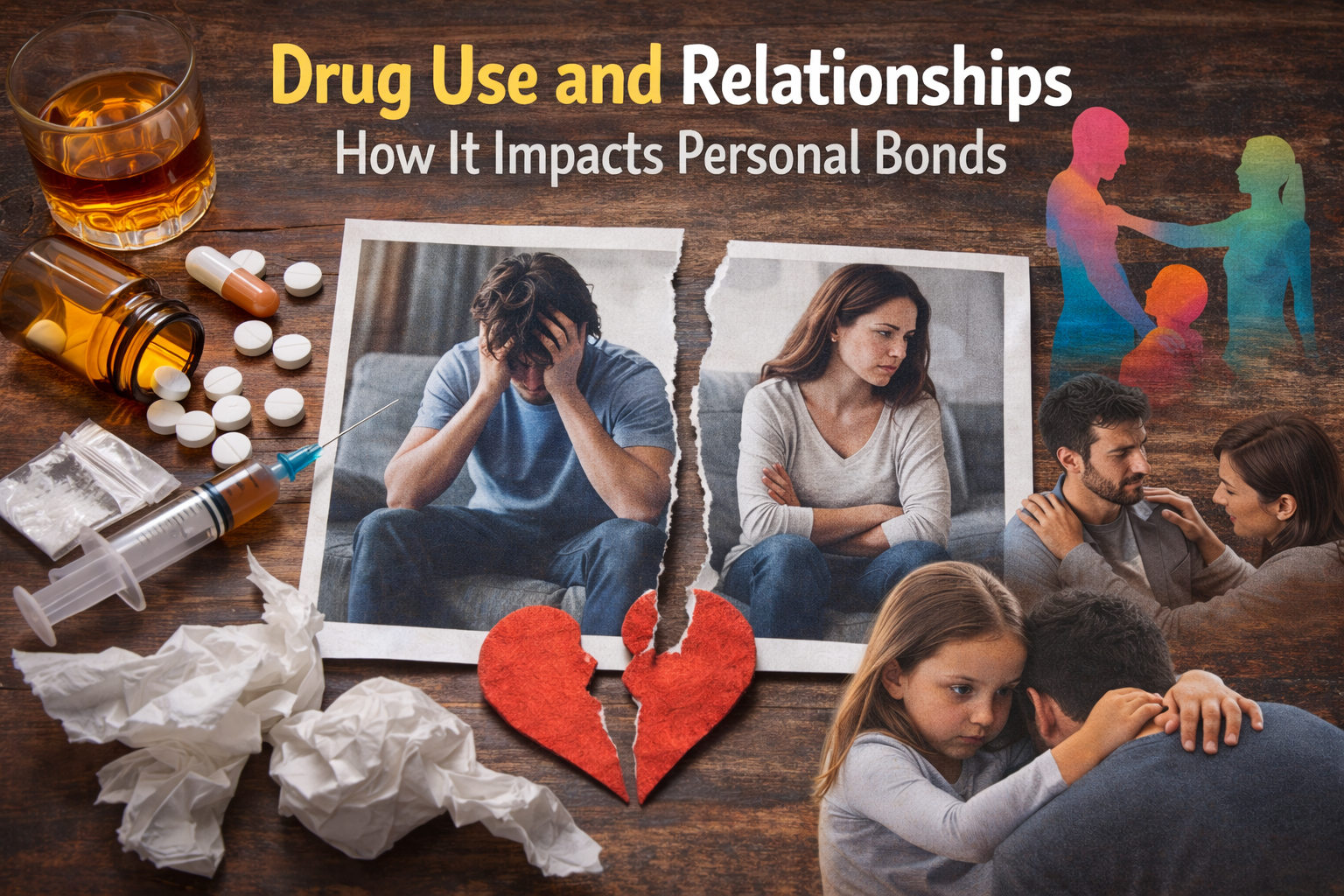
Drug use is often viewed as a personal struggle, but its impact extends far beyond the individual. Drug Use and Relationships is a critical topic because substance abuse affects families, friendships, romantic relationships, and workplace dynamics. For small business owners, understanding these impacts is essential—not only for personal awareness but also to manage employees or family members dealing with addiction effectively.
Substance abuse can create emotional distance, mistrust, and conflict. However, structured support systems like Sanchit Rehab Centre offer therapy, counseling, and peer support to repair and strengthen personal bonds while promoting long-term recovery.
This article explores how drug use affects personal relationships, the emotional and social consequences of addiction, and ways to rebuild trust and healthy connections.
Understanding the Impact of Drug Use on Personal Relationships
Addiction doesn’t occur in a vacuum. Drug Use and Relationships are deeply interconnected, as Drug Use and Relationships affect every social and emotional connection the individual has. Behavioral changes caused by substance abuse directly impact Drug Use and Relationships, and often, Drug Use and Relationships bear the brunt of these challenges, influencing family, friendships, and personal bonds.
Key Effects on Personal Bonds
- Emotional Withdrawal: Drug users often isolate themselves, creating emotional distance from family and friends.
- Trust Issues: Broken promises, secretive behavior, and deception are common, leading to mistrust.
- Conflict and Tension: Substance abuse increases irritability and conflict within households and friendships.
- Neglect of Responsibilities: Personal and professional responsibilities may be ignored, straining relationships.
Understanding these effects is essential for small business owners who may have employees or family members struggling with addiction.
How Addiction Affects Friendships and Social Life
Friendships often change dramatically during addiction, and Drug Use and Relationships play a major role in this shift. Social circles may shrink or shift toward peers who also use substances, affecting Drug Use and Relationships with supportive friends. Maintaining healthy connections becomes challenging, as Drug Use and Relationships are often strained, reshaped, or weakened due to the behaviors and choices associated with addiction.
Social Consequences of Drug Use
- Isolation from Supportive Friends: Positive friendships may weaken or disappear.
- Peer Pressure: Association with substance-using peers can reinforce addiction patterns.
- Loss of Social Skills: Communication and trust may deteriorate over time.
Supporting recovery through therapy and structured social reintegration helps restore healthy friendships and social life.

Effects on Romantic Relationships and Family Bonds
Romantic partners and family members are often most affected by addiction.
Challenges Faced
- Emotional instability and mood swings
- Breakdowns in communication and intimacy
- Domestic conflict or financial strain
- Children’s emotional well-being is often compromised
How Recovery Programs Help
- Family Counseling: Nasha Mukti Kendras provide structured sessions to rebuild trust.
- Couples Therapy: Helps partners navigate addiction-related stress.
- Parental Support: Educates parents on supporting children through a family member’s recovery.
Workplace and Professional Relationships
Addiction can impact professional life, which in turn affects personal relationships indirectly.
Workplace Impacts
- Decreased productivity and focus
- Frequent absenteeism
- Conflict with colleagues
- Strained leadership dynamics
Role of Small Business Owners
Business owners can support employees by:
- Encouraging rehab and therapy attendance
- Offering flexible work arrangements
- Reducing stigma around addiction recovery
- Incorporating peer support programs
Strategies to Rebuild Relationships During Recovery
Rebuilding trust and emotional bonds requires conscious effort and structured support.
1. Open Communication
- Honest conversations with family, friends, and colleagues
- Acknowledging mistakes without excuses
2. Counseling and Therapy
- Individual counseling for emotional regulation
- Group therapy to improve social interaction
- Family sessions to repair broken bonds
3. Peer Support Programs
- Encourages accountability and emotional support
- Helps individuals learn from others’ recovery journeys
- Reduces isolation and promotes empathy
4. Consistency and Reliability
- Fulfilling commitments gradually
- Demonstrating behavioral changes over time
5. Healthy Social Engagement
- Engaging in positive hobbies and community activities
- Avoiding environments that encourage substance use

Role of Nasha Mukti Kendras in Strengthening Relationships
Modern Nasha Mukti Kendras focus not only on addiction treatment but also on repairing social and familial bonds.
Structured Relationship Support
- Peer support groups for shared experiences
- Family and couples therapy
- Workshops on communication and trust-building
These approaches ensure that recovery is holistic—addressing both the individual’s health and the social impact of addiction.
Summary: Healing Relationships During Recovery
Drug Use and Relationships shows that addiction impacts friends, family, and colleagues. Nasha Mukti Kendra programs provide counseling, peer support, and family sessions to rebuild trust, restore bonds, and support healthier personal and professional relationships.
Frequently Asked Questions (FAQs)
1. How does drug use affect personal relationships?
Drug use can cause emotional distance, mistrust, conflict, and neglect of responsibilities, affecting family, friends, and romantic partners.
2. Can friendships survive addiction?
Yes, with support and recovery, friendships can be restored through therapy, open communication, and rebuilding trust.
3. How do Nasha Mukti Kendras help relationships?
They provide family counseling, peer support, and structured therapy to repair bonds, rebuild trust, and strengthen emotional connections.
4. How can small business owners support addicted employees?
Encourage rehabilitation, offer flexible work arrangements, reduce stigma, and support peer-based recovery programs.
5. Is it possible to rebuild trust after addiction?
Yes, consistent positive behavior, open communication, and counseling can gradually restore trust in personal and professional relationships.