Blog

Your blog category

Nasha Mukti Kendra in Faridabad — Help That Families Here Have Stopped Looking For
Blog

Nasha Mukti Kendra in Faridabad — Help That Families Here Have Stopped Looking For

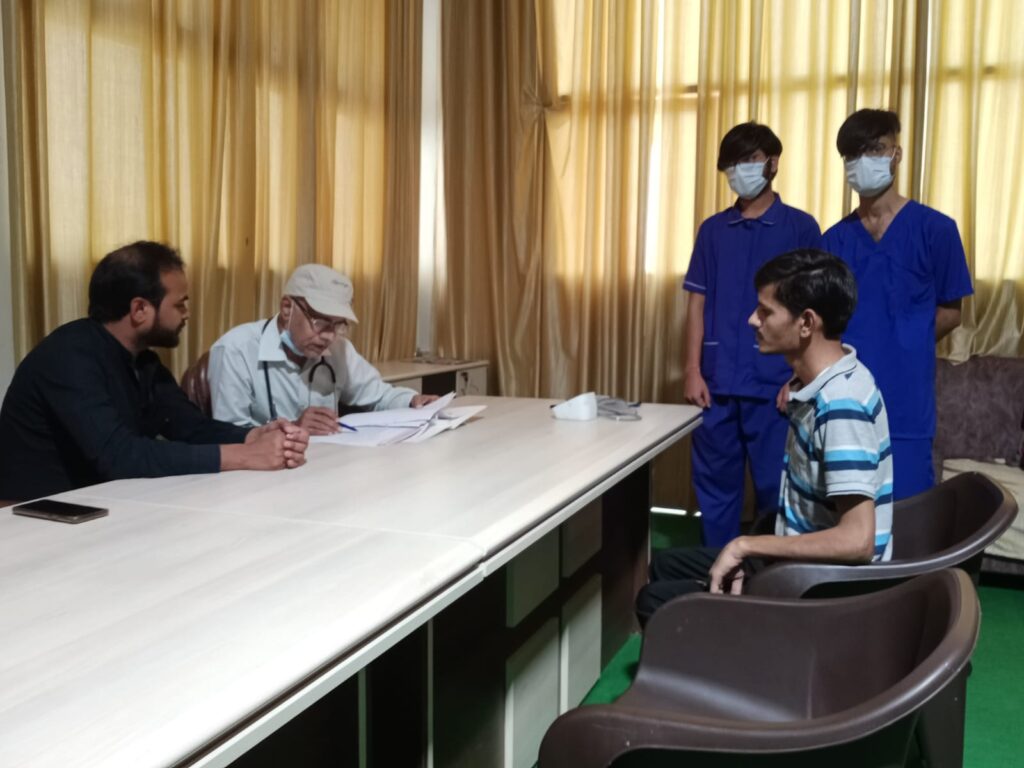
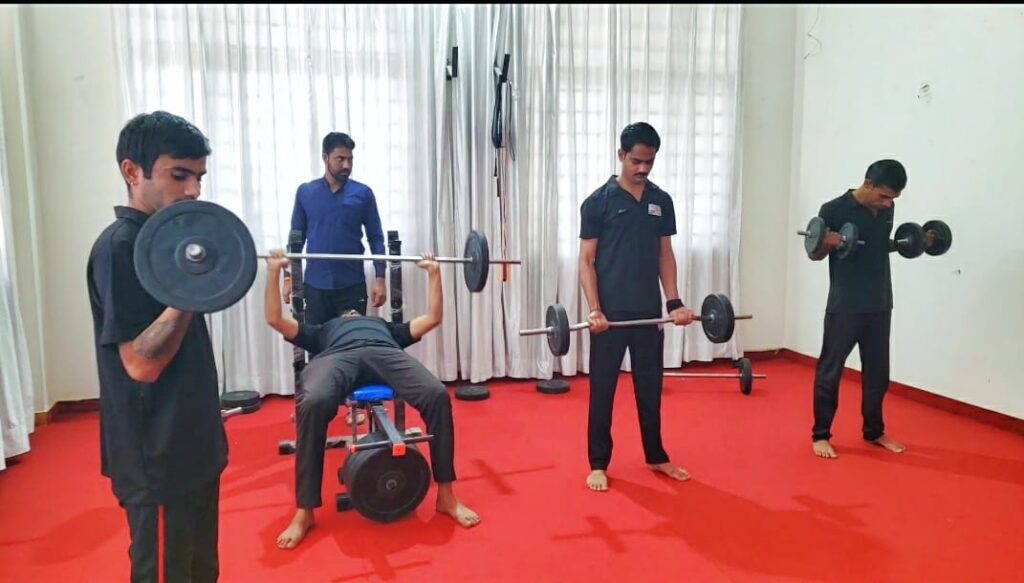
At some point, most Faridabad families stop looking. They tried the local centre once — or maybe twice. They tried keeping the alcohol out of the house. They tried locking the room, pouring bottles down the drain, bargaining, threatening. Nothing held. And so quietly, without ever making a formal decision, they stopped believing that recovery was possible for their person. The problem continued. They managed around it. Life became smaller. If this is where a family in Faridabad is right now — not actively searching anymore, just surviving — this article is for you. Because the failure was not yours, and it was not theirs. The failure was the approach. Good residential treatment has a fundamentally different success rate from the alternatives that most Faridabad families have access to. And it is available — just a few hours away. Nasha Mukti Kendra in Faridabad — Why Families Get Stuck and How to Move Forward Understanding what proper rehabilitation actually looks like helps explain why previous attempts may have failed. De-addiction is not achieved by removing access to the substance for a few days. It requires medical detoxification, structured psychological treatment, a complete change of environment, and a detailed plan for what happens after discharge. Most local or informal approaches only address the first part — and sometimes not even that. The question is not whether recovery is possible. It is whether the right conditions for recovery have been created. Sanchit Nasha Mukti Kendra provides those conditions — with 6,000+ successful recoveries as proof that the approach works. Faridabad’s Specific Addiction Problem Faridabad sits on the edge of two worlds. It is technically Haryana, yet it functions as southern NCR — absorbing Delhi’s overflow of industry, migrants, and informal labour. Faridabad’s industrial sector — textiles, auto parts, electronics manufacturing — employs hundreds of thousands of workers who live far from their home states, away from family networks, with high physical work demands and limited recreational infrastructure. This combination is a well-documented recipe for alcohol dependency. Haryana itself has a specific relationship with opioids and synthetic drugs — the state’s proximity to Punjab’s drug crisis means that smack and other opioids circulate more freely here than in states further from that supply chain. Recognising the specific signs of addiction in a Faridabad household — alcohol, opioids, or a combination — is the critical first step that determines what kind of treatment is needed. Why Local and Home-Based Attempts Fail Most of the Time The pattern is consistent. A Faridabad family notices the problem. They try to handle it at home. They try removing access, persuasion, religious intervention, promises. It works for days or weeks. Then the person finds access again. The family tries a local outpatient or day-care centre. The person comes home to the same environment each evening — the same street, the same contacts, the same triggers. Within weeks or months, the cycle restarts. This is not weakness on anyone’s part. It is the structural reality of addiction recovery: the environment where the addiction lives must be removed entirely for treatment to work. That means residential inpatient care — where the person is fully separated from their triggers, their contacts, and their local environment for the duration of treatment. This is why a centre in Gwalior — outside NCR, outside Haryana, in a different state entirely — creates the conditions that local options simply cannot. Affordable Quality Treatment — What Faridabad Families Should Know Many Faridabad families are immediately put off by addiction treatment centres because the ones they encounter online are luxury facilities with prices that are out of reach for a working-class or middle-class household. This creates a false impression that good treatment is expensive, and that affordable centres are inadequate. Neither is true. Sanchit offers room categories at multiple price points — VIP AC, private AC ward, and group sharing wards — ensuring that the quality of medical care, therapy, and program is the same across all, while accommodation cost varies. The quality markers that matter — government registration, a qualified psychiatrist, 24/7 medical supervision, individual counselling, family sessions, and aftercare — are present in every case at Sanchit, regardless of which room category a family chooses. Addictions Treated — Faridabad and Haryana Context Addiction Type Faridabad / Haryana Status Treatment at Sanchit Alcohol Dependency Highest — industrial and migrant worker culture Medical detox + CBT + relapse prevention Smack / Opioids Significant — Haryana-Punjab corridor Long-term residential detox + therapy Drug Addiction Present across age groups Residential detox + behavioural therapy Cannabis / Ganja Widespread in youth CBT + group therapy + family guidance Nicotine / Tobacco Very common in workforce Craving management + lifestyle coaching What Recovery Looks Like — The Full Journey for a Faridabad Patient When a patient from Faridabad arrives at Sanchit, the first 48–72 hours are the medical phase. The doctor conducts a complete assessment, determines the exact substances and duration of use, and builds a personalised treatment plan. Medically supervised detox begins immediately, with withdrawal managed by medication and round-the-clock monitoring. This phase is the one that most home attempts bypass — and it is the reason home attempts fail. After detox, the residential rehabilitation phase begins. Daily life at Sanchit is structured — morning yoga and meditation, individual counselling, group therapy, motivational sessions, gym and physical fitness, indoor games, spiritual sessions, and cultural activities. Throughout the stay, family counselling sessions are conducted to prepare both the patient and family for the return home. A specific aftercare plan is built before discharge — covering relapse triggers, follow-up schedule, and emergency contact protocols. Sanchit Nasha Mukti Kendra — The Right Choice for Faridabad Sanchit Nasha Mukti Kendra in Gwalior has helped patients from across NCR and Haryana. The centre understands the specific addiction patterns of industrial populations, the social barriers Haryana families face in seeking help, and the importance of making treatment genuinely accessible — not just in name but in practice. It is among India’s most trusted rehabilitation centres

Blog

Nasha Mukti Kendra in Ghaziabad | Best De-Addiction & Rehab Centre

Ghaziabad sits right at the edge of Delhi. It has the intensity of the capital — the traffic, the industry, the pressure — without many of the safety nets. Addiction is a quiet but serious problem here. Industrial workers, college students, young professionals — no group is immune. And because Ghaziabad sits in the shadow of Delhi, it also shares Delhi’s challenges: easy access to substances, social pressure, and a culture where asking for help feels like weakness. If you are searching for a Nasha Mukti Kendra in Ghaziabad, this guide will give you straight answers. What to look for. What treatment involves. And why so many families from this region choose Sanchit Nasha Mukti Kendra for their loved one’s recovery. Nasha Mukti Kendra in Ghaziabad — What You Need to Know Before choosing any centre, it is worth understanding what a Nasha Mukti Kendra is and how the treatment actually works. It is not just a place to stop using substances. It is a structured medical, psychological, and behavioural recovery program — designed to treat the root of addiction, not just the surface. Why Addiction Is a Growing Problem in Ghaziabad Ghaziabad has grown fast. Its industrial zones, proximity to Delhi, and expanding population have created a complex urban environment where stress is high and support systems are thin. Alcohol abuse is the most common problem — especially among daily wage workers, factory employees, and those in the informal economy. But it does not stop there. Cannabis use among college students in areas like Vaishali, Indirapuram, and Raj Nagar is rising steadily. Prescription drug misuse and synthetic substance abuse are also being reported more frequently. Young people in Ghaziabad are especially vulnerable — between peer pressure, easy substance access, and limited awareness about addiction as a medical condition. One more layer complicates things: stigma. Many Ghaziabad families wait too long to seek help — afraid of what neighbours, relatives, or employers might think. That delay can turn a manageable problem into a life-threatening one. Knowing the early signs of drug or alcohol addiction is the first step toward acting early. Our Approach At Sanchit Nasha Mukti Kendra in Ghaziabad, recovery is treated as a structured and continuous healing process focused on medical care, emotional recovery, and lasting behavioural change. Our approach is designed to help individuals recover safely, regain control, and build a stable addiction-free life. 1.Personalised Assessment and Recovery Planning: Every individual is carefully assessed to understand their addiction history, mental condition, and recovery needs.Based on this, we create a personalised treatment plan for safe and effective long-term recovery. 2.Medical Supervision and Monitored Care: Our team provides regular medical supervision to ensure safe detoxification and physical stability during recovery.Continuous monitoring helps manage withdrawal symptoms and supports safe healing throughout treatment. 3.Individual and Group Counselling Sessions: We offer one-to-one counselling and guided group sessions to address emotional struggles and addiction triggers.These sessions help individuals improve self-awareness, emotional control, and positive thinking. 4.Family Guidance and Emotional Support: We support families with counselling and guidance to help them understand addiction and recovery better.This improves communication, emotional support, and family involvement during the healing process. 5.Yoga, Meditation, and Daily Discipline: Daily yoga and meditation help residents reduce stress, improve focus, and build inner emotional balance.A disciplined routine also helps create healthy habits and a more stable lifestyle. 6.Relapse Prevention and Post-Care Planning: Our relapse prevention program helps individuals identify triggers and prepare for life after treatment.Post-care planning ensures continued support, better stability, and stronger long-term recovery outcomes. This structured and supportive approach makes Sanchit a trusted Nasha Mukti Kendra in Ghaziabad for safe, professional, and lasting recovery. Our Services 1.Alcohol Addiction Treatment Program: Our alcohol addiction treatment program at sanchit nasha mukti kendra helps individuals recover from alcohol dependency through structured care and professional support.It focuses on safe recovery, emotional healing, and long-term control over alcohol addiction. 2.Drug Addiction Treatment Program: This program supports individuals struggling with drug abuse through guided treatment, counselling, and behavioural recovery.It helps break harmful dependency patterns and rebuild a stable, addiction-free lifestyle. 3.Nicotine Addiction Recovery Program: Our nicotine recovery program helps individuals overcome tobacco and smoking addiction through therapy and habit correction.It focuses on reducing cravings, improving discipline, and building healthier daily routines. 4.Cannabis Addiction Recovery Program: This rehabilitation program helps individuals recover from cannabis dependency through counselling and mental wellness support.It improves emotional balance, mental clarity, and overall lifestyle stability after addiction. 5.Opioid Addiction Treatment Program: Our opioid treatment program provides structured care for individuals facing opioid dependency and withdrawal challenges.It supports safe recovery, relapse prevention, and long-term rehabilitation with professional guidance. Our Facility At Sanchit Nasha Mukti Kendra Ghaziabad, we believe that a safe, structured, and comfortable environment plays a vital role in successful recovery. Our facilities are designed to support physical health, mental stability, and emotional healing while maintaining privacy, dignity, and proper hygiene. As a trusted Nasha Mukti Kendra in Ghaziabad, we ensure that every facility is managed with professional care, cleanliness, and continuous support. 1.Residential Accommodation: We provide clean, safe, and comfortable residential rooms designed to create a peaceful and stress-free recovery environment.Our accommodation helps residents feel secure, relaxed, and focused throughout their healing journey. 2.24/7 Supervised Care: Our trained staff is available 24/7 to provide immediate support, safety, and continuous supervision to every resident.Round-the-clock care ensures discipline, comfort, and timely assistance during every stage of recovery. 3.Medical Support & Monitoring: We provide regular medical supervision and health monitoring to support safe detox and physical recovery.This helps manage withdrawal symptoms, maintain health stability, and ensure proper care throughout treatment. 4.Counselling & Therapy Rooms: Our private counselling and therapy rooms offer a calm and confidential space for emotional healing and recovery sessions.These sessions help residents manage stress, understand addiction, and build a healthier mindset. 5.Yoga & Meditation Area: We offer a dedicated yoga and meditation space to support mental peace, emotional balance, and inner strength.Daily practice helps reduce anxiety, improve focus, and promote discipline during recovery. 6.Gym & Sports: Our gym and

Nasha Mukti Kendra in Bhilwara
Blog

Nasha Mukti Kendra in Rewa — Vindhya’s Coal Belt and Its Growing Addiction Problem

Rewa is best known as white tiger country — the rare white tigers of Rewa’s Govindgarh palace are the origin of all white tigers in the world’s zoos. The city is the administrative and commercial centre of MP’s Vindhya region — a plateau that stretches from Rewa through Satna, Sidhi, and Singrauli to UP’s eastern border. The Vindhyan belt’s economy is dominated by coal, limestone, cement, and agriculture — and its workforce carries a significant, underserved addiction problem. When Rewa families search for a nasha mukti kendra, they find Laksh’s template page (based in UP, no Rewa presence) and Samarpan’s keyword listing. Neither is a real option. Sanchit Nasha Mukti Kendra in Gwalior — 5 hours by road, government-registered in MP, with a proven 6,000+ recovery track record — is the real option for Vindhya belt families. The Vindhyan Belt’s Addiction Profile Rewa’s industrial belt — the Vindhya Nagar power stations, the Satna cement plants, the coal operations that extend to Singrauli — employs a large workforce in shift-based, physically demanding environments. The post-shift alcohol culture of industrial workers is identical across every Indian industrial belt — and Rewa’s is no exception. Long-standing alcohol dependency in this workforce is significant and underreported. Rewa’s agricultural hinterland — the farming communities of Teonthar, Mauganj, Hanumana, and surrounding tehsils — shows the same agricultural distress-driven alcohol dependency as the wider Vindhyan and Bundelkhand belt. Mahua consumption, debt cycles, and chronic economic uncertainty are the drivers. The Rewa-Sidhi corridor also shows opioid exposure patterns that the Sanchit team has treated extensively. Why Rewa Has a Growing Addiction Problem Addiction in Rewa is increasing due to a mix of industrial lifestyle pressures, rural economic stress, and easy access to substances. The Vindhya region’s work culture and social patterns often normalize alcohol use, which gradually turns into dependency. Lack of awareness and delayed treatment further worsen the situation, making addiction a silent but growing crisis. Key Reasons: Long and stressful shift-based jobs in coal, cement, and industrial sectors Financial pressure and uncertainty in farming communities Social acceptance of alcohol, especially among workers Easy availability of alcohol, opioids, and local substances like mahua Limited access to proper, government-registered rehab centres Lack of awareness that addiction is a medical condition, not a habit Myths About Addiction in Rewa & Rural India In regions like Rewa and other rural areas, addiction is often misunderstood due to deep-rooted social beliefs and lack of awareness. Many families treat it as a habit or weakness rather than a medical condition, which delays proper treatment. These misconceptions make recovery more difficult and prevent people from seeking help at the right time. Common Myths: “Willpower alone is enough to quit addiction” “Alcohol addiction is not a serious problem” “Addiction only happens due to bad company” “Rehab centres are only for extreme cases” Fear of “what will people say” stops families from seeking help “A person can recover at home without medical treatmen Our Approach for Rewa Patients Sanchit’s senior psychiatrist assesses every Rewa patient on Day 1 — substance type, duration, physical health, mental health history, and the occupational and social context the patient comes from. A personalised treatment plan is built before detox begins. For coal sector workers, this involves understanding shift schedules and the specific social pressures of an industrial workforce community. For farming families, it involves the Vindhyan agricultural context. The CBT counselling program addresses the specific thought patterns of the Vindhyan patient: the fatalism common in chronically stressed communities (“there is no point stopping — life will still be this hard”), the masculine identity norms of the coal belt workforce, and the specific shame of a Rewa family that has watched a member’s addiction for years while trying to manage it privately. Recovery from these specific patterns is achievable. Sanchit has done it thousands of times. Services at Sanchit Nasha Mukti Kendra Medical Detox — supervised withdrawal management for all substance types. Alcohol, opioids, cannabis, prescription drugs. 24/7 nursing with daily doctor review. Dangerous withdrawal symptoms are managed medically — not endured through willpower. Individual Counselling (CBT) — sessions calibrated to the Vindhyan coal belt context: industrial worker occupational stress, agricultural distress patterns, and the specific cognitive frameworks around hopelessness and fatalism that drive addiction in economically stressed communities. Group Therapy — daily structured peer sessions. Hearing recovery stories from others in similar situations — industrial workers, farming community members, UP-MP belt families — breaks the isolation that addiction thrives in. Family Counselling — video call between visits and in-person on visiting days. For Rewa families, Sanchit’s team helps families understand enabling patterns and prepare practically for the patient’s return to the Vindhyan environment. Aftercare — written Rewa-specific plan covering the coal belt occupational context, agricultural stress calendar, specific social triggers, and follow-up counselling schedule. Built before every discharge. Addictions Treated — Rewa and Vindhya Belt Addiction Rewa / Vindhya Context Treatment at Sanchit Alcohol Dependency Most common — coal belt + agricultural Medical detox + CBT + relapse prevention Opioids / Smack Present — Rewa-Sidhi-UP corridor Medical detox + 60–90 day residential Cannabis / Ganja Widespread — youth and workers CBT + group therapy + family guidance Drug Addiction Rising in urban Rewa Residential detox + behavioural therapy What Sanchit Offers Rewa Families No genuine residential rehabilitation centre exists in Rewa. The template pages appearing in search results are phone numbers with no physical Rewa presence. Sanchit is real, registered by the MP government, and accessible in 5 hours. The team has treated hundreds of patients from the Vindhya belt across two decades. ✅ MP Govt-Registered and State-Certified ✅ 6,000+ Recoveries Including Rewa and Vindhya Belt Patients ✅ Full-Time Senior Psychiatrist — 24/7 Medical Supervision ✅ 5 Hours from Rewa — Pickup Arranged from Rewa ✅ Coal Belt and Agricultural Context — Team Experience ✅ Vindhya-Specific Aftercare Plan Before Every Discharge ✅ VIP AC | Private AC | Sharing Ward Options Contact Sanchit Nasha Mukti Kendra — Rewa Helpline Rewa Helpline — 24 Hours, 7 Days 📞 Primary

Nasha Mukti Kendra in Agra — Trusted De-Addiction Help Just 2 Hours Away
Blog

Nasha Mukti Kendra in Agra — Trusted De-Addiction Help Just 2 Hours Away

When a family in Agra decides their loved one needs professional help for addiction, the first question is almost never “which centre is best.” The first question is: “Will anyone find out?” Agra is a city where everyone knows everyone — through mohallas, business circles, and extended families. The fear of being seen walking into a rehabilitation centre stops many people from getting the help they desperately need. The second question is distance. Agra families often assume good rehabilitation care means travelling to Lucknow or Delhi — far, expensive, and unfamiliar. What most people do not realise is that one of the most established nasha mukti kendras in Central India is just 120 km away, in Gwalior. Two hours by road. Close enough to visit. Far enough for complete privacy. Nasha Mukti Kendra in Agra — What Families Actually Need to Know Before making any decision, it helps to understand what a Nasha Mukti Kendra actually does and how treatment works. It is not just a place that locks someone up until they stop drinking or using. A proper rehabilitation centre treats addiction as a chronic medical condition — with detox, psychological therapy, family counselling, life skills, and a structured aftercare plan. Most people who relapse after treatment do so not because the treatment failed, but because they went back to the exact same environment — the same people, the same places, the same stress. This is why choosing the right setting matters as much as choosing the right treatment. Addiction in Agra — The Reality No One Talks About Agra sits in a part of Uttar Pradesh that has historically been connected to India’s opium cultivation belt. The Agra–Mathura–Etmadpur corridor has seen generational opioid use — afeem, smack, and more recently synthetic opioids — quietly spreading through working-class and even middle-class populations. Alcohol dependency is the most visible problem, but it is far from the only one. According to UP state drug surveys, districts around Agra consistently report high numbers of opioid-dependent individuals who have never sought formal treatment. This is not because treatment is unavailable — it is because families wait too long, either hoping the problem will resolve itself or fearing social judgment. Learning to recognise the warning signs of addiction early is the single most important step a family can take. Local Centres vs Going to Gwalior — An Honest Comparison Agra does have some local de-addiction centres. A few are genuine. But here is what most Agra families discover after visiting them — they are small, under-resourced, and struggle to provide the 24/7 medically supervised residential care that serious addiction cases need. The staff may be dedicated, but the infrastructure for complex cases, dual diagnosis, and structured residential programs is often limited. Knowing exactly what to look for in a rehabilitation centre protects your family from making a costly mistake. There is also the privacy problem. In a city like Agra, a local centre means a local staff, local patients from the same areas, and a real chance that someone will know someone. For most families, this is unacceptable. Gwalior solves this cleanly — it is close enough to be reachable by road in two hours, but far enough that the patient has complete separation from their environment. What Makes Gwalior the Right Choice for Agra Patients The geographical reality is simple. Agra and Gwalior are neighbours in Central India — connected by NH19 and by a well-run train route. For an Agra family, sending a loved one to Gwalior is not a big journey. It is a manageable drive or train ride. The distance is enough to matter therapeutically, without being so far that families cannot visit. Sanchit Nasha Mukti Kendra is located in Gwalior and is specifically equipped for the kind of addiction cases that come from UP, MP, and Rajasthan — alcohol dependency, opioid abuse including afeem and prescription opioids, cannabis, and behavioural addictions. The centre’s team has over 29 years of combined experience and has handled the specific substance profiles common in the Agra belt. The Types of Addiction Treated Addiction Type Status in Agra Region Treatment Approach Alcohol Addiction Most Common Medical detox + counselling + relapse prevention Opioids / Afeem / Smack Significant — Regional History Medical detox + pain management + long-term residential care Drug Addiction (heroin, smack) Rising in youth Residential detox + behavioural therapy + aftercare Cannabis / Ganja Common in youth CBT + group therapy + family guidance Nicotine / Tobacco Widespread Craving management + lifestyle coaching Gambling Addiction Online betting rising Behavioural counselling + financial awareness Why Medical Detox Must Come First — Especially for Opioids This section matters particularly for Agra families dealing with opioid or smack addiction. Medical detox is not optional — it is the only safe starting point. Opioid withdrawal without medical supervision can cause severe physical complications — cardiac stress, respiratory distress, dehydration, and in extreme cases, life-threatening outcomes. Many Agra families attempt home detox first. They restrict access to the substance, manage symptoms at home, and hope willpower will carry the person through. It almost never works — not because the person lacks willpower, but because opioid dependency changes brain chemistry in ways that make unsupported withdrawal physically unbearable. Within days or even hours of stopping, the body demands the substance in ways that override rational decision-making. Professional medical detox at Sanchit ensures this phase is handled safely, with medication management, monitoring, and round-the-clock support. A Practical Checklist Before You Admit Anyone to a Nasha Mukti Kendra Whether you are considering a local Agra centre or Sanchit in Gwalior, use this checklist before making a decision. Every centre you consider should be able to answer all of these clearly: ✅ Can they show you a government registration certificate? Registered under Mental Healthcare Act, 2017. No certificate means no accountability. ✅ Is there a full-time psychiatrist on staff? Not just a counsellor — an MBBS doctor with psychiatric training. Especially important for detox. ✅ Is residential inpatient care

Nasha Mukti Kendra in Bhind
Blog

Nasha Mukti Kendra in Patna — Why Bihar Families Wait Too Long

Bihar made national headlines when it enacted one of India’s strictest alcohol prohibition laws. The intent was noble. The reality is more complicated. Prohibition did not end alcohol use in Bihar — it drove it underground, made illegal liquor more dangerous, and made the people who needed help least likely to ask for it. A family in Patna dealing with addiction now faces two problems: the addiction itself, and the social consequence of admitting it exists. This is why so many Patna families searching for a nasha mukti kendra in Patna do so quietly and urgently — not wanting anyone to know they are searching, not sure who to trust, and often waiting far longer than they should have. This article exists to help that family act — with honest information, without judgment, and with a clear path forward. Nasha Mukti Kendra in Patna — What Bihar Families Need to Know First, understand what a Nasha Mukti Kendra actually does. It is a residential rehabilitation programme where addiction is treated medically and psychologically — not with punishment or willpower. The goal is detox, followed by a structured rebuild of the person’s thinking patterns, coping mechanisms, and relationship with their family. It takes weeks to months. It works when done properly. Many Patna families have tried local options — prayer, village remedies, locking the person in a room, emotional bargaining. Some of these help with mild habits. For established physical dependency, particularly alcohol or opioid dependency, none of them address what is actually happening inside the body and brain. That requires medical intervention. Why Bihar Families Wait Too Long — The Real Reasons The single biggest reason Bihar families delay getting professional help is fear of what the community will say. Bihar’s social fabric is tightly woven — neighbours know neighbours, extended family is involved in everything, and the idea of a family member going to a “nasha mukti kendra” feels like announcing failure to the entire mohalla. So families manage privately, try everything at home, and only call for help when the situation has become a crisis. The second reason is the prohibition law itself. In a dry state, admitting that someone in the family drinks creates the perception of a double violation — the addiction and the illegality together. So the shame is compounded. Families isolate further. The person gets worse. And the window for easier recovery closes a little more each month. Understanding what long-term alcohol abuse does to the body makes clear why waiting is the costliest decision a family can make. Why Home Detox Is Not Just Ineffective — It Is Dangerous This point is critical for Bihar families and must be understood clearly. Medical detox is not a comfortable process that can safely happen at home. For severe alcohol dependency specifically, sudden cessation without medical management can trigger a life-threatening condition called delirium tremens — characterised by seizures, uncontrolled shaking, hallucinations, dangerously elevated blood pressure, and heart complications. Every year, people die during home alcohol detox in India — not from overdose, but from unsupervised withdrawal. This is preventable with proper medical care. A registered rehabilitation centre manages withdrawal with medication, monitoring, and round-the-clock clinical support. In Patna, where illegal alcohol is often of uncertain quality and composition, the physical state of someone in alcohol dependency can be particularly fragile. Professional medical detox is not optional — it is the only safe starting point. These warning signs tell you when someone needs professional care immediately. Why Distance From Patna Is Actually an Advantage In a normal healthcare context, closer is better. In addiction treatment, the opposite is often true. The reason is simple: everything in the patient’s local environment is connected to the addiction. The same street corners, the same people, the same sources, the same emotional triggers. Putting the patient in a residential centre hundreds of kilometres away removes all of those associations at once — which is what makes recovery possible in a way that local treatment rarely achieves. For Bihar families specifically, the distance from Patna to Gwalior — approximately 10 hours by direct train — also solves the community visibility problem completely. Nobody in the patient’s Patna neighbourhood, workplace, or extended family will know unless the family explicitly chooses to inform them. Family support in recovery matters enormously — but it works better when the patient’s environment is controlled and protected during the treatment period. The Types of Addiction Treated — Bihar-Specific Context Addiction Type Bihar Context Treatment at Sanchit Alcohol Addiction Illegal but widespread, often dangerous quality Medical detox + counselling + relapse prevention Illegal / Hooch Alcohol Dependency Bihar-specific — toxic substance risks Emergency medical detox + organ function monitoring Drug Addiction (brown sugar, smack) Significant in urban and semi-urban areas Residential detox + long-term therapy + aftercare Cannabis / Ganja / Bhang Common, especially in rural and semi-urban CBT + group therapy + family guidance Prescription Drug Misuse Whiteners, cough syrups, sleeping tablets Medical detox + psychiatric support Nicotine / Tobacco Very widespread Craving management + lifestyle coaching What the Treatment Journey Looks Like for a Patna Patient The process starts with one phone call. After that, the Sanchit team handles logistics — including transport from Patna. On arrival at the centre in Gwalior, the patient goes through a complete medical and psychological evaluation. A personalised treatment plan is built based on the specific substance, duration of dependency, mental health history, and family situation. No two patients receive the same plan. Detox begins under full medical supervision — with a doctor and nursing staff present around the clock. Withdrawal is managed with medication and continuous monitoring. After the detox phase, the patient enters the residential rehabilitation program: individual counselling, group therapy, CBT, yoga, morning meditation, gym and physical fitness, motivational classes, indoor games, cultural activities, and spiritual sessions including Sundar Kand Paath and Hawan. A clear aftercare plan is built before discharge — so the return to Patna is structured, not sudden and unsupported. Sanchit Nasha Mukti

Nasha Mukti Kendra in Kanpur — When Willpower Alone Is Not Enough
Blog

Nasha Mukti Kendra in Kanpur — When Willpower Alone Is Not Enough

He said he would stop after Diwali. Then after his daughter’s birthday. Then after the factory’s busy season ended. He meant it every time. But Kanpur’s rhythm — the twelve-hour shifts, the pressure, the same group of colleagues drinking in the same spot after every shift — made stopping feel impossible. This is not weakness. This is how addiction works in industrial cities like Kanpur, and it is far more common than anyone admits. If someone in your family has reached the point where promises mean nothing anymore — not because they are dishonest, but because the body and brain have become dependent on a substance — then nasha mukti kendra in Kanpur is the right search. This guide explains what real treatment looks like, when home-based efforts will not work, and what your family needs to know before making a decision. Nasha Mukti Kendra in Kanpur — A Practical Guide for Families Addiction treatment is not about discipline or motivation. It is a medical process. Understanding what a proper Nasha Mukti Kendra does changes how you approach this decision. It is not a facility that punishes — it is a structured environment where the brain and body are given the right conditions, support, and time to heal. The treatment is medical. It is also psychological and behavioural. That combination is what makes the difference between someone who stays sober and someone who is back in the same pattern within three months of leaving. Why Kanpur Has a Specific Addiction Problem Kanpur is UP’s largest industrial city — leather processing, textiles, chemicals, and manufacturing run its economy. This industrial identity creates conditions that make addiction more likely and harder to break. Long, physically exhausting shifts create a real appetite for chemical relief at the end of the day. The informal factory floor culture — where sharing alcohol is a social norm, not an exception — means that saying no requires going against the grain of an entire social environment. The result is that alcohol dependency in Kanpur is not just personal — it is structural. It is embedded in the rhythms of how the city works. The earlier professional treatment starts, the easier it is to break that cycle before it becomes irreversible. Every month of delay makes the brain more dependent and recovery harder to sustain. When Willpower Is Not the Answer — Inpatient vs Trying at Home This is the most misunderstood part of addiction recovery in cities like Kanpur. Families believe that if the person just “wanted it enough,” they could stop. They try removing alcohol from the house, bargaining, locking the person inside, making promises to God. Some of these approaches work for mild habits. For genuine physical dependency, they do not — and continuing to try them wastes time that matters. The clearest sign that home-based attempts will not work is this: the person has tried to stop at least twice and relapsed within weeks. At that point, the addiction has a physical component — the body has rewired itself around the substance. Relapse triggers in the home environment — the same friends, the same stress, the same factory canteen at shift end — will override intention every time. Residential inpatient care removes all of those triggers completely. The person is in a different environment with a different structure and different people. That separation is therapeutic, not punitive. Signs That Professional Treatment Is Needed Now Use this as a checklist. If three or more of these apply, waiting is not helping — it is making recovery harder: Tried to stop more than twice and relapsed within a month Physical symptoms when substance is not available — shaking, sweating, vomiting, anxiety, inability to sleep Work or income is being affected — absenteeism, poor performance, conflict with supervisors or colleagues The person is drinking or using alone or in secret Money is disappearing — savings depleted, borrowing from family, selling assets Health is visibly declining — weight loss, yellowing of eyes or skin, persistent illness Family relationships are fractured — regular arguments, mistrust, emotional distance that persists If this list describes your situation — the next step is a phone call, not another conversation with the person about “trying harder.” What Inpatient Treatment at Sanchit Looks Like for a Kanpur Patient When a patient from Kanpur arrives at Sanchit, the first thing that happens is a complete reset. The phone, the factory, the neighbourhood, the drinking friends — all of it is left behind. This separation is intentional and essential. For the first time, often in years, the person’s entire day is structured around healing rather than managing or hiding their addiction. The treatment process at Sanchit follows a structured progression: medical assessment and personalised plan on arrival, supervised detox managed by the medical team, then a daily residential program that includes individual counselling, group therapy, Cognitive Behavioural Therapy (CBT), yoga and meditation, gym and physical fitness, motivational classes, indoor recreation, and regular spiritual sessions. Family counselling sessions are also conducted throughout the stay — because the family environment that the person returns to must be prepared for their recovery, not inadvertently working against it. Addictions Treated — Kanpur Specific Context Addiction Kanpur Context Treatment at Sanchit Alcohol Addiction Highest — industrial worker culture Medical detox + CBT + relapse prevention Drug / Smack / Heroin Significant in certain areas Residential detox + long-term therapy Cannabis / Ganja Common among youth CBT + group therapy + family guidance Prescription Drug Misuse Rising, especially painkillers Medical detox + psychiatric support Nicotine / Tobacco Widespread across workforce Craving management + lifestyle coaching Gambling Addiction Online betting rising Behavioural counselling + financial awareness Sanchit Nasha Mukti Kendra — The Right Choice for Kanpur Families Sanchit Nasha Mukti Kendra is in Gwalior — approximately 5 hours from Kanpur. The centre is government-registered, state-certified, and has helped over 6,000 people walk out of addiction and back into their lives. Pickup from Kanpur is available around the clock, and the team handles

Nasha Mukti Kendra in Bhopal — Questions to Ask Before You Admit Anyone
Blog

Nasha Mukti Kendra in Bhopal — Questions to Ask Before You Admit Anyone

Most families searching for a nasha mukti kendra in Bhopal make the same mistake. They find a centre, ask one or two questions, and admit their loved one based on assurances alone. Weeks later, they realise the centre was not equipped for the level of care the situation needed — and the patient comes home having only partially recovered, if at all. The difference between a good rehabilitation centre and an inadequate one is not always obvious from the outside. Both may have a website, a phone number, and friendly staff. But only one has the medical team, the structure, and the depth of program that gives a patient a real chance at lasting recovery. This guide gives you the specific questions to ask — and tells you how Sanchit Nasha Mukti Kendra answers every single one of them. Nasha Mukti Kendra in Bhopal — What You Need to Know First Before evaluating any specific centre, it helps to understand what a proper Nasha Mukti Kendra does. It is a structured medical and psychological program — not simply a place where substances are kept out of reach. The goal is not just sobriety during the stay, but the skills, support, and rebuilt thinking patterns that make sobriety sustainable after discharge. Bhopal has several local centres. Some are genuine and do good work. But the resources, infrastructure, and depth of program vary enormously. Knowing exactly what to look for — and what questions to ask — protects your family from a decision made under pressure that does not deliver what it should. Bhopal’s Addiction Landscape — Context That Matters Madhya Pradesh has one of India’s longest connections to opium cultivation. The state’s historical relationship with afeem and its derivatives means opioid dependency — including smack, prescription painkillers, and brown sugar — has deep roots across many of its districts, including Bhopal. According to MP state drug data, Bhopal consistently appears in the top three cities for drug-related cases alongside Indore and Gwalior. Alcohol abuse runs parallel to this — across income levels, ages, and occupations. The physical damage from long-term drug and alcohol abuse is severe and progressive. Liver damage, nerve deterioration, cognitive decline, and cardiovascular disease are common in untreated long-term addiction cases. The longer treatment is delayed, the more of this damage becomes irreversible. Recognising addiction warning signs early makes the difference between a full recovery and managing permanent damage. 10 Questions to Ask Any Nasha Mukti Kendra Before You Admit a Patient Print this out. Call any centre you are considering and go through this list. The quality of their answers will tell you more than any testimonial on their website. # Question to Ask What a Good Answer Looks Like 1 Can you share your government registration certificate? They send it immediately, no hesitation. Registered under Mental Healthcare Act 2017. 2 Is a full-time psychiatrist on staff? Yes — MBBS-qualified, available on-site for medical decisions, especially during detox. 3 Is medical supervision available 24/7? Yes — nurses and medical staff are present around the clock, not just during office hours. 4 What does the daily residential program include beyond detox? Individual counselling, group therapy, CBT, yoga, life skills, spiritual sessions, recreation. 5 Are family counselling sessions part of the program? Yes — scheduled throughout the stay, not just a one-time meeting. 6 What is the aftercare plan after discharge? Specific follow-up schedule, relapse prevention plan, and ongoing counselling access. 7 Is confidentiality guaranteed in writing? Yes — patient information is not shared with any third party without explicit written consent. 8 How many beds does the centre have and what is the current capacity? Clear answer — overcrowded centres cannot provide individual attention. 9 Can we visit before admission? Yes — a centre confident in its quality welcomes visits. 10 What is the success rate and how do you measure it? Honest number with a clear definition — not a vague claim. Ask about 6-month and 12-month sobriety follow-up. If a centre cannot answer questions 1, 2, 3, 5, 6, and 7 clearly — keep looking. These are non-negotiable. This full guide to choosing the right Nasha Mukti Kendra explains each factor in more detail. Red Flags to Watch For These are warning signs that a centre may not be what it claims. Any one of these should give you serious pause: Cannot or will not show a government registration certificate — This is the single biggest red flag. Without it, there is no accountability. Promises recovery in an unrealistically short time — “3 weeks guarantee” or “100% success rate” are not medically realistic. Addiction recovery is individual and takes time. No psychiatrist on staff — only counsellors — For medical detox, especially from alcohol and opioids, a doctor is not optional. Discourages family visits or family counselling — Good centres integrate family. Centres that isolate patients from family without therapeutic reason raise concern. Cannot clearly explain the daily program beyond “detox and rest” — A bare-minimum program produces bare-minimum results. Has no defined aftercare plan — Aftercare is where most relapses happen. No plan means no protection for the hardest phase. Addictions Treated — Bhopal and MP Context Addiction Type MP / Bhopal Status Treatment at Sanchit Alcohol Addiction Most Common Medical detox + counselling + relapse prevention Opioids / Afeem / Smack MP Historical Issue Medical detox + long-term residential program Drug Addiction Significant and rising Residential detox + behavioural therapy + aftercare Cannabis / Ganja Rising in youth CBT + group therapy + family guidance Prescription Drug Misuse Growing Medical detox + psychiatric support Gambling Addiction Online betting rising Behavioural counselling + financial awareness How Sanchit Answers Every Question on the Checklist Sanchit Nasha Mukti Kendra is in Gwalior — in the same state as Bhopal, just 4 to 5 hours away. It is not a distant, unfamiliar centre in another state. It is Madhya Pradesh’s own, and families from Bhopal, Jabalpur, Sagar, and Vidisha have been sending their loved ones to Sanchit

Blog

Nasha Mukti Kendra in Singrauli — India’s Coal Capital and Its Alcohol Crisis

Singrauli is India’s energy capital — home to NTPC’s Vindhyachal super thermal power station, Sasan Power’s ultra-mega plant, and one of India’s most extensive open-cast coal mining operations. The district produces a significant share of India’s coal-based electricity. It also has some of the country’s most severe occupational health challenges — coal dust exposure, explosion risk, underground work environments — and one of MP’s highest alcohol dependency rates in any industrial district. When Singrauli families search for a nasha mukti kendra, they find the same template pages as every other MP city — Samarpan’s Jhansi number, Laksh’s UP listing. Neither is a real option. Sanchit in Gwalior — 7 hours by road via Rewa — is the nearest genuine MP govt-registered residential rehabilitation centre for coal belt families. Coal Belt Addiction — The Industrial Hazard Context Working in a coal mine or at a thermal power plant involves physical danger at a level most occupations do not carry — underground explosions, equipment accidents, chronic coal dust inhalation causing pneumoconiosis, and the psychological weight of working in environments where serious injury or death is a real daily possibility. Alcohol dependency in this workforce is not surprising. It is the predictable medical outcome of extreme occupational stress combined with easy access and a peer culture where drinking is the universal coping mechanism. Singrauli’s tribal communities face a separate but equally serious context. The Gond, Baiga, and Kol communities displaced by coal projects have lost land, forests, and livelihoods that formed the basis of their entire existence. Displacement trauma — combined with cash compensation that provides income without structure — has created severe alcohol dependency in displaced tribal populations. Sanchit’s counselling team addresses displacement trauma as a specific driver of addiction in this population. Why Addiction is Rising in Singrauli’s Coal Industry Addiction in Singrauli’s coal industry is rising mainly due to the intense pressure of working in mines and power plants. Workers face long hours, dangerous conditions, and constant stress, which leads many to use alcohol or substances as a way to cope. Over time, what starts as occasional use becomes a habit and then dependency. Easy availability of alcohol and a culture where drinking is common further make the problem worse. Another reason addiction is increasing is the lack of awareness and delayed treatment. Many workers and families do not recognise early signs of addiction and consider drinking as normal after a hard day’s work. Because of stigma and fear of “log kya kahenge,” people avoid seeking help until the situation becomes serious. By that time, dependency is stronger and harder to control, making proper medical treatment and rehabilitation necessary. Displacement & Tribal Community Addiction Crisis Sanchit Rehab treats coal belt addiction through a structured program that combines medical care with psychological support. The process begins with medically supervised detox to safely manage withdrawal symptoms, followed by counselling and therapy sessions that address the root causes of addiction such as stress, trauma, and work pressure. Special focus is given to the mindset of industrial workers, helping them replace harmful coping habits with healthier alternatives. With regular monitoring, group support, and personalised recovery plans, the approach ensures both physical recovery and long-term mental stability. Our Approach for Singrauli Patients The senior psychiatrist at Sanchit has clinical experience with both the industrial worker and displaced tribal population patterns from central India’s coal belt. The treatment program starts with medically supervised detox — critical for serious long-duration alcohol cases — and moves through individual CBT counselling that addresses the occupational identity of coal workers and the displacement trauma of tribal patients, group therapy, family sessions, and a structured 30–90 day residential stay. For Singrauli’s mine workers specifically, the CBT program addresses the specific cognitive framework of “dangerous work requires release” — the rationalisation that physical danger justifies alcohol consumption. This framework keeps dependency invisible until it becomes severe. Breaking it clinically requires both the neuroscience of addiction (what alcohol actually does to the brain) and the occupational psychology of industrial workers (how to find alternative release and community). Services at Sanchit Nasha Mukti Kendra Medical Detox — alcohol, opioid, and cannabis withdrawal managed under 24/7 clinical supervision. For Singrauli’s heavy drinkers with long duration dependency, seizure prevention and cardiac monitoring are standard elements of the detox protocol. Individual CBT — coal belt occupation-calibrated sessions. Occupational identity, industrial peer culture, displacement trauma (for tribal patients), and the specific cognitive patterns driving addiction in Singrauli’s workforce. Group Therapy — peer sessions daily. For mine workers — who typically come from cultures where emotional expression is not sanctioned — the facilitated group setting creates a structured space for the first honest conversation about addiction. Family Counselling — video call and visiting days. For Singrauli families specifically, family sessions cover the occupational context so that the family understands the specific pressure environment the patient is returning to. Aftercare — written Singrauli-specific plan covering the coal belt occupational context, displaced tribal community stressors, specific social triggers, and follow-up counselling schedule. Addictions Treated — Singrauli Coal Belt Addiction Singrauli Context Treatment at Sanchit Alcohol Dependency Severe — coal miners, power plant workers Medical detox + CBT + coal belt aftercare Cannabis / Ganja Widespread — tribal and worker populations CBT + group therapy + family guidance Drug Addiction Rising — displacement trauma population Residential detox + trauma-informed therapy Prescription Drug Misuse Growing in industrial staff Supervised tapering + psychiatric support What Sanchit Offers Singrauli Families ✅ MP Govt-Registered and State-Certified ✅ 6,000+ Recoveries Including Coal Belt Patients ✅ Full-Time Psychiatrist — 24/7 Medical Supervision ✅ Coal Sector and Displaced Tribal Community Experience ✅ 7 Hours from Singrauli — Pickup Arranged Directly ✅ Sharing Ward for Mine Worker and Tribal Families ✅ Singrauli-Specific Written Aftercare Plan Contact Sanchit Nasha Mukti Kendra — Singrauli Helpline Singrauli Helpline — 24 Hours, 7 Days 📞 Primary +91-7828991573 📞 Alternate +91-8302102094 | +91-9755870972 📍 Centre Sanchit Nasha Mukti Kendra, Gwalior, MP — 390km / 7 hrs from Singrauli (via Rewa) ⏰ Hours 24 hours

Blog

Nasha Mukti Kendra in Morena — Chambal’s Closest City to Sanchit

Morena is the first Madhya Pradesh district you reach coming from Agra — 45km from Gwalior on the Agra-Gwalior National Highway. It is Chambal country — ravine terrain, agricultural communities, and a region whose historical association with dacoits has long concealed a more mundane but equally serious problem: alcohol and opioid dependency that has persisted across generations. For Morena families, Sanchit Nasha Mukti Kendra is not an outstation centre. At 45km, it is a one-hour drive — the closest MP city to Gwalior, and therefore the closest to India’s most accessible comprehensive residential rehabilitation centre. Same-day admission is not an aspiration for Morena families. It is a fact. The Chambal Belt’s Addiction Reality Morena district’s agricultural population — in Ambah, Porsa, Joura, and the ravine-adjacent villages — has a documented opioid history. Afeem was a traditional part of the Chambal belt’s social fabric: offered to guests, used as pain relief, consumed on occasions. Generations of this practice have produced chronic opioid dependency in communities where the substance is not perceived as harmful because its use has always been normalised. The clinical reality is the same regardless of the cultural framing. Long-term afeem use creates physical opioid dependency — the brain rewires, withdrawal becomes medically significant, and stopping without clinical support is both painful and dangerous. Sanchit’s medical team has treated Chambal afeem cases for over two decades and has specific experience with the withdrawal management and counselling approaches that work for this population. Our Team — Chambal-Experienced The senior psychiatrist at Sanchit has specific clinical experience with the opioid dependency patterns of the Chambal-Gwalior belt. The detox protocol for afeem patients — Buprenorphine-based management with daily doctor review and 24/7 nursing — is calibrated for the potency and duration patterns specific to this region’s afeem. This is not generic opioid detox applied to a local substance. The counselling team’s experience with Chambal’s social culture — the community honour dynamics, the masculine identity norms around endurance and strength, the specific shame associated with being seen seeking rehabilitation help — informs every session with Morena patients. Recovery that doesn’t account for this context is fragile. Recovery built on it is durable. Services at Sanchit Nasha Mukti Kendra Afeem and Opioid Detox — Buprenorphine protocols, 24/7 nursing, daily psychiatrist review. Chambal afeem cases require specific detox management that Sanchit’s team has delivered for hundreds of patients from this belt. Alcohol Detox — for Morena’s farming and working-class alcohol cases: seizure prevention medication, cardiac monitoring, and supervised withdrawal management. The 24/7 nursing means no withdrawal symptom goes unaddressed overnight. Individual CBT — Chambal culture-informed sessions. Addressing the honour dynamics, the masculine strength norms, and the specific cognitive patterns that make admitting addiction — and staying in recovery — harder in Chambal’s social context than in urban UP. Family Counselling — at 45km, Morena families can participate in person every visiting day. No other MP city has this advantage. Family sessions at Sanchit are some of the most practically accessible for Morena families specifically. Aftercare — written Morena and Chambal-specific plan covering afeem availability in village life, agricultural stress calendar, community social triggers, and follow-up counselling access. Addictions Treated — Morena and Chambal Region Addiction Morena / Chambal Context Treatment at Sanchit Alcohol Dependency Most common — all demographics Medical detox + CBT + relapse prevention Afeem / Opioids Significant — Chambal historical use Chambal-specific detox + 60–90 day residential Cannabis / Ganja Widespread in youth CBT + group therapy + family guidance Drug Addiction Rising in urban Morena Residential detox + behavioural therapy Why Morena Families Choose Sanchit The proximity alone makes Sanchit the clear choice — 45km, 1 hour, same-day admission possible, in-person family visits easy. No other comprehensive residential rehabilitation centre for MP families offers this distance advantage to Morena. The government registration, the 6,000+ track record, and the Chambal-specific clinical experience add the quality dimension to the proximity advantage. Sanchit does not need to be the only choice. It needs to be the right one. For Morena families dealing with afeem dependency, alcohol dependency, or any other addiction — the evidence, the registration, and the location all point to Gwalior. Here is how to evaluate any centre using the right criteria. ✅ MP Govt-Registered and State-Certified ✅ 6,000+ Recoveries Including Chambal and Morena Patients ✅ Just 45km — Closest MP City to Sanchit ✅ Afeem / Chambal Opioid Detox Expertise ✅ Same-Day Admission Available ✅ In-Person Family Visits — Most Practical of Any MP City ✅ VIP AC | Private AC | Sharing Ward Options Contact Sanchit Nasha Mukti Kendra — Morena Helpline Morena Helpline — 24 Hours, 7 Days 📞 Primary +91-7828991573 📞 Alternate +91-8302102094 | +91-9755870972 📍 Centre Sanchit Nasha Mukti Kendra, Gwalior, MP — just 45km / 1 hour from Morena ⏰ Hours 24 hours a day, 7 days a week — same-day admission available 📞 Call Now — Free Confidential Consultation Frequently Asked Questions Q1. What is the nearest Nasha Mukti Kendra from Morena? Sanchit in Gwalior — just 45km / 1 hour from Morena. Same-day admission. MP govt-registered. Call +91-7828991573. Q2. Is afeem addiction treatable? Yes. Afeem creates the same clinical opioid dependency as heroin. Medical detox followed by 60–90 days of residential rehabilitation is effective. Sanchit has Chambal-specific clinical experience with afeem cases. Q3. Can Morena families visit Sanchit regularly? Yes. 45km makes visiting days the most accessible of any MP city — a 45-minute drive, no overnight stay needed. Family counselling can be attended in person. Q4. Is treatment confidential from Morena’s Chambal community networks? Yes. Gwalior is a separate district. No community member in Morena will know about the treatment. Complete confidentiality in writing. Q5. How long does afeem detox take? Medical detox: 7–14 days. Full residential program: 60–90 days minimum for afeem dependency. Duration is set by the psychiatrist after the Day 1 assessment. Q6. Is there an affordable option for Morena’s farming families? Yes. Sharing ward options are available at Sanchit for working-class and farming families. Call for transparent pricing.

role of nasha mukti kendra
Blog

The Role of Nasha Mukti Kendra

De-addiction centers are a safe and supportive place for people struggling with addiction to receive proper treatment. They heal both the body and mind through detox, counselling, and medical support. Trained doctors and therapists at these centers counsel patients, identify the root cause of their problems, and help them quit addiction. They also restore their lives through yoga, meditation, and a positive routine. What is a Nasha Mukti Kendra A de-addiction center is a place where people suffering from addiction (alcohol or drugs) are treated. Here, trained doctors and counselors work together to help patients quit addiction through detox, counselling, and therapy. Simply put, it is a safe and supportive environment where people can rebuild their normal and healthy lives. These centers are run by a team of doctors, counselors, and nurses who provide detox counselling and life skills. Government centers are free, while private centers offer better facilities but higher fees. Patients can live drug-free lives after staying there for 15 days to  to 6 months. Facilities Provided in a Nasha Mukti Kendra De-addiction centers provide patients with a safe and comfortable environment where they receive proper care. Clean rooms, regular doctor check-ups, counselling sessions, and 24/7 support are available. Yoga, meditation, a healthy diet, and recreational activities also make recovery easy and effective. Key Benefits:  1. Structured treatment plan A structured treatment plan refers to a proper, step-by-step recovery process that is tailored to each patient’s condition. It includes a planned process of detox, counselling, therapy, and lifestyle changes. Simply put, it’s a clear roadmap that helps patients overcome addiction safely and effectively. 2.  Safe environment A safe environment means a place where patients can focus on recovery without fear or pressure. De-addiction centers have peaceful surroundings, supportive staff, and a positive atmosphere that makes patients feel mentally comfortable. Simply put, this environment makes recovery easier and reduces the chances of relapse. 3. Emotional support Emotional support is an important part of recovery where patients feel understood, listened to, and encouraged. Counselors and staff at de-addiction centers respect patients’ feelings and motivate them to stay strong in their quest for drug withdrawal. Simply put, this support keeps patients from feeling alone and helps them move forward with a positive mindset. 4. Expert guidance Expert guidance means that patients receive the right direction from trained doctors, counselors, and therapists during recovery. These experts understand the patient’s condition, create the best treatment plan, and guide them every step of the way. Simply put, expert guidance makes recovery safe, effective, and long-term successful. Role of Nasha Mukti Kendra in Treatment De-addiction centers provide a safe and supportive place for people struggling with addiction to receive proper treatment. They heal both the body and mind through detox, counselling, and medical support. Trained doctors and therapists at these centers counsel patients, identify the root cause of their problems, and help them quit addiction. They also restore their lives through yoga, meditation, and positive routines. Most importantly, de-addiction centers don’t just treat addiction; they also work to give a person a new lease on life. They make the recovery journey easy and long-term successful. These are some methods of treatment. 1. Detoxification Detoxification is an important step in gradually removing harmful substances like alcohol or drugs from the body. During this process, patients are kept under close medical supervision so that withdrawal symptoms can be safely handled. Simply put, detox cleanses the body and is the first step on the journey to recovery. 2. Counselling & Therapy Counselling and therapy are an important part of addiction recovery, where patients can share their feelings and problems. Trained counselors help them understand, handle stress, and strengthen their ability to quit. Simply put, this process heals the mind and helps a person move forward with positive thinking. 3. Medical Support Medical support is an essential part of a de-addiction center, where doctors and medical staff monitor the patient’s health. Treatment involves providing medications and helping the body recover safely. Simply put, it ensures that the patient’s recovery is safe, smooth, and effective. 4. Yoga & Meditation Yoga and meditation are an important part of the addiction recovery process, relaxing the mind and body. They reduce stress and anxiety and help patients gain control over their thoughts. Simply put, yoga and meditation strengthen a person’s mental state and support drug withdrawal. Challenges Faced by Nasha Mukti Kendra De-addiction centers face numerous challenges, such as the stigma (shame or fear) surrounding addiction in society. Many people hesitate to seek treatment, which delays recovery. Some patients drop out mid-treatment, and there is a risk of relapse. Also, a lack of trained staff and not enough family support make the recovery process difficult. 1. Social stigma Social stigma refers to people negatively thinking or judging someone because of their addiction. Many times, people avoid drug addiction centers due to fear or shame, worrying about what society will think. Simply put, this stigma delays recovery and prevents people from seeking help. 2. Lack of awareness Lack of awareness means people don’t have the right information about addiction and its treatment. Many people don’t know that de-addiction centers offer proper treatment and support, so they delay seeking help. Simply put, a lack of information becomes a major barrier to recovery. 3. Limited resources Limited resources mean that many de-addiction centers lack proper facilities, trained staff, or medical support. This can prevent patients from receiving the best treatment and slow the recovery process. Simply put, a lack of resources poses a major challenge to effective addiction treatment. The Future of Nasha Mukti Kendras in India The future of de-addiction centers in India is promising, as awareness and treatment facilities are improving alongside the rise in addiction cases. In the future, the use of modern methods like digital counselling, online therapy, and AI-based monitoring will increase, making it easier for people in remote areas to access treatment. Holistic approaches like yoga, meditation, and lifestyle-based healing are being strengthened, making long-term recovery possible. More centers

Scroll to Top