
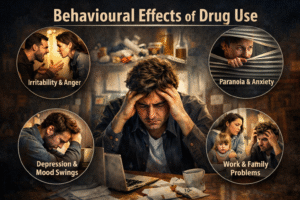
Drug use doesn’t just affect physical health—it significantly alters behavior, emotions, and decision-making. Recognizing the behavioural effects of drug use is crucial, especially for small business owners, who often face high stress and responsibility while balancing personal and professional life.
Behavioral changes can be subtle at first, including mood swings, irritability, or social withdrawal. Over time, these changes can impact relationships, work performance, and mental health. Early identification of these signs is essential to intervene effectively and support drug addiction recovery. Seeking professional guidance from Sanchit Rehab Centre in Gwalior can provide structured therapy, counseling, and support to manage these behavioral changes and ensure long-term recovery.
This guide explores the behavioral effects of drug use, the psychological warning signs, and strategies to help individuals regain control and stability in their lives.
Behavioural Effects of Drug Use
Drug use disrupts the brain’s chemical balance, causing noticeable changes in thoughts, emotions, and actions. Recognizing the Behavioural Effects of Drug Use—such as mood swings, irritability, and poor decision-making—is crucial for early intervention. Understanding these Behavioural Effects of Drug Use helps individuals and families take timely steps toward drug addiction recovery and long-term well-being.
Common Behavioral Changes Due to Drug Use
: Mood Swings from Drug Use
- Sudden irritability or anger
- Frequent sadness or depression
- Overreaction to minor issues
- Unexplained bursts of energy or euphoria
Changes in Social Behavior
- Withdrawal from friends and family
- Loss of interest in hobbies and activities
- Difficulty maintaining professional relationships
- Preference for isolation or secrecy
Cognitive and Decision-Making Changes
- Poor judgment or risky choices
- Memory lapses or forgetfulness
- Difficulty concentrating or focusing
- Impulsivity in personal or business decisions

Long-Term Behavioural Effects of Drug Use
Behavioral Effects of Long-Term Drug Use
- Chronic irritability and emotional instability
- Increased anxiety or paranoia
- Persistent mood swings and depression
- Difficulty managing responsibilities, including work and family
Chronic Irritability and Emotional Instability
One of the most common behavioural effects of drug use is chronic irritability and emotional instability. Individuals may react angrily or overreact to minor issues, experience sudden frustration, or have difficulty controlling emotions. These mood fluctuations are not random—they are a direct result of chemical changes in the brain caused by prolonged substance use. Recognizing chronic irritability as a behavioural effect of drug use is crucial for early intervention and helps both families and professionals provide appropriate support.
Increased Anxiety or Paranoia
Another major behavioural effect of drug use is heightened anxiety or paranoia. Drugs disrupt the normal balance of neurotransmitters, leading to persistent worry, fear, or suspicious thoughts. Individuals may constantly feel threatened or mistrust those around them, which impacts relationships at home and work. Identifying increased anxiety or paranoia as a behavioural effect of drug use allows for timely therapy and recovery measures to prevent escalation into more severe mental health issues.
Persistent Mood Swings and Depression
Persistent mood swings and depression are key behavioural effects of drug use that affect emotional stability and daily functioning. These individuals may experience sudden highs and lows, periods of hopelessness, or loss of interest in activities they once enjoyed. Such emotional volatility is a hallmark of addiction’s impact on behavior. Understanding mood swings and depression as behavioural effects of drug use helps family members, friends, and professionals recognize early signs and intervene effectively.
Difficulty Managing Responsibilities, Including Work and Family
A significant behavioural effect of drug use is the inability to manage responsibilities, including both professional and personal obligations. Individuals may miss deadlines, forget important tasks, or fail to fulfill family commitments. Work performance often suffers due to reduced focus, poor decision-making, and impulsive behavior—all classic behavioural effects of drug use. Early recognition of this pattern is essential for initiating drug addiction recovery strategies and restoring balance in both home and work life.
Impact on Professional Life for Small Business Owners
Small business owners may notice:
- Decline in work performance
- Poor communication with employees or clients
- Financial mismanagement due to impulsive decisions
- Strained relationships with partners or family
Recognizing these patterns early can help mitigate long-term damage and improve recovery outcomes.
Psychological Effects That Affect Behavior
Anxiety and Depression
Drugs disrupt normal brain chemistry, leading to persistent anxiety or depression that affects daily behavior.
Paranoia and Distrust
Long-term use can cause suspicion toward colleagues, family members, or business partners.
Reduced Impulse Control
Addiction reduces the ability to resist cravings, leading to reckless actions or decisions that can impact both personal and professional life.
How to Recognize the Signs Early
- Notice changes in sleep patterns or appetite
- Track sudden mood swings or emotional outbursts
- Monitor social withdrawal or isolation
- Observe changes in work performance or decision-making
- Keep an eye on repeated risky behavior
Early detection is key for effective drug addiction recovery.
Practical Steps to Address Behavioral Changes
Seek Professional Help
- Connect with a trusted Nasha Mukti Kendra
- Enroll in counseling and therapy programs
- Consider family therapy to rebuild support systems
Develop Healthy Habits
- Maintain a balanced routine with regular sleep and exercise
- Engage in hobbies and social activities
- Practice mindfulness and stress management techniques
Build a Support Network
- Encourage communication with trusted family and friends
- Join peer support groups
- Stay accountable with mentors or counselors
Behavioral Changes During Drug Addiction Recovery
Recovery itself may bring temporary behavioral changes, including:
- Mood fluctuations as the body detoxifies
- Anxiety about maintaining sobriety
- Frustration during therapy or lifestyle adjustments
Support from family, professional counselors, and structured programs can help manage these temporary changes and ensure long-term stability.

Summary and Call to Action
Understanding the behavioural effects of drug use is crucial for early intervention and successful recovery. Mood swings, social withdrawal, poor decision-making, and long-term cognitive changes are signs that should never be ignored.
For small business owners, recognizing these signs early can protect professional performance, personal relationships, and overall well-being. Seeking help from a professional Nasha Mukti Kendra ensures structured therapy, behavioral monitoring, and support for long-term recovery.
Take the first step today to safeguard your life and the lives of loved ones by addressing behavioral changes early.
FAQ
Q1. What are the most common behavioral effects of drug use?
Mood swings, irritability, social withdrawal, impulsive decisions, and poor concentration are common behavioral effects.
Q2. How does long-term drug use affect behavior?
Long-term use leads to chronic emotional instability, persistent anxiety or depression, paranoia, and difficulty managing responsibilities.
Q3. Can behavioral changes be reversed?
Yes. With professional treatment, counseling, lifestyle changes, and family support, behavioral effects can improve significantly.
Q4. How can small business owners identify addiction-related behavioral changes?
Monitor changes in work performance, decision-making, social behavior, and emotional stability. Early detection is key.
Q5. How does Nasha Mukti Kendra help with behavioral recovery?
It provides structured therapy, counseling, relapse prevention, and family support programs to restore emotional and behavioral balance.