Author name: Atul Manori

Blog

Nasha Mukti Kendra in Mandla- Sanchit Rehab

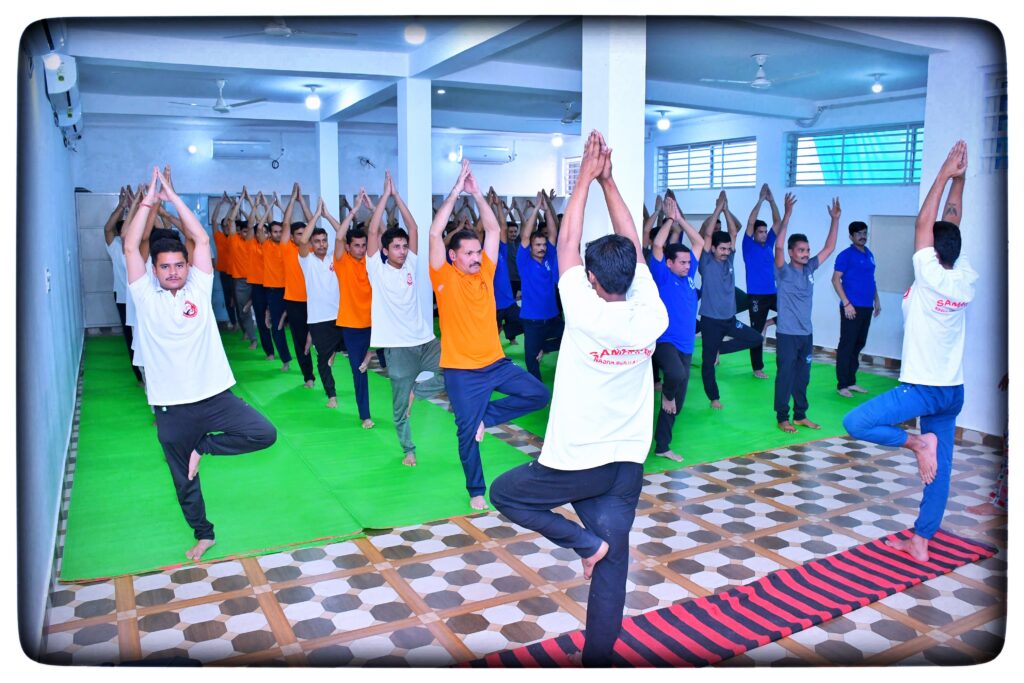
Sanchit Rehab is a trusted Nasha Mukti Kendra in Mandla offering professional rehabilitation services for individuals struggling with addiction. The centre provides detox support, counselling, therapy sessions, and structured recovery programs designed to promote physical and mental well-being. With experienced staff and a patient-focused approach, Sanchit Rehab works toward long-term recovery rather than temporary treatment. The centre helps individuals rebuild confidence, develop healthier habits, and return to a more stable and productive life. Nasha Mukti Kendra in Mandla- Sanchit Rehab Addiction can seriously affect a person’s physical health, mental condition, relationships, and overall quality of life. Finding the right rehabilitation support is important for individuals and families looking for lasting recovery solutions. A professional Nasha Mukti Kendra in Mandla provides structured treatment, counselling, and medical care to help patients recover in a safe and supportive environment. Sanchit Rehab is committed to helping individuals overcome alcohol and drug addiction through personalised recovery programs and professional guidance. The centre focuses on long-term healing, behavioural improvement, and emotional stability to support a healthier and addiction-free lifestyle. Why Addiction is Rising in Mandla Mandla’s unique combination of tribal heritage, relative geographic isolation, and economic challenges creates specific vulnerabilities that have contributed to the rise in addiction cases: Traditional liquor and cultural normalisation: Mahua and other locally brewed drinks have deep cultural roots in Mandla’s tribal communities. While moderate traditional use is common, the shift to cheaper industrial alcohol and illicit substances has led to severe dependency problems. Forest and agricultural labour stress: Seasonal income, physical exhaustion from forest work, and unpredictable livelihoods lead many men to alcohol as a daily coping mechanism. Lack of professional mental health services: Mandla is a remote district with very limited psychiatric resources. People dealing with depression, PTSD (especially prevalent in communities facing displacement or forest rights issues), or anxiety have nowhere to go — so they self-medicate. Youth and peer influence: Young people from Mandla who travel to larger cities for education or work often return with new substance habits. These then spread within local peer networks. Deep stigma around seeking help: In close-knit tribal communities, admitting addiction is seen as shame for the entire family — which means people suffer far longer before reaching a rehab centre in Madhya Pradesh. Hidden Reality: What Families in Mandla Are Facing Today In Mandla’s villages and towns, the pain of addiction is felt most by women. A wife who watches her husband spend every rupee on alcohol while children go hungry. A mother who hears her daughter crying behind a closed door. A grandmother trying to raise grandchildren because both parents are too deep in addiction to function. There is also a growing problem among Mandla’s younger generation. Young men and women who left for cities like Jabalpur, Bhopal, or Nagpur, struggled to adapt, found substances as a way to cope with loneliness and pressure, and came back changed. Their families see the deterioration but don’t know what to do. Talking doesn’t help. Anger doesn’t help. Only professional intervention works. These are not isolated cases. These are patterns — and they require a structured, medically sound response from a trusted rehabilitation centre. Our Approach At Sanchit Rehab, we follow a well-planned recovery process that focuses on improving physical health, emotional stability, and positive behavioural transformation. Our approach is designed to help individuals recover safely while building confidence, discipline, and long-term mental strength. 1.Personalised Assessment and Recovery Planning: Before starting treatment, we carefully understand each individual’s addiction condition, emotional challenges, and lifestyle habits. Based on this evaluation, a personalised recovery strategy is prepared to support effective and long-lasting improvement. 2.Medical Supervision and Monitored Care: Our medical professionals regularly observe residents to ensure a safe and stable recovery environment throughout the treatment period. Proper monitoring helps manage health concerns, withdrawal symptoms, and overall physical well-being efficiently. 3.Individual and Group Counselling Sessions: Personal counselling allows individuals to discuss emotional struggles, stress, and addiction-related challenges in a confidential setting. Group discussions encourage motivation, social support, and learning through shared recovery experiences. 4.Family Guidance and Emotional Support: Family support is important for building emotional confidence and maintaining long-term recovery after treatment. We guide family members on communication, emotional understanding, and creating a supportive home environment. 5.Yoga, Meditation, and Daily Discipline: Yoga and meditation help improve mental focus, emotional control, and inner calmness during rehabilitation. A disciplined daily schedule encourages healthier routines, time management, and a more balanced lifestyle. 6.Relapse Prevention and Post-Care Planning: We prepare individuals with practical coping techniques and recovery strategies to reduce the risk of relapse after treatment. Continued guidance and follow-up support help maintain stability and encourage positive long-term habits. This structured and recovery-focused method makes us a dependable Nasha Mukti Kendra in Mandla, Madhya Pradesh for individuals seeking professional addiction rehabilitation and wellness support. Our Services At Sanchit Rehab, we provide specialised recovery programs designed to help individuals overcome different types of addiction with professional care, counselling, and structured rehabilitation support. As a trusted Nasha Mukti Kendra in Mandla, our goal is to help individuals regain control of their lives through safe, effective, and long-term recovery solutions. 1.Alcohol Addiction Program: Our alcohol recovery program focuses on helping individuals safely overcome alcohol dependency through medical support, counselling, and behavioural improvement techniques. We help residents rebuild self-control, emotional stability, and healthier daily habits for long-term sobriety. 2.Drug Addiction Program: This program is designed for individuals struggling with substance abuse and harmful drug dependency. Through supervised care, therapy sessions, and emotional guidance, we support complete physical and mental recovery from addiction. 3.Nicotine Addiction Program: Nicotine addiction can seriously affect both physical health and mental dependence over time. Our treatment approach helps individuals reduce cravings, improve self-discipline, and gradually develop a tobacco-free lifestyle. 4.Cannabis Addiction Program: Excessive cannabis use can impact focus, emotional balance, and overall daily functioning. Our recovery program helps individuals regain mental clarity, confidence, and healthier routines through counselling and structured support. 5.Opioids Addiction Program: Opioid addiction requires careful monitoring and professional rehabilitation due to its strong physical and psychological

Nasha Mukti Kendra in Nagda
Blog

Sanchit Nasha Mukti Kendra in Nagda

Sanchit Rehab is a trusted Nasha Mukti Kendra in Mandla that provides professional care and rehabilitation support for individuals struggling with alcohol and drug addiction. The centre offers structured treatment programs, counselling sessions, detox support, and therapy in a safe and disciplined environment. With experienced staff and personalised recovery plans, Sanchit Rehab focuses on long-term healing and behavioural improvement. The centre helps individuals regain confidence, improve mental well-being, and work toward a stable and addiction-free life. Sanchit Nasha Mukti Kendra in Nagda Welcome to Sanchit Nasha Mukti Kendra, a trusted and professionally managed Nasha Mukti Kendra in Nagda dedicated to helping individuals recover from alcohol, drug, and substance addiction through safe and structured rehabilitation programs. Our centre focuses on creating a supportive environment where individuals can rebuild their physical health, emotional stability, and confidence with proper care and guidance. At Sanchit Rehab, we combine professional counselling, wellness activities, medical supervision, and behavioural support to encourage long-term recovery and positive lifestyle changes. Our experienced team of counselors, healthcare professionals, and wellness experts works closely with every resident to understand their personal challenges and provide customised recovery support in a peaceful and disciplined setting. Why Addiction is Rising in Nagda Nagda’s industrial backbone — particularly the chemical and textile industries — brings with it unique social pressures. Long factory shifts, job insecurity, labour migration, and the stress of daily wages create an environment where many men (and increasingly, younger people) turn to substances as a way to “unwind.” Some of the key reasons addiction is growing in Nagda include: Industrial stress: Physical labour and mental fatigue from factory work push many workers toward daily alcohol use. Easy availability: Cheap country liquor and locally sourced substances are easy to get in small towns and nearby villages. Youth unemployment: Young men who cannot find stable work drift into substance circles for a sense of belonging. Lack of awareness: Many families don’t recognise early addiction as a medical problem — they see it as a “habit” or a character flaw. Social stigma: Shame around seeking help means people wait far too long before reaching out to a professional drug addiction treatment centre. Hidden Reality: What Families in Nagda Are Facing Today Behind closed doors in Nagda, there are countless untold stories. A wife who hides her husband’s drinking from their children. A mother who lies awake wondering if her son will come home safe tonight. A father who has quietly sold household items to fund his habit, while his family watches and weeps. Addiction doesn’t just destroy the person using — it tears apart the entire family unit. Children grow up in homes filled with fear and unpredictability. Spouses carry impossible burdens of both financial pressure and emotional exhaustion. And the person addicted? They are often trapped in a cycle of shame, withdrawal, and relapse — desperately wanting to stop but not knowing how. This is why professional treatment matters. Not willpower. Not promises. Real medical and psychological intervention that breaks the cycle for good. Our Approach At Sanchit Rehab, we follow a recovery-focused treatment process that helps individuals overcome addiction through professional care, emotional support, and healthy lifestyle development. Our goal is to create lasting improvement by addressing both the physical and psychological effects of addiction in a structured environment. 1.Personalised Assessment and Recovery Planning: Every individual is carefully assessed to understand their addiction condition, emotional health, and personal recovery needs. Based on this evaluation, we prepare a customised treatment plan focused on safe and long-term recovery. 2.Medical Supervision and Monitored Care: Our medical team regularly monitors residents to ensure proper care and stability throughout the rehabilitation process. Continuous supervision helps manage withdrawal symptoms, health concerns, and recovery progress effectively. 3.Individual and Group Counselling Sessions: Personal counselling sessions allow individuals to openly discuss stress, emotional struggles, and addiction-related challenges in a confidential space. Group interactions encourage support, motivation, and learning from shared recovery experiences. 4.Family Guidance and Emotional Support: Family counselling helps improve communication, emotional understanding, and trust between residents and their loved ones. We guide families on how to create a positive and supportive environment after treatment. 5.Yoga, Meditation, and Daily Discipline: Yoga and meditation help individuals improve focus, reduce mental stress, and develop emotional balance during recovery. A disciplined routine also encourages healthier habits and a more organised lifestyle. 6.Relapse Prevention and Post-Care Planning: We provide practical strategies and recovery guidance to help individuals avoid relapse after completing treatment. Our post-care planning supports continued personal growth, confidence, and long-term addiction-free living. This complete and supportive recovery method makes us a dependable Nasha Mukti Kendra in Nagda, Madhya Pradesh for individuals seeking safe and professional addiction rehabilitation services. Our Services At Sanchit Rehab, we provide professionally designed addiction recovery programs that focus on physical healing, emotional stability, and long-term behavioural improvement. Our treatment services are created to help individuals recover safely while building confidence, discipline, and a healthier future. 1.Alcohol Addiction Program: Our alcohol recovery program helps individuals overcome dependency through structured counselling, wellness support, and supervised rehabilitation care. We focus on improving emotional control, mental clarity, and long-term sobriety in a supportive environment. 2.Drug Addiction Program: This program is designed to support individuals struggling with substance abuse and harmful drug dependency. Through therapy, medical observation, and recovery-focused guidance, we help residents regain stability and healthier life habits. 3.Nicotine Addiction Program: Nicotine addiction can affect both mental focus and physical health over time if left untreated. Our program helps individuals gradually reduce dependence, manage cravings, and develop a tobacco-free lifestyle with proper support. 4.Cannabis Addiction Program: Frequent cannabis use can impact motivation, concentration, and emotional balance in daily life. Our rehabilitation approach focuses on restoring mental wellness, improving self-discipline, and encouraging positive lifestyle changes. 5.Opioids Addiction Program Opioid dependency requires professional supervision due to its strong physical and emotional effects on the body. We provide monitored care, counselling support, and relapse prevention strategies for safer long-term recovery. 6.Gambling Addiction Program Gambling addiction can lead to emotional stress, financial instability, and damaged personal

Nasha Mukti Kendra in Bina
Blog

Nasha Mukti Kendra in Bina | Trusted Addiction Rehab Centre

Bina — an important railway junction town in Sagar district of Madhya Pradesh — sits at the intersection of major rail and road networks connecting central India. Its status as an industrial and transit hub makes it a place of opportunity, but also a place where addiction quietly takes hold in ways many families aren’t prepared to deal with. If you are looking for a reliable Nasha Mukti Kendra in Bina, you’ve likely already seen what addiction does to a family from the inside. The sleepless nights. The broken promises. The fear of what the morning will bring. Sanchit Rehab has spent years helping families exactly like yours — people from Bina and across Sagar district who came to us desperate and left with their loved one and their family intact again. From complete drug addiction treatment to specialised alcohol addiction treatment, Sanchit Rehab offers the full spectrum of evidence-based care under one roof. Why Addiction is Rising in Bina Bina’s character as a railway junction and refinery town creates very specific social conditions that make addiction a serious and growing problem: Refinery and industrial labour: Bina’s BPCL refinery and associated industries employ thousands. Night shifts, work pressure, and the monotony of industrial labour create an environment where alcohol is used heavily to “decompress” — and where this pattern escalates into dependency over time. Railway junction culture: Junction towns have historically been hubs where substances flow more freely. The movement of goods, people, and cash creates both access and opportunity for substance trade and use. Migrant worker population: Bina attracts workers from surrounding districts who live without family networks nearby. Loneliness, isolation, and lack of support systems make this population particularly vulnerable to substance dependence. Youth idleness: Young men who couldn’t secure work in Bina’s industries or railways find themselves with time but no purpose — a combination that very often leads to substance experimentation that turns into addiction. Limited addiction awareness: In Bina, as in many semi-urban MP towns, addiction is still widely seen as a moral failing rather than a medical condition. This prevents families from seeking professional help from a rehab centre in Madhya Pradesh until the situation becomes truly critical. Hidden Reality: What Families in Bina Are Facing Today The reality inside Bina’s homes is often very different from what neighbours see. A refinery worker who is dependable at work but drinks every night until he passes out at home. Children who do homework with headphones in so they don’t hear the arguments. A wife who has become an expert at managing crises, hiding money, and making excuses — all while carrying an unbearable emotional weight alone. In Bina’s more affluent families, the addiction may look different — prescription sedatives or anxiety medications that started legitimately and became dependency. Or social drinking that escalated at corporate parties and business dinners until it was no longer social at all. What unites all these families is the same feeling: this is too big to handle alone. And they are right. It is. But it is absolutely not too big for a professionally structured treatment program. The families from Bina who took that step tell us, without exception, that they wish they had done it sooner. Warning Signs You Should Not Ignore For families in Bina, here are the warning signs that indicate professional help is urgently needed: Physical signs: Can’t get through a morning without drinking, visible hand tremors, frequent nausea or vomiting, extreme fatigue, unexplained weight change, yellow tinge to eyes or skin Behavioural signs: Coming home at all hours, unexplained cash shortages, hiding substances in car or workplace, lies that are clearly untrue but told confidently Emotional signs: Aggressive or violent behaviour when denied substance access, deep self-loathing expressed when sober, inability to experience pleasure or joy without substances Social signs: Colleagues complaining or covering for them at work, children withdrawing or becoming anxious, complete social withdrawal from extended family gatherings When three or more of these apply, a professional detox treatment and rehabilitation program is the most important thing you can do for your family right now. Step-by-Step Treatment Program at Sanchit Rehab Our treatment approach at Sanchit Rehab is not theoretical — it has been shaped and refined through thousands of real patient journeys, including many from Bina and the Sagar district. Here is what treatment actually involves: Assessment & Admission: The journey begins with a detailed, compassionate intake process. Our clinical team evaluates addiction severity, physical health status, mental health history, family situation, and personal recovery goals. This creates the foundation for a treatment plan that is built around the individual — not a generic template. Medical Detox (7–14 Days): For patients from Bina — many of whom have used alcohol or drugs heavily over years — the detox phase is medically critical. Our detox treatment is conducted under continuous doctor supervision, with approved medications and round-the-clock monitoring. This is the phase that makes everything else possible. Therapy & Rehabilitation (28–90 Days): This is where true transformation happens. Daily individual therapy using CBT and motivational enhancement techniques, structured group sessions, anger and emotion management workshops, yoga, meditation, life skills training, and vocational guidance combine to rebuild the person from the inside out. Family Counselling: We work with families in Bina throughout the treatment period — both through on-site sessions and remote consultations. Addiction creates wounds in families that need their own healing. Our counsellors help families communicate better, rebuild trust, and prepare for the patient’s return home. Relapse Prevention & Aftercare: Our relapse prevention program is built around the specific triggers, vulnerabilities, and social environment of each patient. Bina patients leave with a detailed written plan, scheduled check-in calls, and access to our support network — because we know recovery is a journey, not a destination. Why Families Trust Sanchit Rehab Officially registered and licensed de-addiction centre under Madhya Pradesh state regulations Qualified psychiatrists and certified addiction counsellors — not general practitioners 6,000+ documented successful recoveries from across Madhya Pradesh Complete patient

Nasha Mukti Kendra in Betul
Blog

Nasha Mukti Kendra in Betul | Proven De-Addiction Treatment

Betul — sitting in the southern Madhya Pradesh highlands, connected between Bhopal and Nagpur — is a district with a growing, largely unspoken addiction problem. From the industrial corridors to the farming villages, alcohol and drug dependence is touching more families than ever before. And most of them are suffering without knowing that professional help — a reliable Nasha Mukti Kendra in Betul — is within reach. Addiction does not discriminate. It takes educated professionals and daily-wage labourers alike. It shatters families that seemed perfectly fine from the outside. And in a district like Betul — where social reputation still carries enormous weight — the shame and secrecy around addiction makes it far worse than it needs to be. This page is for families in Betul who are done waiting and hoping things will get better on their own. Sanchit Rehab offers a medically proven path to recovery, with a compassionate team that understands your circumstances and is ready to help right now. Why Addiction is Rising in Betul Betul’s specific social and economic profile has created unique conditions for addiction growth. Understanding these factors helps families take them seriously rather than dismissing the problem as “normal” or “temporary”: Highway and transport culture: Betul sits on major national highways connecting MP to Maharashtra. Transport workers, truckers, and associated trades create environments where alcohol use is extremely normalised and available around the clock. Agricultural stress: Farmers in Betul’s rural areas face crop failures, loan pressures, and monsoon uncertainty. The mental burden often leads to heavy alcohol use as stress relief, which over time becomes physical dependency. Youth unemployment and migration: Young men from Betul who can’t find work locally often migrate, encounter drugs in city environments, and return with substance habits that slowly destroy families back home. Readily available cheap alcohol: The density of liquor outlets in Betul district — including informal supply in villages — means substances are easy and cheap to access at any hour. Untreated mental health: Depression and anxiety are vastly undertreated in Betul. Without proper mental health support, people self-medicate with alcohol and other substances — a cycle that deepens rapidly. Hidden Reality: What Families in Betul Are Facing Today In Betul’s towns and villages, addiction looks like this: a respected teacher who starts drinking at lunch. A farmer’s son who came back from Pune different — quieter, angrier, thinner — and now asks for money every day. A woman whose husband hasn’t been sober in three years, whose children have stopped inviting friends home because of the shame. One of the most painful parts of addiction for Betul families is the hope-and-relapse cycle. The person promises to quit. They do — for a week, maybe a month. Then something happens — stress, a celebration, old friends — and they’re back where they started, sometimes worse. This cycle doesn’t break on its own. It requires structural, professional intervention. The families in Betul who finally reached out to a professional rehab centre in Madhya Pradesh consistently say the same thing: “We wish we had done this years ago.” Don’t let more years pass.Warning Signs You Should Not Ignore In Betul, as in many semi-urban areas, addiction warning signs are often minimised until it’s too late. Watch for these: Physical signs: Unable to start the day without drinking, persistent liver pain or jaundice, significant weight loss, injuries from frequent accidents while under influence Behavioural signs: Skipping work consistently, disappearing for days, stealing or selling household belongings, dramatically different social circle Emotional signs: Explosive anger over small things, extreme guilt after using, promising to stop repeatedly and failing, expressed hopelessness about the future Social signs: Children performing poorly in school due to home stress, complete withdrawal from community events, spouse taking loans to manage daily expenses If you see these patterns, proper detox treatment and professional therapy is not optional — it is urgently necessary. Step-by-Step Treatment Program at Sanchit Rehab Sanchit Rehab uses a proven five-stage model developed and refined across thousands of patient cases. For Betul patients, here is exactly what the treatment journey looks like: Assessment & Admission: A senior clinician conducts a full intake evaluation covering addiction type and duration, physical health, psychiatric history, family dynamics, and recovery goals. This forms the basis of an entirely individualised treatment plan. Medical Detox (7–14 Days): Our medically supervised detox treatment phase manages withdrawal safely. For patients with long-standing alcohol dependence — very common in Betul — our team monitors vital signs, administers withdrawal medications, and provides 24/7 nursing care to ensure the patient’s safety and comfort throughout this critical phase. Therapy & Rehabilitation (28–90 Days): The intensive therapeutic core of recovery. Patients receive individual therapy (CBT and motivational enhancement), group therapy with peers, anger management, yoga and mindfulness, vocational guidance, and structured daily activity schedules. This phase fundamentally reshapes how the patient thinks and responds to life. Family Counselling: Sanchit Rehab strongly believes that healing the family is as important as healing the patient. We work with family members in Betul — through on-site visits or remote sessions — to repair relationships, rebuild communication, and help families understand their role in sustaining recovery. Relapse Prevention & Aftercare: The relapse prevention program at Sanchit Rehab is personalised, practical, and ongoing. Patients leave with a written plan, emergency contacts, trigger awareness, and scheduled follow-up sessions. We do not disappear after discharge — we stay connected. Why Families Trust Sanchit Rehab Government registered and licensed under Madhya Pradesh de-addiction facility regulations Experienced psychiatrists and addiction specialists — not general practitioners 6,000+ verified recovery outcomes from across Madhya Pradesh Strict patient confidentiality — no information leaves the treatment team Safe, clean, structured residential facility with no exposure to triggering environments Customised treatment — no cookie-cutter programs Strong family integration throughout the treatment journey Accessible admissions team — available to answer every question before you commit Benefits of Professional De-Addiction Treatment Medically: Particularly for long-term alcohol users — a significant population in Betul — stopping abruptly without professional oversight can cause

Nasha Mukti Kendra in Shahdol
Blog

Nasha Mukti Kendra in Anuppur | Trusted De-Addiction Centre

Anuppur — a district nestled in the tribal and forested heartland of eastern Madhya Pradesh — is facing a growing but silent addiction crisis. Families here are dealing with alcohol dependence, prescription drug misuse, and substance abuse that’s quietly spreading across communities. If you are searching for a reliable Nasha Mukti Kendra in Anuppur, you have come to the right place.The pain of watching someone you love lose themselves to addiction is unlike anything else. A son who was once a proud earning member of the family. A husband whose drinking has turned the home into a place of fear. Or a young person whose promising future is being destroyed by substances. In Anuppur, these stories are far more common than people talk about — but there is real, proven help available. Sanchit Rehab has supported families from remote districts like Anuppur through a comprehensive drug addiction treatment program that goes far beyond just stopping substance use — it rebuilds lives entirely. Why Addiction is Rising in Anuppur Anuppur’s geography — remote, forested, with limited economic opportunities — creates unique vulnerabilities that fuel addiction growth. Understanding these helps families recognise the problem earlier: Mining and labour culture: Coal and mineral extraction industries in the region attract male workers who often cope with physical exhaustion through daily alcohol use, which gradually becomes dependency. Tribal liquor traditions: While traditional beverages have cultural roots, the shift to stronger, commercially produced alcohol has led to more serious addiction patterns in rural Anuppur communities. Limited mental health access: There are very few mental health or psychiatric services in Anuppur. People suffering from depression, trauma, or anxiety often turn to substances instead of getting proper care. Migration stress: When breadwinners migrate to larger cities for work and return periodically, they often bring substance habits back with them — and these spread within the community. Stigma and silence: Addiction in tribal and rural communities is often hidden out of shame, allowing it to worsen unchecked for years before a family seeks alcohol addiction treatment. Hidden Reality: What Families in Anuppur Are Facing Today Imagine a family in one of Anuppur’s villages — a mother who has been managing everything alone because her husband drinks from morning. The children are growing up watching this. The household finances are in chaos. She has tried asking him to stop, tried crying, tried praying. Nothing has changed. And she doesn’t know there’s a medically proven way to break this cycle. Or consider a young tribal boy who started with alcohol at festivals, then moved to something stronger when the peer pressure got heavier. His parents thought it would pass. It didn’t. Now he’s dependent, and the family — who already struggles financially — doesn’t know how to afford treatment or who to trust. These stories play out every day in Anuppur. The families aren’t weak — they simply don’t have access to the right information. That information is what this page aims to provide. A rehab centre in Madhya Pradesh that truly understands these lives is the answer. Warning Signs You Should Not Ignore In rural and semi-urban districts like Anuppur, families sometimes normalise certain behaviours as “cultural” or “common.” These are the signs that something more serious is happening: Physical signs: Unable to function without drinking, frequent vomiting in the morning, hand tremors, slurred speech, swollen face or yellowing of skin (liver warning signs) Behavioural signs: Borrowing money repeatedly without explanation, disappearing for days, hiding alcohol in unusual places, becoming aggressive when access is blocked Emotional signs: Extreme mood swings, paranoia, crying without clear reason, threatening self-harm when confronted about substance use Social signs: Abandoning family responsibilities, losing jobs, children reporting fear at home, social avoidance and complete withdrawal Step-by-Step Treatment Program at Sanchit Rehab At Sanchit Rehab, we believe recovery is possible for every person — regardless of how long they have been addicted or how severe the case. Here is our structured treatment approach for patients from Anuppur: Assessment & Admission: A thorough intake assessment covers addiction history, physical health, mental health, family background, and social environment. This allows us to create a completely personalised treatment plan — not a one-size-fits-all approach. Medical Detox (7–14 Days): Our detox treatment phase is managed by our medical team 24/7. Withdrawal from alcohol or drugs can be physically dangerous — our doctors ensure the process is safe, managed, and as comfortable as possible. Therapy & Rehabilitation (28–90 Days): This phase is where real transformation happens. Patients attend individual therapy, group sessions, cognitive behavioural therapy, anger management, spiritual practices, yoga, and life skills workshops. We address the root cause — not just the symptom. Family Counselling: Addiction damages trust, communication, and emotional bonds within families. Our counsellors work with families from Anuppur (including remote sessions if needed) to heal these wounds and prepare everyone for successful reintegration. Relapse Prevention & Aftercare: Before discharge, patients receive a personalised relapse prevention program plan. This includes identifying triggers, coping strategies, support group connections, and scheduled follow-up check-ins. Why Families Trust Sanchit Rehab Registered and licensed under government regulations for de-addiction facilities Team of experienced psychiatrists, counsellors, and addiction specialists 6,000+ successful recoveries — many from rural and remote districts like Anuppur Strictly confidential — your family’s situation is never disclosed Safe, peaceful residential environment away from urban chaos Programs tailored to the specific cultural and social backgrounds of patients Dedicated female ward for women seeking treatment Affordable, transparent pricing with no hidden charges Benefits of Professional De-Addiction Treatment Medical safety: Sudden stopping of alcohol after long-term use can trigger seizures, hallucinations, and even cardiac events. Professional alcohol addiction treatment includes life-saving medical monitoring that simply cannot happen at home. Psychological healing: Many people in Anuppur use substances to cope with underlying trauma, grief, or depression. Our therapists help patients process these buried emotions, breaking the cycle of substance use as self-medication. Social rehabilitation: The structured program environment builds new routines, healthy relationships, and a sense of purpose. Patients leave not just sober, but with

Blog

Nasha Mukti Kendra in Shahdol – Trusted Addiction Treatment Centre

Sanchit Rehab is a government-registered de-addiction centre providing professional treatment for patients from Shahdol. Services include medical detox, therapy, psychiatric care, family counselling, and long-term aftercare. With over 6000 recoveries across Madhya Pradesh, Sanchit Rehab is the most comprehensive Nasha Mukti Kendra available to families in Shahdol seeking genuine, lasting recovery. Nasha Mukti Kendra in Shahdol – Best De-Addiction Centre Shahdol — a tribal-dominated, coal-rich district in eastern Madhya Pradesh — is growing economically. But beneath the surface of this development, thousands of families are quietly struggling with a crisis that no economic growth can fix: addiction. If you are searching for a Nasha Mukti Kendra in Shahdol for a son, a husband, a brother — someone whose addiction is tearing the family apart — please know that help is available. At Sanchit Rehab, we have walked alongside hundreds of families from eastern Madhya Pradesh, and we know how to help yours too. This guide will give you a clear picture of addiction in Shahdol, what treatment involves, and why Sanchit Rehab is the right choice for your loved one’s recovery. Why Addiction is Rising in Shahdol Shahdol presents a unique addiction landscape shaped by its geography, tribal culture, economy, and the rapid changes brought by industrial development in recent years. Coal industry and labour migration: Shahdol district is home to significant coal mining activity. The influx of migrant workers, cash transactions, and the rough lifestyle of mining communities has increased the circulation and use of alcohol and substances in the region. Tribal community vulnerabilities: Many of Shahdol’s tribal communities have traditions of country liquor consumption during festivals and rituals. What begins as culturally embedded practice can, over time, shift into daily dependency — especially under conditions of poverty and unemployment. Poverty and hopelessness: Despite natural resources, many parts of Shahdol district face persistent poverty. Young men with limited education and few job options are particularly vulnerable to substance use as a way to numb frustration and despair. Limited health awareness: Awareness about addiction as a medical condition remains low in many parts of Shahdol. Families often turn to traditional healers or try to manage the problem within the household for years before seeking medical help. Rise of synthetic drugs: Substances like smack and chitta — which are relatively cheap and highly addictive — have found their way into smaller towns and districts like Shahdol, creating new addiction patterns among young people. Addressing addiction in this context requires sensitive, culturally aware drug addiction treatment that meets people where they are. Hidden Reality: What Families in Shahdol Are Facing Today In many households across Shahdol — in the lanes of the town itself, in the mining colony quarters, in the forest-edge villages — the same painful story plays out with different faces. There is the Adivasi family whose eldest son worked briefly in the mines and came home with a habit he cannot shake. He drinks every day — country liquor from morning. The family has borrowed heavily and is on the verge of losing their small piece of land. Nobody in the extended family will talk about it openly. There is the government employee who started with occasional drinking and now cannot function without it. His colleagues cover for him, his wife has started keeping cash hidden, and his children are growing up watching their father disappear a little more every day. There is the young man who came back from the city full of energy and hope — and something else. Something he picked up in the city that now controls him completely. His mother locks herself in her room and cries every night. These families are not failing. They are fighting a disease they do not have the tools to beat. The right tool is professional help — at a qualified rehab centre in Madhya Pradesh that understands this disease and knows how to treat it. Warning Signs You Should Not Ignore Families in Shahdol sometimes normalise addiction behaviour because it has gone on for so long. Here are clear warning signs that professional help is urgently needed: Physical signs: Jaundice or liver problems from heavy drinking, needle marks on arms, constant drowsiness or unexplained energy spikes, dramatic weight changes, shaking or trembling especially in the morning Behavioural signs: Missing valuables or money from the house, unexplained debts, disappearing for long periods, inability to honour basic commitments at home or work Emotional signs: Violent outbursts followed by deep remorse, extreme depression or suicidal talk, emotional unavailability, paranoia or unfounded suspicion Social signs: Abandoning children’s school functions, stopping attendance at community or religious events, forming exclusively secretive friendships If several of these signs are present, please contact Sanchit Rehab immediately. Our detox treatment team is available 24/7 for emergencies. Step-by-Step Treatment Program at Sanchit Rehab Every patient from Shahdol who comes to Sanchit Rehab receives a personalised treatment plan. Here is what the complete recovery journey looks like: 1. Assessment & Admission On arrival, our medical and counselling team conducts a comprehensive assessment. We evaluate physical health, mental health, addiction history, and family situation. This forms the foundation of a treatment plan designed specifically for the individual. Families from Shahdol are guided through the admission process with care and sensitivity — language, culture, and financial concerns are all addressed upfront. 2. Medical Detox (7–14 Days) Our medical detox program is especially important for patients from Shahdol who may have long-term alcohol dependency or opioid use. The process is medically supervised around the clock, with medications used to control withdrawal symptoms and prevent dangerous complications. Patients are monitored for vital signs, nutrition, and psychological stability throughout detox. 3. Therapy & Rehabilitation (28–90 Days) The rehabilitation phase is where deep healing happens. Our team conducts individual counselling, group therapy, CBT-based sessions, and structured daily programming. For patients from rural or tribal backgrounds, our counsellors are trained to work in culturally sensitive ways — using simple Hindi, relevant examples, and practical strategies that are grounded in the patient’s own reality. 4.

 Nasha Mukti Kendra in Ratlam
Blog

Nasha Mukti Kendra in Ratlam – Best De-Addiction Centre

Sanchit Rehab is a trusted Nasha Mukti Kendra serving patients from Ratlam, offering complete addiction recovery including medical detox, therapy, counselling, and aftercare. With 6000+ successful recoveries and government registration, Sanchit Rehab is the right choice for families in Ratlam seeking professional de-addiction support.  Nasha Mukti Kendra in Ratlam– Best Rehab Centre Is someone in your family struggling with alcohol or drug addiction in Ratlam? If yes, you are not alone. Every single day, families across Ratlam wake up worrying about their loved ones — their health, their safety, their future. The pain of watching someone you love fall into addiction is unbearable. But there is hope. Sanchit Rehab is a professionally managed Nasha Mukti Kendra in Ratlam that has helped thousands of families find their way back to peace. Whether it is alcohol dependency, prescription drug misuse, or hard substance abuse, our team provides medically supervised care and compassionate support every step of the way. This guide will help you understand addiction, what a de-addiction centre does, and how Sanchit Rehab can help your family start fresh. Why Addiction is Rising in Ratlam Ratlam is a growing industrial and commercial town in Madhya Pradesh. While economic growth brings opportunity, it also brings new pressures — and those pressures are quietly fuelling addiction in many households. Several factors are contributing to the rise of substance abuse in Ratlam: Youth unemployment and idle time: Many young men in Ratlam lack structured employment, making them vulnerable to peer pressure and substance use as a way to cope with boredom and frustration. Easy availability of alcohol: Ratlam has a high density of liquor shops and desi daaru outlets. For young people and working-class men, cheap alcohol is alarmingly accessible. Industrial stress: Workers in factories and small businesses often deal with physical exhaustion, erratic incomes, and job insecurity — leading many to alcohol as a stress reliever. Lack of awareness: Many families in Ratlam still see addiction as a moral failure rather than a medical condition. This stigma prevents people from seeking timely help. Rising drug circulation: Like many Madhya Pradesh cities, Ratlam has seen an increase in the availability of smack, chitta, and other opioids in recent years. Understanding these root causes is the first step toward addressing the problem. Drug addiction treatment must target not just the substance, but the person behind the addiction. Hidden Reality: What Families in Ratlam Are Facing Today Behind the bustling bazaars of Ratlam and its busy streets lies a silent crisis that most families suffer behind closed doors. There is the mother who hides her son’s condition from neighbours, terrified of what people will say. There is the wife who has stopped sleeping soundly because she doesn’t know if her husband will come home drunk again. There is the father who has emptied his savings trying to manage his son’s erratic behaviour — paying bail, covering debts, buying medicines — with no real solution in sight. Children in these homes grow up in an environment of fear and instability. They perform poorly in school, develop anxiety, and sometimes fall into the same patterns as adults around them. The addiction doesn’t just destroy the person using substances. It slowly destroys the entire family system. But here is the truth: addiction is a disease. It is not a choice. It is not a character flaw. And just like any disease, it can be treated — medically, psychologically, and with the right support system. If your family is living through this right now, reaching out to a professional rehab centre in Madhya Pradesh is not a sign of weakness. It is the bravest thing you can do. Warning Signs You Should Not Ignore Sometimes families in Ratlam notice changes in their loved one but aren’t sure if it is serious enough to seek help. Here are the warning signs that indicate professional treatment is needed: Physical signs: Sudden weight loss, red or glazed eyes, trembling hands, poor hygiene, frequent sickness, slurred speech, disturbed sleep patterns Behavioural signs: Staying out late or disappearing for hours, lying and secrecy, stealing money or valuables, sudden aggression or violence, inability to hold a job Emotional signs: Extreme mood swings, depression, anxiety, paranoia, emotional numbness, loss of interest in hobbies and relationships Social signs: Withdrawing from family and old friends, associating with new and suspicious company, neglecting responsibilities at work or home If your loved one shows even three or four of these signs, do not delay. Early intervention leads to faster and more complete recovery. Contact our team today for a free consultation. Step-by-Step Treatment Program at Sanchit Rehab Our treatment program follows an evidence-based, medically supervised model. Every patient receives a personalised plan based on their specific addiction, history, and health condition. 1. Assessment & Admission When a patient arrives, our team conducts a thorough psychological and medical assessment. We understand the patient’s history, type of addiction, duration, and any co-occurring mental health conditions. This allows us to design the right treatment plan from day one. Families are also briefed and involved in the admission process. 2. Medical Detox (7–14 Days) Detoxification is the process of clearing substances from the body under medical supervision. Withdrawal can be physically dangerous — especially from alcohol and opioids — and should never be attempted alone. Our detox treatment is supervised 24/7 by medical professionals to ensure safety and comfort. Medications are used where needed to reduce withdrawal symptoms. 3. Therapy & Rehabilitation (28–90 Days) Once the body is stable, the real healing begins. Our rehabilitation program includes individual counselling, group therapy, Cognitive Behavioural Therapy (CBT), motivational sessions, and structured daily routines. Patients learn to identify triggers, develop healthy coping mechanisms, and rebuild their self-worth. 4. Family Counselling Addiction affects the whole family. Our counsellors work separately and jointly with family members to repair broken trust, improve communication, and create a healthy home environment for the patient’s return. Family involvement dramatically improves long-term recovery success. 5. Relapse Prevention & Aftercare Recovery doesn’t end when a

 Nasha Mukti Kendra in Umaria
Blog

Nasha Mukti Kendra in Umaria – Expert De-Addiction Treatment

Sanchit Rehab is a trusted government-registered Nasha Mukti Kendra offering complete de-addiction treatment for patients from Umaria. The program covers medical detox, psychiatric care, behavioural therapy, family counselling, and structured aftercare. With 6000+ successful recoveries across Madhya Pradesh, Sanchit Rehab is the professional, compassionate choice families from Umaria can count on.  Nasha Mukti Kendra in Umaria – Best Rehab Centre Umaria — a small but significant district in Madhya Pradesh, known for the famous Bandhavgarh National Park — is a place of natural beauty. But for thousands of families here, daily life is far from serene. Addiction is one of the most pressing and underreported problems affecting households across this district. If someone in your family in Umaria is struggling with alcohol or drug dependency, you may feel isolated — as if no one around you understands or can help. But that is not true. Sanchit Rehab, a trusted Nasha Mukti Kendra serving patients across Madhya Pradesh, has helped families in situations just like yours — and we can help you too. In this guide, we explain why addiction is so prevalent in districts like Umaria, what professional treatment involves, and how Sanchit Rehab can be the turning point your family needs. Why Addiction is Rising in Umaria Umaria is a largely rural and forested district, with significant tribal population, limited industrial development, and relatively high rates of unemployment. These conditions create fertile ground for addiction to take hold. Tribal community drinking traditions: Many of Umaria’s tribal communities have longstanding traditions of consuming mahua and other country liquors. While rooted in cultural practice, these traditions can slide into problematic daily use across generations, especially when coupled with stress and hardship. Limited economic opportunity: Young men in Umaria face a serious lack of formal employment. Without meaningful work, income, or structure to their days, many fall into substance use driven by boredom, peer pressure, and hopelessness. Forest and mining labour: Seasonal and informal labour in forest-related activities and nearby coal regions brings cash but also exposure to rough living conditions, heavy drinking cultures, and in some cases drug use. Poor healthcare access: Umaria has limited healthcare infrastructure compared to larger Madhya Pradesh cities. Mental health services and addiction treatment are particularly scarce, meaning people suffer for years before receiving proper help. Increasing drug circulation: Even in smaller districts like Umaria, the availability of affordable synthetic drugs has grown. Young people are being targeted, and families often discover the problem far too late. Addressing these complex social and structural factors requires drug addiction treatment that is empathetic, thorough, and rooted in an understanding of these communities. Hidden Reality: What Families in Umaria Are Facing Today Life in Umaria’s villages and small town lanes carries a quiet dignity — but in many homes, that dignity is being eroded every day by addiction. There is the woman whose husband works seasonal forest contracts and returns home each season with more money — and a deeper alcohol habit. During the off-season, he drinks through whatever was saved. The children’s school fees go unpaid. The house needs repair. She manages everything while he is absent — physically present but mentally gone. There is the young man who was meant to be the first in his family to go to college. He left for a nearby city, got introduced to drugs by his roommates, and came back within months — withdrawn, hollow-eyed, dependent. His mother does not understand what has happened to her son. She believes he is possessed. She has visited temples, paid for rituals, and wept every night. What she needs is a doctor — a real one. There is the retired government employee whose son is addicted and whose neighbours have started to notice. Every day he wakes up dreading what news the day will bring. He is ashamed, exhausted, and does not know where to turn. These are not failure stories. These are families who need the right help. The right help exists at a qualified rehab centre in Madhya Pradesh — and it can change everything. Warning Signs You Should Not Ignore Many families in Umaria wait too long before seeking help, often because they are unsure how serious the situation is. These warning signs indicate that professional intervention is needed without delay: Physical signs: Persistent trembling (especially in the morning), yellowing of eyes or skin from liver damage, significant weight loss, poor personal hygiene, constant fatigue or unexplained hyperactivity Behavioural signs: Disappearing for hours or days, lying constantly about whereabouts and spending, selling household items, inability to maintain any consistent work or routine Emotional signs: Episodes of violence followed by deep guilt and promises to stop, inability to feel joy in things that once mattered, extreme sensitivity or paranoia, talk of hopelessness or self-harm Social signs: Stopping participation in family events or religious practices, complete withdrawal from children and spouse, associating only with people involved in substance use Please do not wait for a medical emergency or a tragedy to act. Our detox treatment team is on call 24/7. Contact us now. Step-by-Step Treatment Program at Sanchit Rehab Our treatment program is built around the individual patient. Every person who comes to us from Umaria receives a personalised treatment plan based on their unique medical, psychological, and social situation. 1. Assessment & Admission The moment a patient arrives, our clinical team begins a thorough assessment. We evaluate the substance involved, duration and intensity of use, any co-existing mental or physical health problems, and the patient’s family and social context. Families from Umaria are spoken with in Hindi with full sensitivity to their cultural background and concerns. No question is too small — we are here to help you understand the process fully. 2. Medical Detox (7–14 Days) For patients with physical dependency — particularly on alcohol or opioids — medical detox is the essential first phase. Our doctors manage withdrawal symptoms using medically approved protocols, monitoring patients 24 hours a day. The goal is to get the patient through withdrawal

Blog

Nasha Mukti Kendra in Raisen – Professional De-Addiction Centre

A Nasha Mukti Kendra in Raisen offers medically supervised de-addiction treatment for alcohol and drug dependency. Sanchit Rehab provides a complete recovery program including safe detox, individual and group counselling, family therapy, and a structured relapse prevention plan to help individuals from Raisen achieve lasting sobriety.  Nasha Mukti Kendra in Raisen – Best Rehab Centre Raisen district, home to the historic Raisen Fort and the ancient caves of Bhimbetka, sits between Bhopal and Jabalpur along the Narmada belt. While Raisen carries a rich historical legacy, many families in the district are today grappling with a very modern crisis — the growing impact of substance addiction on health, relationships, and livelihoods. If you are searching for a Nasha Mukti Kendra in Raisen, Sanchit Rehab is here with professional, proven, and compassionate care. Sanchit Rehab is a government-registered rehabilitation centre in Madhya Pradesh with a dedicated team of psychiatrists, therapists, and support staff. We serve individuals and families across Madhya Pradesh, including those in Raisen, with a treatment approach rooted in evidence, dignity, and genuine concern for each patient’s long-term wellbeing. Why Addiction is Becoming a Concern in Raisen Raisen district lies in a geographically strategic corridor between the state capital Bhopal and the Narmada river region. This has contributed to rapid population growth, increased vehicular traffic, and greater social mobility — all of which can accelerate the spread of substance availability and use. Economic pressures are significant in Raisen, where many residents depend on agriculture, construction labour, or small trades. Financial uncertainty, seasonal unemployment, and the stress of providing for families can drive individuals toward alcohol as a form of stress relief. Over time, this slides from habit into dependency. The proximity to Bhopal also means easier access to a range of substances, including prescription drugs and illicit narcotics that flow from urban centres into surrounding districts. Among younger residents, lack of educational infrastructure in rural pockets of Raisen, combined with digital isolation and peer dynamics, increases the risk of substance experimentation. Without accessible drug addiction treatment facilities nearby, many families suffer in silence for years before seeking help. Signs That Someone Needs Professional De-Addiction Help Families in Raisen often ask how they can tell if a loved one’s drinking or drug use has crossed into addiction. Here are the clearest indicators that professional help is urgently needed: Physical signs: Unexplained weight loss, pale or yellowish skin, bloodshot eyes, unsteady gait, poor personal hygiene, physical symptoms of withdrawal (sweating, shaking, vomiting) when the substance is not available. Behavioural signs: Hiding or lying about substance use, frequent unexplained absences from home or work, financial problems including selling household items or borrowing money repeatedly, abandoning previously enjoyed activities. Emotional signs: Extreme mood swings, intense irritability or anger especially when questioned about substance use, prolonged periods of depression or anxiety, emotional unavailability to spouse or children. Family and social problems: Domestic conflicts escalating in frequency and severity, children developing fear or anxiety due to a parent’s behaviour, financial strain on the household, social isolation from extended family and community. If these signs are present in someone you love, please reach out to a professional Nasha Mukti Kendra right away. Early action saves lives, relationships, and futures. Treatment Program Offered by Sanchit Rehab At Sanchit Rehab, our treatment framework is built on years of clinical experience and proven outcomes. We address addiction across five structured phases that cover the complete journey from first contact to long-term recovery. 1. Assessment and Admission Every patient’s journey begins with a comprehensive psychiatric evaluation. Our doctor assesses the type and severity of addiction, the patient’s overall health, their mental and emotional state, and their family situation. This information directly shapes the personalised treatment plan we develop for each patient. Our admission team handles the process with sensitivity, ensuring that both the patient and their family feel welcomed, informed, and supported from the very beginning. 2. Medical Detoxification Medical detox is the essential first step in physical recovery. Our detoxification treatment takes place under continuous medical supervision, with our team monitoring patients and managing withdrawal symptoms safely and effectively. This phase can be challenging, but our medical staff ensure that patients are never left alone to manage it. A safely completed detox clears the way for the deeper therapeutic work ahead. 3. Counselling and Therapy Sanchit Rehab’s counselling program is at the heart of lasting recovery. Individual therapy sessions allow patients to explore the personal experiences and emotions that contributed to their addiction in a safe, private setting. Group therapy brings patients together in a supportive community where shared experiences reduce stigma and build solidarity. Structured therapeutic approaches including cognitive behavioural therapy (CBT), mindfulness-based techniques, and motivational counselling are used to help patients develop new thinking patterns and coping strategies. 4. Family Counselling We recognise that addiction damages not just the individual but the entire family system. Our family counselling for addiction program engages spouses, parents, and children in the healing process. Families receive education about addiction as a medical condition, guidance on how to communicate supportively, and strategies for creating a home environment that reinforces rather than undermines recovery. Healing the family relationships broken by addiction is one of the most powerful motivators for sustained sobriety. 5. Relapse Prevention Our structured relapse prevention program prepares patients for the realities of life after treatment. Patients learn to identify personal triggers, develop a written relapse prevention plan, practice refusal and coping skills, and build a reliable support network outside the centre. Follow-up care continues after discharge, with regular check-ins to monitor progress and provide support if challenges arise. Why Choose Sanchit Rehab for Nasha Mukti Treatment? Government-registered rehabilitation centre with transparent operations and full regulatory compliance. Experienced psychiatrist-led treatment delivering medically safe, evidence-based care at every stage. Structured recovery program progressing from detox through therapy and family healing to long-term aftercare. Safe and supportive environment where patients are treated with dignity and non-judgmental compassion. Family counselling support that heals relationships and equips families to be powerful allies in recovery. 6,000+

 Nasha Mukti Kendra in Narsinghpur
Blog

Nasha Mukti Kendra in Narsinghpur – Expert De-Addiction Centre

A Nasha Mukti Kendra in Narsinghpur provides professional de-addiction care including medical detox, psychological therapy, and family counselling. Sanchit Rehab is a government-registered rehabilitation centre serving Narsinghpur with a compassionate, evidence-based program and over 6,000 successful recoveries across Madhya Pradesh.  Nasha Mukti Kendra in Narsinghpur| Trusted Rehab Centre Known for its fertile land, the Narmada valley, and the famous Barman Ghat, Narsinghpur is a peaceful district at the heart of Madhya Pradesh. However, like many growing towns in the state, Narsinghpur is not immune to the deepening challenge of substance addiction. Families across the district are silently dealing with the consequences of alcohol and drug dependency, often unsure where to turn for help. If you are looking for a Nasha Mukti Kendra in Narsinghpur, Sanchit Rehab is a trusted choice. As an experienced rehabilitation centre in Madhya Pradesh, we provide comprehensive addiction treatment that combines medical expertise with compassionate, family-centred care. Our goal is to help individuals in Narsinghpur rebuild their lives and restore hope to their families. Why Addiction is Becoming a Concern in Narsinghpur Narsinghpur is primarily an agricultural district, and many of its residents depend on farming for their livelihood. Agricultural distress, including debt, crop failure, and market uncertainty, creates significant psychological stress that can drive individuals toward substance use as a form of escape. Alcohol, in particular, is deeply embedded in certain social rituals in the region, making it harder for families to recognise when casual use has become a dependency. Young people in Narsinghpur face limited employment opportunities after completing their education, leading to frustration, boredom, and vulnerability to peer influence. The lack of professional mental health support in the region means that many people do not receive help until the addiction has become severe. Transport workers who pass through Narsinghpur also bring substances into the area, increasing availability. These combined factors make access to a professional drug addiction treatment centre increasingly important for families in the Narsinghpur district. Signs That Someone Needs Professional De-Addiction Help Addiction often goes unrecognised or minimised by both the individual and their family until it reaches a crisis point. Being aware of the warning signs allows families to intervene earlier, when treatment is most effective. Physical signs: Noticeable changes in weight, complexion, and personal hygiene; tremors or shakiness especially in the morning; bloodshot or watery eyes; slurred speech; excessive sweating or complaints of nausea when not drinking or using. Behavioural signs: Increasing secretiveness about activities or whereabouts, unexplained financial problems, frequent conflict with family members, missing important work or family commitments, selling possessions to fund substance use. Emotional signs: Heightened anxiety or depression, extreme mood swings, emotional numbness or disconnection from loved ones, difficulty managing even minor stress without substances. Family and social problems: Domestic disputes that have become more frequent or intense, children in the home feeling frightened or neglected, social withdrawal from community or religious activities. If these patterns sound familiar, it is important to act. Contact a professional Nasha Mukti Kendra for a confidential consultation today. Treatment Program Offered by Sanchit Rehab Sanchit Rehab offers a complete, multi-phase treatment program that addresses addiction holistically — targeting the physical dependency, the psychological roots, and the social dimensions of the condition. 1. Assessment and Admission When a patient arrives at Sanchit Rehab, the first step is a thorough evaluation by our lead psychiatrist. This assessment covers the full history of substance use, the patient’s medical background, mental health status, and family environment. The findings are used to build a personalised treatment plan that is realistic, compassionate, and clinically appropriate. The admission process is transparent, supportive, and fully confidential. 2. Medical Detoxification The detoxification treatment at Sanchit Rehab is conducted under continuous medical supervision. Our clinical team manages the physical withdrawal process, administering medications where necessary to reduce discomfort and prevent dangerous complications. Medically supervised detox is much safer than attempting to stop abruptly at home, and it sets a clean, stable foundation for the therapeutic work that follows. 3. Counselling and Therapy Following successful detox, patients enter the therapeutic core of the program. Individual counselling sessions help patients explore the experiences, emotions, and thought patterns that contributed to their addiction. Group therapy sessions create a sense of community among patients and reduce the shame that often accompanies addiction. Cognitive behavioural therapy (CBT) and motivational enhancement therapy (MET) are among the evidence-based methods used by our trained counsellors to create durable change in thinking and behaviour. 4. Family Counselling At Sanchit Rehab, we firmly believe that healing a person from addiction also means healing their family. Our family counselling for addiction sessions bring spouses, parents, siblings, and children into the process. Families learn how addiction works, how to communicate supportively, how to set boundaries without pushing their loved one away, and how to create a home environment that supports sustained recovery rather than enabling continued use. 5. Relapse Prevention The transition back to daily life is one of the most vulnerable periods for someone in recovery. Our comprehensive relapse prevention program begins before discharge and continues through structured follow-up sessions. Patients leave Sanchit Rehab with a written personal recovery plan, knowledge of their individual risk factors, strategies for handling high-risk situations, and access to an ongoing support network. Why Choose Sanchit Rehab for Nasha Mukti Treatment? Government-registered rehabilitation centre ensuring legal compliance and the highest ethical standards. Experienced psychiatrist-led treatment providing medically safe, clinically sound care throughout recovery. Structured recovery program that moves patients methodically from detox through therapy to long-term aftercare. Safe and supportive environment where every patient is treated with dignity, respect, and compassion. Family counselling support that helps repair and strengthen family relationships damaged by addiction. 6,000+ documented recoveries standing as powerful evidence of our effectiveness and commitment. Benefits of Choosing a Professional Rehab Centre The benefits of seeking alcohol addiction treatment at a professional rehab centre cannot be overstated. First and foremost, medical safety during detox is significantly better managed in a clinical setting. Withdrawal from alcohol can cause life-threatening seizures, and opioid withdrawal

Scroll to Top