
Addiction is not a bad habit or a lack of discipline. It is a serious physical and mental health condition that slowly takes control of a person’s life. A Nasha Mukti Kendra is a professional rehabilitation centre where people receive medical care, emotional support, and counselling to recover safely from addiction.
The signs of addiction usually appear slowly. Many people and families ignore them, hoping the problem will disappear on its own. Unfortunately, addiction does not go away without proper treatment. Instead, it becomes stronger and more dangerous with time.
Addiction affects:
- Physical health by damaging the liver, brain, heart, and immune system
- Mental wellbeing by causing depression, anxiety, anger, and stress
- Family life by breaking trust and emotional bonds
- Career and education by reducing focus, discipline, and performance
Recognizing the signs of addiction early and seeking help from a trusted nasha mukti kendra, Sanchit wellness center in Gwalior can prevent serious harm and save lives.
What Are the 5 Warning Signs of Addiction?
The signs of addiction appear in different areas of life. When these signs repeat regularly, they indicate that addiction has started taking control.
The 5 Major Warning Signs of Addiction Explained
1. Loss of Control Over Substance Use
This means the person can no longer decide when to stop using alcohol or drugs.
- The person plans to use a small amount but ends up using much more
- Even after deciding to quit, they fail repeatedly
- They feel helpless and frustrated because they cannot control their usage
Loss of control is one of the clearest signs of addiction and shows that professional treatment is needed.
2. Behavioral Changes and Mood Swings
Addiction affects the brain, which controls emotions and behavior.
- The person may become angry or irritated over small things
- Sudden mood changes without clear reasons
-
Becoming defensive or aggressive when asked about substance use
These changes confuse family members and are often mistaken for attitude problems, but they are actually signs of addiction.
3. Neglecting Responsibilities and Relationships
As addiction grows, substances become more important than daily duties.
- Ignoring work, studies, or household responsibilities
- Missing important events or commitments
- Showing less care toward family members
This neglect damages relationships and creates emotional pain for loved ones.
4. Physical and Mental Health Deterioration
Addiction harms both the body and the mind.
- Weakness, frequent illness, and tiredness
- Anxiety, sadness, and loss of interest in life
- Sleep problems and poor appetite
These health issues worsen if addiction is not treated on time.
5. Financial and Legal Problems
Addiction often leads to money troubles and risky behavior.
- Spending large amounts on substances
- Borrowing money frequently
- Getting involved in unsafe or illegal activities
These problems can destroy a person’s future if ignored.
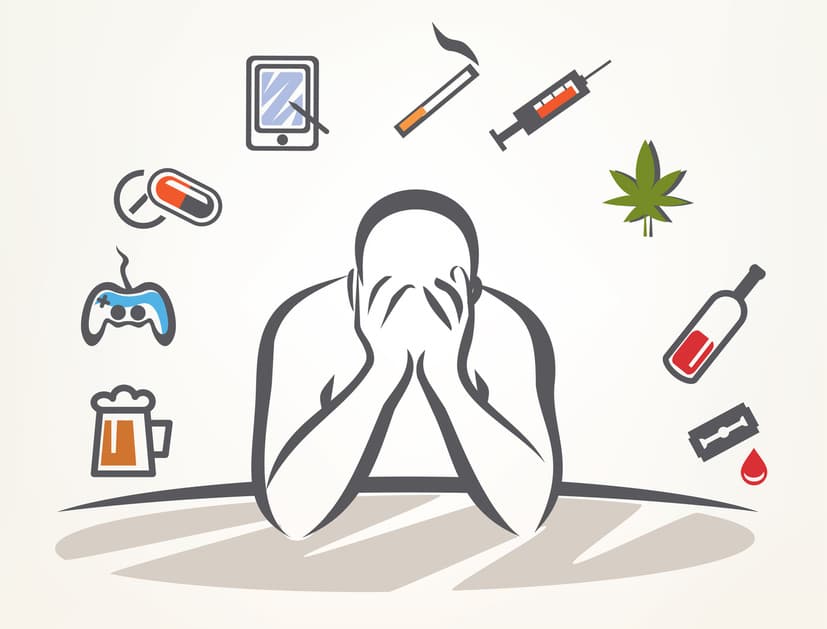
Understanding the Early Signs of Addiction
Early signs of addiction are often hidden or misunderstood. Families may think the person is just stressed or tired, but these signs should never be ignored.
Why Recognizing Signs of Addiction Early Is Important
Recognizing the signs of addiction early helps because:
- Treatment is easier and more effective
- Physical damage is still reversible
- Mental health improves faster
- Family trust can be rebuilt sooner
-
The risk of overdose or death is reduced
Early action at a Nasha Mukti Kendra gives the best chance of full recovery.
How Addiction Develops Gradually
Addiction does not begin suddenly or all at once. In most cases, it starts in a very normal and harmless-looking way. A person may first use alcohol or drugs occasionally, just to enjoy with friends, reduce stress after a hard day, or out of curiosity. At this stage, they believe they are fully in control and can stop anytime they want.
Slowly, this occasional use turns into regular use. The person begins to depend on the substance to feel relaxed, confident, or emotionally stable. Instead of facing stress, sadness, or problems directly, they start using alcohol or drugs as an escape. Over time, the substance becomes their main way of coping with life.
As use continues, the body develops tolerance, which means the same amount no longer gives the same effect. The person needs a higher dose to feel relaxed or happy. This is a dangerous stage because increased intake puts more pressure on the body and brain, even though the person may not notice immediate harm.
Next comes dependence, where both the body and mind start needing the substance to function normally. Without it, the person may feel sick, restless, anxious, angry, or unable to sleep. At this point, stopping suddenly feels impossible because the body has adjusted to the substance.
Finally, addiction fully develops, and life starts revolving around substance use. Daily decisions, relationships, finances, and emotions are controlled by the need for alcohol or drugs. This slow and silent process makes addiction very dangerous, as many people do not realize they have lost control until serious damage has already occurred.
1: Loss of Control Over Substance Use
Inability to Stop or Reduce Usage
One of the strongest signs of addiction is when a person wants to stop but cannot. They may promise themselves or their family that they will quit or reduce their substance use, but these promises are often broken. Even after many attempts, they find themselves returning to the same habit again and again.
The person may try to limit their usage, such as drinking only on weekends or using a smaller amount, but they fail to maintain these limits. Over time, they continue using even after facing health problems, doctor’s warnings, or family pressure. This loss of control is not due to a lack of willpower. It is a medical condition where addiction takes over the brain’s decision-making ability.
Cravings and Compulsive Behavior as Signs of Addiction
Cravings are intense urges that feel extremely difficult to resist. A person with addiction may think about alcohol or drugs throughout the day, even when they are at work, school, or with family. Their mind keeps returning to the substance, making it hard to focus on anything else.
When they do not use the substance, they may feel restless, irritated, angry, or uncomfortable. Some people feel nervous or emotionally disturbed until they get access to it. Slowly, they begin planning their daily routine around substance use, such as choosing places, people, or times that allow them to use. These compulsive behaviors show that addiction has affected normal brain functioning and emotional control.
2: Behavioral Changes and Mood Swings
Increased Irritability, Anger, or Anxiety
Addiction deeply affects emotional balance. A person who was once calm and understanding may suddenly become irritable or angry over small issues. They may react aggressively to simple questions or become frustrated without clear reasons.
Many people with addiction also experience anxiety and fear, even when nothing is wrong. Their emotions may change quickly, leading to mood swings and emotional outbursts. These changes are confusing and painful for family members and often damage trust and communication within the home.
Social Withdrawal as a Common Sign of Addiction
As addiction grows stronger, people often start avoiding social interactions. They may stop attending family gatherings, avoid talking to loved ones, or lose interest in hobbies they once enjoyed. Instead, they prefer to stay alone or spend time only with people who support their substance use.
This withdrawal increases loneliness and isolation. The less they interact with supportive people, the deeper they fall into addiction. Social withdrawal is a serious warning sign that should never be ignored.
3: Neglecting Responsibilities and Relationships
Decline in Work, Career, or Academic Performance
Addiction affects concentration, memory, and motivation. A person may start performing poorly at work or school. They may miss deadlines, arrive late, or take frequent leave without valid reasons.
Over time, their performance continues to decline, which can lead to job loss, academic failure, or missed career opportunities. Even capable and talented individuals may lose everything due to untreated addiction.
Strained Family and Social Relationships
Addiction often creates tension and conflict at home. Small disagreements turn into frequent arguments. Trust breaks when promises are not kept, and family members feel hurt, angry, or helpless.
Emotional distance grows as communication reduces. Loved ones may feel ignored or disrespected, while the person with addiction may feel misunderstood. Families often suffer quietly, hoping things will improve, while addiction continues to grow.
4: Physical and Mental Health Deterioration
Sleep Issues, Weight Changes, and Fatigue
Addiction puts constant stress on the body. Many people experience sleep problems, such as difficulty falling asleep or sleeping too much. Appetite may change, leading to sudden weight loss or weight gain.
Constant tiredness becomes common, even after rest. The body feels weak and exhausted because it is struggling to cope with substance use. These physical signs show that the body is under serious pressure.
Depression, Stress, and Other Mental Health Signs of Addiction
Mental health problems often develop alongside addiction. A person may feel deeply sad, empty, or hopeless without understanding why. Panic attacks, excessive stress, and fear may occur frequently.
Many lose interest in activities they once enjoyed and feel disconnected from life. Without proper treatment, these mental health issues can worsen and lead to serious emotional harm. This is why addiction treatment must include mental health support.
5: Financial and Legal Problems
Unexplained Financial Difficulties
Addiction often leads to serious money problems. A person may spend most of their income on substances, leaving little for household needs. They may borrow money repeatedly, take loans, or even steal to support their addiction.
Some people sell personal belongings such as phones, jewelry, or valuables. These actions create guilt, shame, and stress, further worsening emotional health.
Risky or Illegal Activities Linked to Addiction
As addiction increases, decision-making becomes poor. A person may drive under the influence, putting their own life and others at risk. They may break laws, get into fights, or engage in unsafe behavior without thinking about consequences.
Such actions can lead to legal trouble, accidents, and long-term damage to reputation and future opportunities. These risks highlight the urgent need for professional addiction treatment.
 s
s
When to Seek Professional Help for Signs of Addiction
If multiple signs of addiction continue for weeks or months, professional help is necessary.
How a Nasha Mukti Kendra Can Help
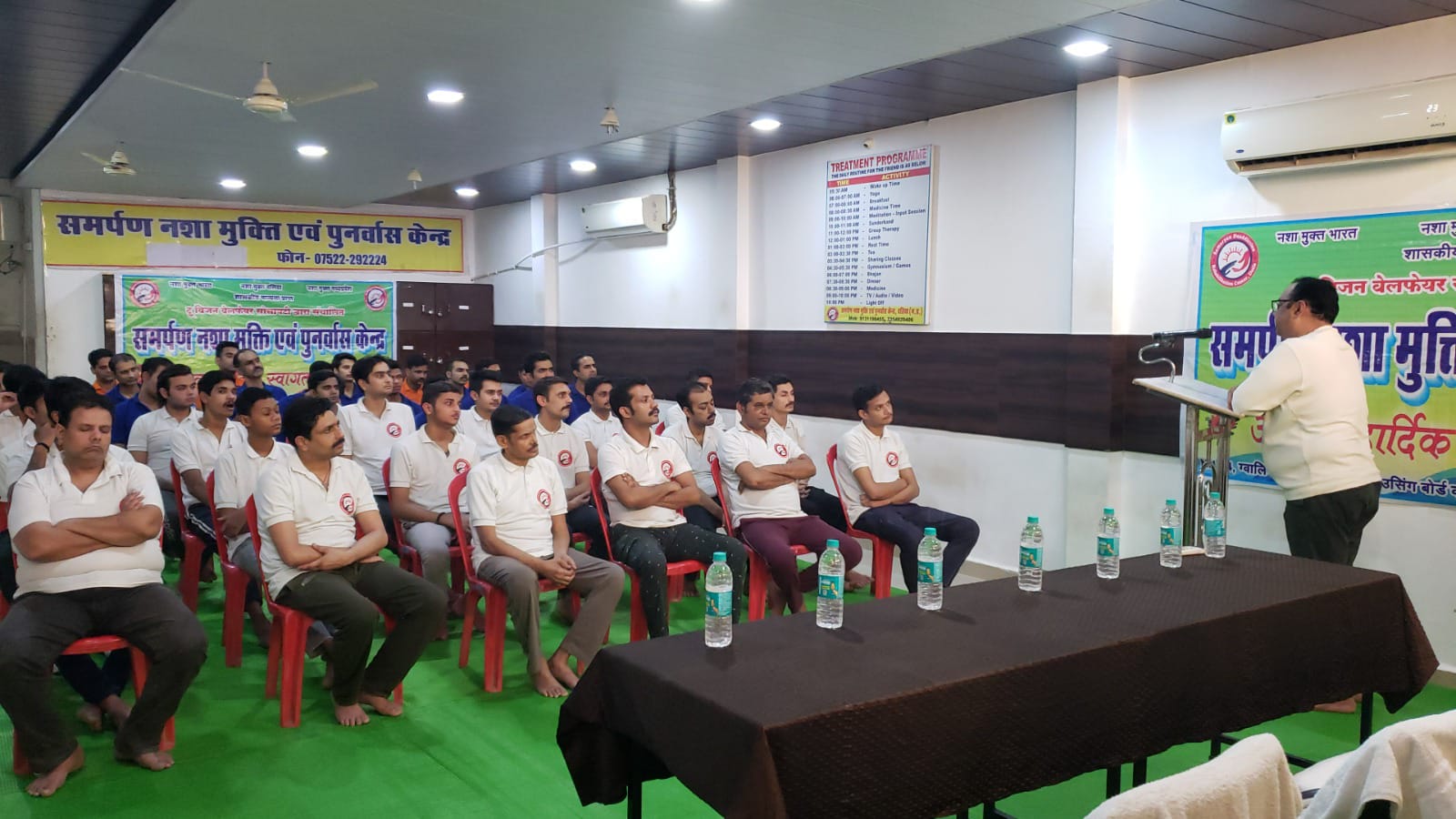
A trusted Nasha Mukti Kendra in Gwalior, Sanchit Rehab provides:
- Medical detox under supervision
- Individual and group counselling
- Family therapy
- Holistic healing like yoga and meditation
- Relapse prevention programs
Benefits of Early Addiction Treatment
Early treatment helps by:
- Reducing physical damage
- Improving mental strength
- Rebuilding family trust
- Increasing long-term recovery success
Frequently Asked Questions (FAQ)
Are signs of addiction reversible?
Yes, with early treatment and proper care, recovery is possible.
Is addiction treatment confidential?
Yes, complete privacy is maintained at Sanchit Rehab.
Can family members be involved in treatment?
Yes, family counselling is an important part of recovery.
How long does recovery take?
Recovery time depends on the type and severity of addiction.