

Saharanpur sits at the northern tip of western UP — where the Gangetic plains meet the Shivalik foothills, where the Delhi-Dehradun national highway begins its climb toward Roorkee and Haridwar. The city is known for its woodcraft industry, its sugar mills, its paper manufacturing, and its position as a major railway junction. It is also positioned on one of North India’s busiest drug supply corridors — the highway between Delhi’s distribution networks and the hill states of Uttarakhand and Himachal Pradesh.
Families in Saharanpur dealing with addiction — a son’s drug use, a husband’s alcohol dependency, a youth caught in the highway corridor’s substance exposure — need treatment that is both credible and accessible. Sanchit Nasha Mukti Kendra in Gwalior provides both. The 7-hour journey separates the patient from the supply corridor that drove their dependency. The government registration, the resident psychiatrist, and the 6,000+ track record provide the clinical credibility the family needs to trust the choice.
Saharanpur’s Addiction Landscape
Saharanpur’s industrial workforce — sugar mill workers, paper industry employees, timber traders — shows high alcohol dependency rates consistent with India’s industrial belt patterns. The physical demands of shift-based manufacturing work, combined with Saharanpur’s established drinking culture among the industrial workforce, create the conditions for long-term alcohol dependency that goes unaddressed for years.
The Delhi-Dehradun highway corridor creates a separate and serious drug exposure problem. Cannabis, heroin, and synthetic drugs move through this corridor connecting Delhi’s supply chains with the hill states. Saharanpur — positioned at the corridor’s UP junction point — shows higher drug availability than comparable UP cities not on major highway routes. The youth population of Saharanpur, in the 16–28 age bracket, is the most exposed demographic. Drug addiction in this group — cannabis as the entry point, prescription drugs and heroin as escalation points — is a documented and growing challenge.
Our Expertise and Patient-First Approach
Sanchit’s senior psychiatrist and clinical team have treated patients from across western UP — Meerut, Moradabad, Bareilly, Hapur — and understand the specific addiction patterns of UP’s northern belt. The highway corridor drug cases from Saharanpur sit within a clinical framework the team knows well: high-access supply chains, young patient demographics, and the specific challenge of recovery in environments where the substance remains easily available after discharge.
The patient-first philosophy at Sanchit starts with one principle: every patient who arrives deserves a treatment plan built around their specific life, not a template applied to their city. The psychiatrist assesses each case on Day 1 — substance, duration, physical health, co-occurring mental health conditions, and the social environment the patient is returning to after treatment. The plan that emerges is uniquely theirs.
Services at Sanchit Nasha Mukti Kendra
Drug Addiction Treatment
For Saharanpur’s highway corridor drug cases, Sanchit provides medically supervised detox for cannabis, heroin, and prescription drug dependency — followed by residential CBT rehabilitation and specific aftercare planning for the Delhi-Dehradun corridor environment. The geographic separation from the highway supply chain is itself a clinical tool — Gwalior is outside Saharanpur’s entire drug network.
Alcohol De-Addiction Program
Medical detox for alcohol dependency with seizure prevention protocol, cardiac monitoring, and 24/7 nursing. For Saharanpur’s industrial workforce patients — with long-duration high-volume drinking histories — the detox phase is carefully managed for the specific medical complexities that long-term alcohol use creates.
Individual Counselling (CBT)
One-on-one sessions personalised to the patient’s profile: industrial worker, young drug user, business professional. The Saharanpur context — industrial workforce stress, highway corridor drug exposure, and the specific social dynamics of a mid-size UP city — is integrated into every counselling session.
Family Counselling and Support
Family sessions via video call between visits and in-person on visiting days. For Saharanpur families specifically, sessions address the specific enabling patterns and communication approaches relevant to the industrial and agricultural communities of western UP’s northern belt.
Relapse Prevention — Highway Corridor Specific
Saharanpur’s relapse risk is elevated by the Delhi-Dehradun highway’s drug accessibility. The aftercare plan is built specifically for this geographic reality: contact management protocols, route and location avoidance strategies, and the social support structures needed to sustain recovery in a high-supply environment.
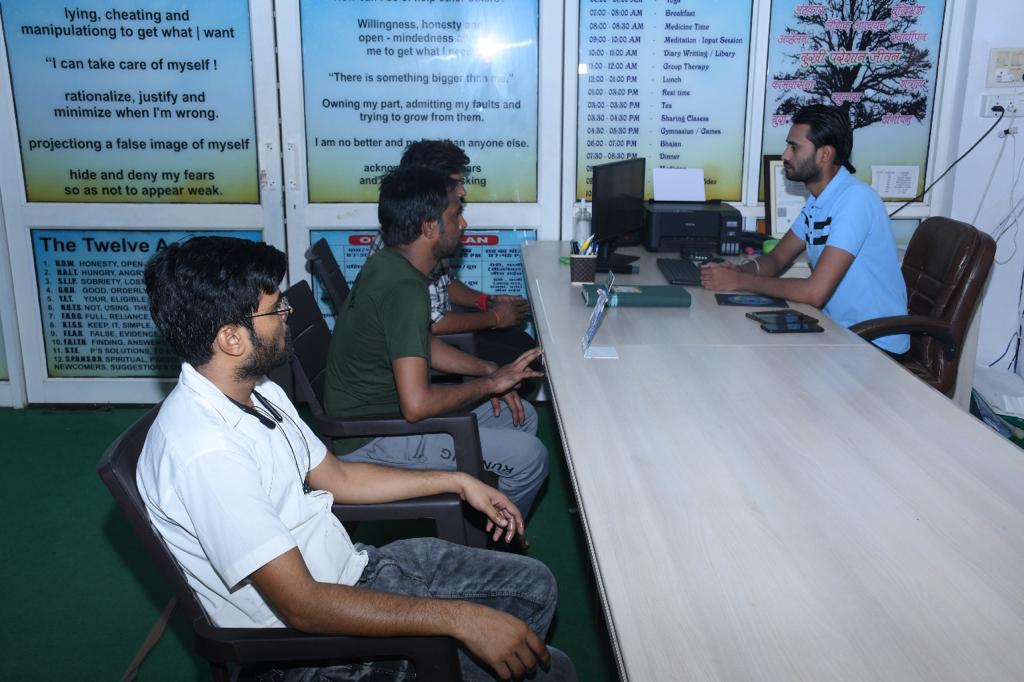
Treatment Process
First Contact and Assessment
Call +91-8302102094. Clinical assessment of the situation, honest guidance, and admission planning — all in the first call. No pressure, no sales approach.
Admission and Personalised Plan
Day 1: senior psychiatrist’s comprehensive assessment. Written personalised treatment plan specific to the patient’s case and Saharanpur’s context before detox begins.
Medical Detox
7–14 days with 24/7 nursing and daily doctor review. All substance types managed with clinically approved protocols. The patient is medically supported through every hour of withdrawal.
Residential Rehabilitation
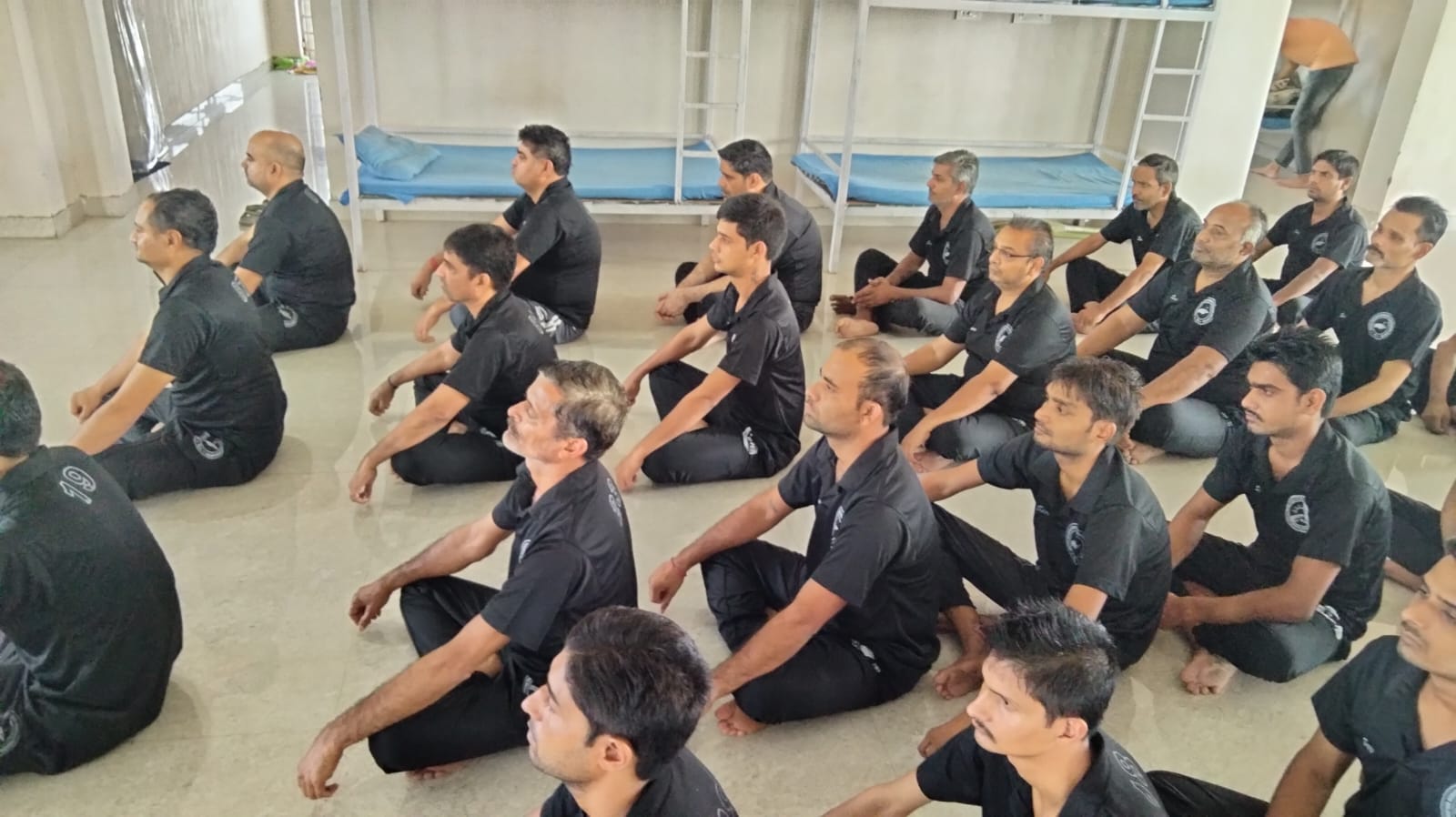
30–90 days: CBT counselling, group therapy, family sessions, yoga, gym, daily structure. Evidence-based, personalised, clinically supervised throughout.
Discharge with Written Aftercare
Written Saharanpur-specific aftercare plan built before discharge. Follow-up access maintained post-discharge. Aftercare is not optional — it is mandatory.
Why Sanchit for Saharanpur Families
Saharanpur’s local options are thin for serious residential addiction treatment. Navjyoti Foundation has a Saharanpur page — but with limited residential infrastructure for complex cases. Nischay Hospital has an SEO page but no local comprehensive residential program. Sanchit in Gwalior — 7 hours away — provides the full residential program that serious Saharanpur cases require, with the geographic separation from the Delhi-Dehradun corridor that makes recovery sustainable.
Confidentiality is a specific concern for Saharanpur’s business families and industrial workforce. Gwalior is outside Saharanpur’s professional and community network entirely. No employer, community contact, or professional network member in Saharanpur will encounter the patient in Gwalior. Complete confidentiality is maintained in writing. Learn how to evaluate any rehabilitation centre before choosing.
Signs That a De-Addiction Centre Is Needed
- Drug use or drinking has increased significantly in the past 6 months despite the person knowing it is a problem
- They have tried to stop multiple times and relapsed — each time finding stopping harder
- Physical symptoms appear when they try to stop — withdrawal is medically significant
- Work performance, family relationships, and financial stability are deteriorating due to addiction
- Previous outpatient or local counselling has failed to produce sustained sobriety
- A doctor or health professional has advised residential treatment
Contact Sanchit Nasha Mukti Kendra — Saharanpur Helpline
| Saharanpur Helpline — 24 Hours, 7 Days | |
| 📞 Primary Helpline | +91-8302102094 |
| 📞 Alternate Numbers | +91-7828991573 | +91-9755870972 |
| sanchitrehab@gmail.com | |
| 🌐 Website | sanchitrehab.com |
| 📍 Centre Location | Sanchit Nasha Mukti Kendra, Gwalior, Madhya Pradesh — 400km / ~7 hours from Saharanpur |
| ⏰ Available | 24 hours a day, 7 days a week |
📞 Call Now — Free Confidential Consultation
Frequently Asked Questions — Sanchit Nasha Mukti Kendra in Saharanpur
Q1. Is Sanchit Nasha Mukti Kendra accessible from Saharanpur?
Yes. Sanchit accepts Saharanpur patients — 7 hours by road or train. Pickup from Saharanpur is arranged. Call +91-8302102094.
Q2. Why is Gwalior better than local Saharanpur centres for serious cases?
Saharanpur’s local options lack the full residential infrastructure for serious cases. Gwalior provides the complete program — resident psychiatrist, 24/7 supervision, 30–90 day residential, 6,000+ track record — plus geographic separation from the Delhi-Dehradun drug corridor.
Q3. How long does drug treatment take for highway corridor cases?
Cannabis and prescription drugs: 30–45 days. Heroin/opioids: 60–90 days minimum. Duration set by the psychiatrist after Day 1 assessment.
Q4. Is treatment confidential from Saharanpur’s professional community?
Yes. Gwalior is completely outside Saharanpur’s professional and social network. No employer or community contact will know. Complete confidentiality maintained in writing.
Q5. What is the most common addiction treated from Saharanpur?
Alcohol dependency in the industrial workforce and cannabis/drug addiction in the youth population from the Delhi-Dehradun highway corridor. Both are treated at Sanchit with personalised residential programs.
Q6. What aftercare covers the Delhi-Dehradun highway corridor?
Written Saharanpur-specific aftercare plan — covering highway corridor drug access, contact management, specific social triggers, and follow-up counselling schedule. Built before every discharge.