
Bihar made national headlines when it enacted one of India’s strictest alcohol prohibition laws. The intent was noble. The reality is more complicated. Prohibition did not end alcohol use in Bihar — it drove it underground, made illegal liquor more dangerous, and made the people who needed help least likely to ask for it. A family in Patna dealing with addiction now faces two problems: the addiction itself, and the social consequence of admitting it exists.
This is why so many Patna families searching for a nasha mukti kendra in Patna do so quietly and urgently — not wanting anyone to know they are searching, not sure who to trust, and often waiting far longer than they should have. This article exists to help that family act — with honest information, without judgment, and with a clear path forward.
Nasha Mukti Kendra in Patna — What Bihar Families Need to Know
First, understand what a Nasha Mukti Kendra actually does. It is a residential rehabilitation programme where addiction is treated medically and psychologically — not with punishment or willpower. The goal is detox, followed by a structured rebuild of the person’s thinking patterns, coping mechanisms, and relationship with their family. It takes weeks to months. It works when done properly.
Many Patna families have tried local options — prayer, village remedies, locking the person in a room, emotional bargaining. Some of these help with mild habits. For established physical dependency, particularly alcohol or opioid dependency, none of them address what is actually happening inside the body and brain. That requires medical intervention.
Why Bihar Families Wait Too Long — The Real Reasons
The single biggest reason Bihar families delay getting professional help is fear of what the community will say. Bihar’s social fabric is tightly woven — neighbours know neighbours, extended family is involved in everything, and the idea of a family member going to a “nasha mukti kendra” feels like announcing failure to the entire mohalla. So families manage privately, try everything at home, and only call for help when the situation has become a crisis.
The second reason is the prohibition law itself. In a dry state, admitting that someone in the family drinks creates the perception of a double violation — the addiction and the illegality together. So the shame is compounded. Families isolate further. The person gets worse. And the window for easier recovery closes a little more each month. Understanding what long-term alcohol abuse does to the body makes clear why waiting is the costliest decision a family can make.
Why Home Detox Is Not Just Ineffective — It Is Dangerous
This point is critical for Bihar families and must be understood clearly. Medical detox is not a comfortable process that can safely happen at home. For severe alcohol dependency specifically, sudden cessation without medical management can trigger a life-threatening condition called delirium tremens — characterised by seizures, uncontrolled shaking, hallucinations, dangerously elevated blood pressure, and heart complications.
Every year, people die during home alcohol detox in India — not from overdose, but from unsupervised withdrawal. This is preventable with proper medical care. A registered rehabilitation centre manages withdrawal with medication, monitoring, and round-the-clock clinical support. In Patna, where illegal alcohol is often of uncertain quality and composition, the physical state of someone in alcohol dependency can be particularly fragile. Professional medical detox is not optional — it is the only safe starting point. These warning signs tell you when someone needs professional care immediately.
Why Distance From Patna Is Actually an Advantage
In a normal healthcare context, closer is better. In addiction treatment, the opposite is often true. The reason is simple: everything in the patient’s local environment is connected to the addiction. The same street corners, the same people, the same sources, the same emotional triggers. Putting the patient in a residential centre hundreds of kilometres away removes all of those associations at once — which is what makes recovery possible in a way that local treatment rarely achieves.
For Bihar families specifically, the distance from Patna to Gwalior — approximately 10 hours by direct train — also solves the community visibility problem completely. Nobody in the patient’s Patna neighbourhood, workplace, or extended family will know unless the family explicitly chooses to inform them. Family support in recovery matters enormously — but it works better when the patient’s environment is controlled and protected during the treatment period.
The Types of Addiction Treated — Bihar-Specific Context
| Addiction Type | Bihar Context | Treatment at Sanchit |
| Alcohol Addiction | Illegal but widespread, often dangerous quality | Medical detox + counselling + relapse prevention |
| Illegal / Hooch Alcohol Dependency | Bihar-specific — toxic substance risks | Emergency medical detox + organ function monitoring |
| Drug Addiction (brown sugar, smack) | Significant in urban and semi-urban areas | Residential detox + long-term therapy + aftercare |
| Cannabis / Ganja / Bhang | Common, especially in rural and semi-urban | CBT + group therapy + family guidance |
| Prescription Drug Misuse | Whiteners, cough syrups, sleeping tablets | Medical detox + psychiatric support |
| Nicotine / Tobacco | Very widespread | Craving management + lifestyle coaching |
What the Treatment Journey Looks Like for a Patna Patient
The process starts with one phone call. After that, the Sanchit team handles logistics — including transport from Patna. On arrival at the centre in Gwalior, the patient goes through a complete medical and psychological evaluation. A personalised treatment plan is built based on the specific substance, duration of dependency, mental health history, and family situation. No two patients receive the same plan.
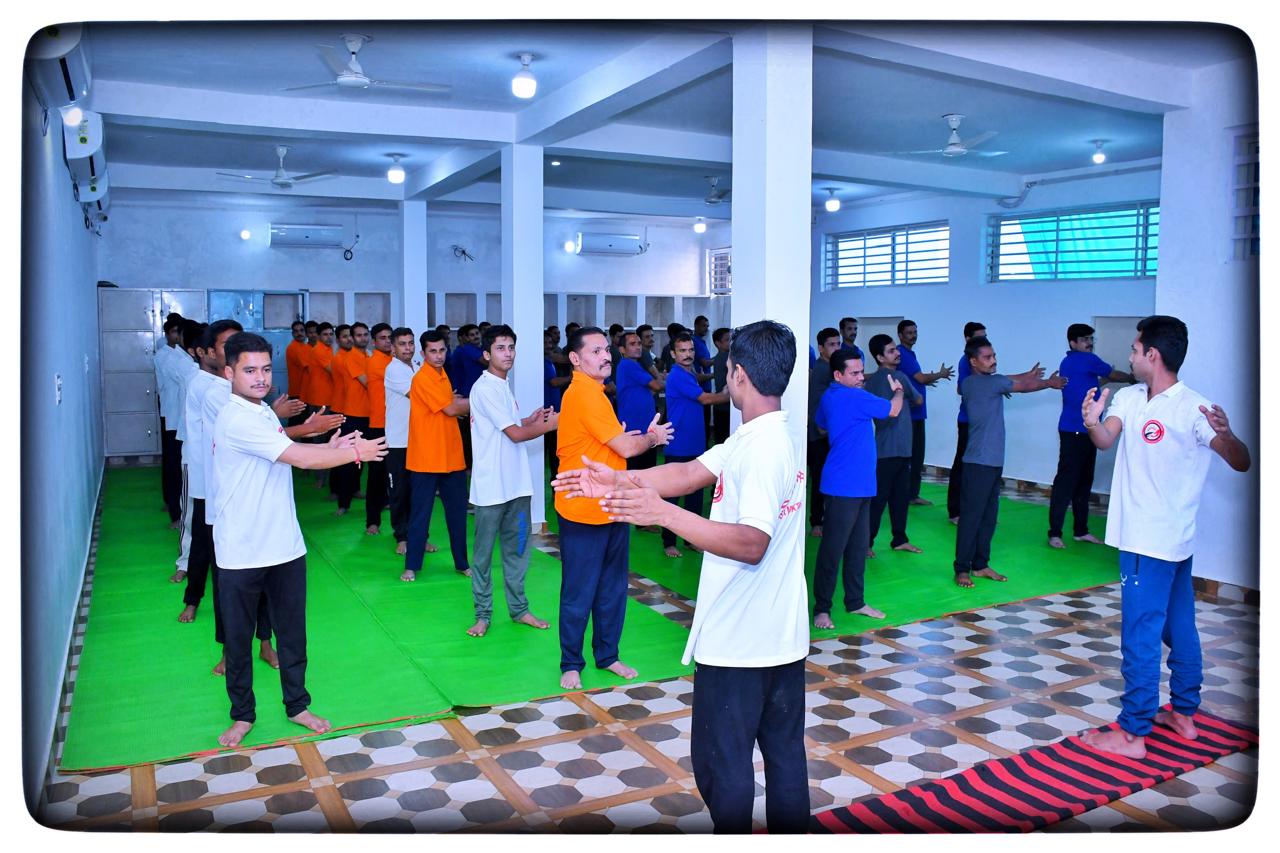
Detox begins under full medical supervision — with a doctor and nursing staff present around the clock. Withdrawal is managed with medication and continuous monitoring. After the detox phase, the patient enters the residential rehabilitation program: individual counselling, group therapy, CBT, yoga, morning meditation, gym and physical fitness, motivational classes, indoor games, cultural activities, and spiritual sessions including Sundar Kand Paath and Hawan. A clear aftercare plan is built before discharge — so the return to Patna is structured, not sudden and unsupported.
Sanchit Nasha Mukti Kendra — Why Patna Families Choose Gwalior
Sanchit Nasha Mukti Kendra is a government-registered, state-certified residential rehabilitation centre in Gwalior, Madhya Pradesh. It has helped over 6,000 people recover from addiction — including hundreds from Bihar, UP, and Jharkhand. The centre has the infrastructure, the medical team, and the program depth that serious addiction cases require. And it operates with complete confidentiality — nobody in Patna will know anything unless the family chooses to tell them.
The journey from Patna is manageable. A direct train connects the two cities in approximately 10 hours. Sanchit’s team arranges pickup at the Gwalior end. The family in Patna can visit on scheduled family visiting days. Sanchit is among India’s most trusted rehabilitation centres — recognised for real outcomes, not for advertising.
Why Patna Families Trust Sanchit
- ✅ Government-Registered and State-Certified
- ✅ 6,000+ Successful Recoveries Including Bihar Patients
- ✅ 29+ Years of Combined Team Experience
- ✅ Medical Detox Under Full Doctor Supervision
- ✅ 24/7 Medical Supervision Throughout Stay
- ✅ Patna Pickup Available — Train + Road Both Options
- ✅ Full Confidentiality — Patna Community Will Not Know
- ✅ Family Counselling Sessions Throughout Treatment
- ✅ Clear Aftercare Plan Built Before Discharge
- ✅ VIP AC Room, Private AC Ward, Sharing Ward Options
In Their Own Words
“In Bihar, you don’t talk about these things. My father had been drinking for 20 years — illegal sharab that could have killed him. We found Sanchit online, kept it completely private, and sent him by train. He came back in 90 days completely changed. Nobody in our locality knew.” — Son of a patient, Patna (name changed)
“I was scared to admit it. Scared of what my in-laws would say, scared of the police because it’s Bihar. Sanchit was the first place that made me feel like my husband was a patient — not a criminal.” — Wife of a patient, Patna (name changed)
Contact Sanchit Nasha Mukti Kendra — Patna Helpline
| Patna Helpline — Available 24×7 | |
| 📞 Helpline | +91-7828991573 |
| 📞 Alternate | +91-8302102094 | +91-9755870972 |
| sanchitrehab@gmail.com | |
| 🌐 Website | sanchitrehab.com |
| 📍 Location | Sanchit Nasha Mukti Kendra, Gwalior, Madhya Pradesh (~10 hrs from Patna) |
| ⏰ Available | 24 hours a day, 7 days a week |
📞 Free Confidential Consultation — Call Now
Final Thoughts
Bihar’s prohibition law was designed to protect families. But it has also made it harder for the families who most need help to ask for it. The shame, the legal fear, and the social judgment have created a silence around addiction that costs lives every year.
The families who reach out — who make that private, quiet phone call — are the ones who get their loved ones back. Sanchit Nasha Mukti Kendra has walked this path with thousands of Bihar families. The team understands the specific social context. The helpline is answered day and night, in complete confidence, with no judgment. One call changes everything.
+91-7828991573 — Call now. It stays private. It starts the process.
Frequently Asked Questions
Q1. Is there a reliable Nasha Mukti Kendra near Patna?
Sanchit Nasha Mukti Kendra in Gwalior accepts patients from Patna. Government-registered, 6,000+ recoveries, 24×7 pickup available. Call: +91-7828991573
Q2. Bihar has prohibition — can alcohol addiction still be treated?
Yes. Alcohol dependency requires the same medical treatment regardless of whether alcohol is legal in the state. Sanchit treats Bihar patients with complete confidentiality. No information is shared without written consent.
Q3. Is alcohol detox at home safe?
No. Severe alcohol withdrawal can cause life-threatening seizures and cardiac complications. Medical detox under supervision is essential — especially for long-term alcohol dependency.
Q4. How does a Patna patient travel to Gwalior?
A direct train connects Patna to Gwalior in approximately 10 hours. Sanchit’s team arranges pickup at the Gwalior end. Call +91-7828991573 to confirm the arrangement.
Q5. Will anyone in Patna know about the treatment?
No. Sanchit maintains complete confidentiality. Patient information is never shared without explicit written consent. The family, neighbours, and community in Patna will not be informed.