
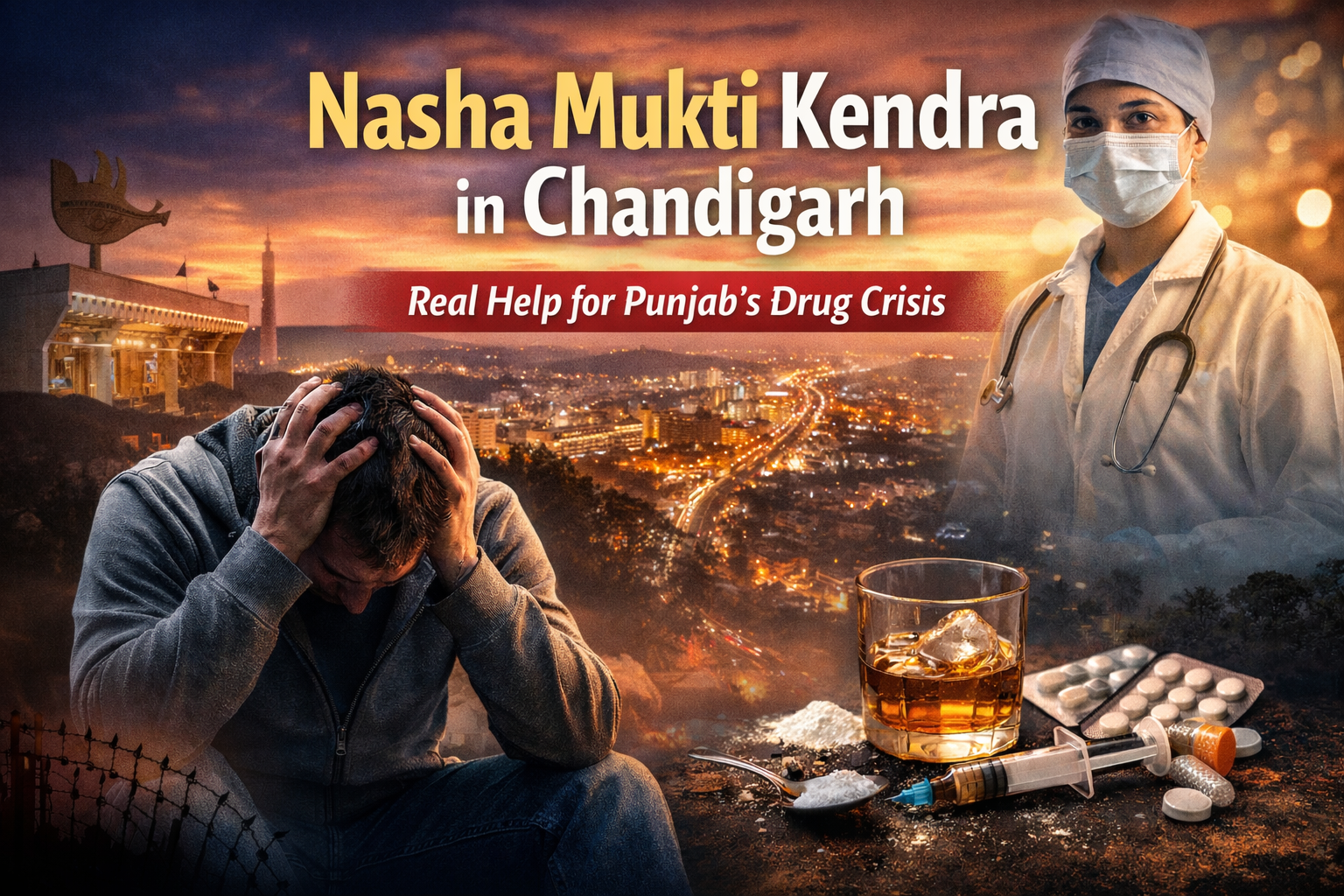
Chandigarh is a planned city. Clean roads. Open spaces. Green sectors. A quality of life that most Indian cities envy.
But Chandigarh sits at a difficult crossroads. It is the capital of Punjab — a state that has been fighting a drug crisis for years. Heroin. Chitta. Prescription drug abuse. Alcohol. These are not distant problems. They are present in Chandigarh homes, colleges, and neighbourhoods.
Nasha Mukti Kendra in Chandigarh, plays a crucial role in helping individuals break free from addiction and rebuild a healthier life. In today’s fast-paced world, substance abuse has become a serious concern affecting individuals and families alike. Finding the right support system is the first step toward recovery, and a trusted rehabilitation centre can make all the difference.
At Sanchit Rehab, the focus is on providing structured, compassionate, and effective treatment programs that guide individuals toward long-term recovery. This article explores the importance, services, and benefits of choosing the right Nasha Mukti Kendra in Chandigarh.
If you are searching for a Nasha Mukti Kendra in Chandigarh, — for a son, a husband, a brother, or yourself — this guide will give you straight, honest answers. What works. What to look for. And how Sanchit Nasha Mukti Kendra, has helped thousands of families from this region walk out of addiction and into a new life.
Nasha Mukti Kendra in Chandigarh — A Complete Guide
Let us start with the basics. What is a Nasha Mukti Kendra and how does it actually work? In short — it is a structured rehabilitation programme that treats addiction as a medical condition. It goes far beyond detox. It addresses why the addiction started, what keeps it going, and what a person needs to stay sober long after treatment ends.
Punjab’s Drug Crisis — What Chandigarh Families Are Dealing With
Punjab’s drug problem has been documented widely. AIIMS Chandigarh studies, Punjab government surveys, and national health data all confirm the same picture — the region has one of the highest rates of opioid and synthetic drug abuse in India.
Chandigarh, as the capital of both Punjab and Haryana, sits at the centre of this. And because it is a smaller, more connected city than a Delhi or Mumbai, the social stigma around addiction is even stronger. People know each other. Reputations matter. So families wait — and the addiction gets worse.
The most common substances in Chandigarh and surrounding Punjab districts are:
- Chitta — a synthetic opioid (white heroin) that has spread rapidly across Punjab
- Heroin and smack — still widely present, especially in younger populations
- Alcohol — very common, especially in Haryana-influenced areas and among older age groups
- Prescription drug misuse — cough syrups, sleeping tablets, and painkillers used recreationally
- Cannabis — widespread, especially among college students
The impact on young people in this region is especially serious. The earlier a family acts, the better the outcomes.
Addictions Treated at a Nasha Mukti Kendra
| Addiction Type | Chandigarh / Punjab Status | Treatment Approach |
| Heroin / Chitta / Smack | Crisis level — most serious | Medical detox + long-term residential + therapy |
| Alcohol Addiction | Very common | Medical detox + counselling + relapse prevention |
| Prescription Drug Misuse | Growing concern | Medical detox + psychiatric support |
| Cannabis / Marijuana | Common in youth | CBT + group therapy + family guidance |
| Nicotine / Tobacco | Widespread | Craving management + lifestyle coaching |
| Gambling Addiction | Online betting rising | Behavioural counselling + financial awareness |
Why Heroin and Chitta Need Specialised Medical Treatment
This is important — especially for families in Chandigarh and Punjab.
Chitta and heroin are opioids. Opioid withdrawal is one of the most physically dangerous types of withdrawal. Without medical supervision, it can cause severe dehydration, cardiac stress, respiratory failure, and in extreme cases, death.
People in Chandigarh often try to help their family member withdraw at home — locking them in a room, controlling access to the substance. This approach is both ineffective and dangerous. Medically supervised detox is the only safe first step for heroin and chitta addiction.
After detox, the real work begins — rebuilding the mind, the habits, and the life around sobriety. That takes time. And it takes a proper, structured residential programme.
How to Choose the Right Nasha Mukti Kendra
Read our full guide on how to choose the right Nasha Mukti Kendra. Here are the non-negotiables:
- Government Registration: Registered under the Mental Healthcare Act, 2017. Ask for the certificate. No registration means no accountability.
- Medical Team for Opioid Cases: For heroin and chitta addiction specifically, the centre must have experienced psychiatrists and doctors who understand opioid withdrawal protocols.
- 24/7 Residential Inpatient Care: Opioid addiction especially requires full-time residential supervision — not an outpatient setup.
- Confidentiality: For Chandigarh families, full privacy is essential. The patient’s treatment must not be accessible to the local community.
- Complete Program: Detox is just the beginning. Counselling, CBT, group therapy, yoga, family work — all of it must follow.
- Family Involvement: The family needs support too — structured sessions that help them understand the recovery process and their role in it.
- Aftercare Plan: What happens after discharge? A centre without a clear aftercare answer is not complete.
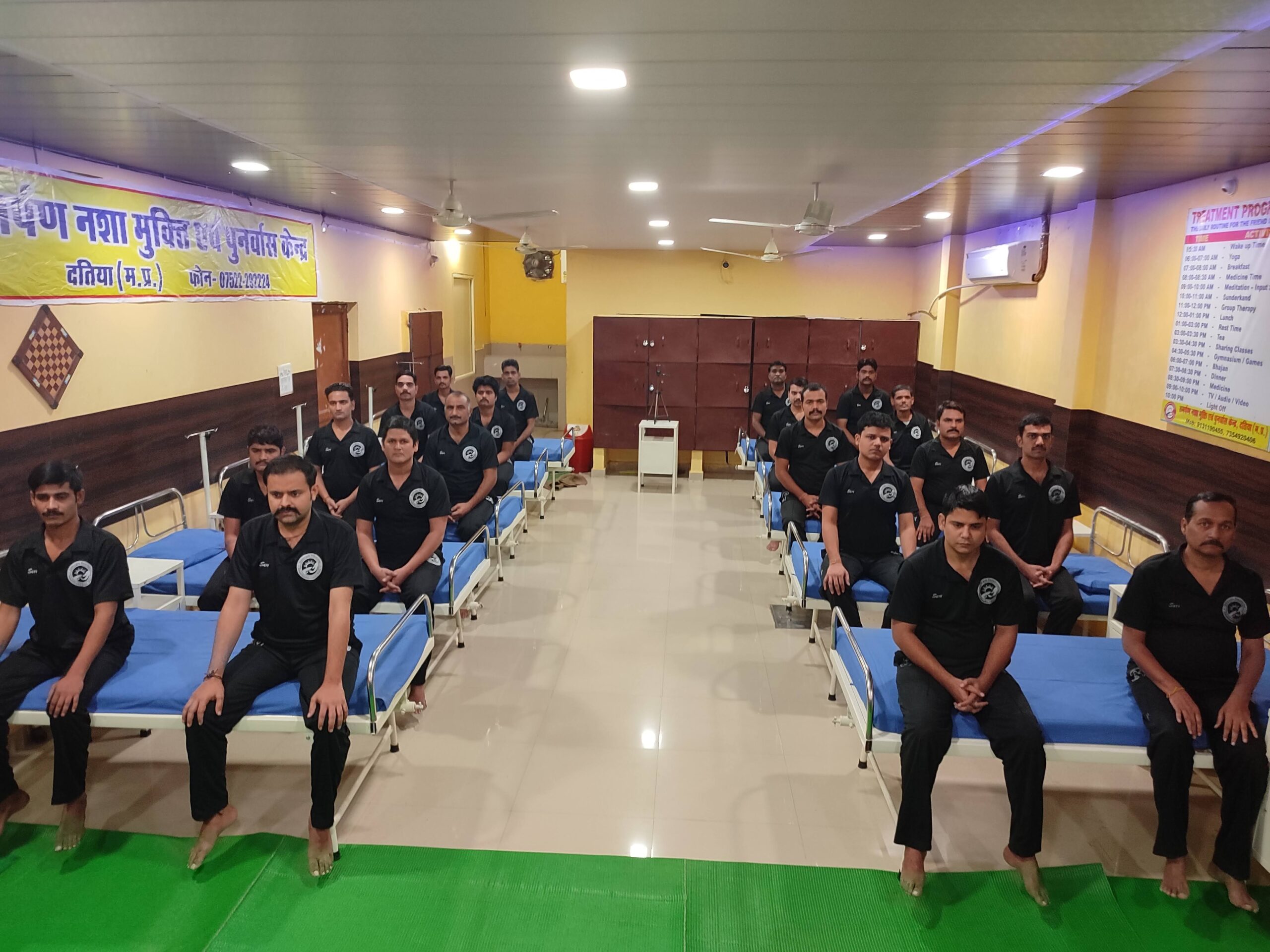
What Treatment Looks Like — Step by Step
Step 1 — The Call
Call the helpline. A trained team member listens. No judgment. No alarm. They gather information, assess the situation, and help the family understand what is needed. This call is free and completely private.
Step 2 — Assessment on Arrival
A full medical and psychological evaluation is done on arrival. The doctor, psychiatrist, and counsellor each contribute. A personalised treatment plan is built from this assessment — specific to the substance, the duration, the mental health history, and the family situation.
Step 3 — Medical Detoxification
For heroin and chitta, this is the most critical phase. Withdrawal from opioids involves severe physical symptoms — muscle cramps, sweating, insomnia, vomiting, and in serious cases, cardiac complications. All of this is managed safely under doctor supervision at Sanchit. Attempting opioid detox at home is dangerous and can be fatal without proper medical support.
Step 4 — Residential Rehabilitation Program
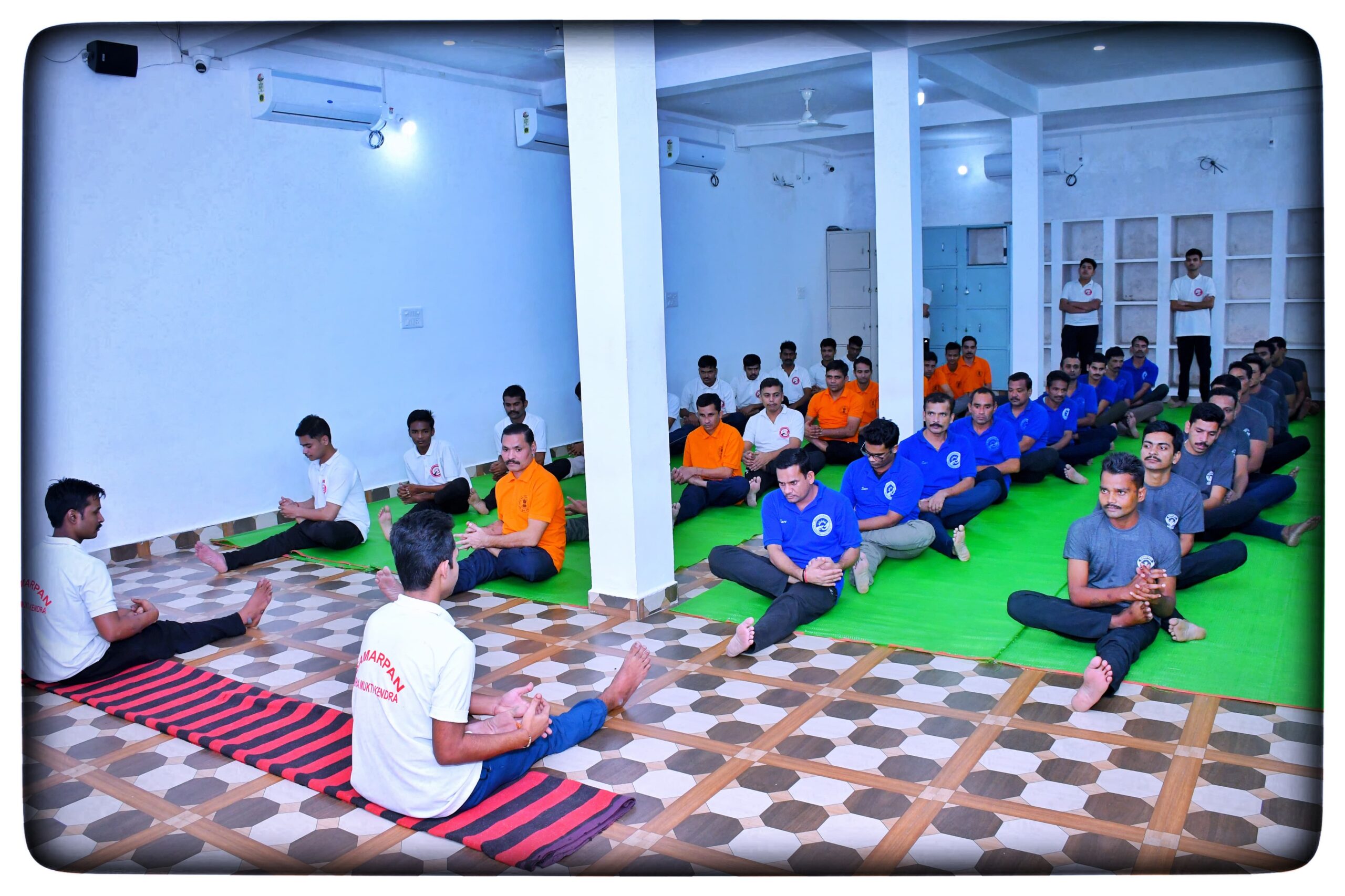
Once the patient is medically stable, the residential programme begins. Structure is essential — it replaces the unpredictable chaos of addiction with a predictable, healthy rhythm. Each day includes:
- Individual counselling and therapy sessions
- Group therapy and peer support
- Cognitive Behavioural Therapy (CBT)
- Yoga and guided meditation
- Physical fitness and gym sessions
- Motivational and awareness classes
- Indoor games — chess, carrom, ludo
- Spiritual sessions — Sundar Kand Paath, Hawan, Pooja
- Entertainment and cultural programs
- Step 5 — Family Counselling
Addiction tears families apart in ways that linger long after the substance is gone. Family counselling helps rebuild trust, restore communication, and prepare everyone for the patient’s return home. At Sanchit, family sessions are built into the programme — not treated as optional extras.
Step 6 — Aftercare and Relapse Prevention
For opioid addictions especially, the risk of relapse after discharge is significant. Structured aftercare — follow-up consultations, relapse trigger management, and continued psychological support — is the bridge between residential treatment and long-term independent recovery.
The Physical and Mental Damage of Opioid Addiction
| Physical Damage | Mental and Emotional Damage |
| Severe weight loss and malnutrition | Severe depression and hopelessness |
| Liver and kidney damage | Psychosis and paranoia |
| Collapsed veins (injection users) | Memory loss and cognitive damage |
| Heart and respiratory failure | Destroyed family relationships |
| High risk of overdose and death | Suicidal thoughts and self-harm |
Despite this, recovery is absolutely possible. Sanchit has seen it happen over 6,000 times. The body heals. The mind rebuilds. But it needs the right support — and it needs it soon.
Why Chandigarh Families Choose Sanchit Nasha Mukti Kendra
For families in Chandigarh, two things matter above everything else — privacy and genuine medical care.
Sanchit Nasha Mukti Kendra is located in Gwalior, Madhya Pradesh — approximately 8 to 9 hours from Chandigarh. That distance is exactly what most families need. The patient is completely separated from the drug networks, the peer groups, and the social circles that fed the addiction. Nobody in Chandigarh needs to know. And nobody will — Sanchit guarantees full confidentiality.
Sanchit is a government-registered, state-certified residential rehabilitation centre with over 6,000 successful recoveries. It has experienced doctors and psychiatrists who are specifically trained in opioid addiction treatment. It provides 24/7 medical supervision, personalised care, and a comprehensive programme — all under one roof.
Why Sanchit Is the Right Choice for Chandigarh and Punjab
- ✅ Government-Registered and State-Certified — Full legal accountability. Not an informal or unregistered setup.
- ✅ 6,000+ Successful Recoveries — Including many from Chandigarh, Punjab, and Haryana.
- ✅ 29+ Years of Combined Team Experience — Experienced in handling opioid addiction cases from the Punjab region.
- ✅ Expert Opioid Detox Management — Heroin and chitta withdrawal is handled by a qualified medical team with 24/7 supervision.
- ✅ Personalised Treatment Plans — No template plans. Every patient’s plan is specific to their situation.
- ✅ Full Confidentiality — Nobody in Chandigarh finds out. Complete privacy, guaranteed.
- ✅ Pickup from Chandigarh — The team arranges transport. All logistics are handled.
- ✅ Holistic Programme — Medical care, psychological therapy, yoga, spiritual sessions, and recreation — all in one place.
- ✅ Accommodation Options — VIP AC Room, Private AC Ward, or Sharing Ward.
Sanchit is among the top Nasha Mukti Kendras in India — trusted by families from across the country, including from Punjab and Chandigarh.
A Day at Sanchit
| Time of Day | Activity |
| Morning | Yoga, meditation, and morning exercise |
| Mid-morning | Individual or group counselling |
| Afternoon | Motivational class or awareness session |
| Evening | Gym, sports, or indoor games |
| Night | Spiritual session, entertainment, or rest |
| Weekly | Doctor visit, blood tests, family counselling session |
Contact Sanchit Nasha Mukti Kendra — Chandigarh Helpline
| Chandigarh Helpline — Available 24×7 | |
| 📞 Chandigarh Helpline | +91-7489257221 |
| 📞 Main Centre | +91-7828991573 | +91-8302102094 |
| sanchitrehab@gmail.com | |
| 🌐 Website | sanchitrehab.com |
| 📍 Centre Location | Sanchit Nasha Mukti Kendra, Gwalior, Madhya Pradesh |
| ⏰ Available | 24 hours a day, 7 days a week |
📞 Get a Free Confidential Consultation
Final Thoughts
Punjab’s drug problem is real. Chandigarh’s families know this better than anyone.
But recovery is also real. Thousands of people have walked out of heroin and chitta addiction and rebuilt their lives — with the right support, in the right environment, at the right time.
The hardest part is making the first call. After that, the team at Sanchit guides every step of the way.
Do not wait for the situation to get worse. One call can change everything.
Chandigarh Helpline: +91-7489257221 — Available 24 hours a day, 7 days a week.
Frequently Asked Questions
Q1. What is a Nasha Mukti Kendra in Chandigarh?
It is a de-addiction and rehabilitation centre that treats heroin, chitta, alcohol, drug, and other substance addictions through medically supervised detox, counselling, group therapy, and structured aftercare. A proper Nasha Mukti Kendra treats the physical dependency, the psychological causes, and the behavioural patterns of addiction together.
Q2. Does Sanchit treat heroin and chitta addiction?
Yes. Sanchit’s medical team is experienced in opioid detox — including heroin and chitta. Medical supervision is available around the clock throughout the detox process. This is not a risk to take without expert medical care.
Q3. Will anyone in Chandigarh find out about the treatment?
No. Sanchit maintains complete confidentiality for all patients. Nobody will be informed — including family members — without the patient’s explicit written consent. Choosing Gwalior means full separation from local social circles.
Q4. How far is Sanchit from Chandigarh?
Approximately 8 to 9 hours by road. Sanchit arranges pickup from Chandigarh. Call +91-7489257221 to arrange.
Q5. How long does treatment take for heroin or chitta addiction?
Opioid addiction generally requires 90 days or more of residential treatment for a solid recovery foundation. Some cases may need longer. The doctor determines the timeline after a full assessment. Starting with a safe medical detox is the first step — everything else follows from there.