
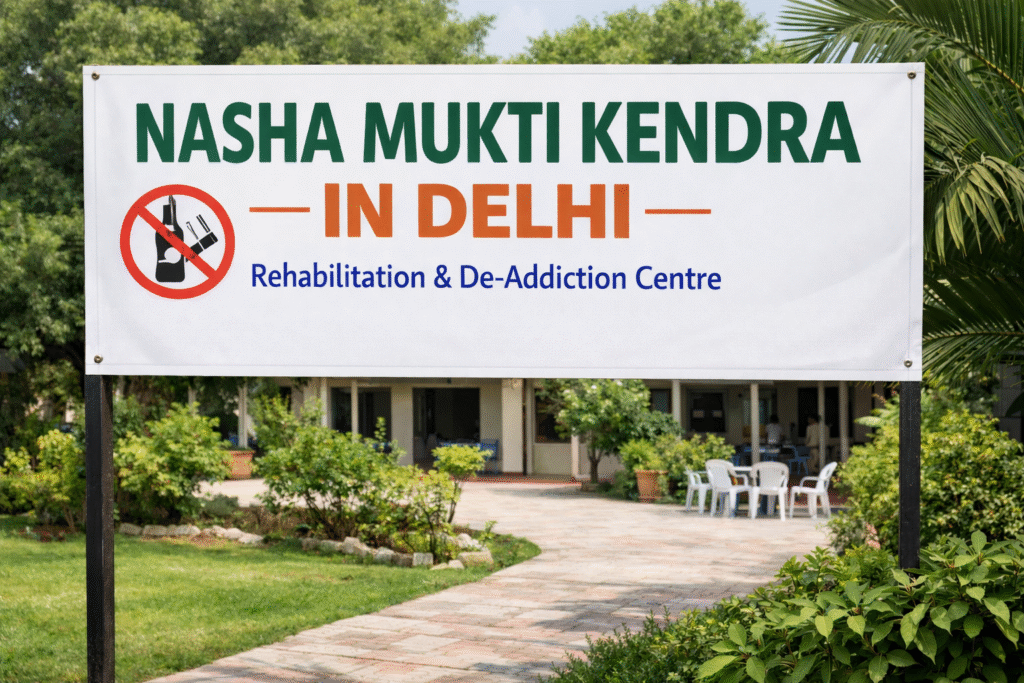
Delhi is a city of ambition. People here are driven — by careers, by goals, by the need to succeed.
But behind that drive, many are quietly falling apart.
Addiction in Delhi is not rare. It is far more common than most people admit — because admitting it feels like failure. Alcohol, drugs, prescription abuse — it happens in every profession, every neighbourhood, every income bracket.
If you are looking for a Nasha Mukti Kendra in Delhi — for yourself or someone you love — this guide will give you honest, practical information. No fluff. Just what you need to know to make the right decision.
Nasha Mukti Kendra in Delhi — Everything You Need to Know
First, it helps to understand what a Nasha Mukti Kendra is and how it works. The short version — it is not just a detox facility. It is a full rehabilitation system that treats the physical, psychological, and emotional dimensions of addiction.
The Addiction Landscape in Delhi
Delhi has one of the highest rates of alcohol and drug use among Indian cities. AIIMS Delhi research confirms that alcohol dependency, opioid misuse, and prescription drug abuse are all on the rise — across age groups and professions.
The city’s fast-paced culture plays a role. High-pressure jobs, long commutes, financial stress, and social anxiety push many people toward substances. What starts as social drinking or recreational use crosses into dependency — often without the person realising it.
Drug addiction among young people is a growing crisis in Delhi, especially in college areas and tech corridors. Party drugs, prescription misuse, and cannabis use are rising among 18 to 30-year-olds.
There is also a cultural obstacle — the fear of being seen seeking help. Many Delhi families delay treatment for months because they worry about social reputation. That delay has real consequences.
Recognising the warning signs of addiction early can help you act before the situation worsens.
Addictions Treated at a Nasha Mukti Kendra
| Addiction Type | Delhi Status | Treatment Approach |
| Alcohol Addiction | Most common | Medical detox + counselling + relapse prevention |
| Drug Addiction (heroin, smack, cocaine) | Rising significantly | Residential detox + behavioural therapy + aftercare |
| Cannabis / Marijuana | Common in youth | CBT + group therapy + family support |
| Opioids / Prescription Drugs | Growing concern | Medical detox + pain management + long-term support |
| Nicotine / Tobacco | Widespread | Craving management + lifestyle coaching |
| Gambling Addiction | Online betting rising | Behavioural counselling + financial awareness |
How to Choose the Right Nasha Mukti Kendra in Delhi
Delhi has dozens of centres — and not all of them are trustworthy. Before committing, here is what you need to verify. Our detailed guide on how to choose the right Nasha Mukti Kendra goes deeper — but here are the essentials:
- Verify Government Registration: The centre must be registered under the Mental Healthcare Act, 2017. Ask for proof. Without it, there is zero legal accountability.
- Check the Medical Team: Psychiatrists, MBBS doctors, and RCI-certified psychologists must be on staff — not just counsellors or volunteers.
- Insist on Residential Care: For serious addiction, 24/7 inpatient treatment is the most effective. It separates the patient from their triggers and provides constant monitoring.
- Ask About the Full Program: Detox alone is not treatment. Counselling, yoga, group therapy, life skills, and family sessions all need to be included.
- Family Involvement: Good centres will actively involve family in the recovery process — not keep them in the dark.
- Aftercare Plan: Ask specifically — what happens after discharge? If a centre has no answer, walk away.
- Confidentiality: Your privacy must be protected. A trustworthy centre will not share any patient information without written consent.
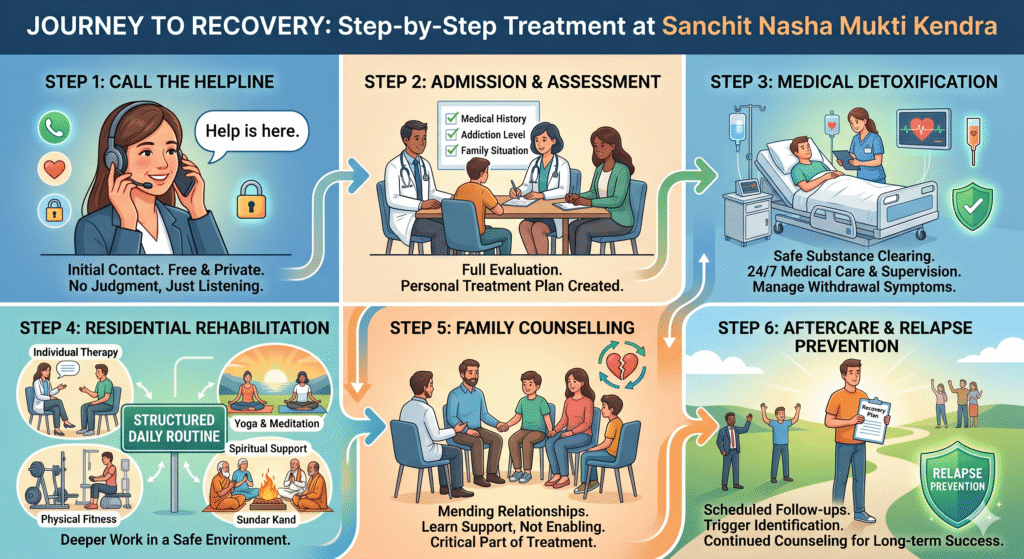
Treatment at a Nasha Mukti Kendra — Step by Step
Step 1 — Call the Helpline
The first step is a phone call. No paperwork. No judgment. A trained team member listens to the situation, asks the right questions, and helps you understand what kind of care is needed. This call is free and completely private.
Step 2 — Admission and Full Assessment
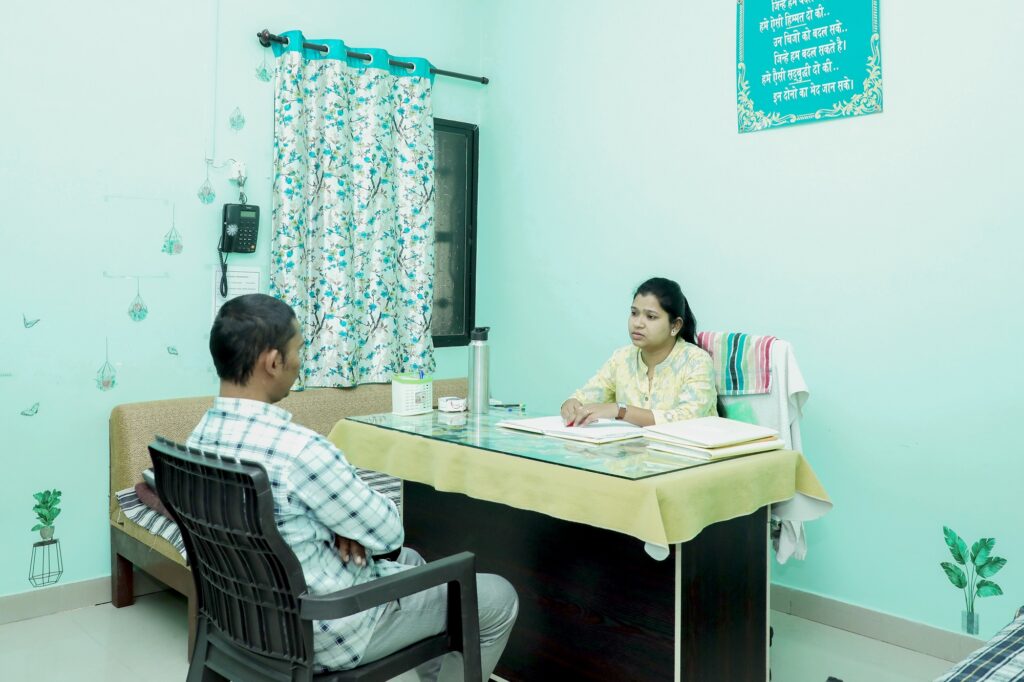
When the patient arrives, a complete medical and psychological evaluation is done. The doctor, psychiatrist, and counsellor work together to build a personal treatment plan. Every detail — the substance, the duration of addiction, the mental health history, the family situation — is taken into account.
Step 3 — Medical Detoxification
The body needs to safely clear out the substance it has become dependent on. Withdrawal can be dangerous — especially for alcohol and opioids. Symptoms like tremors, seizures, or severe anxiety need medical management. Home detox without supervision is risky. Always do it under medical care.
Step 4 — Residential Rehabilitation
This is where the deeper work happens. The patient lives at the centre in a fully structured daily routine. Each day includes:
- Individual counselling and therapy sessions
- Group therapy and peer support
- Cognitive Behavioural Therapy (CBT) to reshape thought patterns
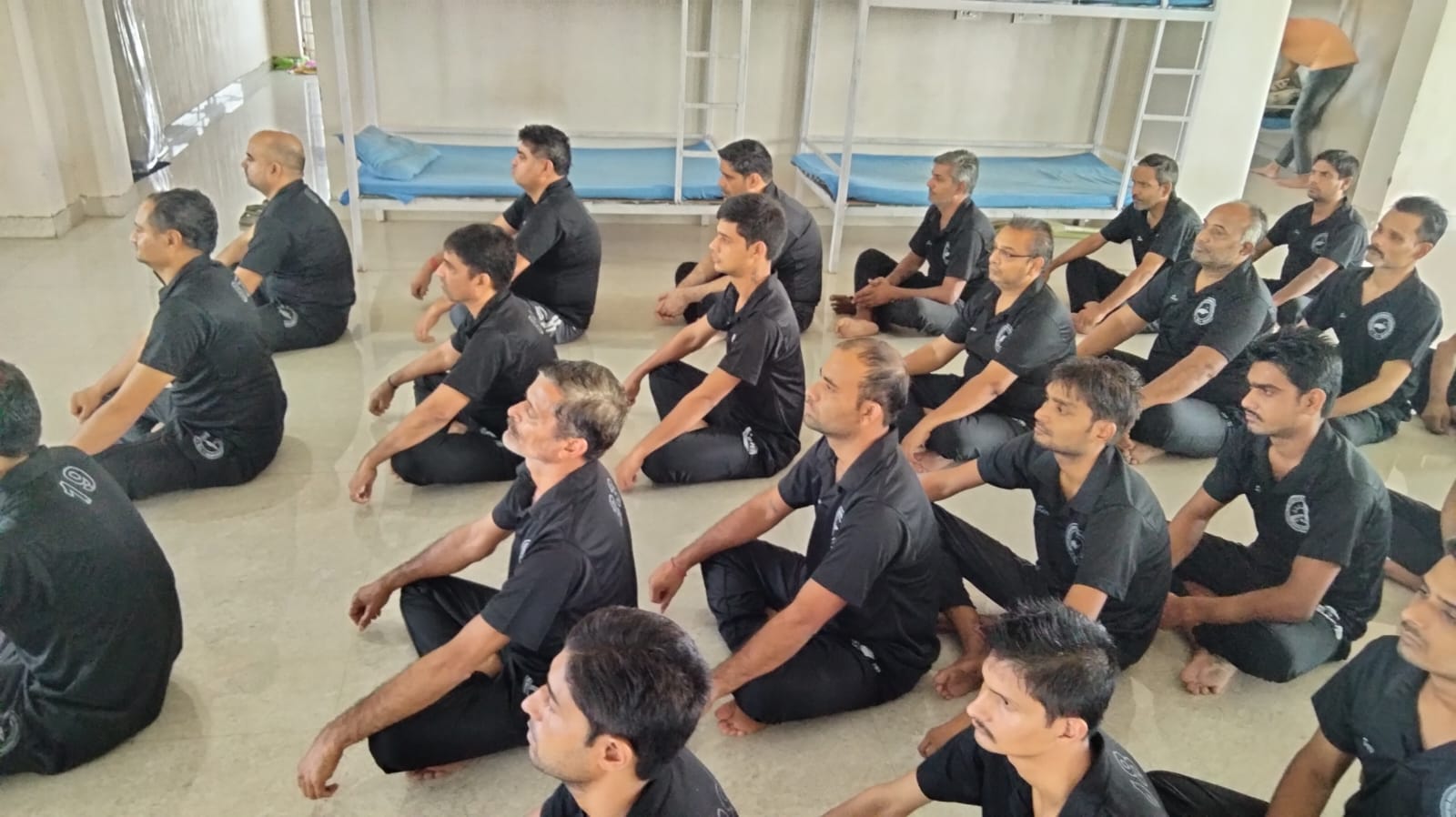
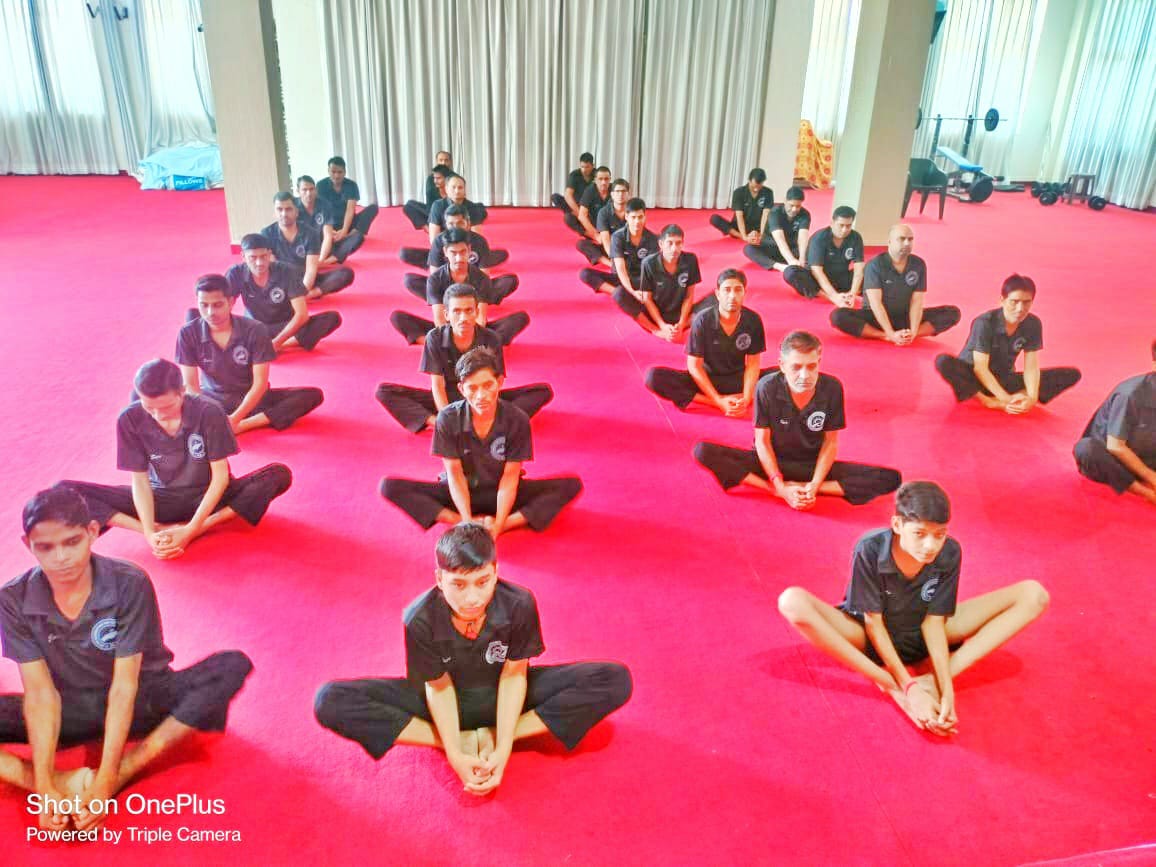
- Yoga and morning meditation
- Physical fitness and gym
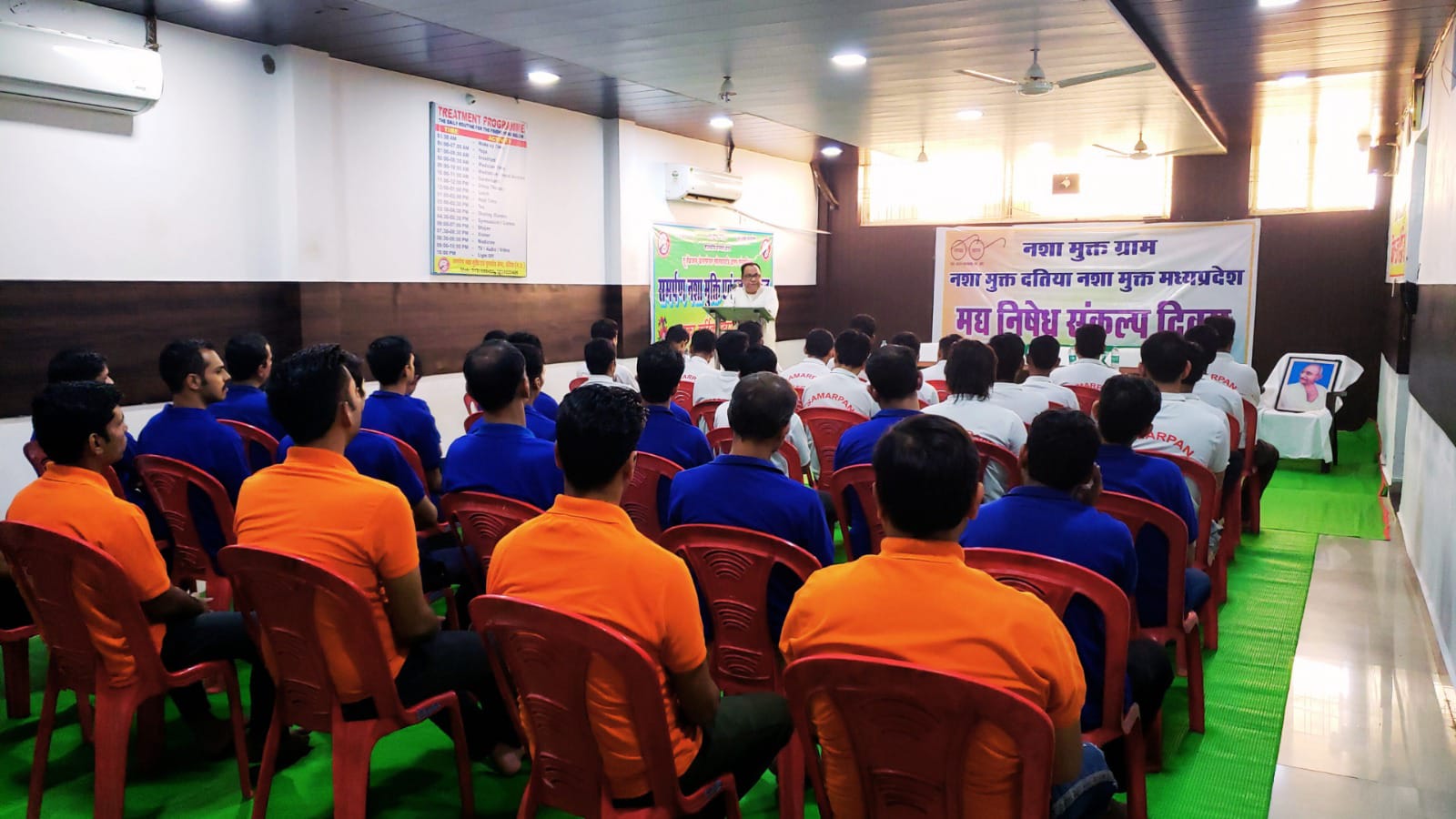
- Motivational and awareness classes
- Recreational activities and indoor games
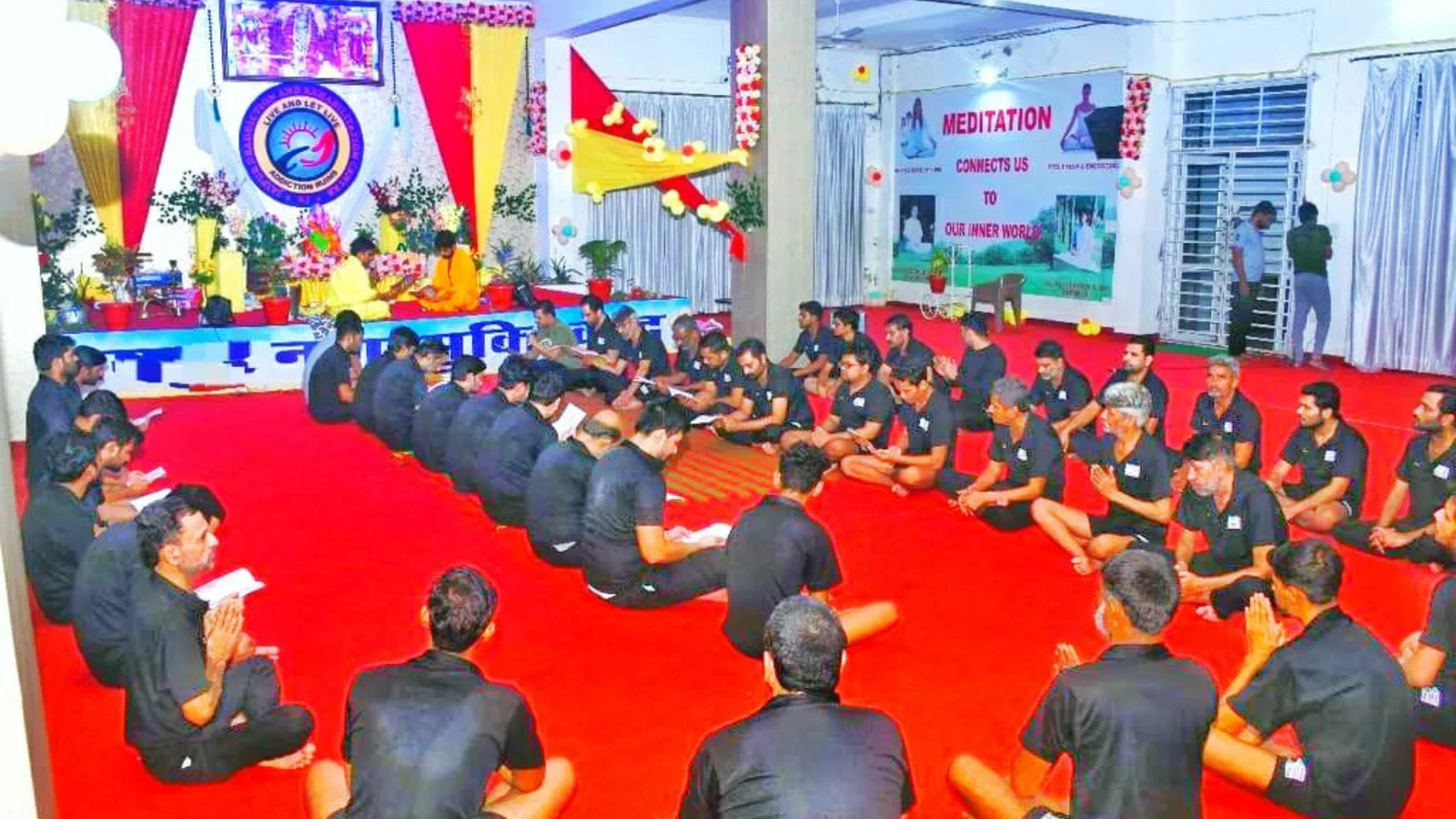
- Spiritual sessions — Sundar Kand, Hawan, Pooja
Step 5 — Family Counselling
Addiction changes a family. Trust breaks. Communication falls apart. Arguments become constant. Family counselling is a critical part of the treatment — not an optional extra. At Sanchit, family sessions run throughout the program. Loved ones learn how to support the patient without enabling relapse, and how to rebuild the relationship with realistic expectations.
Step 6 — Aftercare and Relapse Prevention
The day a patient leaves the centre is not the end. In many ways, it is the hardest part. Structured aftercare — scheduled follow-ups, relapse trigger identification, and continued counselling — is what keeps the recovery from falling apart in the months after discharge.
Warning Signs — When Is It Time to Ask for Help?
Many families wait until there is a crisis — an accident, a job loss, a health emergency. You do not have to wait that long.
These signs mean help is needed now:
- Tried to stop or cut down — and could not
- Physical withdrawal symptoms when substance is unavailable — shaking, sweating, nausea, anxiety
- Lying to family or employers about usage
- Work, studies, or daily responsibilities suffering
- Using alone or in secret
- Borrowing money or selling belongings to fund the habit
- Physical health deteriorating visibly
- Mood swings, aggression, or emotional instability
One or more of these? It is time to call.
Why Delhi Families Choose Sanchit Nasha Mukti Kendra
Here is something that many people in Delhi discover — sometimes, getting away from the city is exactly what recovery needs.
When a person stays in the same place they got addicted — the same streets, the same friends, the same pressures — staying clean is harder. The environment itself becomes a trigger.
Sanchit Nasha Mukti Kendra is in Gwalior, Madhya Pradesh — about 4 to 5 hours from Delhi. Far enough to break the pattern. Close enough to get there in a day. The centre handles pickup from Delhi directly.
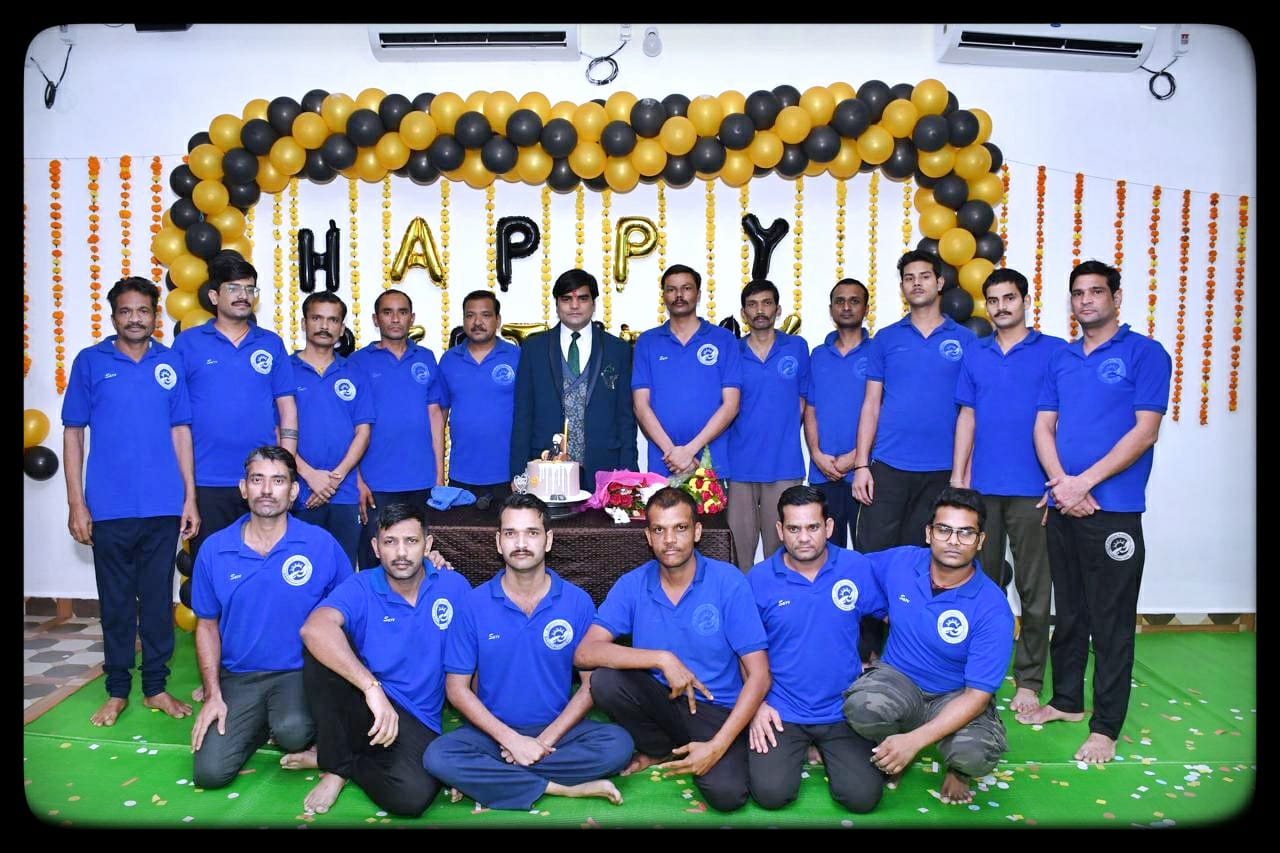
It is a government-registered, state-certified residential rehabilitation centre with over 6,000 successful recoveries. Everything is structured, medically supervised, and completely confidential.
Why Sanchit Stands Out
- ✅ Government-Registered and State-Certified — Not a private setup operating without oversight. Full legal compliance.
- ✅ 6,000+ Successful Recoveries — Real outcomes. Real people. Not just testimonials on a website.
- ✅ 29+ Years of Combined Expert Experience — Doctors, psychiatrists, counsellors, and yoga instructors who know what they are doing.
- ✅ Personalised Treatment Plans — Every patient’s plan is built around their specific history, substance, and needs. No generic templates.
- ✅ 24/7 Medical Supervision — Day or night, trained medical staff are always present.
- ✅ Direct Pickup from Delhi — Travel is not a barrier. The team arranges everything.
- ✅ Holistic Care — Medical treatment, psychological therapy, yoga, spiritual sessions, and recreational activities — under one roof.
- ✅ Full Confidentiality — Your family’s privacy is protected at every stage. No one finds out unless you choose to tell them.
- ✅ Accommodation Options — VIP AC Room, Private AC Ward, or Sharing Ward based on preference and budget.
Sanchit is among the top-rated Nasha Mukti Kendras in India — recognised for results, not just claims.
Contact Sanchit Nasha Mukti Kendra — Delhi Helpline
| Delhi Helpline — Available 24×7 | |
| 📞 Delhi Helpline | +91-8770211494 |
| 📞 Main Centre | +91-7828991573 | +91-8302102094 |
| sanchitrehab@gmail.com | |
| 🌐 Website | sanchitrehab.com |
| 📍 Centre Location | Sanchit Nasha Mukti Kendra, Gwalior, Madhya Pradesh |
| ⏰ Available | 24 hours, 7 days a week |
📞 Get a Free Confidential Consultation
Final Thoughts
Addiction does not fix itself. And willpower alone is rarely enough — especially when the body has become physically dependent on a substance.
What works is professional, structured care. The kind that treats both the body and the mind. The kind that involves the family. The kind that continues even after discharge.
If someone in your life needs help — do not wait for the crisis to deepen. One call can start everything.
Delhi Helpline: +91-8770211494 — Available 24 hours, 7 days a week.
Frequently Asked Questions
Q1. What is a Nasha Mukti Kendra in Delhi?
It is a de-addiction and rehabilitation centre that provides medically supervised treatment for alcohol, drug, opioid, and other substance addictions. A proper Nasha Mukti Kendra does not just detox the body — it addresses the psychological causes of addiction and prepares the patient for long-term sober living.
Q2. Can someone from Delhi get admitted to Sanchit Nasha Mukti Kendra?
Yes. Sanchit accepts patients from Delhi and across India. Pickup from Delhi can be arranged directly. Call: +91-8770211494
Q3. How far is Sanchit from Delhi?
Gwalior is about 4 to 5 hours from Delhi by road. The Sanchit team handles pickup and transport arrangements from Delhi.
Q4. What types of addiction are treated at Sanchit?
Sanchit treats alcohol addiction, drug addiction, cannabis, opioids, nicotine, and gambling addiction through personalised residential programs.
Q5. Is treatment fully confidential?
Yes. Patient information is never shared without explicit written consent. Sanchit maintains full confidentiality for every patient, regardless of background or circumstances.